Loading subject page…


89,606 views

Video Summary: What are Criteria for Aromaticity And
Ever wondered why aspirin contains a benzene ring while other cyclic compounds don't appear in pharmaceuticals? The criteria aromaticity determines which ring structures possess exceptional stability. Benzene, found in countless medications produced by US pharmaceutical companies like Pfizer, exemplifies perfect aromaticity through Hückel's rule. Understanding what are criteria for aromaticity and how they distinguish stable rings from unstable ones revolutionizes organic chemistry comprehension. Watch the full video on JoVE Coach to master this concept with expert-led visuals and step-by-step explanations.
Aromatic compounds represent some of the most stable and important molecules in organic chemistry. The criteria for aromaticity and definition were systematically established by German physicist Erich Hückel, whose groundbreaking work explained why certain cyclic compounds exhibit extraordinary stability while others remain highly reactive or unstable.
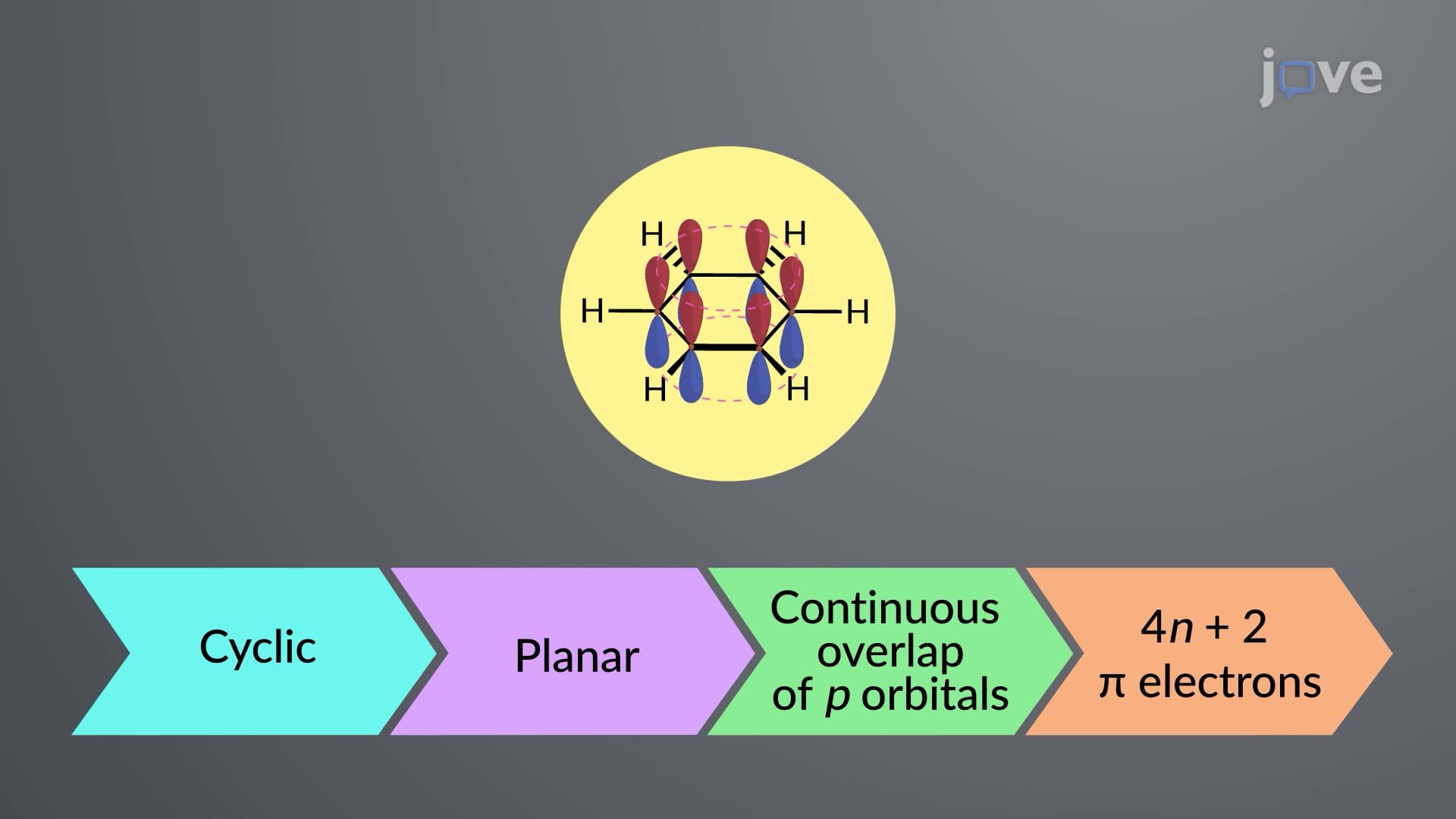
Criterion 1: Cyclic Structure The molecule must form a complete ring system. Linear or branched structures cannot achieve aromaticity, regardless of their electron configuration. This cyclical requirement allows for the continuous delocalization of pi electrons around the entire ring structure.
Criterion 2: Planar Geometry All atoms in the aromatic ring must lie in the same plane. This planarity ensures optimal overlap between adjacent p orbitals. Cyclooctatetraene fails this criterion by adopting a "tub" conformation to minimize angle strain, preventing the orbital overlap necessary for aromatic stabilization.
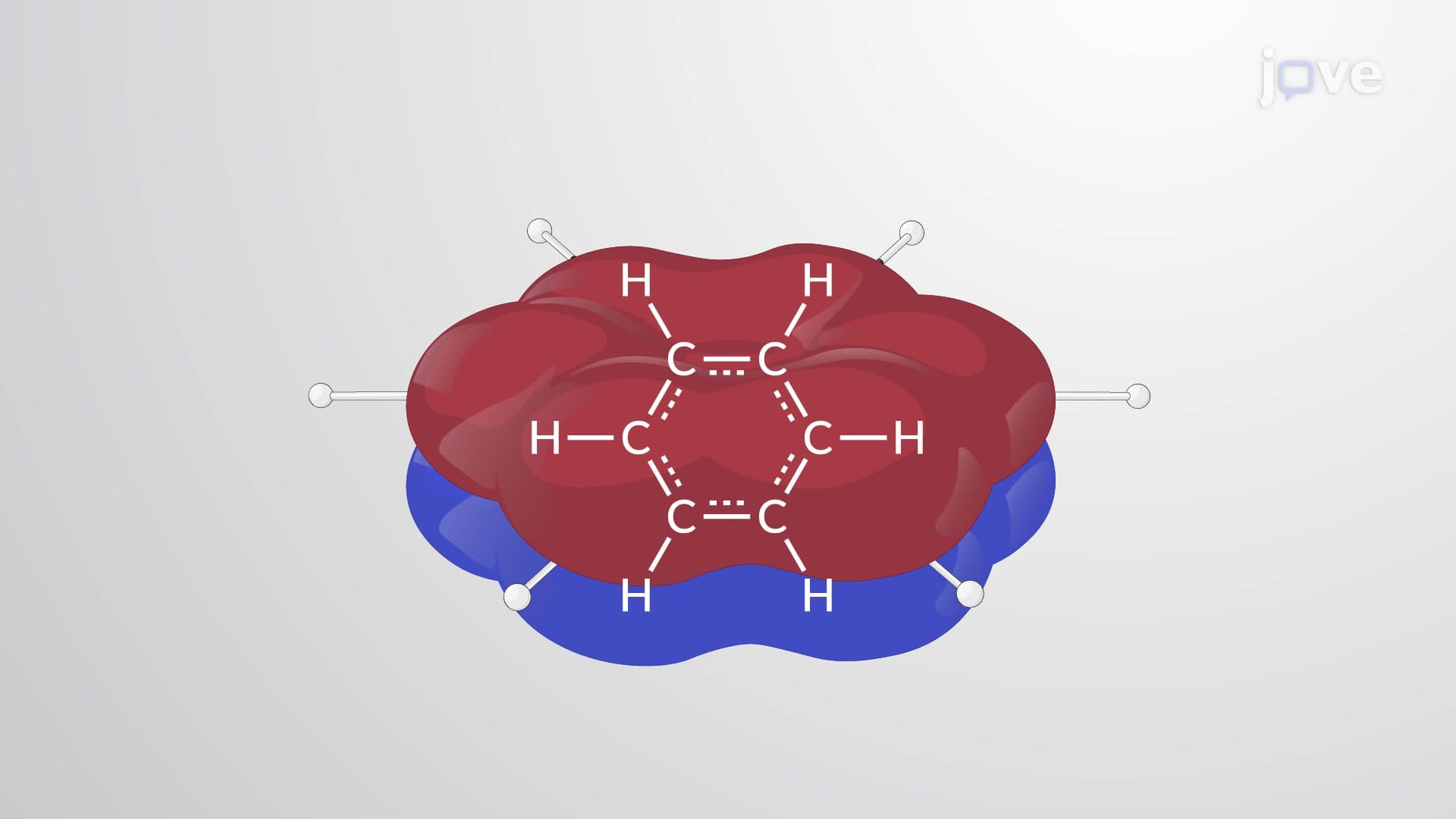
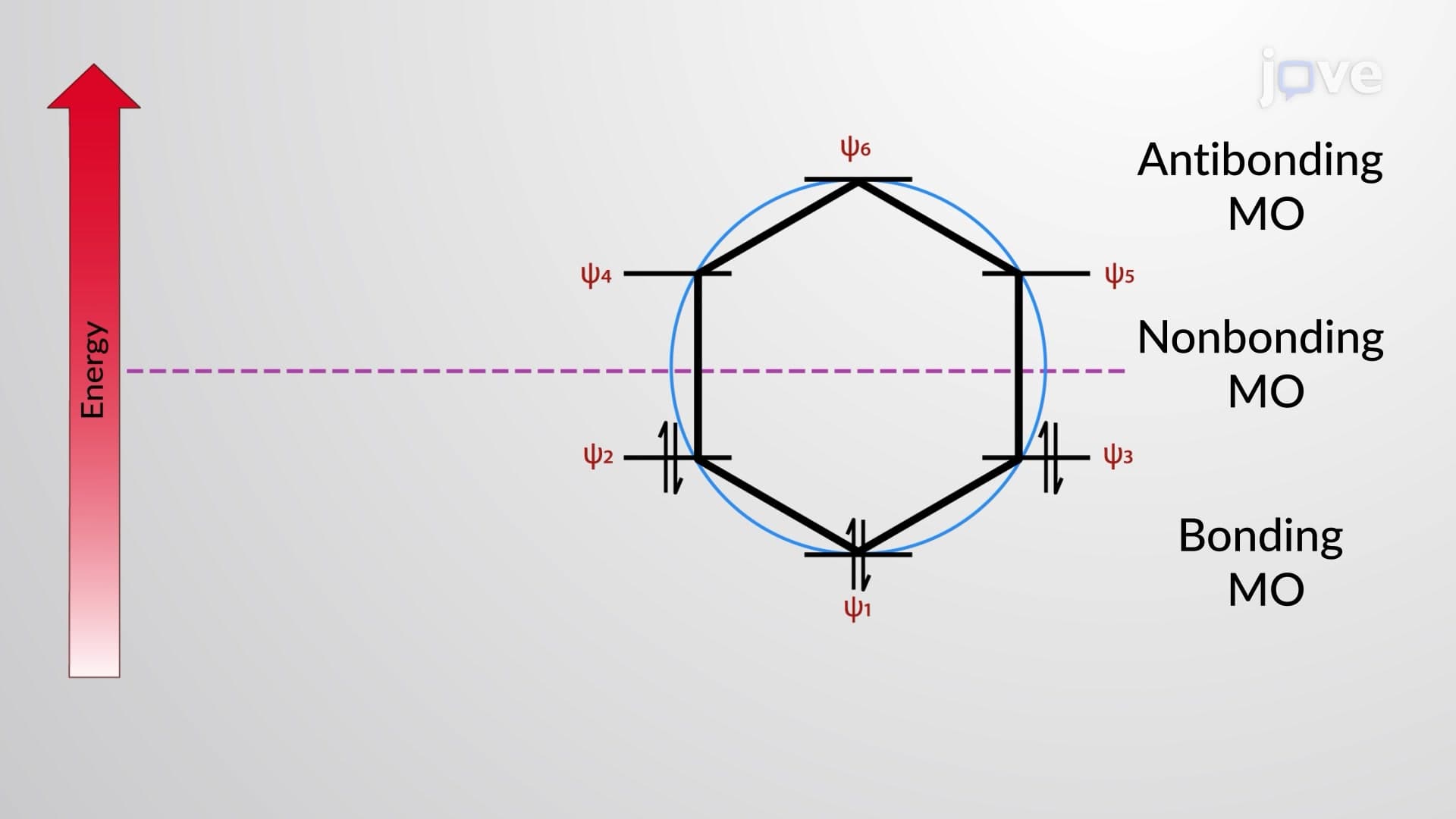
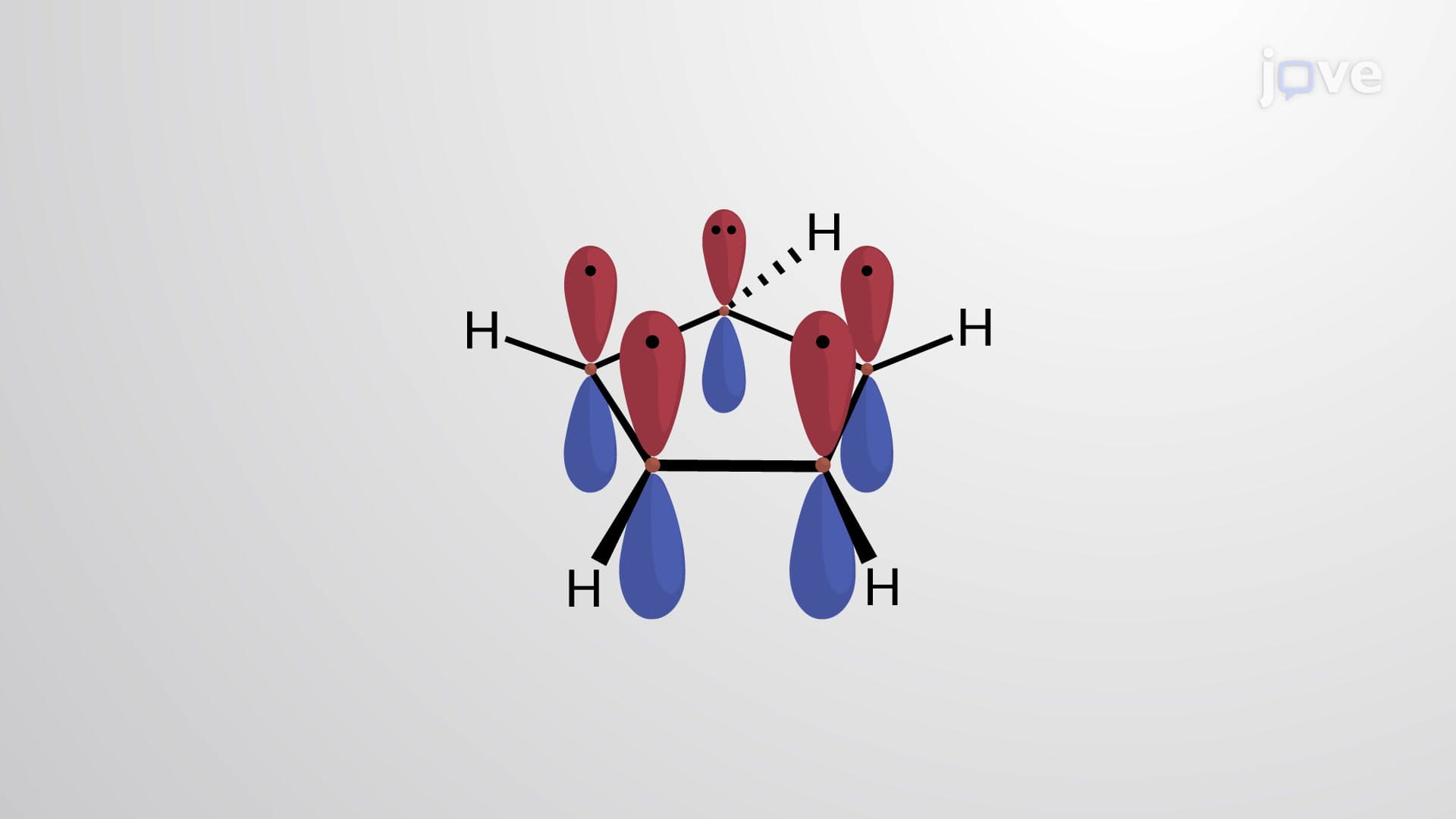
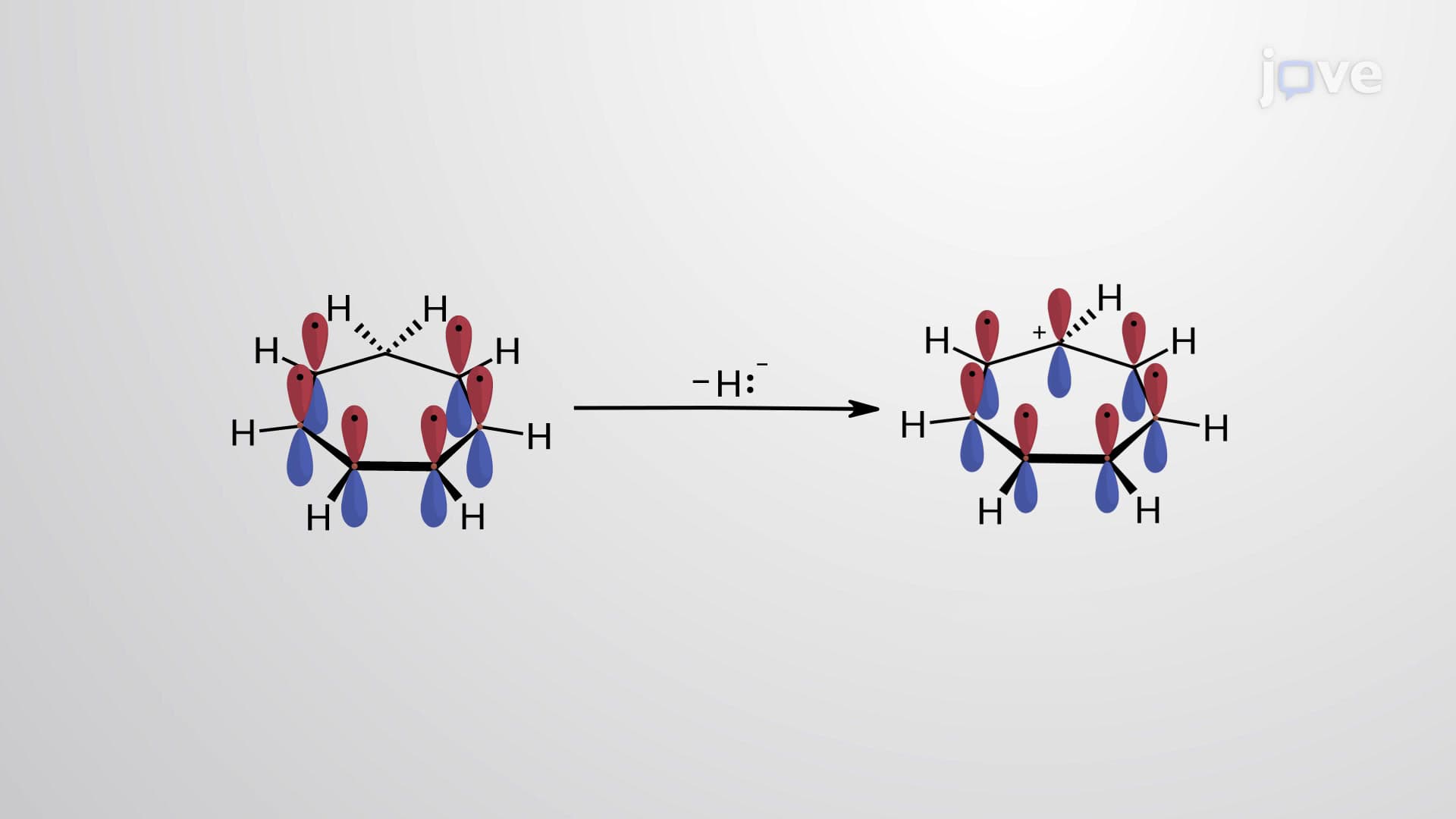
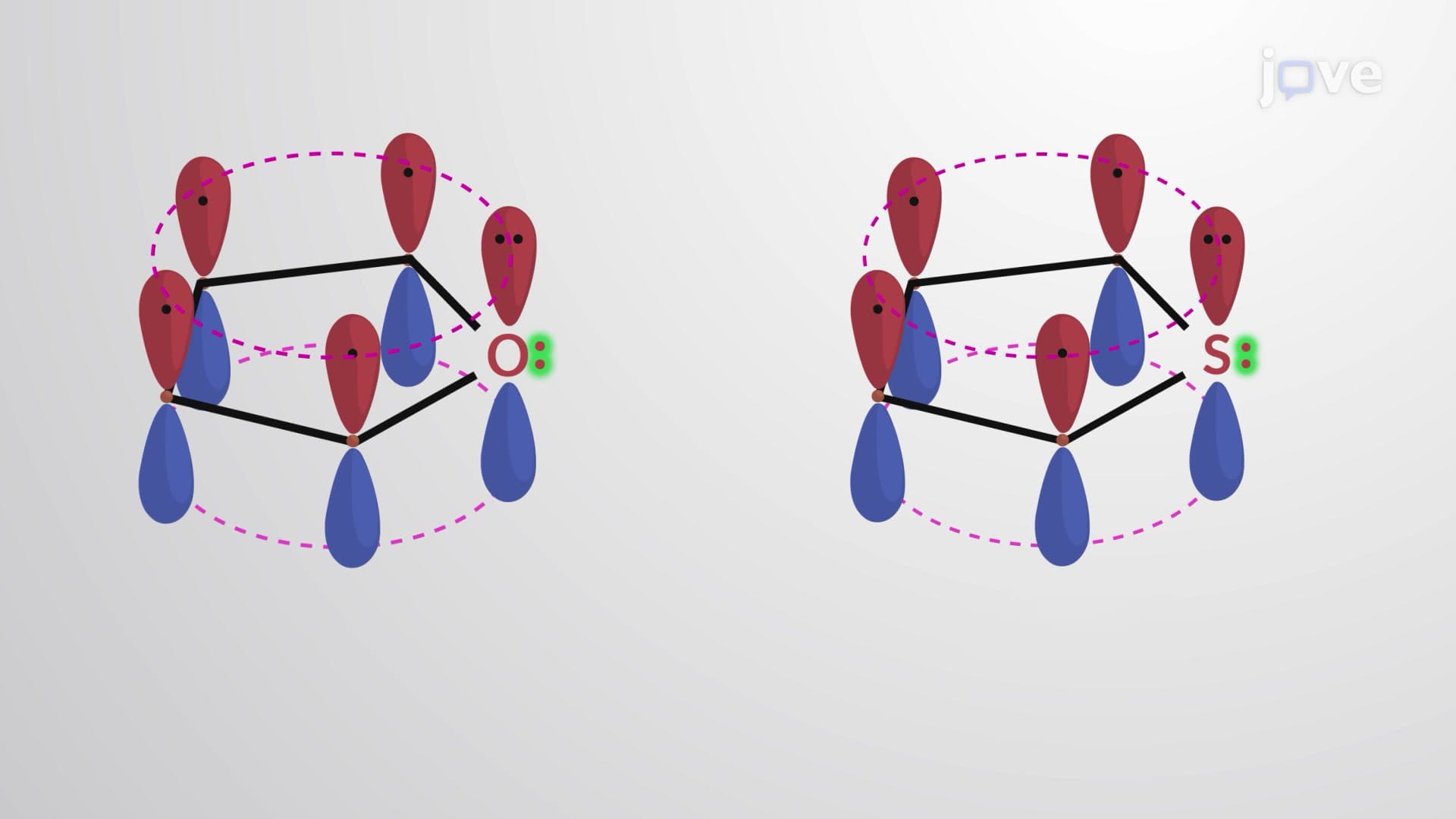
Criterion 3: Continuous p-Orbital Overlap Each carbon atom must possess an unhybridized p orbital capable of overlapping with neighboring p orbitals. This creates an uninterrupted system of electron delocalization around the ring. The continuous overlap generates the molecular orbital system responsible for aromatic stability.
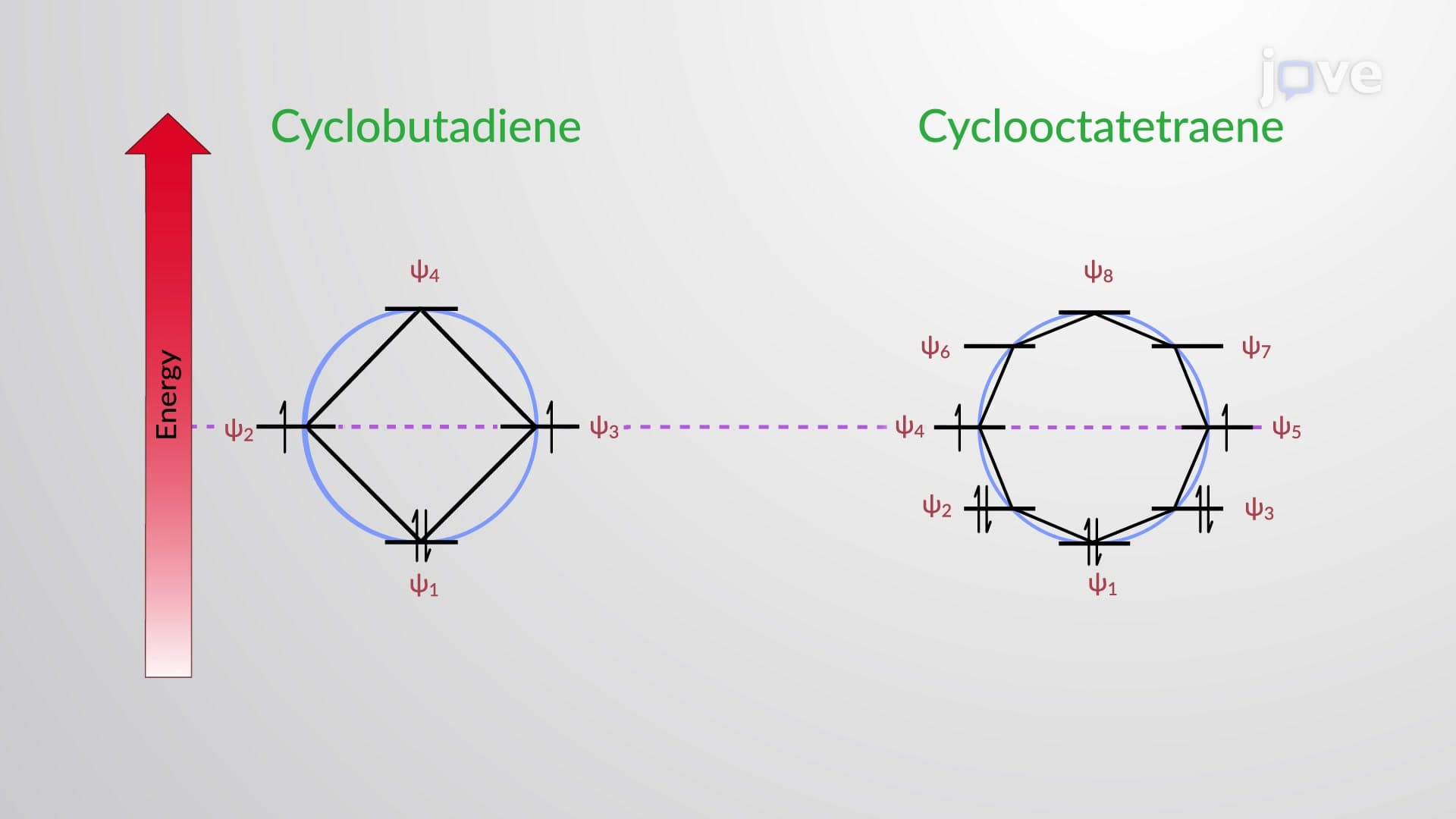
Criterion 4: Hückel's (4n + 2) Rule The ring system must contain exactly (4n + 2) pi electrons, where n represents any non-negative integer (0, 1, 2, 3...). Benzene contains 6 pi electrons (n = 1), while cyclobutadiene contains 4 pi electrons, failing this criterion and resulting in antiaromatic destabilization.
Understanding criteria aromaticity proves crucial for success in advanced placement chemistry, MCAT preparation, and undergraduate organic chemistry courses at institutions like Stanford, MIT, and UC Berkeley. Students frequently encounter aromaticity questions on standardized tests, requiring rapid identification of aromatic character in complex molecular structures.
The concept directly applies to pharmaceutical development, where companies like Johnson & Johnson and Merck rely on aromatic rings for drug stability and biological activity. Aspirin's effectiveness stems partly from its aromatic benzene ring, while many antidepressants contain aromatic systems that enable proper receptor binding.
US chemical manufacturers extensively utilize aromatic compounds in polymer production, with companies like DuPont incorporating aromatic monomers into high-performance plastics. The textile industry depends on aromatic dyes, while petroleum refineries separate aromatic compounds like benzene, toluene, and xylene for various commercial applications.
Related Micro-courses