Loading subject page…

- Organic Chemistry
- Aromatic Compounds
- Aromatic Hydrocarbon Anions: Structural Overview
Micro-course: Aromatic Compounds
89,601 views
Learn key concepts and earn your certificate.


Aromatic Hydrocarbon Anions: Structural Overview

00:00
01:18
Video Summary: What Is Aromatic Hydrocarbon Anions Structural
Why do some charged molecules become more stable than their neutral counterparts? Aromatic hydrocarbon anions structural properties reveal this fascinating chemical paradox, where removing electrons from certain ring compounds actually increases their stability. Consider cyclopentadiene used in pharmaceutical synthesis at companies like Pfizer-while the neutral molecule lacks aromaticity, its anion form achieves remarkable stability through electron delocalization. Understanding what is aromatic hydrocarbon anions structural helps explain why these negatively charged species follow Hückel's rule and gain aromatic character. Watch the full video on JoVE Coach to master this concept with expert-led visuals and step-by-step explanations.
- Understand what is aromatic hydrocarbon anions structural and how electron removal transforms non-aromatic compounds into aromatic systems
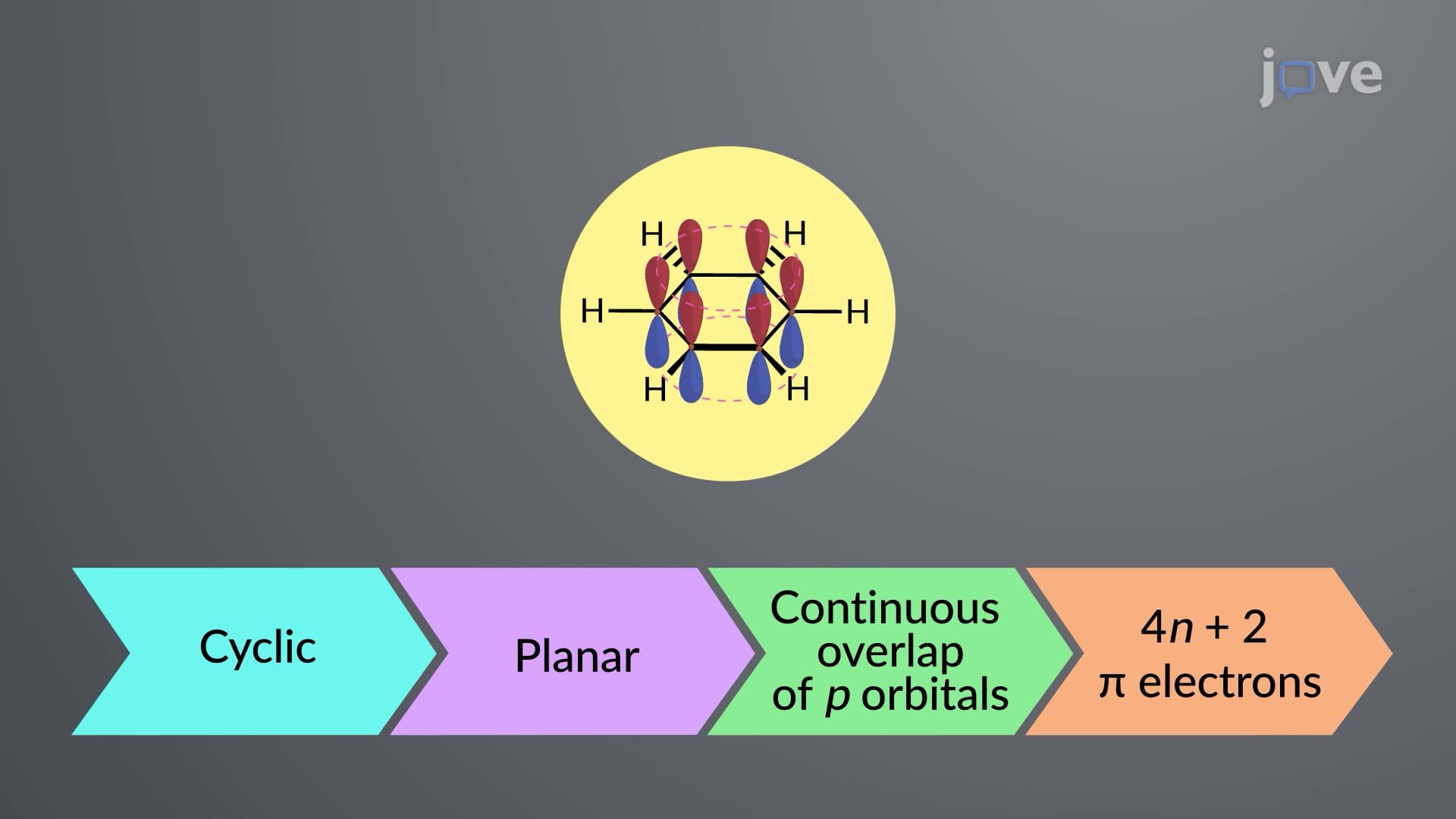
- Identify the key structural requirements for aromatic anion formation, including sp2 hybridization and continuous p-orbital overlap
- Analyze how Hückel's rule (4n + 2 electrons) applies specifically to negatively charged cyclic hydrocarbon systems
- Compare the stability differences between aromatic anions, radicals, and cations formed from the same parent compound
- Evaluate resonance structures and molecular orbital arrangements that contribute to aromatic anion stability
- Apply knowledge of aromatic anion formation to predict which neutral hydrocarbons can form stable aromatic anions
- Recognize the role of electron delocalization in stabilizing negative charges within aromatic ring systems
- Explore real-world applications of aromatic anions in organic synthesis and pharmaceutical development
Understanding Aromatic Hydrocarbon Anions Structural Foundation
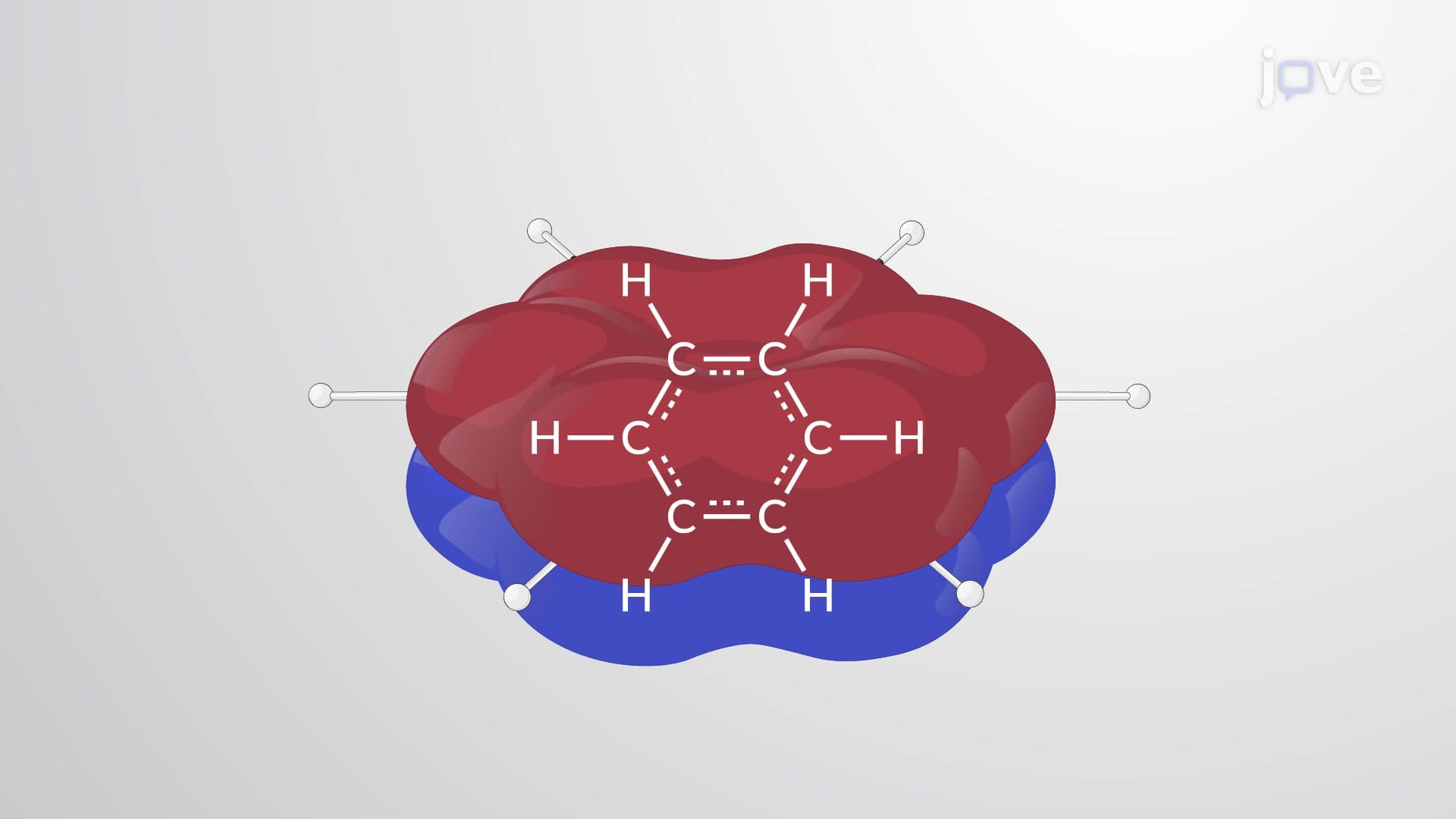
Aromatic hydrocarbon anions represent a fascinating class of negatively charged organic molecules that achieve stability through electron delocalization. Unlike their neutral counterparts, these anions satisfy Hückel's aromatic criteria, making them significantly more stable than expected for negatively charged species. The structural transformation from non-aromatic to aromatic occurs when specific hydrocarbons lose hydrogen atoms along with electrons, creating resonance-stabilized systems.
Cyclopentadienyl Anion: The Classic Example
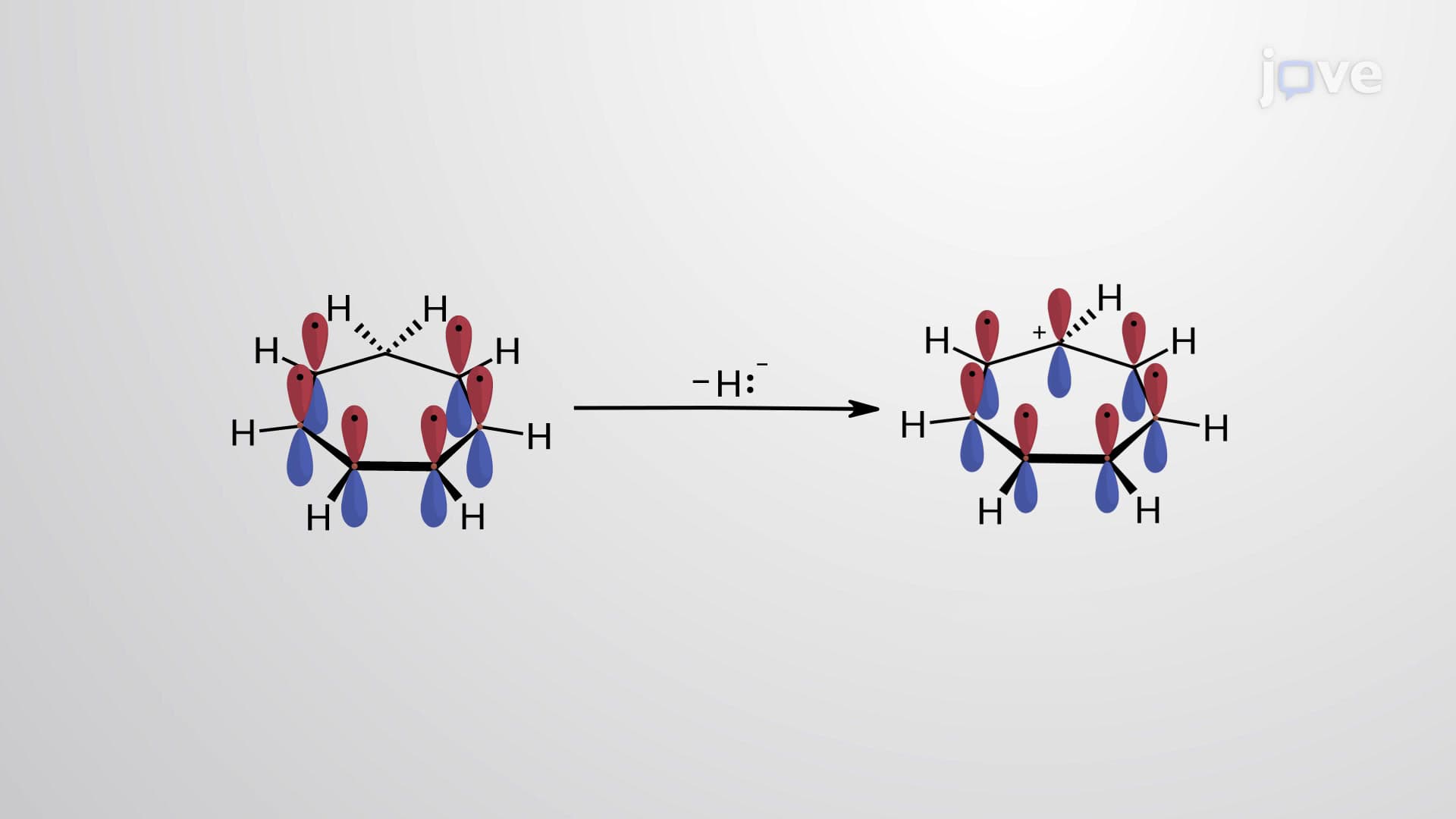
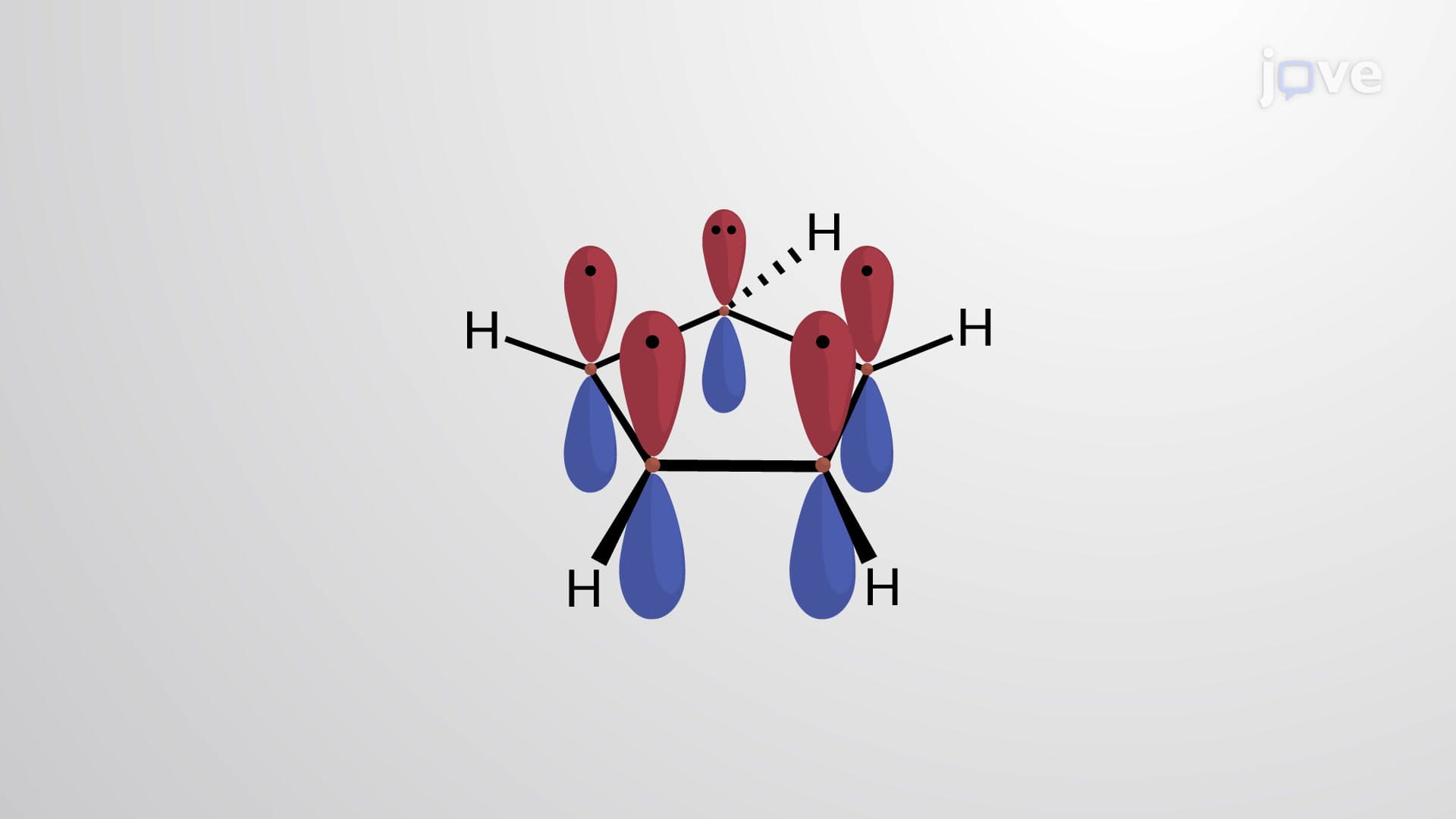
The cyclopentadienyl anion serves as the quintessential example of aromatic hydrocarbon anions structural behavior. Neutral cyclopentadiene contains an sp3-hybridized carbon that disrupts p-orbital overlap, preventing aromaticity despite having a five-membered ring. When this CH2 group loses a hydrogen atom and its bonding electrons, the carbon becomes sp2-hybridized, contributing a p-orbital to the conjugated system. This transformation creates a planar ring with six π electrons (4n + 2, where n = 1), satisfying Hückel's rule for aromaticity.
Molecular Orbital Theory and Electron Delocalization
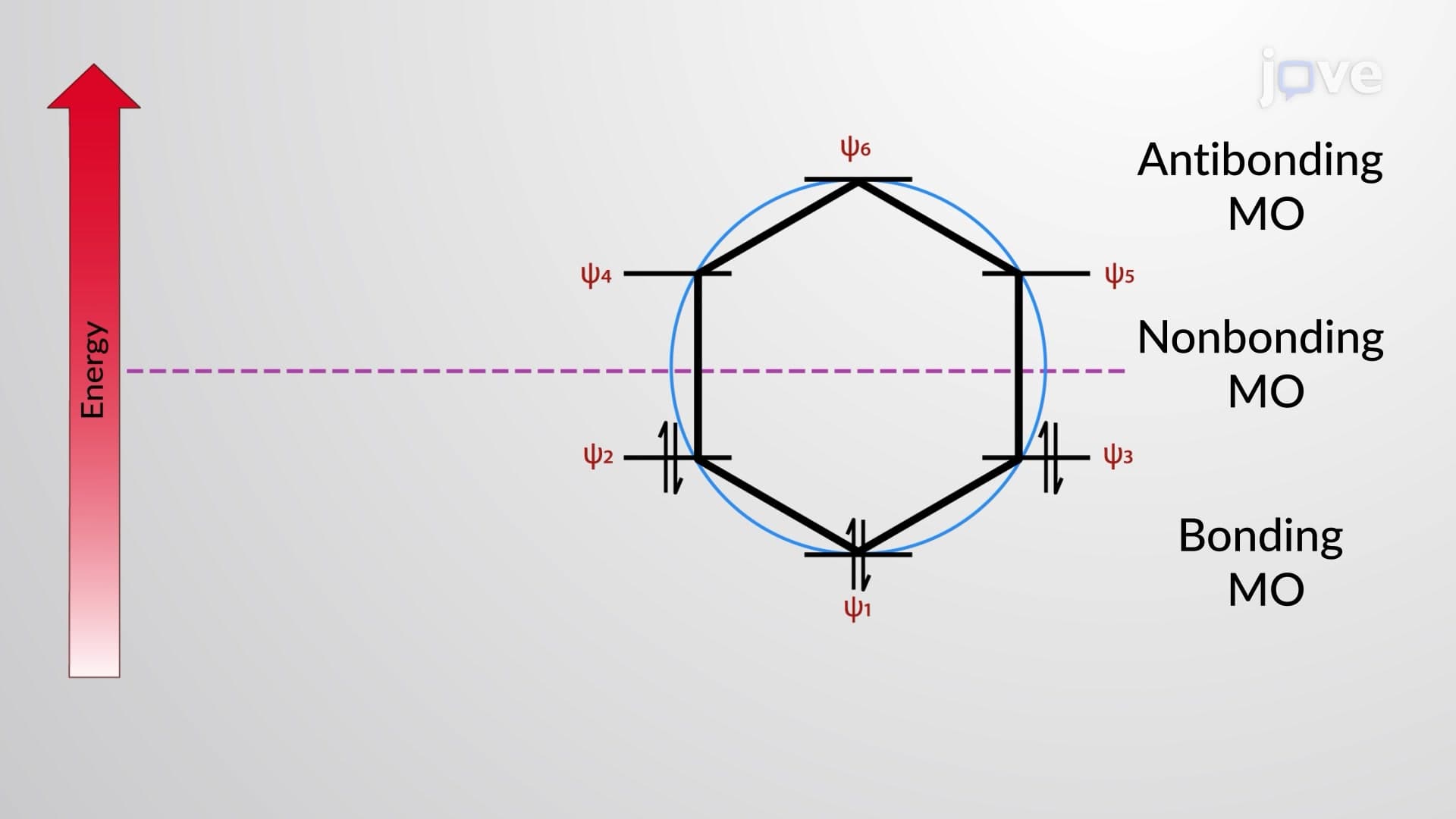
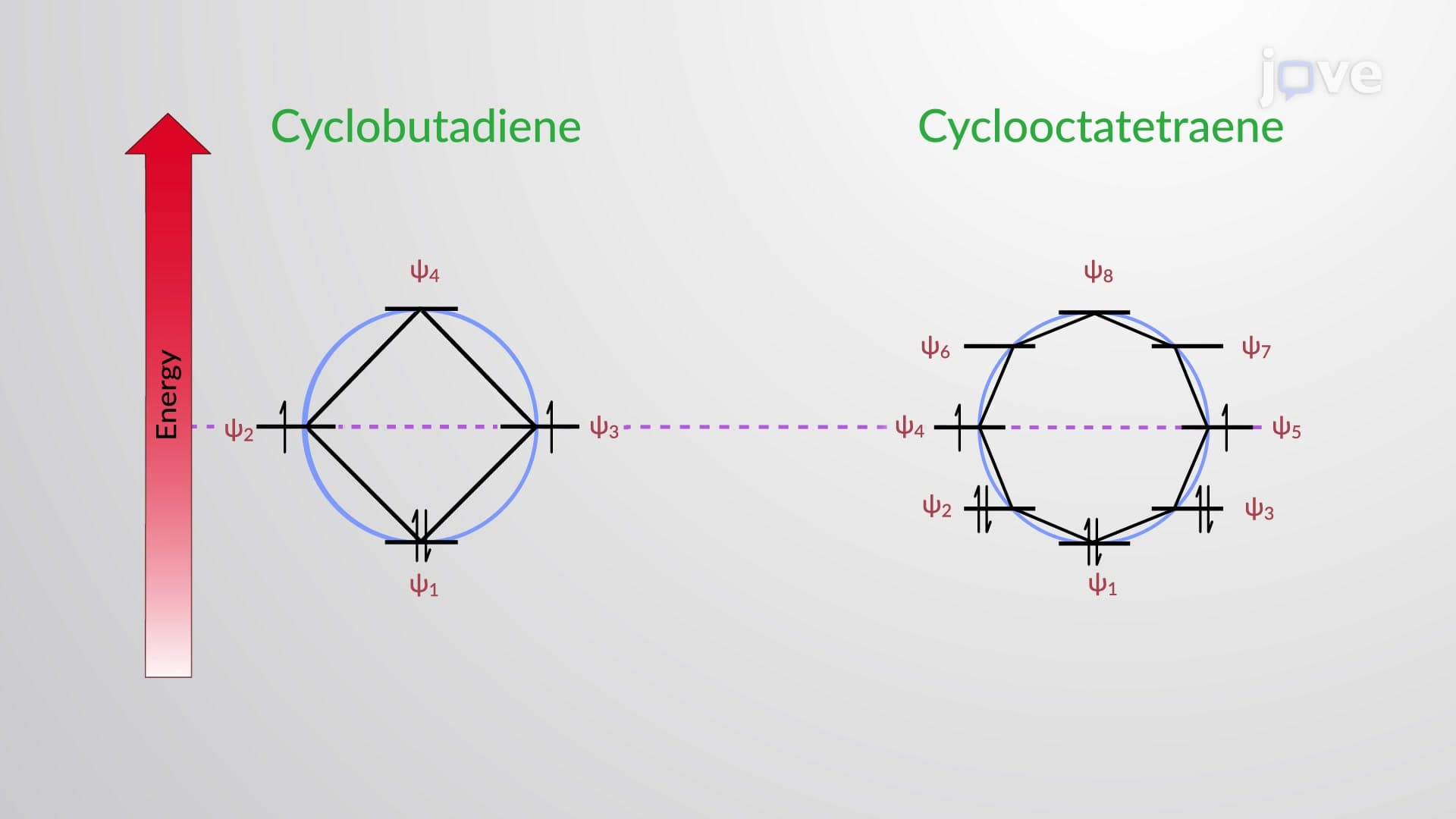
The aromatic character of these anions stems from favorable molecular orbital arrangements. In the cyclopentadienyl anion, all six π electrons occupy bonding and non-bonding molecular orbitals, with no electrons in antibonding orbitals. This electronic configuration, combined with five equivalent resonance structures, distributes the negative charge evenly across all carbon atoms. Students preparing for AP Chemistry or college organic chemistry exams should recognize that this delocalization energy provides substantial stabilization, often making aromatic anions more stable than their neutral precursors.
Practical Applications in American Industry
Aromatic anions play crucial roles in modern synthetic chemistry, particularly in pharmaceutical manufacturing. Companies like Merck and Johnson & Johnson utilize cyclopentadienyl anions as ligands in organometallic catalysts for drug synthesis. These applications appear frequently in MCAT organic chemistry sections, where students must predict reaction outcomes involving aromatic systems. Understanding how structural changes affect aromaticity helps explain why certain synthetic pathways favor anion formation over other charged species.
Exam Strategy and Problem-Solving Approach
When encountering aromatic anion problems on standardized tests, focus on electron counting and hybridization analysis. First, identify the parent hydrocarbon's structure and electron count. Next, determine how hydrogen removal affects hybridization and p-orbital overlap. Finally, apply Hückel's rule to confirm aromatic character. This systematic approach proves invaluable for SAT Subject Tests and college organic chemistry examinations, where aromatic stability comparisons frequently appear as challenging multiple-choice or free-response questions.
Frequently Asked Questions
Aromatic hydrocarbon anions structural properties refer to negatively charged cyclic compounds that gain aromatic stability through electron delocalization. Unlike typical anions that are destabilized by negative charge concentration, aromatic anions distribute their charge across conjugated ring systems, following Hückel's 4n + 2 electron rule. This delocalization makes them unusually stable compared to non-aromatic anions.
These concepts frequently appear in AP Chemistry free-response questions and college midterms focusing on molecular structure and stability. Students encounter problems comparing cyclopentadienyl anion stability to other charged species, predicting aromatic character from structural formulas, and explaining why certain anions follow Hückel's rule. MCAT passages often feature aromatic anions in pharmaceutical synthesis contexts.
The cyclopentadienyl anion contains six π electrons, satisfying Hückel's aromatic rule (4n + 2). The cation has only four electrons (4n), making it antiaromatic and highly unstable, while the radical has five electrons, creating an open-shell system without aromatic stabilization. Only the anion achieves the electron count necessary for aromatic stability.
Aromatic anions serve as ligands in organometallic catalysts used for stereoselective drug synthesis. The cyclopentadienyl anion coordinates to metals like iron in ferrocene-based catalysts, enabling precise control over reaction stereochemistry. These applications are crucial for manufacturing complex pharmaceuticals where specific molecular orientations determine biological activity.
No advanced math is required beyond basic electron counting and understanding the 4n + 2 rule. High school algebra skills suffice for determining electron numbers and applying Hückel's criteria. The concepts rely more on spatial visualization and pattern recognition than complex calculations, making them accessible to students with solid general chemistry foundations.
Focus on electron counting rather than memorization. Practice identifying π electrons, determining hybridization states, and applying Hückel's rule systematically. Create comparison charts showing electron counts for anions, neutrals, and cations of the same ring system. This analytical approach proves more reliable than rote memorization for both AP and college-level examinations.
Aromatic anions often serve as ligands in transition metal complexes, forming stable organometallic compounds like ferrocene. These connections become important in advanced organic chemistry and materials science courses. Understanding aromatic anion stability provides the foundation for studying metal-ligand bonding and catalytic mechanisms in industrial processes.
Practice problems should include drawing resonance structures for cyclopentadienyl anion, comparing stability of different charged species, predicting aromatic character from electron counts, and explaining why certain ring systems form stable anions while others don't. Focus on problems requiring both structural analysis and stability predictions to build comprehensive understanding.
Related Micro-courses