Loading subject page…


392,707 views


Video Summary: Chemical Bonding Types and Properties
Ever wondered why table salt dissolves in water but oil doesn't? The answer lies in chemical bonding: types properties that determine how atoms connect and behave. From the ionic bonds in sodium chloride used to de-ice US highways to the covalent bonds in petroleum products, understanding Chemical Bonding: Types and Properties reveals why materials have their unique characteristics and helps predict molecular behavior in everything from pharmaceuticals to plastics. Watch the full video on JoVE Coach to master this concept with expert-led visuals and step-by-step explanations.
Chemical bonding represents the fundamental force that holds atoms together in compounds, determining everything from a material's melting point to its electrical conductivity. When atoms approach each other, a delicate balance emerges between attractive forces (electrons attracted to opposite nuclei) and repulsive forces (like charges repelling). If the net result favors attraction, a stable chemical bond forms with lower potential energy than the separate atoms.
This concept is crucial for AP Chemistry students and appears frequently on college general chemistry exams, where understanding bond formation mechanisms often determines success in predicting molecular properties and reactions.
Ionic bonding occurs when atoms with significantly different electronegativities interact, typically between metals and nonmetals. Consider sodium chloride formation: sodium (a Group 1 metal) readily loses its single valence electron to achieve the stable neon configuration, while chlorine (a Group 17 nonmetal) accepts this electron to achieve the argon configuration.
The resulting Na+ and Cl- ions attract through electrostatic forces, creating the crystalline structure we recognize as table salt. This electron transfer process creates compounds with characteristic properties: high melting points, electrical conductivity when dissolved, and brittleness. These principles explain why ionic compounds like calcium carbonate form limestone caves throughout the US Southwest, while magnesium chloride effectively melts ice on Minnesota highways.
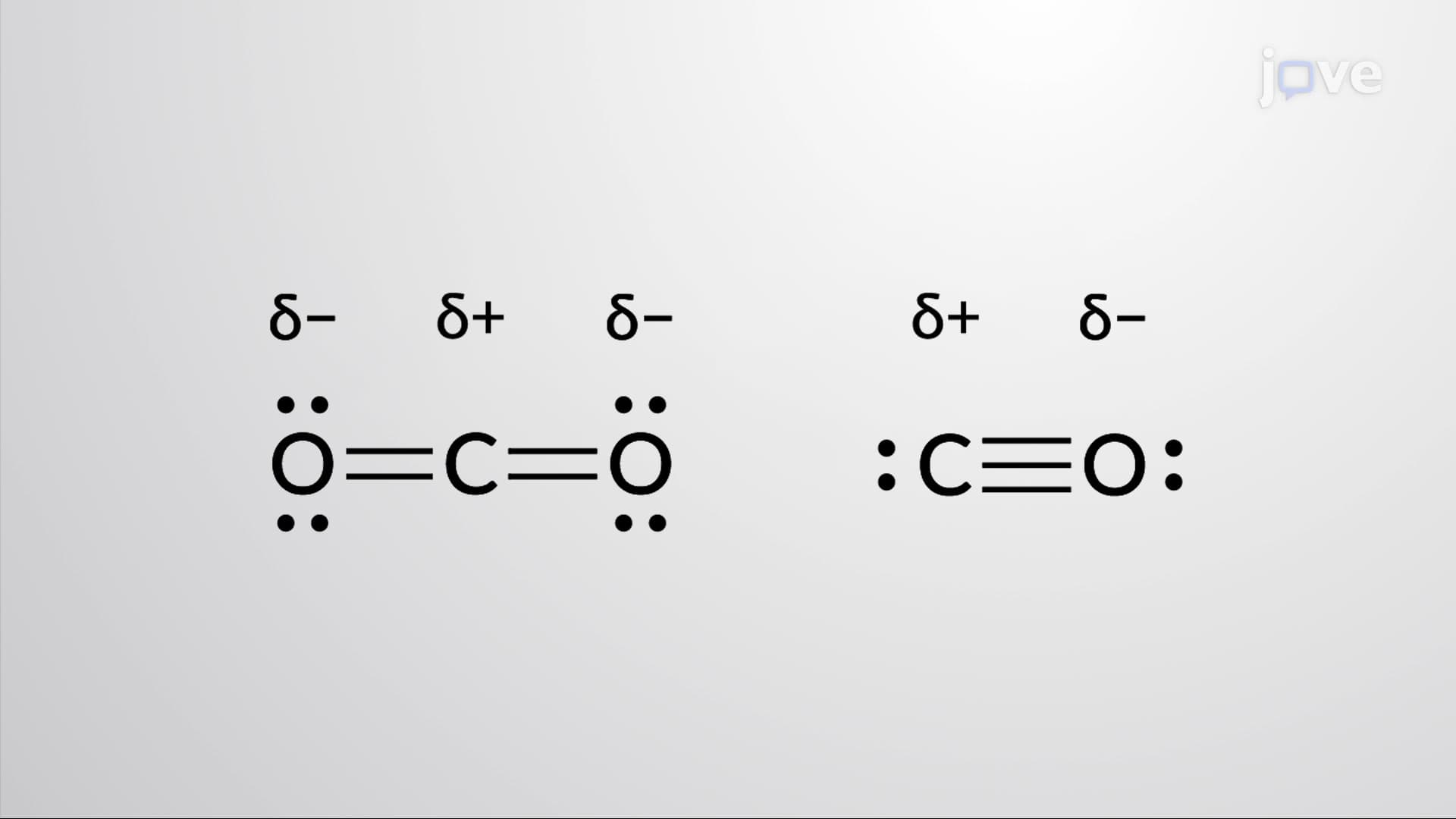
Covalent bonding involves electron sharing between atoms with similar electronegativities, typically nonmetals. Unlike ionic bonds' complete electron transfer, covalent bonds create shared electron pairs that simultaneously attract both atomic nuclei, lowering the system's potential energy.
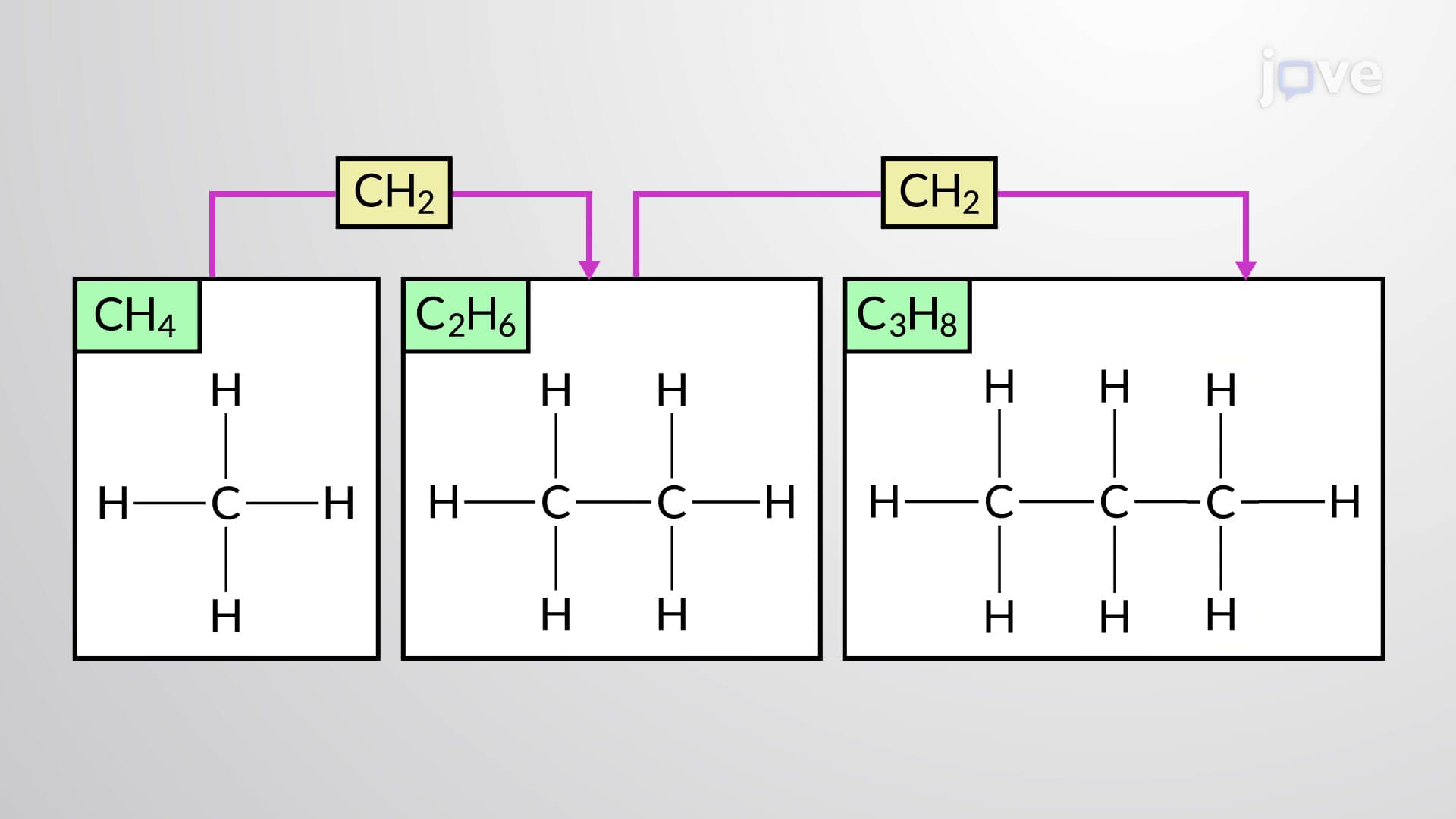
Single covalent bonds share one electron pair, while double and triple bonds share two and three pairs respectively. As bond multiplicity increases, bond strength increases but bond length decreases. For example, carbon-carbon single bonds (like in ethane) measure approximately 1.54 Angstroms, while carbon-carbon double bonds (like in ethylene) measure about 1.34 Angstroms, and triple bonds (like in acetylene) measure roughly 1.20 Angstroms.
Bond energy represents the energy required to break one mole of bonds in gaseous compounds, directly correlating with bond strength. Triple bonds require more energy to break than double bonds, which require more than single bonds. This relationship explains why acetylene (with its carbon-carbon triple bond) burns hotter than propane (with only single bonds), making it valuable for welding applications across US manufacturing industries.
Bond length inversely correlates with bond strength and multiplicity. Shorter bonds are generally stronger, explaining why diamond (with short, strong carbon-carbon bonds) ranks as one of the hardest natural materials, while graphite (with longer bonds between carbon layers) remains soft enough for pencil lead.
Related Micro-courses