Loading subject page…

- Organic Chemistry
- Covalent Bonding and Structure
- Intermolecular Forces and Physical Properties
Micro-course: Covalent Bonding and Structure
392,707 views
Learn key concepts and earn your certificate.

Intermolecular Forces and Physical Properties

00:00
02:56
Video Summary: Intermolecular Forces and Physical Properties Explained
Ever wondered why water beads up on a freshly waxed car while gasoline spreads out instantly? Intermolecular forces physical properties determine these everyday phenomena through invisible attractions between molecules. These electrostatic interactions explain why ice cream melts at room temperature while salt requires much higher temperatures, directly connecting molecular behavior to observable characteristics we encounter daily. Understanding Intermolecular Forces And Physical Properties Explained reveals the hidden science behind everything from cooking to pharmaceutical development. Watch the full video on JoVE Coach to master this concept with expert-led visuals and step-by-step explanations.
- Understand how Intermolecular Forces And Physical Properties Explained connects molecular interactions to observable characteristics like melting points and solubility
- Identify the three major types of intermolecular forces: ion-dipole interactions, dipole-dipole interactions, and dispersion forces
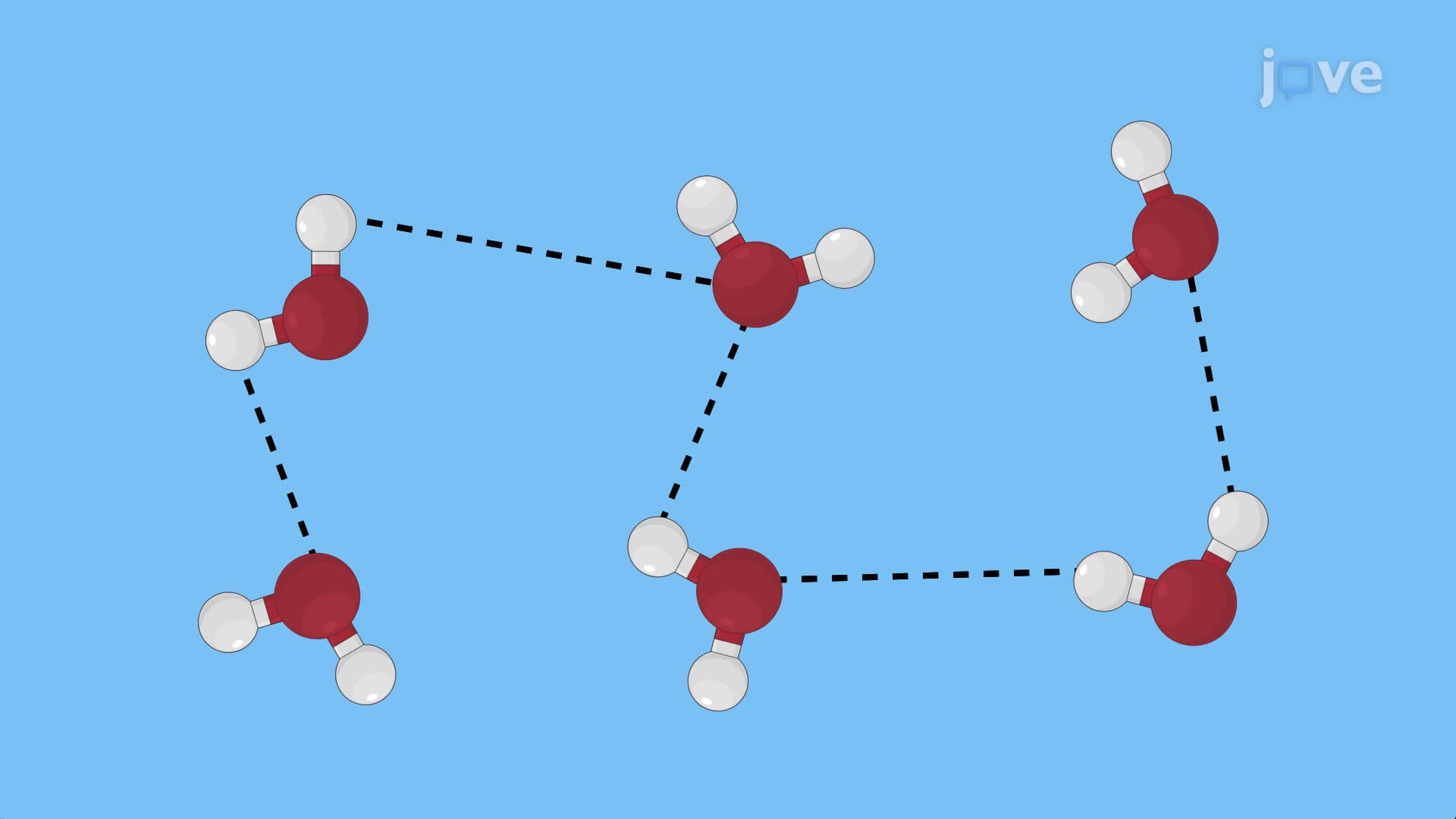
- Analyze how hydrogen bonding, a special dipole-dipole interaction, creates unusually high boiling and melting points in compounds
- Compare the relative strengths of different intermolecular forces and predict their effects on physical properties
- Evaluate how molecular structure and molar mass influence the magnitude of dispersion forces
- Apply solubility principles to predict whether substances will be miscible or immiscible based on intermolecular forces
- Recognize real-world applications of intermolecular forces in pharmaceutical design, materials science, and environmental processes
- Explore the relationship between surface area, molecular shape, and intermolecular force strength
Understanding Intermolecular Forces And Physical Properties Explained
Intermolecular forces represent the invisible architects of our physical world, determining everything from why oil and water don't mix to how anesthetics work in operating rooms across American hospitals. These electrostatic attractions between molecules directly control physical properties that chemistry students encounter on AP Chemistry exams and college coursework nationwide.
Types and Strengths of Intermolecular Forces
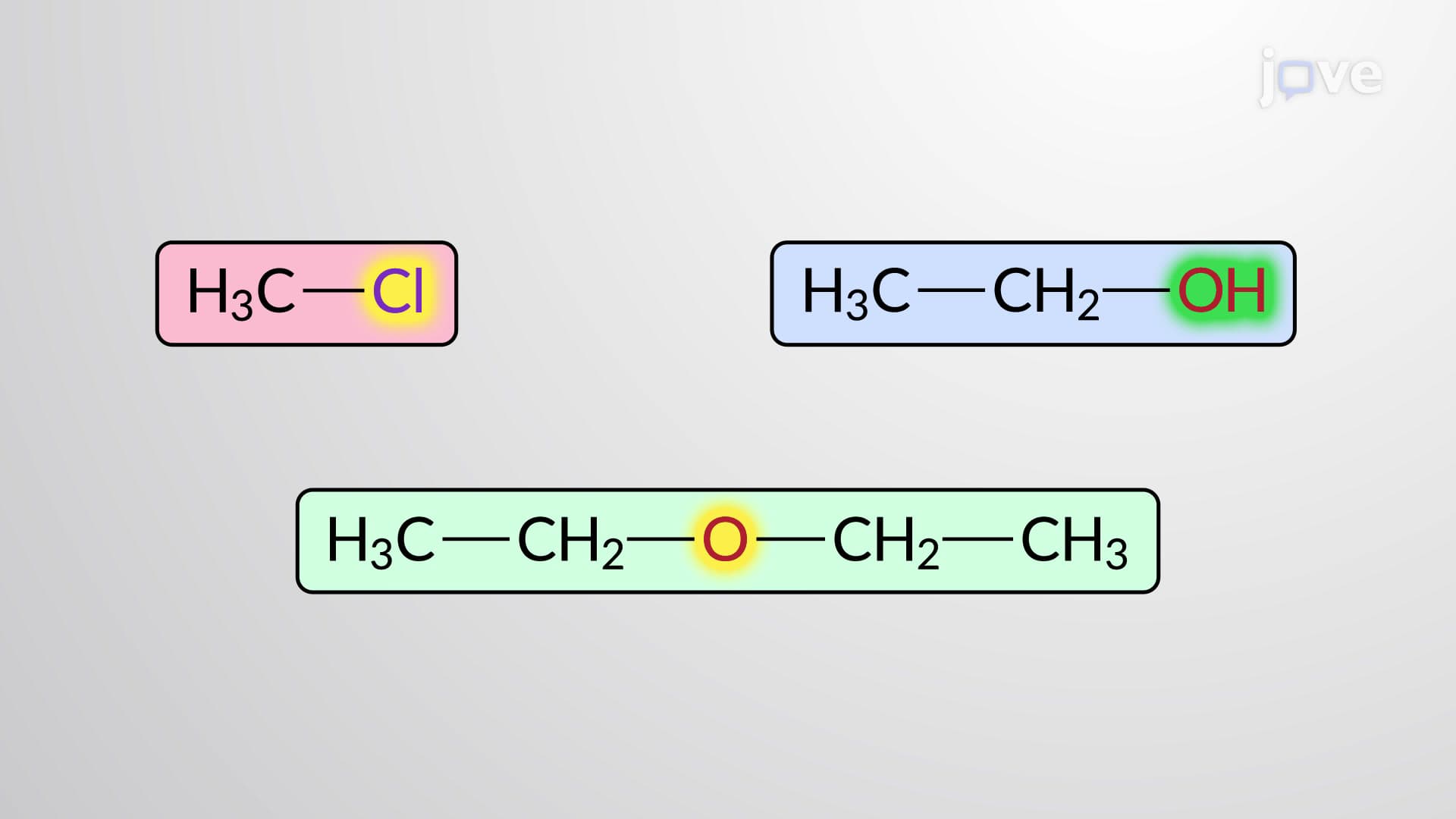
Ion-dipole interactions represent the strongest intermolecular forces, occurring when ionic compounds dissolve in polar solvents. When table salt (NaCl) dissolves in water, sodium and chloride ions align with water molecules' partial charges, creating the foundation for IV saline solutions used in every American hospital. This interaction strength explains why ionic compounds typically have high solubility in polar solvents.
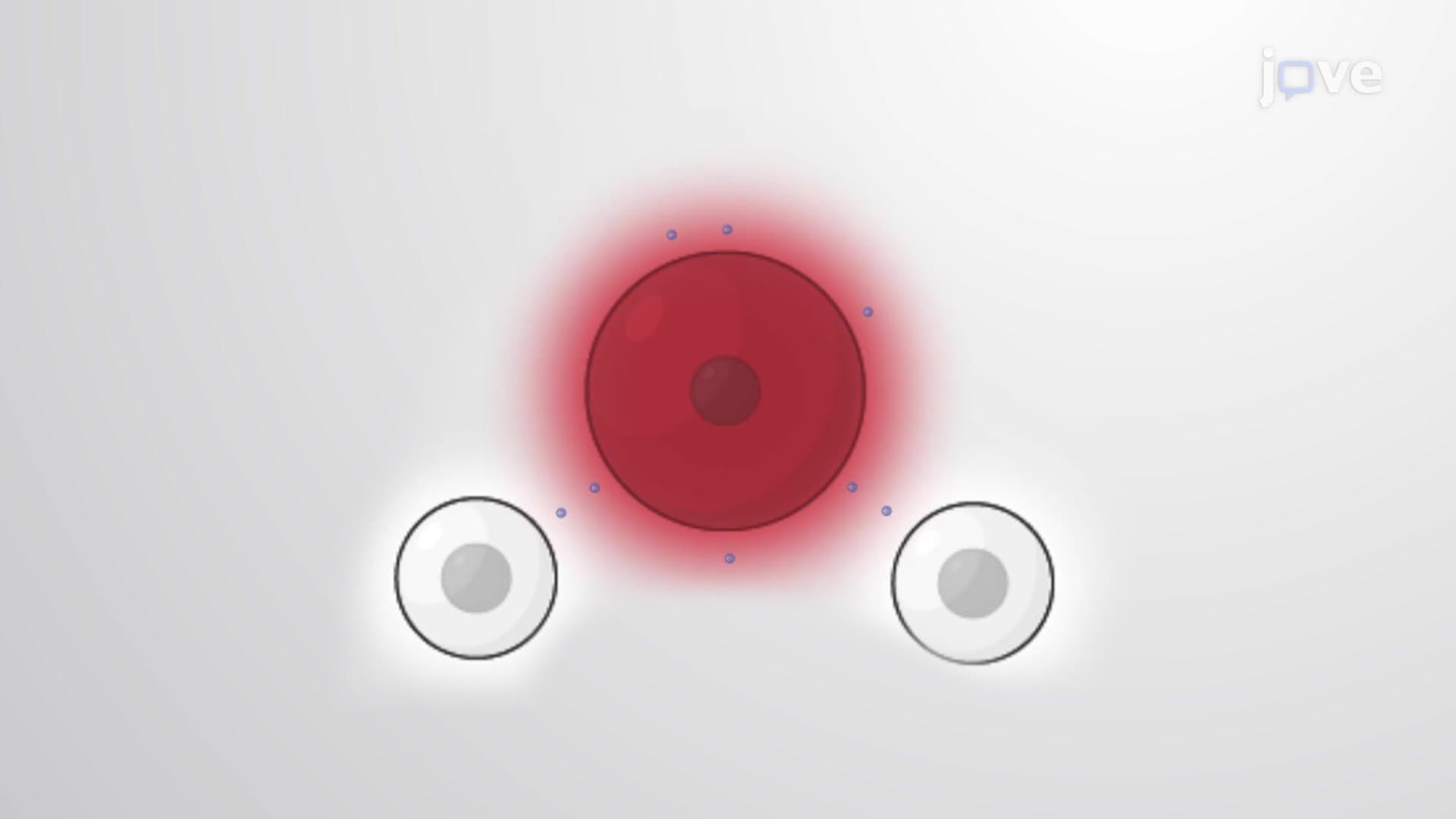
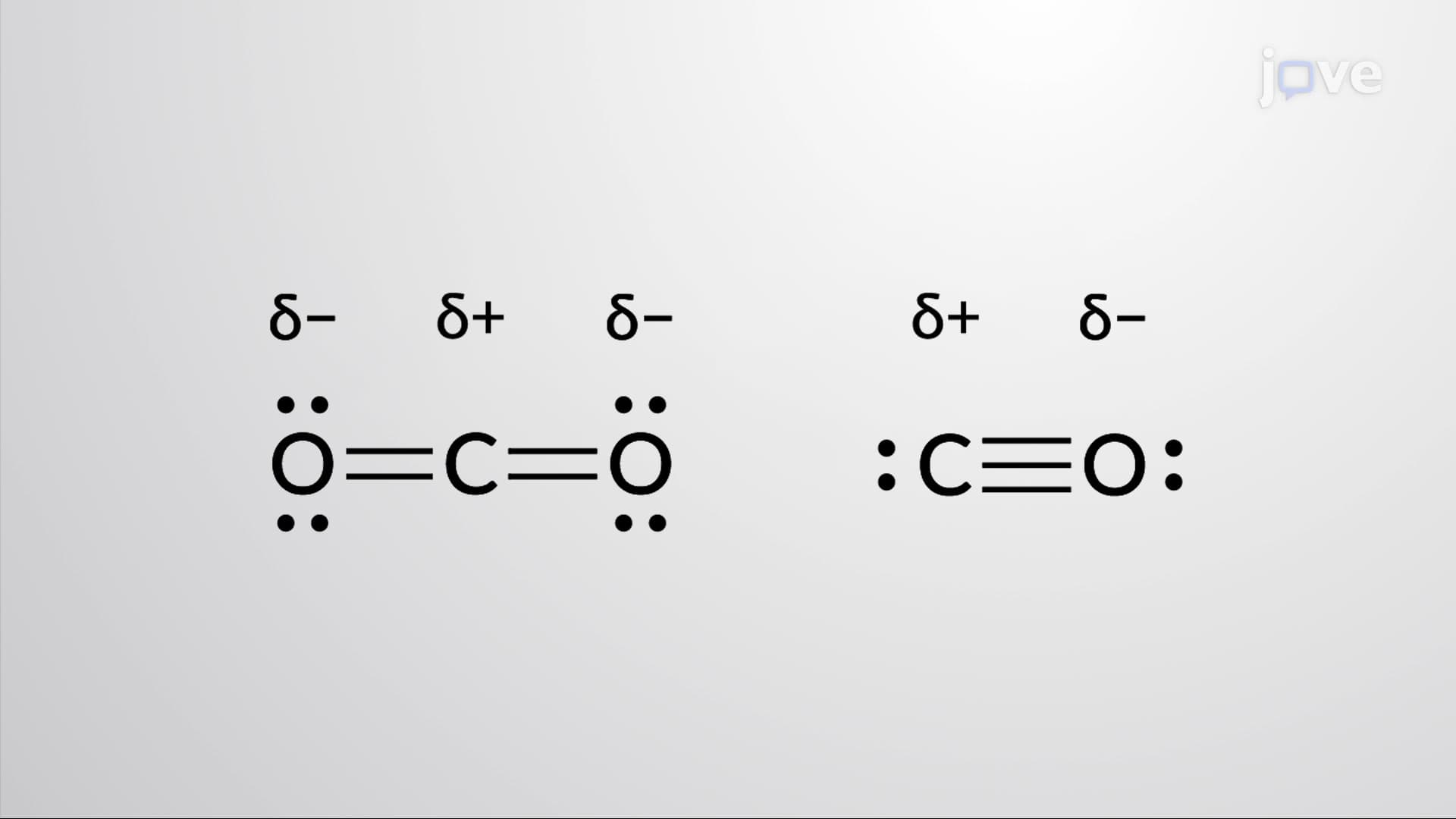
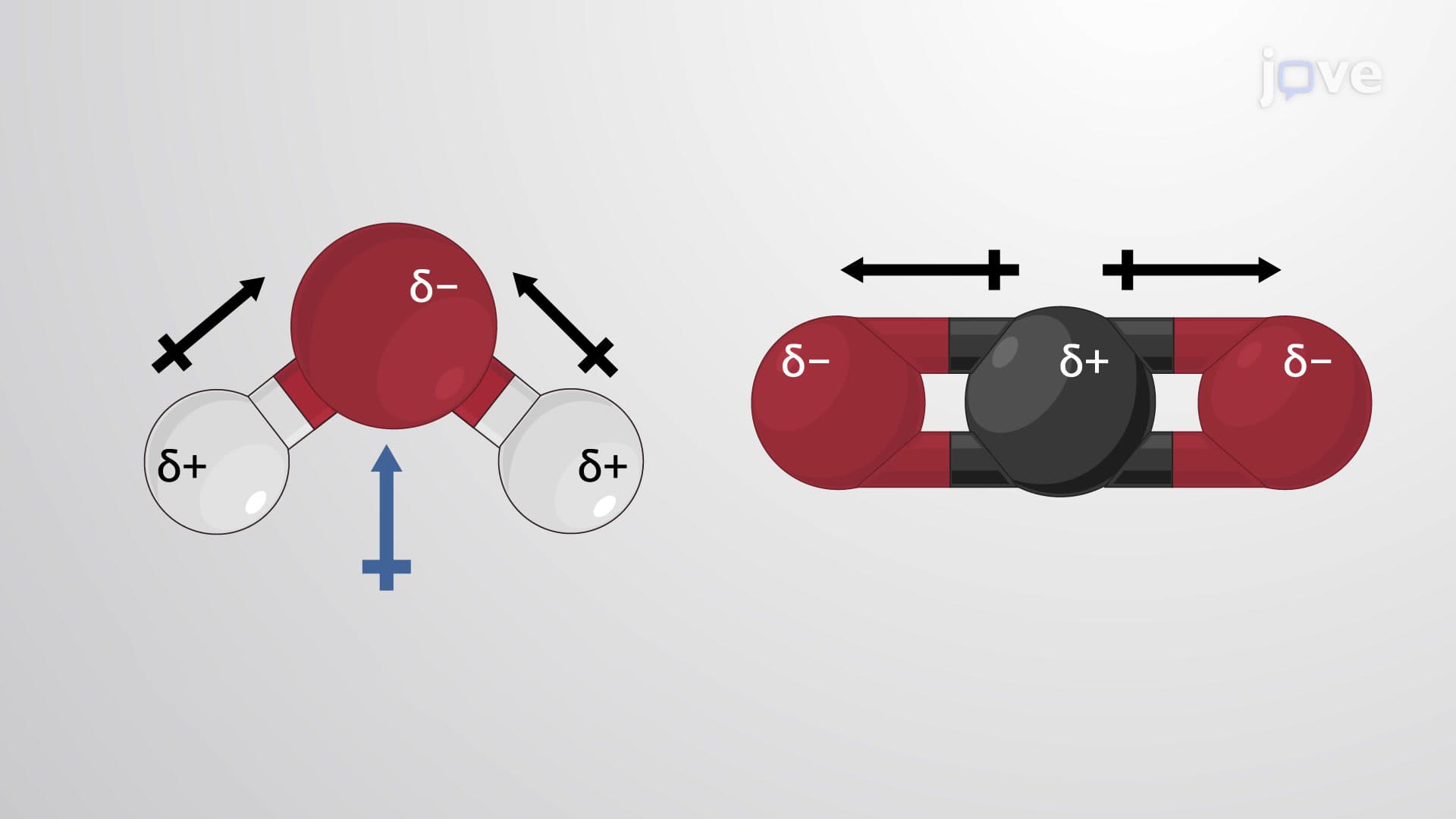
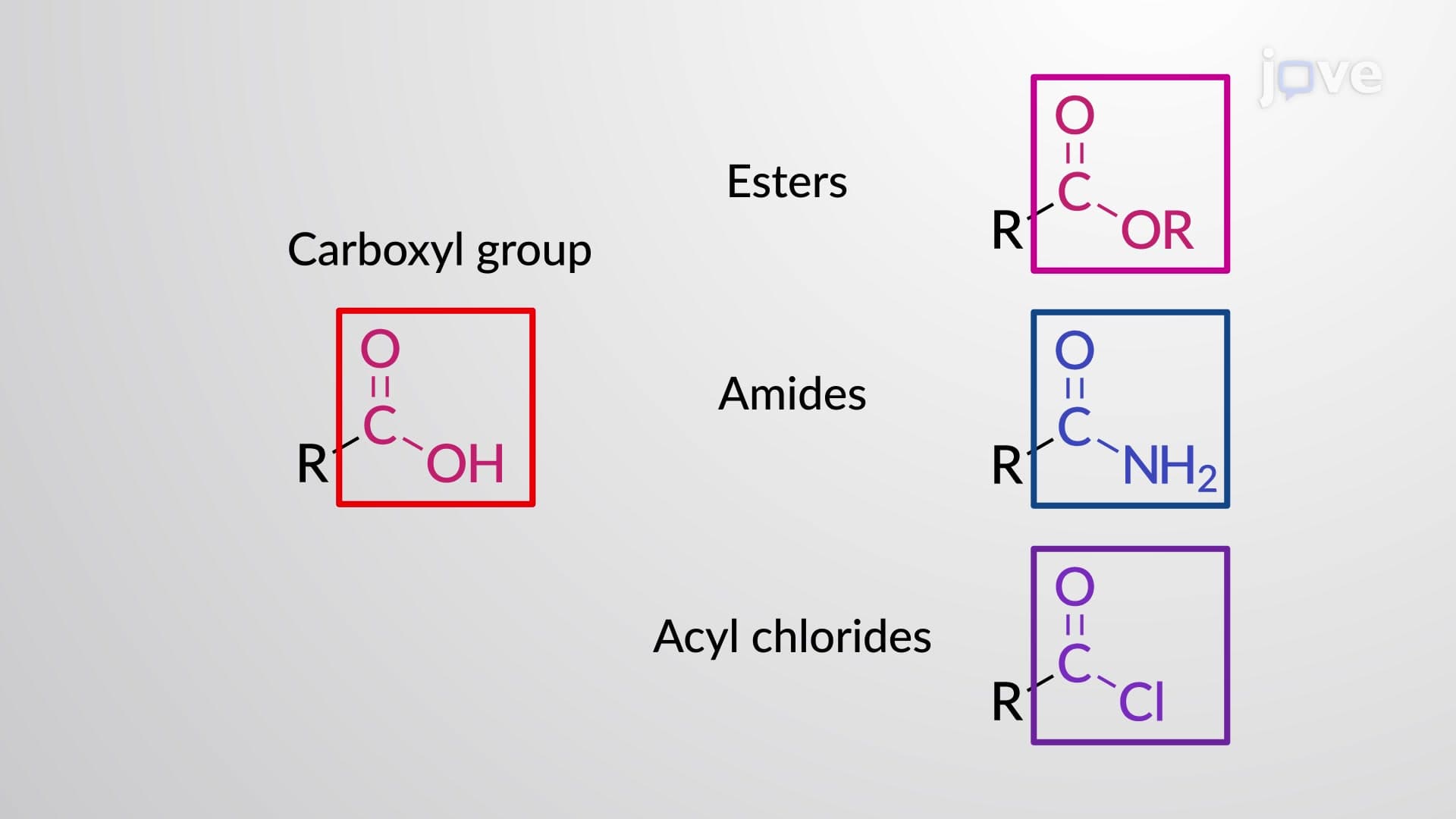
Dipole-dipole interactions occur between polar molecules with permanent charge separations. Acetone, commonly found in nail polish remover, exhibits these interactions between its carbonyl groups. The special case of hydrogen bonding occurs when hydrogen atoms bonded to oxygen, nitrogen, or fluorine create exceptionally strong attractions, explaining why water has such an unusually high boiling point relative to its molecular weight.
Dispersion forces, though weakest individually, exist in all molecules and often dominate in larger molecules. These temporary attractions explain why gasoline (containing longer hydrocarbon chains) has different properties than natural gas (mainly methane). As molar mass increases, dispersion forces strengthen, creating the predictable pattern of increasing boiling points in hydrocarbon series that students learn for standardized tests.
Real-World Applications and Exam Relevance
Understanding intermolecular forces proves crucial for MCAT success, particularly in passages involving drug solubility and membrane transport. Pharmaceutical companies leverage these principles when designing medications-hydrophilic drugs dissolve easily in blood, while lipophilic drugs penetrate cell membranes effectively.
The concept frequently appears on AP Chemistry exams through problems comparing boiling points or predicting solubility patterns. Students must recognize that molecular shape affects intermolecular forces: linear pentane has stronger dispersion forces than branched neopentane due to increased surface contact area, despite identical molecular formulas.
Solubility and Miscibility Principles
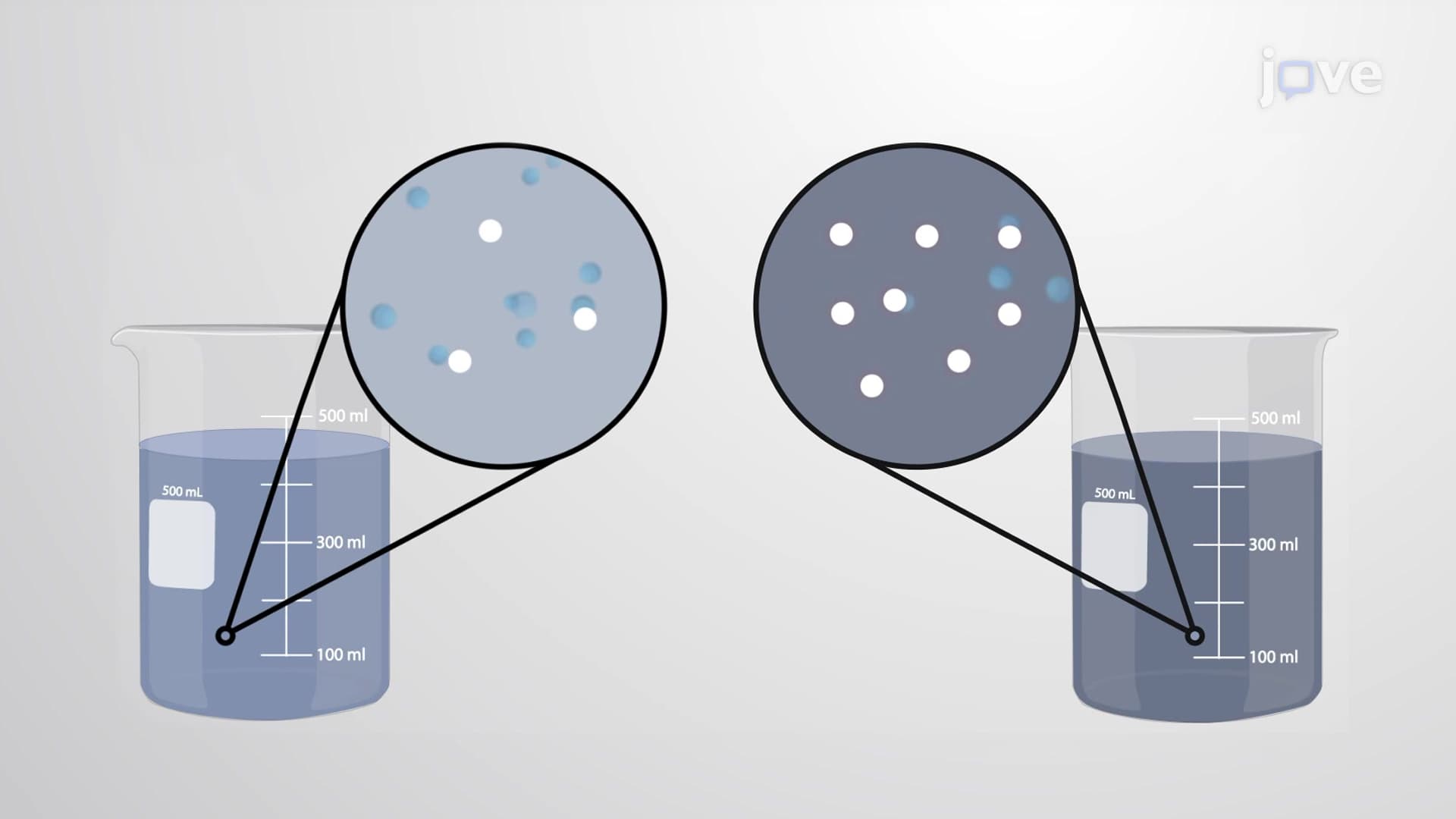
The fundamental principle "like dissolves like" governs countless applications from industrial chemical processing to environmental cleanup efforts. Polar substances dissolve in polar solvents (ethanol mixes completely with water), while nonpolar substances require nonpolar solvents (oil dissolves in hexane). This principle explains why soap works-its dual polar and nonpolar regions allow it to interact with both water and greasy stains, making it effective for cleaning applications nationwide.
Frequently Asked Questions
Intermolecular forces are electrostatic attractions between molecules that directly determine physical properties like melting points, boiling points, and solubility. These weak but crucial interactions explain observable phenomena from ice formation to drug absorption in the human body, making them fundamental to chemistry understanding.
AP Chemistry frequently tests intermolecular forces through comparative questions about boiling points, solubility predictions, and phase diagrams. Students must identify force types, rank their strengths, and explain property differences between compounds. Practice with molecular structure analysis and property prediction problems proves essential for success.
MCAT passages often feature intermolecular forces in biological contexts, such as protein folding, drug-receptor interactions, and membrane transport mechanisms. Students encounter questions about hydrogen bonding in DNA, hydrophobic interactions in lipid bilayers, and solubility principles affecting pharmacokinetics throughout the biochemistry and general chemistry sections.
Intermolecular forces determine why non-stick coatings work on cookware, how fabric softeners reduce static, and why certain plastics are waterproof while others absorb moisture. In pharmaceuticals, these forces control how quickly medications dissolve and absorb, directly impacting treatment effectiveness in American healthcare systems.
No advanced mathematics is required for fundamental intermolecular forces concepts. Basic algebra helps with calculations involving energy and temperature relationships, but conceptual understanding relies primarily on recognizing molecular structures and predicting interaction patterns. Most high school chemistry students can master these principles with proper study techniques.
Create comparison charts ranking force strengths, practice predicting properties from molecular structures, and work through plenty of boiling point and solubility problems. Focus on recognizing hydrogen bonding patterns and understanding how molecular size and shape affect dispersion forces. Regular practice with AP-style questions builds exam confidence effectively.
After understanding intermolecular forces, explore chemical kinetics to see how molecular interactions affect reaction rates, then study thermodynamics to understand energy changes in phase transitions. These interconnected topics frequently appear together on standardized exams and provide deeper insight into molecular behavior and chemical processes.
College general chemistry expands intermolecular forces into advanced topics like crystal structures, polymer behavior, and surface chemistry. Organic chemistry applies these principles to reaction mechanisms and molecular recognition, while physical chemistry quantifies these interactions mathematically. This foundation proves essential for pre-med, engineering, and chemistry major coursework nationwide.
Related Micro-courses

12 Concepts

14 Concepts
12 Concepts