Loading subject page…


392,708 views

Video Summary: Introduction to Functional Groups in Organic Chemistry
Ever wonder why rubbing alcohol evaporates faster than vegetable oil, or why aspirin works as a pain reliever? The answer lies in introduction functional groups organic chemistry-specific arrangements of atoms that determine how molecules behave. From the hydroxyl group in ethanol used in hand sanitizers to the carboxyl group in aspirin tablets found in every American medicine cabinet, functional groups dictate both physical properties and biological activity. Understanding the Introduction to Functional Groups in Organic Chemistry reveals why seemingly different compounds share predictable behaviors and reactions. Watch the full video on JoVE Coach to master this concept with expert-led visuals and step-by-step explanations.
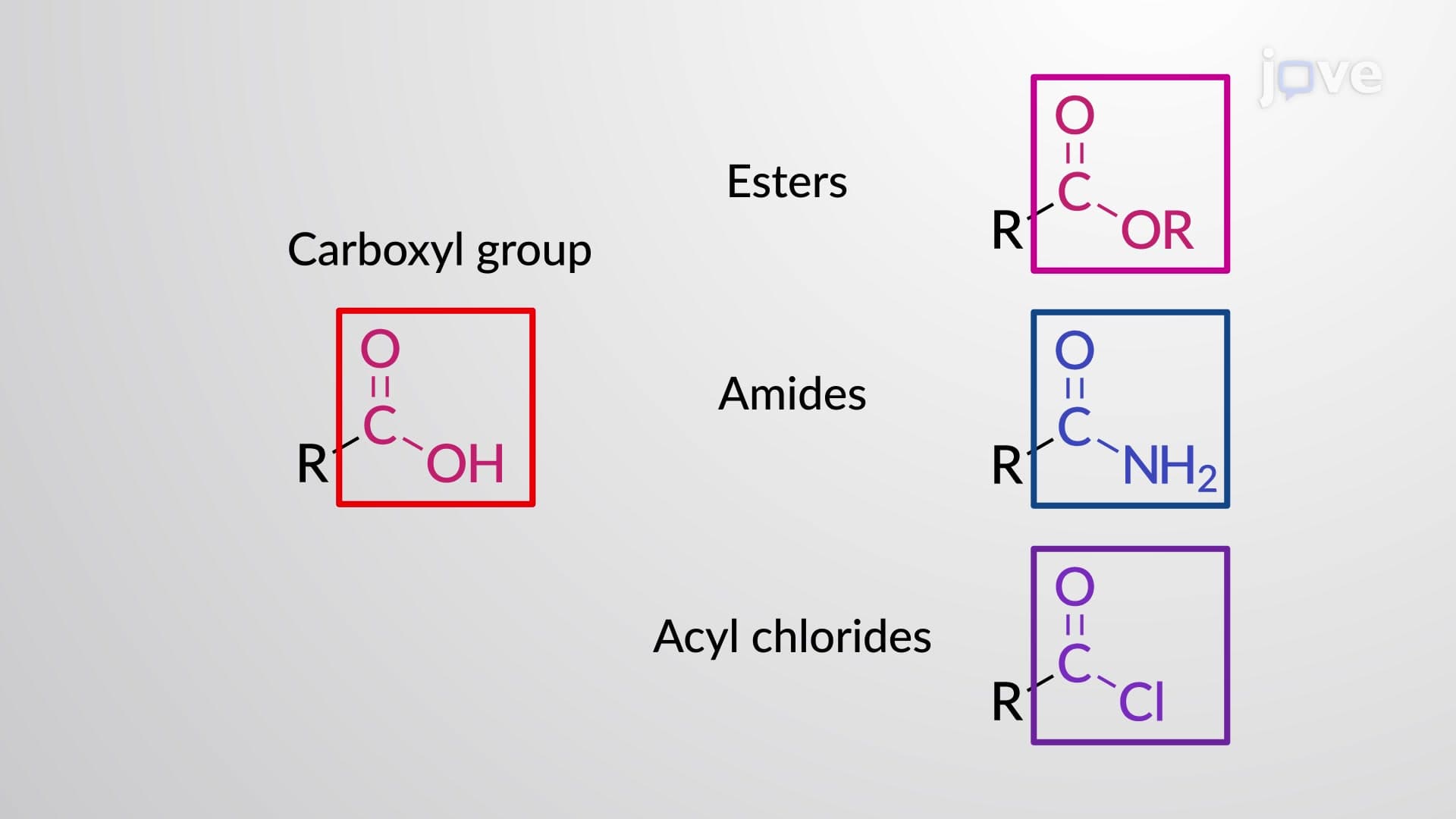
Functional groups represent the cornerstone of organic chemistry, serving as the molecular "personalities" that dictate how compounds interact with their environment. These specific arrangements of atoms within larger molecules act as predictable reactive sites, allowing chemists to understand and manipulate countless organic compounds by recognizing just a few dozen common patterns.
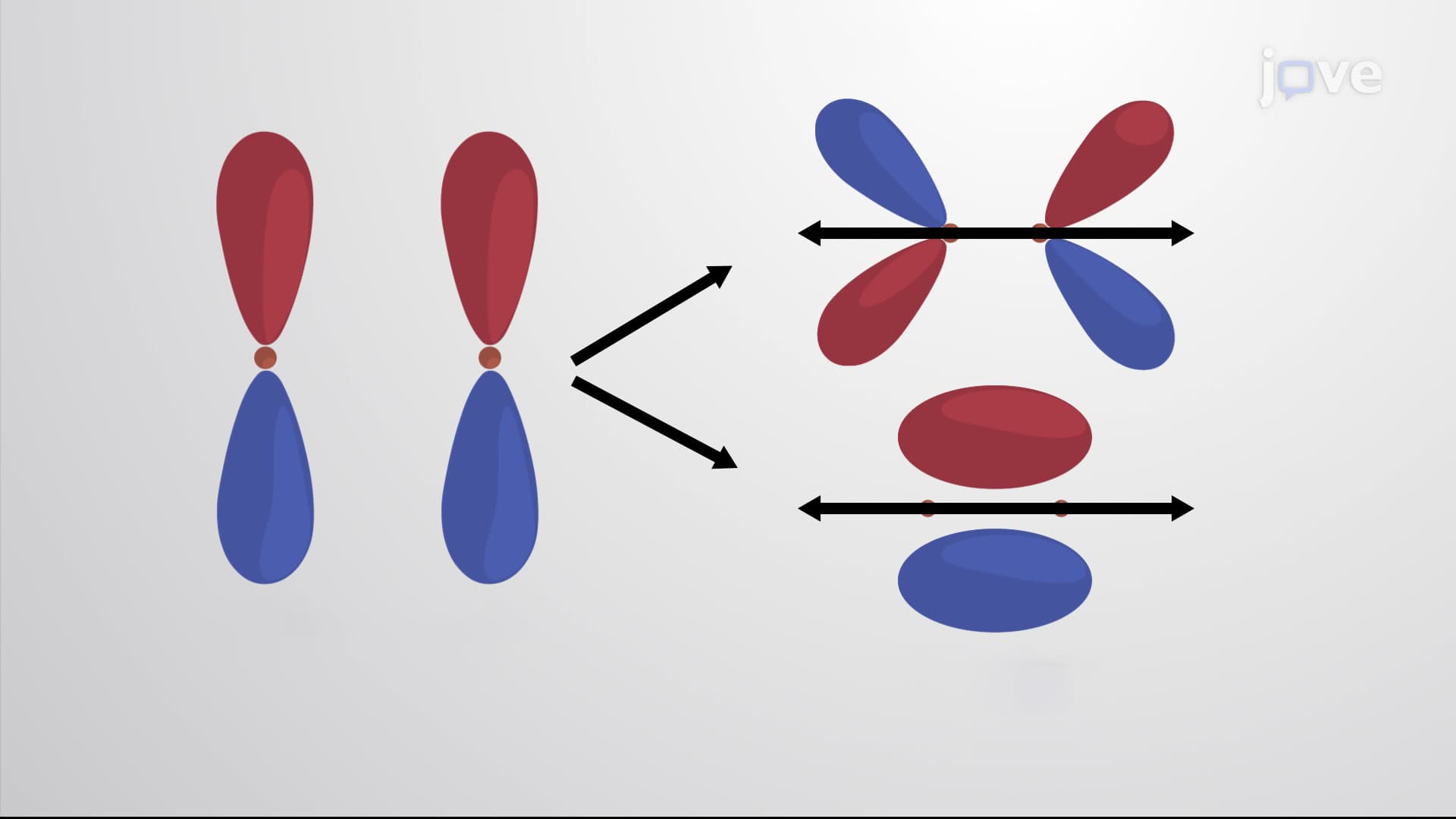
Alkenes and alkynes exemplify how functional groups create chemical diversity from simple carbon frameworks. The double bond in alkenes, found in compounds like ethylene (used to ripen bananas during transport across America), creates a region of high electron density that readily participates in addition reactions. Alkynes, with their triple bonds, appear in compounds like acetylene used in welding torches throughout US manufacturing facilities. These multiple bonds don't merely replace hydrogen atoms-they fundamentally alter molecular geometry and reactivity patterns that students encounter on AP Chemistry exams and college organic chemistry courses.
Many essential functional groups involve electronegative atoms bonded to carbon, creating polar bonds that drive chemical reactions. Alcohols, containing the hydroxyl (-OH) group, range from methanol in automotive antifreeze to complex alcohols in pharmaceutical compounds synthesized by US biotech companies. The classification system-primary, secondary, and tertiary-directly relates to carbon substitution patterns that determine oxidation behavior, a concept frequently tested on the MCAT.
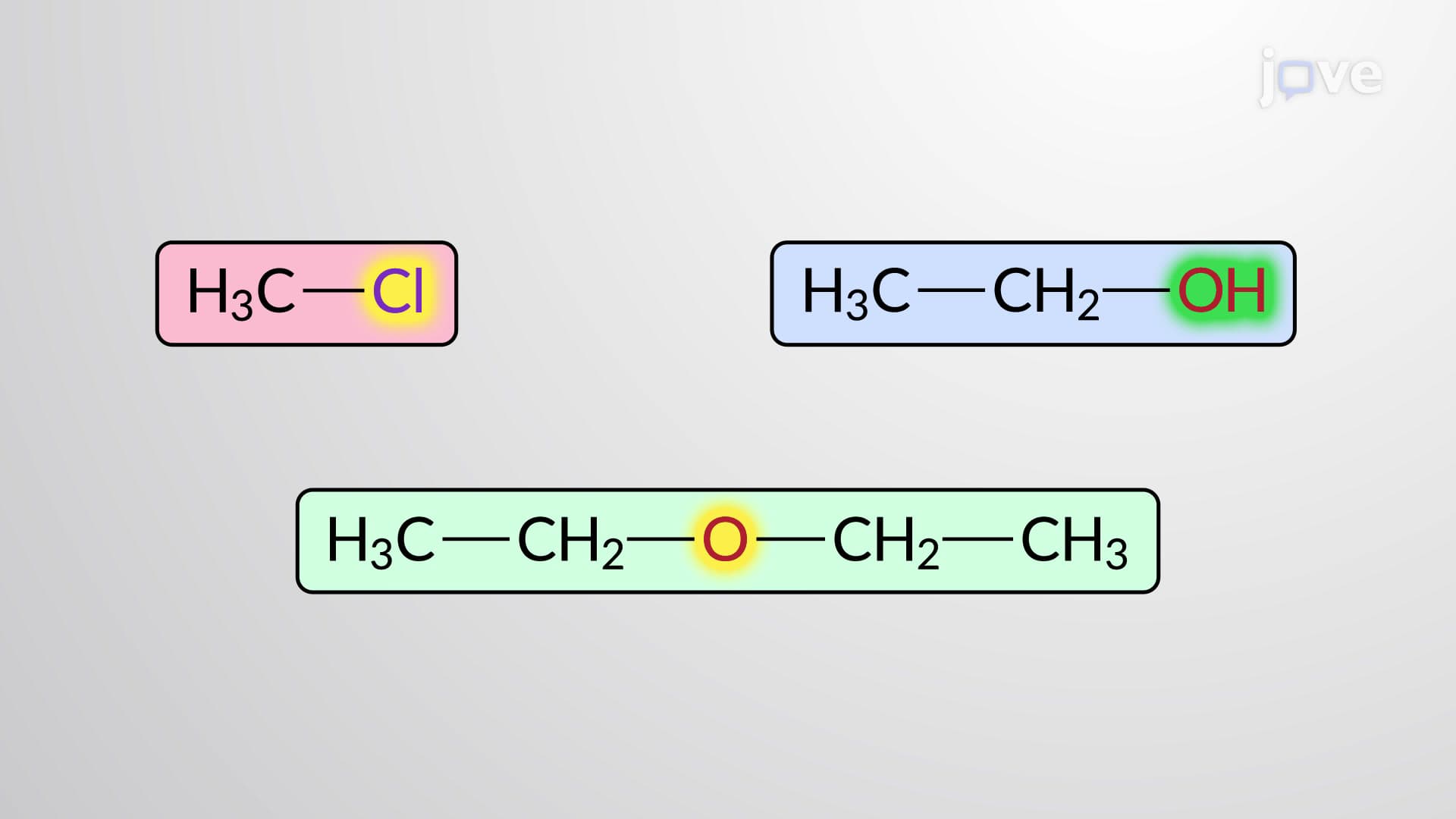
Haloalkanes demonstrate how halogen substitution creates versatile synthetic intermediates. Chlorofluorocarbons, once common in American refrigeration systems, showcase how functional group identity determines both utility and environmental impact. These compounds illustrate the practical importance of understanding functional group behavior in industrial applications.
Ethers represent functional groups that connect multiple carbon chains through oxygen atoms, creating compounds like diethyl ether, historically used as anesthesia in American hospitals. The structural analog sulfides replace oxygen with sulfur, demonstrating how periodic table relationships translate into functional group families. Cyclic ethers, particularly epoxides, exhibit enhanced reactivity due to ring strain-a geometric factor that makes these three-membered rings valuable synthetic intermediates in pharmaceutical manufacturing.
This systematic approach to functional group classification provides the foundation for understanding organic reactions, pharmaceutical design, and biochemical processes that students will encounter throughout their chemistry education and potential careers in healthcare, research, or industry.
Related Micro-courses