Loading subject page…


392,707 views

Video Summary: Organic Chemistry Definition
Did you know that the plastic in your smartphone, the caffeine in your morning coffee, and even your DNA all share the same chemical backbone? The organic chemistry definition centers on studying carbon-based compounds that form the foundation of all living things and countless synthetic materials. From the aspirin in your medicine cabinet to the gasoline powering American cars, organic compounds are everywhere around us. Watch the full video on JoVE Coach to master this concept with expert-led visuals and step-by-step explanations.
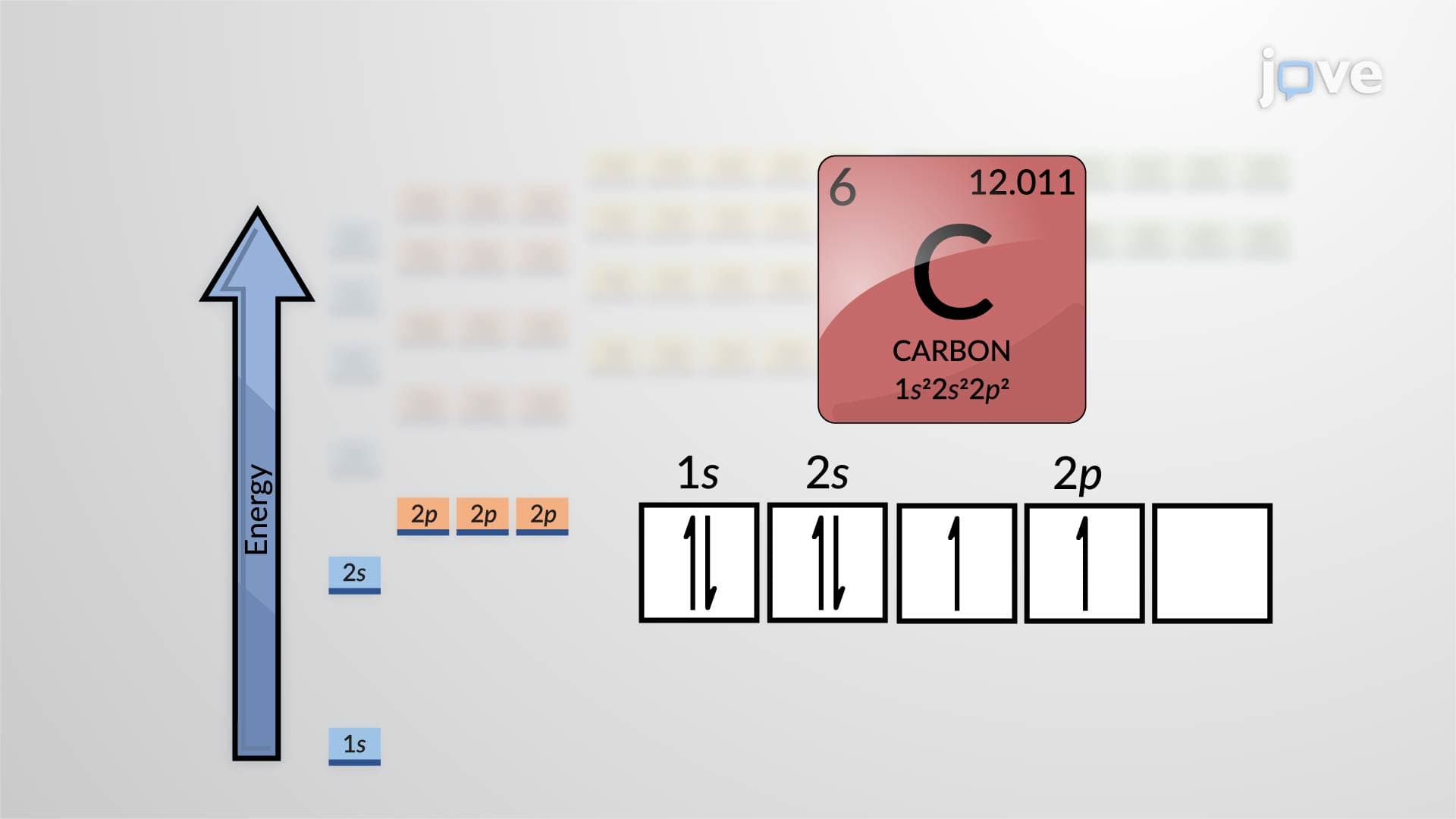
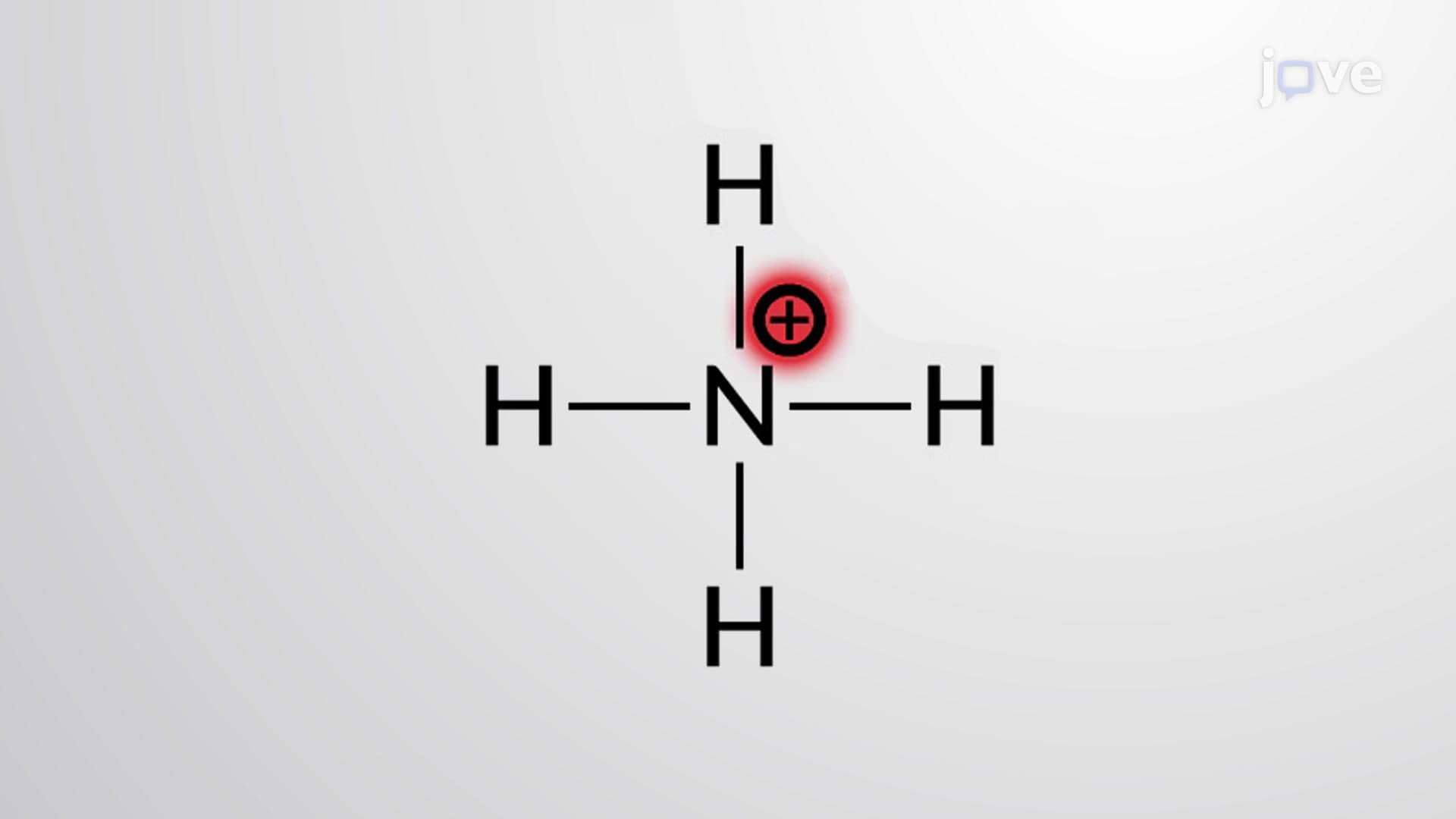
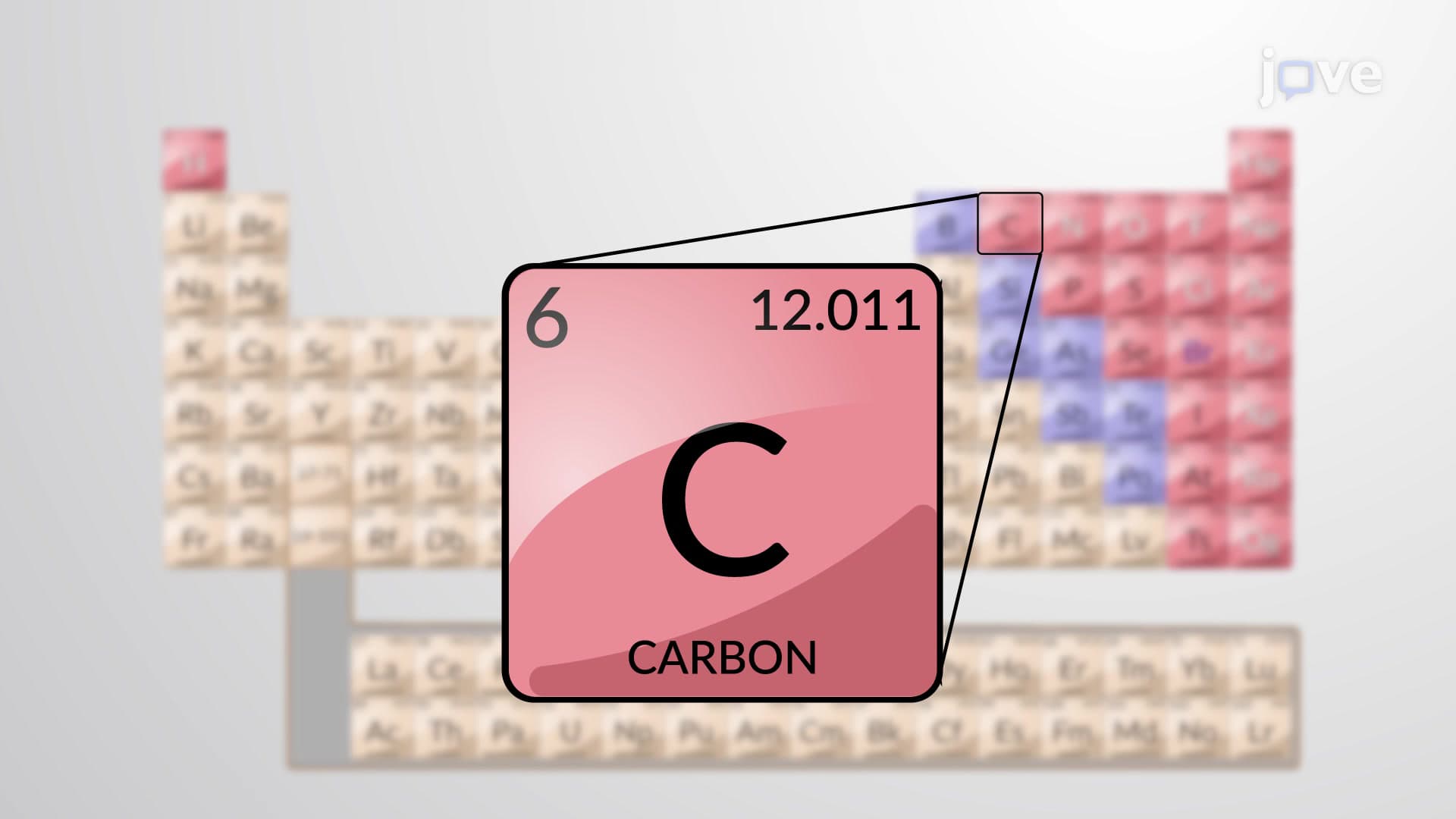
The organic chemistry definition encompasses the study of carbon-containing compounds and their unique properties, structures, and reactions. Unlike other elements, carbon's exceptional ability to form four stable covalent bonds makes it the perfect building block for complex molecular architectures. This versatility explains why carbon-based compounds dominate both living systems and synthetic chemistry, from the proteins in our bodies to the polymers in everyday plastics.
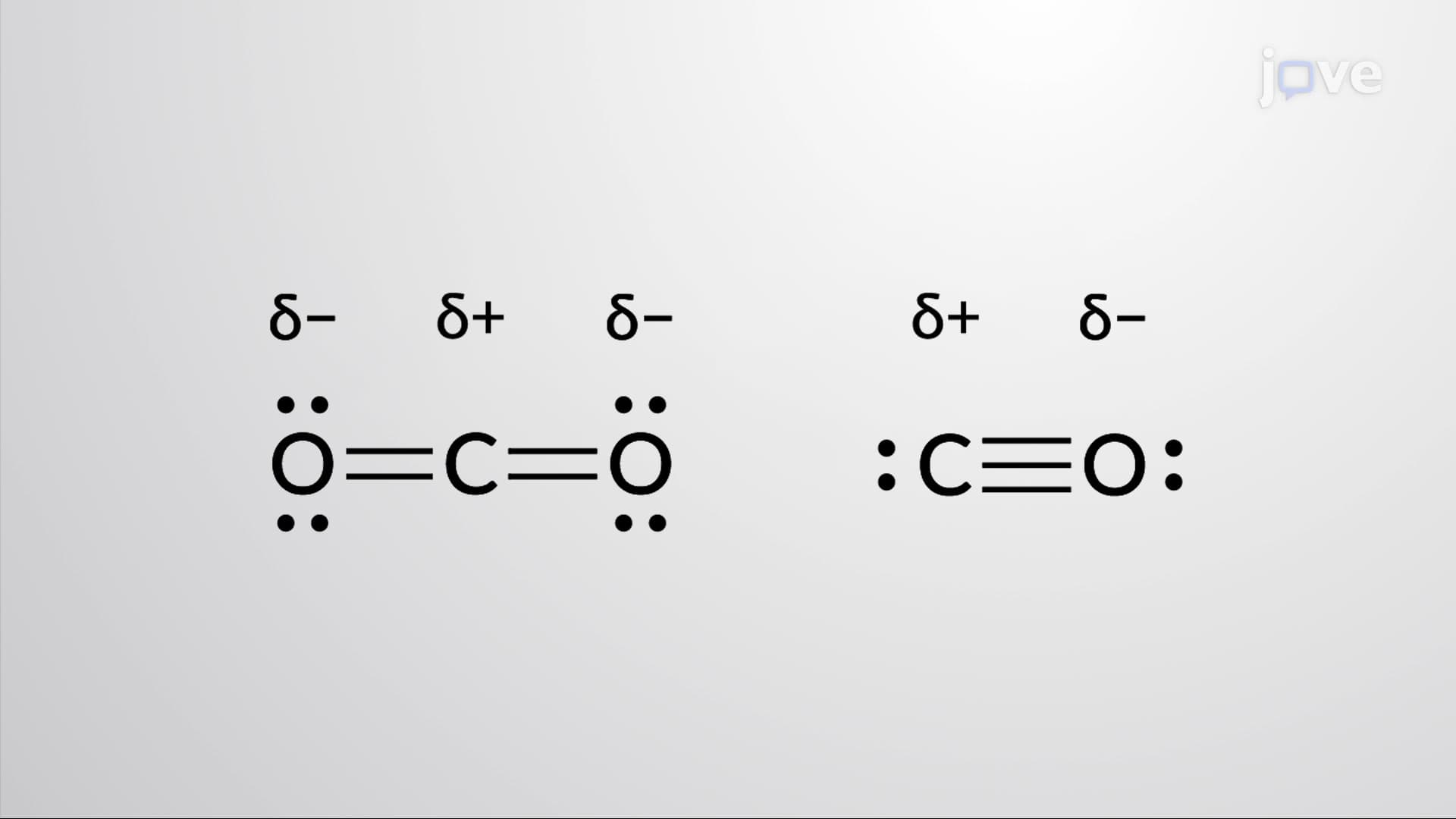
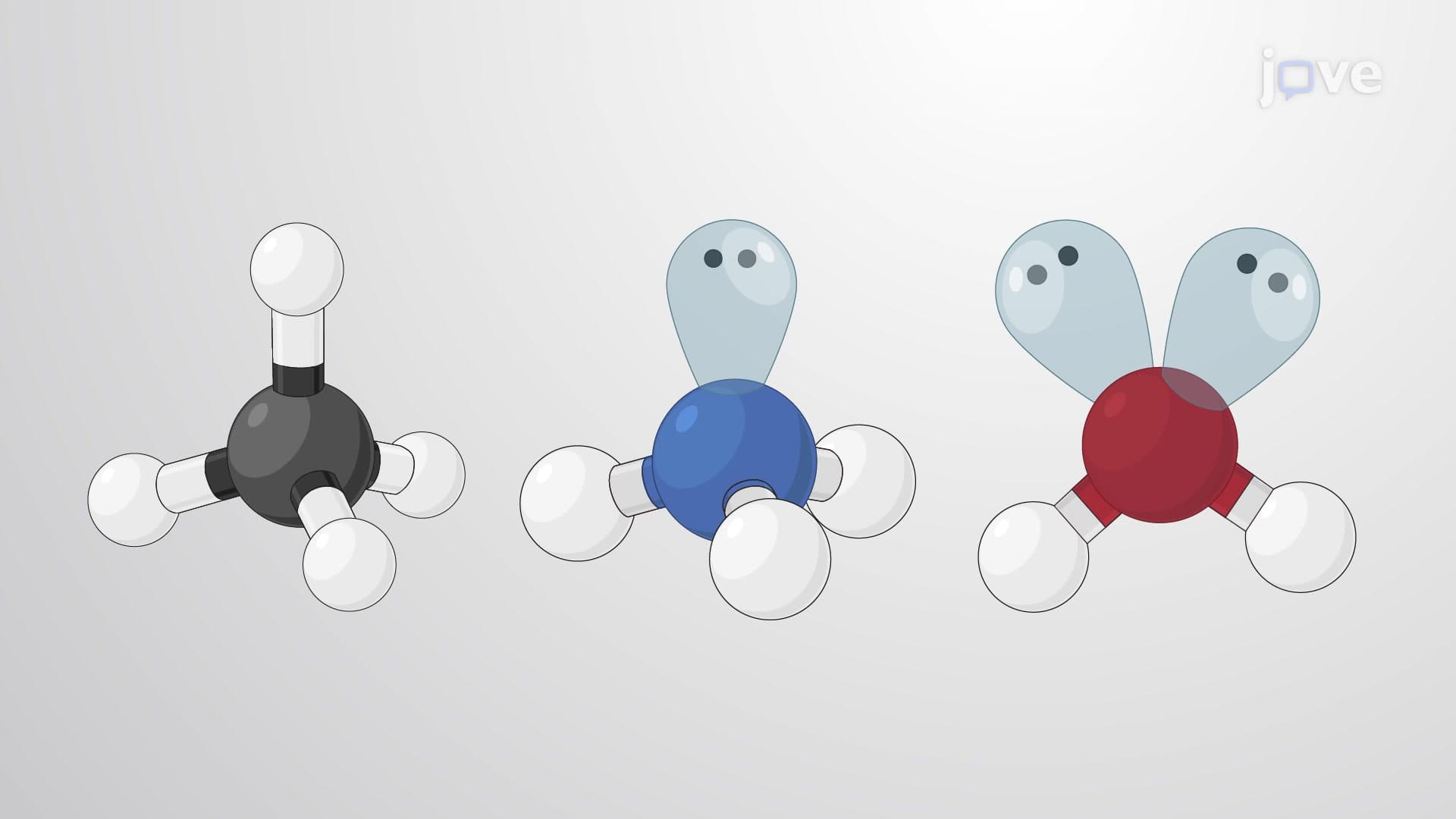
Carbon's tetrahedral bonding geometry allows for incredible structural diversity. Single bonds create flexible alkane chains like those in petroleum products, while double bonds in alkenes provide reactive sites for chemical transformations used in pharmaceutical manufacturing. Triple bonds in alkynes offer even more reactivity, making them valuable synthetic intermediates. This bonding flexibility enables carbon to form everything from simple methane molecules to complex steroid hormones like testosterone and estrogen produced in American pharmaceutical facilities.
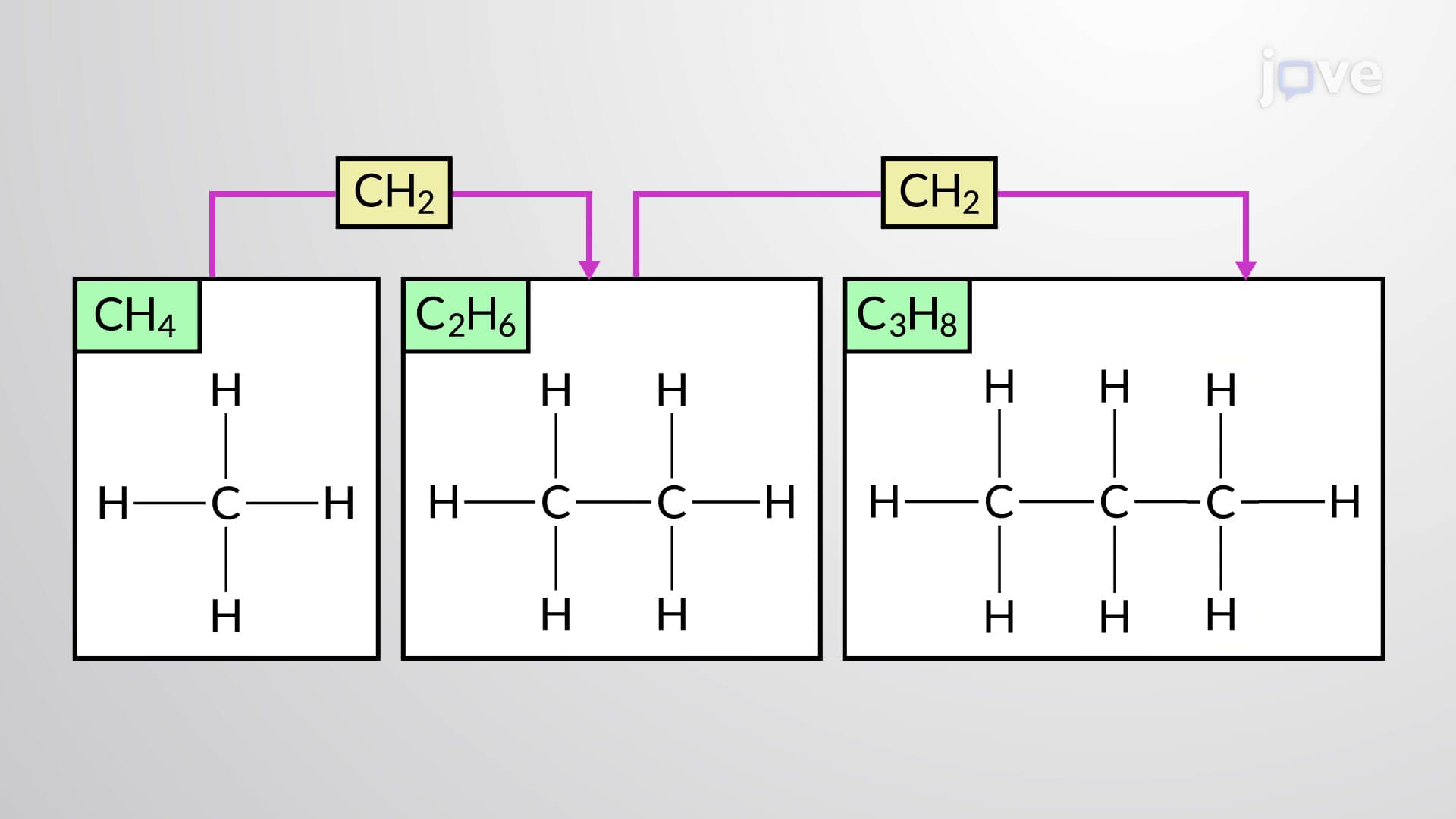
Pure hydrocarbons-compounds containing only carbon and hydrogen-serve as the foundation for understanding organic chemistry. Alkanes like propane fuel backyard grills across America, while alkenes such as ethylene are crucial for producing polyethylene plastics. Alkynes, though less common in everyday life, play vital roles in industrial chemistry. Students preparing for AP Chemistry or college organic chemistry courses must master these classifications, as they frequently appear on exams and form the basis for more complex molecular understanding.
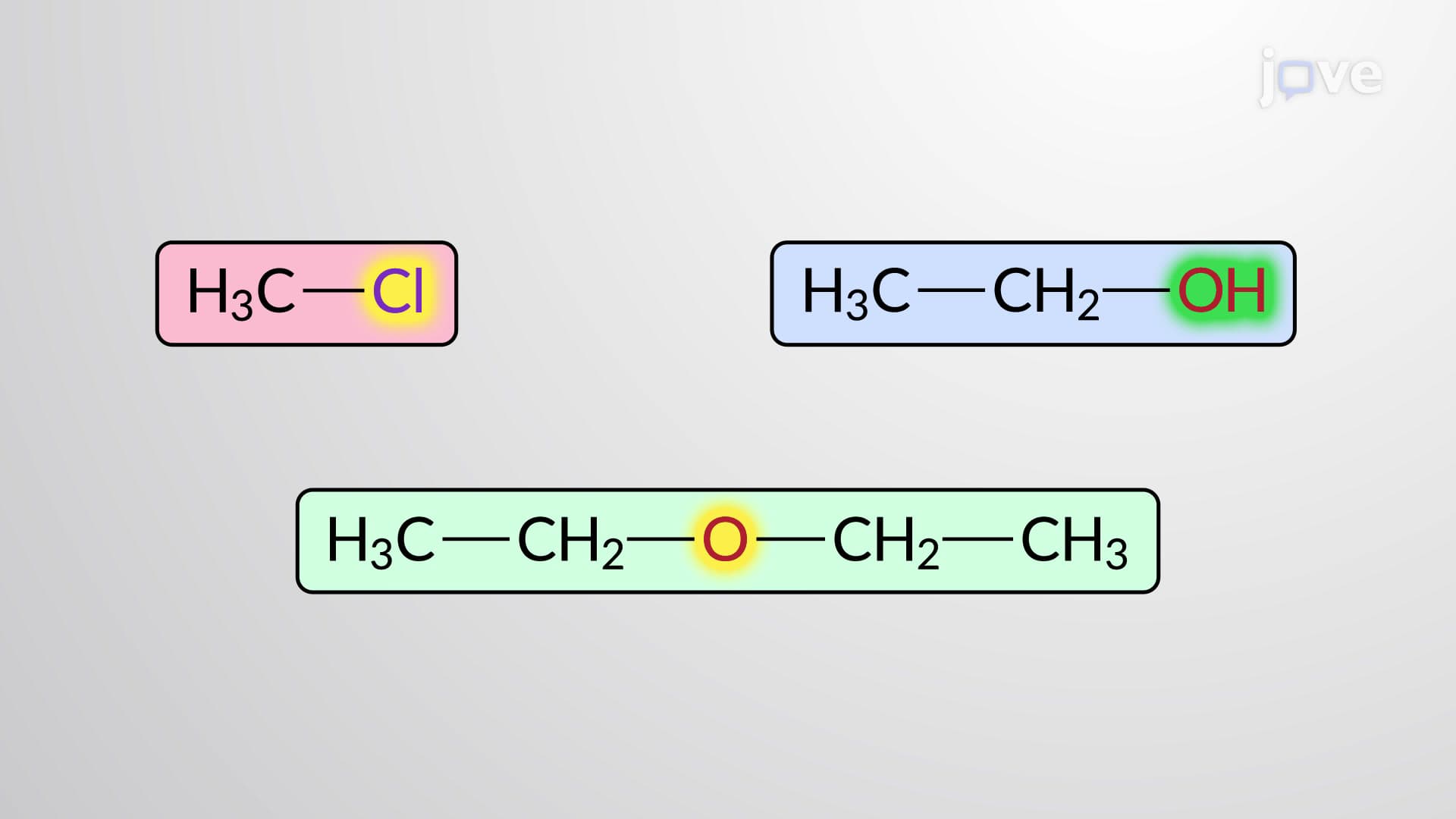
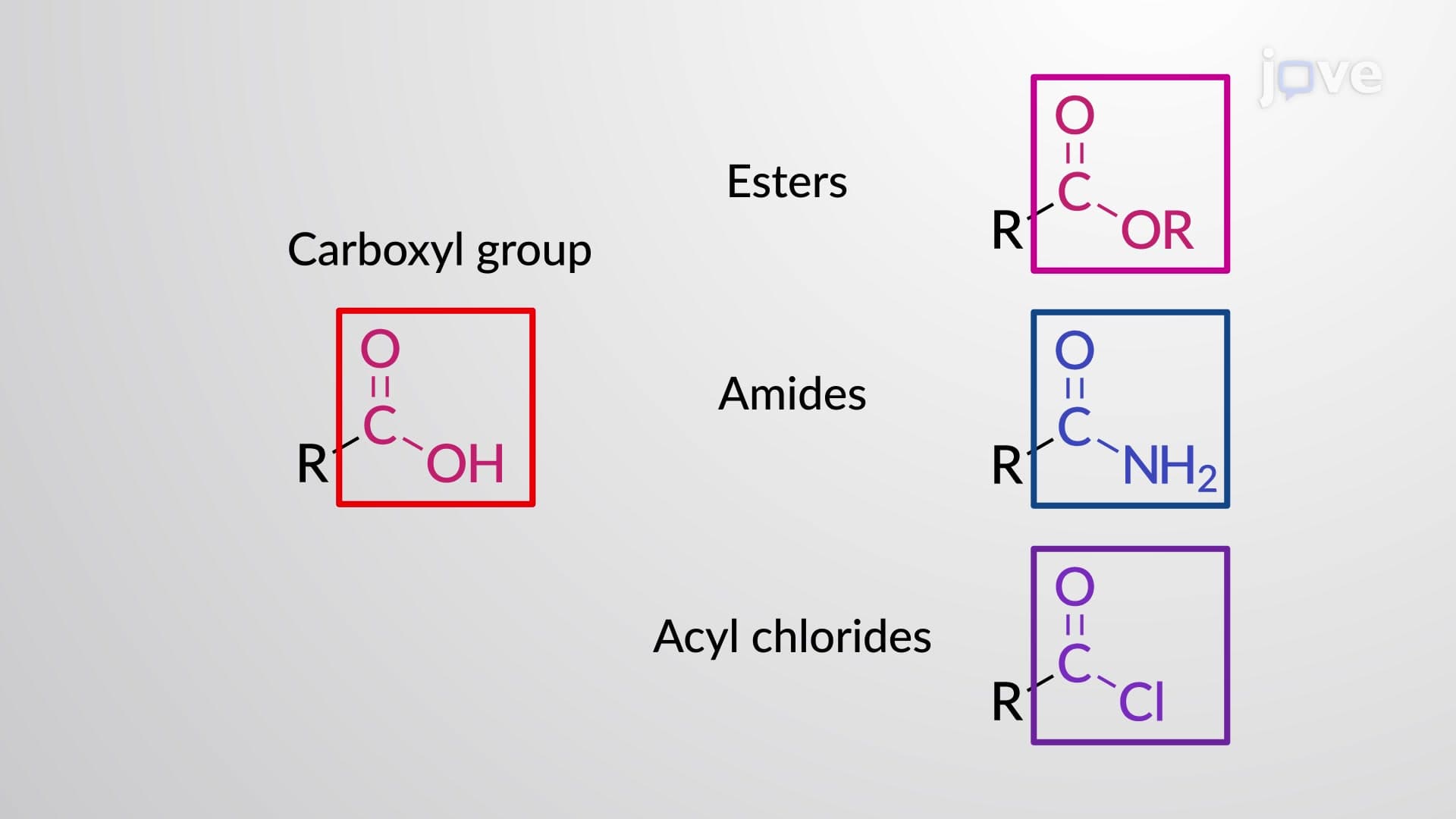
Functional groups transform simple hydrocarbons into biologically and industrially important molecules. The hydroxyl group (-OH) creates alcohols ranging from ethanol in hand sanitizers to cholesterol in cell membranes. Carboxylic acids (-COOH) appear in everything from acetic acid in vinegar to fatty acids in cooking oils. Understanding these patterns helps students predict molecular behavior and successfully tackle MCAT questions about biochemical pathways or pharmaceutical mechanisms.
Related Micro-courses