Loading subject page…

- Organic Chemistry
- Covalent Bonding and Structure
- Overview of Advanced Functional Groups
Micro-course: Covalent Bonding and Structure
392,707 views
Learn key concepts and earn your certificate.


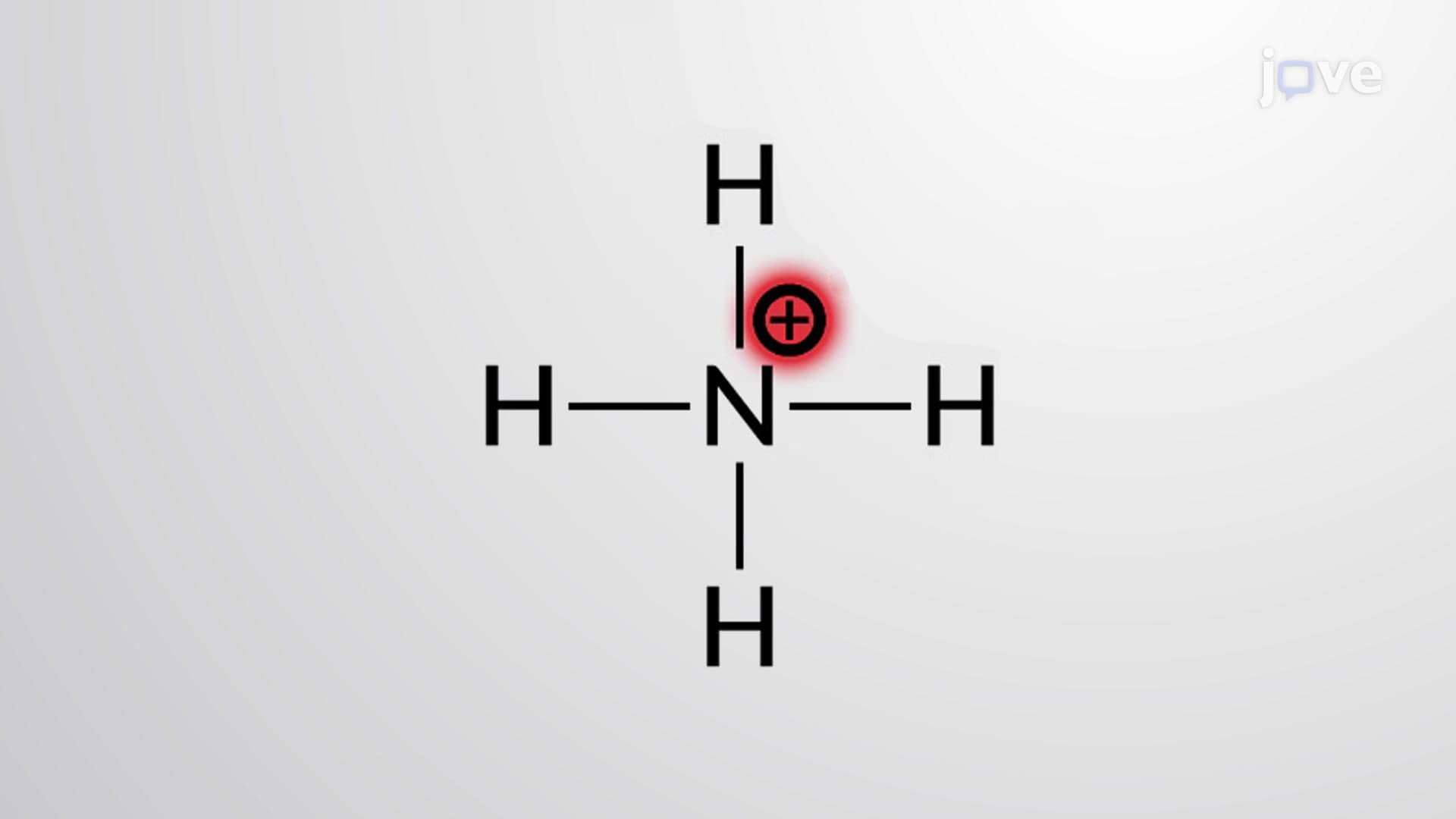
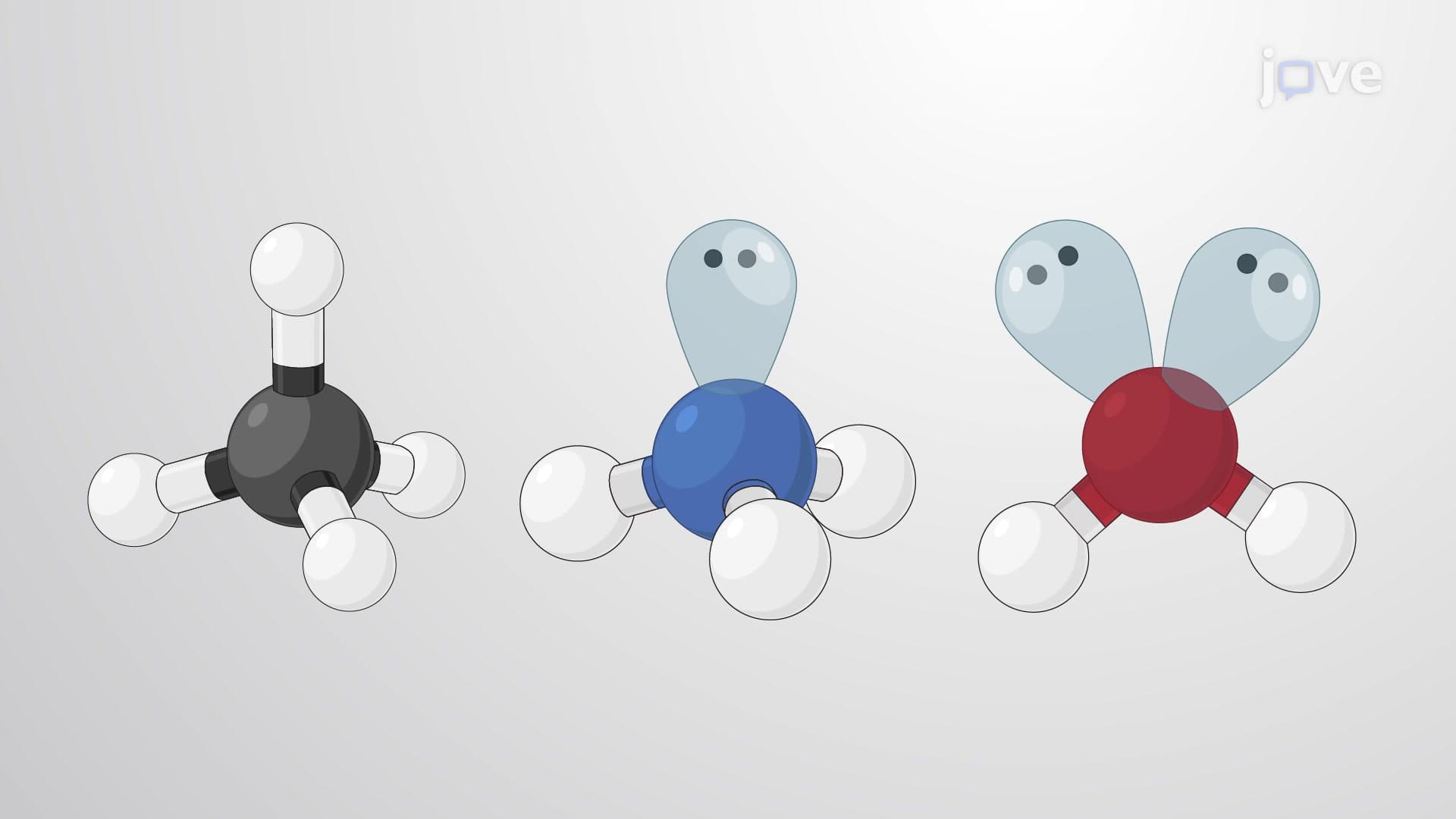
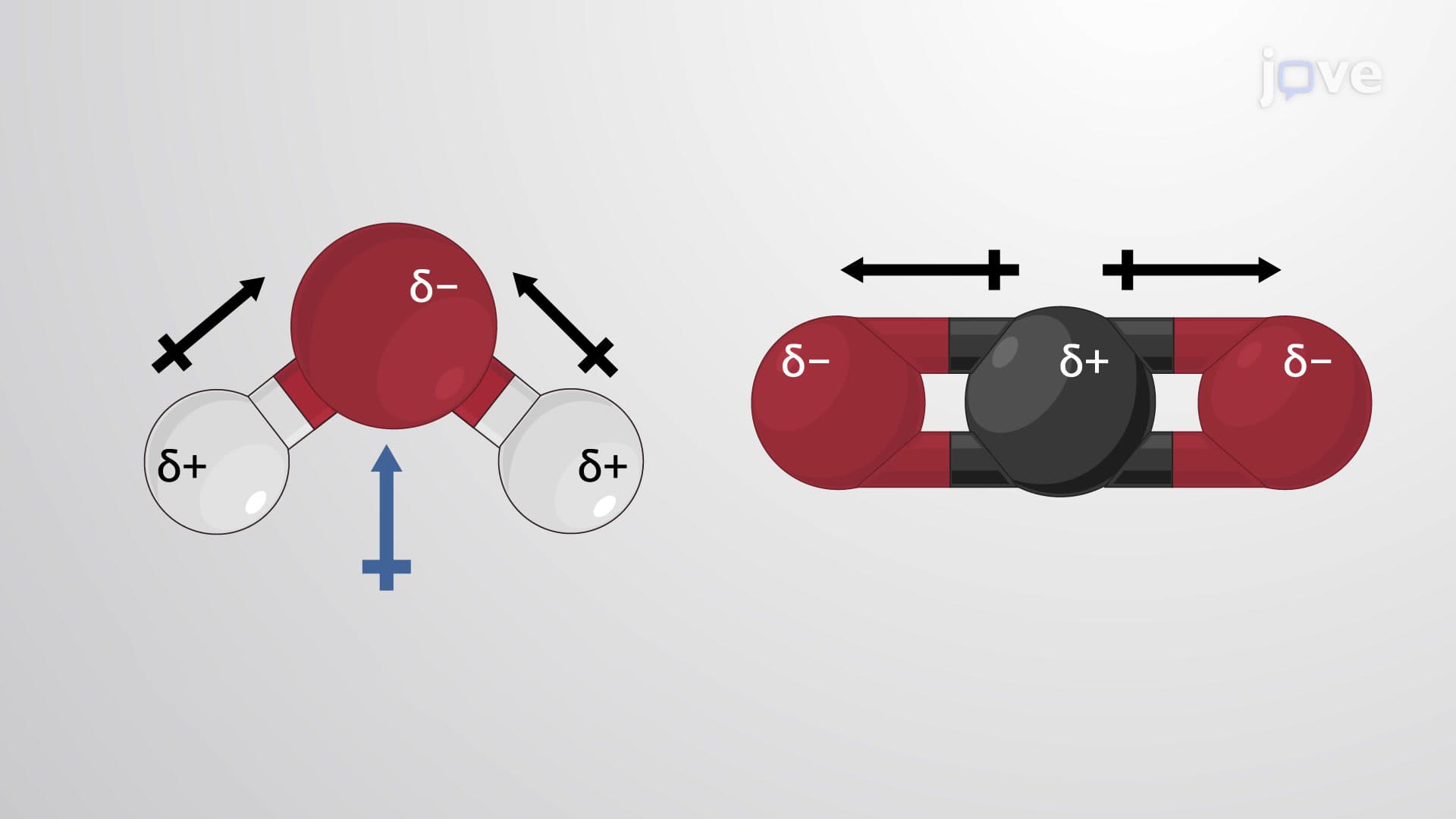
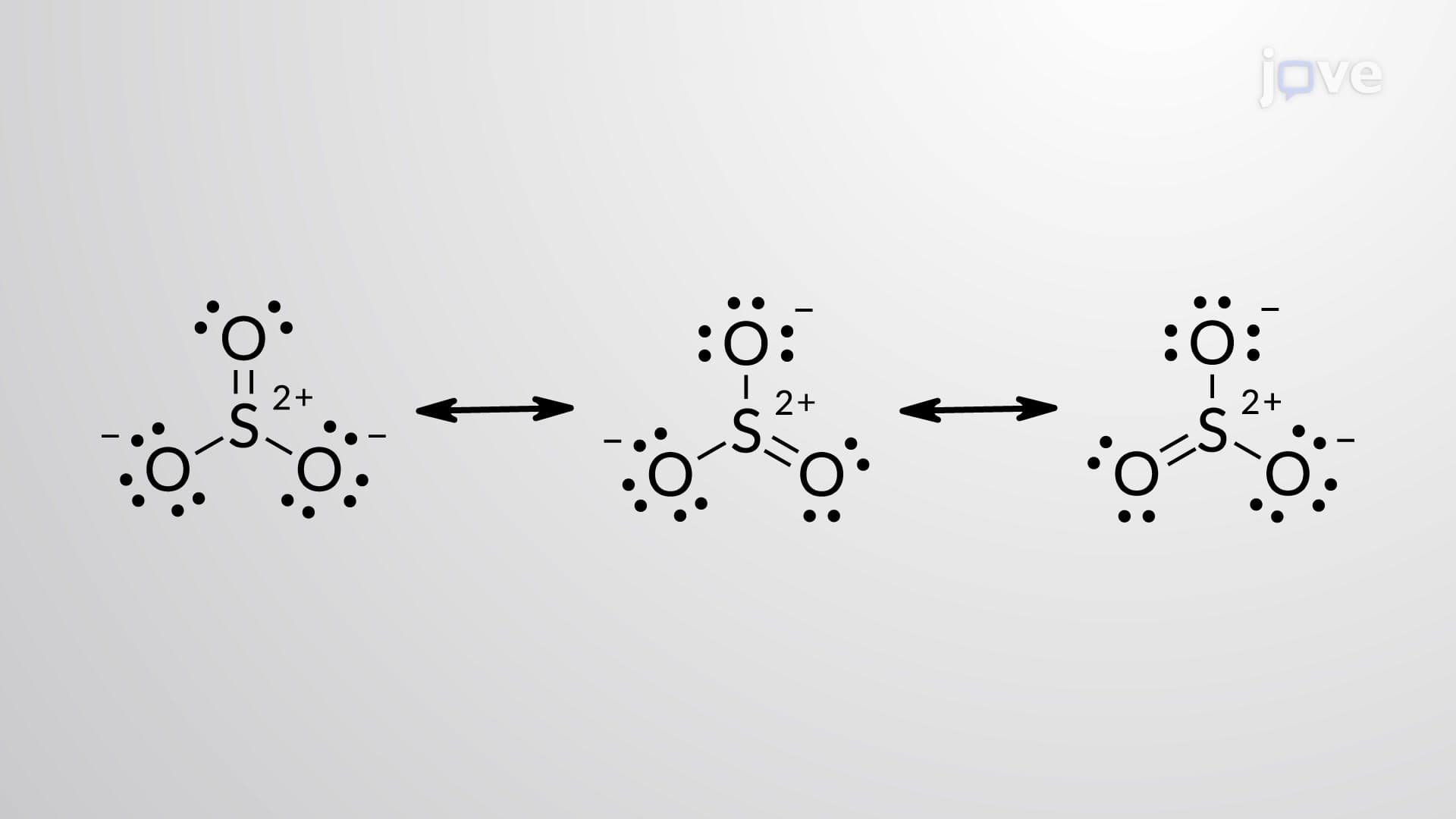
Overview of Advanced Functional Groups

00:00
02:22
Video Summary: Overview of Advanced Functional Groups Explained
Ever wondered why aspirin relieves pain while acetone removes nail polish? The answer lies in functional groups-specific atom arrangements that determine how molecules behave. This overview of advanced functional groups reveals how carbonyl groups, aromatic rings, and nitrogen-containing structures create the chemical diversity essential for pharmaceuticals, plastics, and biological processes throughout the United States healthcare and manufacturing industries. Watch the full video on JoVE Coach to master this concept with expert-led visuals and step-by-step explanations.
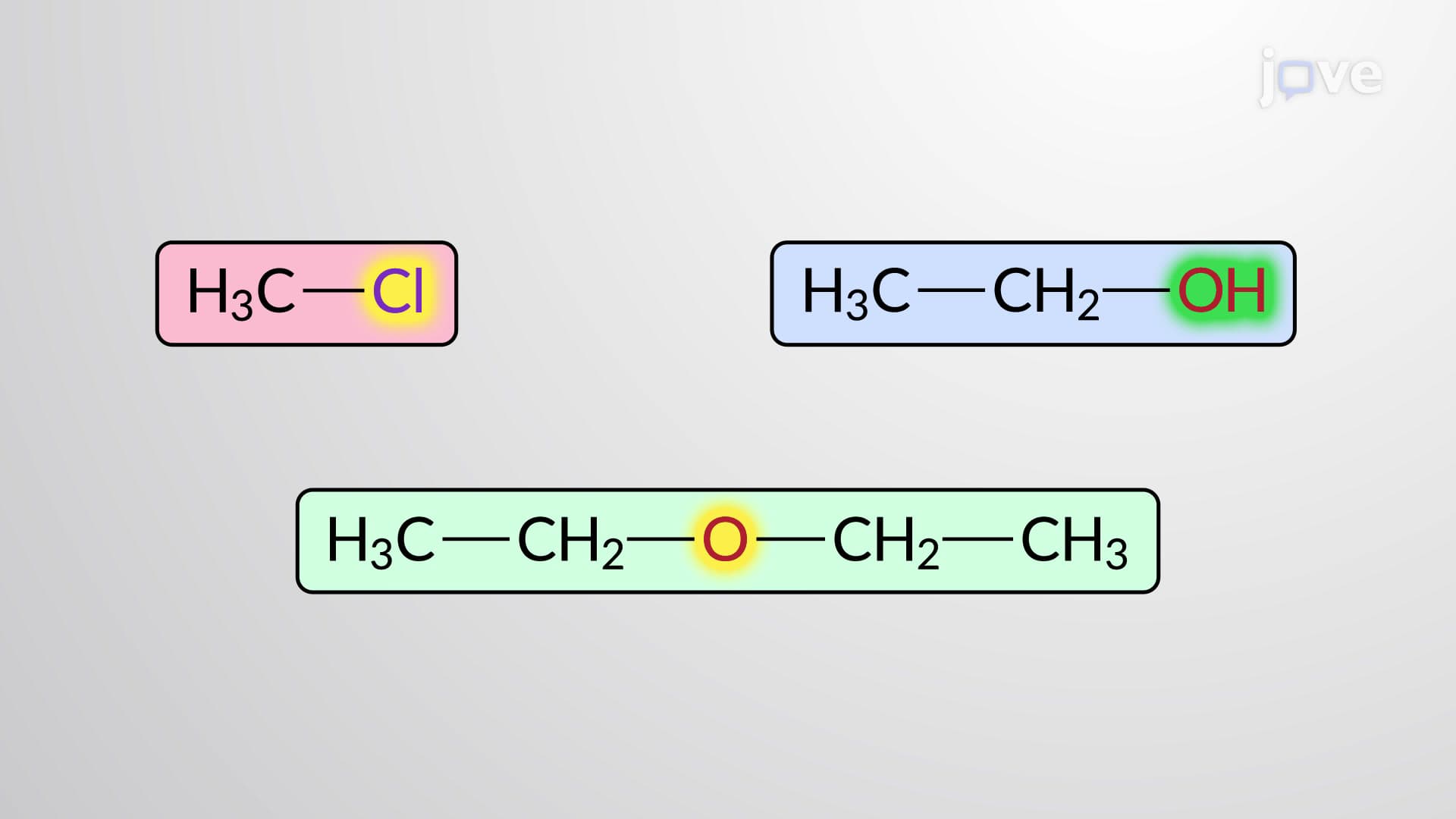
- Understand the structural features and chemical properties covered in the overview of advanced functional groups explained
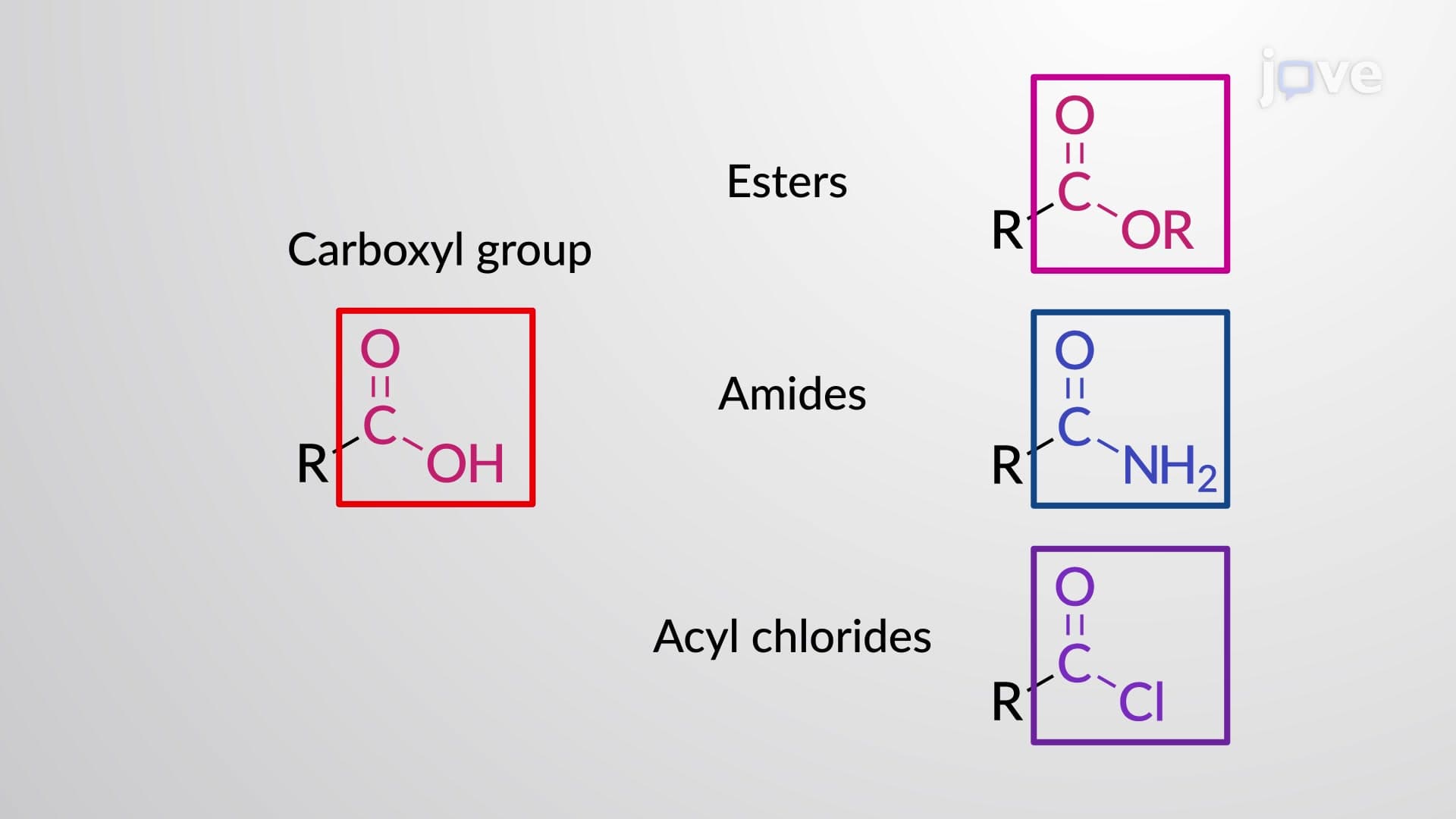
- Identify carbonyl-containing functional groups including aldehydes, ketones, carboxylic acids, esters, amides, and acyl chlorides
- Compare primary, secondary, and tertiary amines based on their bonding patterns with carbon atoms
- Analyze the relationship between aromatic systems like benzene and phenyl groups in organic compounds
- Recognize nitrile groups and their characteristic carbon-nitrogen triple bonds
- Evaluate how phosphate functional groups contribute to biological molecule structure and function
- Apply functional group knowledge to predict molecular behavior and reactivity patterns
- Explore connections between functional group structure and real-world applications in medicine and industry
Understanding the Overview of Advanced Functional Groups Explained
Functional groups serve as the foundation for understanding organic chemistry's vast molecular diversity. These specific arrangements of atoms act like molecular "personality traits," determining how compounds interact, react, and function in biological systems. Mastering these structures is crucial for success in AP Chemistry, college organic chemistry courses, and pre-med requirements across US universities.
Carbonyl-Based Functional Groups: The Chemical Workhorses
The carbonyl group (C=O) appears in numerous essential compounds. Aldehydes, featuring the carbonyl at chain ends, include formaldehyde (used in medical specimen preservation) and acetaldehyde (a metabolic byproduct of alcohol). Ketones, with centrally located carbonyls, encompass acetone (nail polish remover) and important biological molecules like pyruvate in cellular respiration.
Carboxylic acids extend the carbonyl concept by adding hydroxyl groups, creating compounds like acetic acid (vinegar) and fatty acids essential for cell membrane structure. Their derivatives prove equally important: esters create pleasant fragrances and serve as biodiesel components, while amides form the backbone of proteins and synthetic materials like nylon, manufactured extensively in US chemical plants.
Aromatic Systems and Nitrogen-Containing Groups
Benzene rings provide stability and unique reactivity patterns found in countless pharmaceuticals produced by US drug manufacturers. When modified with hydroxyl groups to form phenols, these compounds become antiseptics and polymer precursors. The phenyl group appears in medications like ibuprofen and synthetic materials throughout American industry.
Amines represent another crucial category, classified by their substitution patterns. Primary amines (one carbon attachment) include methylamine, secondary amines (two attachments) like dimethylamine, and tertiary amines (three attachments) such as trimethylamine. These distinctions matter significantly for MCAT preparation and pharmaceutical chemistry understanding.
Specialized Functional Groups in Biological Systems
Nitrile groups, featuring carbon-nitrogen triple bonds, appear in both synthetic materials and natural compounds. Meanwhile, phosphate groups form the energy currency of cells (ATP) and genetic material backbones (DNA/RNA), making them essential topics for pre-health students preparing for medical school admission exams.
Frequently Asked Questions
An overview of advanced functional groups explained covers the key structural units that determine how organic molecules behave and react. Learning these patterns helps you predict molecular properties, understand biological processes, and succeed in chemistry courses from high school AP to college organic chemistry.
The AP Chemistry exam includes functional group identification, naming, and property prediction questions. You'll encounter multiple-choice questions asking you to identify functional groups in molecular structures and free-response problems requiring you to explain how functional groups affect molecular behavior and intermolecular forces.
The MCAT heavily emphasizes carbonyl groups (aldehydes, ketones, carboxylic acids, esters, amides), aromatic systems, amines, and phosphate groups. These appear in both General Chemistry and Biochemistry sections, particularly in amino acid structures, enzyme mechanisms, and metabolic pathway questions.
US pharmaceutical companies like Pfizer and Merck modify functional groups to optimize drug properties. For example, converting carboxylic acids to esters can improve absorption, while adding amide groups can extend drug duration. Companies systematically test functional group variations to enhance effectiveness and reduce side effects.
No advanced mathematics is required to learn functional groups effectively. The concepts rely primarily on pattern recognition, structural visualization, and memorization of key properties. Students with basic algebra skills can successfully master functional group identification and applications.
Create visual flashcards showing both structure and key properties, then practice with real molecular examples from pharmaceuticals and everyday compounds. Focus on understanding patterns rather than rote memorization-carbonyl groups all share similar reactivity, while nitrogen-containing groups often involve lone pair interactions.
Functional groups determine protein folding (through amide bonds), energy storage (phosphate bonds in ATP), and membrane structure (ester bonds in lipids). Understanding these connections proves essential for advanced biology courses and medical school preparation.
Explore reaction mechanisms showing how functional groups transform during chemical reactions, stereochemistry effects on functional group behavior, and spectroscopic techniques (NMR, IR) used to identify functional groups in unknown compounds.
Related Micro-courses

12 Concepts

14 Concepts
12 Concepts