Loading subject page…


392,707 views

Video Summary: Valence Bond Theory and Hybridized Orbitals Explained
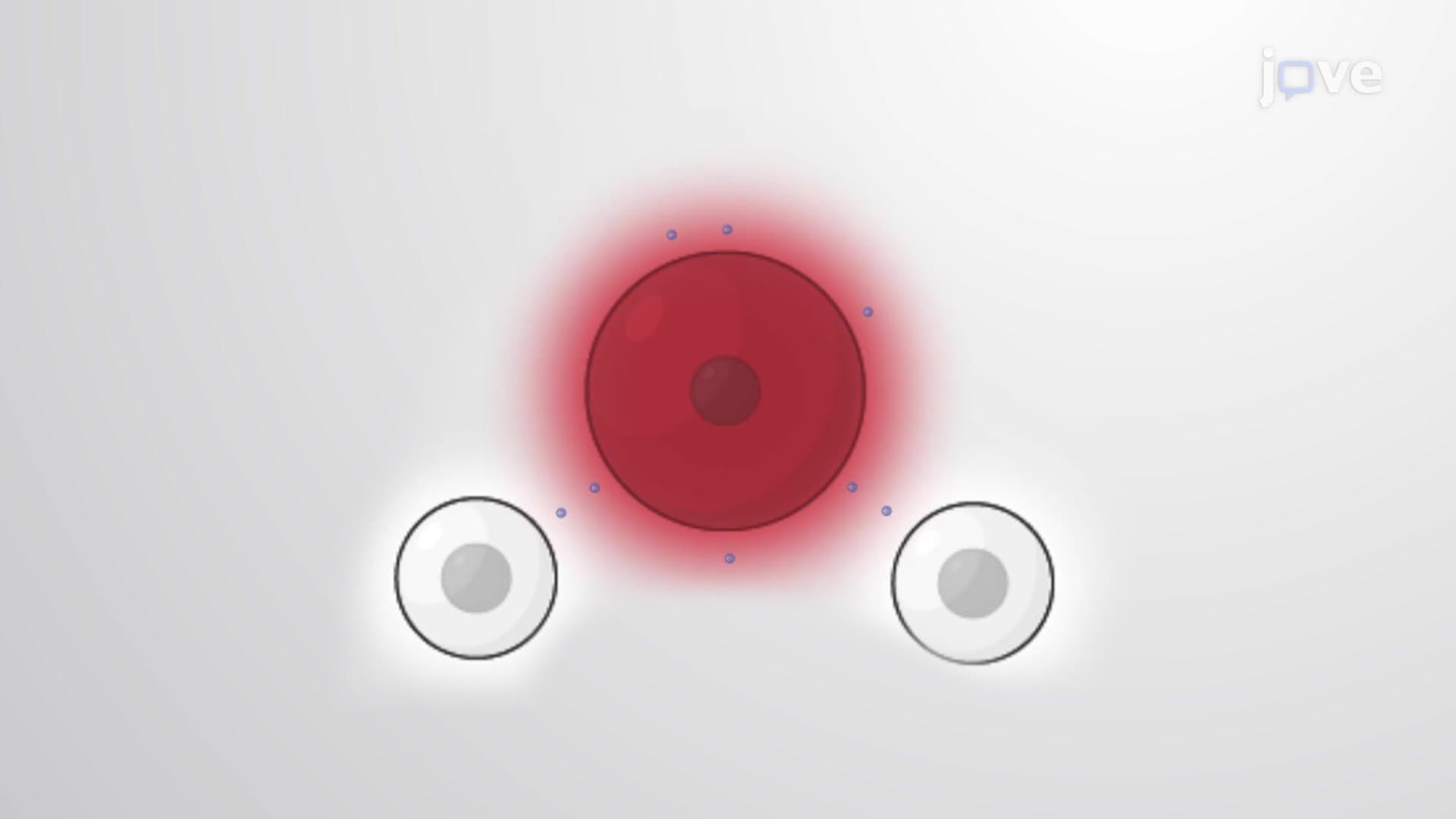
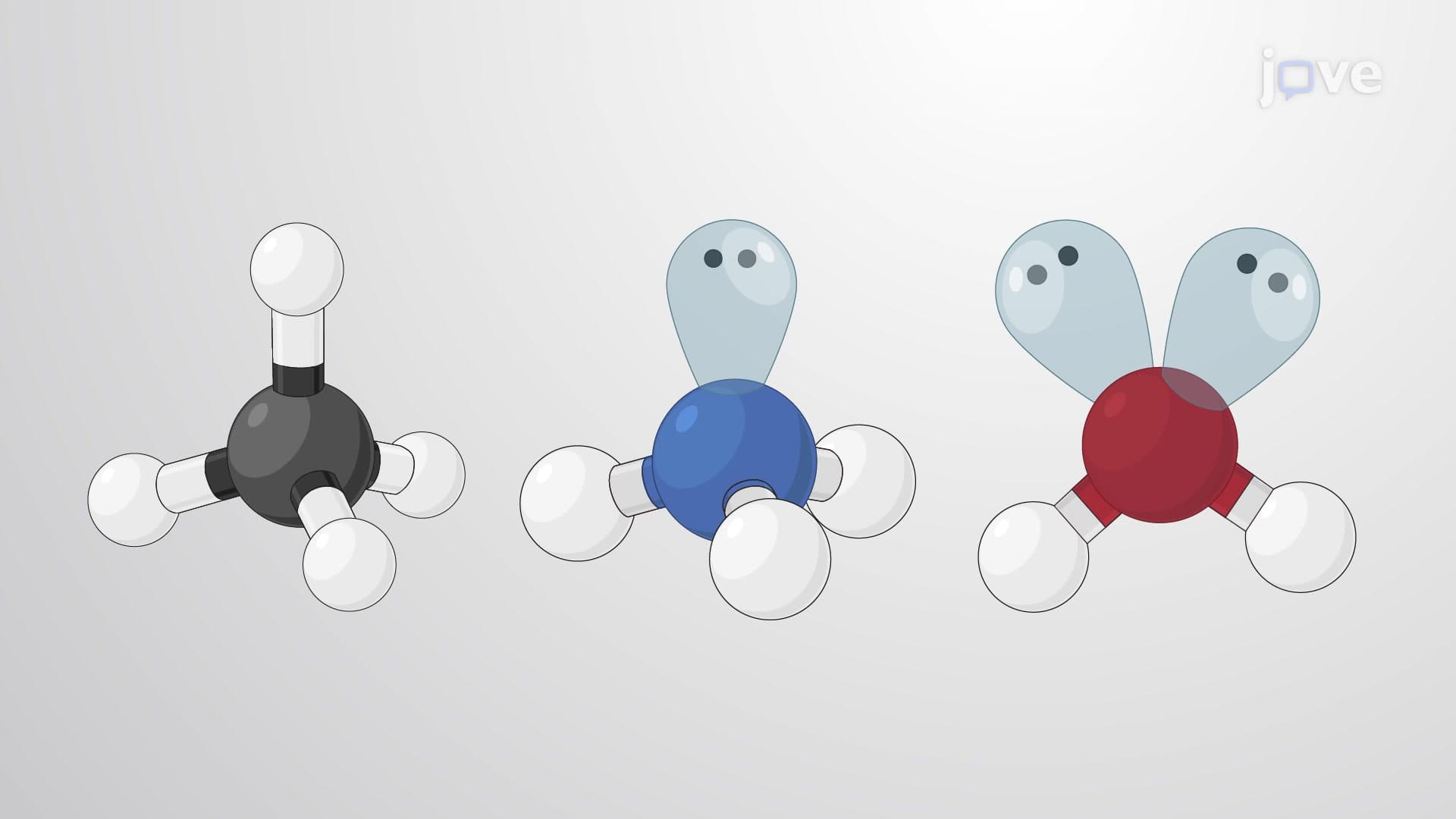
Why do water molecules bend at 104.5 degrees while methane forms perfect tetrahedrons? Valence bond theory hybridized orbitals explain how atoms like oxygen in H2O rearrange their electron clouds to create specific molecular shapes. This fundamental chemistry concept reveals why pharmaceutical drugs at companies like Pfizer have precise three-dimensional structures that determine their biological activity. Valence Bond Theory And Hybridized Orbitals Explained demonstrates how atomic orbitals mix to form new hybrid orbitals, enabling the diverse molecular geometries essential for life processes. Watch the full video on JoVE Coach to master this concept with expert-led visuals and step-by-step explanations.
Valence bond theory revolutionizes our understanding of chemical bonding by proposing that covalent bonds form through the direct overlap of atomic orbitals containing unpaired electrons. Unlike simple Lewis structures that show electron pairs as dots, this theory explains the three-dimensional reality of molecular shapes through orbital hybridization-a process where atomic orbitals mix to create new hybrid orbitals with enhanced bonding capabilities.
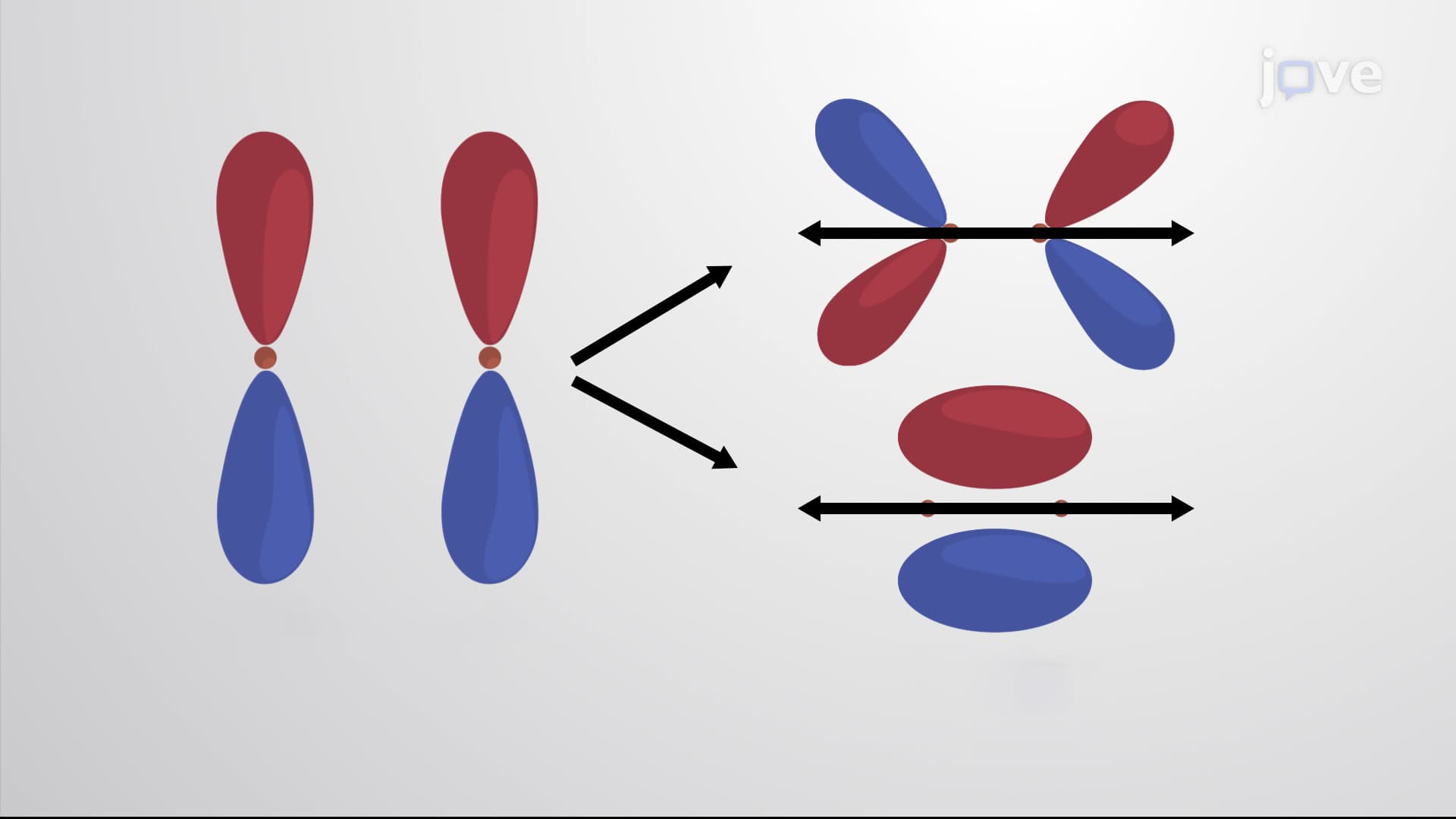
The foundation of valence bond theory rests on two primary bond types. Sigma bonds form through head-to-head orbital overlap, creating the strongest type of covalent bond due to maximum electron density along the internuclear axis. These bonds allow free rotation around the bond axis, explaining why ethane molecules can adopt multiple conformations. Pi bonds result from side-by-side overlap of p orbitals, creating regions of electron density above and below the internuclear axis. This arrangement prevents rotation, which is why molecules like ethylene maintain fixed geometries-a crucial concept tested extensively on AP Chemistry and college organic chemistry exams.
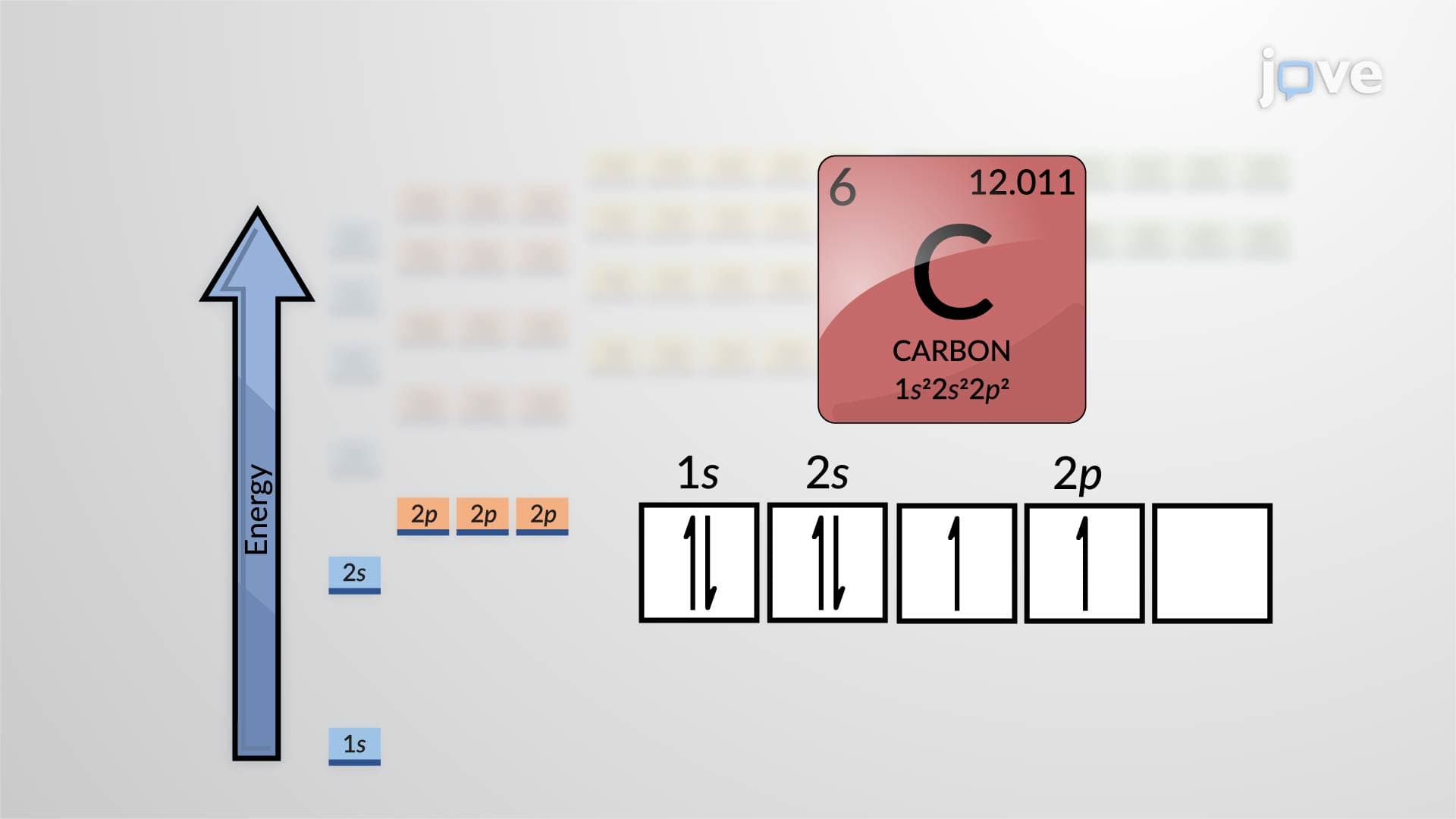
Carbon's versatility in organic chemistry stems from its ability to undergo different hybridization patterns. In sp3 hybridization, one s orbital mixes with three p orbitals to create four equivalent hybrid orbitals arranged tetrahedrally at 109.5-degree angles, as seen in methane and diamond's crystal structure. The pharmaceutical industry relies heavily on this geometry-many drug molecules contain sp3-hybridized carbons that create specific three-dimensional shapes essential for binding to biological targets.
Sp2 hybridization involves mixing one s orbital with two p orbitals, generating three hybrid orbitals in a trigonal planar arrangement with 120-degree bond angles. This pattern appears in ethylene and benzene, molecules fundamental to petrochemical production in states like Texas and Louisiana. The remaining unhybridized p orbital forms pi bonds, creating the double bonds characteristic of alkenes.
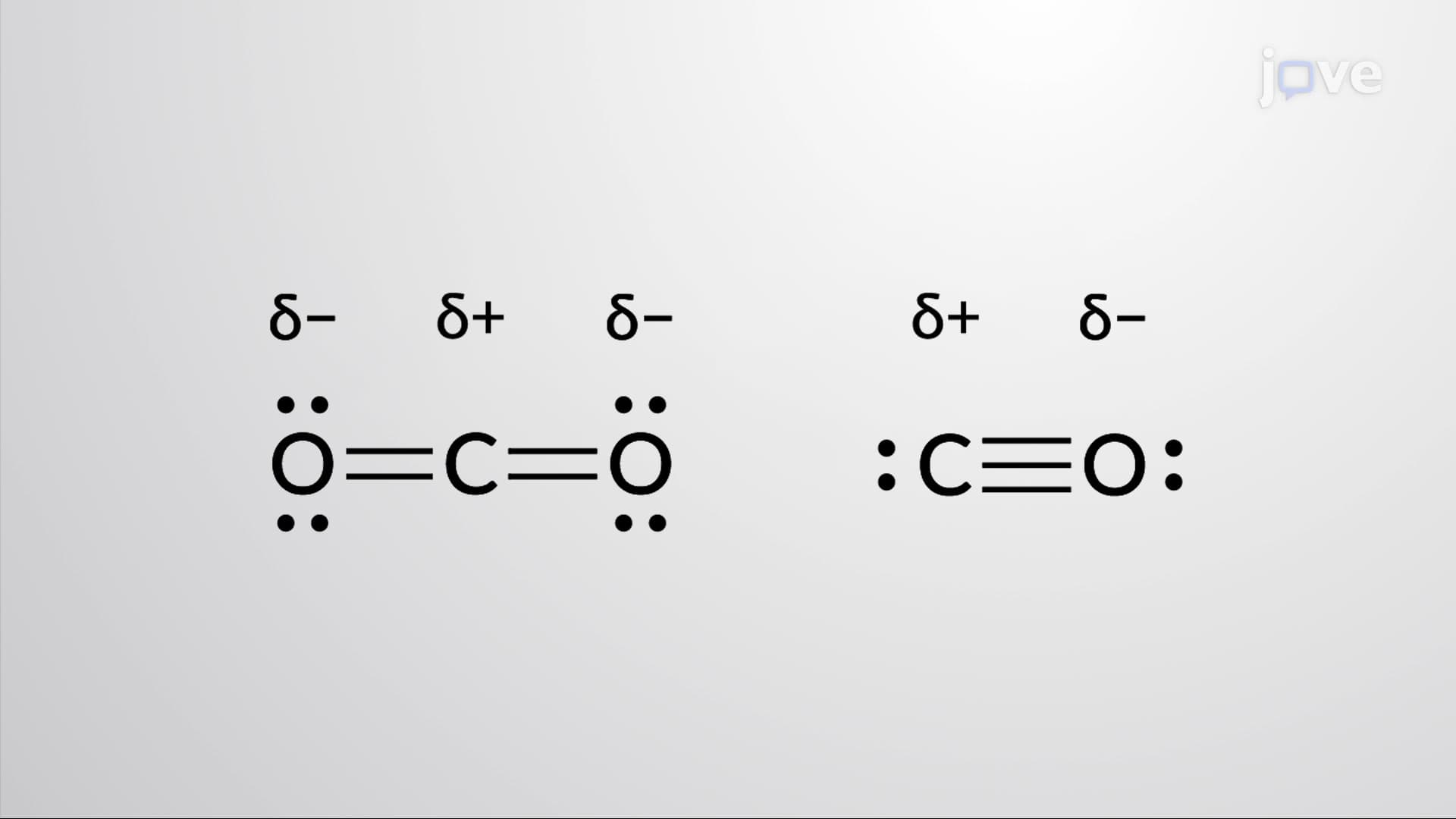
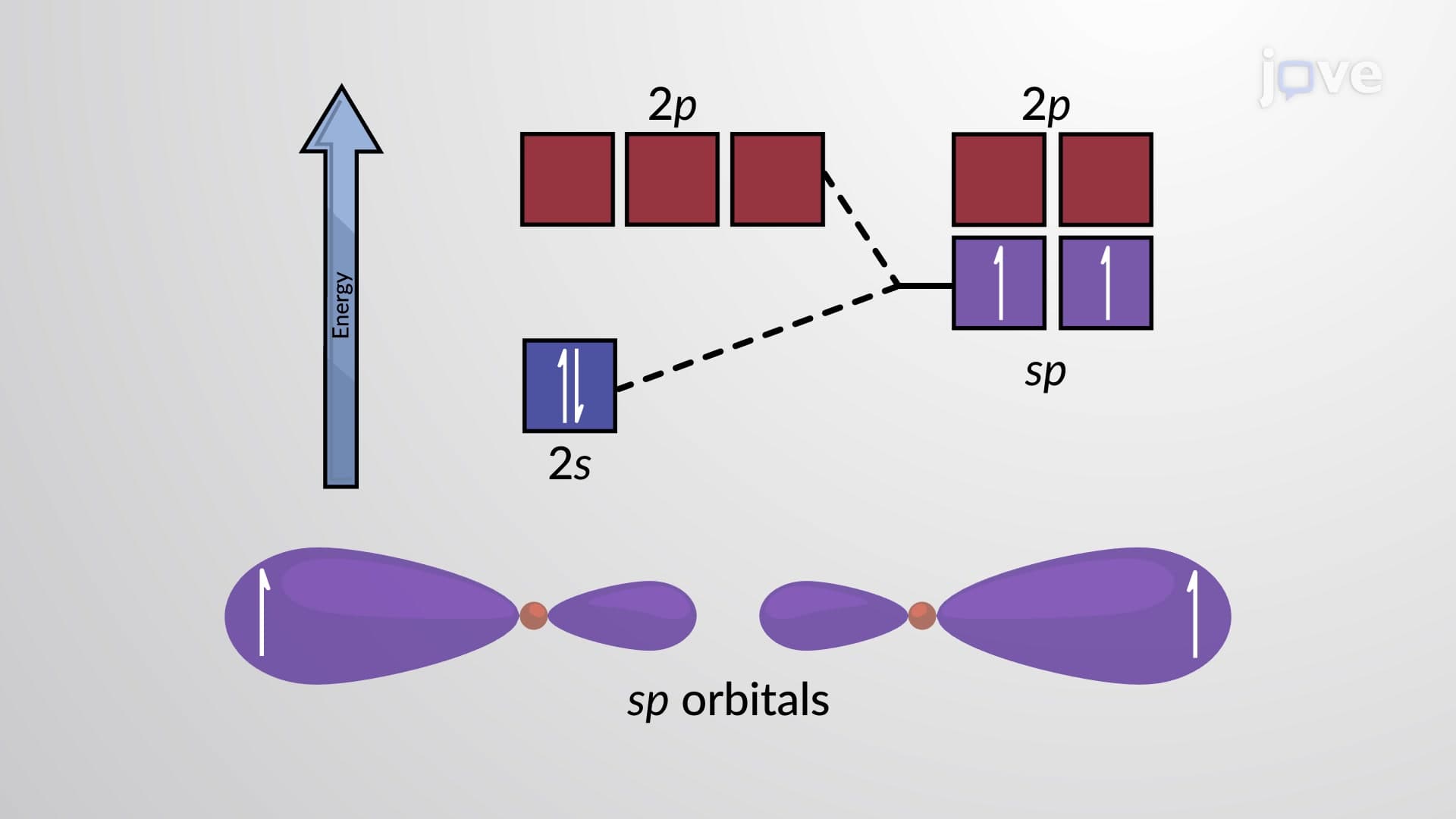
Linear sp hybridization, where one s orbital combines with one p orbital, produces two hybrid orbitals oriented 180 degrees apart. This geometry appears in acetylene and carbon dioxide, molecules critical in industrial processes. Understanding these hybridization patterns proves essential for success in advanced placement chemistry, MCAT preparation, and undergraduate organic chemistry courses at institutions like MIT and Stanford.
The concept extends beyond simple hydrocarbons to explain bonding in coordination compounds, where transition metals undergo d-orbital hybridization to accommodate multiple ligands. This knowledge becomes crucial for students pursuing careers in materials science, catalysis research, and pharmaceutical development.
Related Micro-courses