Loading subject page…

Micro-course: Covalent Bonding and Structure
392,707 views
Learn key concepts and earn your certificate.

Solubility

00:00
03:00
Video Summary: What Is Solubility
Ever wonder why oil forms slicks on water but salt disappears completely? Solubility determines which substances can dissolve in specific solvents and to what extent. This fundamental chemistry concept explains everyday phenomena from why sugar dissolves in coffee to how detergents remove grease stains from clothing. Understanding what is solubility reveals the molecular interactions that govern solution formation and phase behavior. Watch the full video on JoVE Coach to master this concept with expert-led visuals and step-by-step explanations.
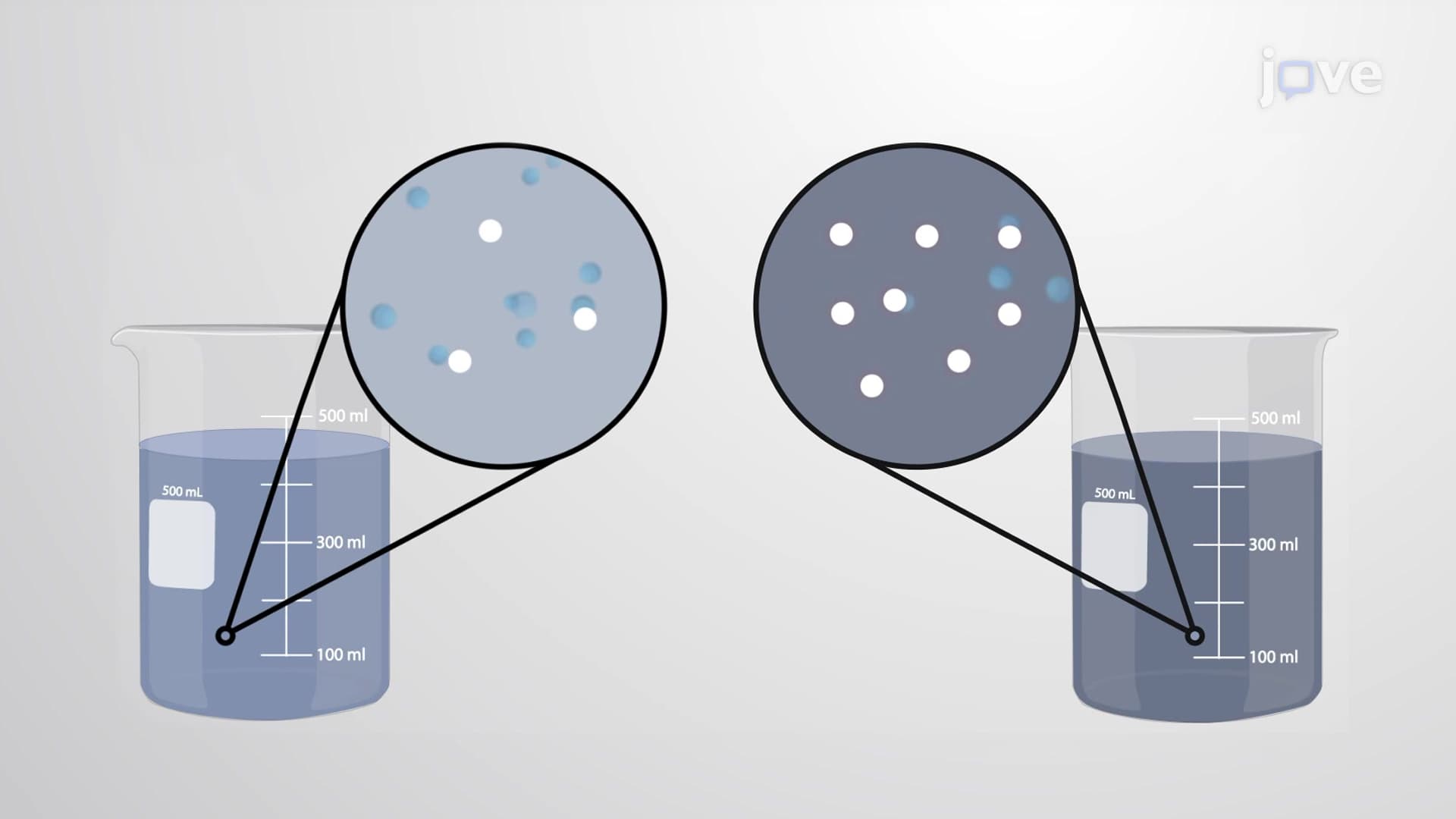
- Understand what is solubility and how it represents the maximum concentration of a dissolved substance at equilibrium
- Identify the key components of solutions including solutes, solvents, and the factors that influence dissolution
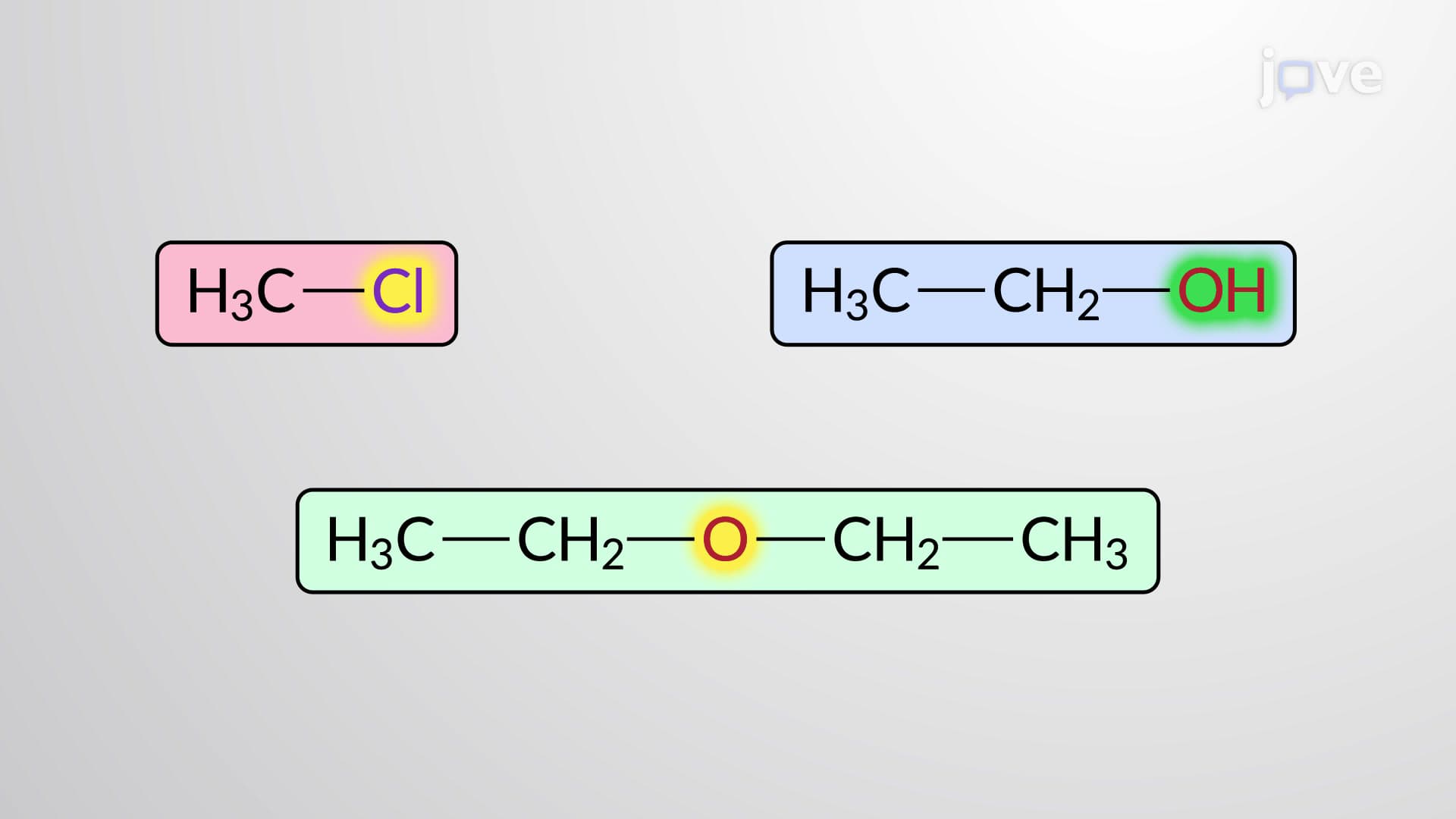
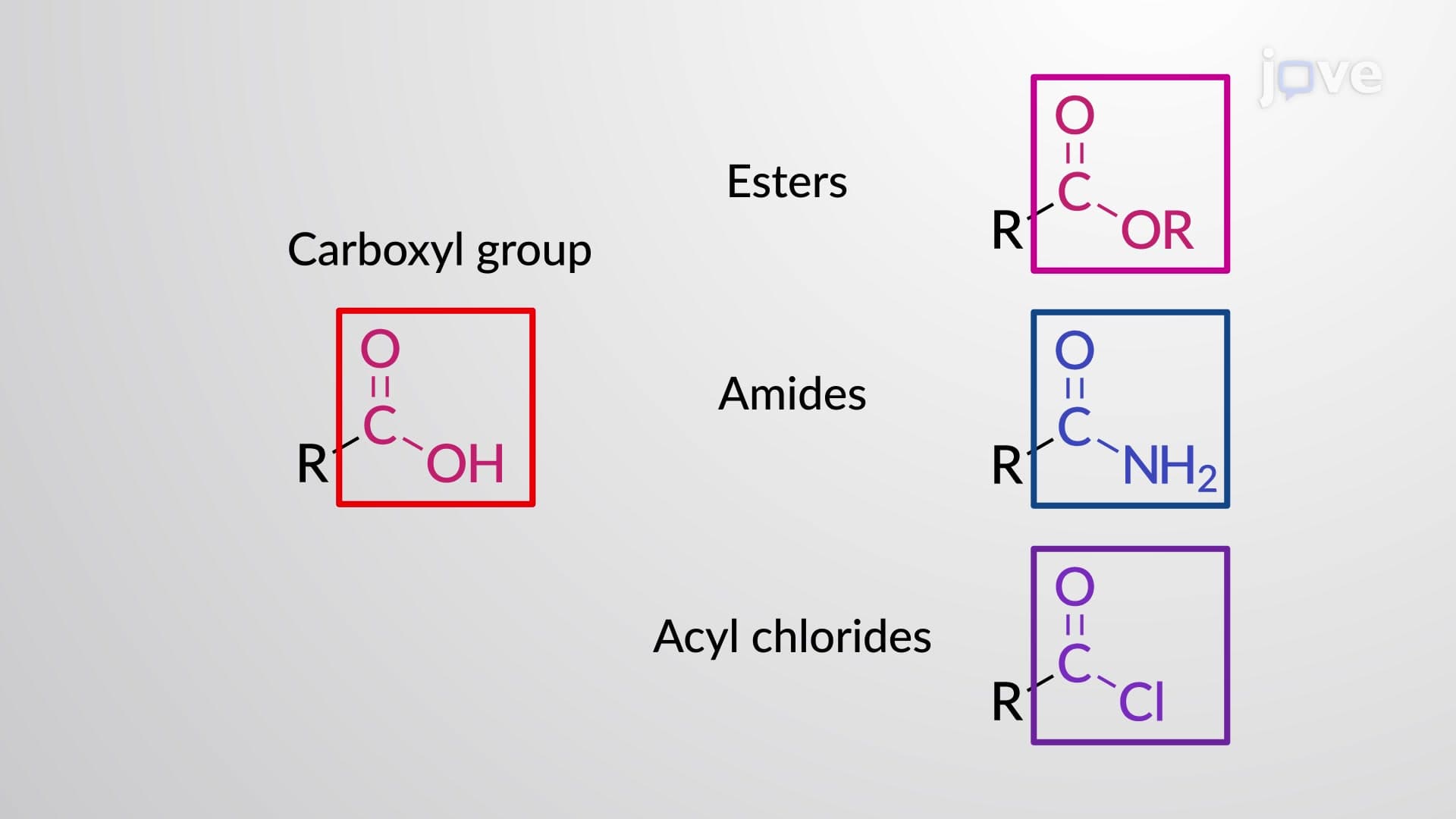
- Analyze the molecular interactions that drive solvation, including hydrogen bonding, dipole-dipole forces, and London dispersion forces
- Compare hydrophilic and hydrophobic substances based on their molecular structure and polarity
- Evaluate how temperature, pressure, and molecular polarity affect solubility in different solvents
- Apply solubility principles to predict dissolution behavior using "like dissolves like" rules
- Recognize amphiphilic molecules and explain how they function in detergents and biological membranes
- Explore solubility equilibrium and distinguish between saturated, unsaturated, and supersaturated solutions
Understanding What is Solubility at the Molecular Level
Solubility represents the maximum amount of a substance (solute) that can dissolve in a given quantity of solvent at a specific temperature and pressure. This fundamental concept governs everything from pharmaceutical drug delivery to environmental contamination cleanup. When students encounter solubility problems on the AP Chemistry exam or college general chemistry courses, they're applying principles that explain why certain combinations of substances form solutions while others separate into distinct phases.
The Driving Forces Behind Solution Formation
The dissolution process depends on three key molecular interactions: solute-solute attractions, solvent-solvent attractions, and solute-solvent attractions. For dissolution to occur spontaneously, the energy gained from favorable solute-solvent interactions must overcome the energy required to separate solute particles and create space within the solvent structure. This principle explains why ionic compounds like sodium chloride dissolve readily in polar water but remain insoluble in nonpolar hexane.
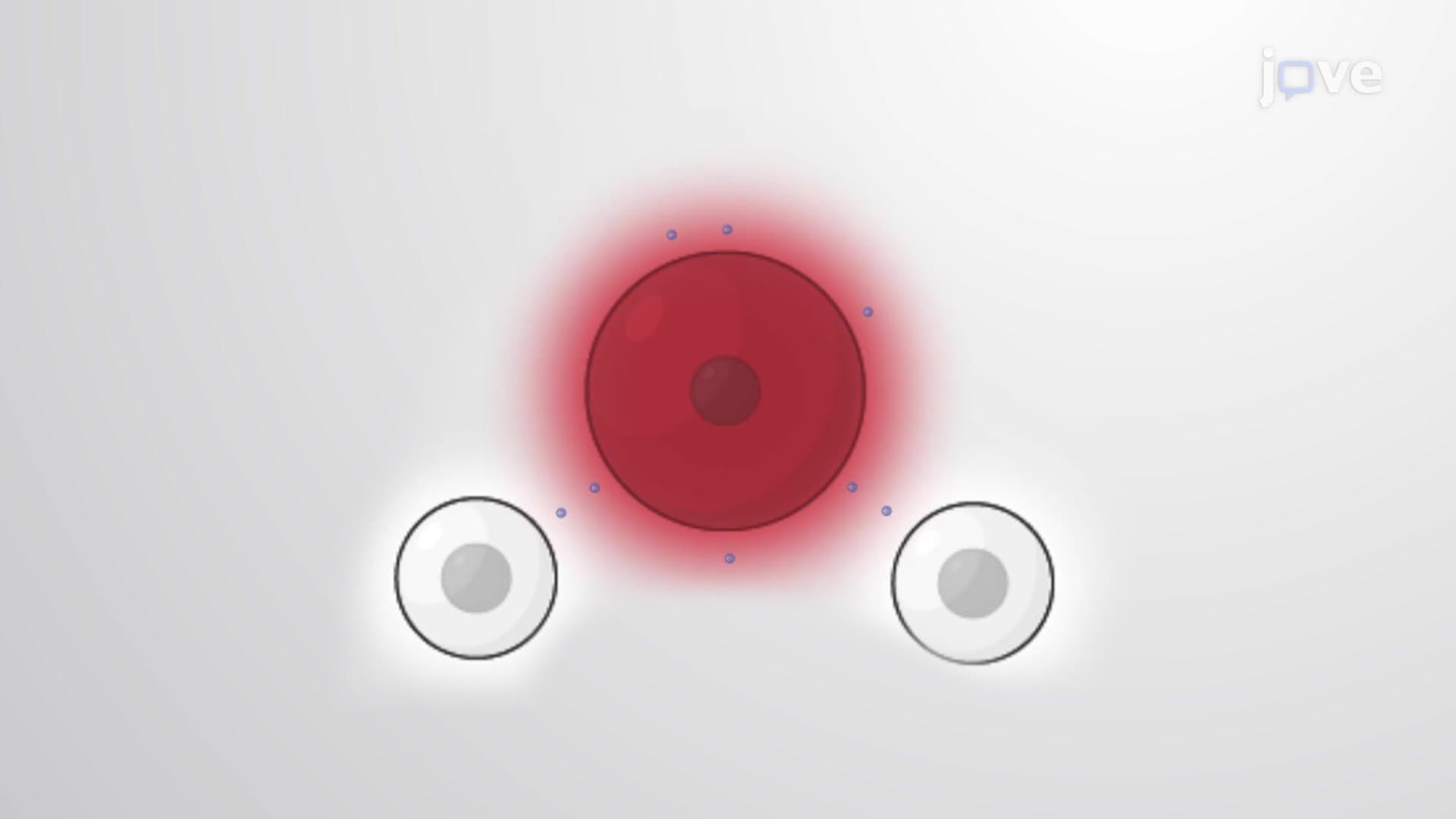
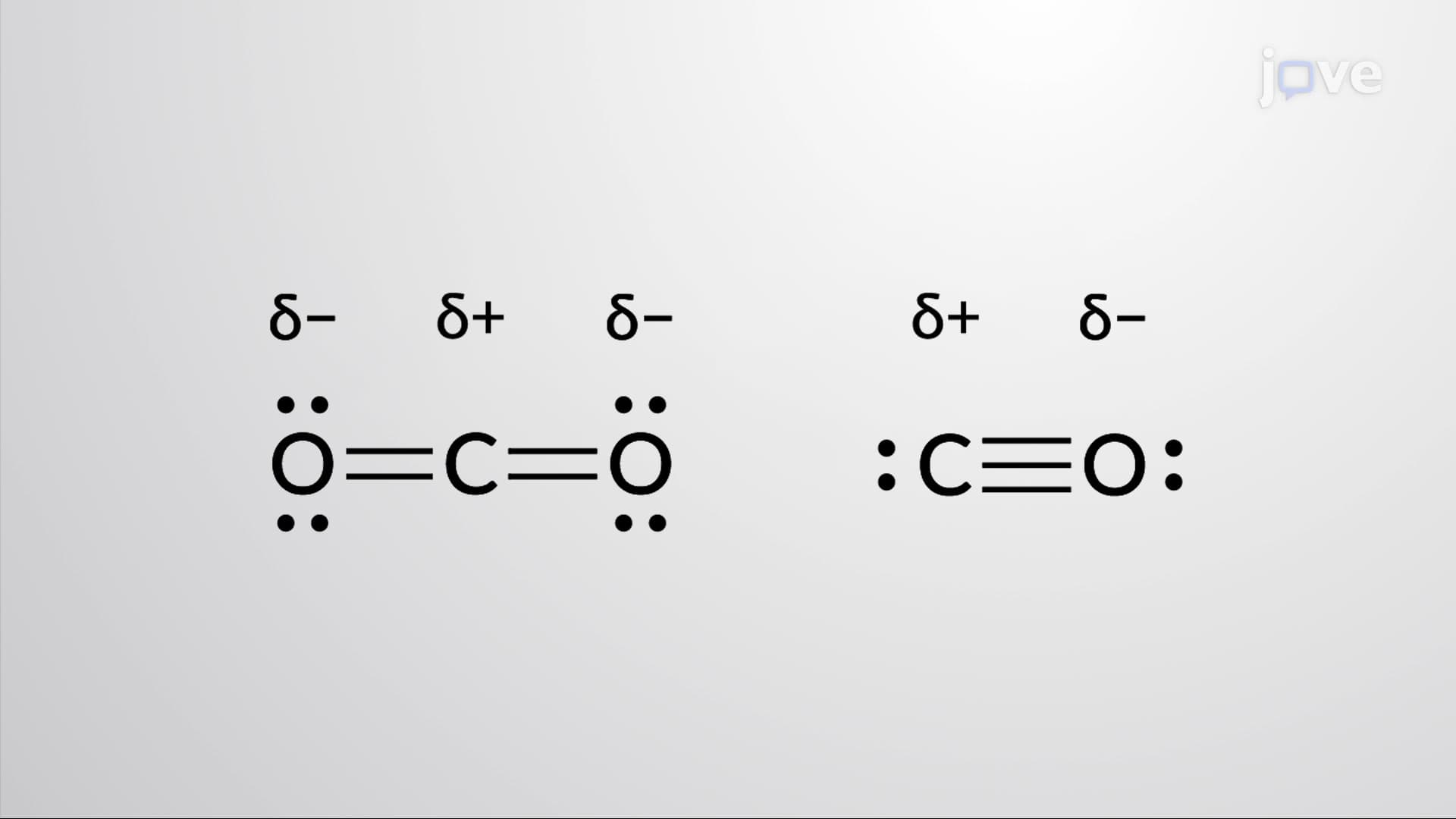
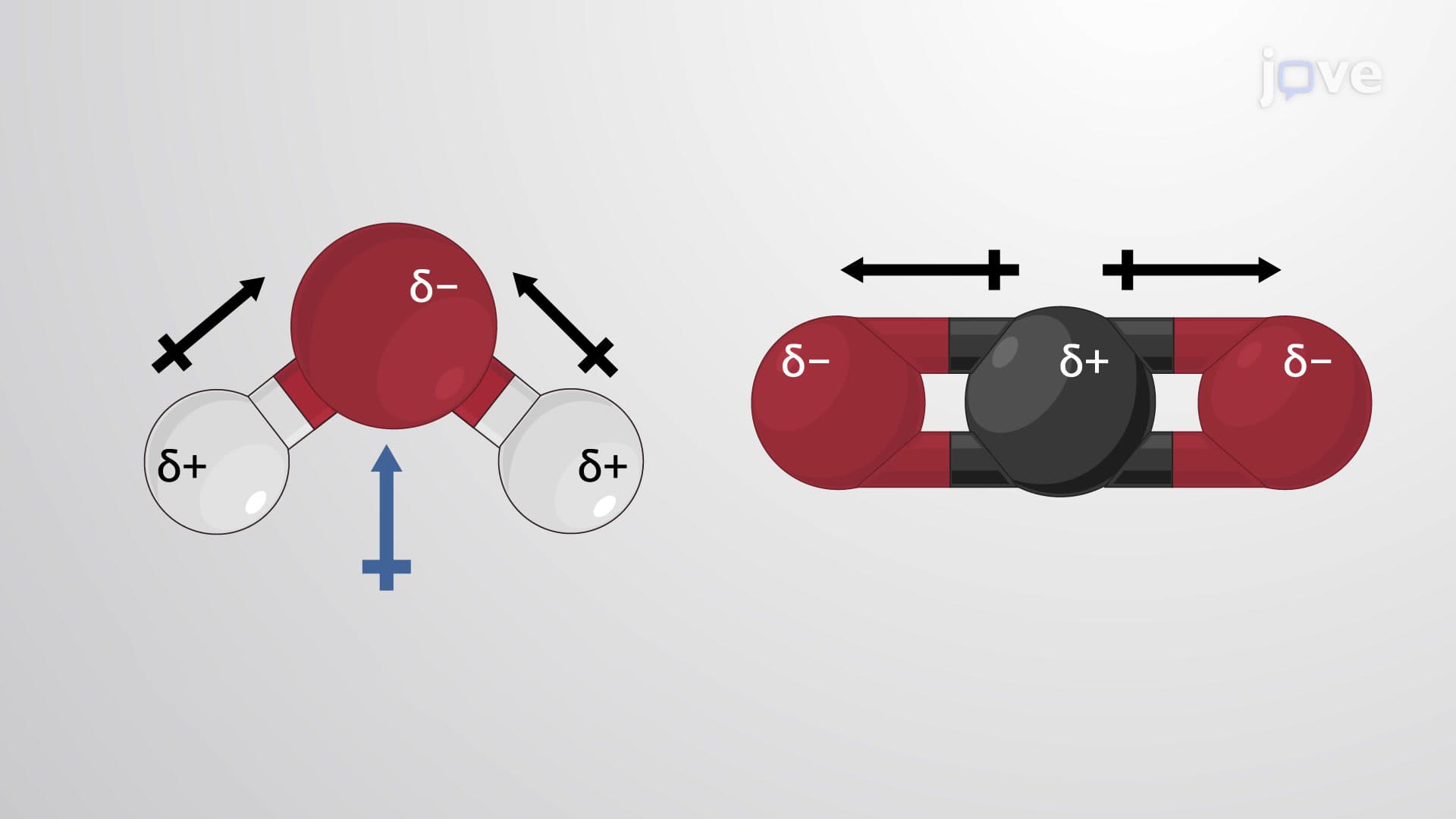
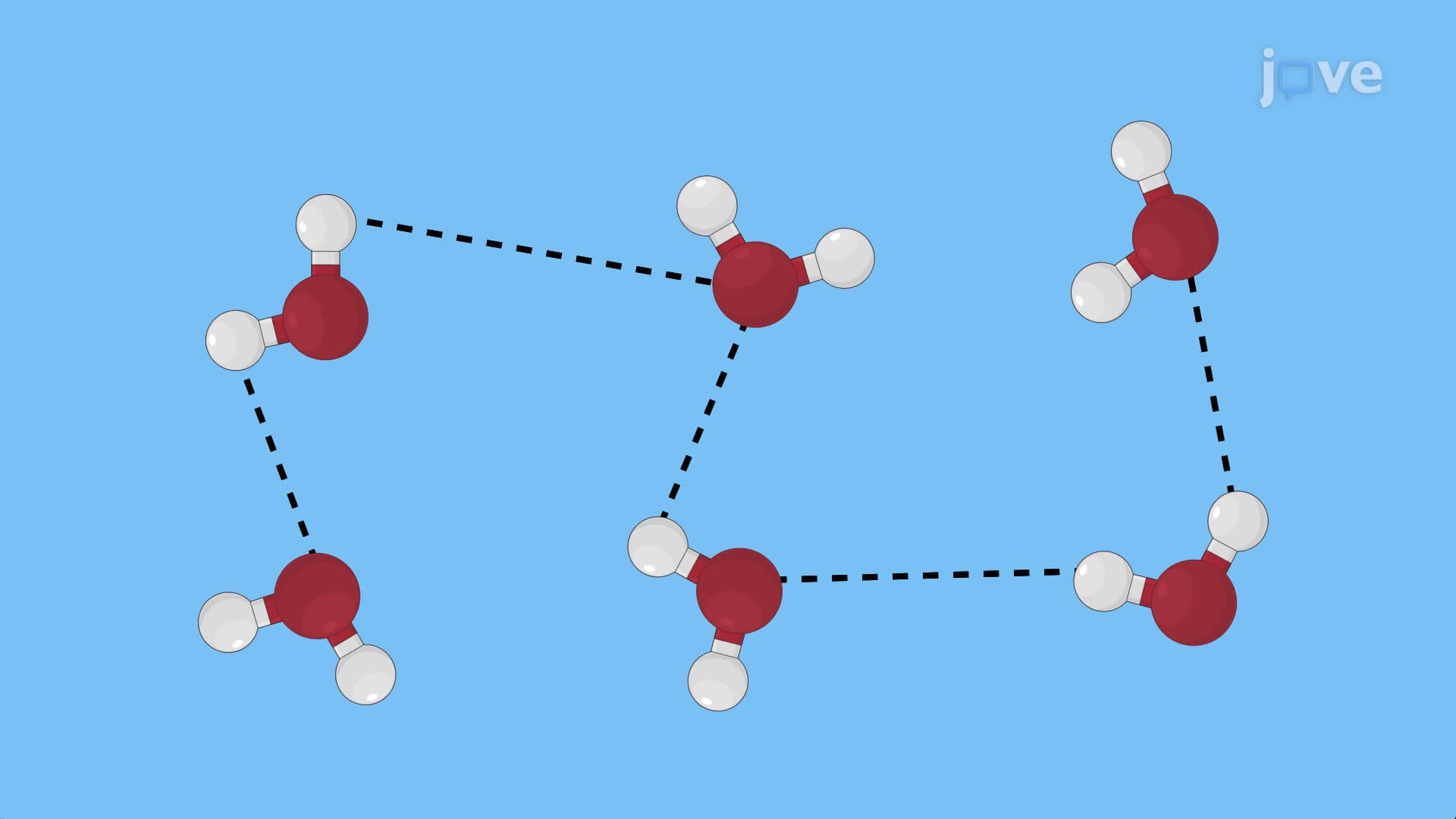
Water's exceptional properties as a solvent stem from its polar structure and hydrogen bonding capability. The partially positive hydrogen atoms attract negative ions or polar molecules, while the partially negative oxygen attracts positive charges. This creates the hydration shells around dissolved ions that students often encounter in electrochemistry problems on standardized tests like the MCAT.
Polarity and the "Like Dissolves Like" Rule
The solubility definition explained through polarity provides a powerful predictive tool. Polar substances, including ionic compounds and molecules with significant dipole moments, dissolve best in polar solvents. Nonpolar substances like oils and hydrocarbons dissolve preferentially in nonpolar solvents. This principle appears frequently in organic chemistry contexts, where students must predict reaction outcomes based on solvent choice.
Amphiphilic molecules, containing both polar and nonpolar regions, demonstrate unique solubility behavior. Soap molecules exemplify this concept-their ionic head groups interact favorably with water while their hydrocarbon tails associate with oils and grease. This dual nature enables the formation of micelles, spherical structures that solubilize otherwise insoluble substances. Understanding this mechanism helps explain how biological cell membranes maintain selective permeability and how pharmaceutical companies develop drug delivery systems.
Factors Affecting Solubility in Practice
Temperature typically increases solubility for solid solutes in liquid solvents, following Le Chatelier's principle when dissolution is endothermic. However, gas solubility decreases with increasing temperature, explaining why carbonated beverages lose fizz when warmed. Pressure changes primarily affect gas solubility, as described by Henry's Law-a concept that appears in environmental chemistry problems involving dissolved oxygen in aquatic systems.
Students preparing for chemistry courses should recognize that solubility values are experimentally determined and tabulated for reference. These data enable quantitative calculations involving solution stoichiometry, a topic that bridges general chemistry with analytical chemistry applications in pharmaceutical and environmental laboratories.
Frequently Asked Questions
Solubility is the maximum amount of a substance that can dissolve in a specific amount of solvent at a given temperature. It's like asking how much sugar you can stir into a cup of water before no more will dissolve. This concept helps predict which substances will mix completely and which will form separate layers.
Solubility problems commonly test precipitation reactions, Ksp calculations, and solution stoichiometry. You'll encounter questions about predicting which combinations form precipitates, calculating ion concentrations in saturated solutions, and determining limiting reagents in dissolution reactions. The College Board frequently includes solubility rules and common ion effects in multiple choice and free response questions.
The MCAT emphasizes solubility in biological contexts, including drug absorption, membrane permeability, and protein folding. Expect questions connecting hydrophobic effects to enzyme active sites, amphiphilic molecules in cell membranes, and how pH changes affect the solubility of ionizable compounds like amino acids and pharmaceuticals.
Oil molecules are nonpolar hydrocarbons that cannot form favorable interactions with polar water molecules. Since oil-oil interactions are stronger than any possible oil-water interactions, the substances remain separate. This principle explains why cleanup crews use dispersants-amphiphilic molecules that help break oil into smaller droplets that can be more easily managed.
Basic solubility concepts require only arithmetic and simple algebraic manipulation. You'll work with concentration units like molarity and mass percent, plus ratio calculations for stoichiometry problems. More advanced topics like equilibrium constants use logarithms, but the fundamental principles rely on logical reasoning about molecular interactions rather than complex mathematics.
Create a systematic approach by memorizing common solubility rules for ionic compounds, then practice predicting outcomes based on polarity. Work through precipitation reaction problems methodically, and connect molecular structure to solubility behavior. Use visual aids to understand how polar and nonpolar regions interact, and practice calculating concentrations in various units.
Solubility forms the foundation for acid-base equilibria, electrochemistry, and thermodynamics. You'll encounter these concepts in physical chemistry courses covering solution theory, biochemistry classes exploring membrane transport, and analytical chemistry methods like extraction and chromatography. Understanding solubility also prepares you for materials science applications in crystallization and purification processes.
Related Micro-courses

12 Concepts

14 Concepts
12 Concepts