Loading subject page…

- Organic Chemistry
- Covalent Bonding and Structure
- VSEPR Theory
Micro-course: Covalent Bonding and Structure
392,707 views
Learn key concepts and earn your certificate.

VSEPR Theory

00:00
02:37
Video Summary: What Is Vsepr Theory
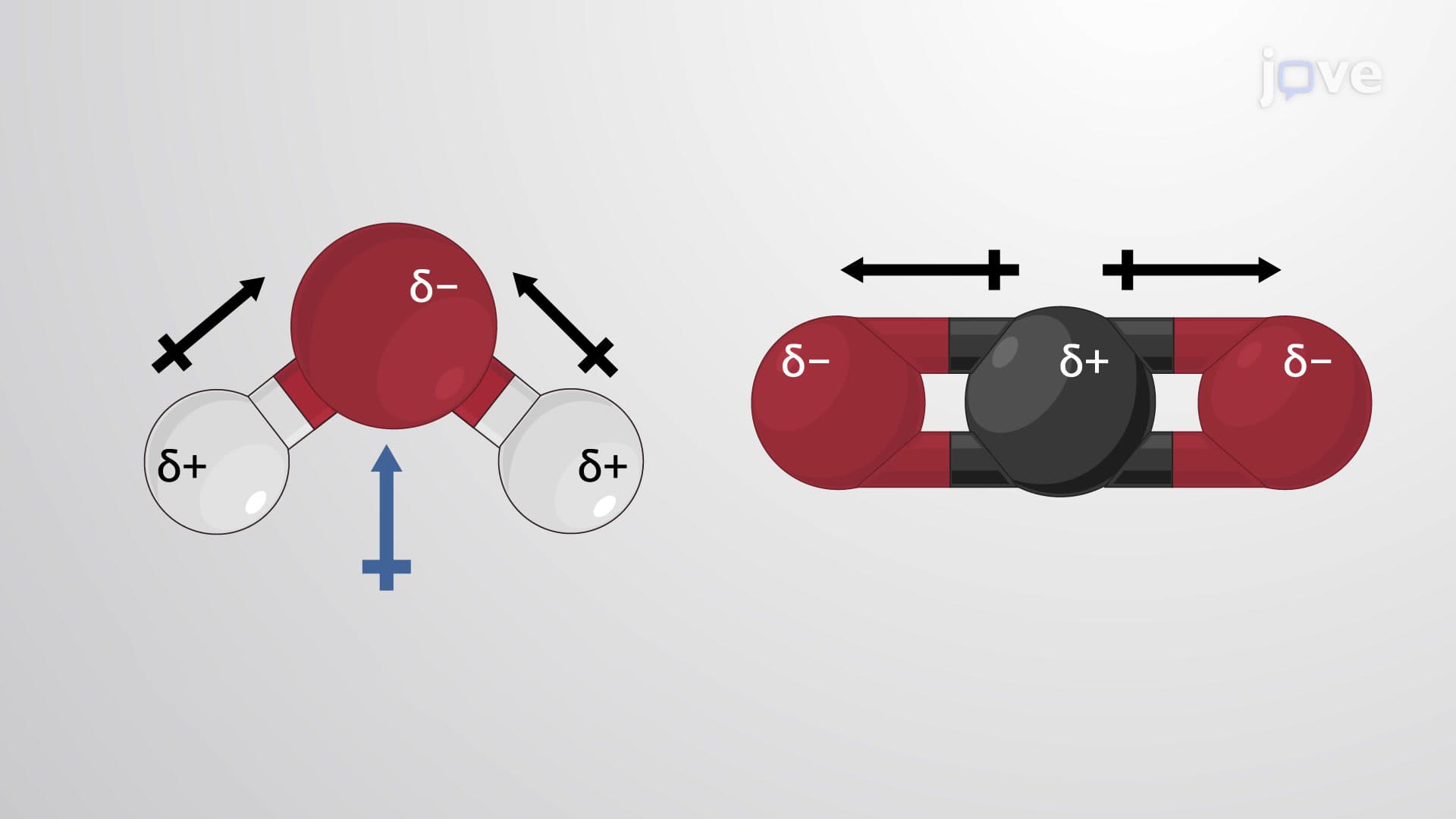
Ever wonder why water molecules bend while carbon dioxide stays linear? VSEPR theory explains how electron pairs around atoms determine molecular shapes by minimizing repulsion. This fundamental concept predicts everything from the tetrahedral structure of methane in natural gas to the bent geometry of water molecules. Watch the full video on JoVE Coach to master this concept with expert-led visuals and step-by-step explanations.
- Understand what is VSEPR theory and how electron-pair repulsion determines molecular geometry
- Identify the five basic molecular shapes: linear, trigonal planar, tetrahedral, trigonal bipyramidal, and octahedral
- Analyze how lone pairs create stronger repulsion than bonding pairs, affecting bond angles
- Compare electron-pair geometry versus molecular geometry in compounds like ammonia and water
- Apply VSEPR theory to predict molecular shapes from Lewis structures
- Recognize how lone pair repulsion compresses bond angles below ideal values
- Evaluate the relationship between electron groups and resulting three-dimensional molecular structures
- Explore how molecular geometry influences physical and chemical properties of compounds
Understanding What is VSEPR Theory
VSEPR theory (Valence Shell Electron Pair Repulsion theory) revolutionizes how we visualize molecules in three dimensions. Developed by chemists Ronald Gillespie and Ronald Nyholm, this theory explains that electron pairs around a central atom arrange themselves to minimize electrostatic repulsion, creating predictable molecular geometries. For students taking AP Chemistry or preparing for the MCAT, mastering VSEPR theory becomes essential for understanding everything from drug interactions to environmental chemistry.
The Five Fundamental Molecular Geometries
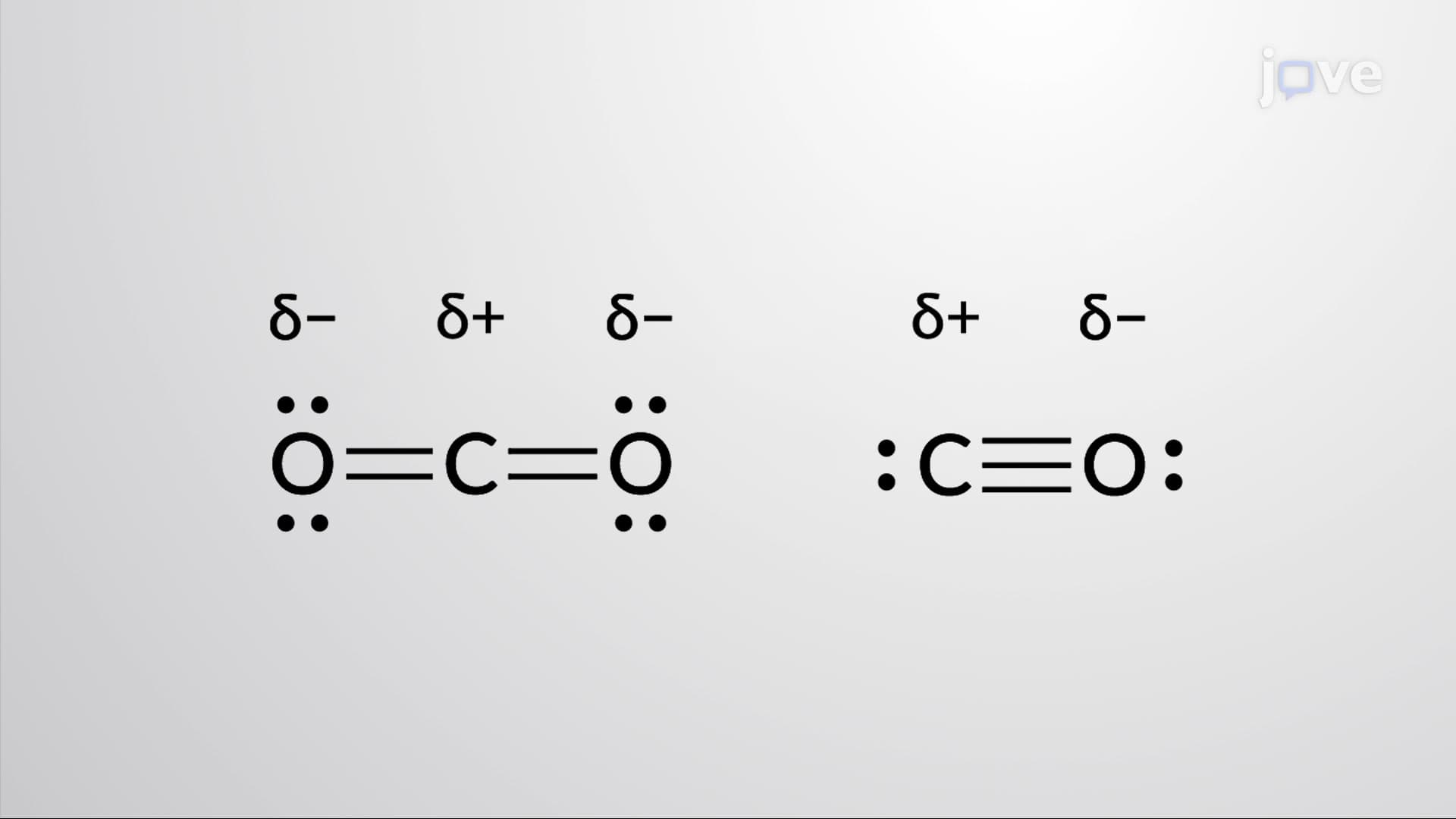
The beauty of VSEPR theory lies in its systematic approach to molecular shapes. Two electron groups create linear geometry (like carbon dioxide in dry ice), three groups form trigonal planar shapes (like formaldehyde used in laboratory preservation), four groups produce tetrahedral arrangements (like methane in natural gas), five groups generate trigonal bipyramidal structures (like phosphorus pentachloride), and six groups create octahedral geometries (like sulfur hexafluoride). These patterns appear consistently across chemistry, making molecular prediction straightforward once you understand the underlying principles.
Lone Pairs: The Hidden Shape-Changers
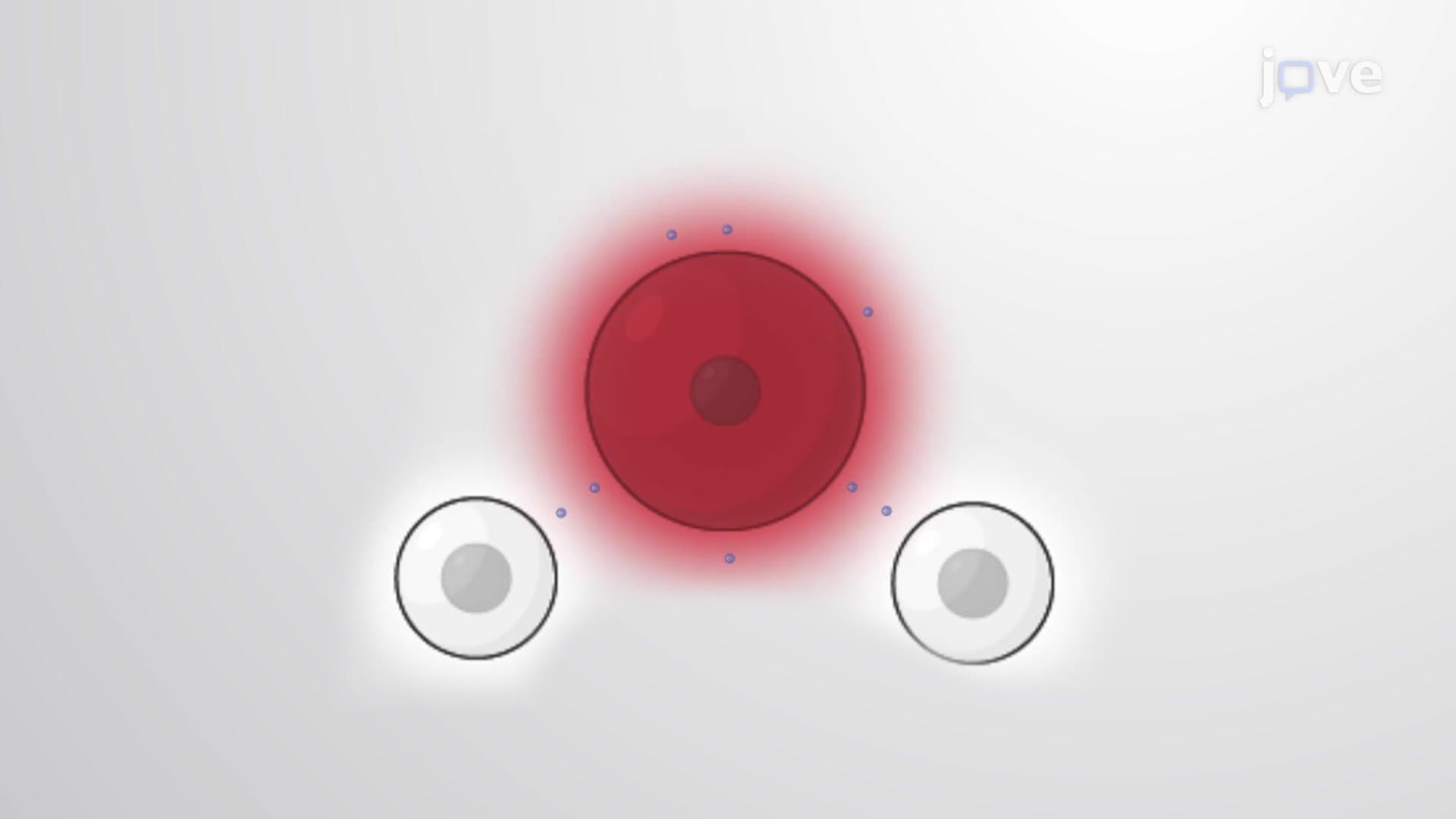
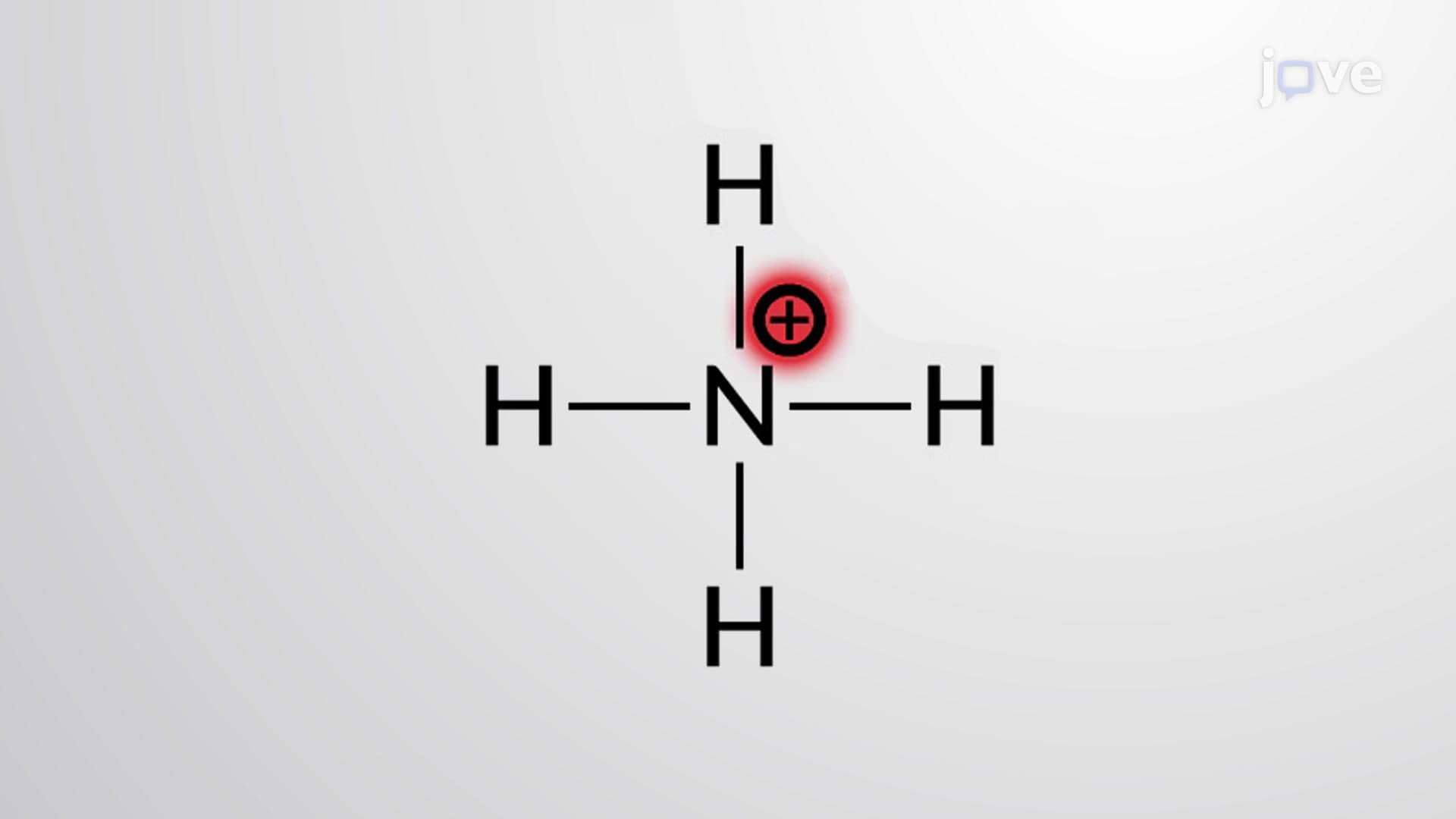
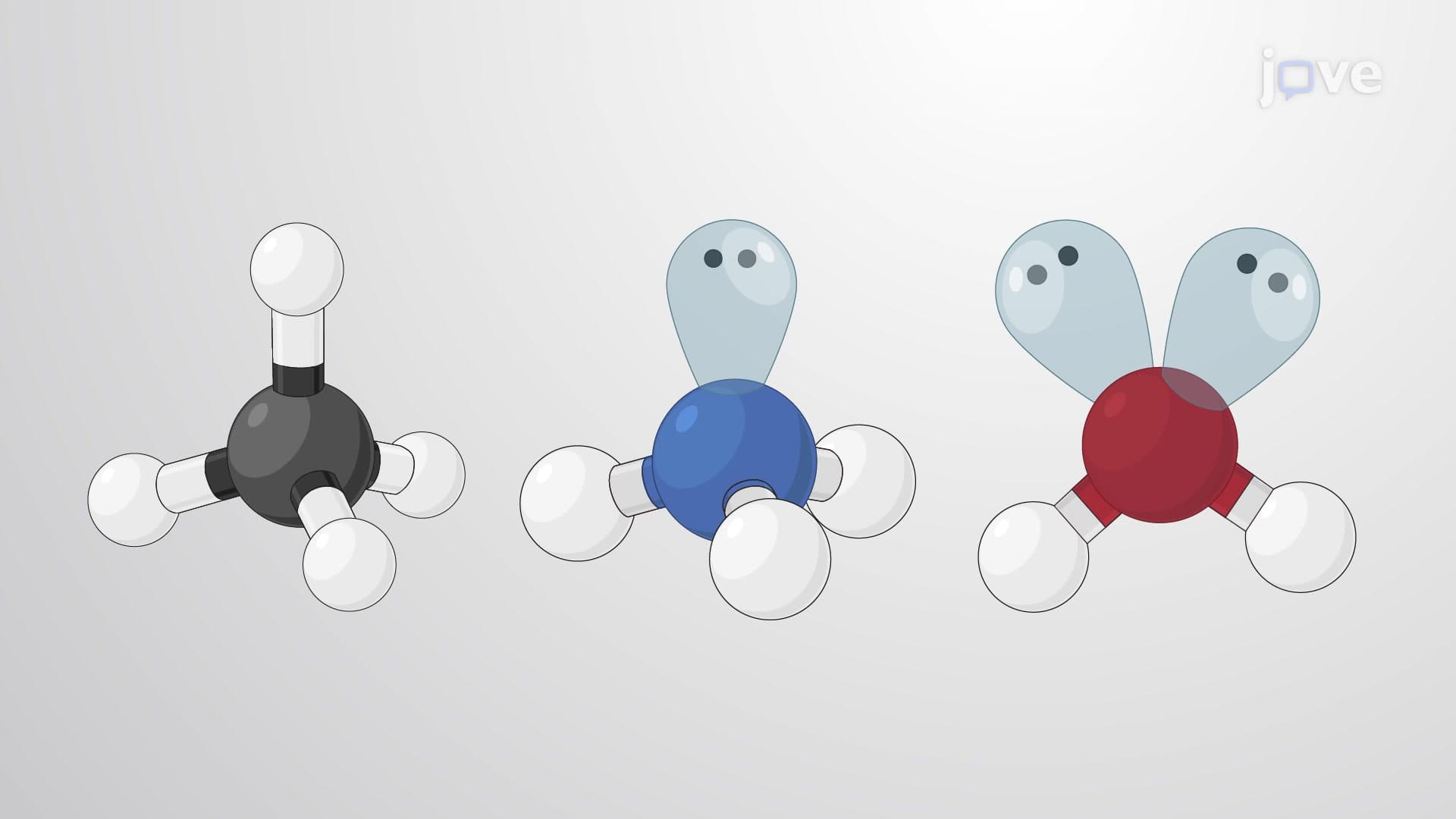
Lone pairs dramatically influence molecular geometry because they occupy more space than bonding pairs. Unlike bonding electrons shared between two nuclei, lone pairs belong exclusively to one atom, creating stronger repulsion fields. This explains why water molecules bend at 104.5° instead of the expected tetrahedral 109.5°, and why ammonia forms a trigonal pyramidal shape with compressed bond angles. Understanding these deviations proves crucial for students tackling organic chemistry mechanisms or predicting molecular polarity in advanced coursework.
Practical Applications in US Chemistry Education
VSEPR theory applications extend far beyond classroom exercises. Pharmaceutical companies use these principles to design drug molecules that fit specific receptor sites, like how the bent structure of aspirin allows it to bind effectively to cyclooxygenase enzymes. Environmental scientists apply VSEPR concepts to understand how pollutants interact with atmospheric molecules. For college students pursuing pre-med tracks or chemical engineering programs, these geometric principles form the foundation for understanding protein folding, enzyme catalysis, and molecular recognition processes essential in American healthcare and industry.
Frequently Asked Questions
VSEPR theory explains that electron pairs around atoms repel each other and arrange themselves as far apart as possible, determining molecular shapes. This creates predictable three-dimensional geometries like linear, bent, tetrahedral, and pyramidal structures. The theory helps predict how molecules look and behave in space.
AP Chemistry frequently tests VSEPR through molecular geometry prediction, bond angle comparison, and polarity determination questions. Students must draw Lewis structures, identify electron group arrangements, and explain shape deviations caused by lone pairs. Practice with molecules like water, ammonia, and carbon tetrachloride proves essential for exam success.
MCAT general chemistry sections test VSEPR in molecular geometry, polarity, and intermolecular forces contexts. Organic chemistry passages often require shape recognition for understanding reaction mechanisms and stereochemistry. Biochemistry questions may involve protein structure and enzyme-substrate interactions where molecular geometry proves crucial.
Drug companies use VSEPR principles to design molecules that fit specific biological targets, like how cholesterol-lowering statins must match HMG-CoA reductase enzyme geometry. The three-dimensional shapes predicted by VSEPR theory determine whether potential medications can effectively bind to their intended receptors and avoid harmful side effects.
VSEPR theory requires only basic counting and angle recognition skills, making it accessible to high school chemistry students. The key involves counting electron pairs and recognizing geometric patterns rather than complex calculations. Visual-spatial thinking helps more than mathematical prowess for mastering molecular shape prediction.
Create visual flashcards linking electron group numbers to molecular shapes, then practice with common molecules like water, methane, and ammonia. Use 3D molecular model kits or online visualizers to reinforce spatial understanding. Focus on understanding electron pair repulsion principles rather than rote memorization for lasting comprehension.
Learn VSEPR theory first since it provides the foundational understanding of molecular shapes that hybridization theory explains through orbital mixing. VSEPR gives you the "what" (molecular geometry), while hybridization explains the "how" (orbital arrangements). This sequence builds logical progression from observation to theoretical explanation.
VSEPR theory serves as the foundation for understanding molecular polarity, intermolecular forces, reaction mechanisms, and crystal structures in advanced courses. It connects directly to organic chemistry stereochemistry, biochemistry protein folding, and physical chemistry molecular orbital theory, making it essential preparation for upper-level chemistry studies.
Related Micro-courses

12 Concepts

14 Concepts
12 Concepts