Loading subject page…


85,200 views

Video Summary: Radical Anti Markovnikov Addition to Alkenes Explained
Ever wonder why pharmaceutical companies use specific reaction pathways to create life-saving medications? Radical anti markovnikov addition defies normal chemical expectations by placing bromine atoms on the "wrong" carbon during alkene reactions. This surprising behavior occurs when peroxides initiate radical mechanisms, directing bromine to less substituted carbons-exactly opposite to typical ionic addition patterns. For example, companies manufacturing antiseptic compounds rely on this selectivity to produce specific brominated products. Radical Anti Markovnikov Addition To Alkenes Explained reveals how radical stability and steric effects control this unexpected regioselectivity. Watch the full video on JoVE Coach to master this concept with expert-led visuals and step-by-step explanations.
Radical anti markovnikov addition represents a fascinating departure from normal alkene chemistry. Unlike ionic additions that follow Markovnikov's rule (placing hydrogen on the less substituted carbon), radical additions with peroxides create the opposite pattern. This mechanism occurs exclusively with hydrogen bromide in the presence of peroxides like benzoyl peroxide or AIBN (azobisisobutyronitrile), compounds commonly used in industrial settings.
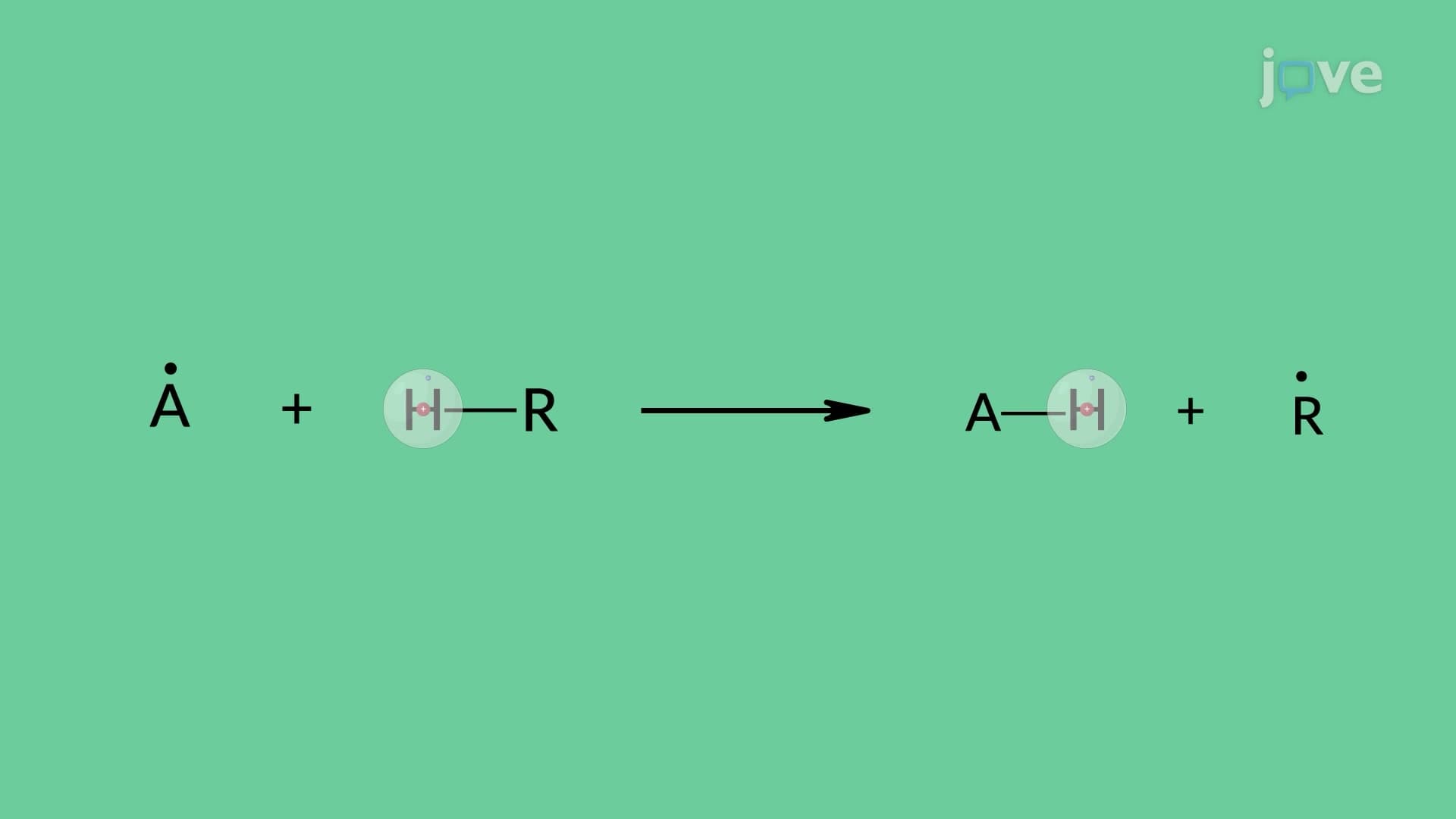
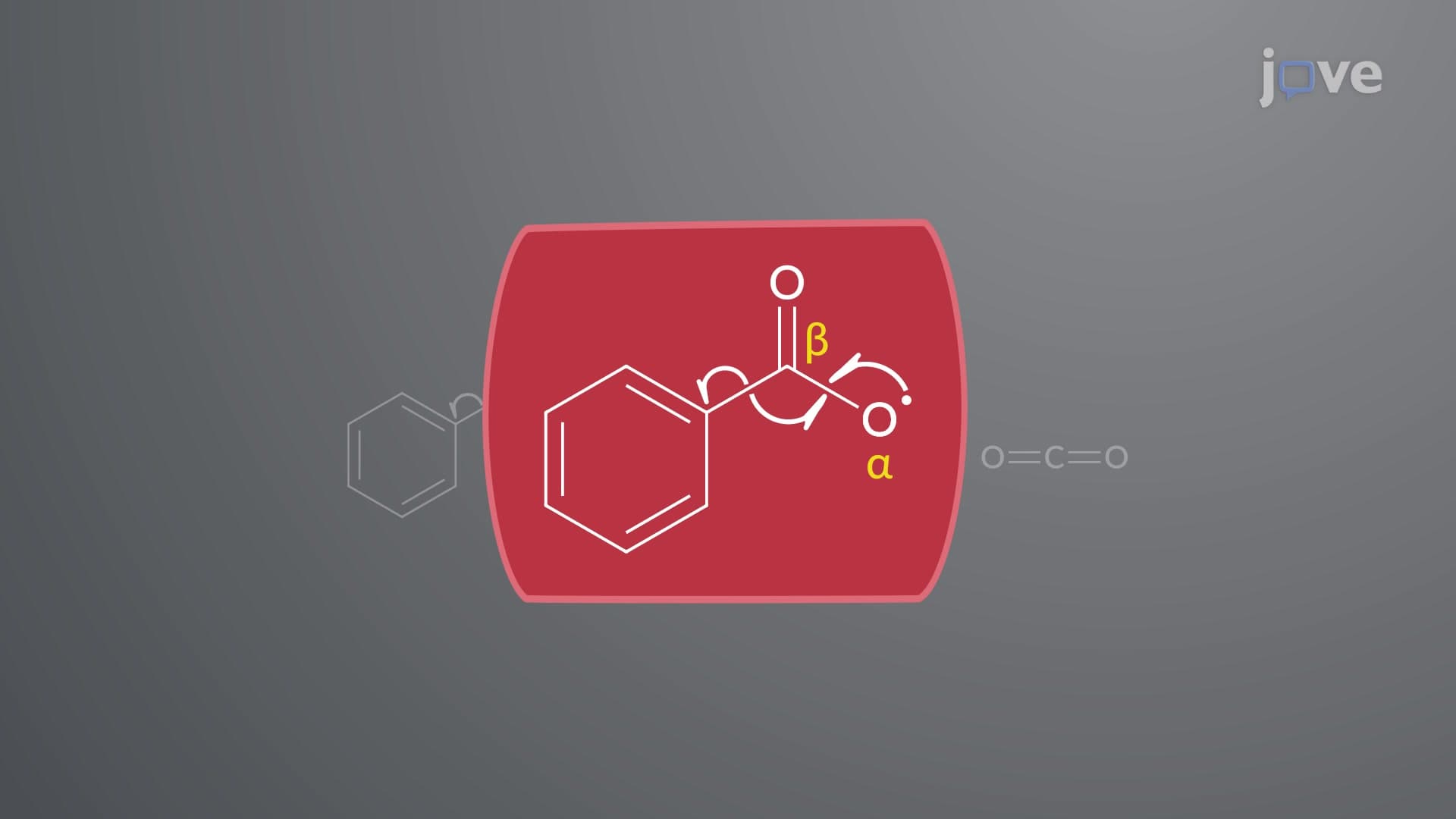
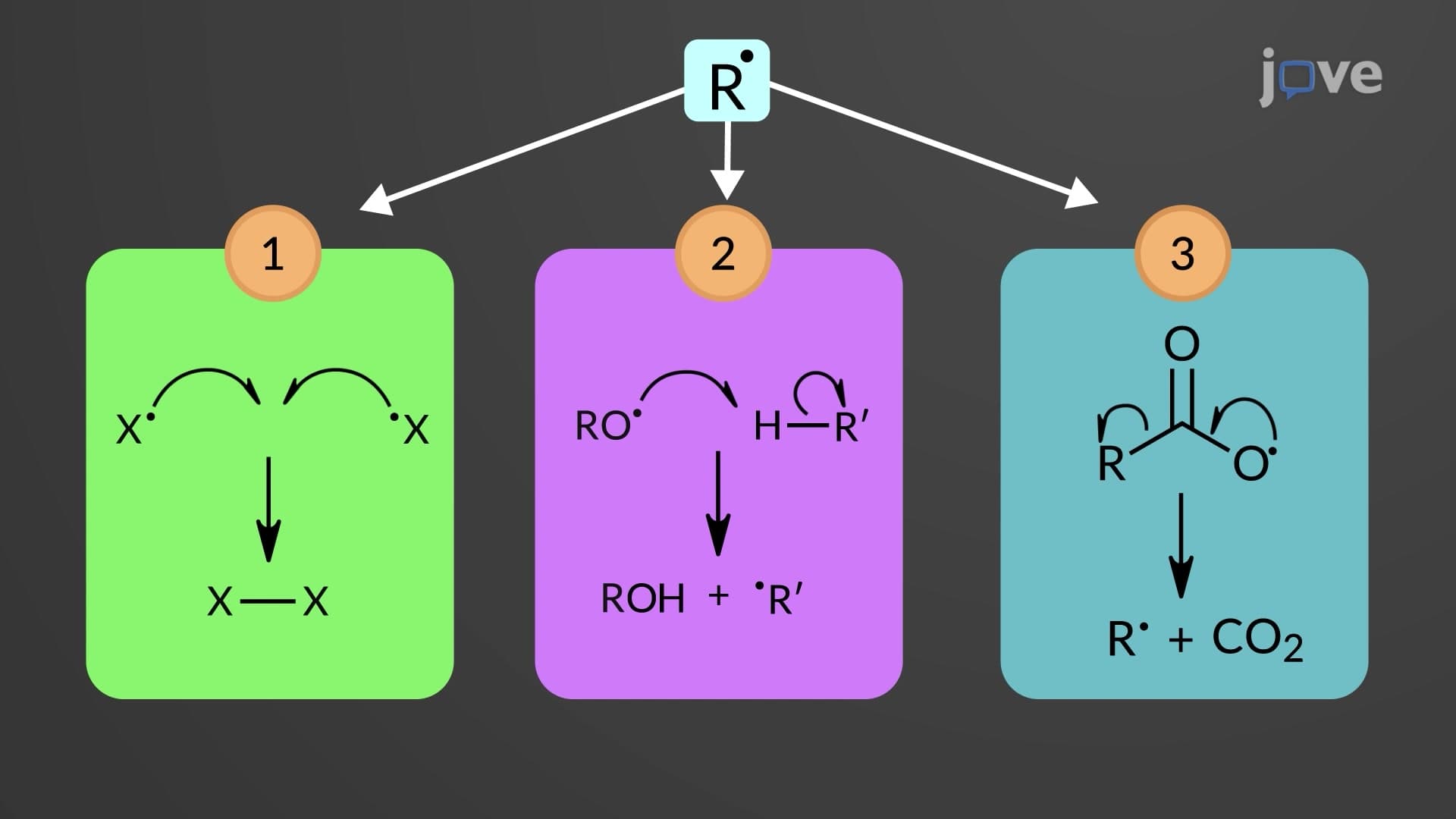
The process begins when peroxides decompose under heat or light, generating alkoxy radicals. These highly reactive species abstract hydrogen from HBr, creating bromine radicals. This initiation step fundamentally changes the reaction pathway from ionic to radical, explaining why what is radical anti markovnikov addition to alkenes becomes a critical question for students mastering organic chemistry mechanisms.
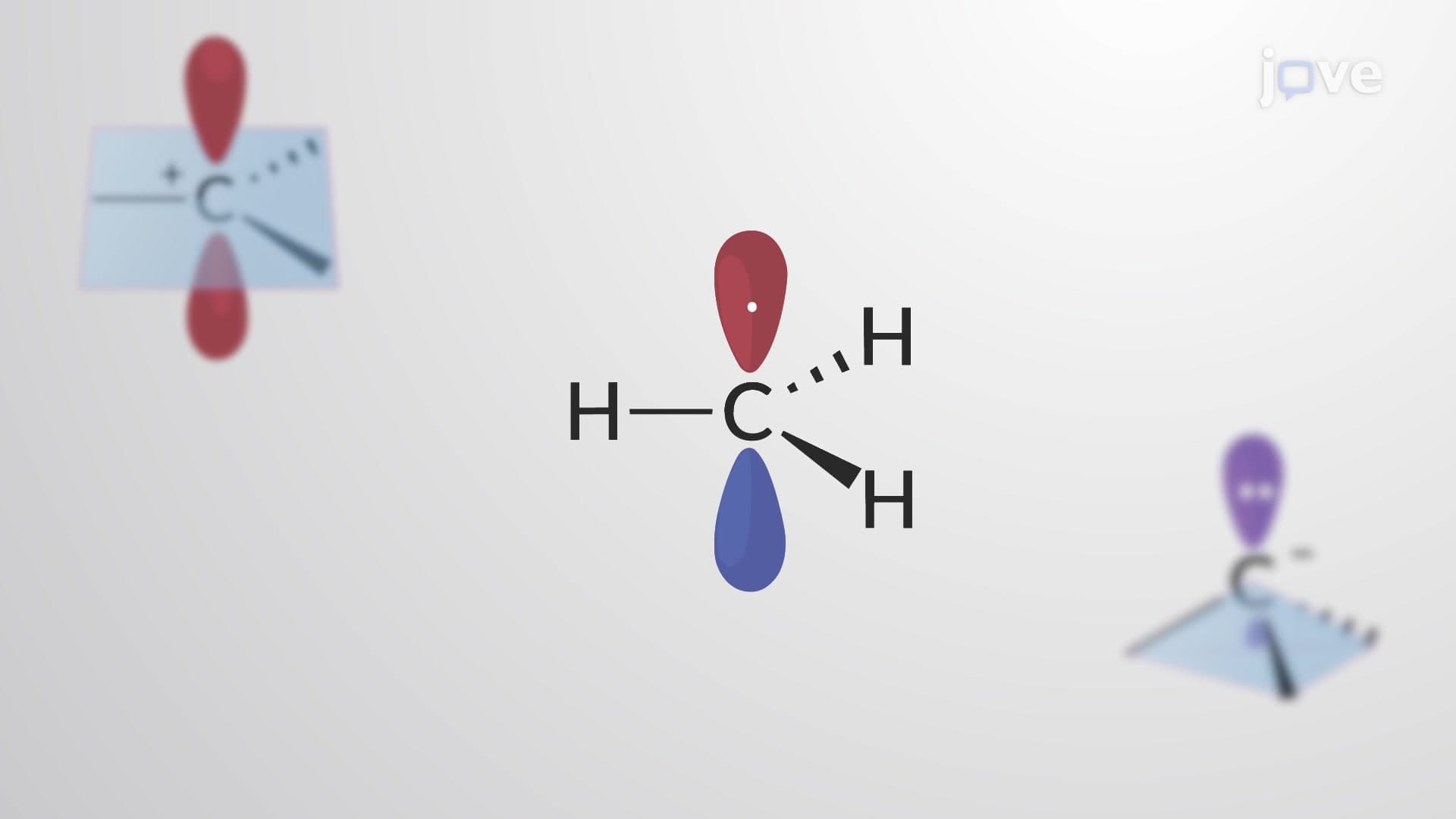
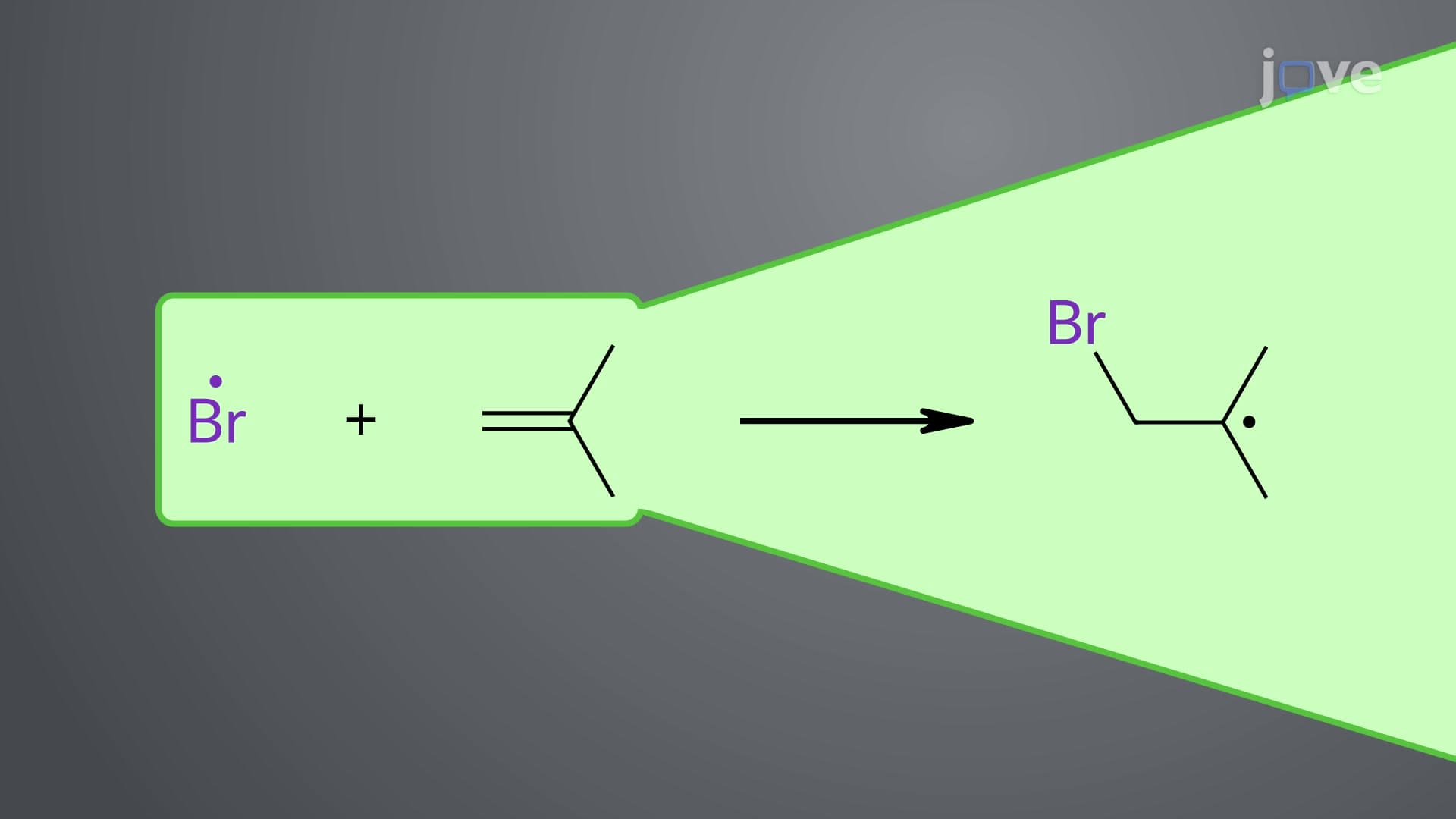
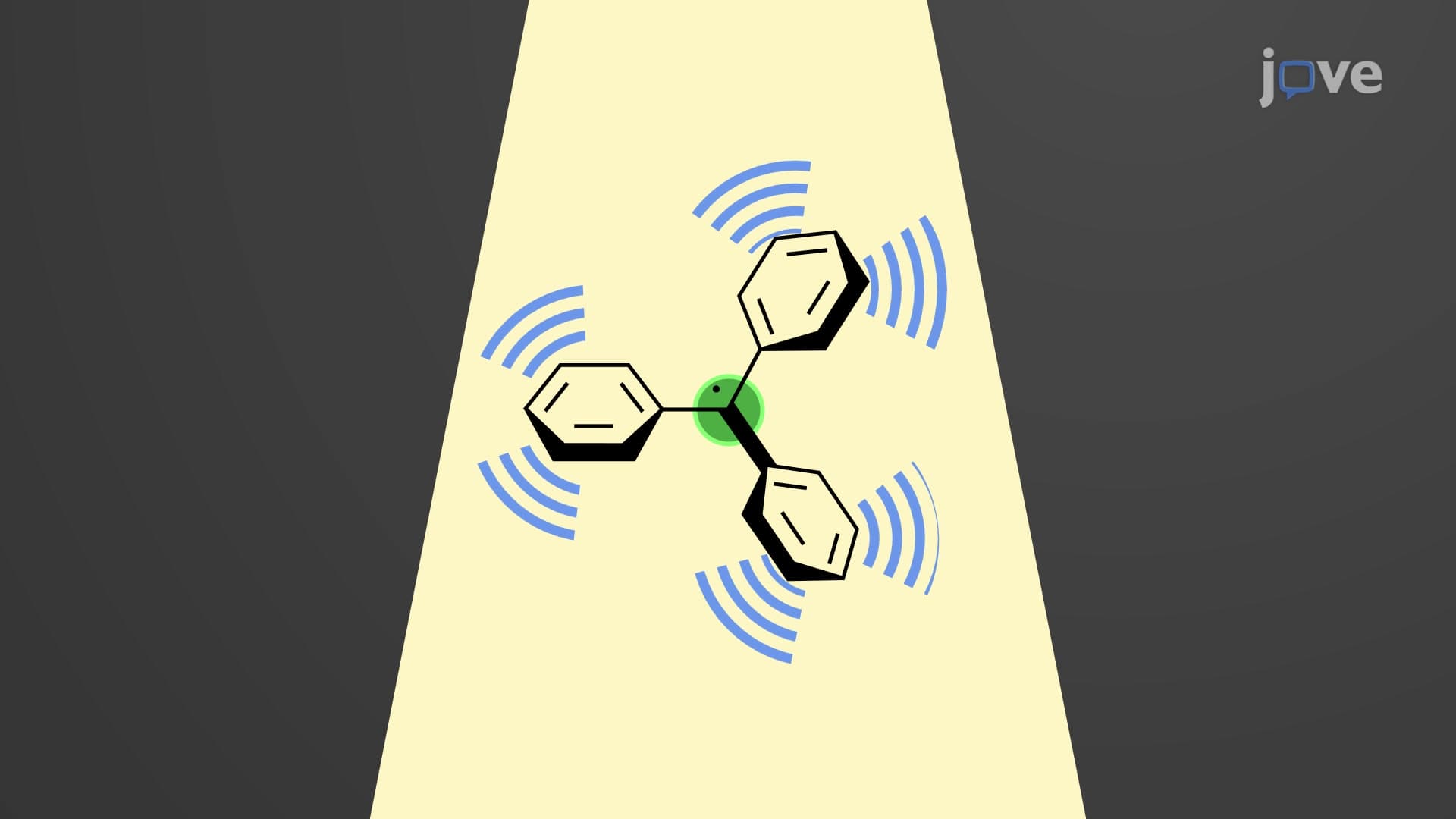
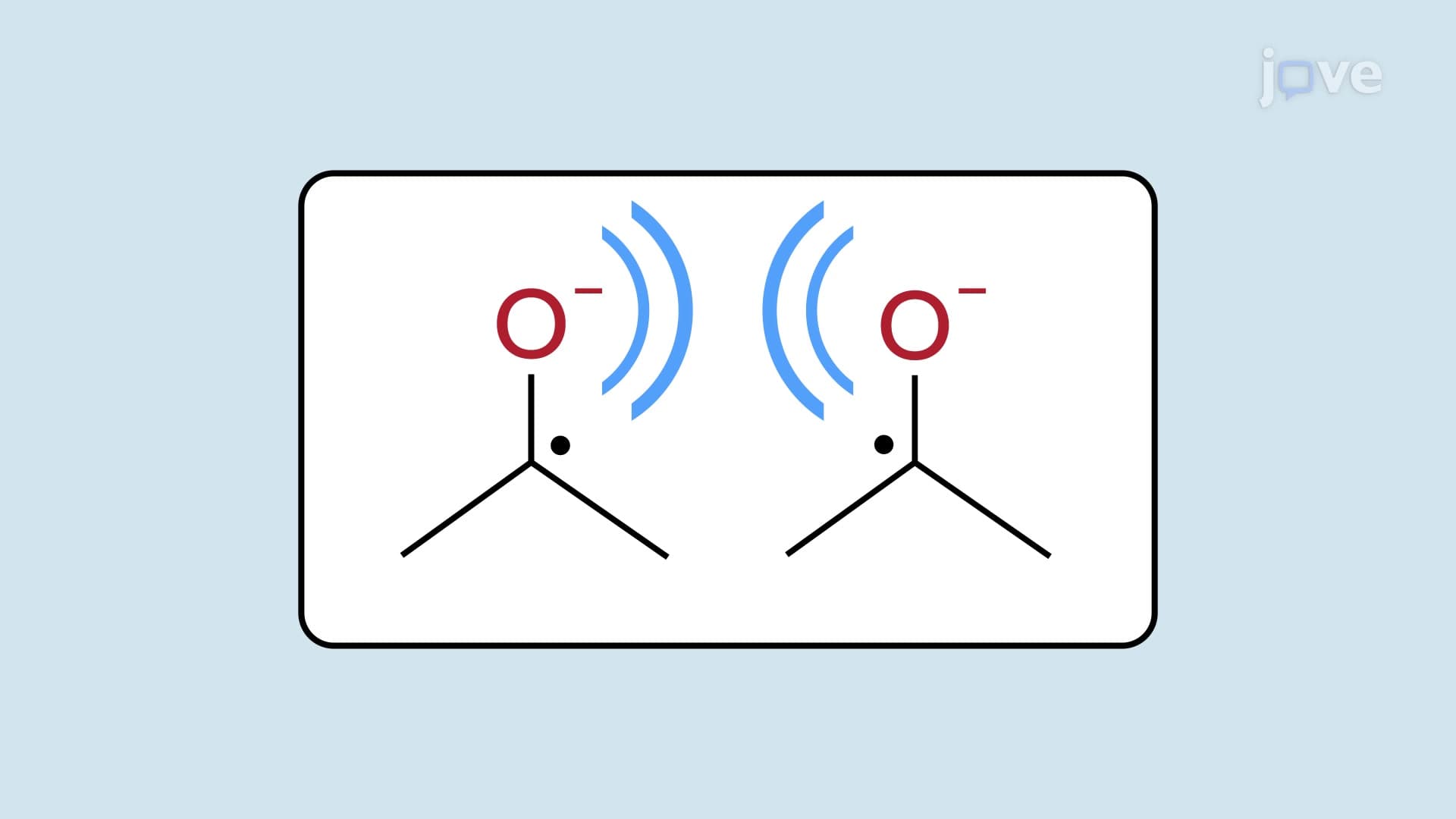
The heart of radical anti markovnikov definition lies in understanding radical stability hierarchy. When bromine radicals approach an alkene, they preferentially attack the less substituted carbon because this generates the most stable carbon radical intermediate. Tertiary radicals are significantly more stable than secondary or primary radicals due to hyperconjugation and inductive effects from surrounding alkyl groups.
For example, when 1-butene reacts with HBr and peroxides, the bromine radical adds to the terminal carbon, creating a secondary radical at C-2 rather than a primary radical at C-1. This stability difference drives the anti-Markovnikov regioselectivity that students encounter in AP Chemistry and college organic chemistry courses.
Beyond radical stability, steric hindrance plays a crucial role in radical anti markovnikov addition to alkenes study guide materials. The large bromine radical experiences significant van der Waals repulsions when approaching highly substituted carbons. Therefore, addition to less hindered positions minimizes unfavorable steric interactions.
This dual control-electronic stabilization of the resulting radical and steric accessibility of the reaction site-creates a powerful driving force for anti-Markovnikov selectivity. Students preparing for the MCAT or advanced organic chemistry exams should recognize how these factors work synergistically.
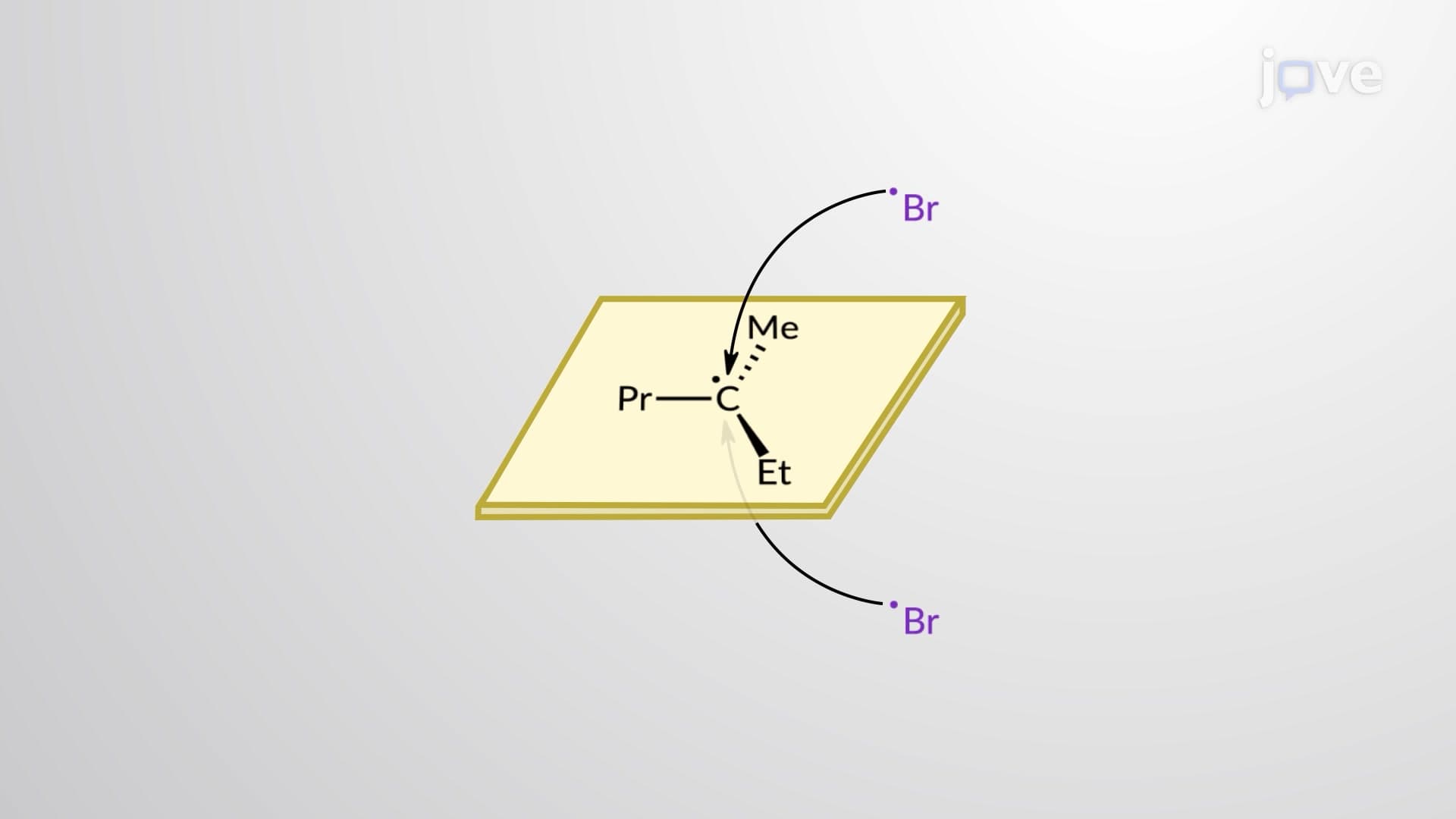
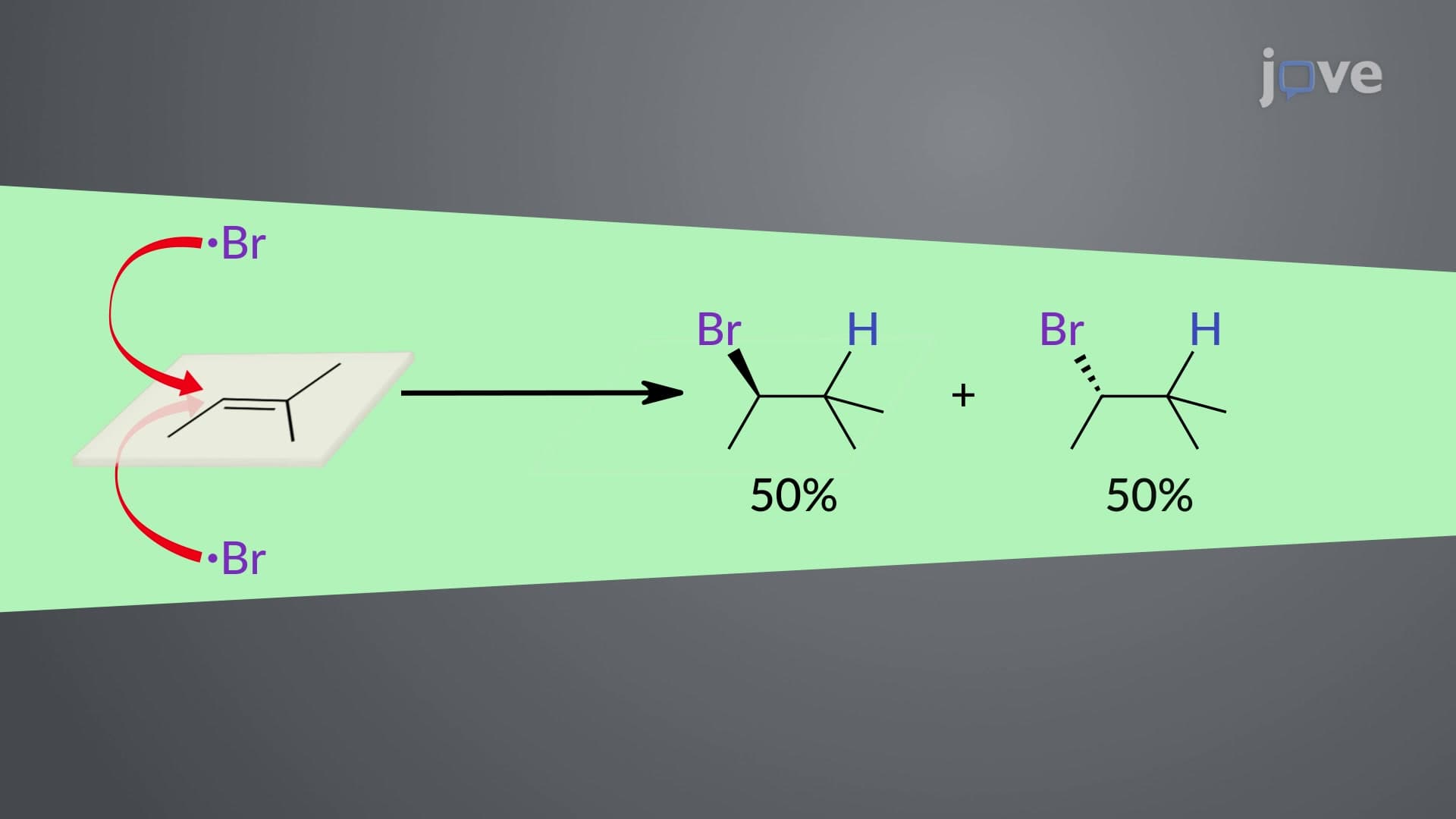
A critical aspect often tested on college midterms involves stereochemistry. When radical anti markovnikov addition to alkenes explained guide materials discuss chiral center formation, they emphasize that radical additions are not stereoselective. The planar radical intermediate allows bromine to approach from either face of the molecule, producing racemic mixtures.
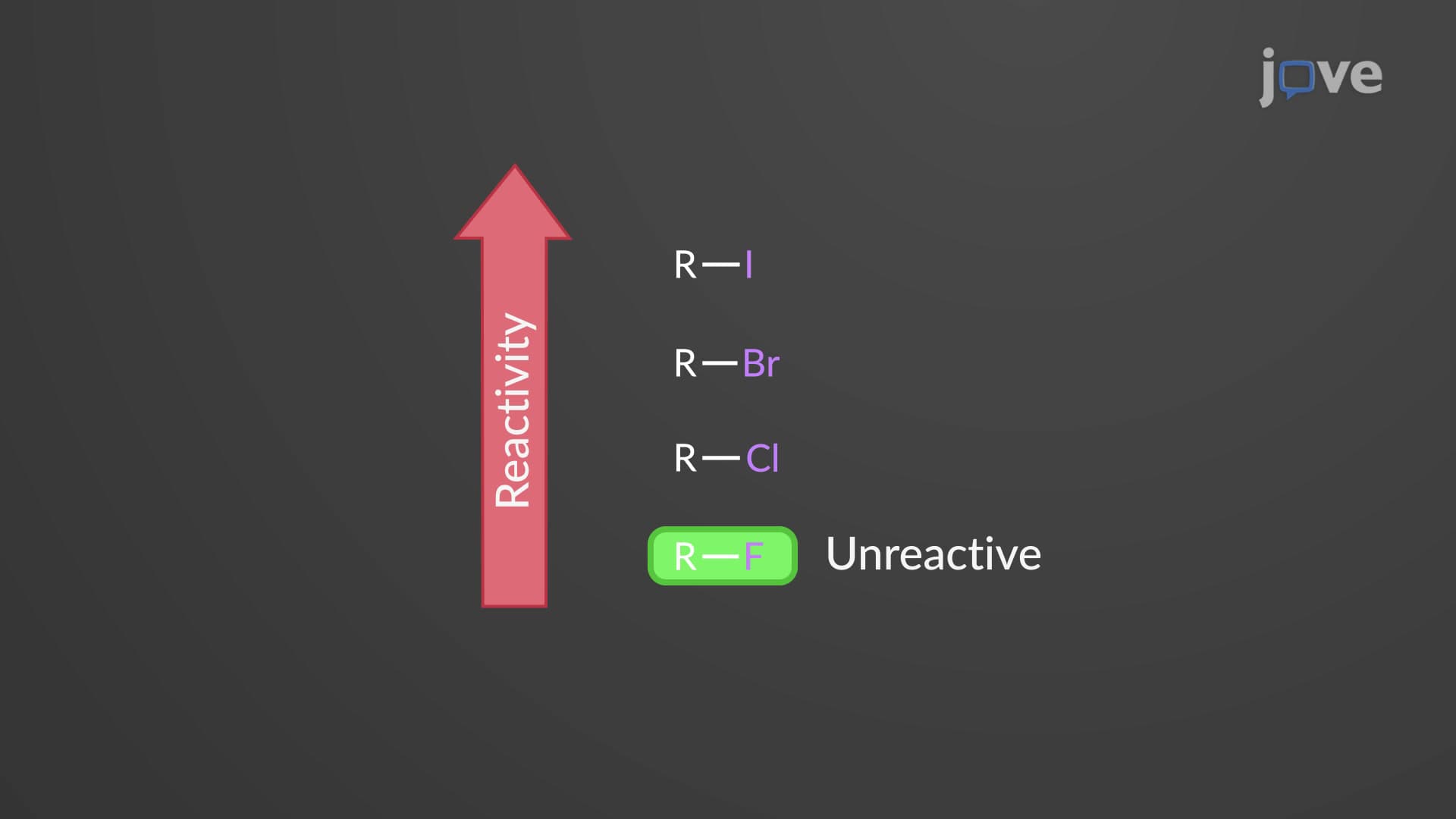
Importantly, this anti-Markovnikov behavior is unique to HBr. Other hydrogen halides (HCl, HI) do not exhibit peroxide-promoted anti-Markovnikov addition due to thermodynamic and kinetic factors specific to bromine radical chemistry.
Related Micro-courses