Loading subject page…


85,200 views

Video Summary: Radical Reactivity Intramolecular Vs Intermolecular Explained
Ever wonder why some chemical reactions happen effortlessly while others need perfect conditions? Radical reactivity intramolecular intermolecular differences explain this fascinating phenomenon. In pharmaceutical manufacturing, companies like Pfizer use intramolecular radical reactions to create complex drug molecules with incredible efficiency, while intermolecular reactions require precise control of reagent concentrations. Radical Reactivity Intramolecular VS Intermolecular Explained reveals how molecular proximity dramatically impacts reaction success rates and product yields. Watch the full video on JoVE Coach to master this concept with expert-led visuals and step-by-step explanations.
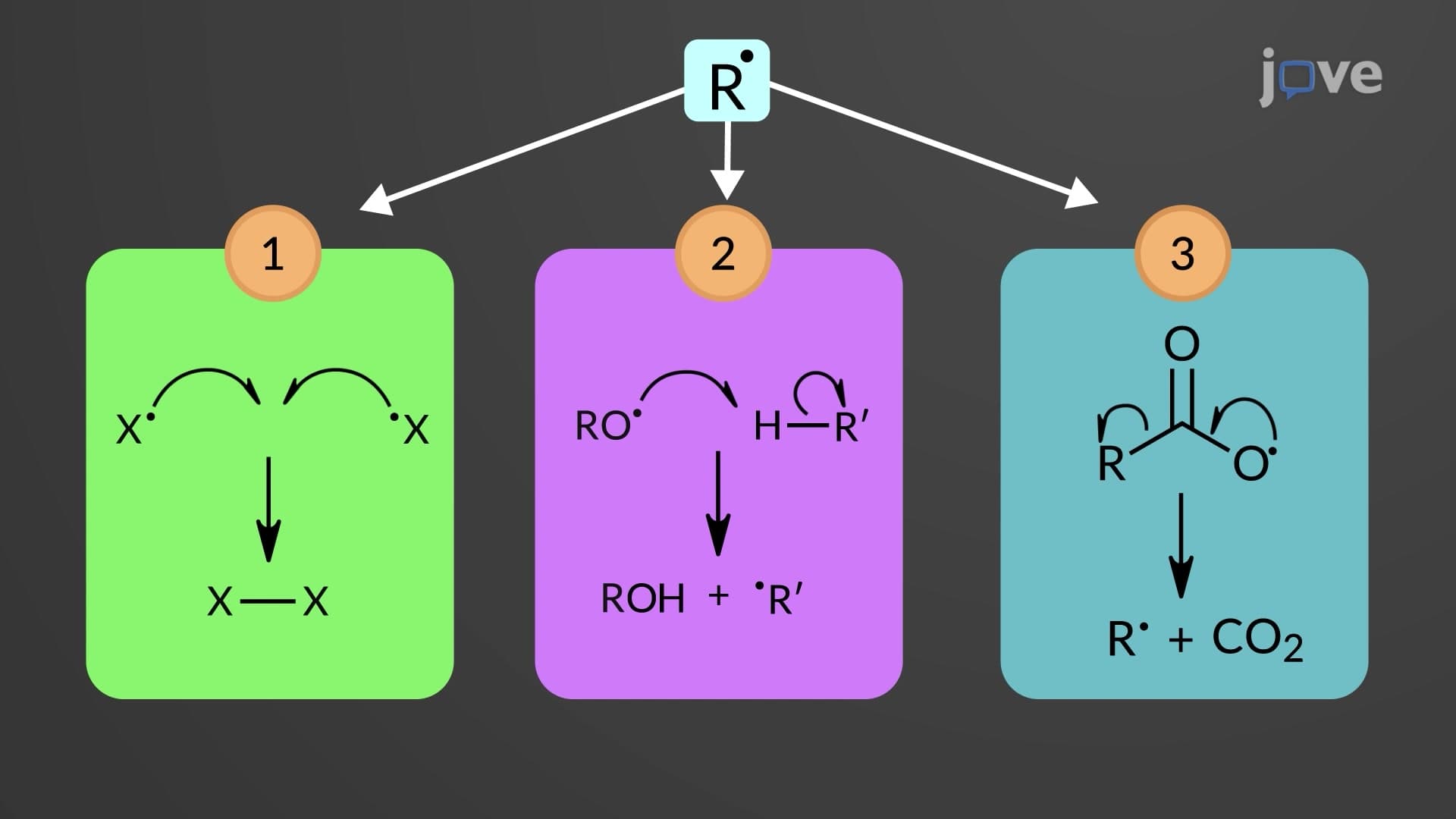
Radical reactivity intramolecular intermolecular differences represent one of organic chemistry's most elegant examples of how molecular architecture controls reaction outcomes. These mechanisms showcase fundamentally different approaches to radical chemistry, each with distinct advantages and limitations.
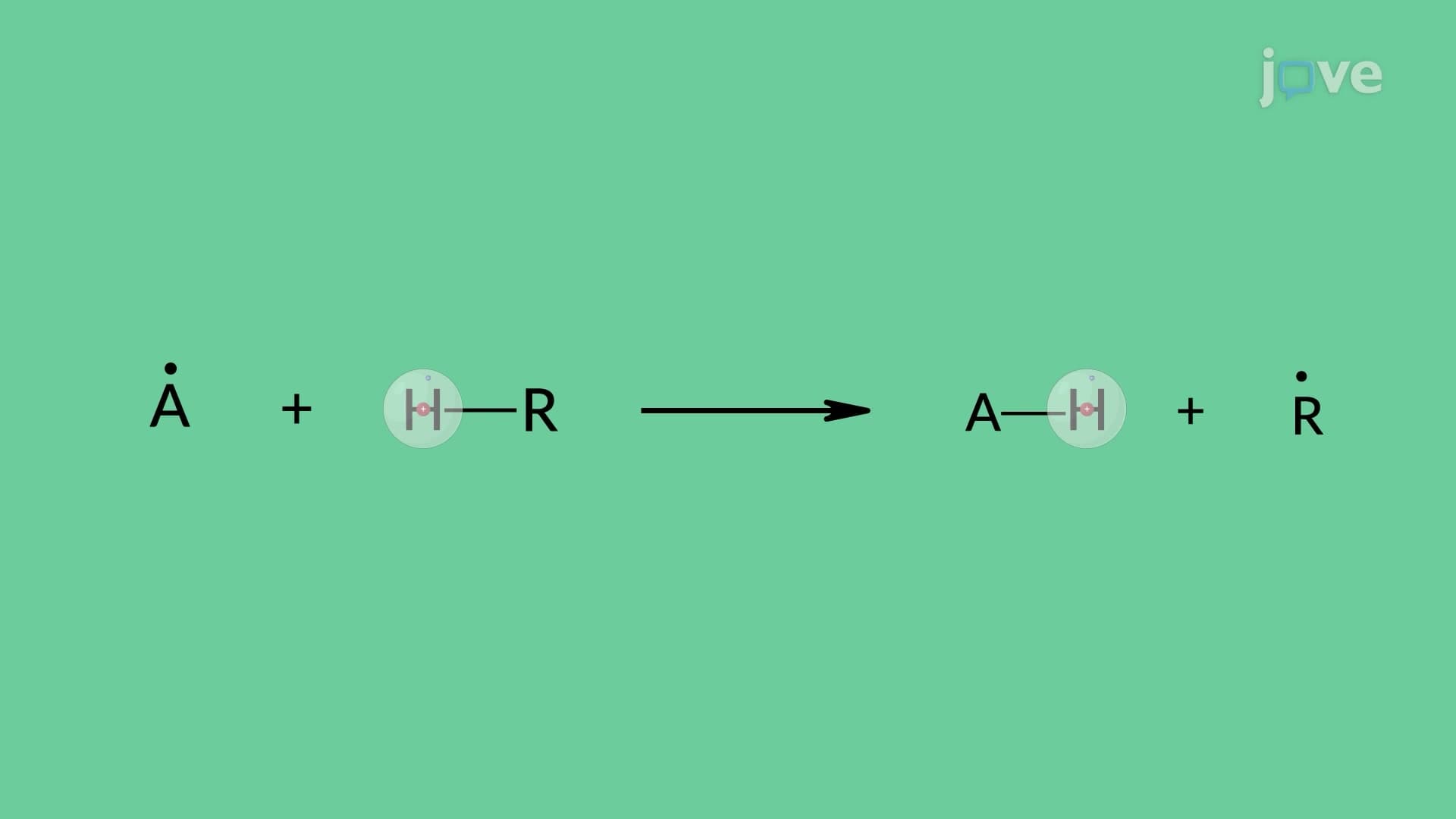
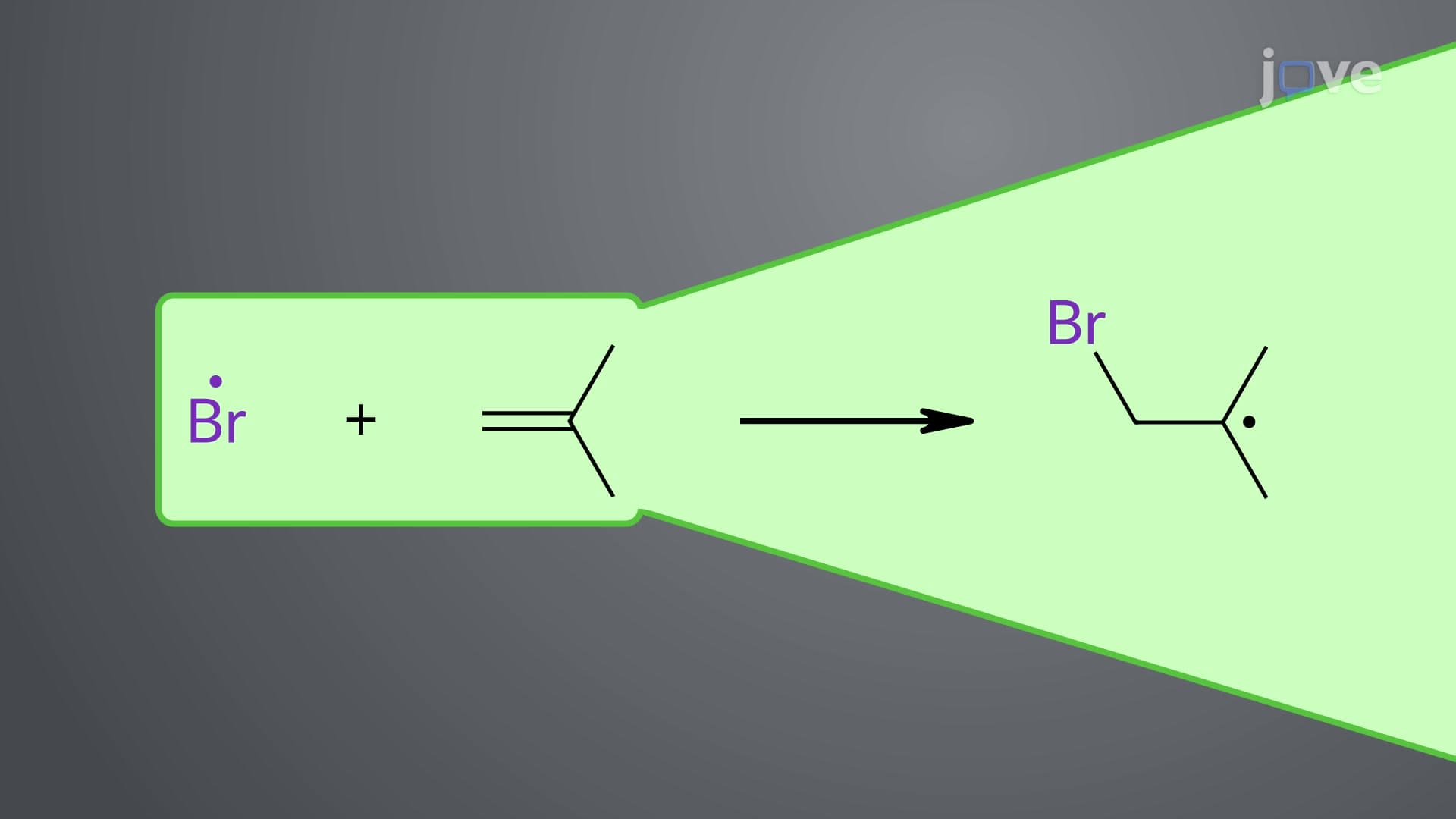
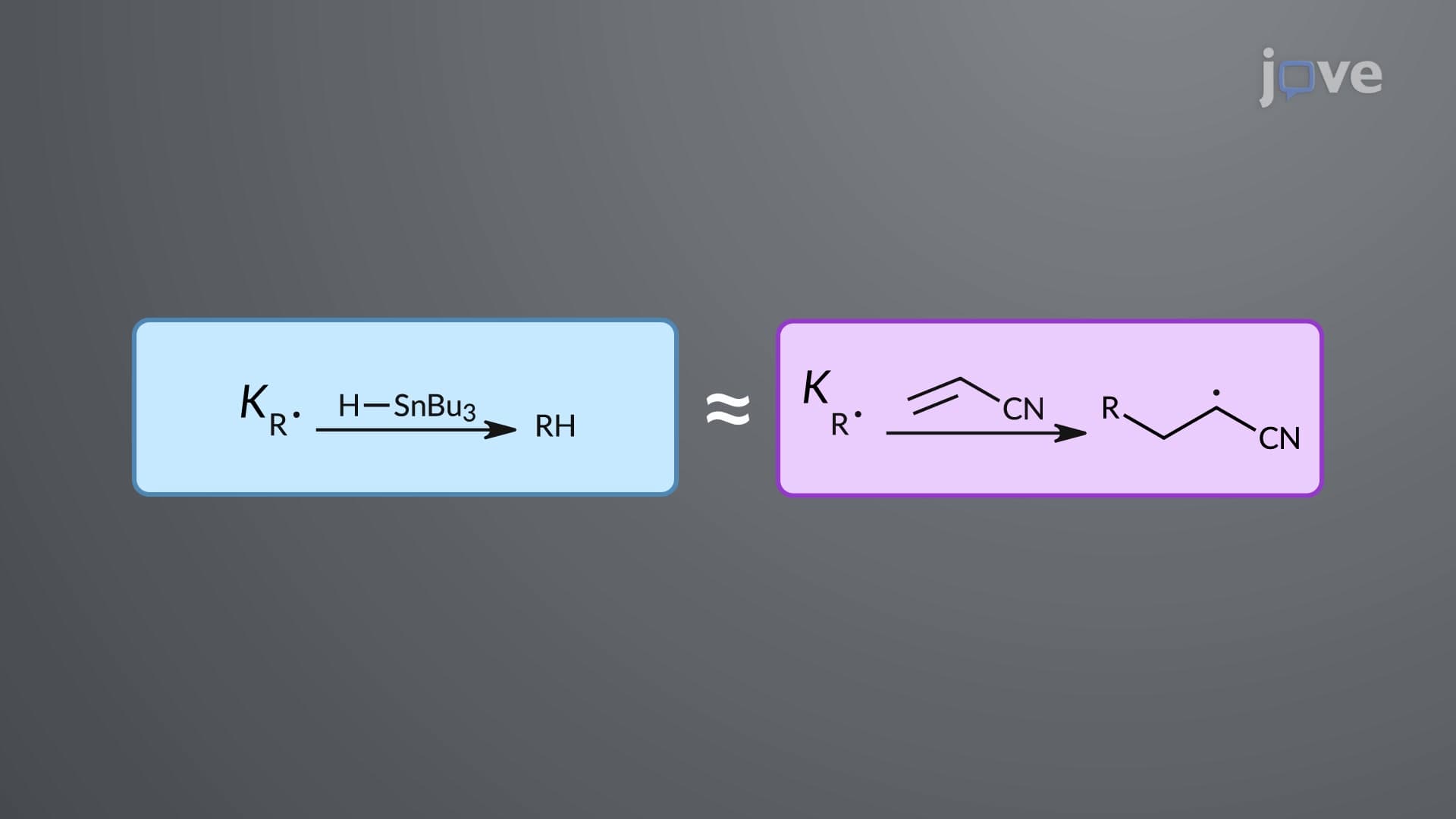
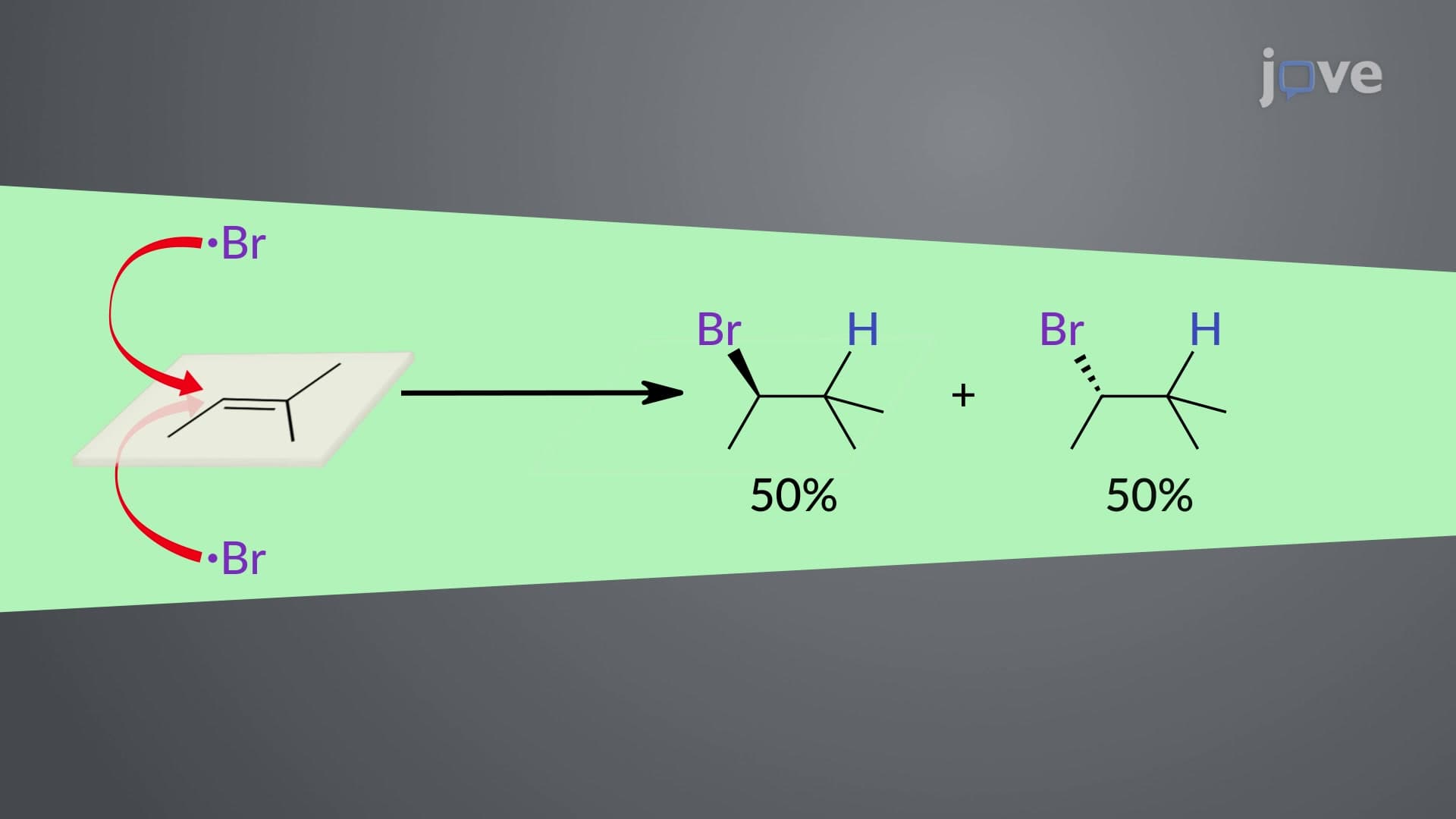
Intermolecular radical reactions require two separate molecules to collide with proper orientation and sufficient energy. The radical species must encounter its target molecule in a sea of other potential reactants, creating significant entropic challenges. For successful intermolecular reactions, chemists must maintain high concentrations of activated radical traps-often 10-100 times excess-to ensure productive collisions occur faster than unwanted side reactions.
The carbon-heteroatom bonds in intermolecular systems typically need to be quite weak (bond dissociation energies around 35-45 kcal/mol) to generate radicals readily. This requirement limits the types of substrates suitable for intermolecular radical chemistry. Students preparing for AP Chemistry or college organic chemistry exams should remember that intermolecular radical reactions follow bimolecular kinetics, making concentration control critical for success.
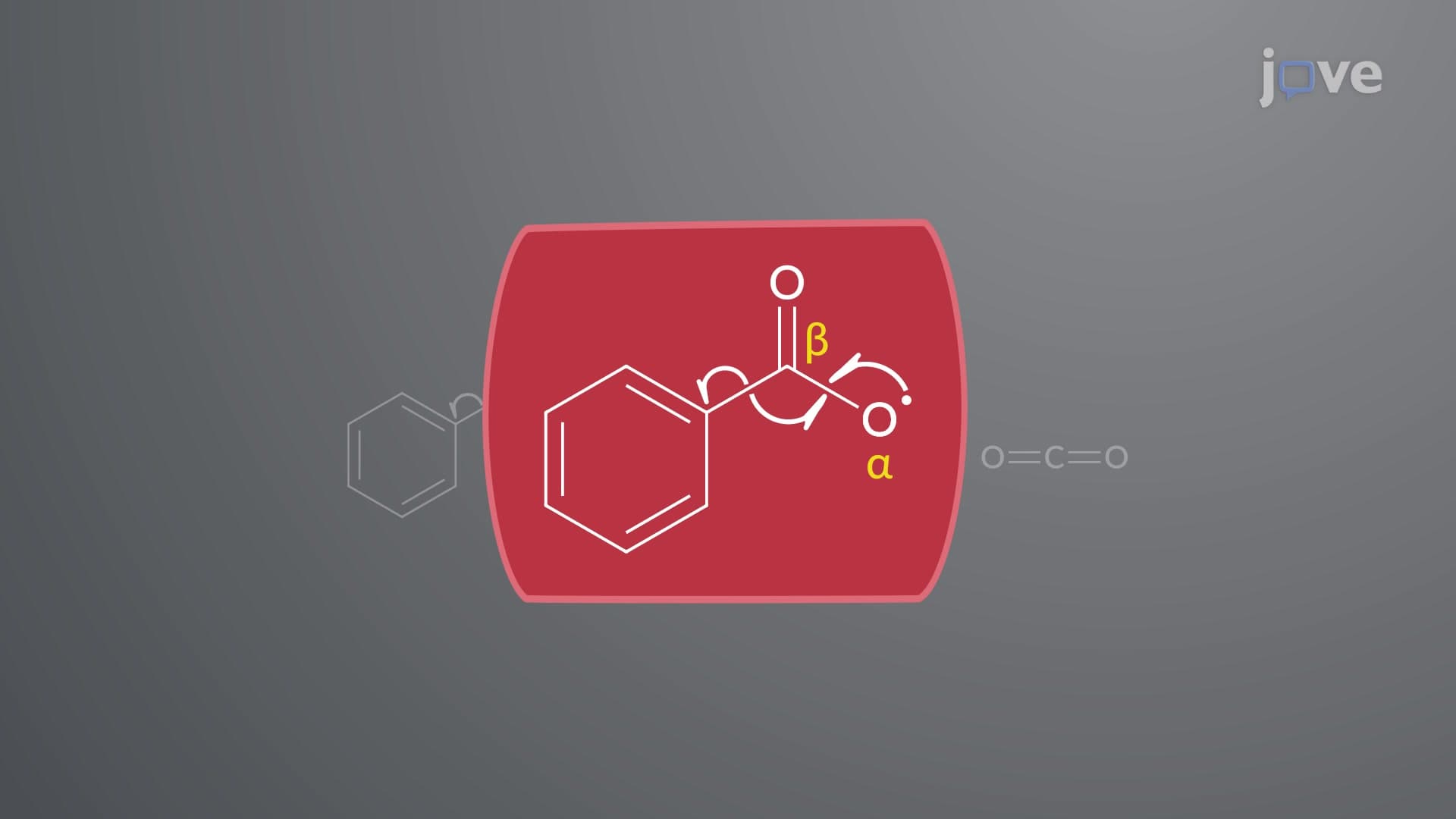
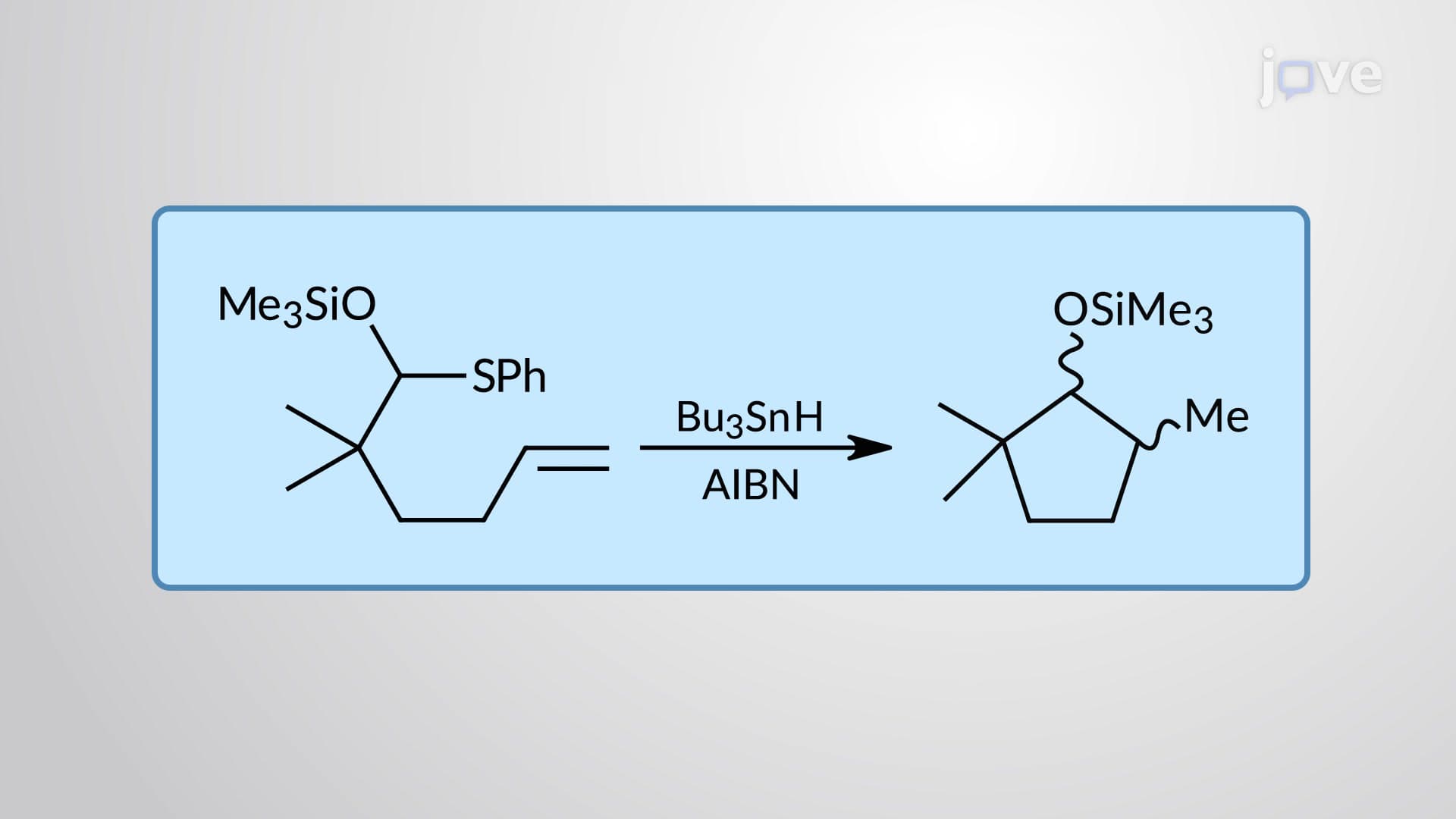
Radical reactivity intramolecular vs intermolecular comparisons reveal why intramolecular reactions revolutionized synthetic chemistry. When the radical center and radical trap exist within the same molecule, they're held in close proximity by covalent bonds. This geometric constraint creates an effective molarity that can exceed 1000 M-impossible to achieve with separate molecules.
The proximity effect explains why intramolecular reactions proceed efficiently even with relatively strong C-S bonds (bond dissociation energy ~65 kcal/mol) and non-activated radical traps. The pre-organized geometry ensures rapid cyclization occurs before competing intermolecular processes can interfere. This principle applies broadly in medicinal chemistry, where pharmaceutical companies use intramolecular radical cyclizations to construct complex natural product scaffolds.
Five-membered ring formation dominates intramolecular radical cyclizations due to optimal geometric factors. Baldwin's rules, essential knowledge for MCAT preparation, predict that 5-exo-trig cyclizations are favored over other ring-forming possibilities. Three- and four-membered rings suffer from excessive ring strain, while larger rings require precise conformational alignment that reduces reaction rates.
Understanding these selectivity patterns helps students tackle challenging synthesis problems on standardized tests and prepares them for advanced coursework in medicinal chemistry and materials science.
Related Micro-courses