Loading video…


 27 Concepts
 85.2K views

Video Summary: Radical Substitution Halogenation of Alkanes Explained
Ever wondered how the chlorine in your household bleach interacts with organic compounds? Radical substitution halogenation of alkanes transforms simple hydrocarbons like methane into useful chlorinated products found in everything from PVC pipes to refrigerants. This fundamental organic chemistry reaction occurs through a fascinating three-step mechanism involving highly reactive free radicals. Radical Substitution Halogenation of Alkanes Explained demonstrates how light or heat triggers chlorine molecules to break apart and systematically replace hydrogen atoms in alkane molecules. Watch the full video on JoVE Coach to master this concept with expert-led visuals and step-by-step explanations.
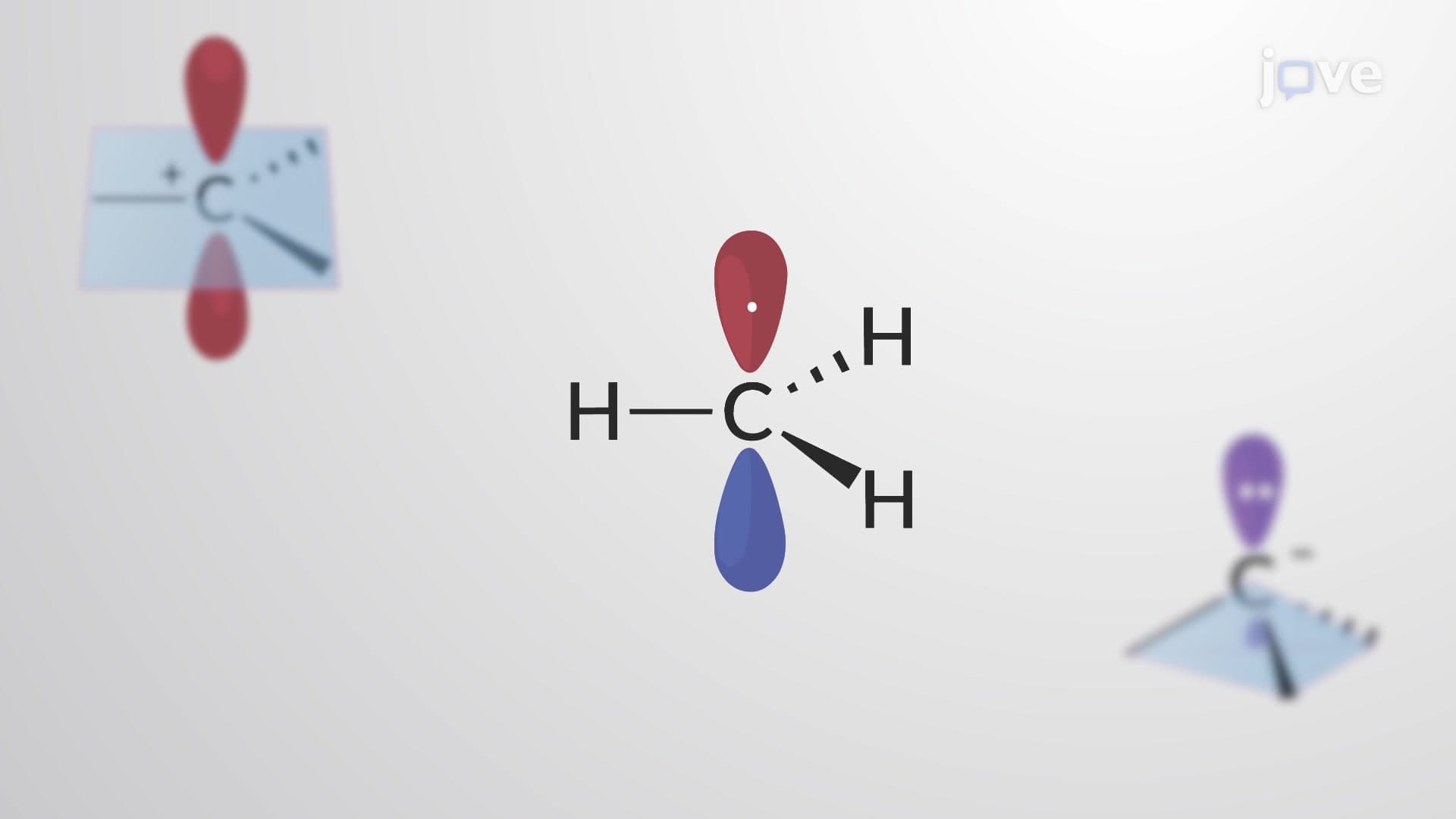
Radical substitution halogenation of alkanes represents one of the most important reactions in organic chemistry, converting saturated hydrocarbons into valuable halogenated compounds. This reaction mechanism involves free radicals-highly reactive species with unpaired electrons that drive chemical transformations in everything from pharmaceutical synthesis to polymer manufacturing.
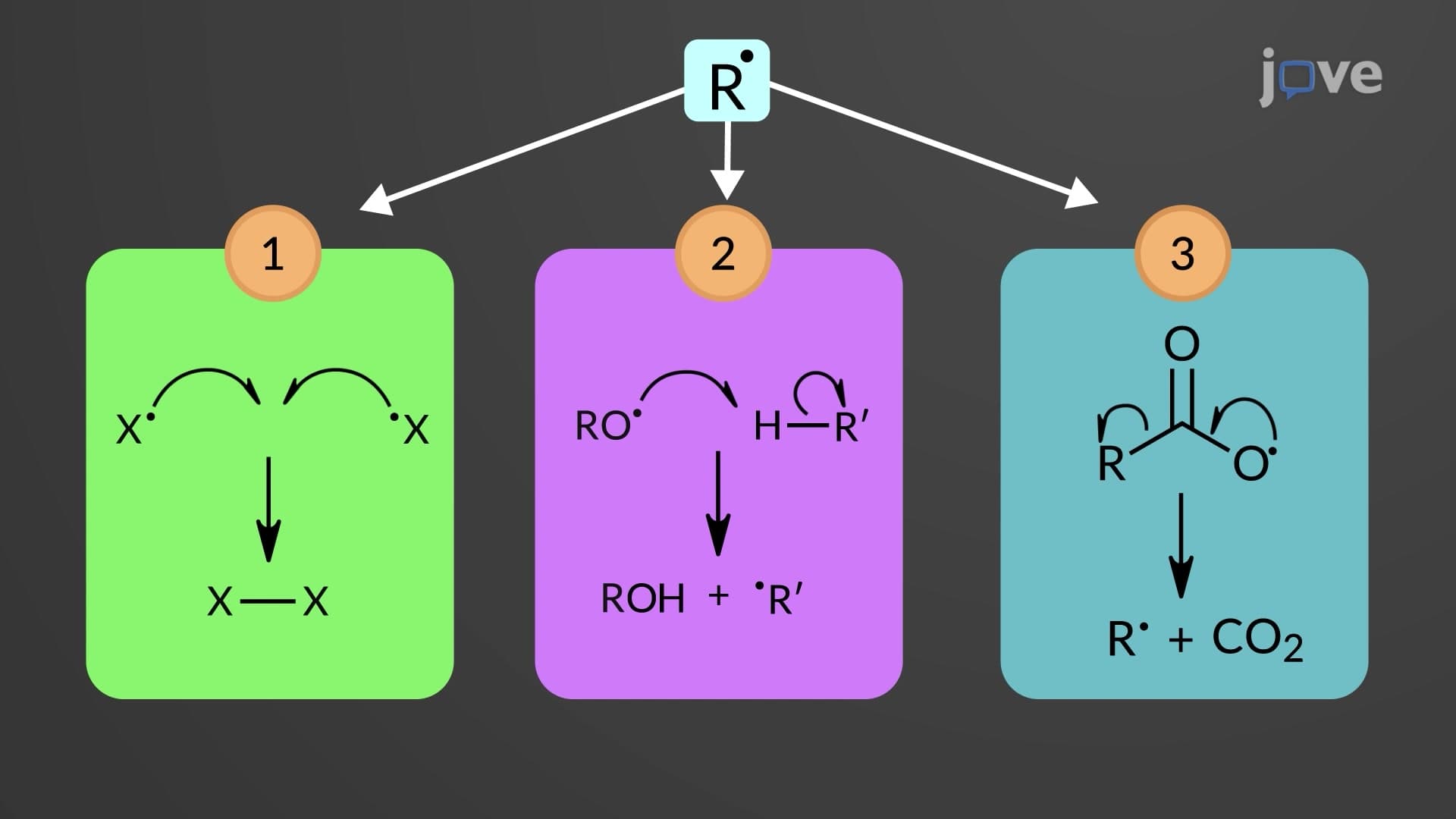
The reaction proceeds through a well-defined chain mechanism. Initiation occurs when energy from light (typically UV) or heat breaks the halogen-halogen bond homolytically, creating two identical radicals. For chlorination, Cl-Cl → 2 Cl• requires approximately 58 kcal/mol of energy. This step explains why radical halogenation requires external energy input-a concept frequently tested on the AP Chemistry exam.
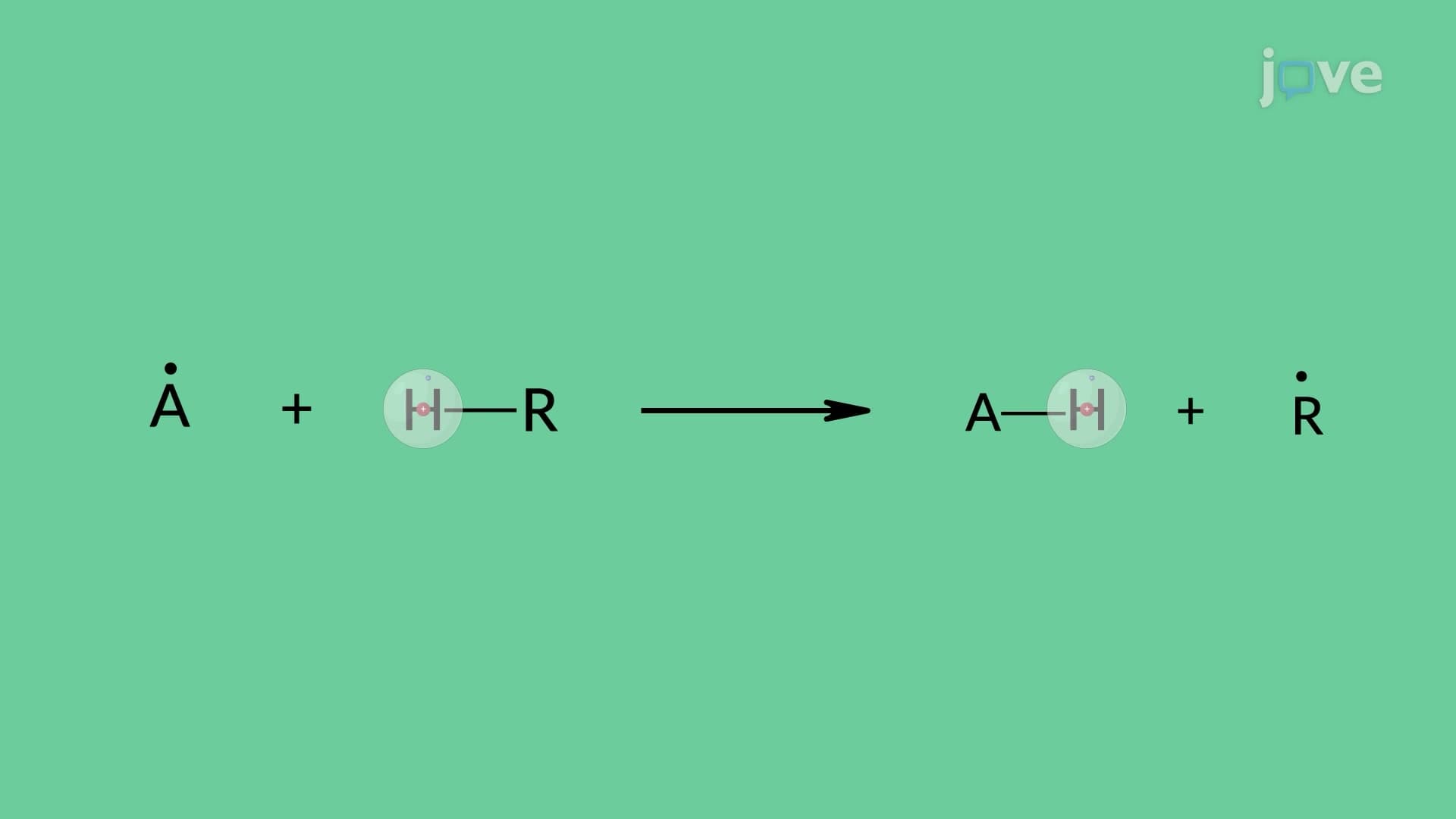
Propagation involves two alternating steps that regenerate reactive intermediates. First, a chlorine radical abstracts hydrogen from the alkane, forming HCl and an alkyl radical. Then, the alkyl radical reacts with another chlorine molecule, producing the halogenated product and regenerating the chlorine radical. This chain reaction can continue for thousands of cycles before termination occurs.
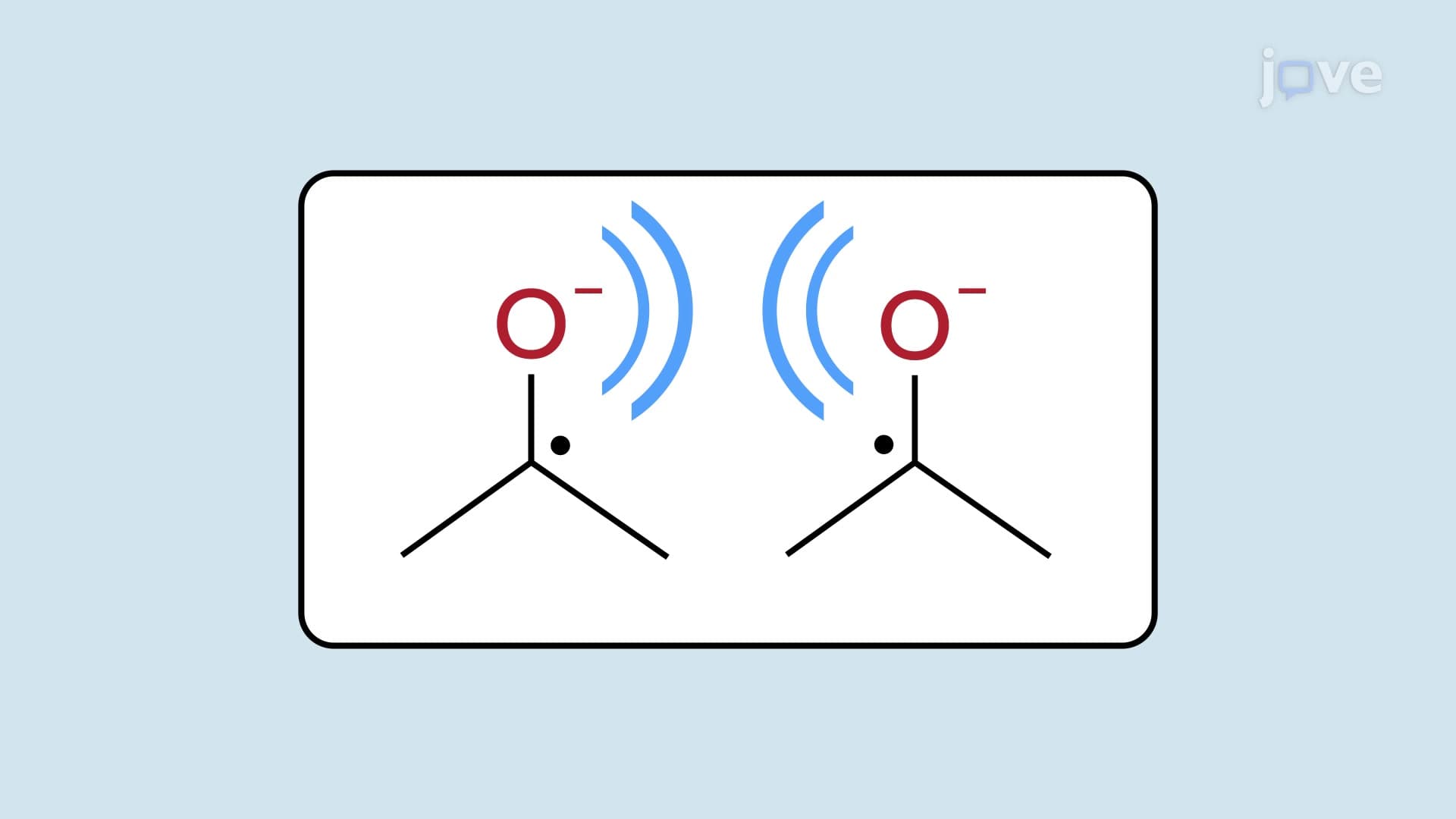
Termination happens when any two radicals combine, removing reactive species from the system. Common termination reactions include Cl• + Cl• → Cl2, CH3• + Cl• → CH3Cl, and CH3• + CH3• → C2H6.
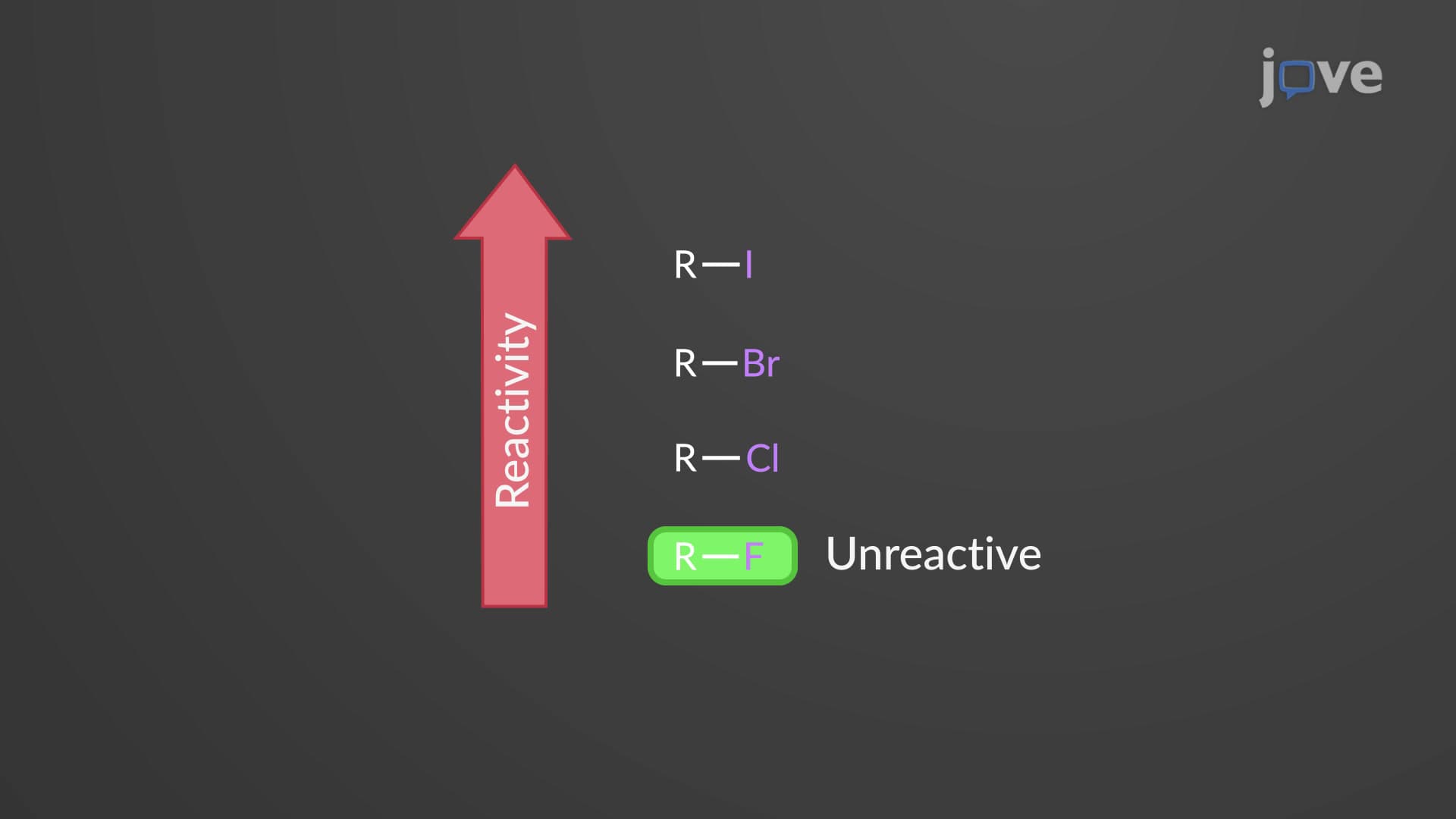
Understanding selectivity patterns proves crucial for both academic success and real-world applications. Primary carbons react slower than secondary or tertiary carbons due to radical stability differences-a concept that appears regularly on MCAT organic chemistry sections. Industrial chemists at companies like Dow Chemical exploit these selectivity patterns to synthesize specific products efficiently.
The pharmaceutical industry relies heavily on controlled halogenation reactions. For example, the synthesis of many FDA-approved drugs involves selective bromination or chlorination of complex organic molecules, requiring precise understanding of radical reaction mechanisms.
Today's chemistry students must also understand environmental implications. The production of chlorofluorocarbons (CFCs) through radical halogenation contributed to ozone depletion, leading to the Montreal Protocol. This historical context demonstrates how fundamental organic chemistry concepts connect to global environmental policy-a connection increasingly emphasized in college-level chemistry curricula.
Related Micro-courses