Loading video…


 27 Concepts
 85.2K views

Video Summary: Radical Substitution Hydrogenolysis of Alkyl Explained
Ever wonder how pharmaceutical companies remove unwanted halogen atoms from drug molecules during synthesis? Radical substitution hydrogenolysis of alkyl halides accomplishes this transformation using tributyltin hydride, replacing halogens with hydrogen atoms through a fascinating chain reaction mechanism. This process is crucial in manufacturing medications like anti-inflammatory drugs at companies such as Pfizer and Johnson & Johnson. Watch the full video on JoVE Coach to master this concept with expert-led visuals and step-by-step explanations.
Radical substitution hydrogenolysis of alkyl halides represents a powerful synthetic tool that transforms carbon-halogen bonds into carbon-hydrogen bonds. This reaction employs tributyltin hydride (Bu3SnH) as the key reagent, leveraging radical chemistry to achieve selective bond breaking and formation. The process finds extensive application in pharmaceutical manufacturing, where precise molecular modifications are essential for drug efficacy.
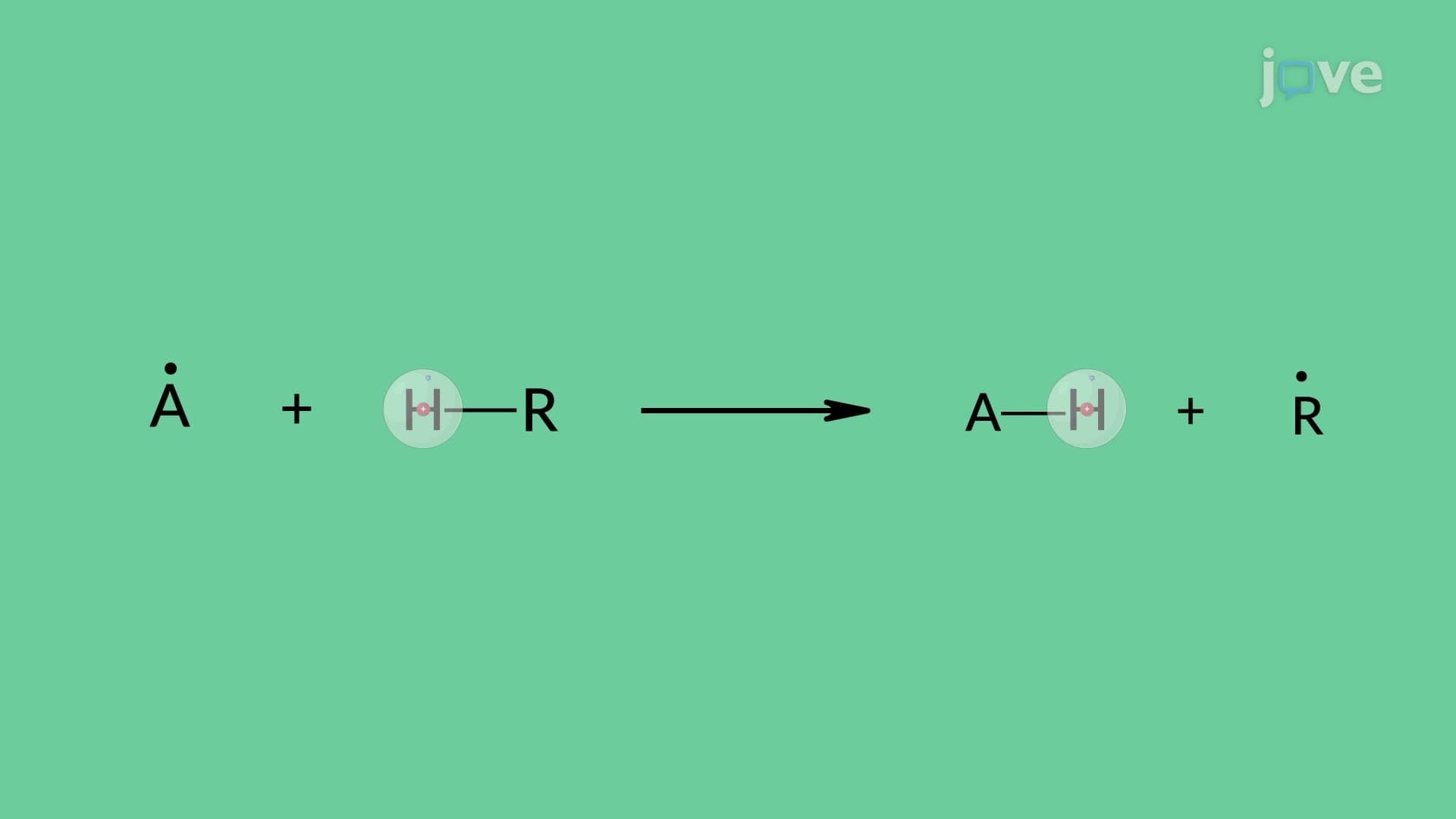
The hydrogenolysis mechanism operates through a well-defined chain reaction pathway. Initial photolytic cleavage of the weak Sn-H bond generates tributyltin radicals, which serve as the reactive species. These radicals abstract halogen atoms from organic substrates, creating carbon-centered radicals that subsequently capture hydrogen from another tin hydride molecule. This regenerates the tin radical, perpetuating the chain process.
The reaction's thermodynamic driving force stems from favorable bond energy changes. The weak Sn-H bond (approximately 78 kcal/mol) breaks more easily than the strong C-H bond that forms (approximately 99 kcal/mol for methane). This energy differential ensures reaction completion under mild conditions, making hydrogenolysis particularly valuable for sensitive molecular frameworks.
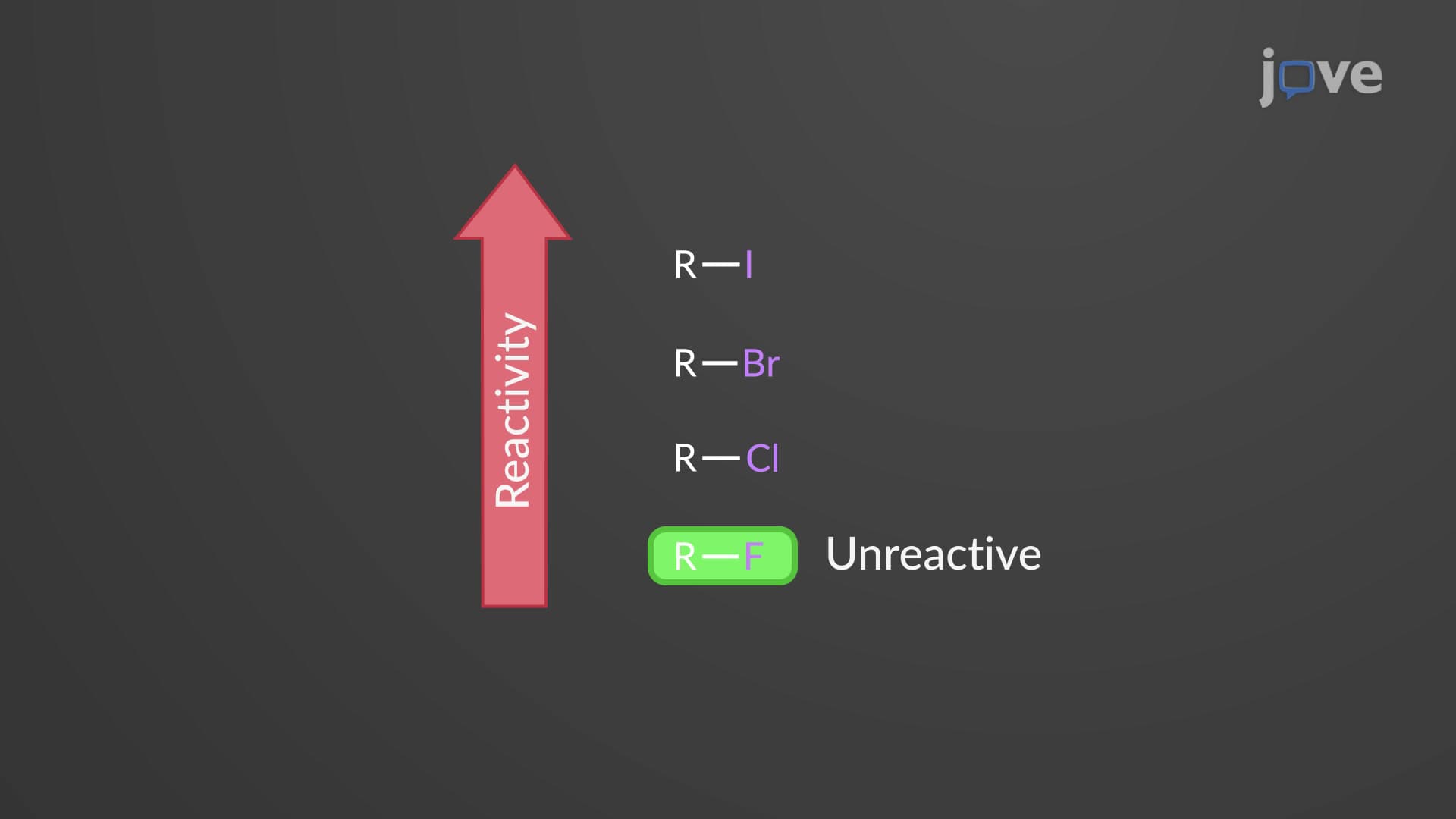
Alkyl halide reactivity follows a predictable pattern: iodides > bromides > chlorides > fluorides. This trend reflects the decreasing strength of carbon-halogen bonds down the halogen series. Alkyl iodides react readily under standard conditions, while chlorides often require radical initiators like AIBN (azobisisobutyronitrile) to achieve acceptable reaction rates. Fluorides remain essentially unreactive due to their exceptionally strong C-F bonds.
Students preparing for AP Chemistry exams or college organic chemistry courses should recognize this reactivity order, as it frequently appears in multiple-choice questions and synthesis problems. The MCAT also tests understanding of radical mechanisms, making this concept relevant for pre-medical students.
Major pharmaceutical companies utilize hydrogenolysis in multi-step syntheses of complex drug molecules. For example, removing halogen substituents from steroid intermediates or antibiotic precursors requires the mild, selective conditions that radical hydrogenolysis provides. Unlike harsh reduction methods, this approach preserves other functional groups while achieving the desired transformation.
Research laboratories at institutions like MIT and Stanford University employ variations of this reaction in natural product synthesis, where maintaining stereochemistry and functional group compatibility is crucial. Understanding these applications helps students connect theoretical mechanisms to real-world chemical manufacturing.
Related Micro-courses