Loading subject page…

- Organic Chemistry
- Radical Chemistry
- Radicals: Electronic Structure and Geometry
Micro-course: Radical Chemistry
85,200 views
Learn key concepts and earn your certificate.












Radicals: Electronic Structure and Geometry

00:00
01:07
Video Summary: Radicals Electronic Structure and Geometry Explained
Ever wonder why free radicals in your body can damage cells while others are essential for biological processes? Understanding radicals electronic structure geometry reveals how these highly reactive species behave differently from stable molecules. The methyl radical (•CH₃) found in atmospheric chemistry demonstrates perfectly planar geometry, while the trifluoromethyl radical (•CF₃) adopts a more pyramidal shape. Watch the full video on JoVE Coach to master this concept with expert-led visuals and step-by-step explanations.
- Understand how radicals electronic structure and geometry explained differs fundamentally from carbocations and carbanions through hybridization analysis
- Identify the relationship between unpaired electrons and molecular geometry in carbon-centered radicals
- Compare the structural differences between planar methyl radicals and pyramidal trifluoromethyl radicals
- Analyze why carbon-centered radicals exhibit geometry intermediate between sp² carbocations and sp³ carbanions
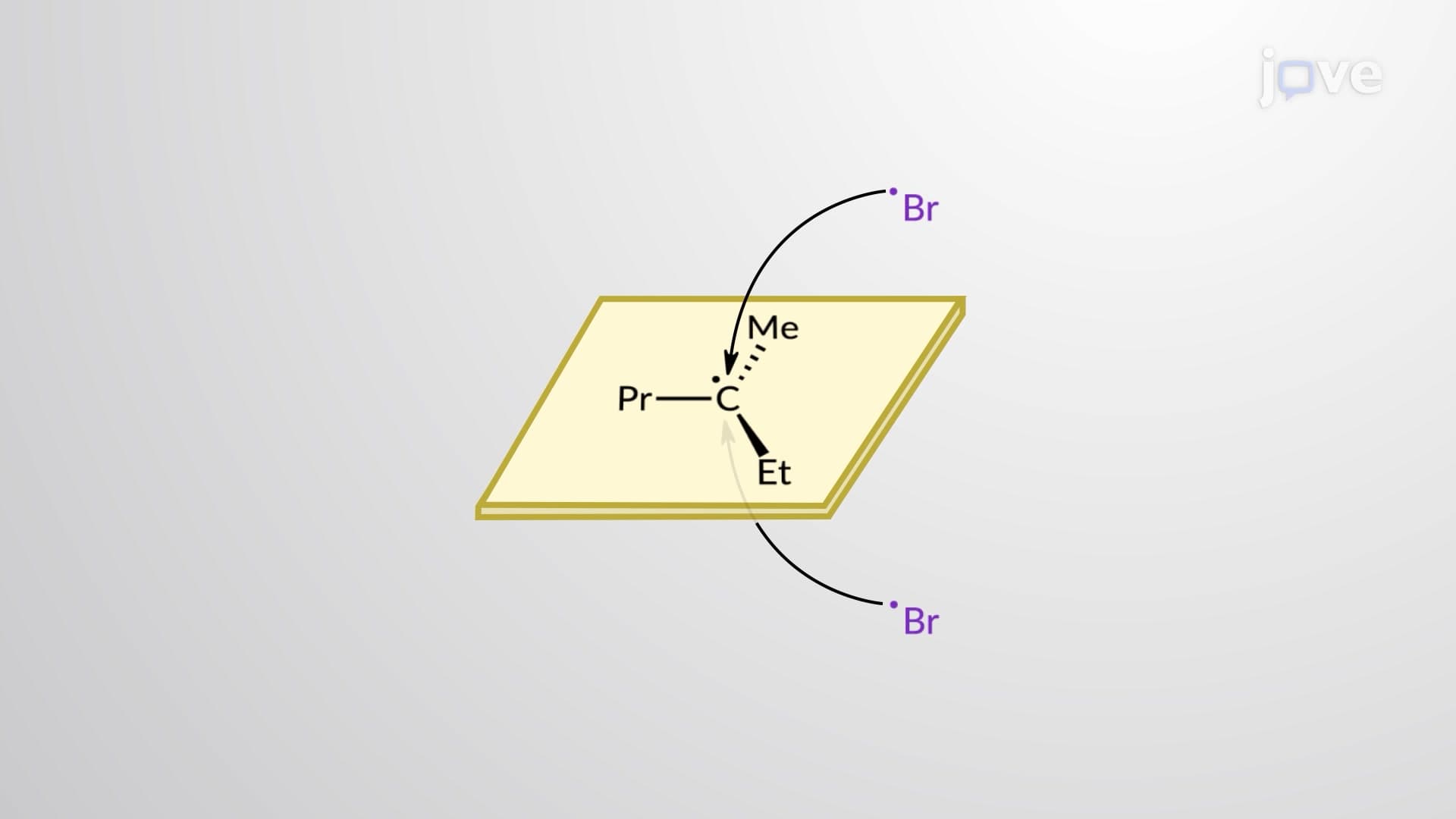
- Evaluate the role of pyramidal inversion in determining radical chirality and reactivity
- Apply geometric principles to predict radical stability and reaction pathways
- Recognize how electronic structure influences three-dimensional molecular shape
- Explore the connection between radical geometry and chemical reactivity patterns
Understanding Radicals Electronic Structure and Geometry Fundamentals
Radicals electronic structure and geometry explained involves examining how unpaired electrons influence molecular shape and chemical behavior. Unlike stable molecules with paired electrons, radicals contain at least one unpaired electron, creating unique geometric arrangements that fall between familiar ionic structures. This intermediate positioning makes radicals particularly fascinating for students studying advanced chemistry concepts.
Electronic Structure Impact on Molecular Geometry
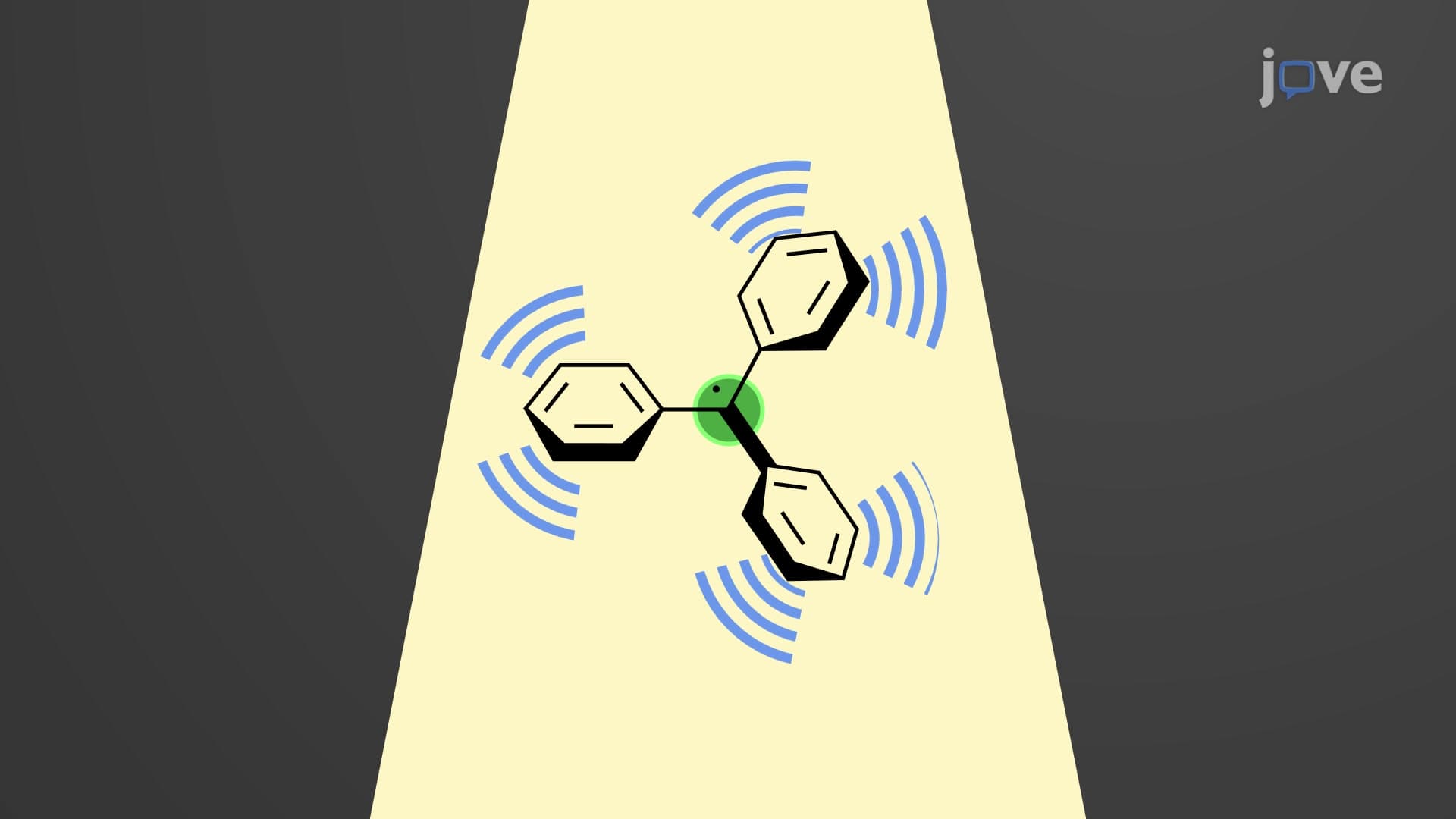
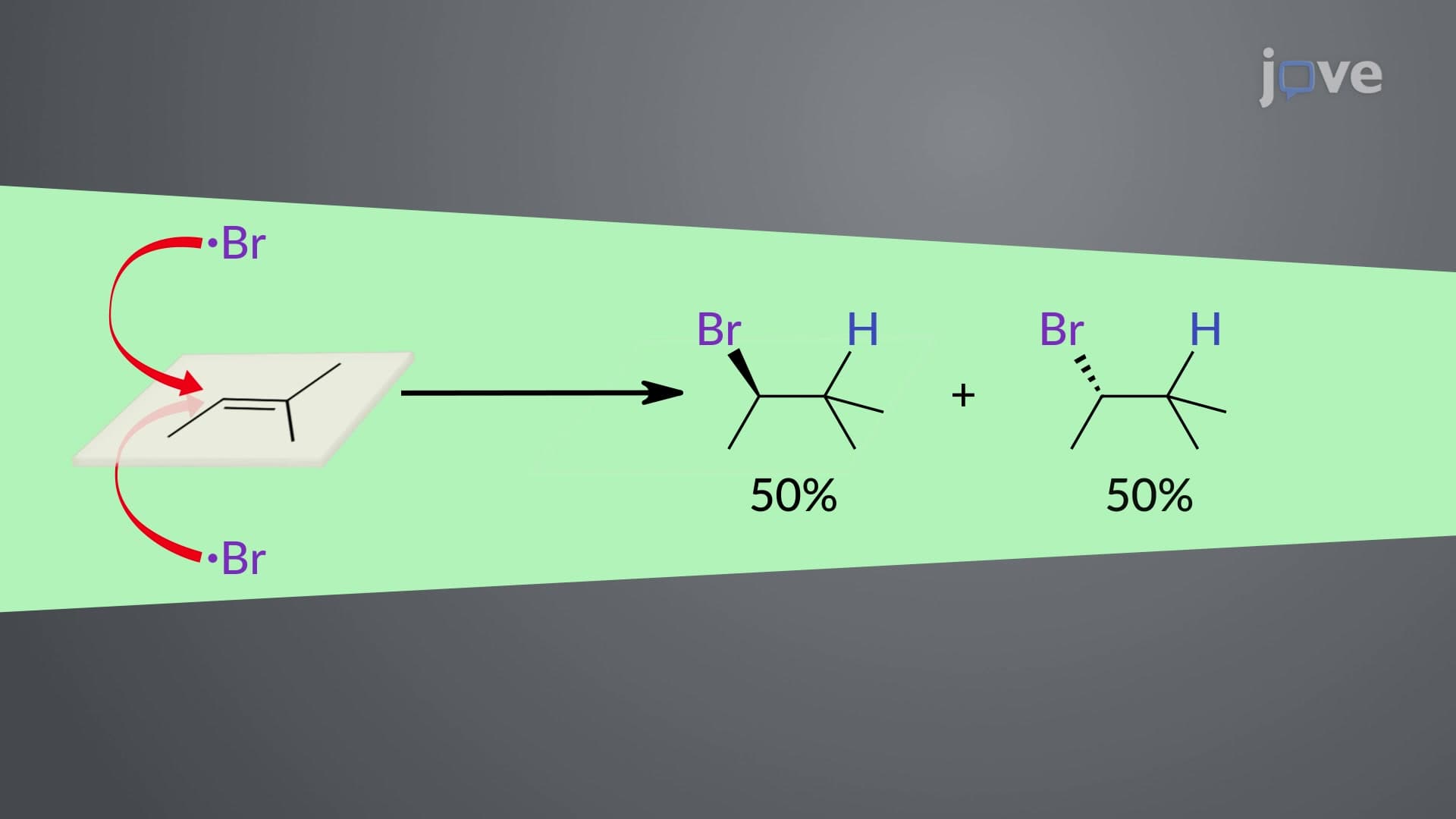
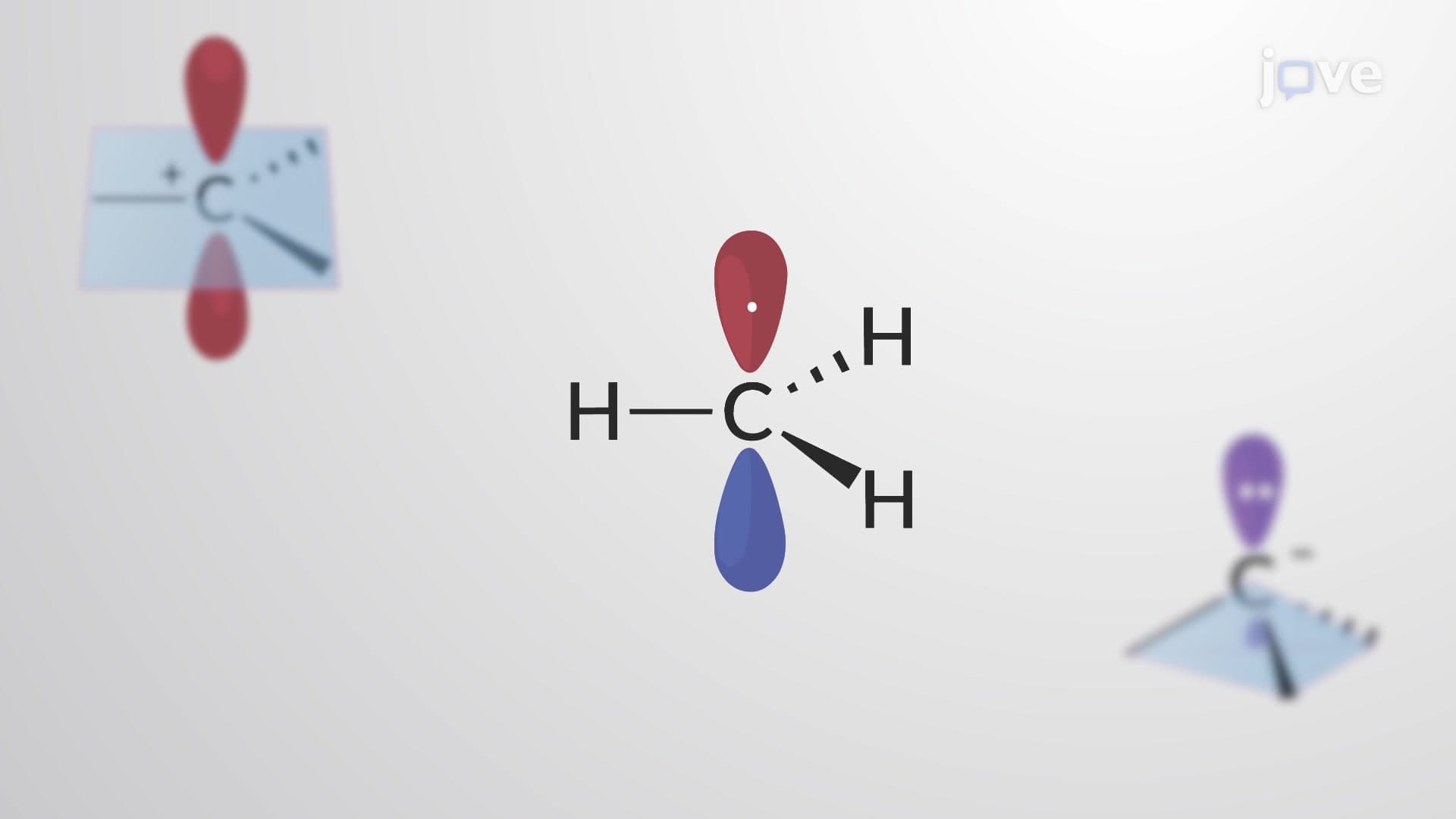
The unpaired electron in carbon-centered radicals acts similarly to a lone pair, influencing the overall molecular geometry through electron-electron repulsion. While sp²-hybridized carbocations maintain perfect trigonal planar geometry (120° bond angles), and sp³-hybridized carbanions adopt trigonal pyramidal shapes, radicals occupy an intermediate position. The methyl radical (•CH₃) demonstrates nearly perfect trigonal planar geometry, similar to carbocations, while more substituted radicals like trifluoromethyl (•CF₃) show greater pyramidal character resembling carbanions.
Hybridization and Structural Variations
Students preparing for AP Chemistry or college organic chemistry exams should understand that radical geometry depends heavily on substituent effects and hybridization. Electronegative substituents, such as fluorine atoms in •CF₃, pull electron density away from the radical center, increasing the s-character of the hybrid orbital containing the unpaired electron. This electronic redistribution leads to more pyramidal geometry compared to the planar methyl radical.
Chirality and Stereochemical Implications
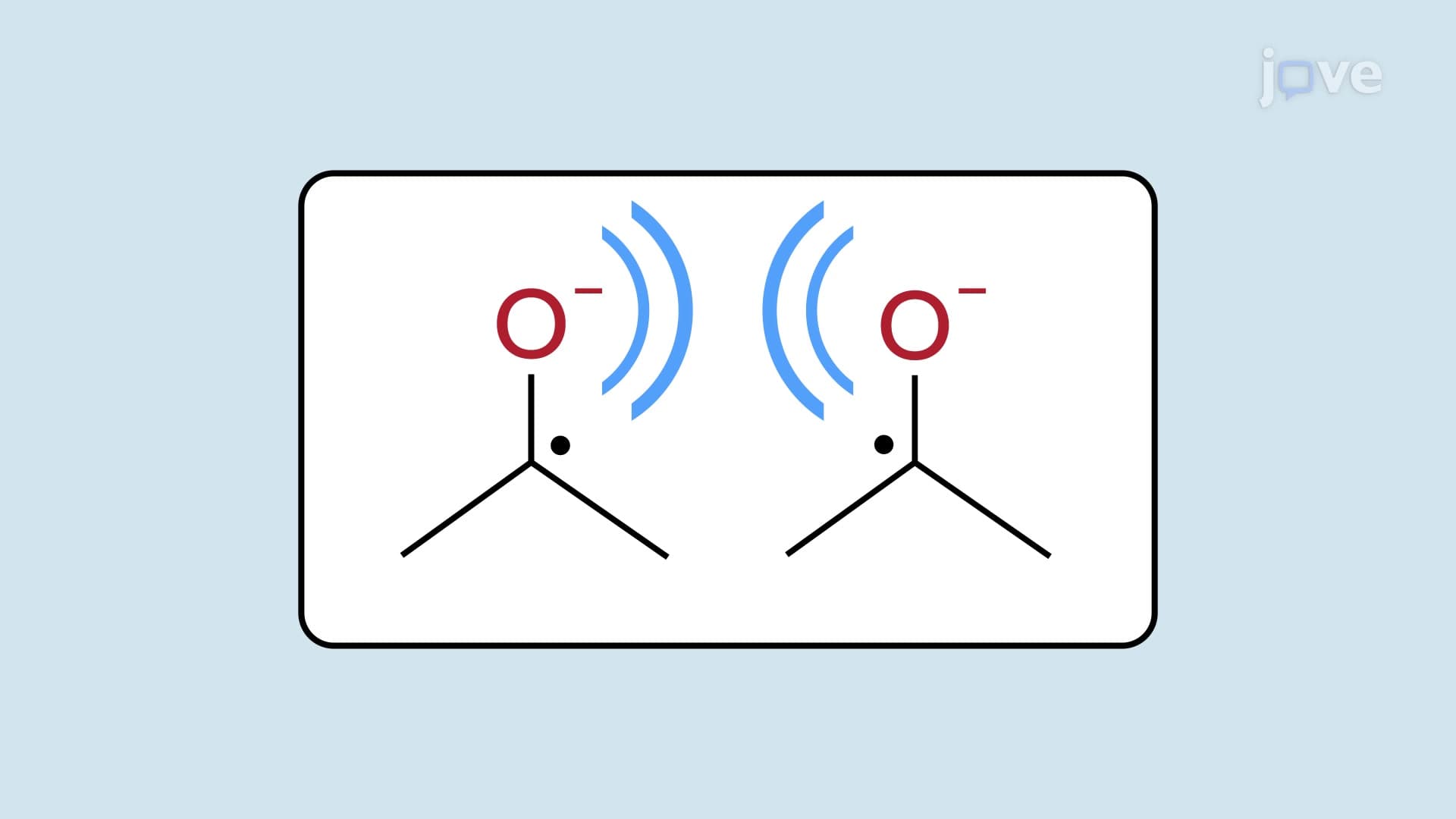
The concept of chirality in radicals presents important implications for pharmaceutical chemistry and drug development in the United States. While carbanions can maintain chirality due to high energy barriers for pyramidal inversion, most carbon-centered radicals undergo rapid inversion between mirror-image forms. This rapid interconversion makes radicals achiral under normal conditions, affecting synthetic strategies in medicinal chemistry where stereochemistry determines drug efficacy and safety profiles approved by the FDA.
Understanding these principles becomes crucial for students planning careers in pharmaceutical research, materials science, or biochemistry, where radical intermediates play essential roles in synthetic pathways and biological processes.
Frequently Asked Questions
Radicals electronic structure and geometry refers to how molecules with unpaired electrons arrange themselves in three-dimensional space. The unpaired electron influences molecular shape, creating geometries that fall between those of positively charged carbocations (flat triangular) and negatively charged carbanions (pyramid-shaped). This intermediate positioning makes radicals unique and highly reactive chemical species.
MCAT and AP Chemistry exams frequently test radical geometry through molecular structure predictions and reaction mechanism questions. Students must identify how unpaired electrons affect bond angles and molecular shape. Common exam scenarios include comparing methyl radical planarity to other carbon-centered radicals, explaining why radicals are typically achiral, and predicting radical stability based on geometric factors.
MCAT biochemistry sections emphasize radical roles in metabolism, oxidative stress, and enzyme mechanisms. Understanding radical geometry helps explain why antioxidants like vitamin C and E can neutralize harmful radicals in biological systems. Organic chemistry passages may require analyzing radical intermediate structures in reaction mechanisms, particularly in pharmaceutical synthesis pathways.
Pharmaceutical companies like Pfizer and Merck utilize radical chemistry in drug synthesis and development processes. Understanding radical geometry helps predict reaction outcomes and optimize synthetic routes for medications. For example, radical intermediates are crucial in synthesizing complex antibiotics and cancer therapeutics, where controlling stereochemistry and reactivity patterns determines therapeutic effectiveness and FDA approval success.
Radical electronic structure builds naturally on basic VSEPR theory and hybridization concepts taught in high school chemistry. Students comfortable with Lewis structures and molecular geometry can successfully learn radical principles. Starting with simple examples like methyl radical and progressing to substituted radicals provides an accessible learning pathway that prepares students for advanced college chemistry courses.
Create visual comparison charts showing carbocation (planar), radical (intermediate), and carbanion (pyramidal) geometries side by side. Practice drawing three-dimensional structures and predicting bond angles for different radical types. Use molecular model kits to visualize pyramidal inversion processes, and work through practice problems involving radical stability and chirality concepts regularly.
Advanced topics include radical reaction mechanisms, chain reactions in polymer chemistry, and radical clock experiments used in research laboratories. Students interested in biochemistry should explore enzymatic radical chemistry, while those focusing on materials science can investigate radical polymerization processes used in plastics manufacturing and nanotechnology applications.
Related Micro-courses
20 Concepts
15 Concepts

12 Concepts