Loading video…


 27 Concepts
 85.2K views

Video Summary: What are Radical Reactivity Electrophilic Radicals
Ever wonder why certain chemical reactions happen faster than pharmaceutical companies can develop new drugs? Radical reactivity electrophilic radicals drive some of the most important transformations in organic synthesis, from creating life-saving medications at Pfizer to manufacturing plastics. These electron-hungry species contain electron-withdrawing groups that make them react readily with electron-rich molecules. Understanding what are radical reactivity electrophilic radicals helps explain how chlorine radicals can selectively attack specific carbon-hydrogen bonds in industrial processes. Watch the full video on JoVE Coach to master this concept with expert-led visuals and step-by-step explanations.
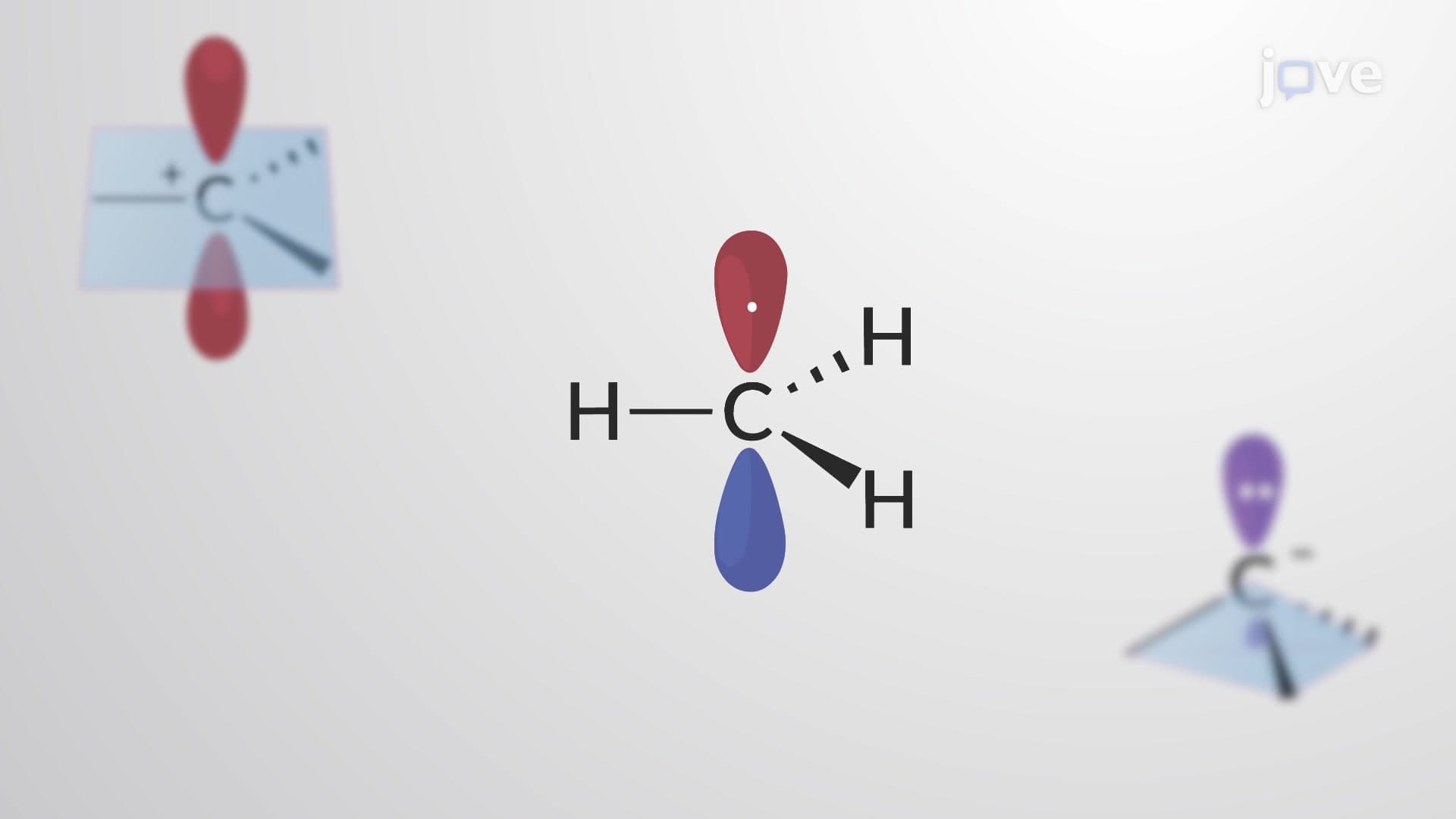
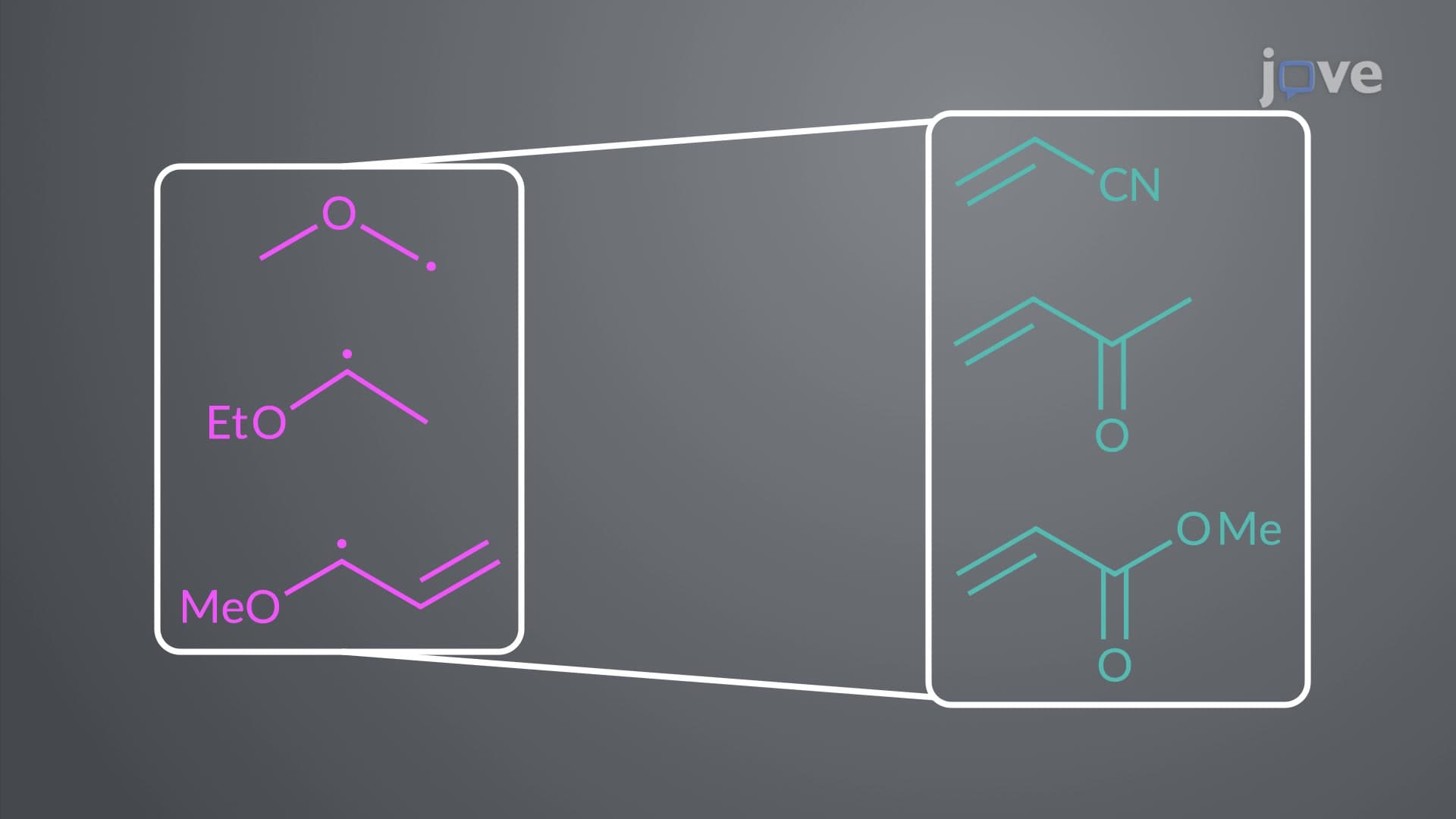
What are radical reactivity electrophilic radicals represents a fundamental concept in organic chemistry that explains how certain radicals behave as electron acceptors. Unlike typical radicals that might react indiscriminately, electrophilic radicals contain electron-withdrawing groups directly attached to the radical center. These groups-such as carbonyl, cyano, or halogen substituents-create an electron-deficient environment that dramatically influences the radical's reactivity profile.
The key to understanding these species lies in their molecular orbital characteristics. Electrophilic radicals possess a singly occupied molecular orbital (SOMO) at relatively low energy due to the stabilizing effect of electron-withdrawing groups. This low-energy SOMO readily interacts with the high-energy highest occupied molecular orbital (HOMO) of electron-rich substrates, creating favorable orbital overlap that drives rapid reactions.
The malonate radical system exemplifies electrophilic radical behavior perfectly. When diethyl chloromalonate undergoes homolytic cleavage, it generates a carbon-centered radical adjacent to two electron-withdrawing ester groups. This radical demonstrates remarkable selectivity, reacting rapidly with nucleophilic alkenes like vinyl ether while showing minimal reactivity toward electron-poor substrates.
This selectivity proves crucial in pharmaceutical synthesis. Major US pharmaceutical companies like Johnson & Johnson and Bristol Myers Squibb employ similar malonate-based radical chemistry in manufacturing processes. The predictable regioselectivity allows chemists to create complex molecules with precise stereochemical control-essential for drug efficacy and safety.
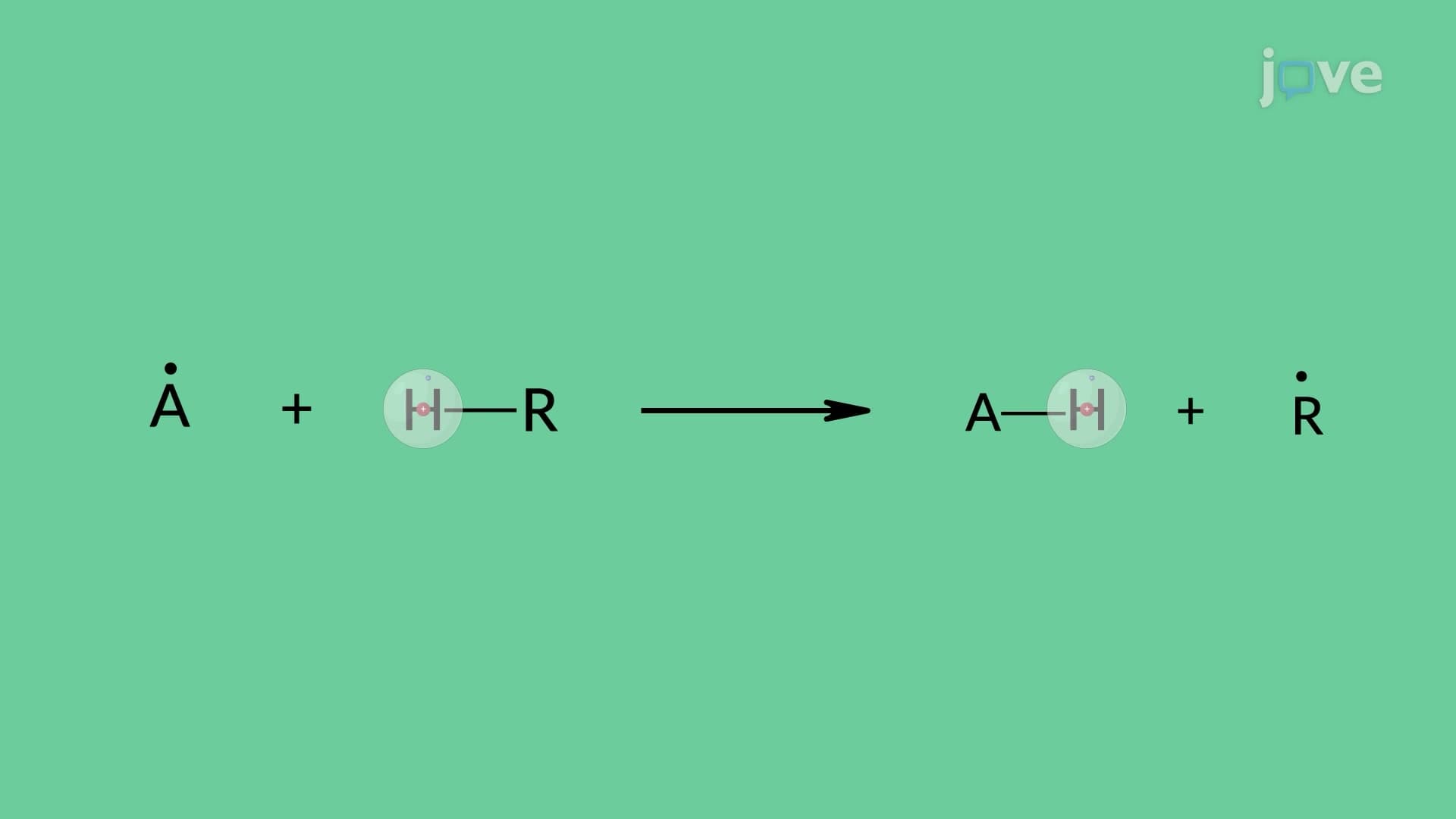
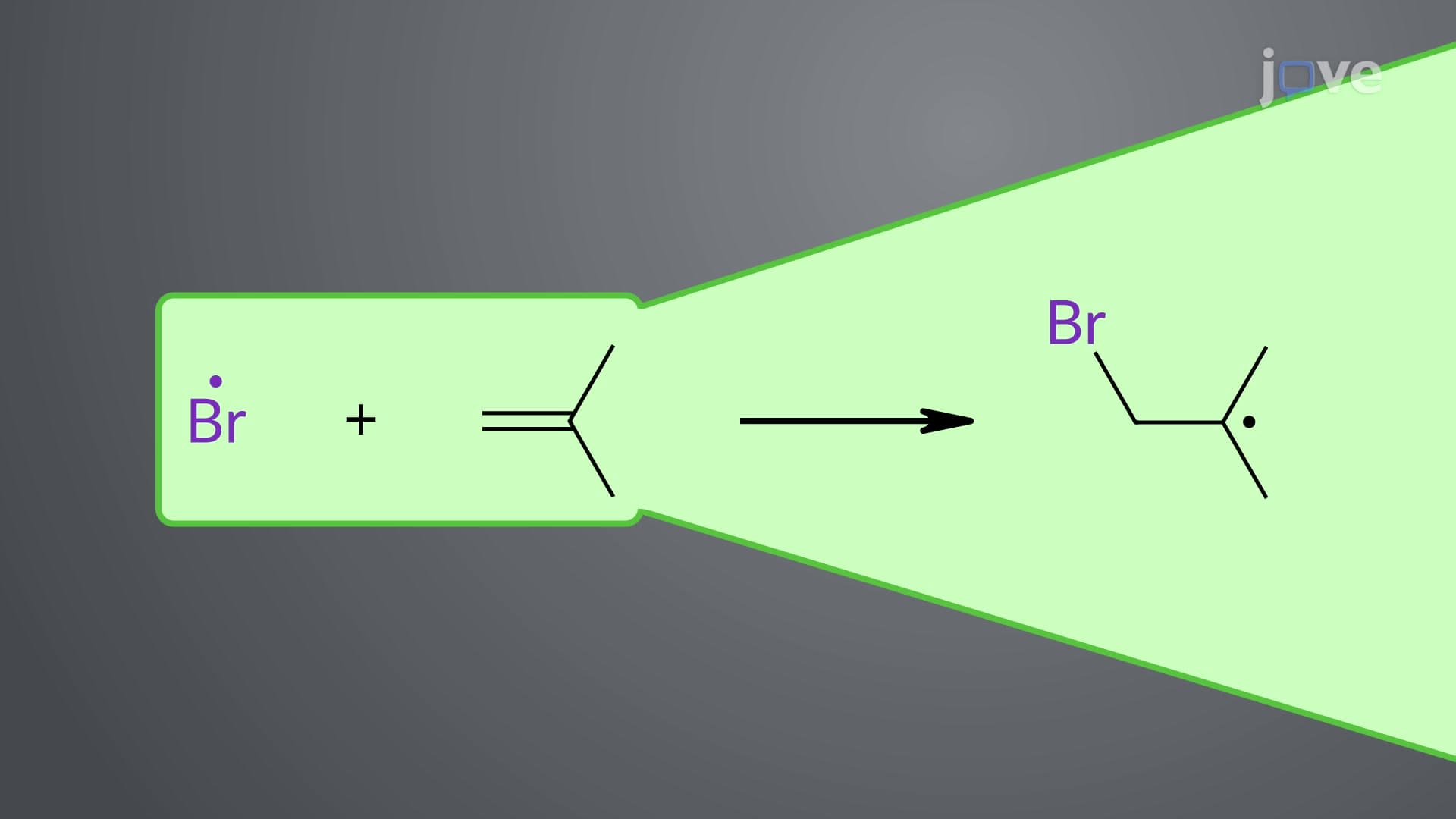
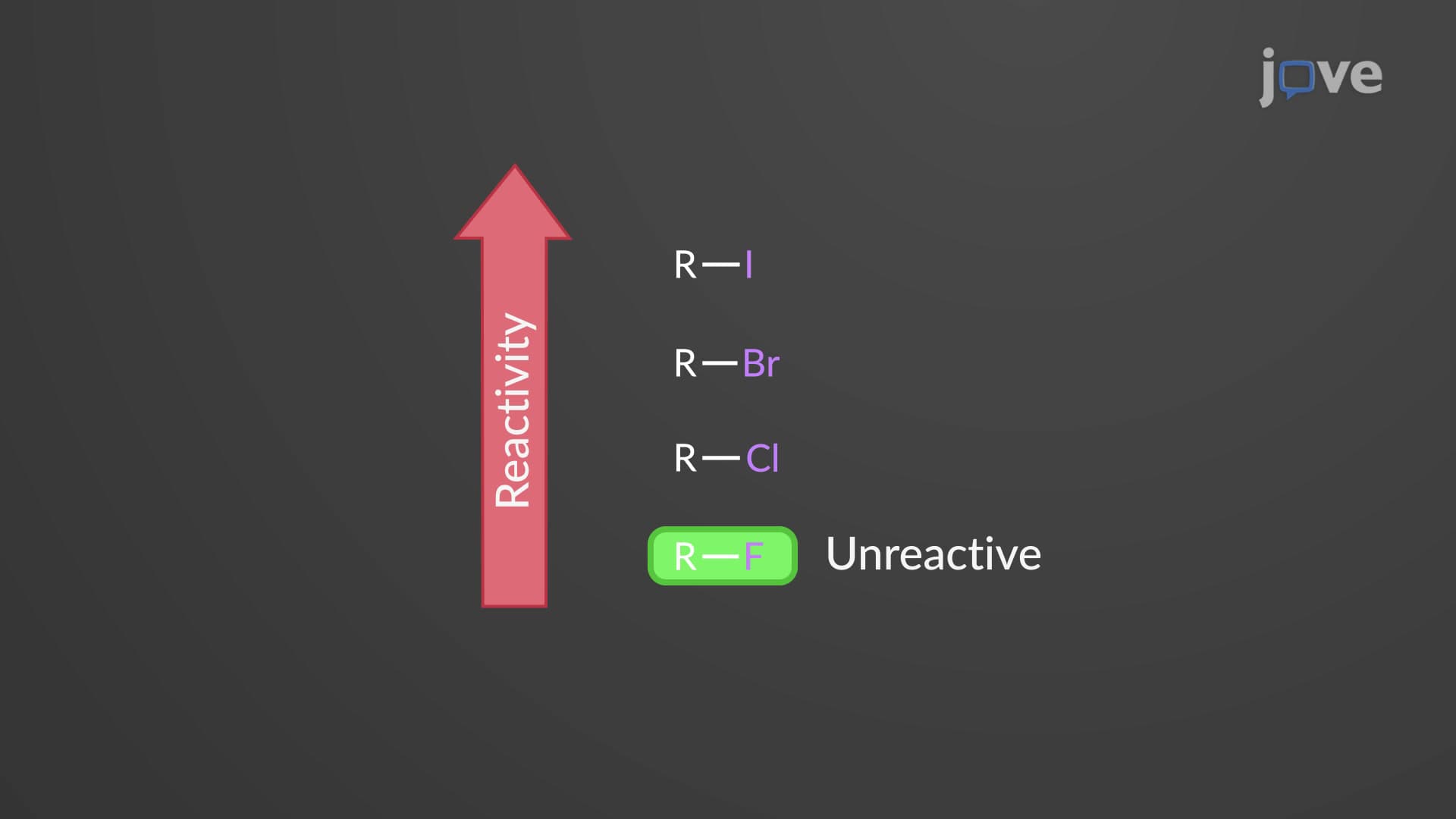
Electrophilic radical reactivity extends beyond carbon-centered species. Halogen radicals, particularly chlorine and bromine radicals, exhibit pronounced electrophilic character. When chlorine radicals encounter organic substrates like propionic acid, they demonstrate remarkable selectivity for terminal methyl groups over more substituted positions.
This selectivity arises from the same SOMO-HOMO interaction principles. The terminal C-H bonds possess higher-energy HOMOs due to their less substituted nature, making them preferred targets for the low-energy SOMO of electrophilic chlorine radicals. Understanding this concept proves essential for students taking the MCAT, where radical chemistry frequently appears in organic chemistry passages.
For students preparing for AP Chemistry exams or college organic chemistry courses, mastering electrophilic radical concepts provides significant advantages. These principles appear regularly in synthesis problems where students must predict reaction outcomes and design synthetic routes. The SOMO-HOMO interaction model offers a powerful predictive tool that goes beyond simple memorization of reaction patterns.
Related Micro-courses