Loading video…


 27 Concepts
 85.2K views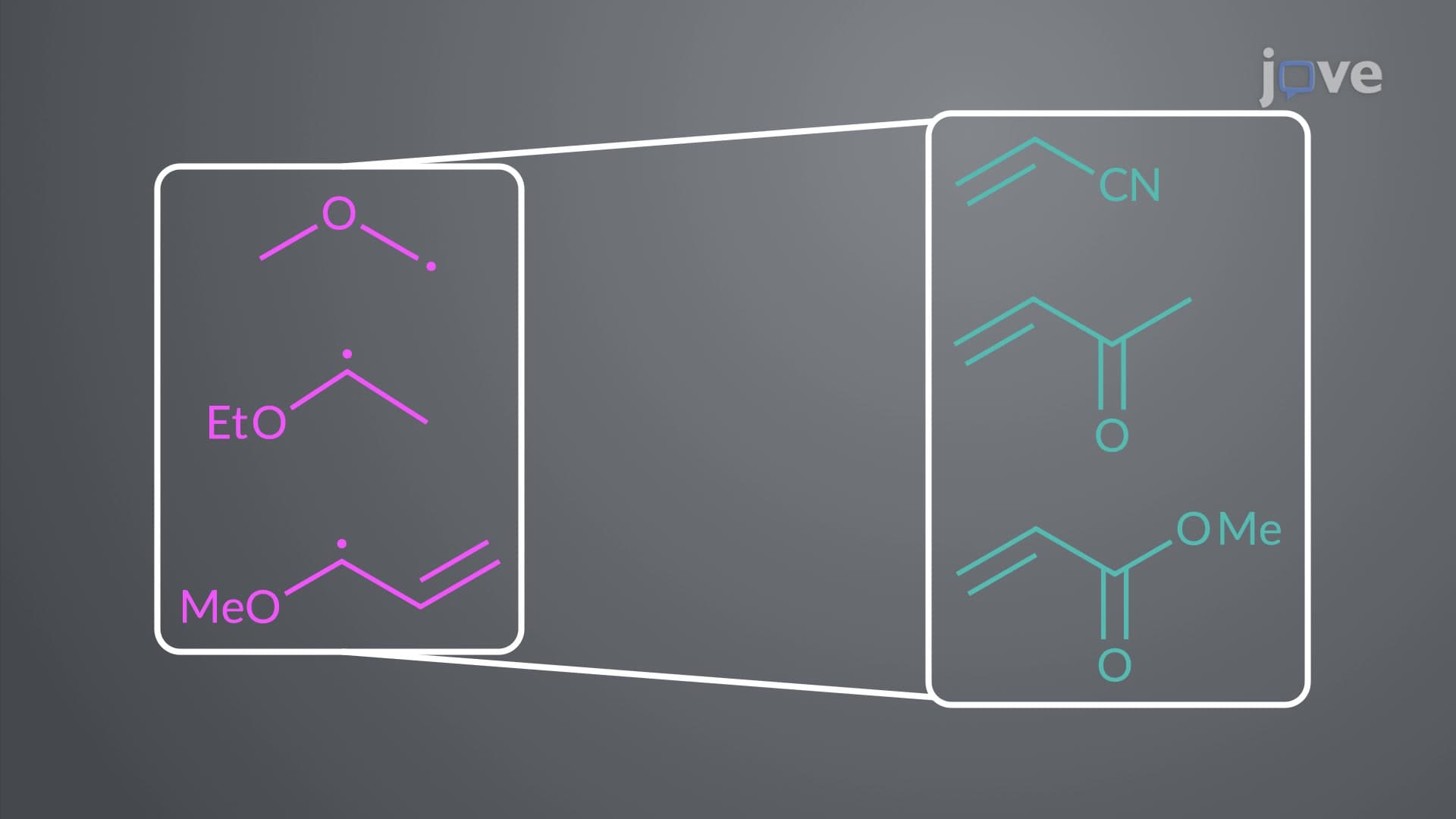

Video Summary: What are Radical Reactivity Nucleophilic Radicals
Ever wondered why pharmaceutical companies can create complex molecules so efficiently? Radical reactivity nucleophilic radicals are electron-rich species that drive many industrial synthetic processes, including drug manufacturing at companies like Pfizer and Merck. These radicals contain electron-donating groups that make them powerful reactants with electron-poor alkenes, forming the backbone of selective organic transformations. Watch the full video on JoVE Coach to master this concept with expert-led visuals and step-by-step explanations.
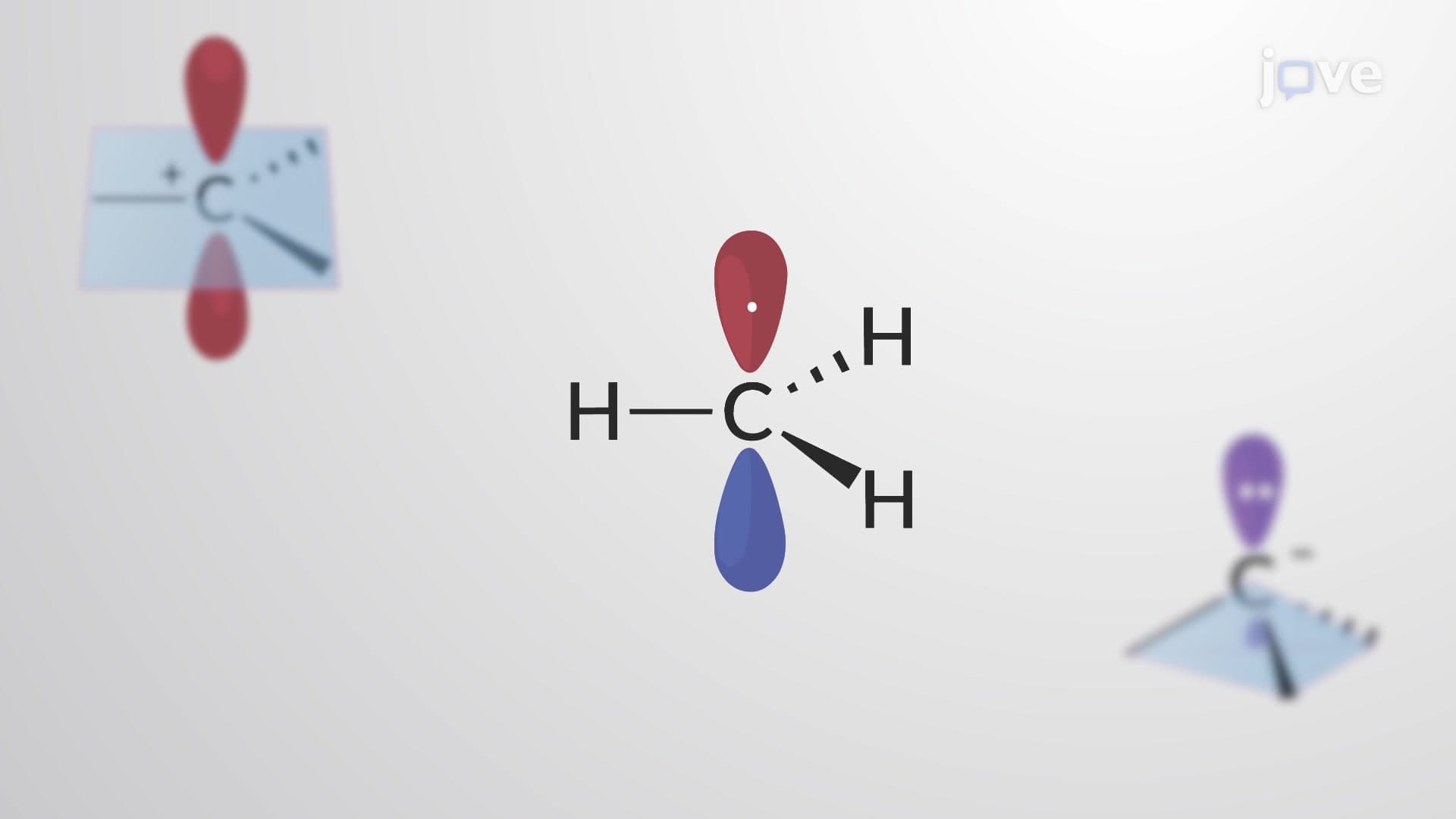
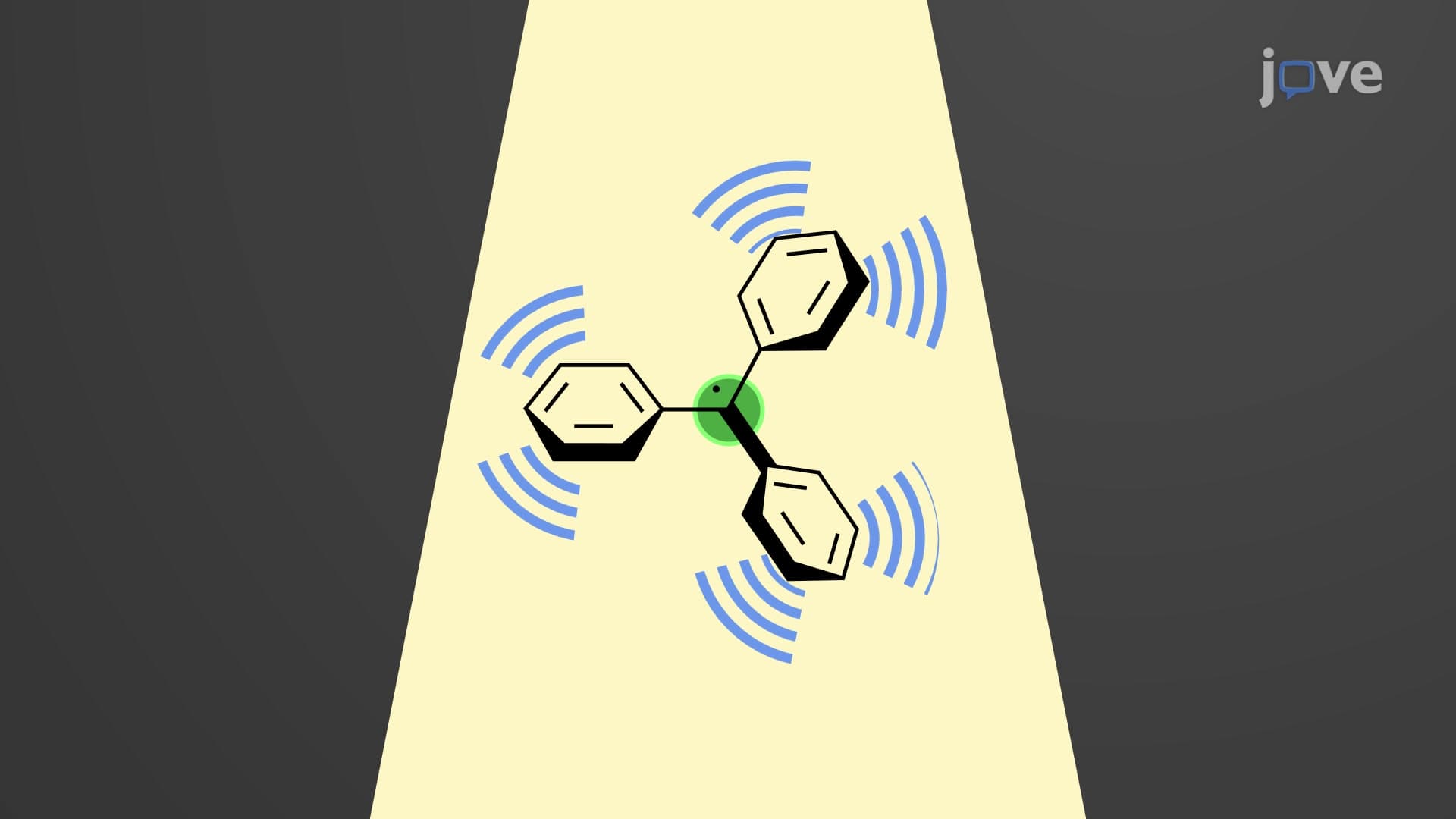
What are radical reactivity nucleophilic radicals? These are reactive intermediates containing an unpaired electron at a carbon center that also bears electron-donating substituents. Unlike typical radicals that react indiscriminately, nucleophilic radicals show remarkable selectivity, preferentially attacking electron-deficient (electrophilic) alkenes. This selectivity makes them invaluable tools in organic synthesis.
The defining characteristic lies in their electronic structure. Electron-donating groups-such as alkyl chains, ethers, or amines-increase electron density at the radical center, making it nucleophilic. This contrasts sharply with electrophilic radicals, which contain electron-withdrawing groups that create electron-deficient centers.
The reactivity pattern stems from frontier molecular orbital theory. Nucleophilic radicals possess a high-energy singly occupied molecular orbital (SOMO) filled with one electron. When these radicals encounter electrophilic alkenes, their high-energy SOMO interacts favorably with the alkene's low-energy lowest unoccupied molecular orbital (LUMO).
This SOMO-LUMO interaction creates a thermodynamically favorable electron transfer that drives the reaction forward. The energy gap between these orbitals determines reaction rate-smaller gaps lead to faster reactions. This principle appears frequently on AP Chemistry exams and MCAT organic chemistry sections.
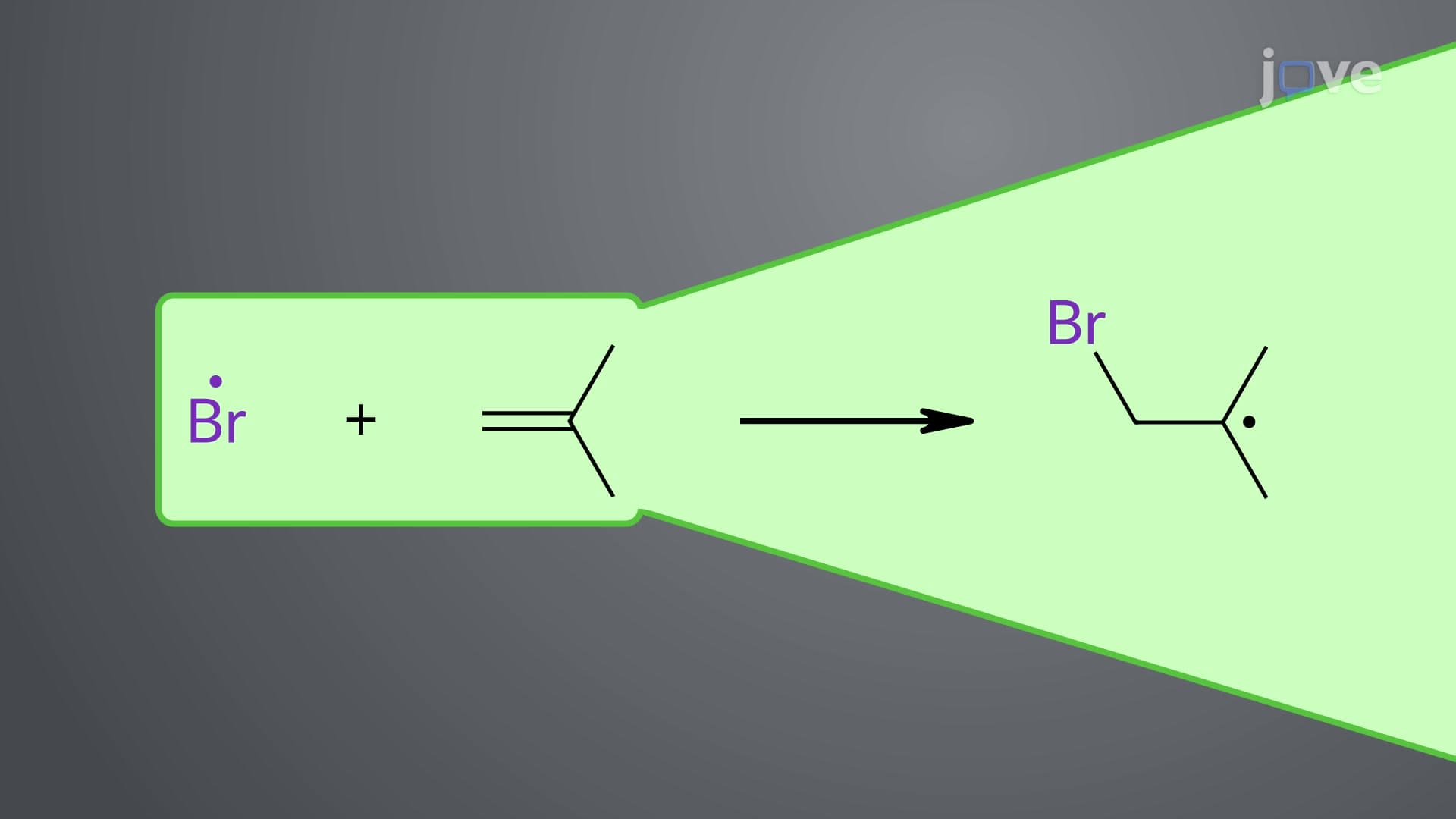
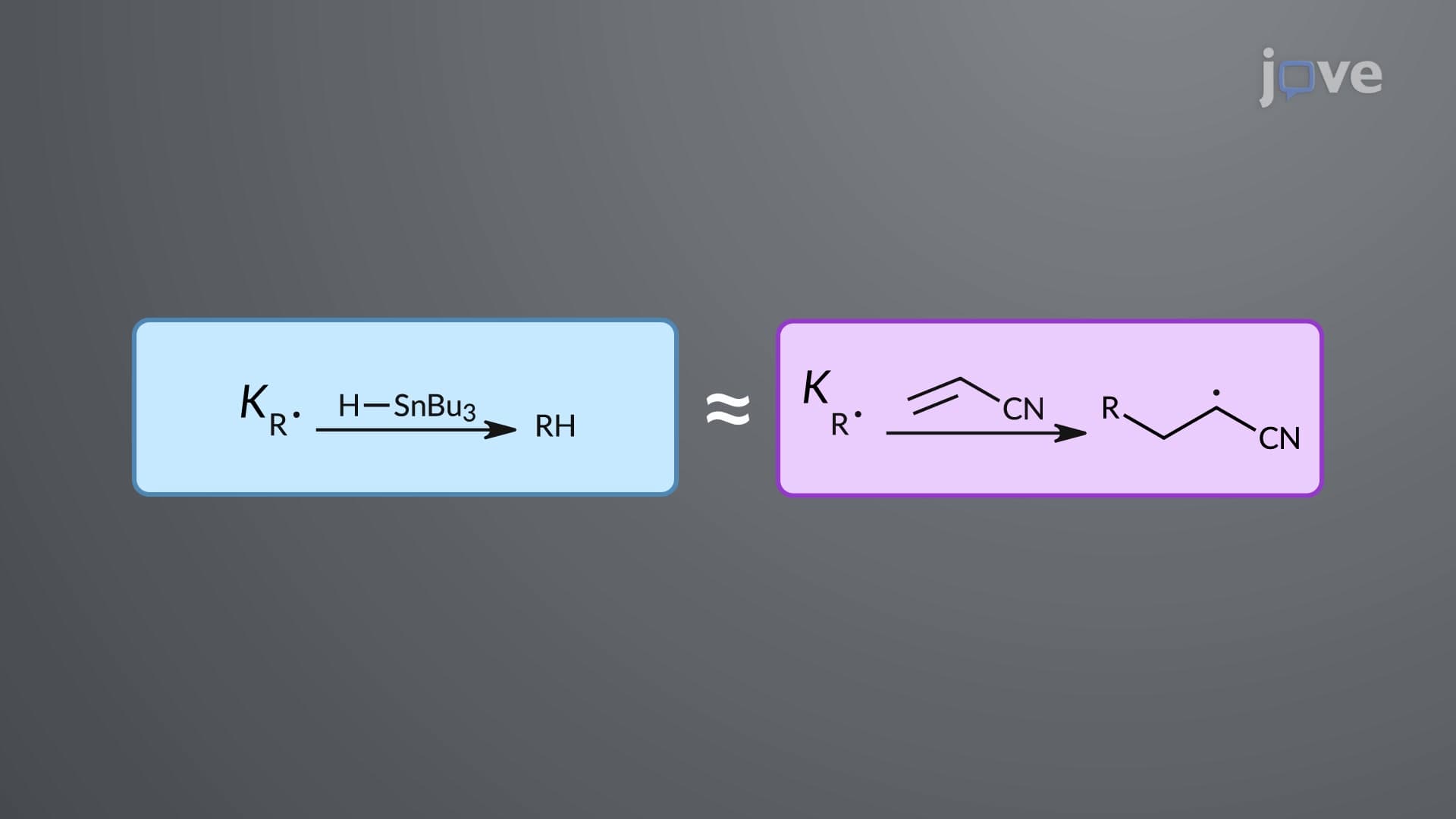
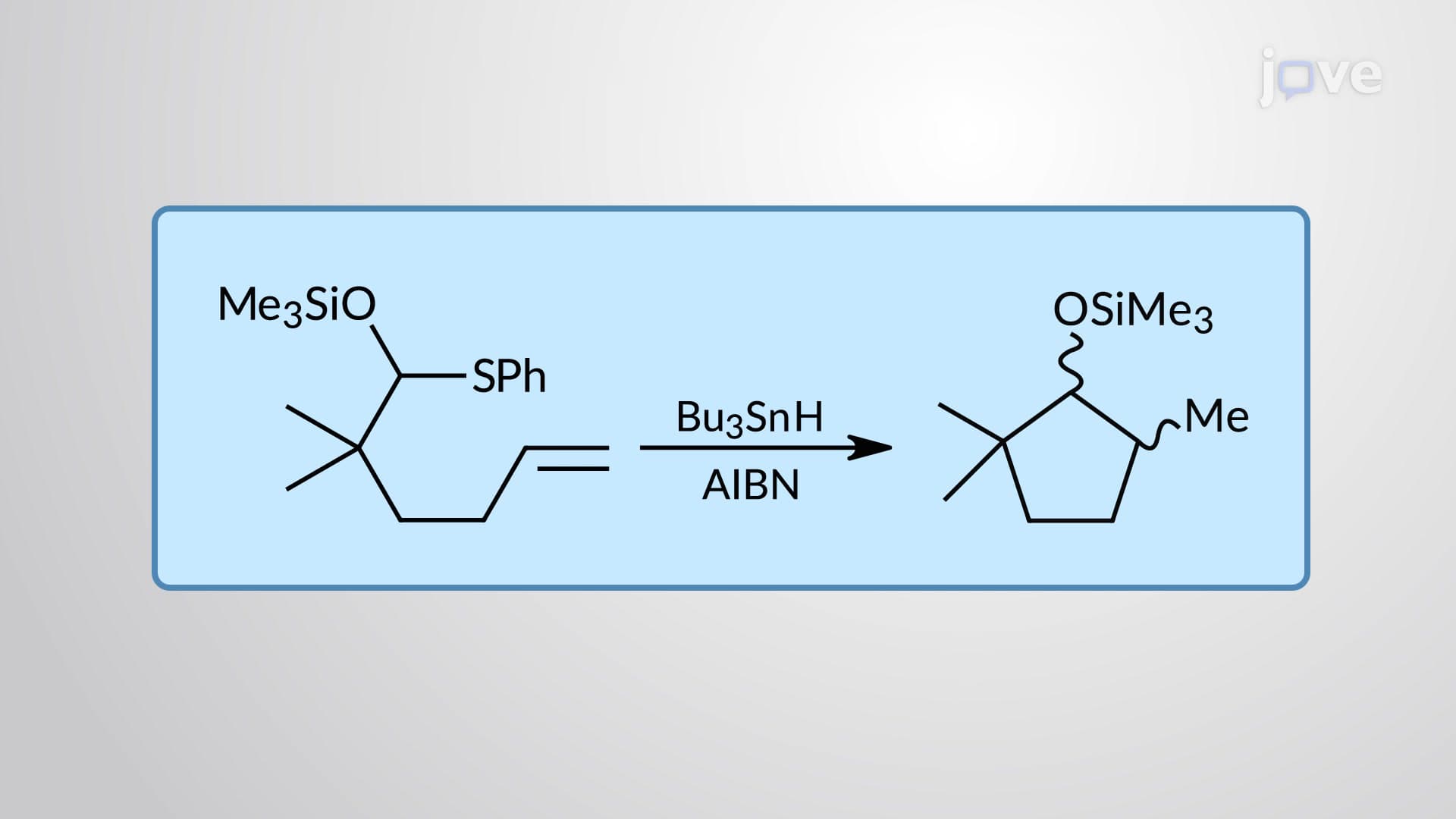
In practice, chemists exploit these reactivity patterns through radical cascade reactions. The classic tributyltin hydride reduction exemplifies this chemistry. When an alkyl halide generates a nucleophilic radical in the presence of an electrophilic alkene, the radical preferentially adds to the alkene rather than abstracting hydrogen from tributyltin hydride.
The resulting adduct radical is now electrophilic due to the electron-withdrawing alkene substituent. This electrophilic radical cannot react with another electrophilic alkene (unfavorable electrophile-electrophile interaction), so it abstracts hydrogen from tributyltin hydride instead, terminating the chain.
Major pharmaceutical companies leverage nucleophilic radical chemistry in drug synthesis. For instance, Bristol Myers Squibb uses radical cyclization reactions in manufacturing complex natural product-derived medications. These reactions offer advantages over traditional ionic chemistry: they proceed under mild conditions, tolerate diverse functional groups, and often provide superior stereochemical control.
Understanding these concepts proves essential for students planning careers in medicinal chemistry, chemical engineering, or pharmaceutical research-fields where radical chemistry knowledge directly impacts drug development timelines and manufacturing costs.
Related Micro-courses