Loading subject page…


85,200 views

Video Summary: What Is Radical Autoxidation
Ever wonder why olive oil goes rancid or why pharmaceuticals come in dark bottles? Radical autoxidation explains these everyday phenomena through a fascinating chain reaction mechanism. This process occurs when organic compounds react with atmospheric oxygen through free radical intermediates, following predictable initiation, propagation, and termination steps. In the U.S. food industry, understanding what is radical autoxidation helps manufacturers prevent spoilage in products like vegetable oils and processed foods. Watch the full video on JoVE Coach to master this concept with expert-led visuals and step-by-step explanations.
Radical autoxidation represents one of the most significant deteriorative processes affecting organic compounds in everyday life. This free radical chain reaction occurs spontaneously when organic materials encounter atmospheric oxygen, leading to the formation of peroxides and other oxidation products that can dramatically alter material properties.
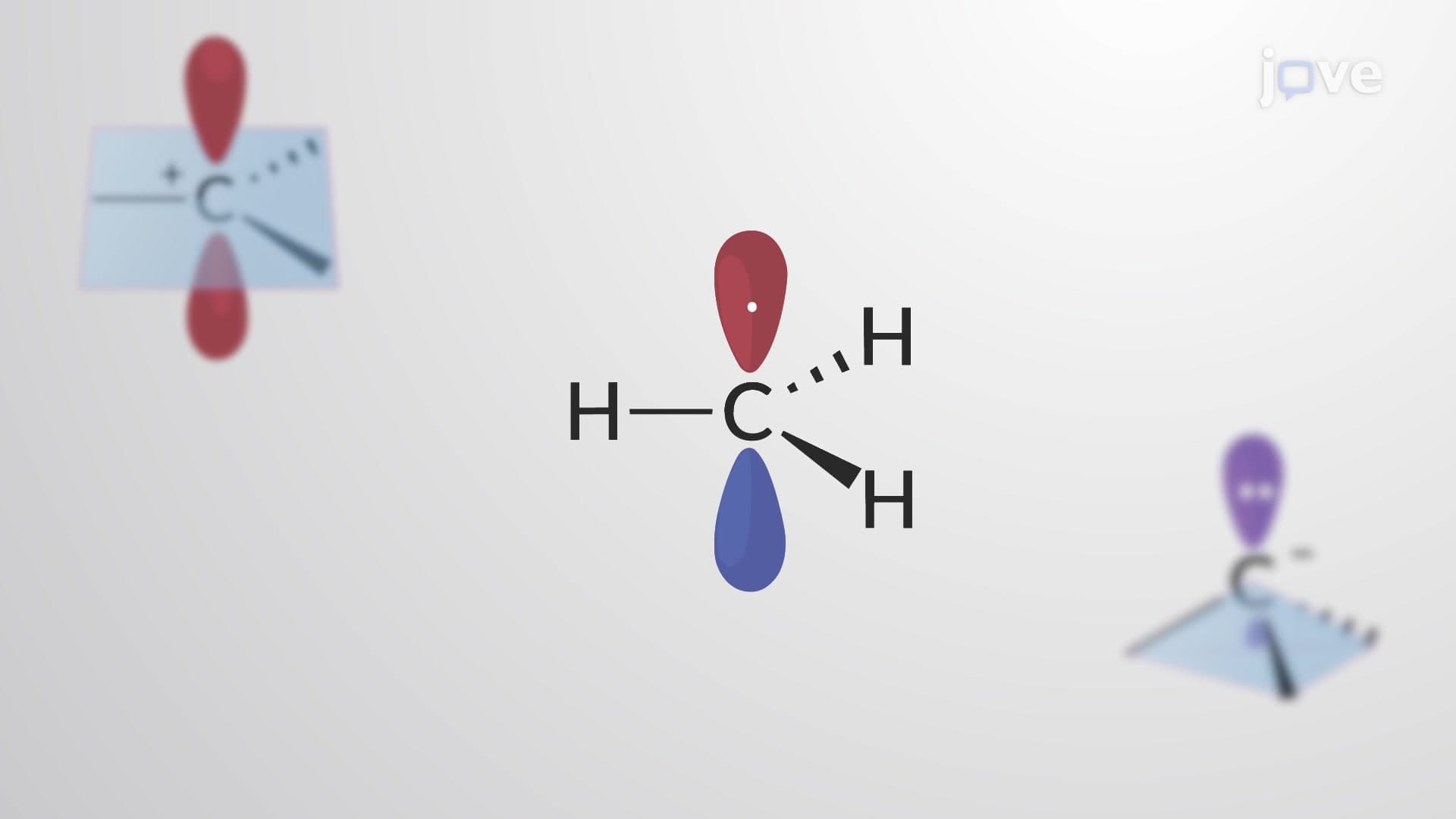
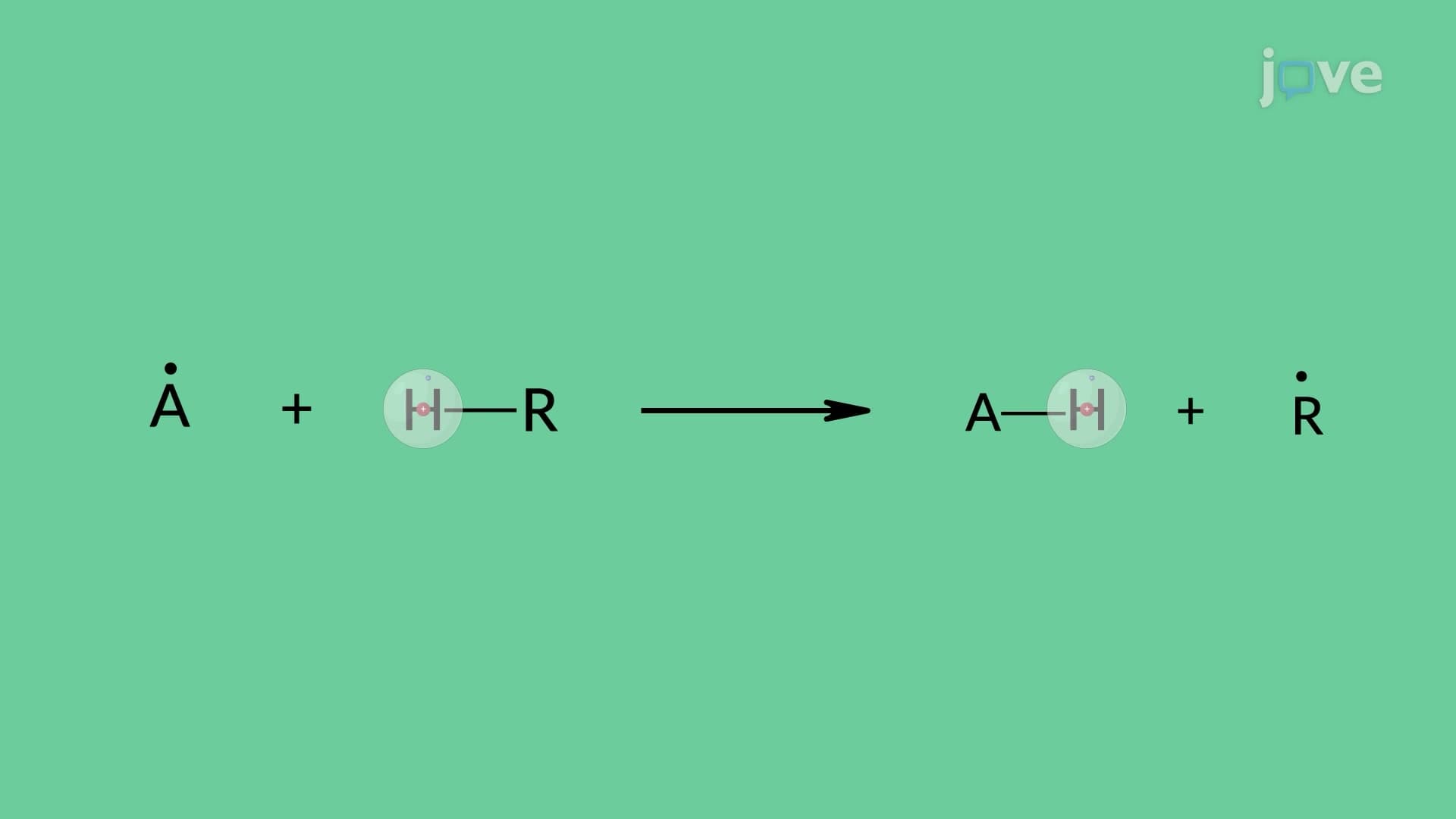
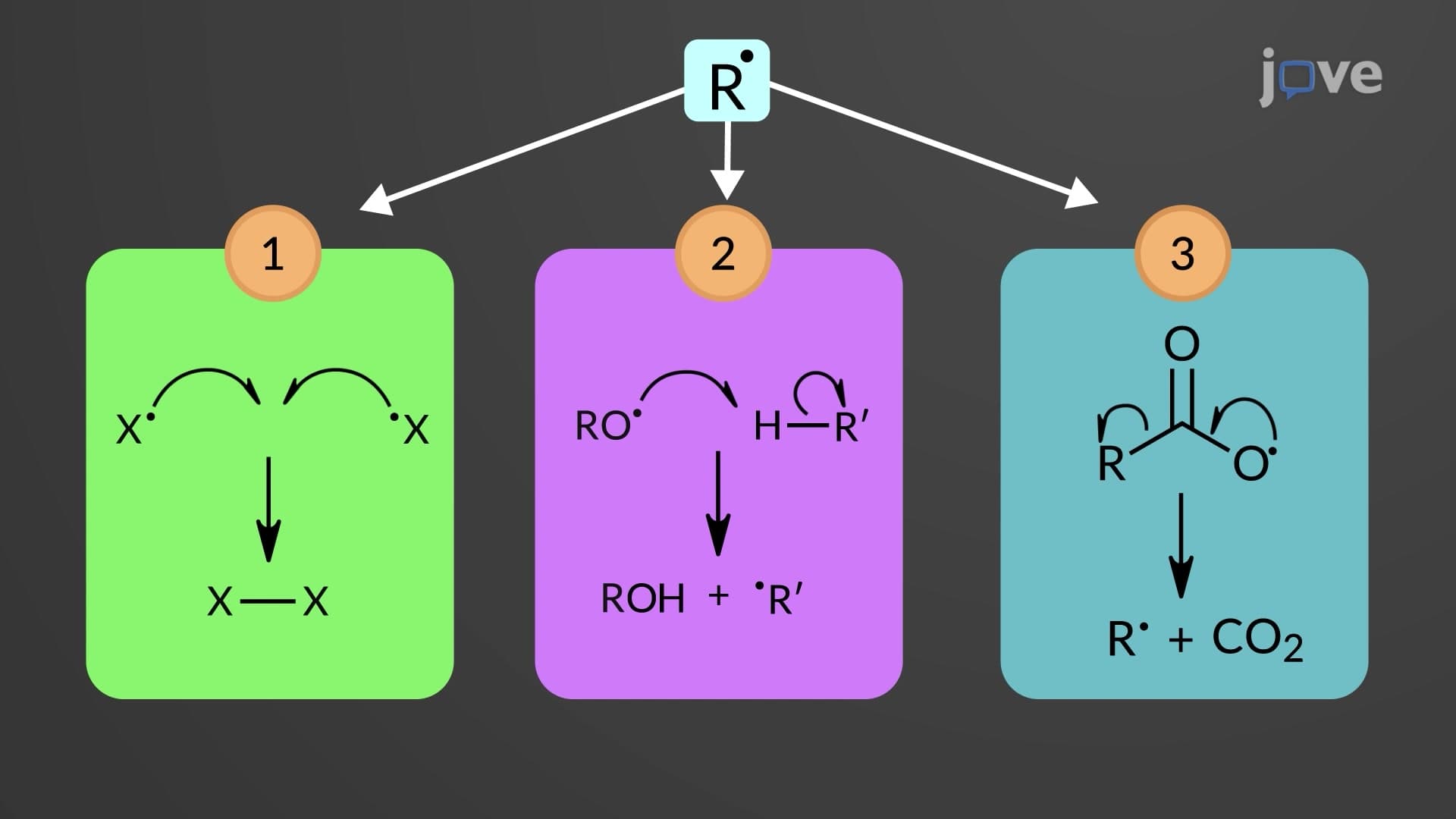
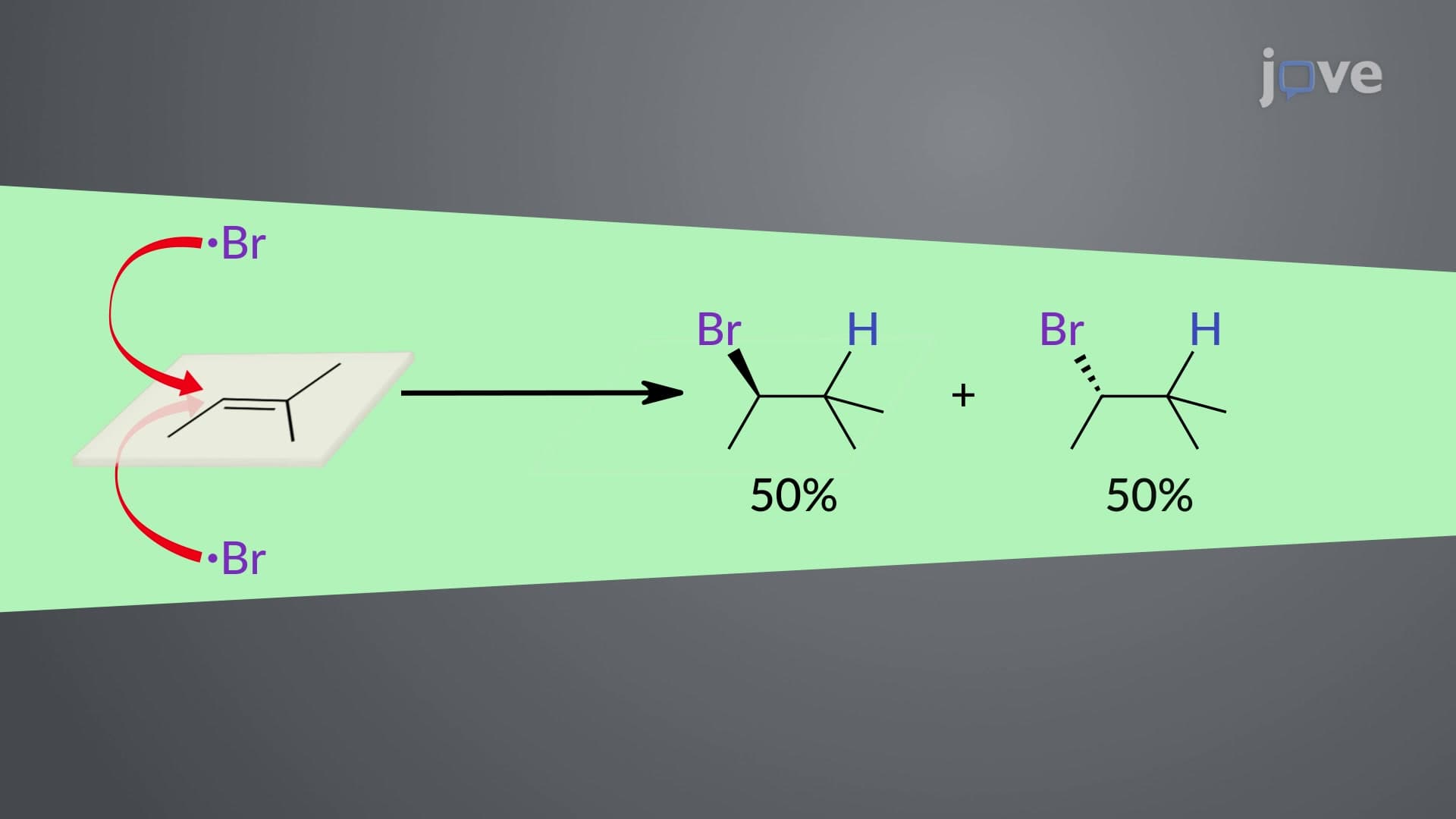
The autoxidation mechanism proceeds through three distinct phases, each with unique chemical characteristics. During initiation, external energy sources-typically light, heat, or trace metal catalysts-abstract hydrogen atoms from organic substrates, generating carbon-centered radicals (R•). These highly reactive intermediates immediately enter the propagation cycle.
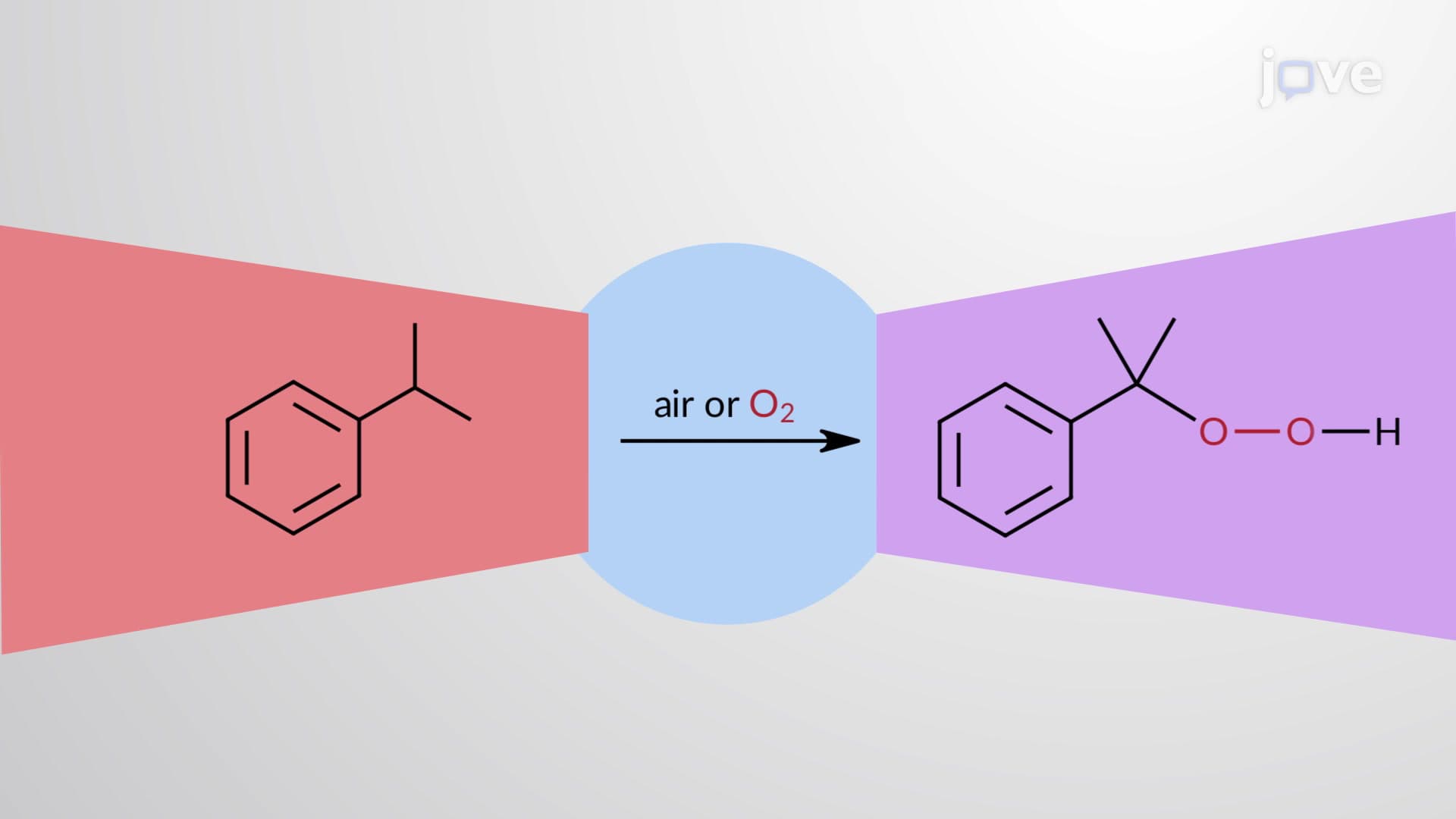
The first propagation step involves rapid coupling between carbon radicals and molecular oxygen, forming peroxy radicals (ROO•). These species are relatively stable but remain reactive enough to abstract hydrogen from additional substrate molecules. This hydrogen abstraction regenerates carbon-centered radicals while producing hydroperoxide products (ROOH), creating a self-sustaining cycle that can continue indefinitely under favorable conditions.
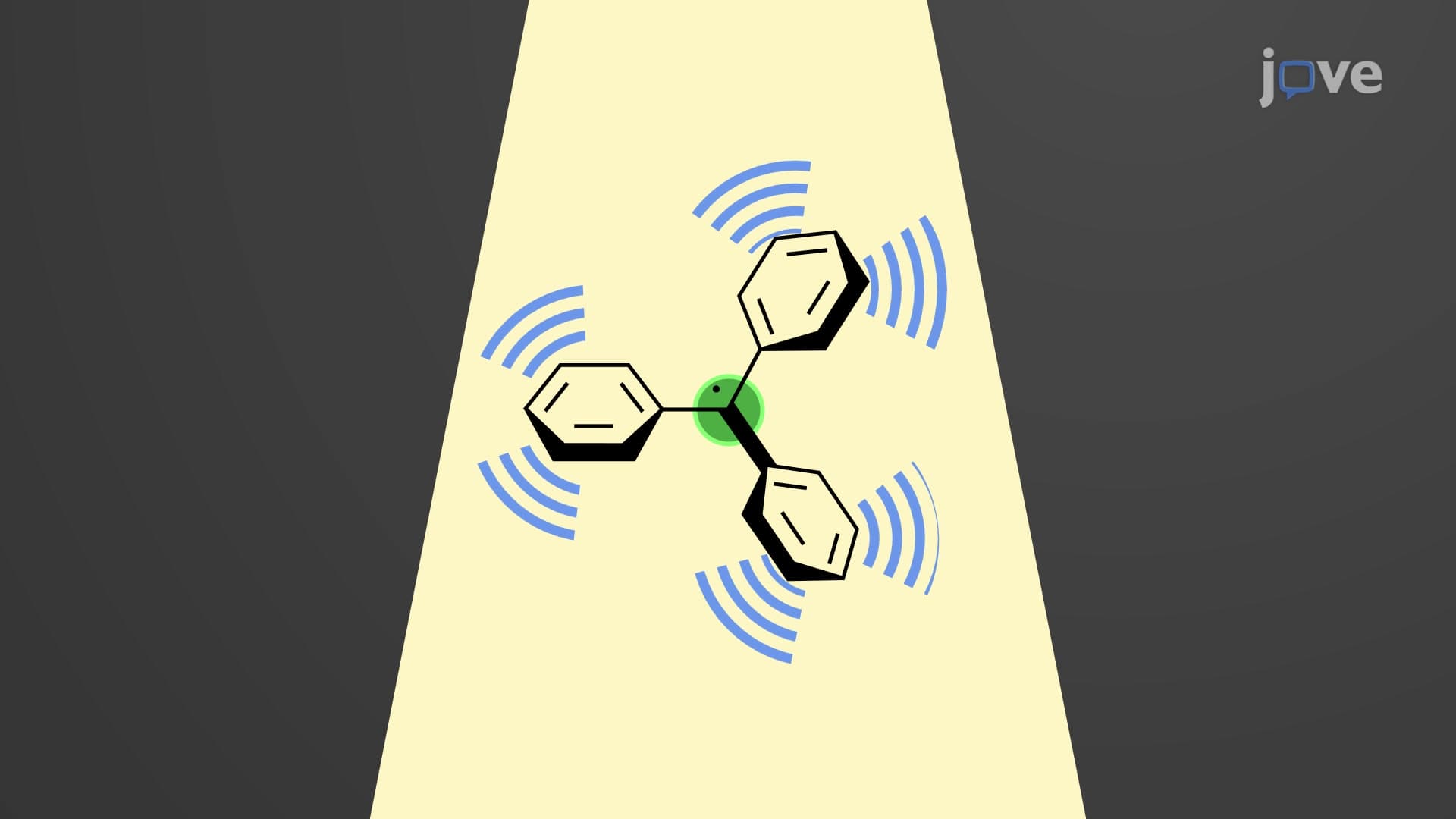
Compounds containing allylic and benzylic hydrogen atoms exhibit enhanced autoxidation rates due to resonance stabilization of resulting radicals. For example, linoleic acid-abundant in soybean and corn oils used throughout American food production-contains bis-allylic methylene groups that readily undergo hydrogen abstraction. This structural vulnerability explains why polyunsaturated fats require antioxidant protection and careful storage conditions.
The pharmaceutical industry recognizes these principles when formulating medications. Companies like Pfizer and Johnson & Johnson routinely package light-sensitive compounds in amber bottles to minimize photoinitiation of autoxidation reactions. Similarly, the aviation fuel industry adds phenolic antioxidants to jet fuel to prevent gum formation during storage.
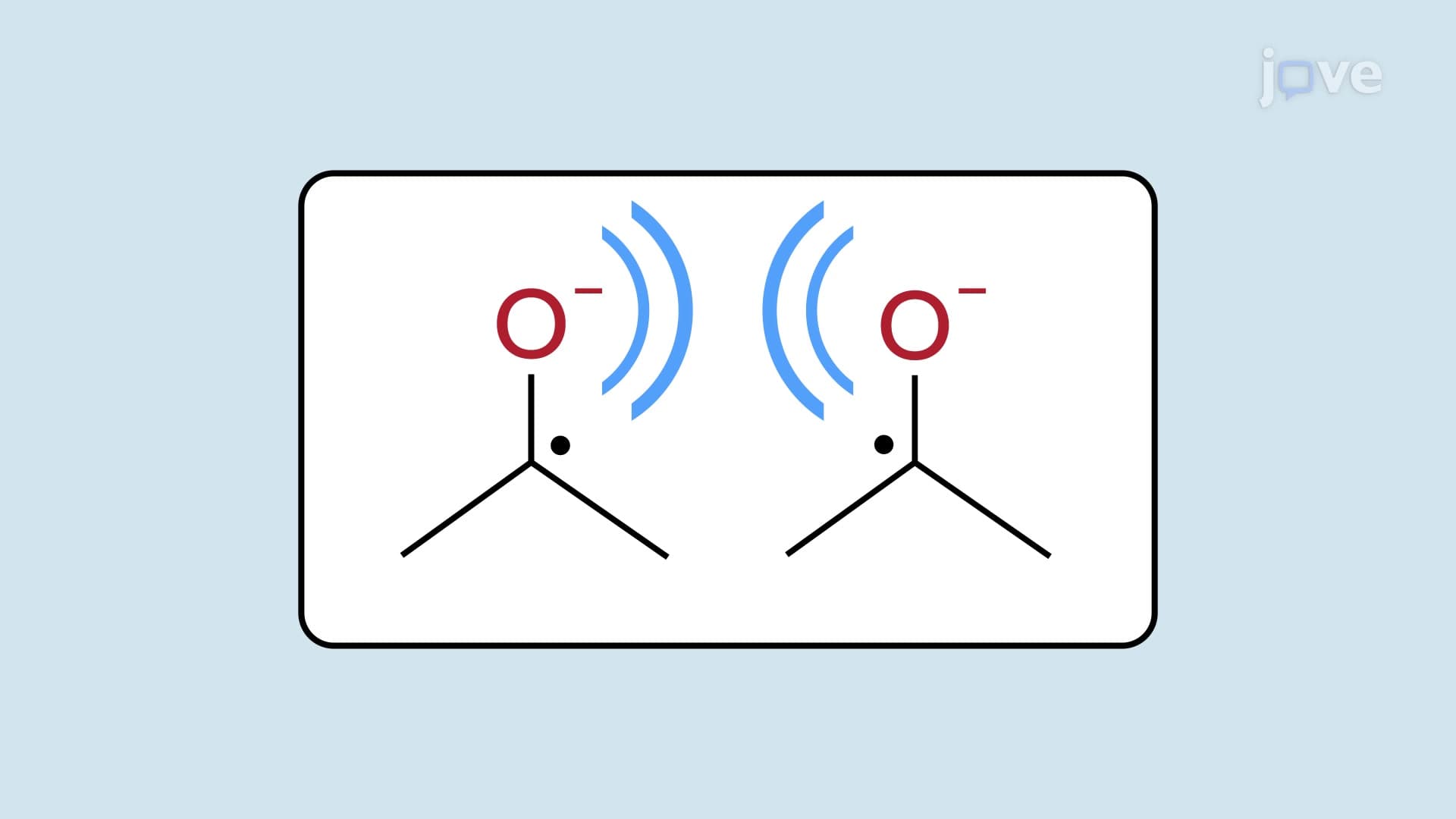
Chain termination occurs through radical-radical coupling reactions, typically involving two carbon-centered radicals combining to form stable, non-radical products. However, natural termination rates are often insufficient to prevent significant oxidative damage, necessitating deliberate intervention strategies.
Students preparing for AP Chemistry or college organic chemistry exams should understand how antioxidants function as radical scavengers, effectively competing with propagation reactions. Compounds like BHT (butylated hydroxytoluene) and vitamin E donate hydrogen atoms more readily than typical substrates, breaking autoxidation chains before extensive damage occurs.
This knowledge proves essential for MCAT preparation, where test-takers encounter questions about lipid peroxidation in biological systems and its role in aging and disease processes.
Related Micro-courses