Loading subject page…


85,200 views


Video Summary: What Is Radical Formation
Every time you see a flame or witness the breakdown of ozone in our atmosphere, radical formation is happening at the molecular level. This fundamental chemistry process explains how spin-paired molecules transform into highly reactive species through specific mechanisms. Consider the combustion reactions powering cars across American highways-these depend entirely on understanding what is radical formation and its underlying pathways. Watch the full video on JoVE Coach to master this concept with expert-led visuals and step-by-step explanations.
What is radical formation represents one of chemistry's most important mechanistic concepts, describing how molecules with unpaired electrons arise from stable, spin-paired compounds or transform from existing radicals. This process underlies countless reactions students encounter in AP Chemistry, organic chemistry courses, and MCAT preparation.
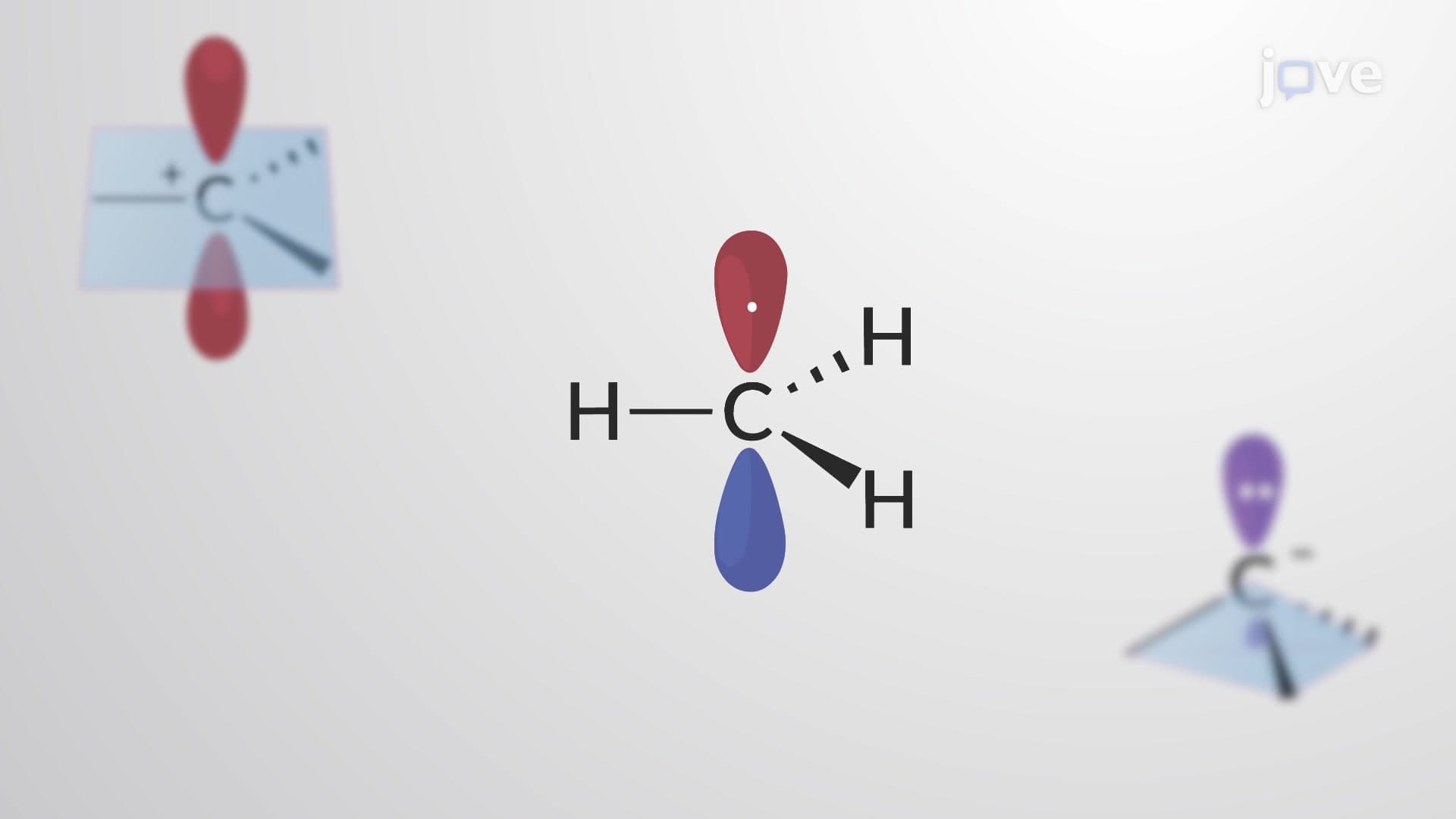
Radicals-molecules containing unpaired electrons-exhibit extraordinary reactivity due to their electron configuration. Understanding their formation mechanisms provides insight into everything from petroleum refining at Texas oil refineries to the atmospheric chemistry protecting us from harmful UV radiation.
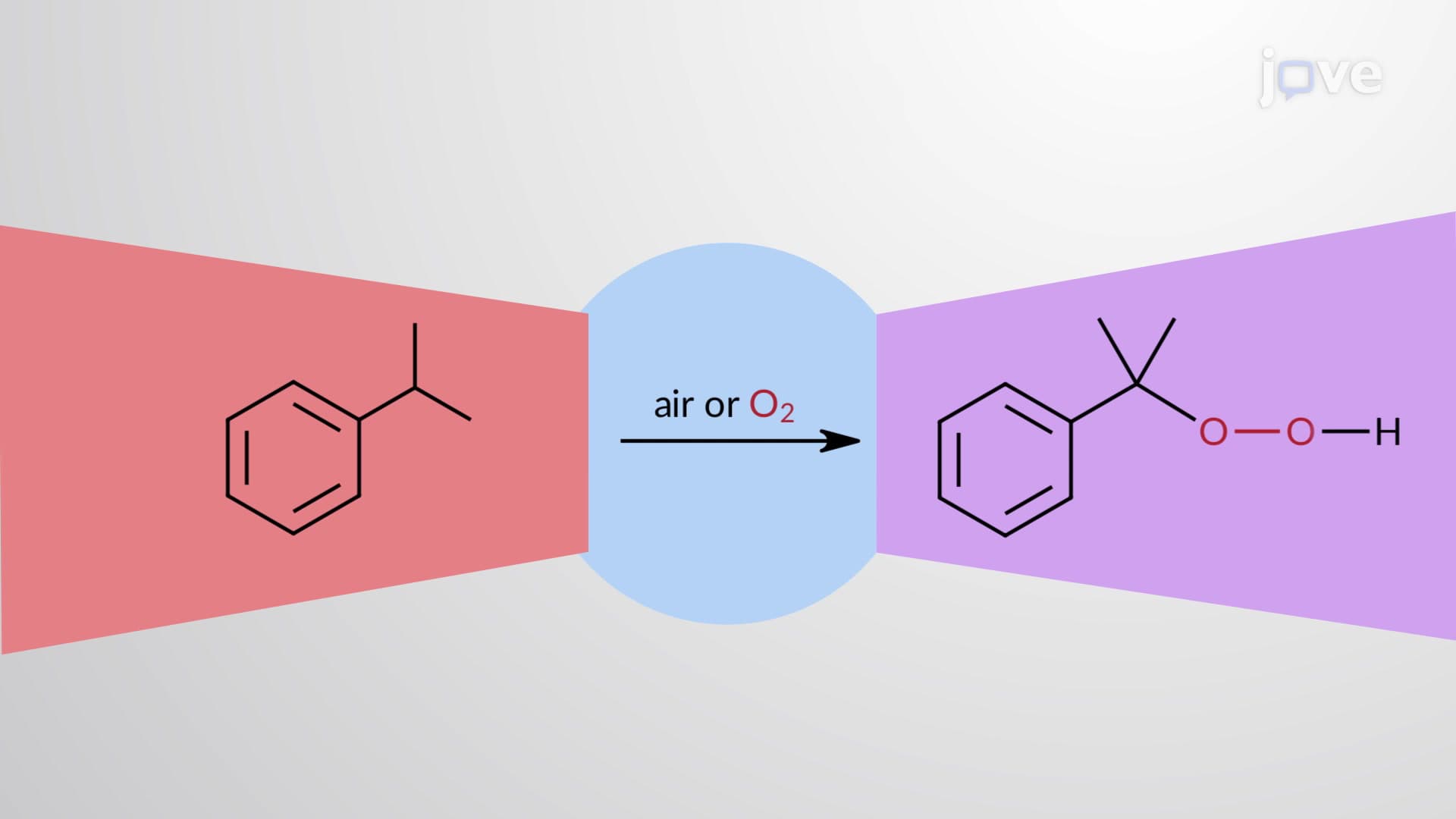
Two primary mechanisms generate radicals from stable molecules. Homolysis involves the symmetric breaking of covalent bonds, where each atom retains one electron from the shared pair. This process powers the initiation step in combustion engines across American automotive manufacturing, where heat breaks C-H and O-O bonds to create reactive species.
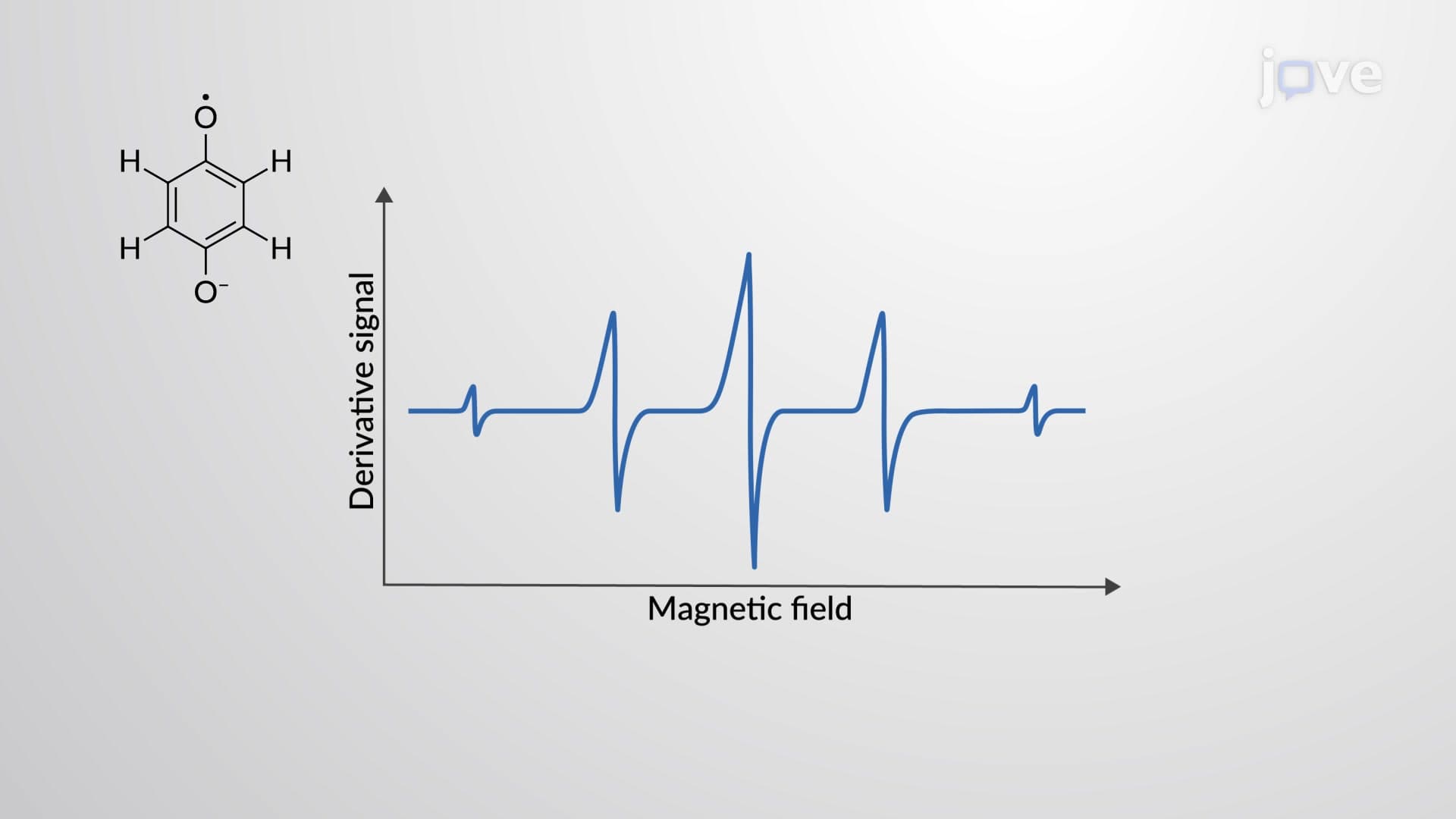
Electron transfer or reduction represents the second pathway, where molecules gain or lose electrons through interactions with metals or other electron donors/acceptors. This mechanism proves crucial in biochemical processes occurring in pharmaceutical research facilities throughout California's biotech corridor.
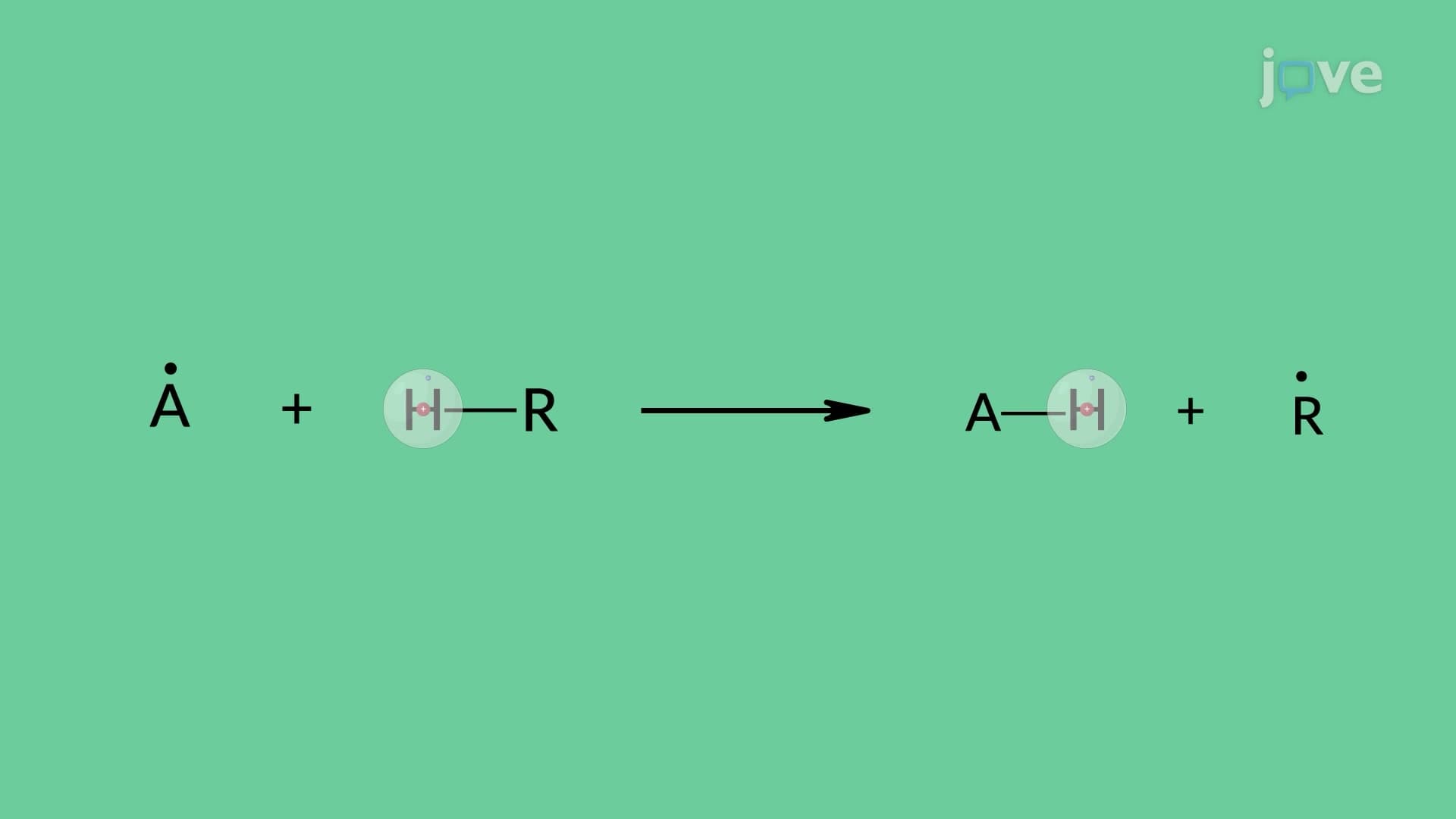
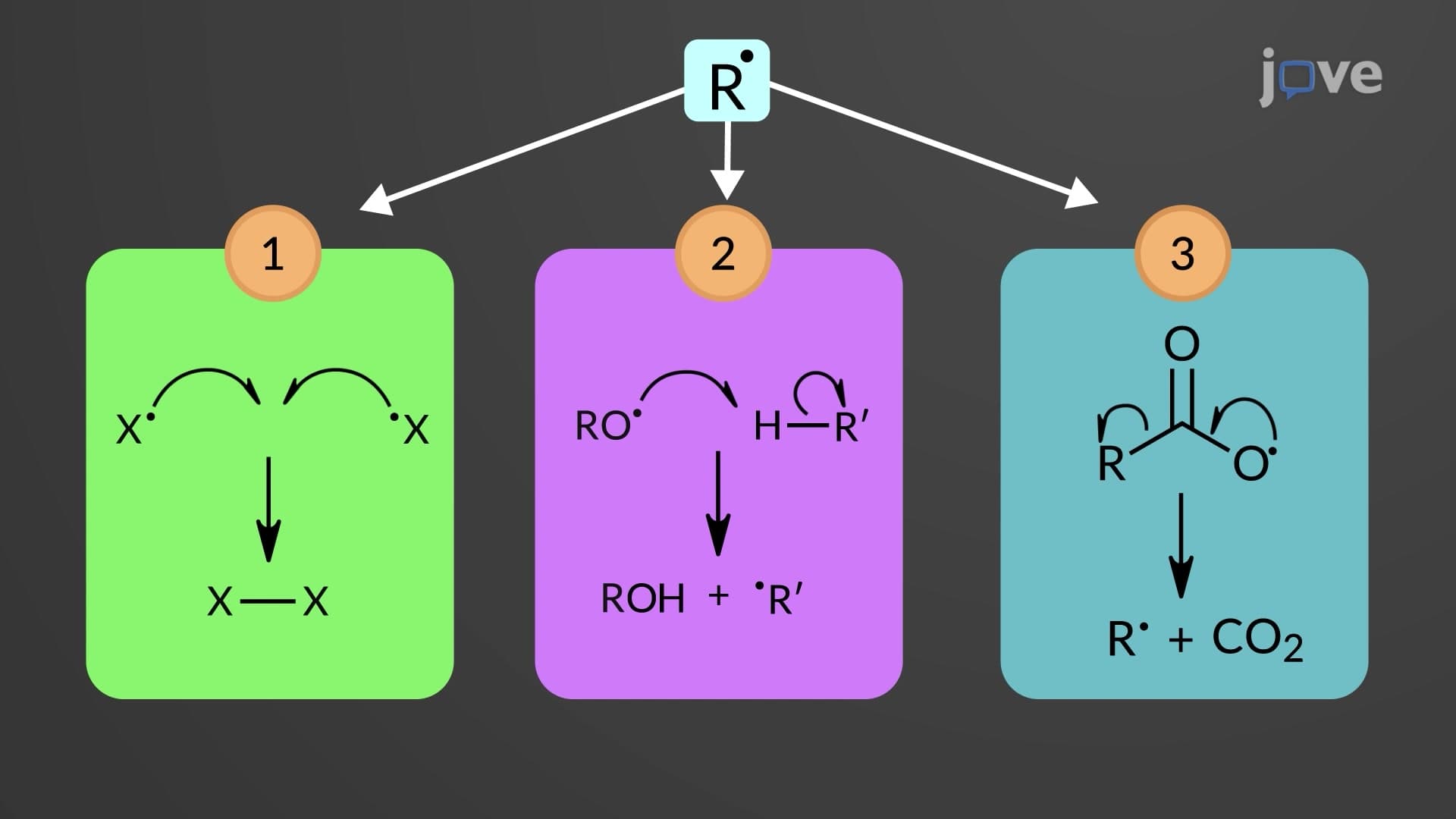
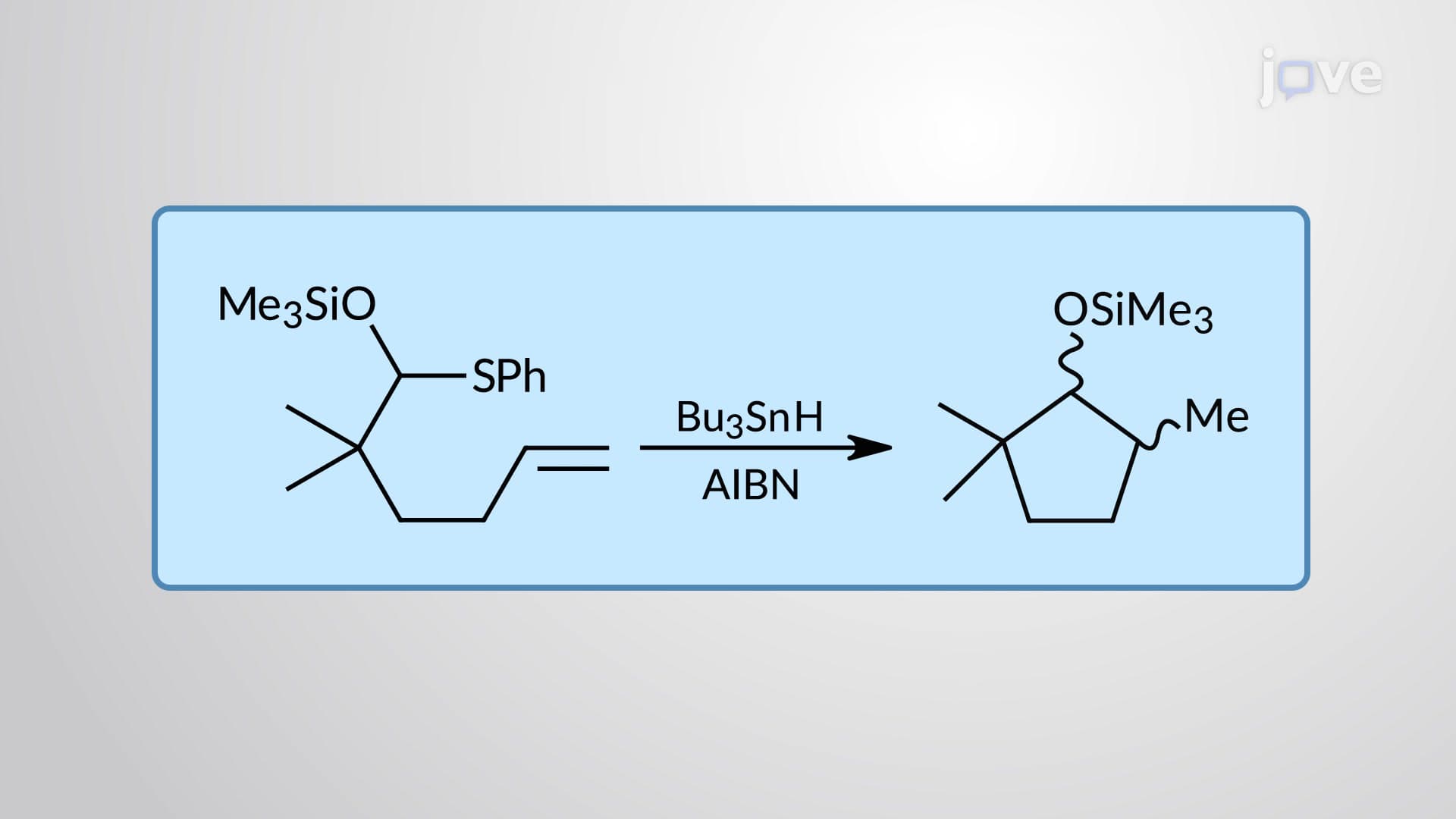
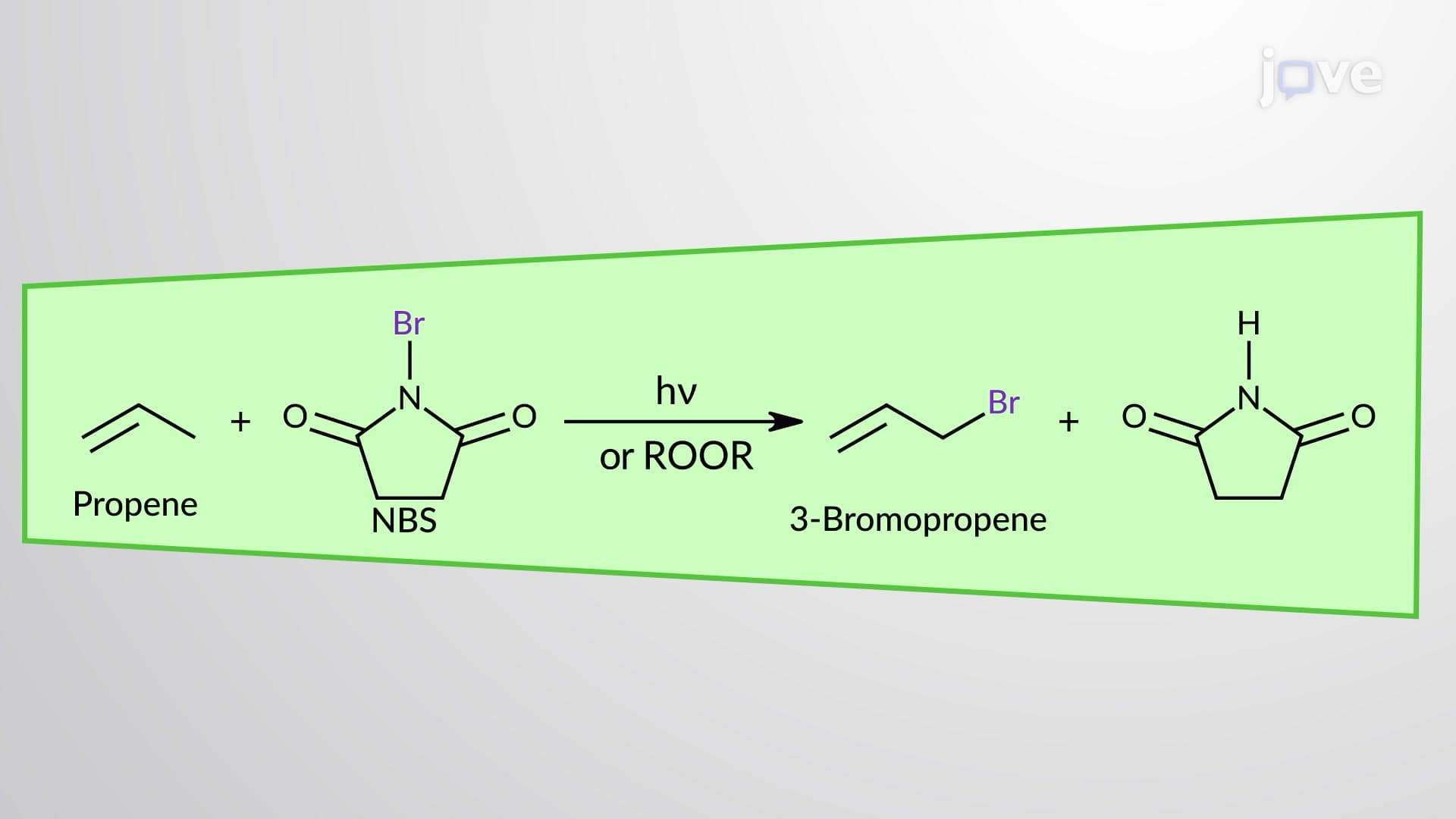
Three distinct methods create new radicals from existing ones, each following specific patterns that appear regularly on college organic chemistry exams. Substitution or abstraction occurs when a radical removes an atom (typically hydrogen) from a spin-paired molecule, simultaneously creating a new radical while forming a stable product.
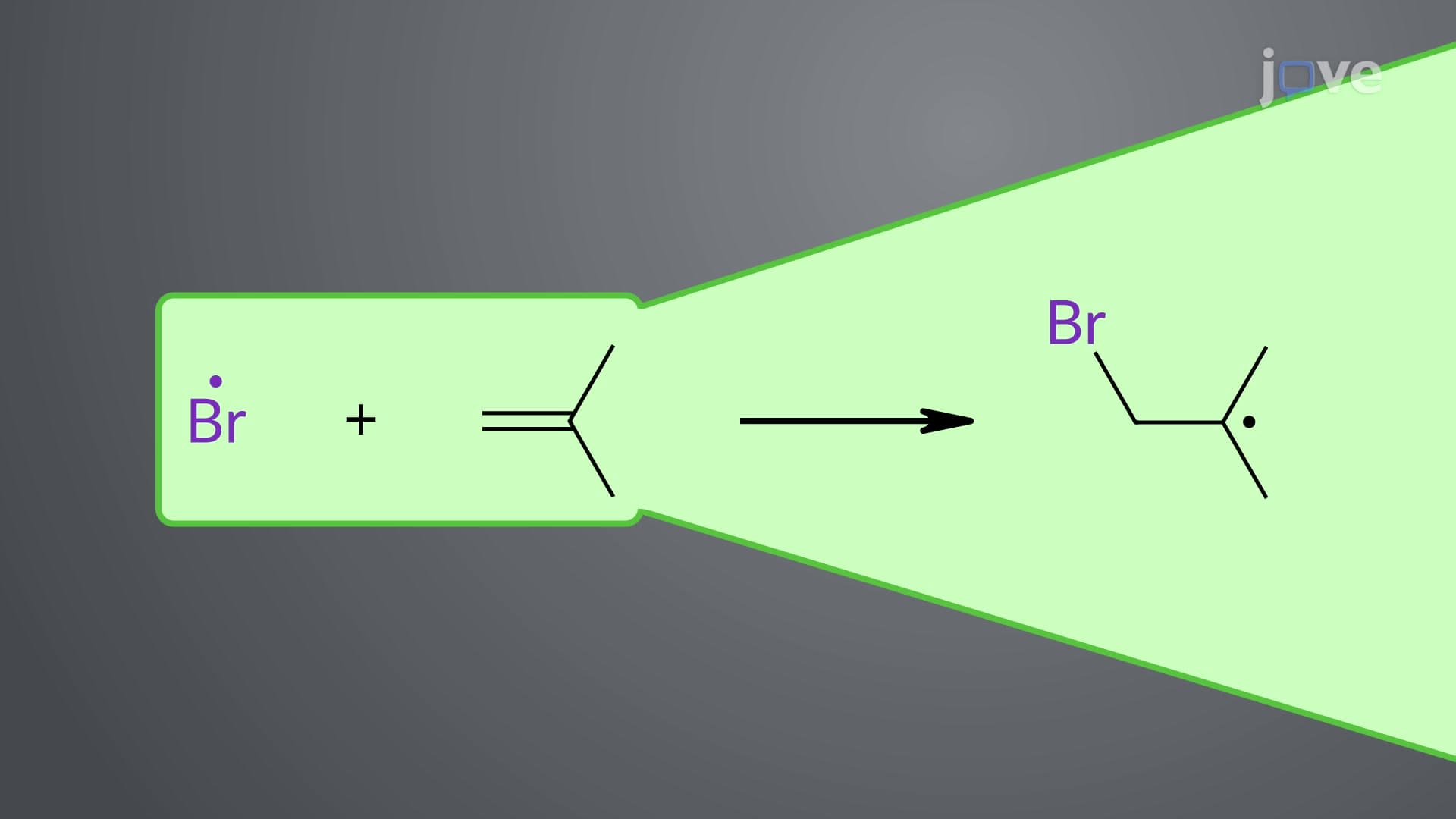
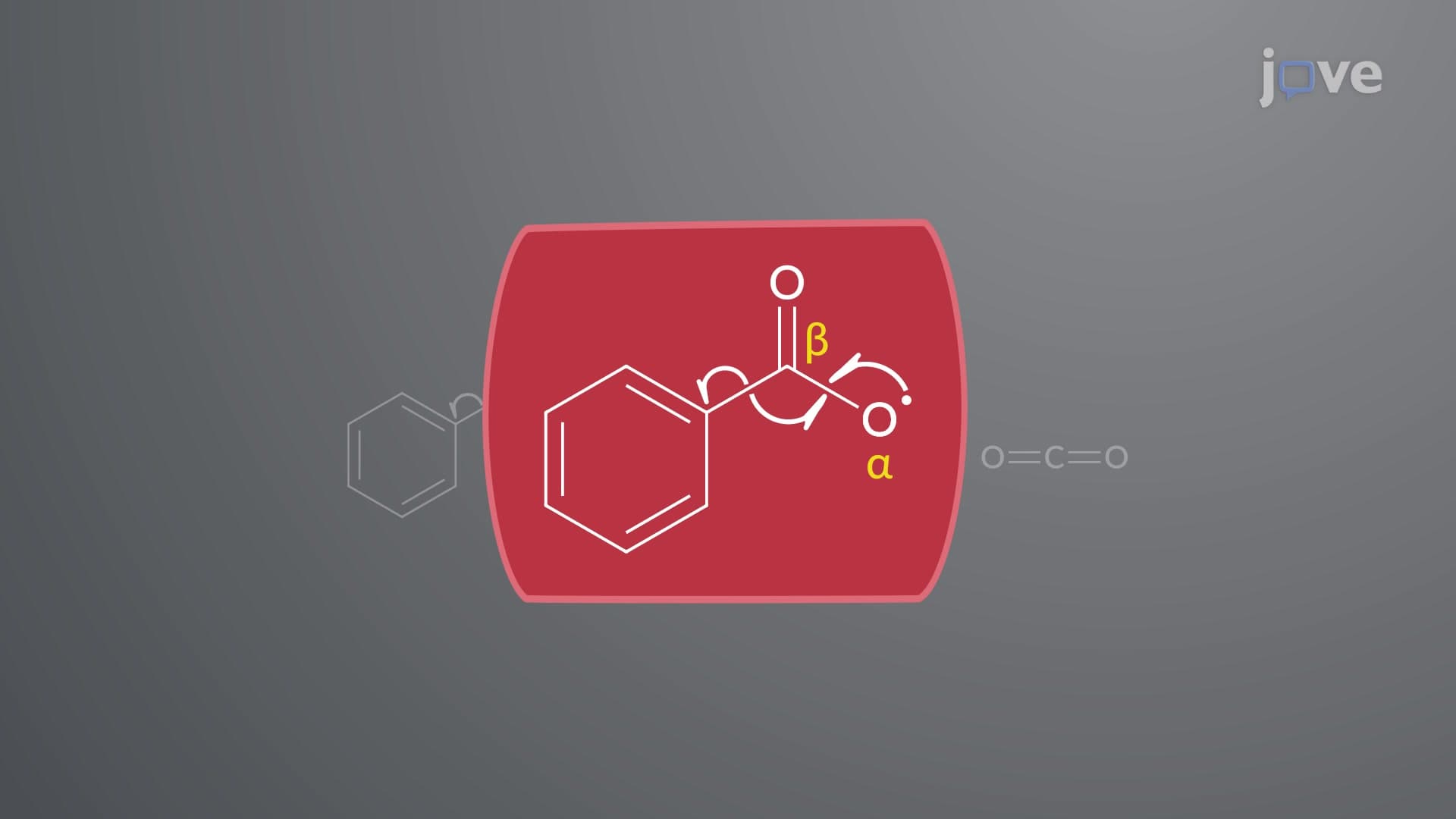
Addition reactions involve radicals combining with alkenes to generate new radical species, a process fundamental to polymerization reactions in chemical plants across the Gulf Coast. Finally, elimination reactions-the reverse of addition-break bonds to produce both stable molecules and new radicals, maintaining the overall radical character of the reaction system.
Students preparing for the MCAT encounter radical formation in biochemistry contexts, particularly in understanding antioxidant mechanisms and cellular damage processes. AP Chemistry students apply these concepts when studying reaction mechanisms and energy changes. College organic chemistry courses extensively cover these pathways as foundation knowledge for advanced synthesis and reaction prediction problems.
Related Micro-courses