Loading subject page…


85,200 views

Video Summary: What Is Radical Formation Abstraction
Did you know that the same chemical process that causes food to spoil also powers the polymer production in major US chemical plants like DuPont facilities? Radical formation abstraction occurs when a reactive radical species removes an atom from a stable molecule, creating a brand new radical in the process. This fundamental mechanism drives everything from industrial polymerization reactions to the oxidative damage in our cells. Watch the full video on JoVE Coach to master this concept with expert-led visuals and step-by-step explanations.
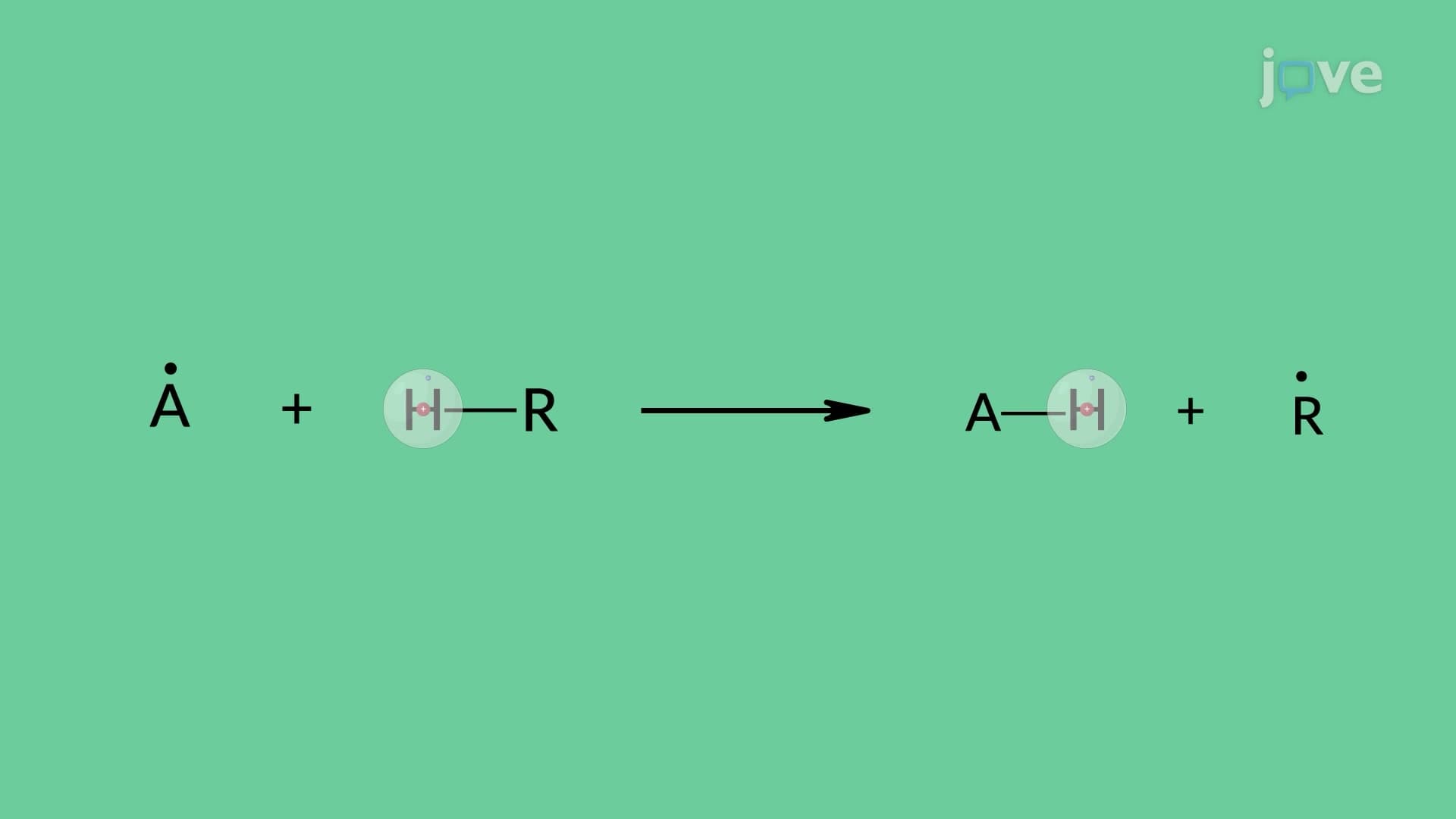
Radical formation abstraction represents a critical mechanism in organic chemistry where an existing radical species removes an atom from a stable molecule, simultaneously creating a new radical. Unlike ionic reactions that involve complete electron transfer, radical abstraction involves the movement of single electrons along with the abstracted atom.
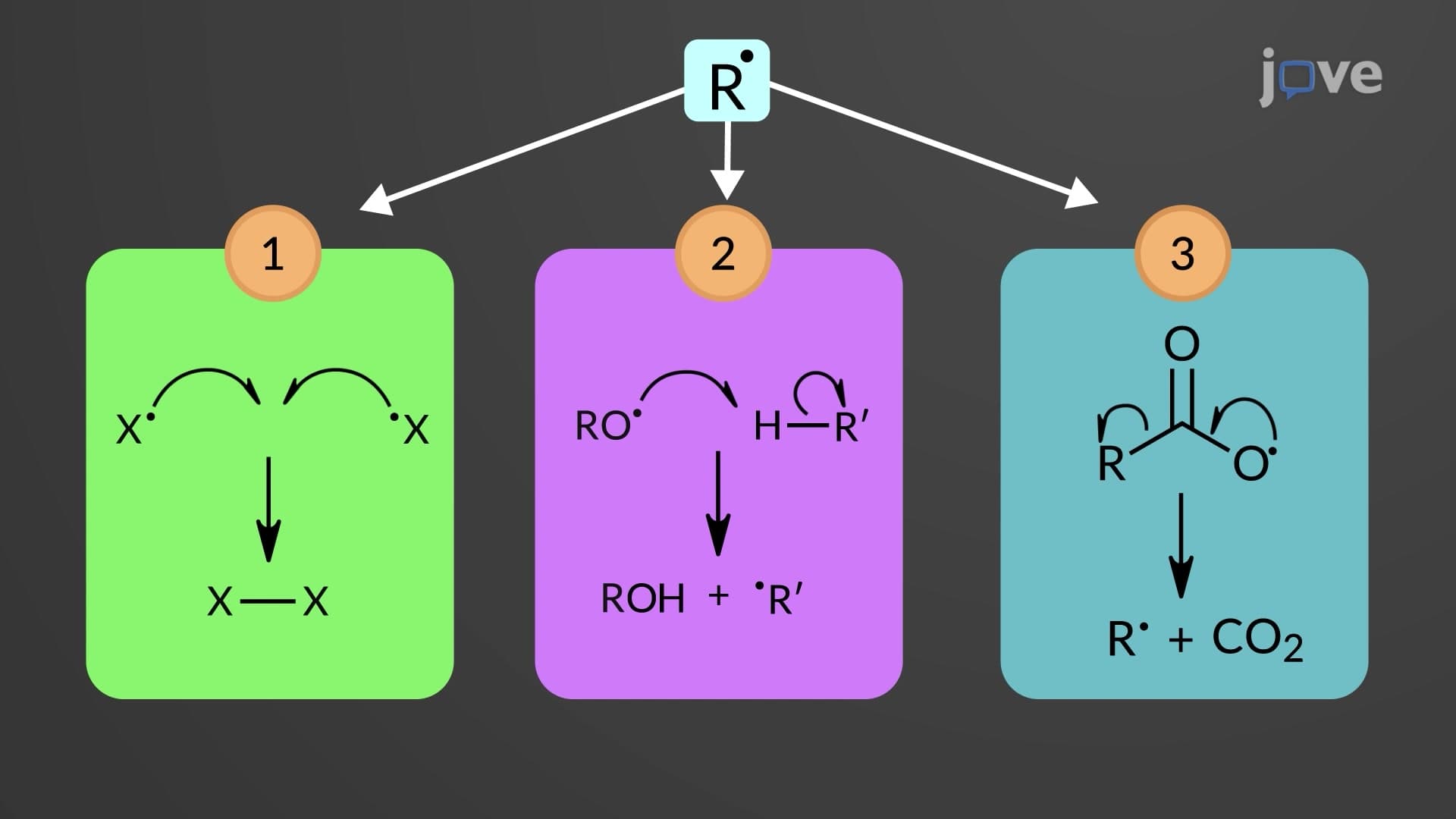
The process follows a specific pattern: R• + H-X → R-H + X•, where R• is the initial radical, H-X is the target molecule, and X• is the newly formed radical. This mechanism is fundamental to understanding chain reactions that occur in everything from the production of polyethylene at ExxonMobil refineries to the degradation of vitamin C in food processing.
Hydrogen abstraction dominates radical chemistry due to the relatively weak C-H bonds in organic molecules. When a radical abstracts a hydrogen atom, both the proton and its associated electron move together-a crucial distinction from ionic proton transfer where only the nucleus relocates.
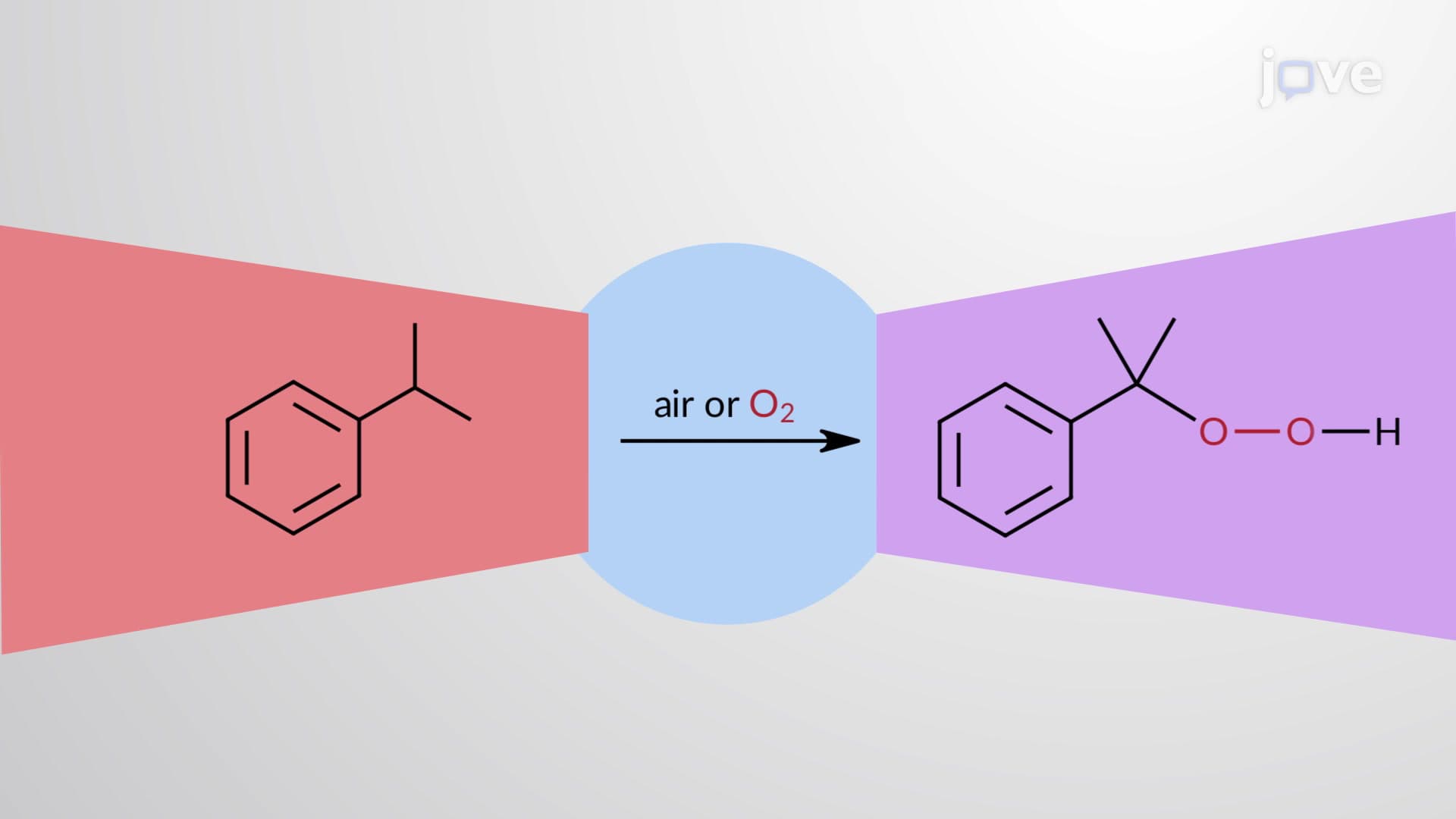
This process is highly selective based on bond strength. Tertiary C-H bonds (around 91 kcal/mol) are more easily abstracted than primary C-H bonds (around 98 kcal/mol), explaining why radical chlorination of isobutane preferentially occurs at the tertiary carbon. Students preparing for the MCAT or AP Chemistry exams should memorize that weaker bonds lead to more favorable abstraction sites.
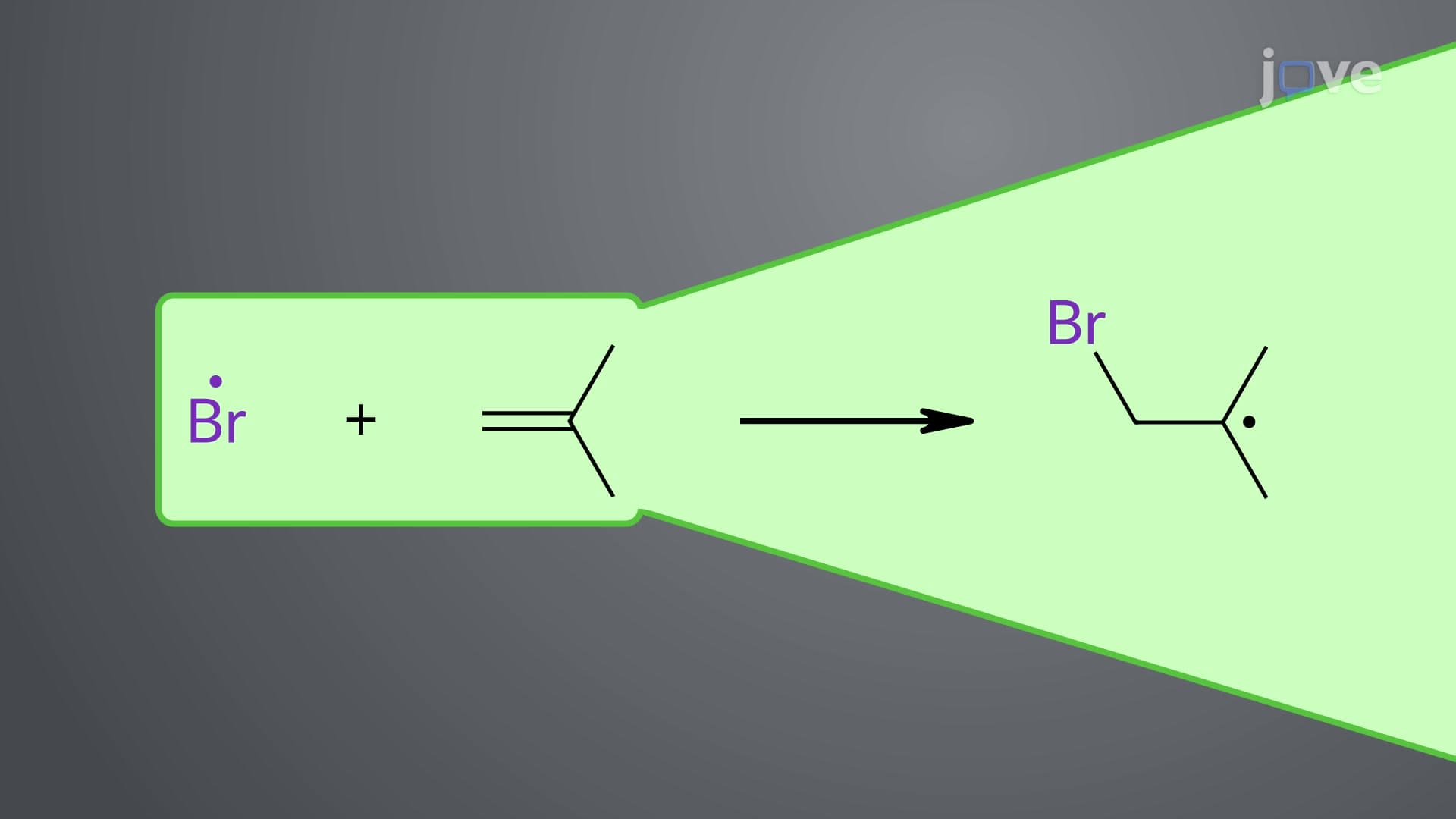
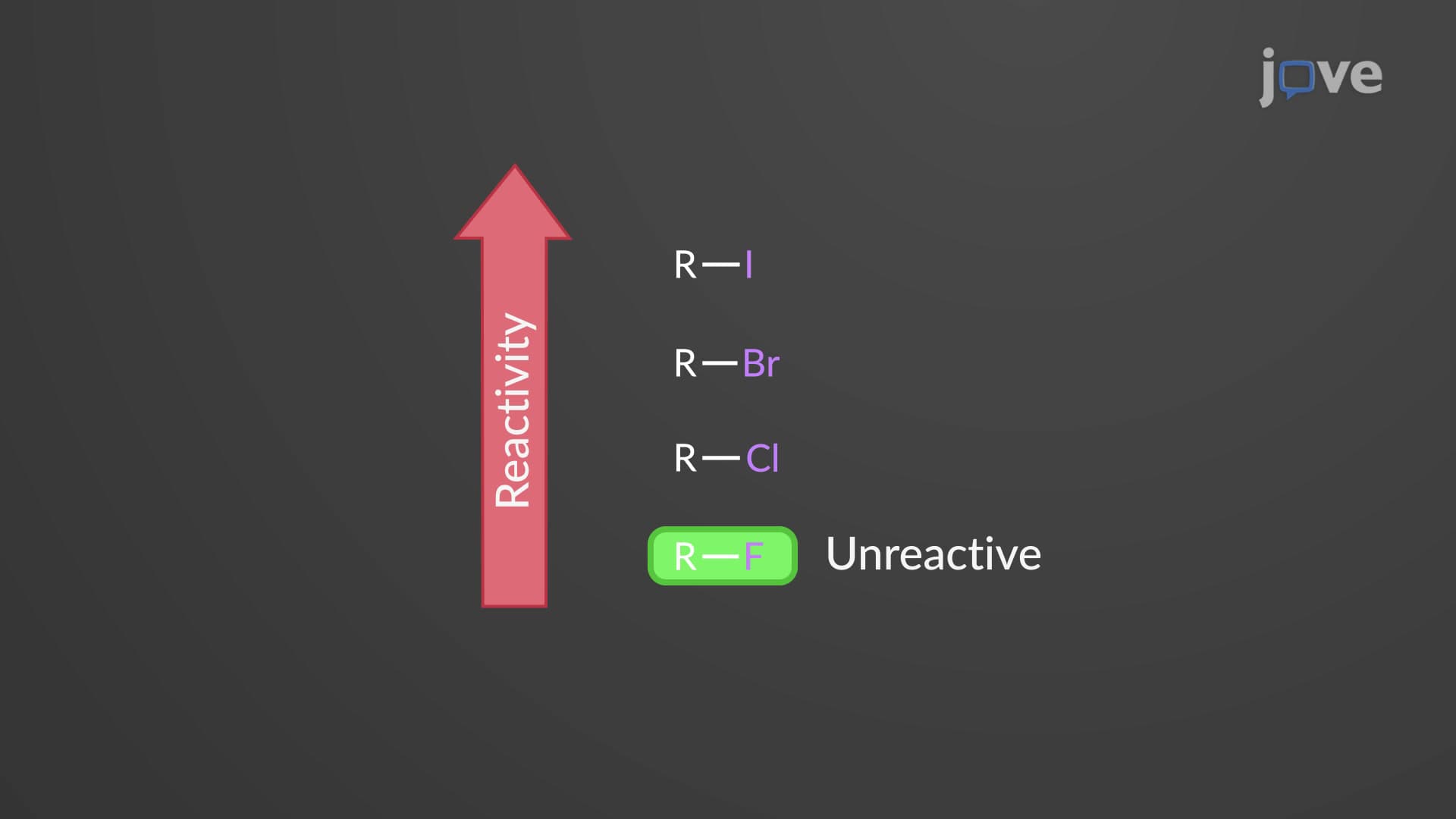
Beyond hydrogen, radicals can abstract halogen atoms, particularly bromine and iodine, which form weaker bonds with carbon. The bromine abstraction mechanism R• + C-Br → R-Br + C• is less common but appears in specialized synthetic applications and some industrial processes.
The thermodynamics of these reactions depend on the bond dissociation energies involved. Students should practice calculating reaction enthalpies using BDE tables-a skill frequently tested on college organic chemistry midterms and the MCAT.
Radical formation abstraction drives many processes crucial to US industries. In petroleum refining, hydrogen abstraction initiates the cracking of long hydrocarbon chains. In the pharmaceutical industry, companies like Pfizer must consider radical abstraction when designing drug synthesis routes to avoid unwanted side reactions.
For exam success, focus on mechanism arrows showing single-electron movement (fishhook arrows) rather than the curved arrows used for ionic mechanisms. Practice identifying abstraction sites based on bond strength trends and steric accessibility.
Related Micro-courses