Loading subject page…


85,200 views

Video Summary: What Is Radical Formation Addition
Ever wonder how pharmaceutical companies create life-saving drugs like aspirin through precise chemical reactions? Radical formation addition occurs when a radical species adds across a spin-paired bond, creating a new radical center while conserving electron spin-much like how energy is conserved in physics. This fundamental mechanism drives countless industrial processes, from polymer manufacturing at companies like DuPont to drug synthesis at major US pharmaceutical labs. Watch the full video on JoVE Coach to master this concept with expert-led visuals and step-by-step explanations.
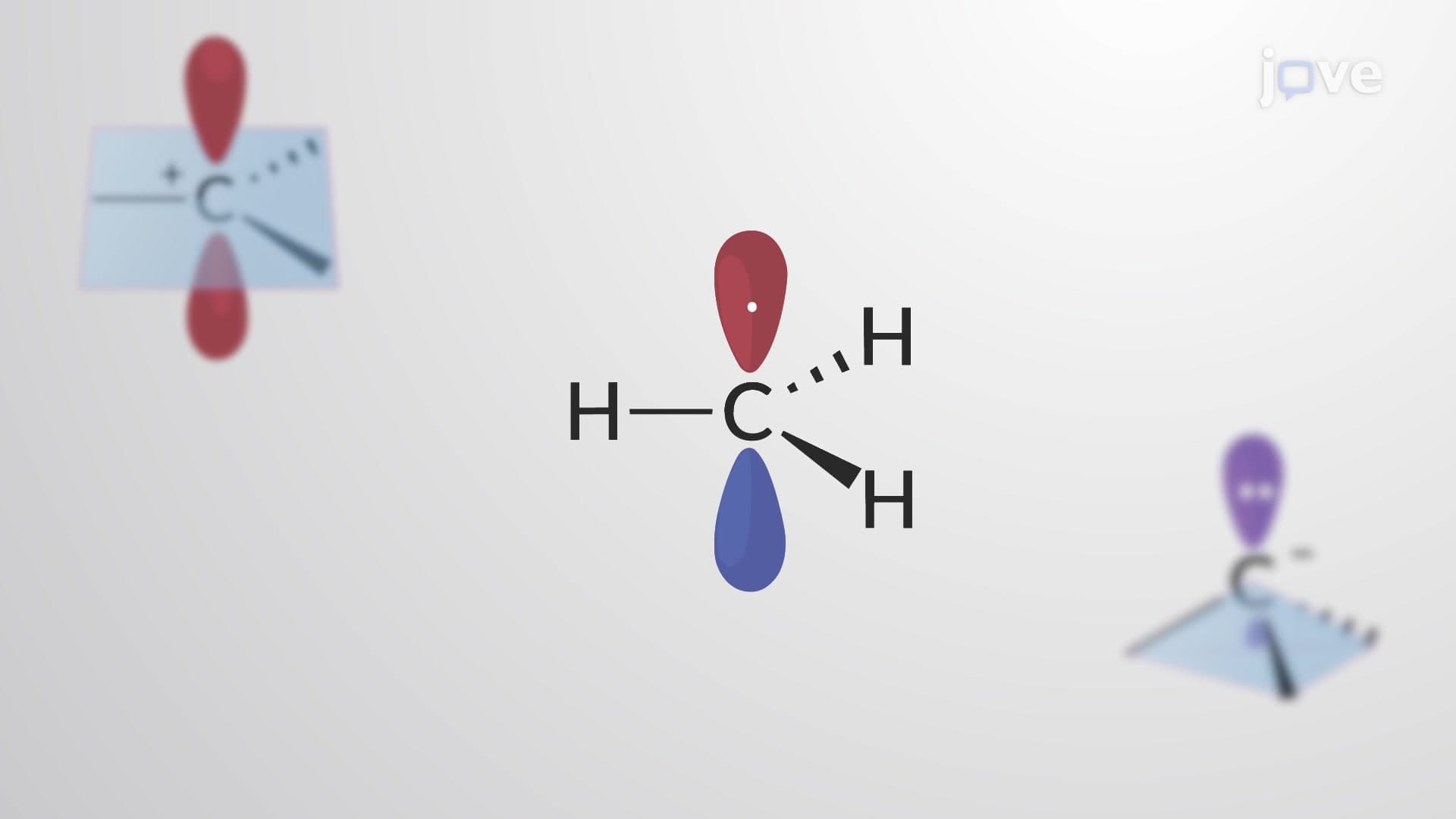
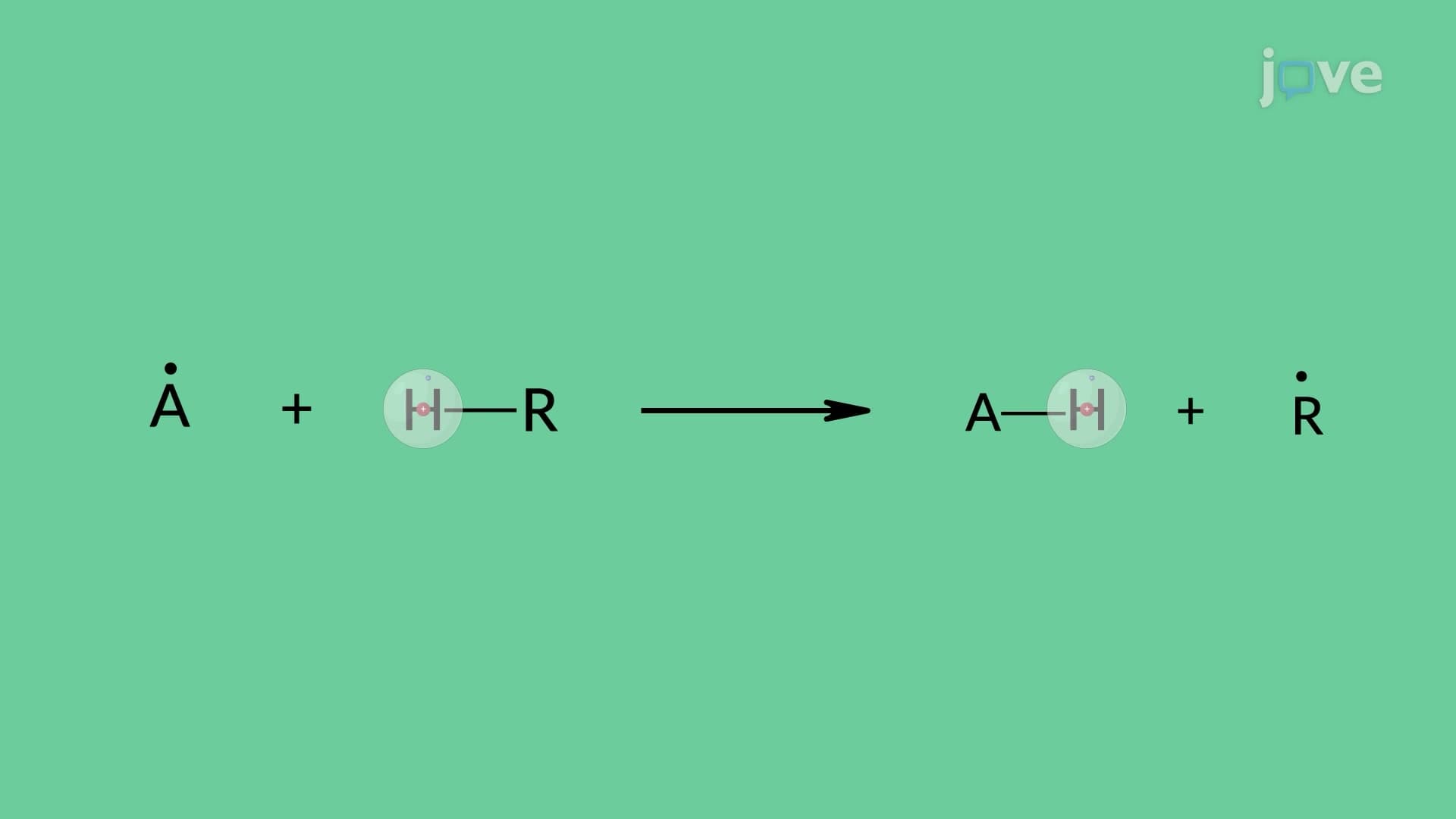
What is radical formation addition? This essential organic chemistry process involves the addition of a radical species across a spin-paired chemical bond, resulting in the formation of a new radical center. Unlike traditional addition reactions that involve complete electron pair transfers, radical formation addition maintains the unpaired electron character throughout the transformation, following the fundamental principle of spin conservation.
The mechanism underlying radical formation addition operates on spin conservation-a concept as fundamental to chemistry as charge conservation. When a reactant contains an unpaired electron, the product must also maintain an unpaired electron. This principle governs how reactions proceed and helps predict products in complex organic syntheses studied in AP Chemistry and college-level organic chemistry courses.
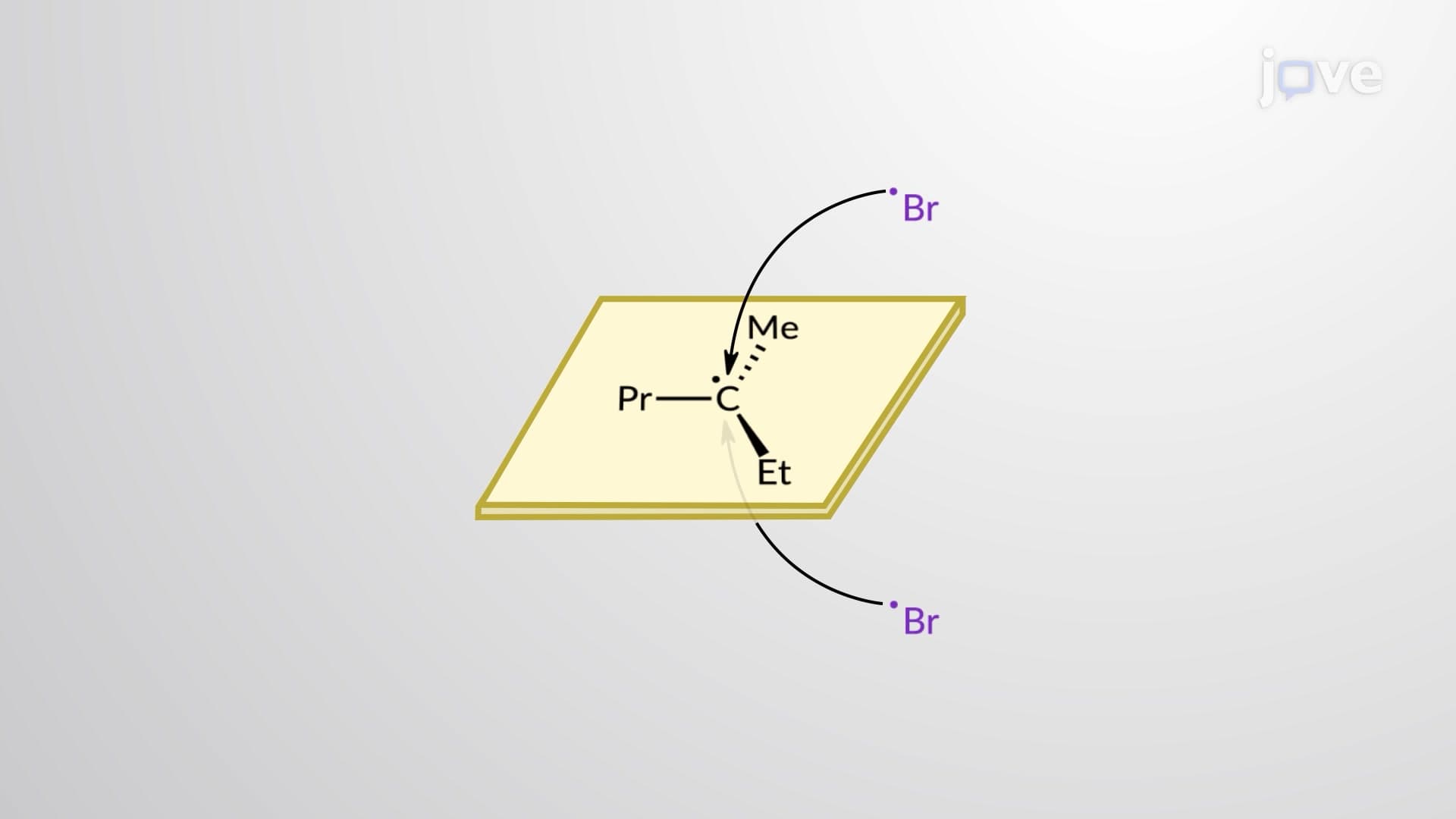
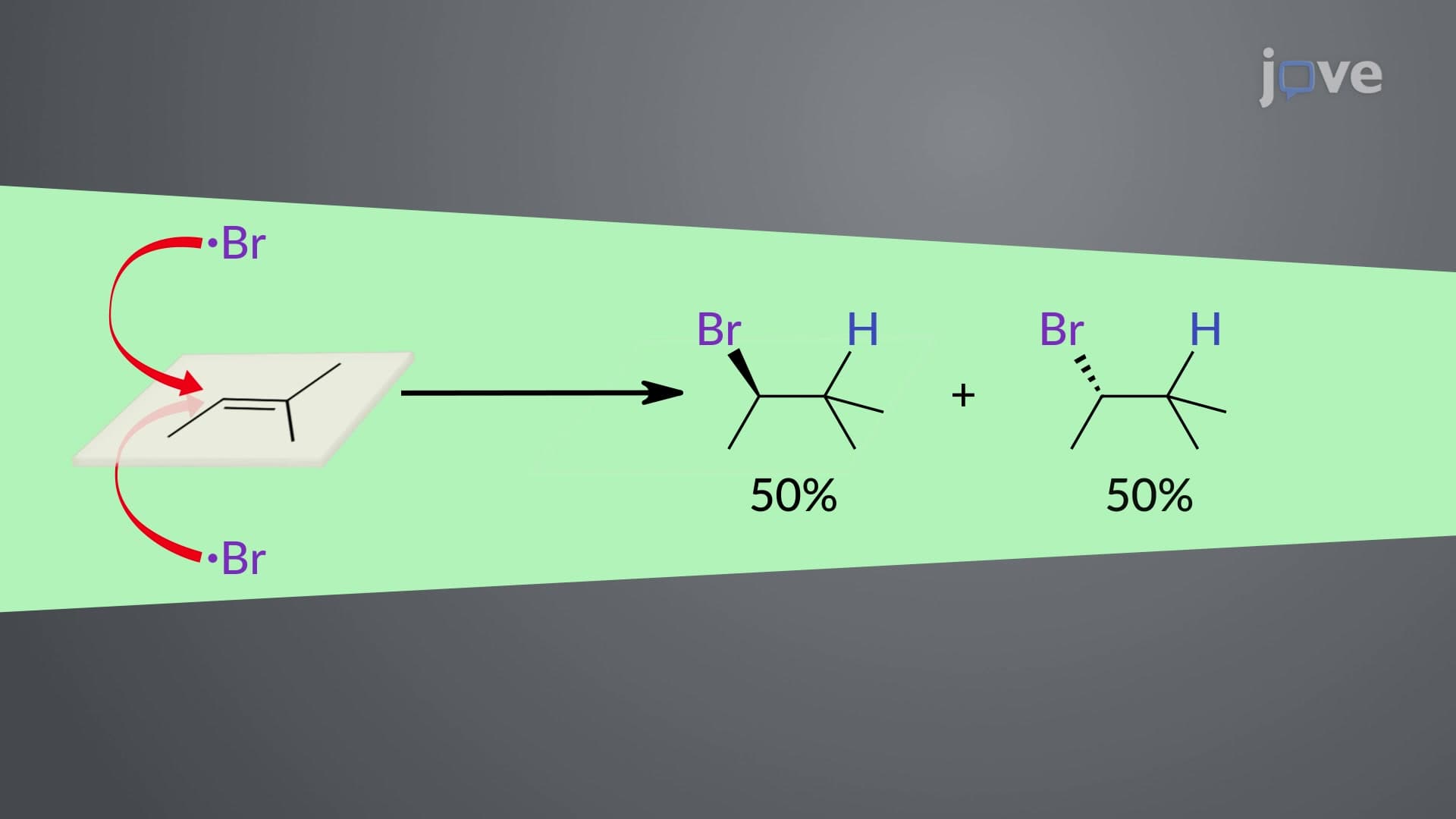
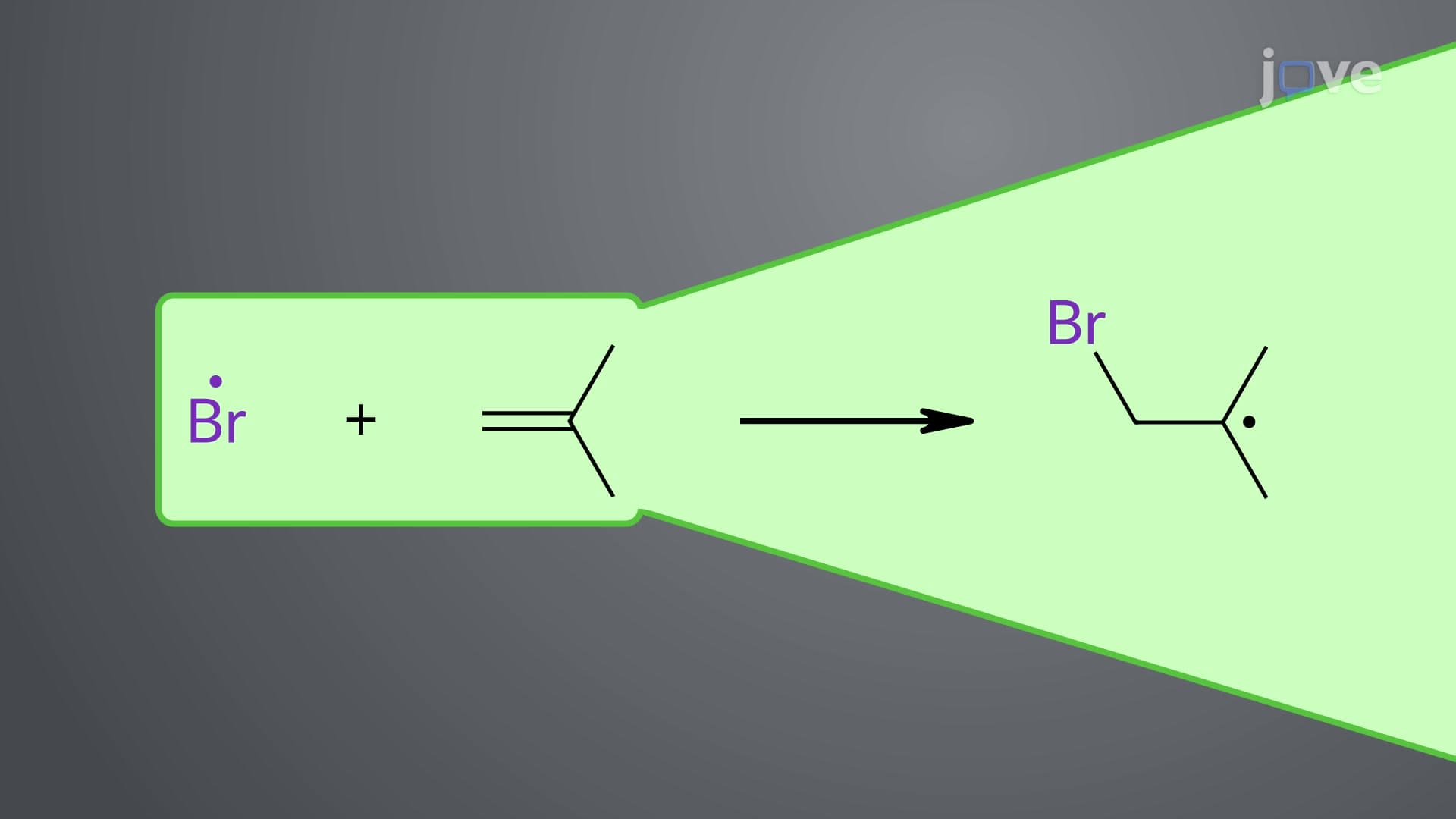
Consider the classic example of bromine radical addition to alkenes. When a bromine radical (Br•) encounters an alkene's double bond, it forms a new C-Br bond while simultaneously creating a carbon-centered radical. This process is crucial in understanding halogenation mechanisms frequently tested on the MCAT and advanced placement exams.
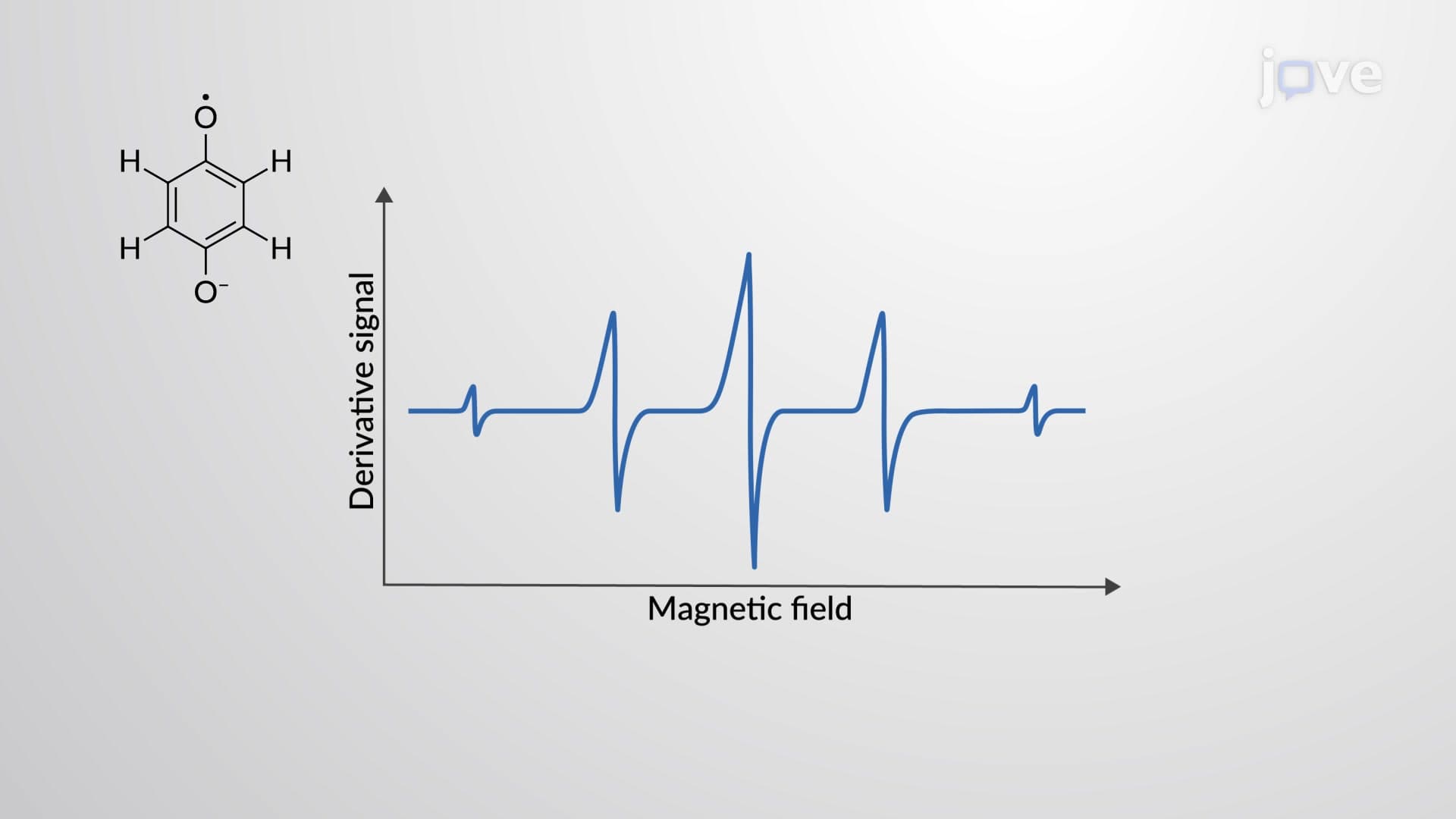
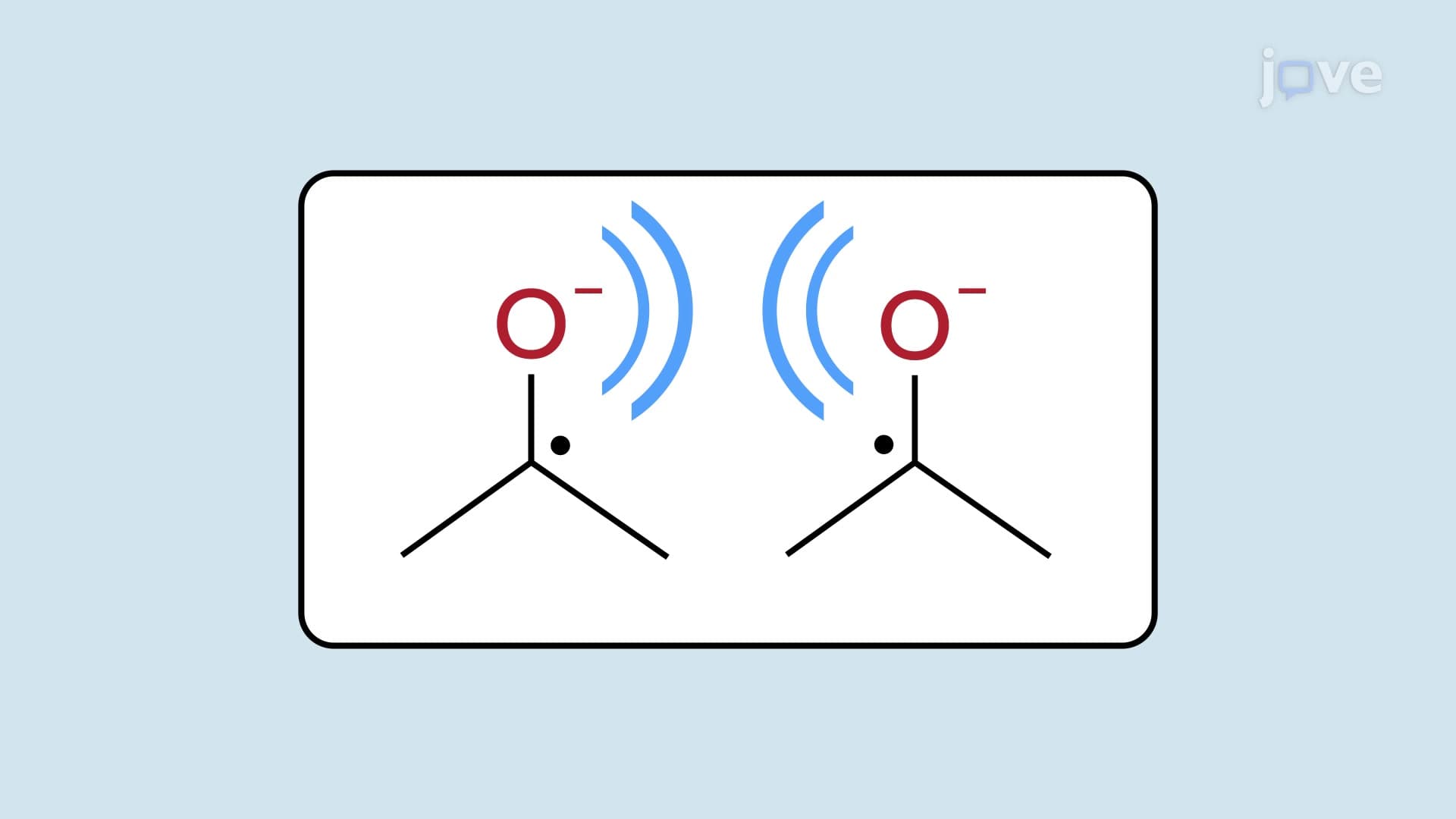
The simplest manifestation of radical formation addition appears in reduction processes, where electrons are added to spin-paired molecules. The Birch reduction exemplifies this concept beautifully-metals like sodium or lithium in liquid ammonia serve as electron sources, generating solvated electrons that interact with organic substrates such as ketones to form ketyl radicals.
This reduction mechanism finds extensive application in pharmaceutical synthesis. Major US drug manufacturers utilize modified Birch reduction conditions to create complex molecular frameworks for medications treating everything from cardiovascular disease to cancer.
Understanding radical formation addition proves essential for success in undergraduate organic chemistry sequences, particularly when tackling mechanism problems on midterm and final examinations. Students at institutions like MIT, Stanford, and UC Berkeley regularly encounter these concepts in problem sets requiring mechanistic explanations and product predictions.
The concept also appears prominently in standardized testing, including MCAT organic chemistry sections where test-takers must demonstrate understanding of radical mechanisms and their applications in biological systems.
Related Micro-courses