Loading subject page…


85,200 views

Video Summary: What Is Radical Halogenation Stereochemistry
Ever wondered why pharmaceutical companies must carefully control chemical reactions to avoid producing mirror-image molecules that could be harmful? Radical halogenation stereochemistry determines whether reactions create equal amounts of mirror-image products (racemic mixtures) or unequal amounts (diastereomers). For instance, when manufacturing certain medications like ibuprofen, understanding what is radical halogenation stereochemistry helps predict product distribution. The outcome depends on whether the starting molecule has existing chiral centers and where the halogenation occurs. Watch the full video on JoVE Coach to master this concept with expert-led visuals and step-by-step explanations.
Radical halogenation stereochemistry governs how three-dimensional molecular arrangements affect product formation when halogens replace hydrogen atoms through radical mechanisms. This concept becomes crucial when predicting whether reactions will produce equal or unequal amounts of stereoisomers, directly impacting pharmaceutical synthesis and industrial chemical production.
The stereochemical outcome depends fundamentally on the starting material's chirality and the reaction site's relationship to existing chiral centers. Students preparing for AP Chemistry or college organic chemistry courses must master these principles to solve complex stereochemistry problems effectively.
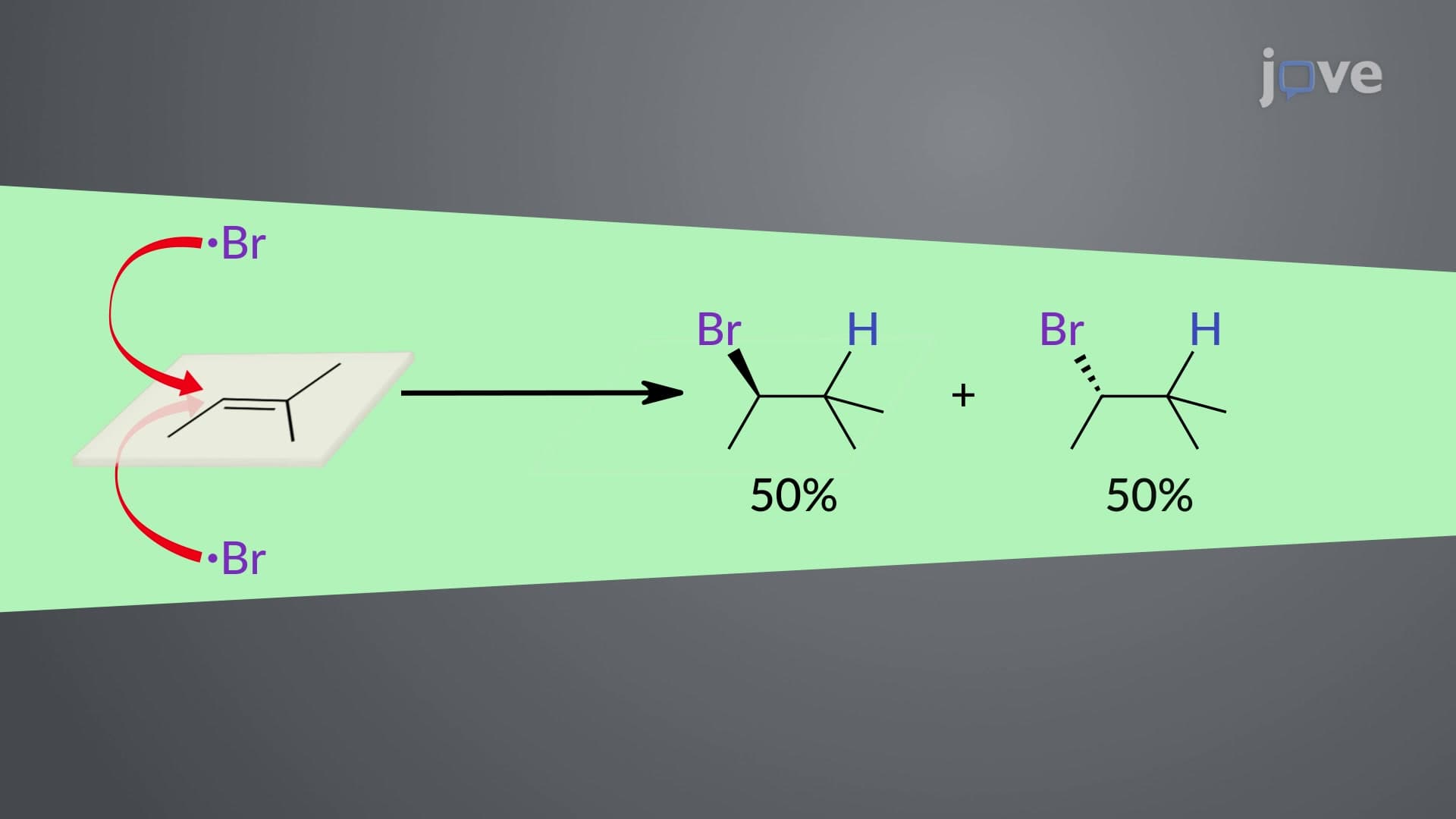
When achiral molecules undergo radical halogenation at positions that create new chiral centers, the result is always a racemic mixture-equal amounts of R and S enantiomers. Consider n-butane chlorination producing 2-chlorobutane: the reaction creates a 50:50 mixture of both enantiomers.
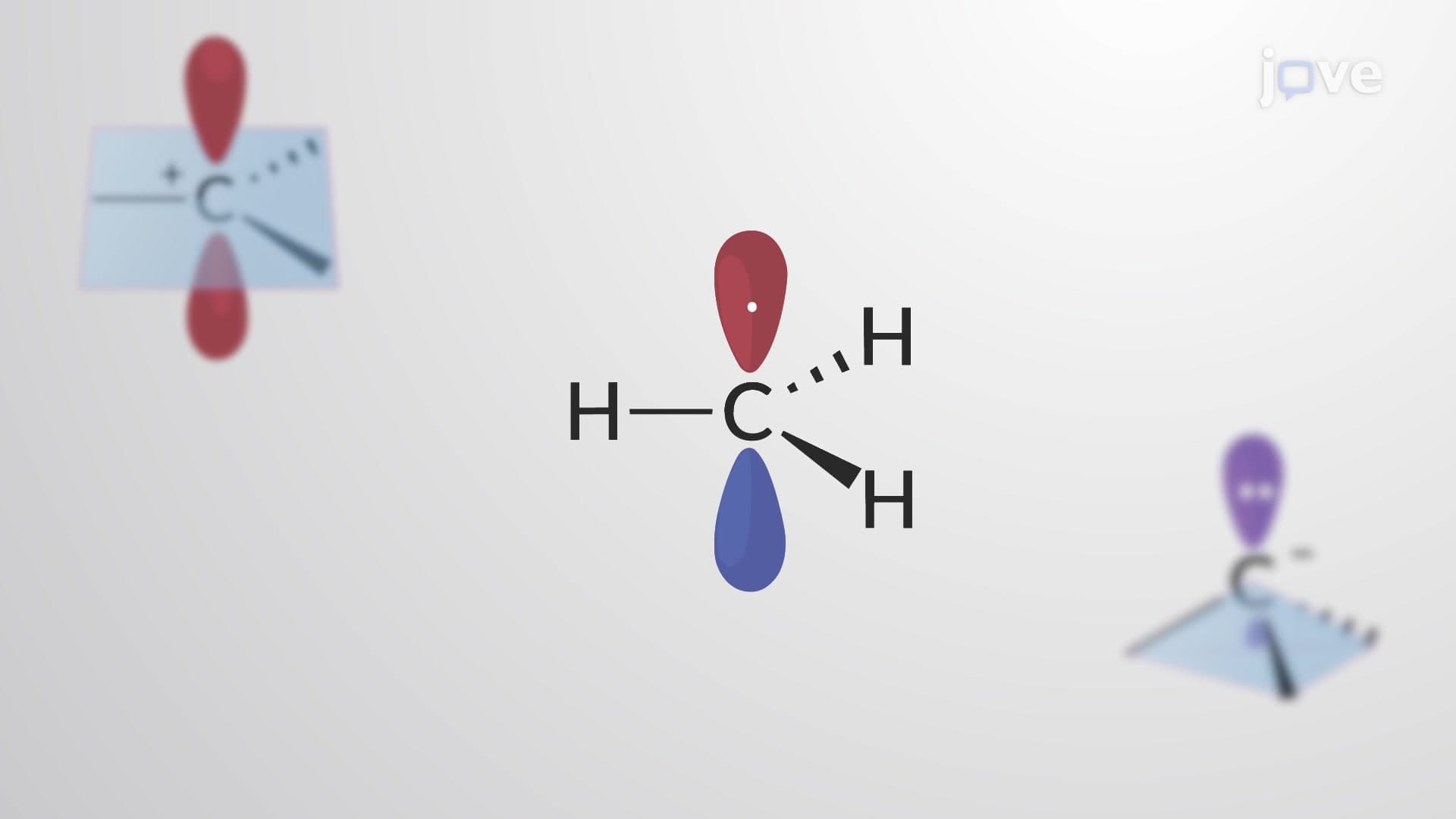
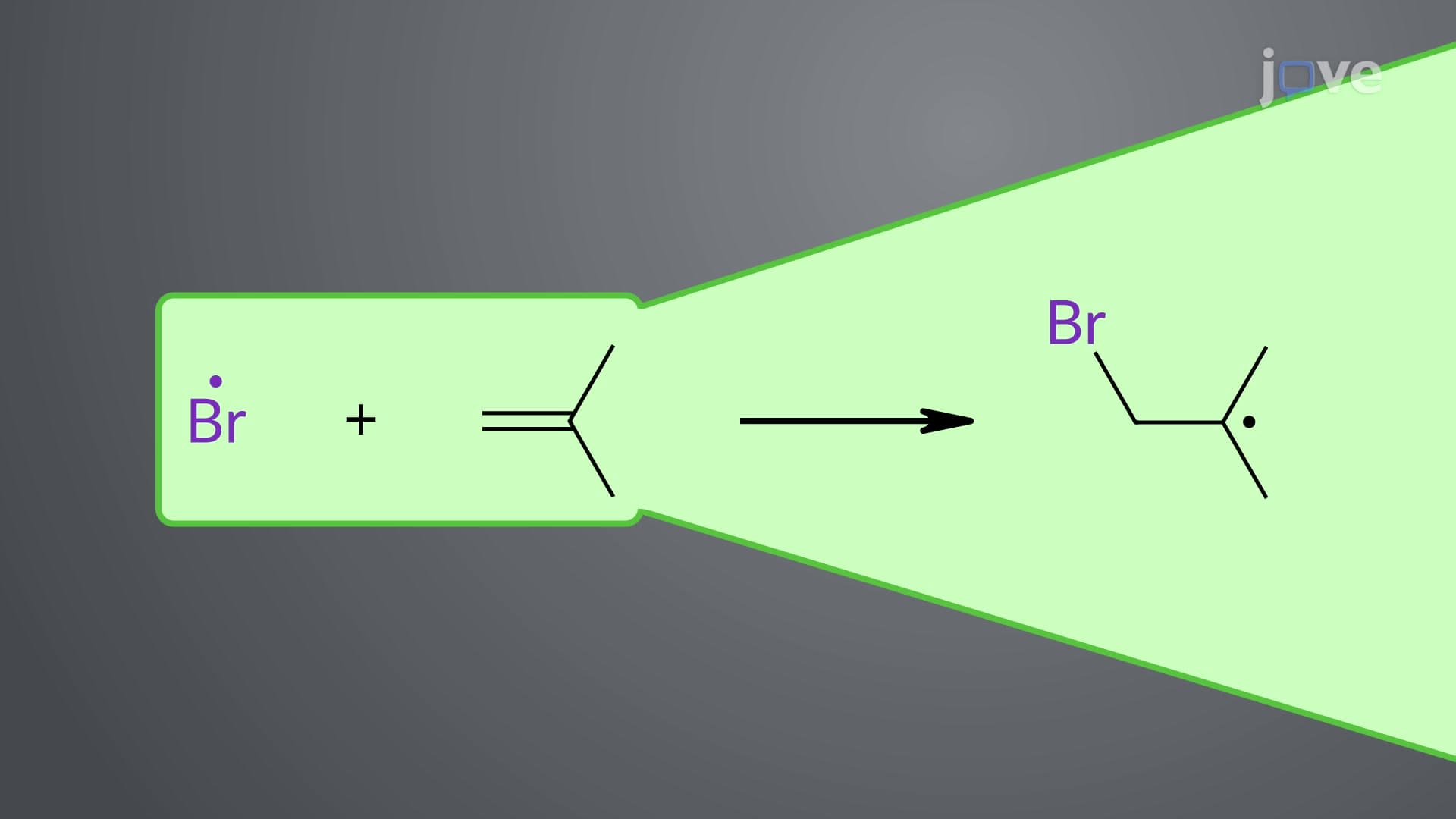
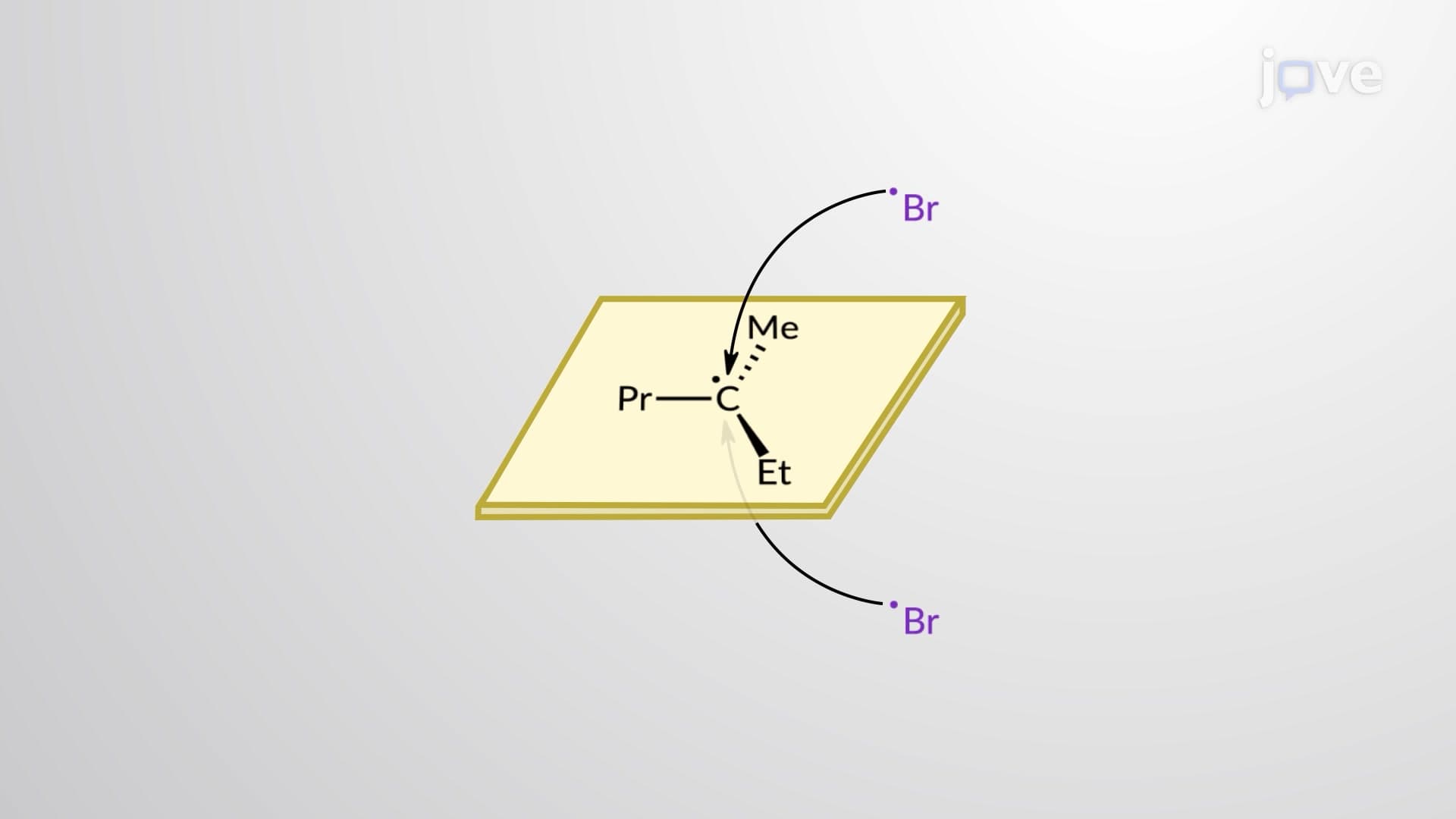
This occurs because the radical intermediate adopts a trigonal planar geometry, eliminating any stereochemical preference. The attacking chlorine radical approaches from either face with equal probability, making the carbon-2 hydrogens enantiotopic. MCAT test-takers frequently encounter similar examples requiring prediction of stereochemical outcomes in pharmaceutical synthesis scenarios.
When radical halogenation occurs directly at an existing chiral center, the original stereochemical information is lost, again producing a racemic mixture. The radical intermediate becomes achiral due to its planar geometry, allowing equal attack from both faces regardless of the starting material's configuration.
This principle explains why certain pharmaceutical intermediates lose their optical activity during specific synthetic steps. College students studying medicinal chemistry learn that protecting existing chiral centers becomes essential when designing synthetic routes to maintain stereochemical integrity.
The most complex scenario occurs when halogenation creates a new chiral center while an existing chiral center remains unchanged. Here, the existing chirality creates a chiral environment around the trigonal planar radical intermediate, leading to unequal attack rates from opposite faces.
This produces diastereomeric products in unequal amounts-a crucial concept for understanding asymmetric synthesis in pharmaceutical manufacturing. Students preparing for organic chemistry midterms should practice identifying these scenarios and predicting major versus minor diastereomeric products based on steric and electronic factors.
Related Micro-courses