Loading subject page…


85,200 views

Video Summary: What Is Radical Reactivity
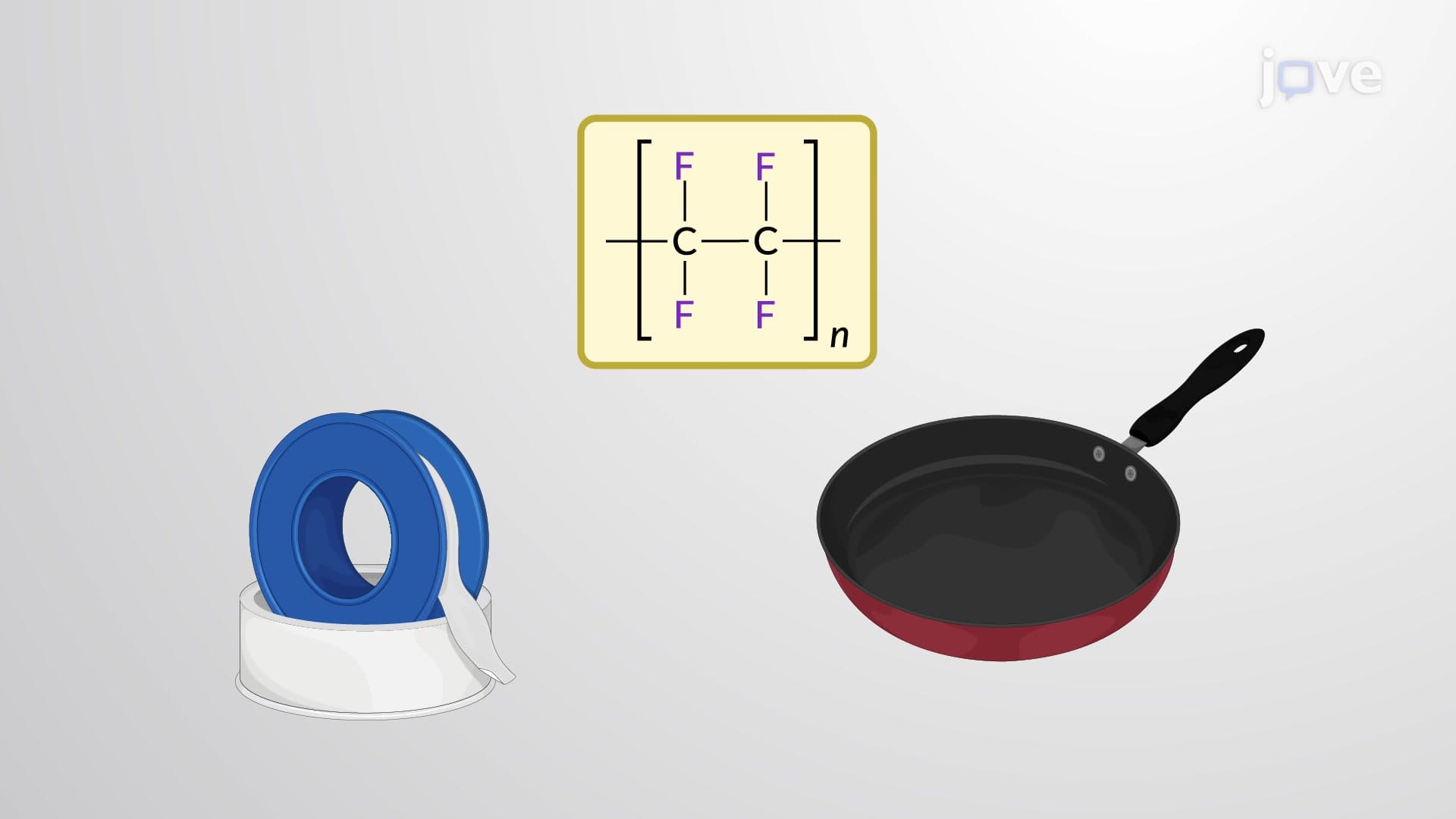
Did you know that the unpaired electrons in free radicals make them so reactive that they're responsible for both aging in human cells and the polymerization process that creates everyday plastics? Radical reactivity describes how these highly unstable chemical species achieve stability through three main reaction pathways: combining with other radicals, reacting with paired-electron molecules, or decomposing into new species. Understanding what is radical reactivity is crucial for explaining processes like the formation of polyethylene plastics used in US manufacturing. Watch the full video on JoVE Coach to master this concept with expert-led visuals and step-by-step explanations.
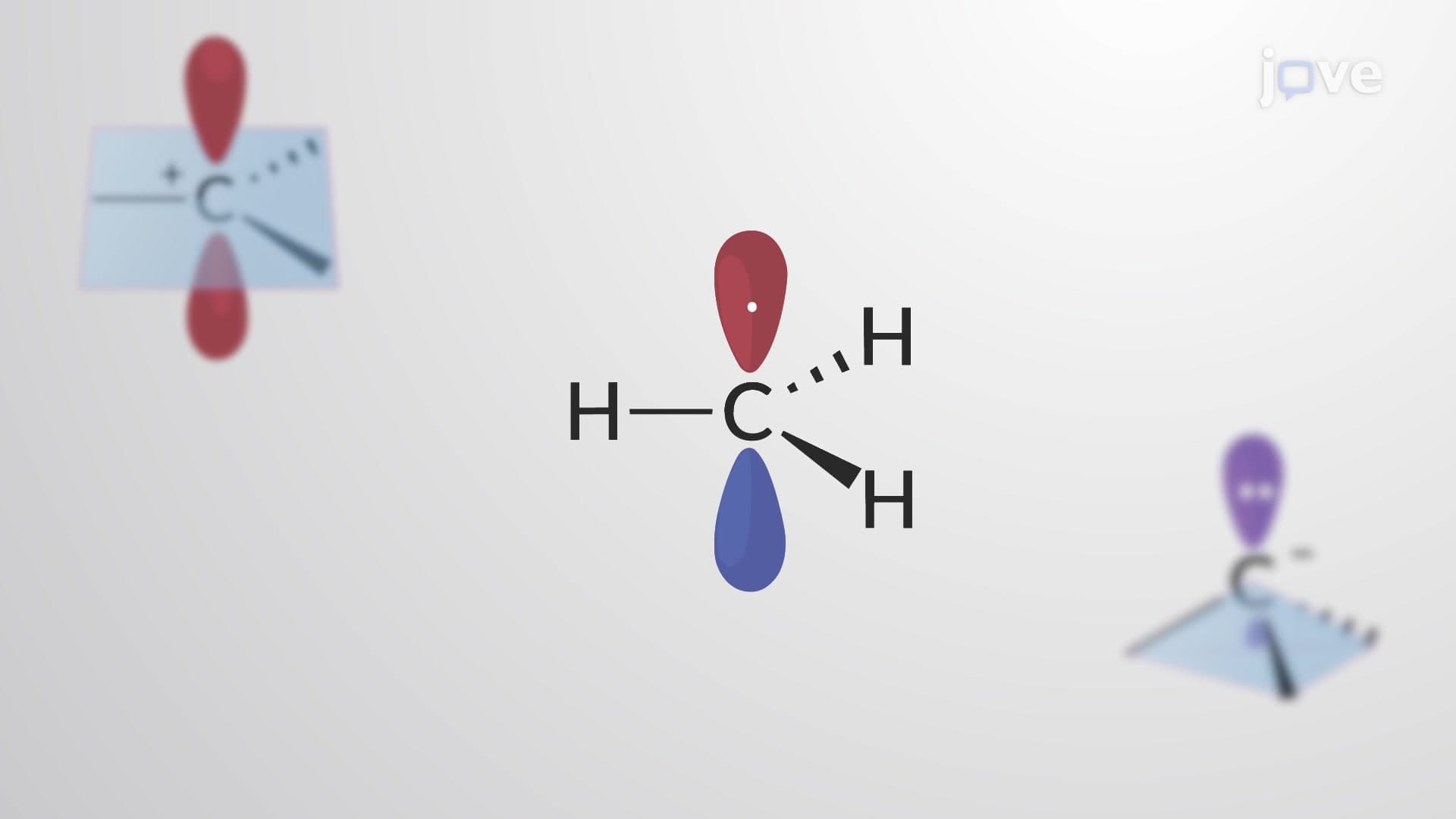
Radical reactivity fundamentally stems from the presence of unpaired electrons in molecular species. Unlike stable molecules with all electrons paired in bonds or lone pairs, radicals contain at least one unpaired electron, creating an inherently unstable electronic configuration. This instability drives radicals to react rapidly with other species to achieve a more stable, lower-energy state through electron pairing.
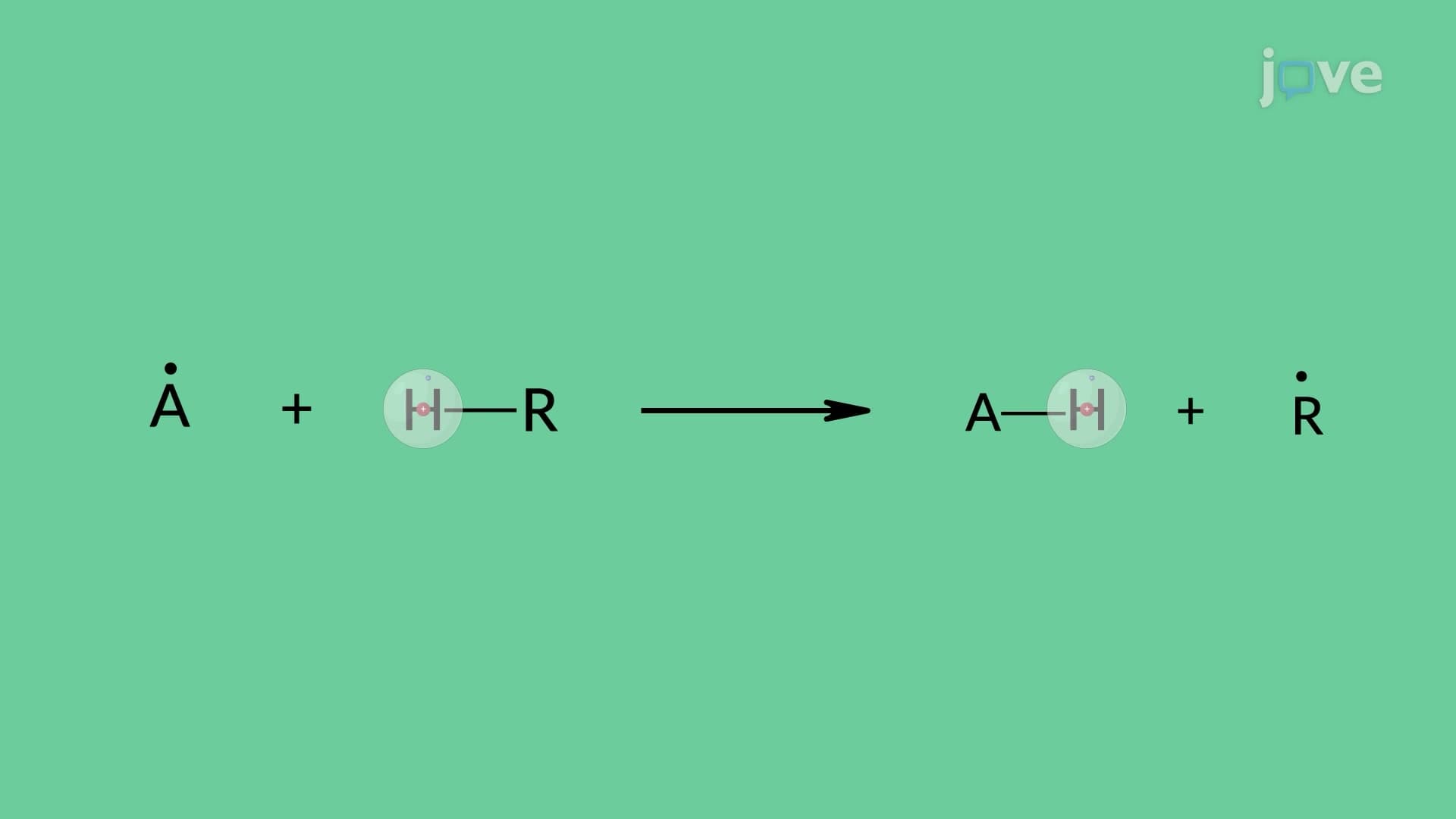
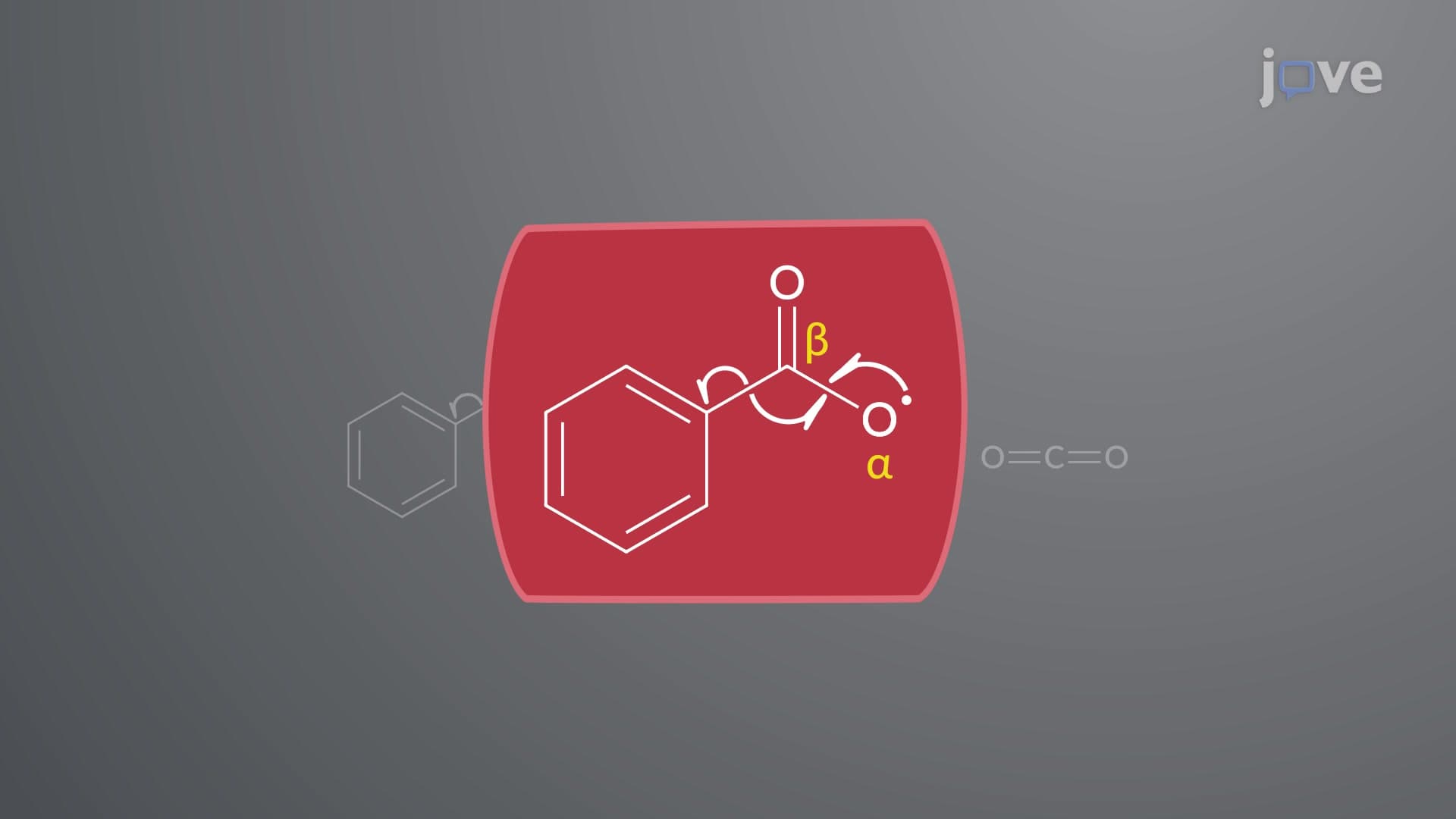
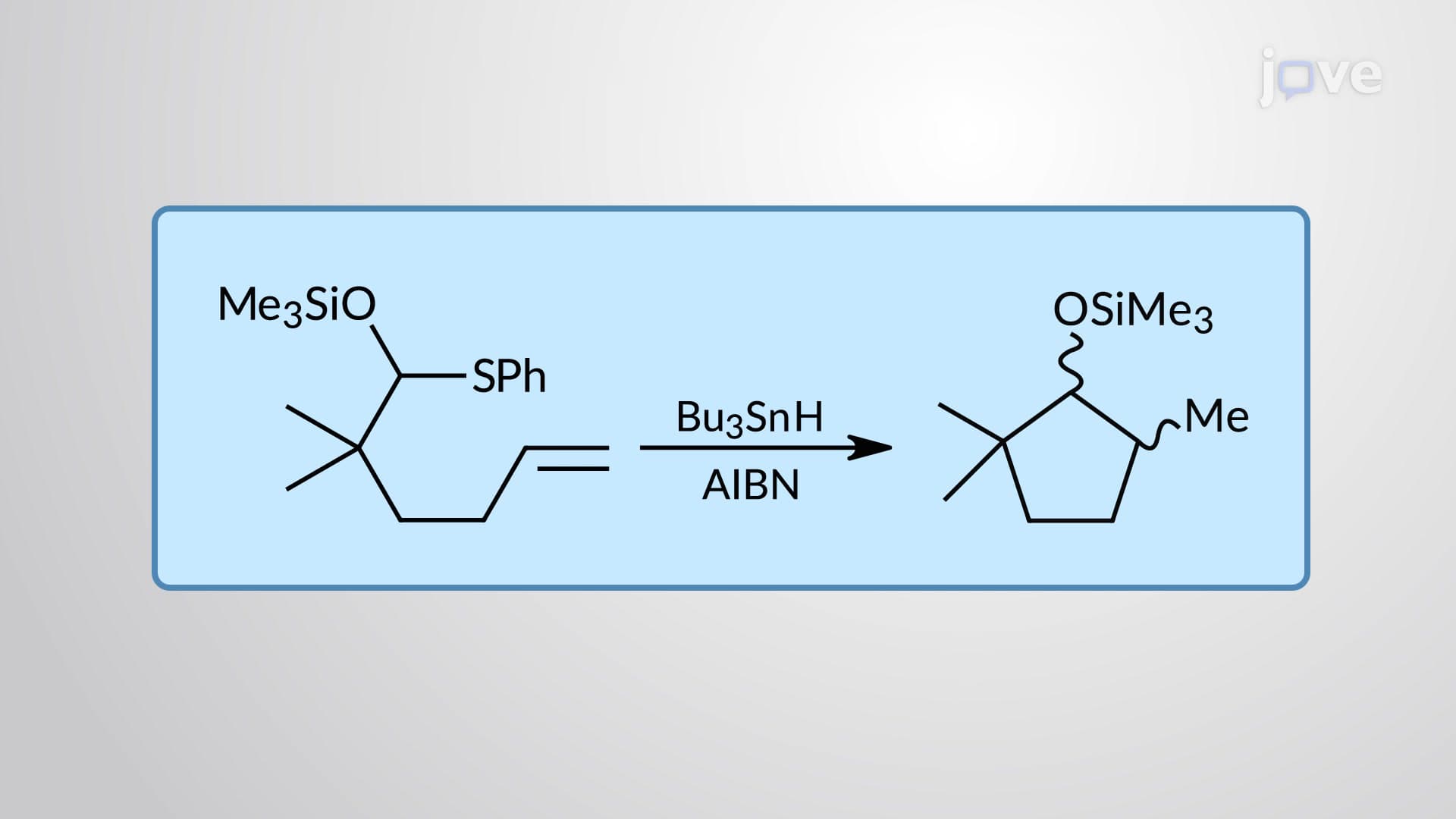
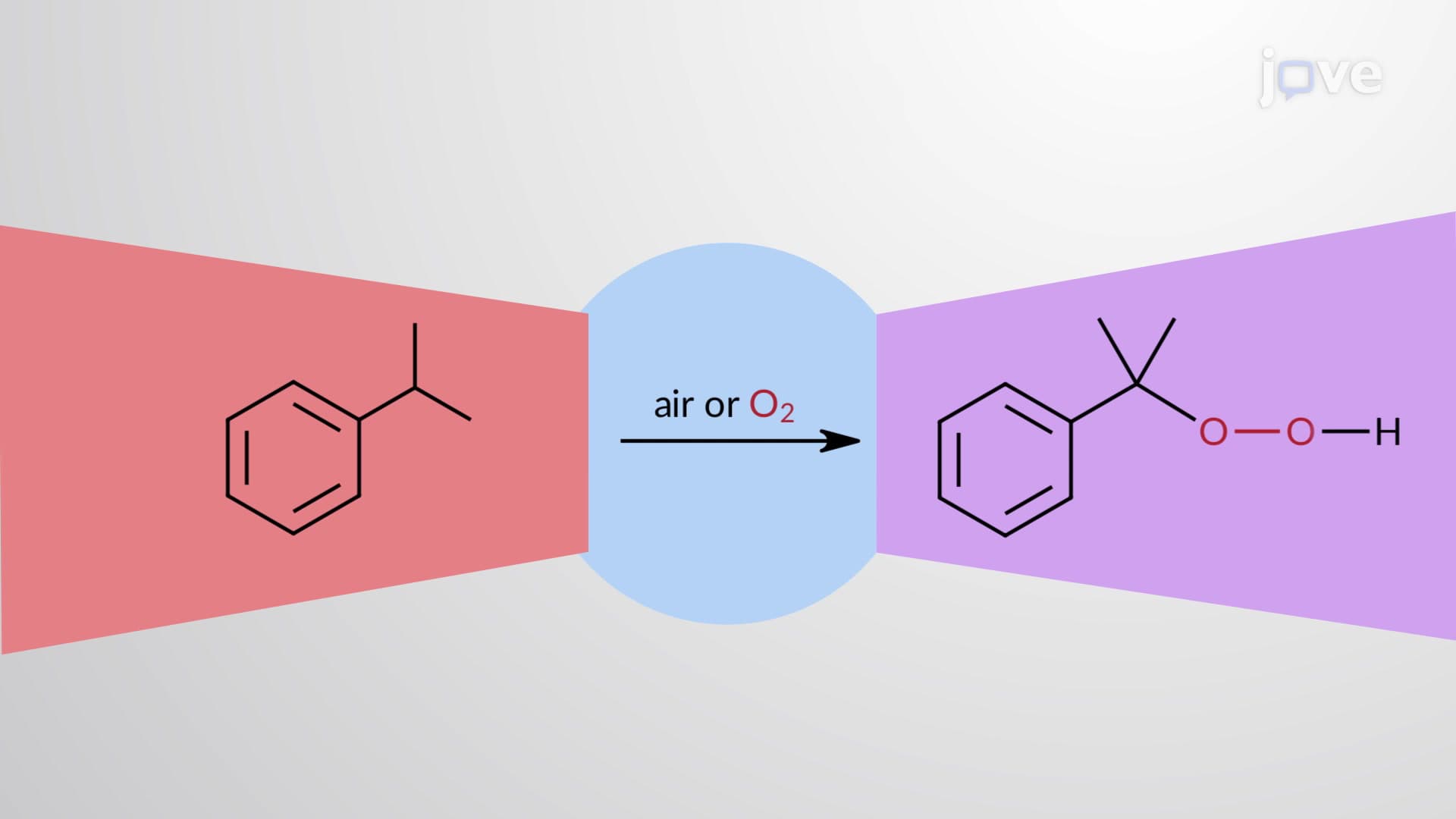
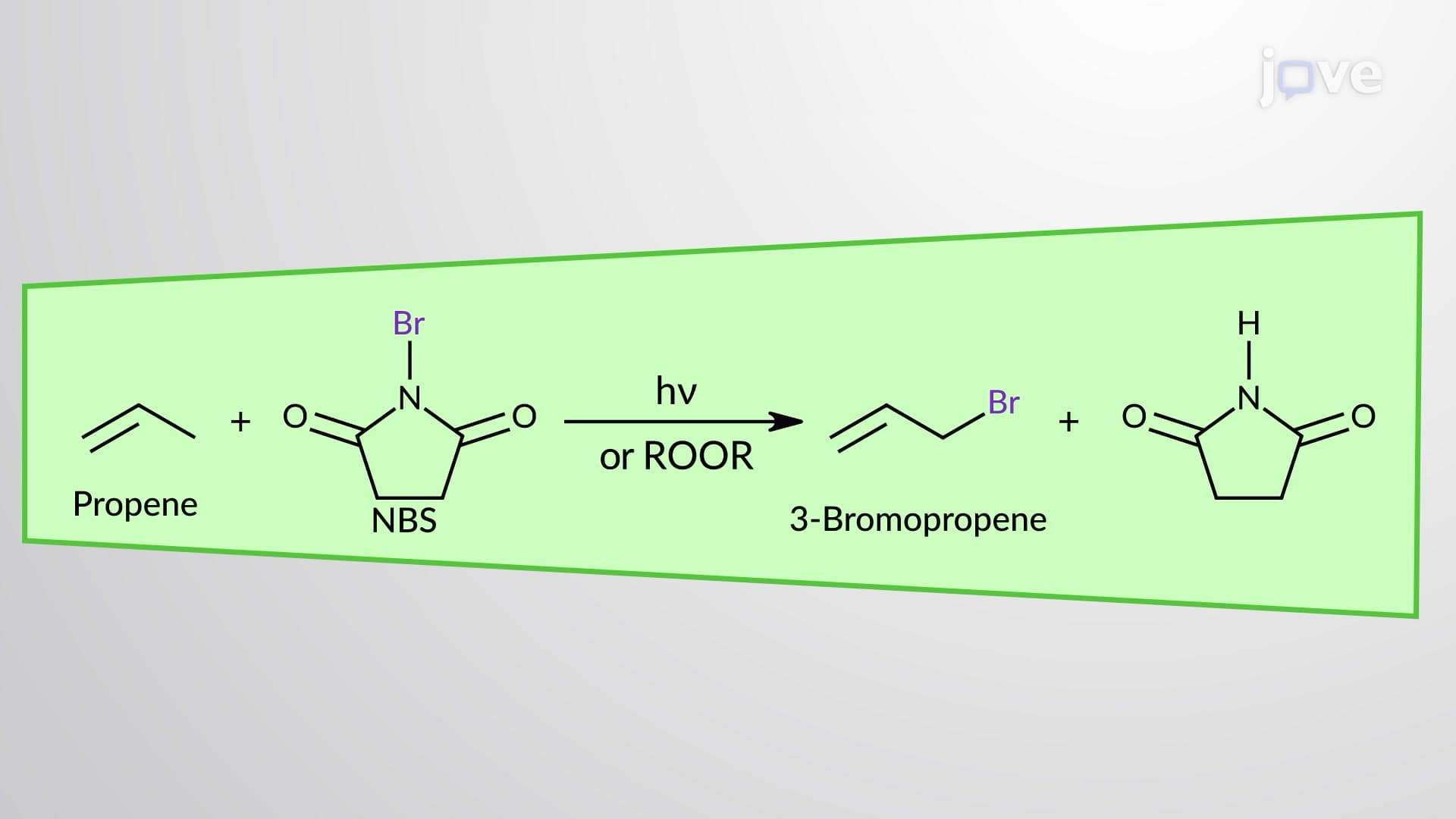
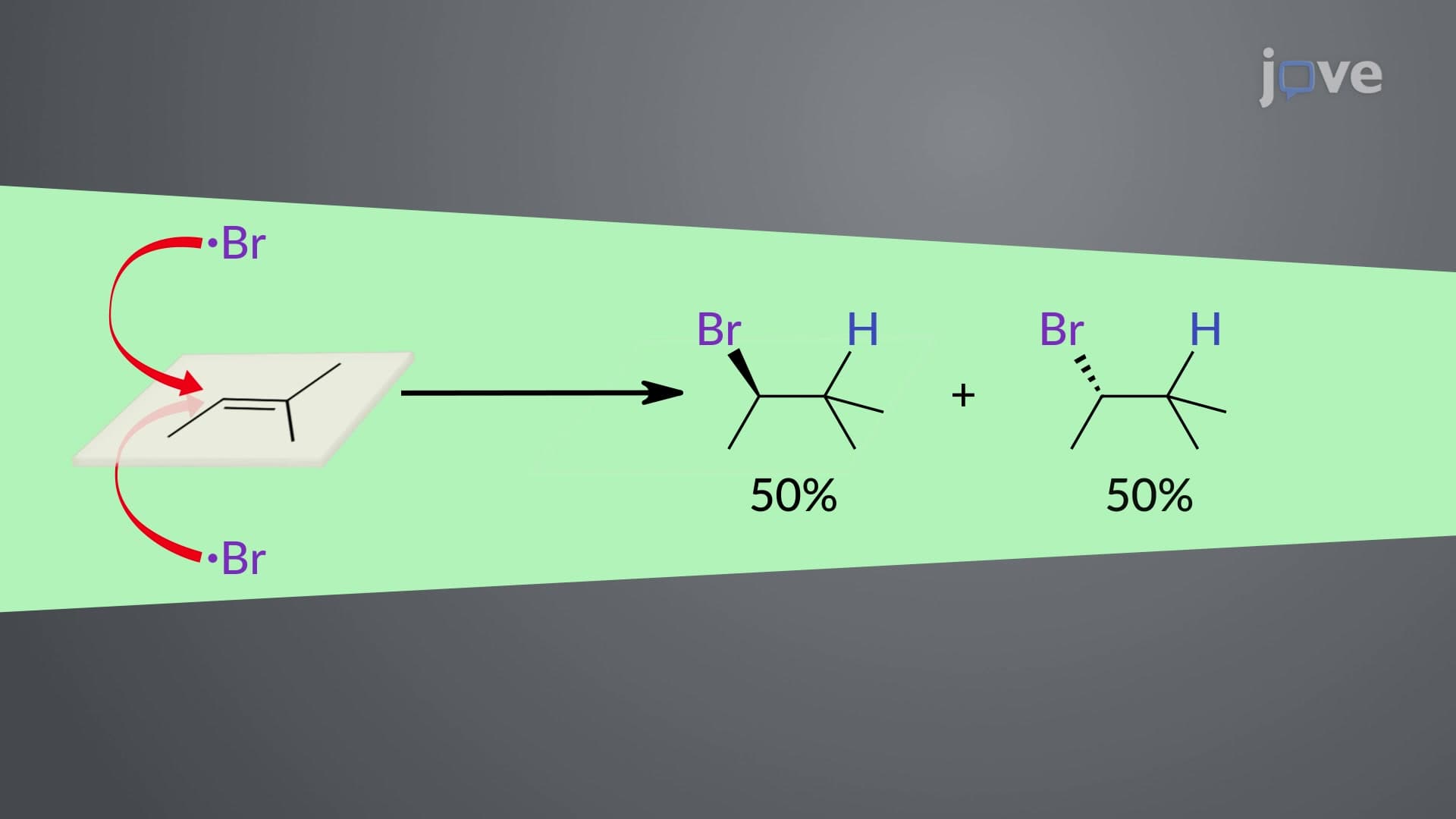
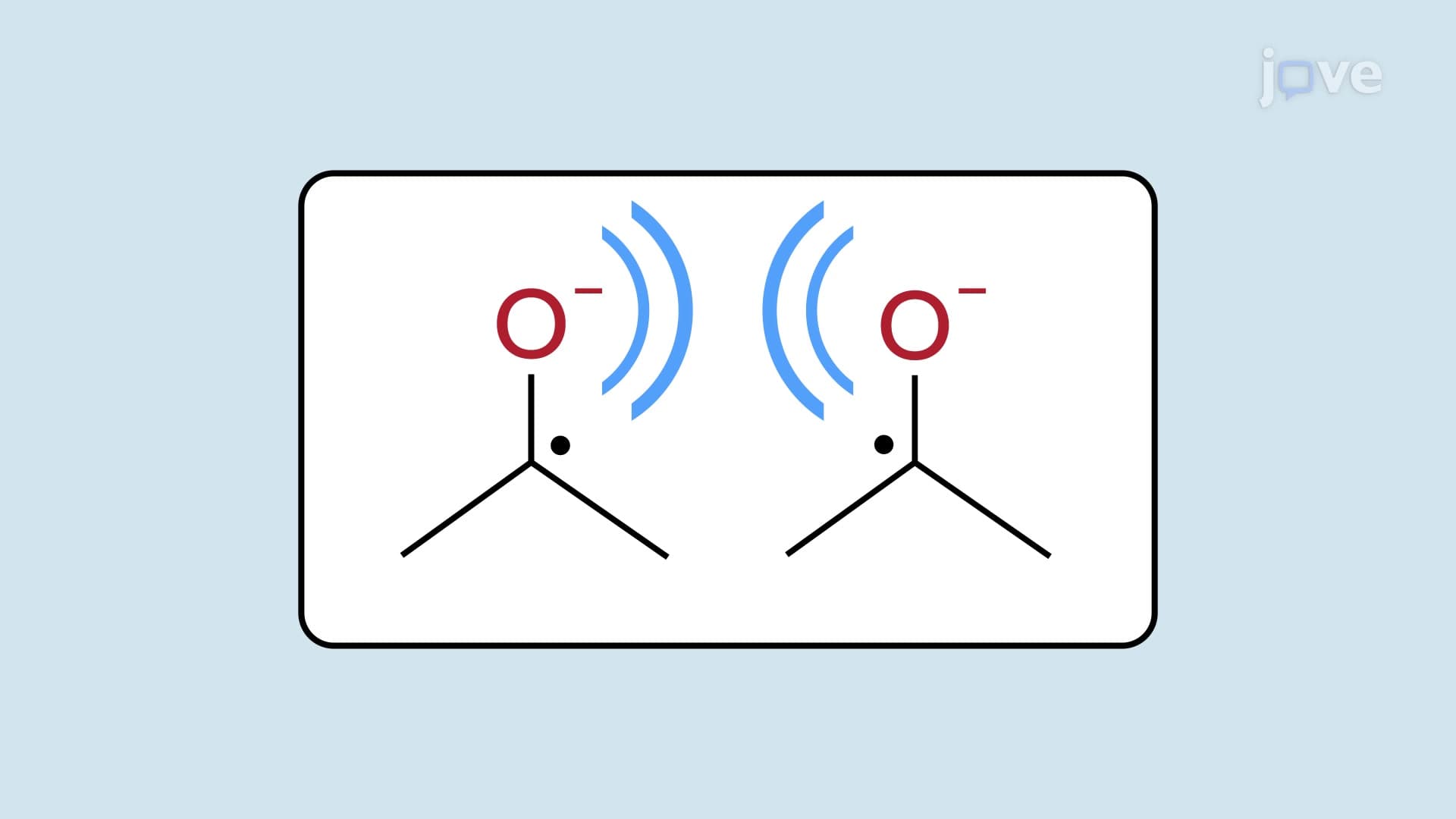
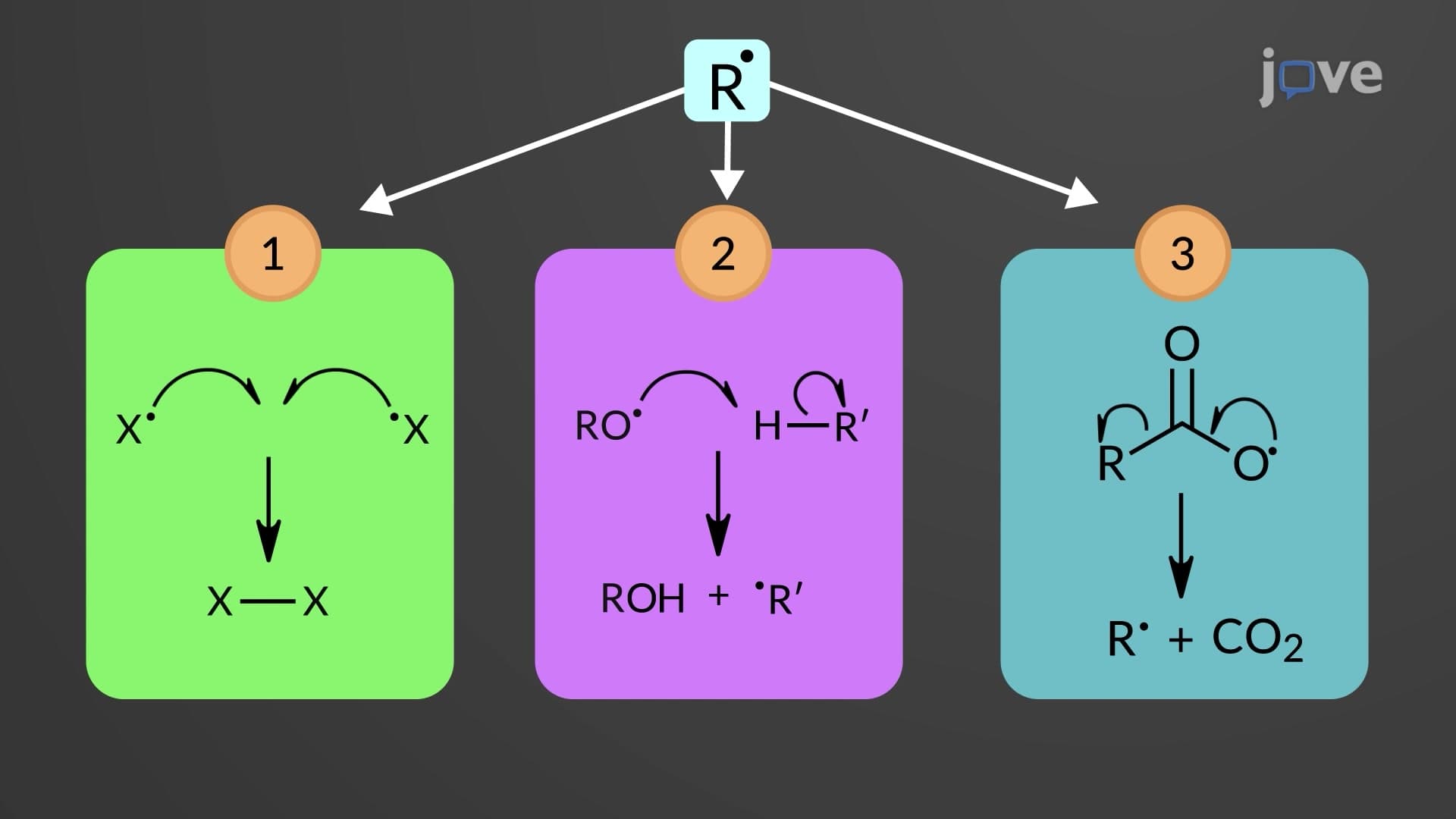
The radical reactivity definition explained centers on three primary reaction pathways that allow these species to achieve stability. First, two radicals can combine directly, with their unpaired electrons forming a new covalent bond-a process called radical coupling. Second, a radical can abstract an atom (typically hydrogen or halogen) from a stable molecule, creating a new radical while forming a stable product. Third, radicals can undergo unimolecular decomposition, breaking apart to form both a new radical and a stable molecule.
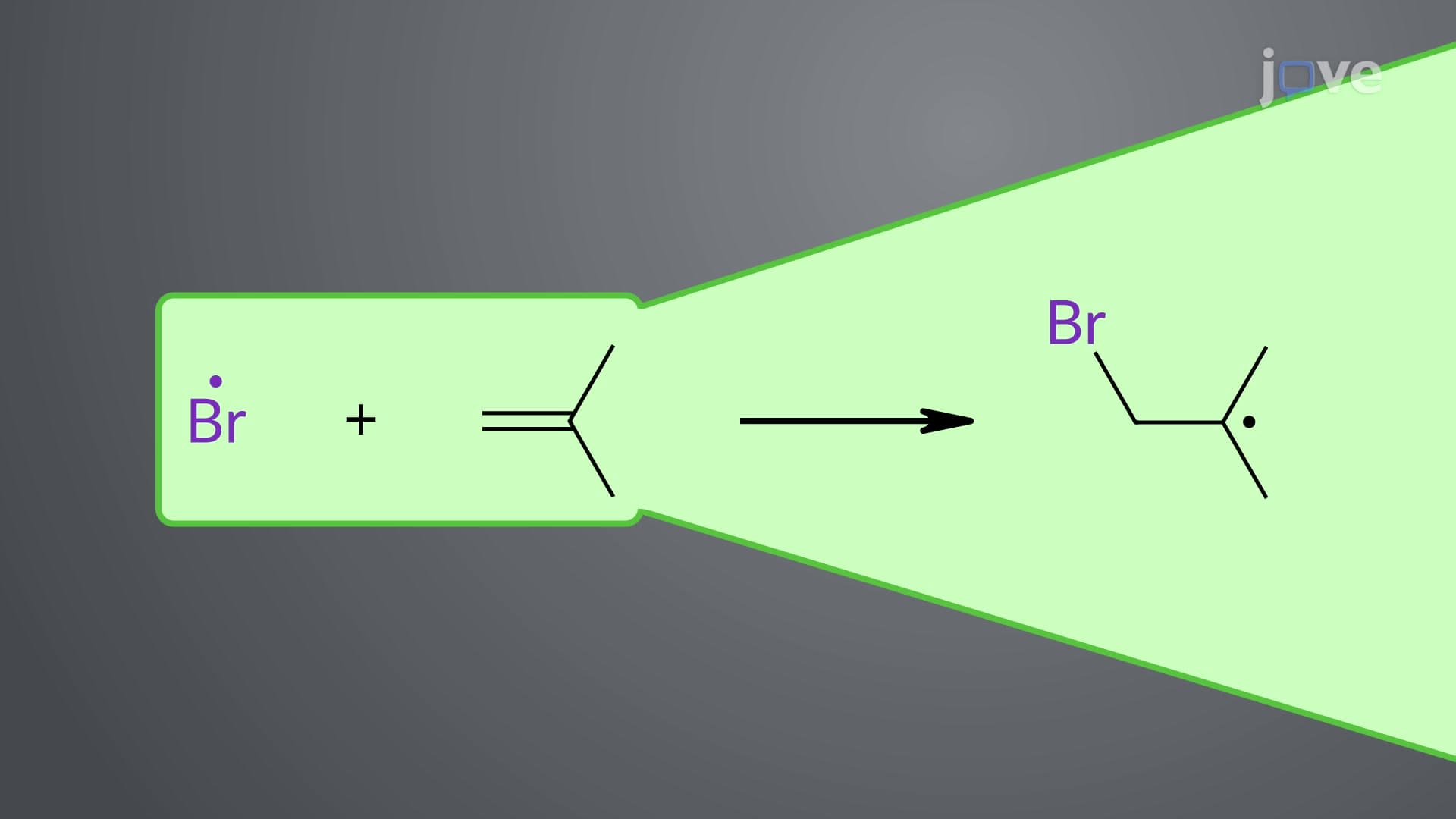
The radical reactivity overview encompasses six fundamental mechanistic steps that appear throughout radical chemistry. Homolysis involves breaking a covalent bond to form two radical species, typically initiated by heat or light energy. Addition reactions occur when radicals add across double bonds, creating new carbon-radical bonds. Hydrogen abstraction and halogen abstraction represent the most common propagation steps, where radicals remove atoms from stable molecules. Elimination reactions involve the loss of small molecules from radical intermediates, while coupling reactions terminate radical chains by forming stable bonds.
These mechanistic steps organize into three distinct phases during radical chain reactions. Initiation creates the first radicals from stable molecules, often requiring external energy sources like UV light or chemical initiators such as benzoyl peroxide. Propagation steps multiply radical species while consuming starting materials and forming products-this phase continues the reaction chain. Termination occurs when radicals combine to form stable products, effectively ending the chain reaction sequence.
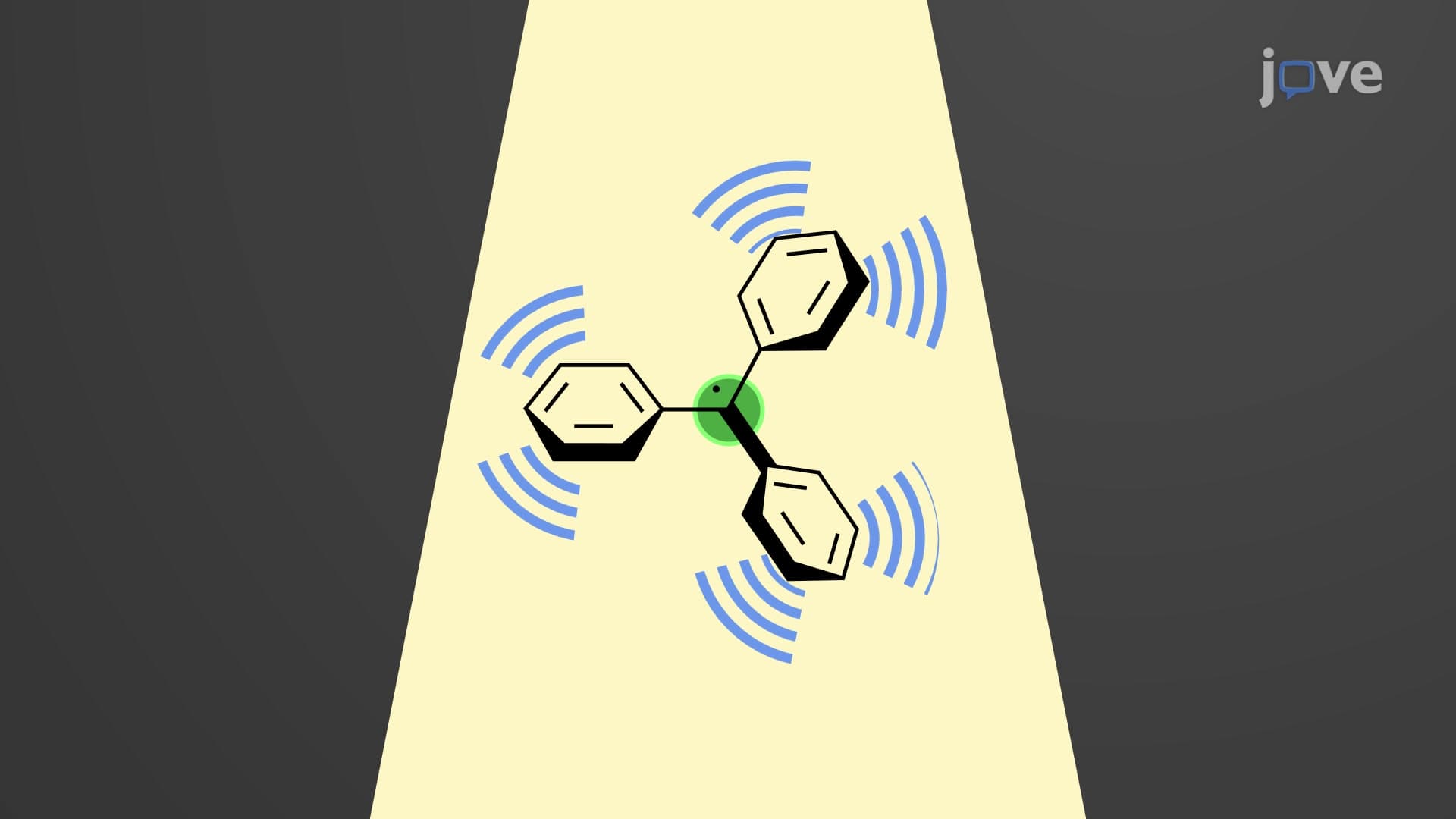
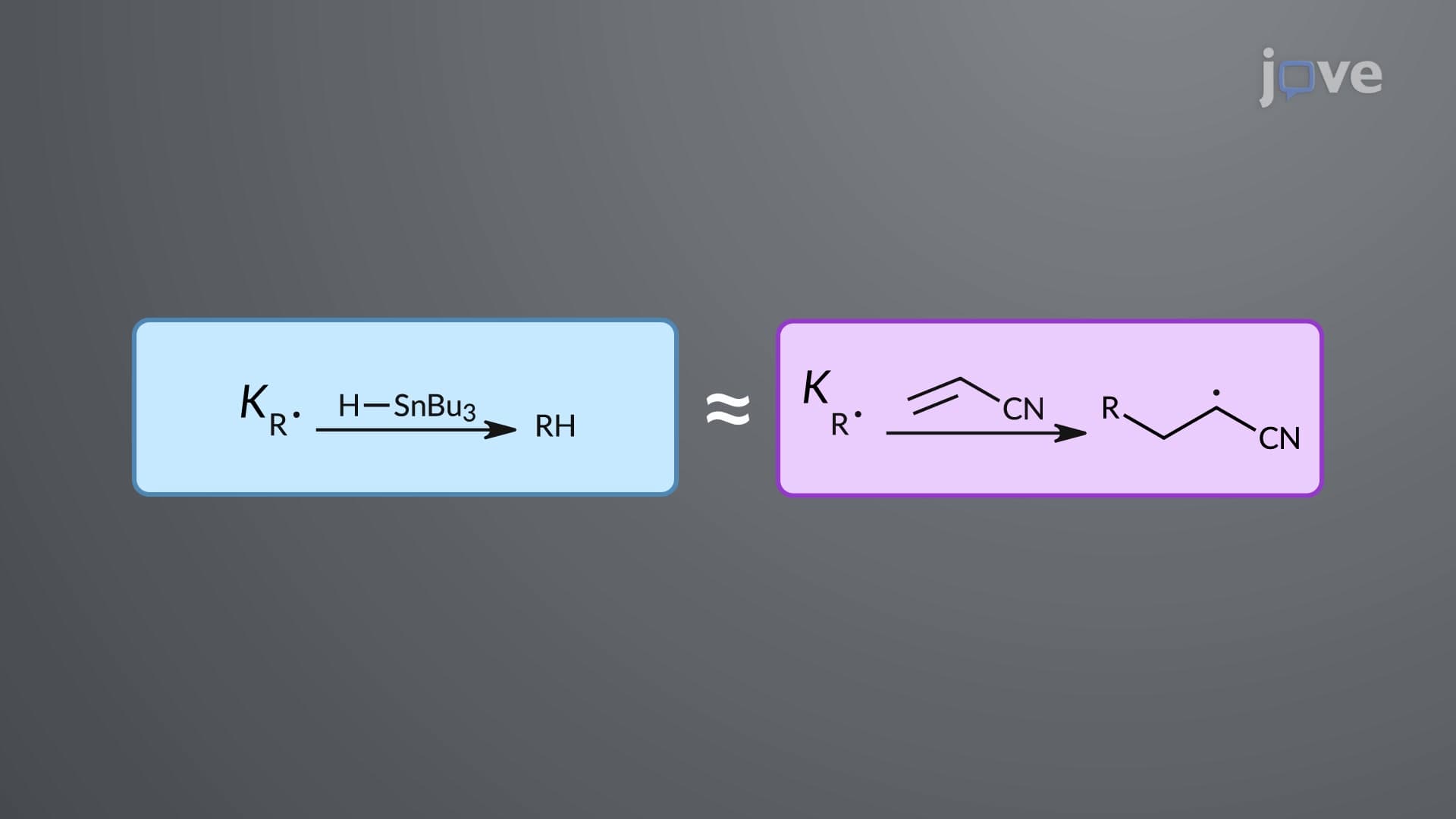
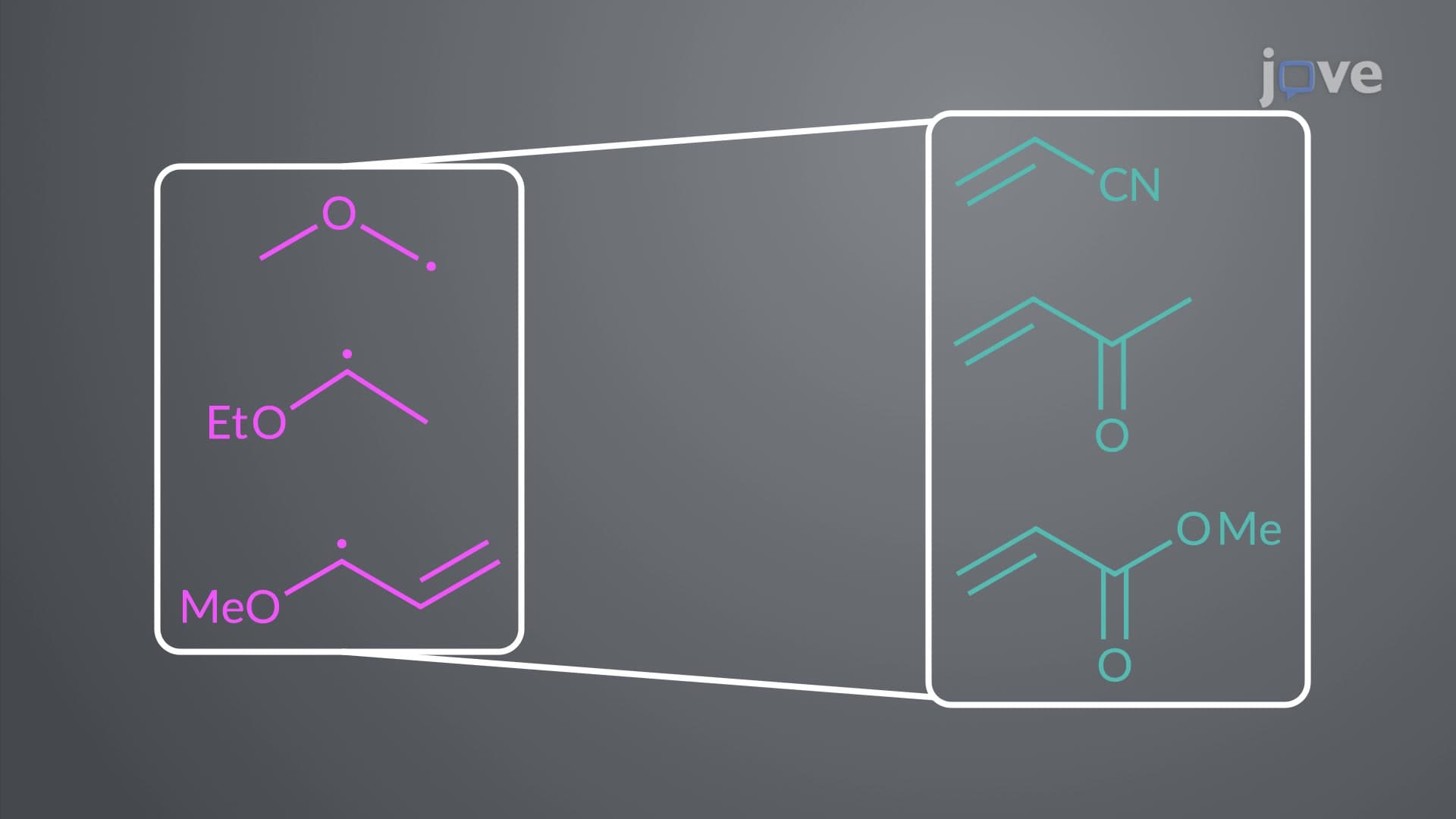
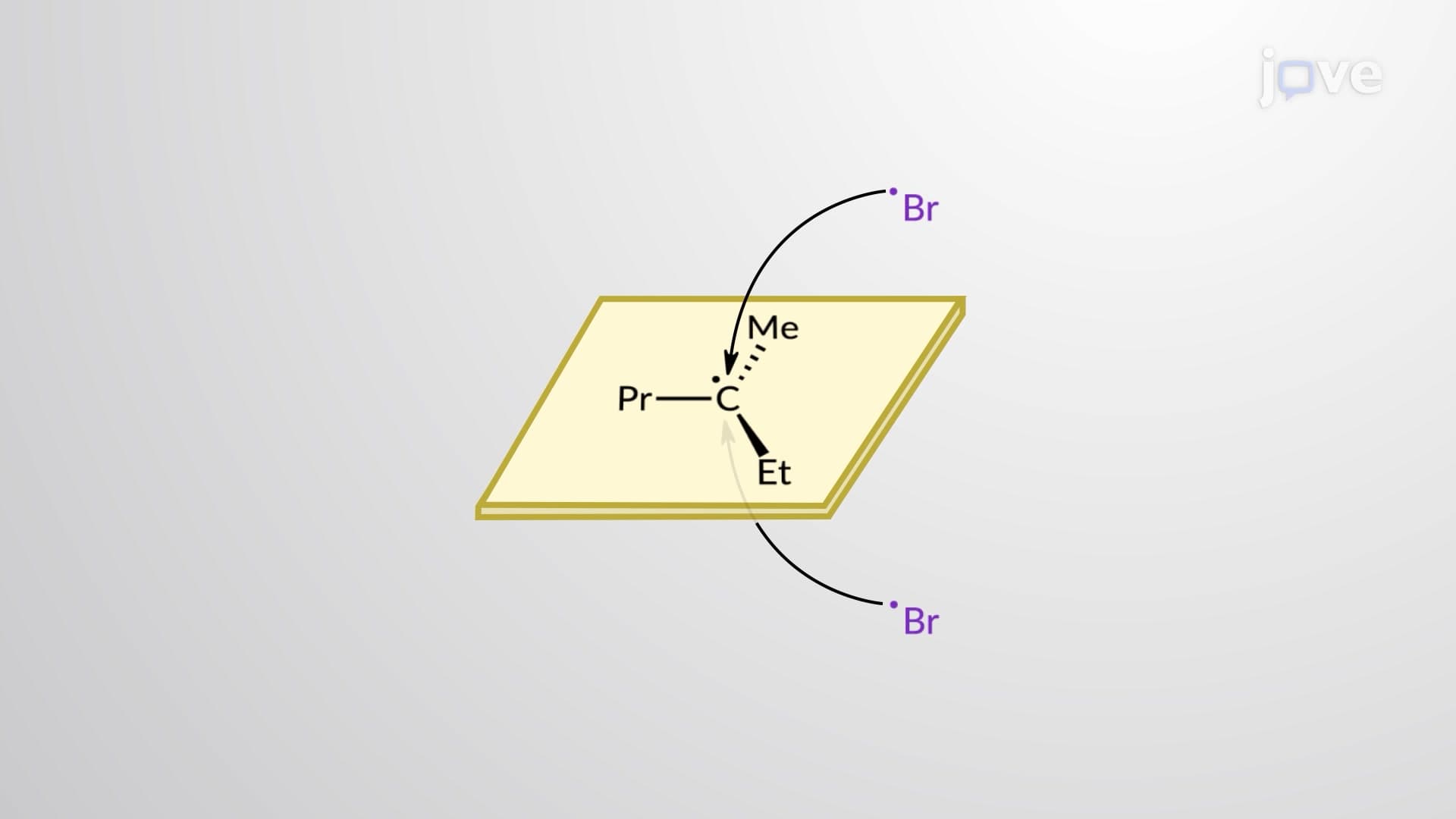
Radical reactivity explained guide concepts emphasize two primary factors: steric hindrance and electronic stabilization. Steric hindrance occurs when bulky groups surround the radical center, slowing reaction rates by making approach of other molecules difficult. Electronic effects prove equally important-electron-donating groups (like alkyl substituents) increase electron density at the radical center, making it nucleophilic and more likely to attack electron-poor sites. Conversely, electron-withdrawing groups (such as carbonyl or cyano groups) decrease electron density, creating electrophilic radicals that prefer electron-rich reaction partners.
Understanding these principles proves essential for AP Chemistry students and college organic chemistry courses, where radical mechanisms frequently appear on exams. MCAT test-takers encounter radical chemistry in both general chemistry and organic chemistry sections, particularly in questions about polymer formation and biological oxidation processes. US pharmaceutical companies routinely employ radical reactions in drug synthesis, making this knowledge valuable for students pursuing careers in medicinal chemistry or chemical engineering.
Related Micro-courses