Loading subject page…


85,200 views

Video Summary: What Is Radical Reactivity Concentration Effects
Ever wonder why pharmaceutical companies meticulously control reactant ratios when synthesizing life-saving medications? Radical reactivity concentration effects determine whether a chemical reaction produces the desired product or unwanted byproducts. In drug manufacturing facilities across the US, chemists use concentration manipulation to ensure radical reactions selectively form specific molecular targets rather than competing side products. Understanding what is radical reactivity concentration effects is crucial for controlling reaction outcomes in both laboratory and industrial settings. Watch the full video on JoVE Coach to master this concept with expert-led visuals and step-by-step explanations.
Radical reactivity concentration effects represent a fundamental principle governing how the relative amounts of reactants determine which chemical pathway dominates in radical reactions. This concept is essential for synthetic chemists who need predictable, selective outcomes when building complex molecules.
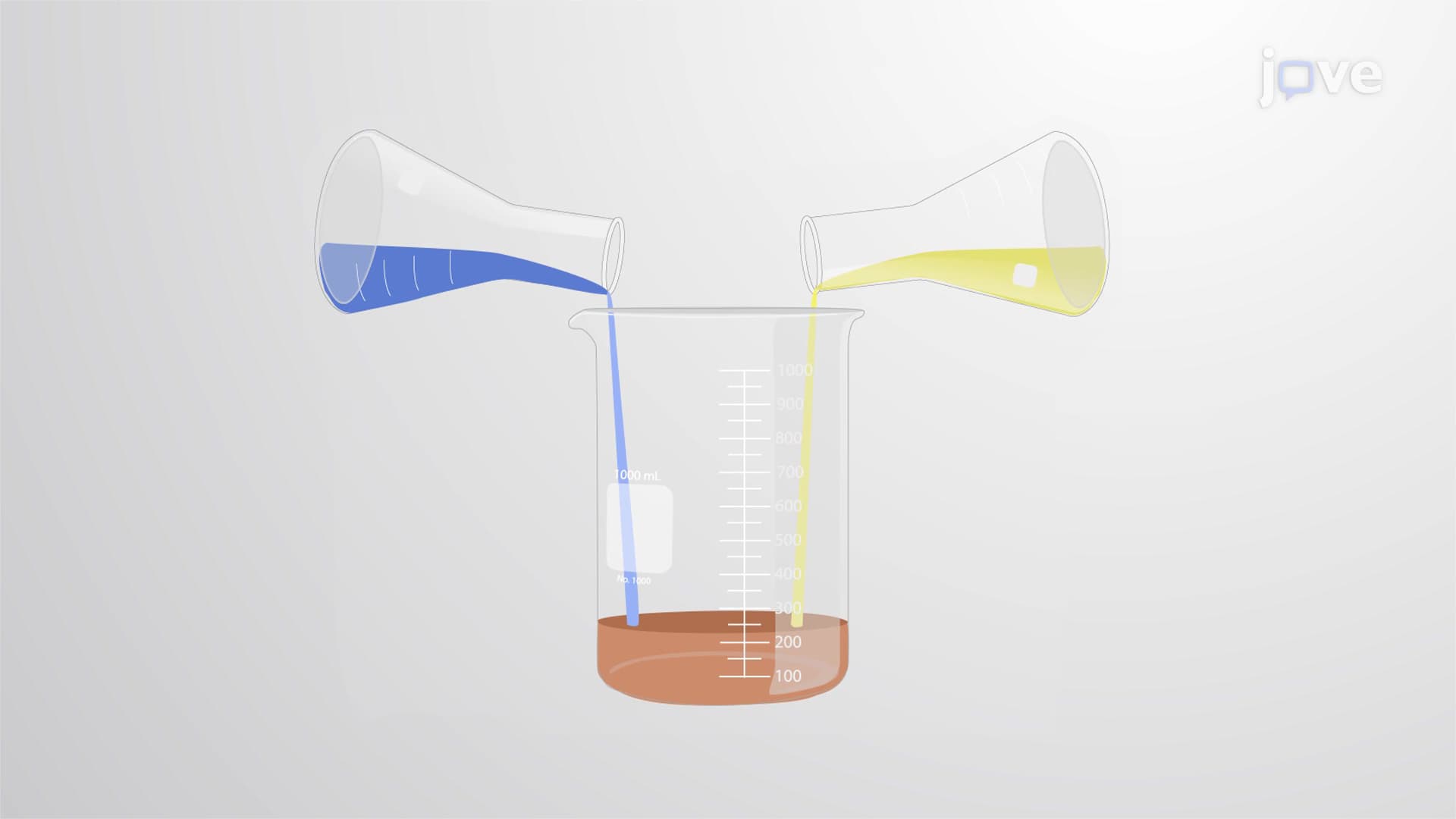
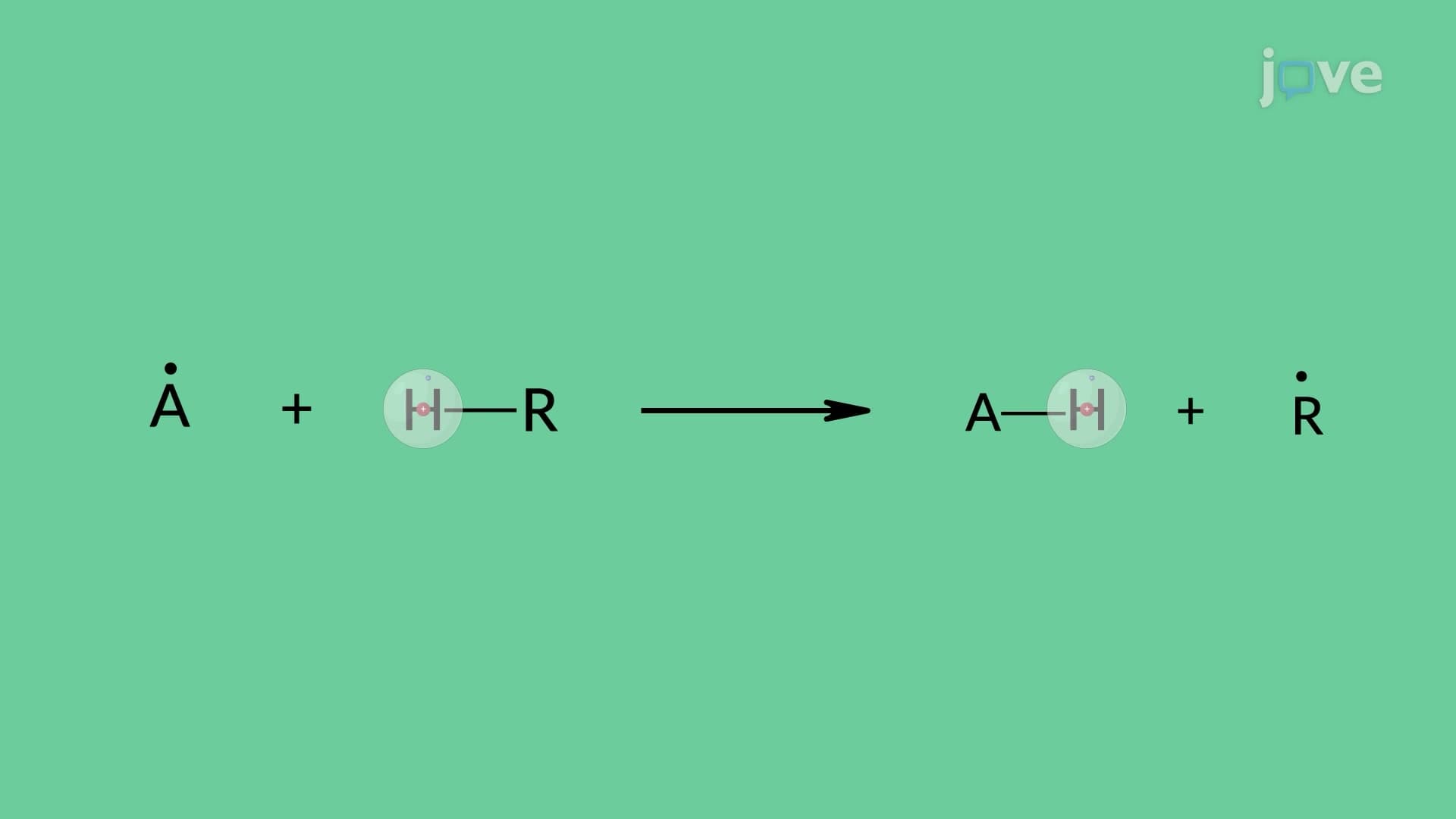
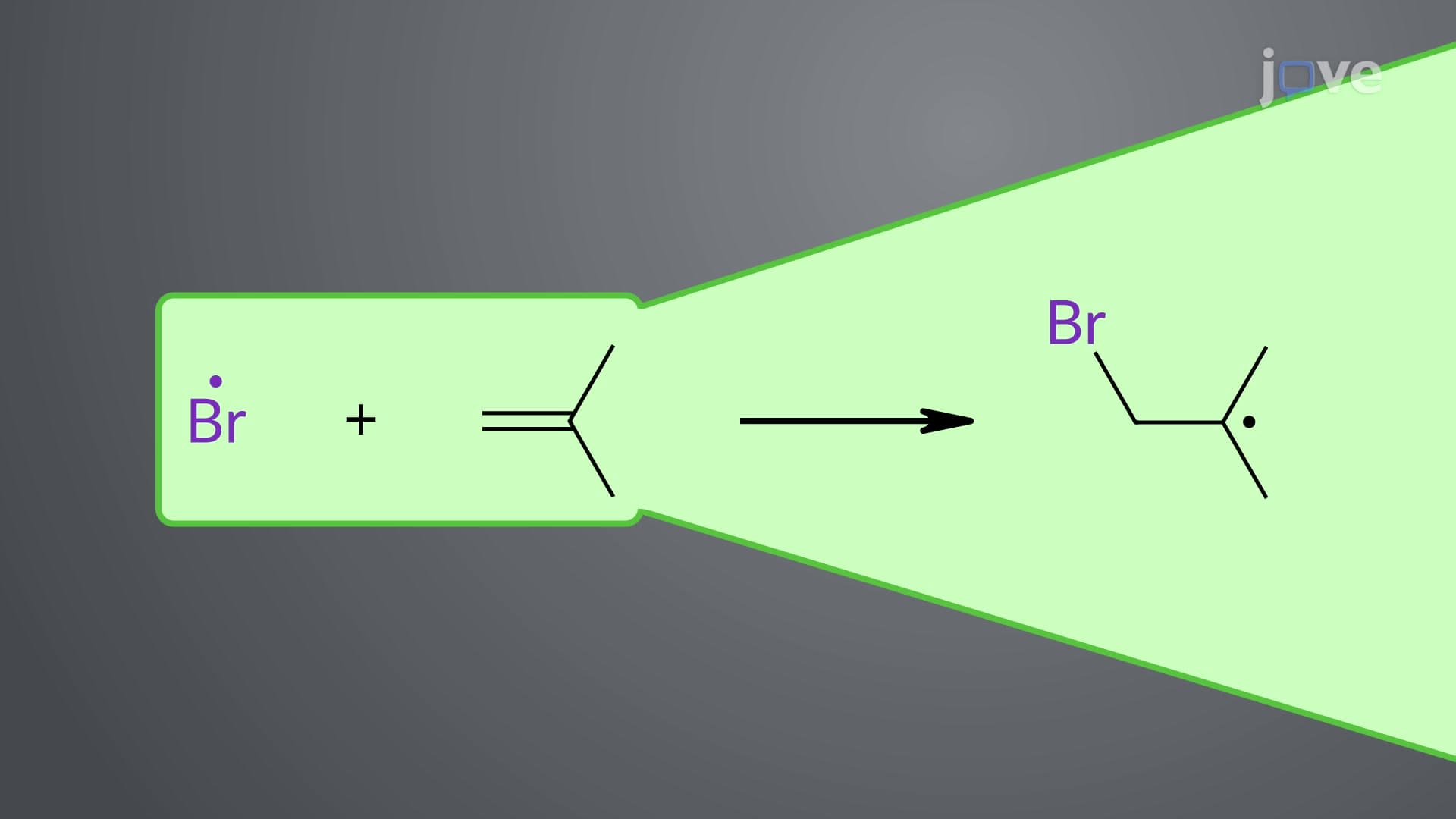
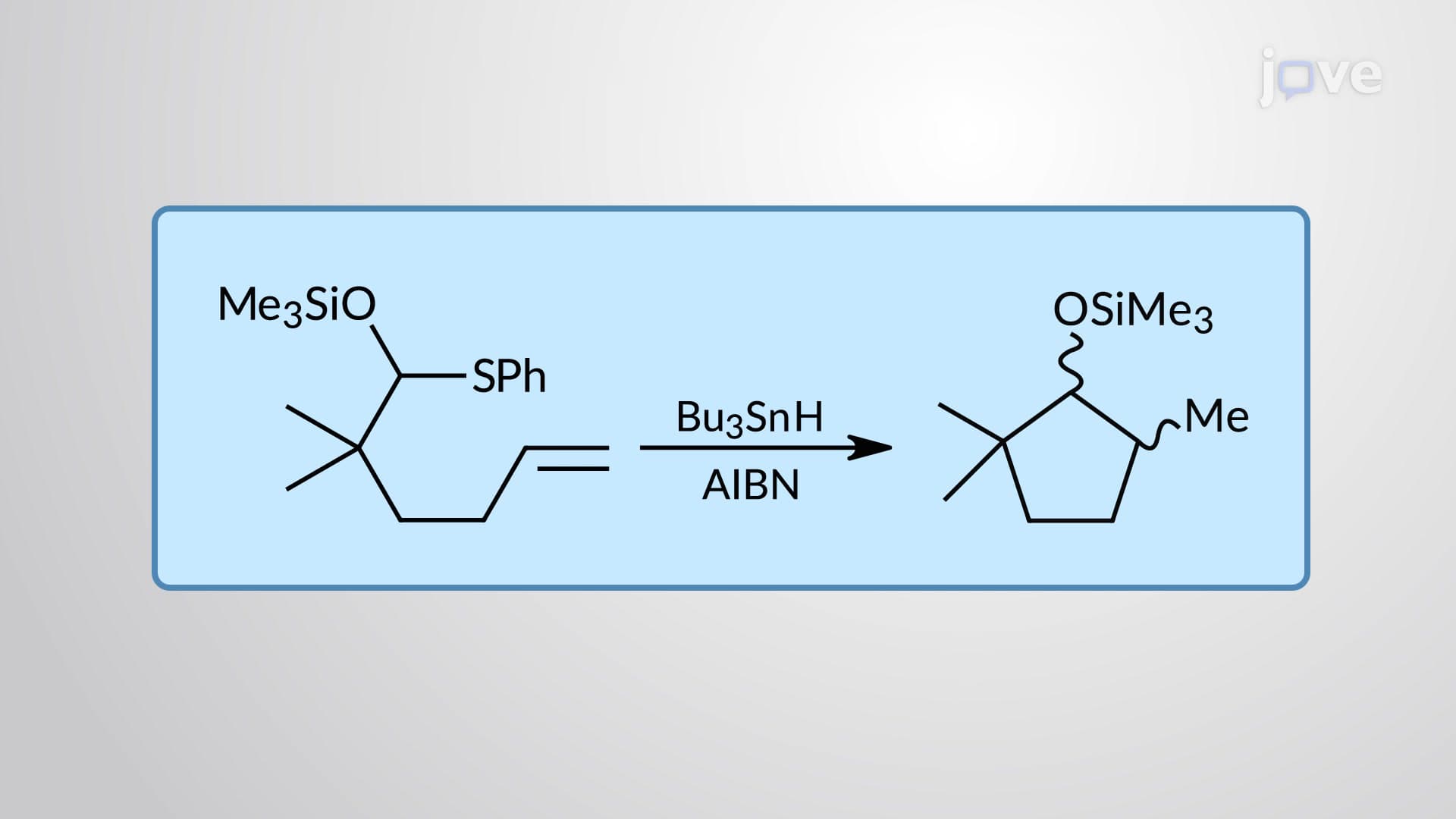
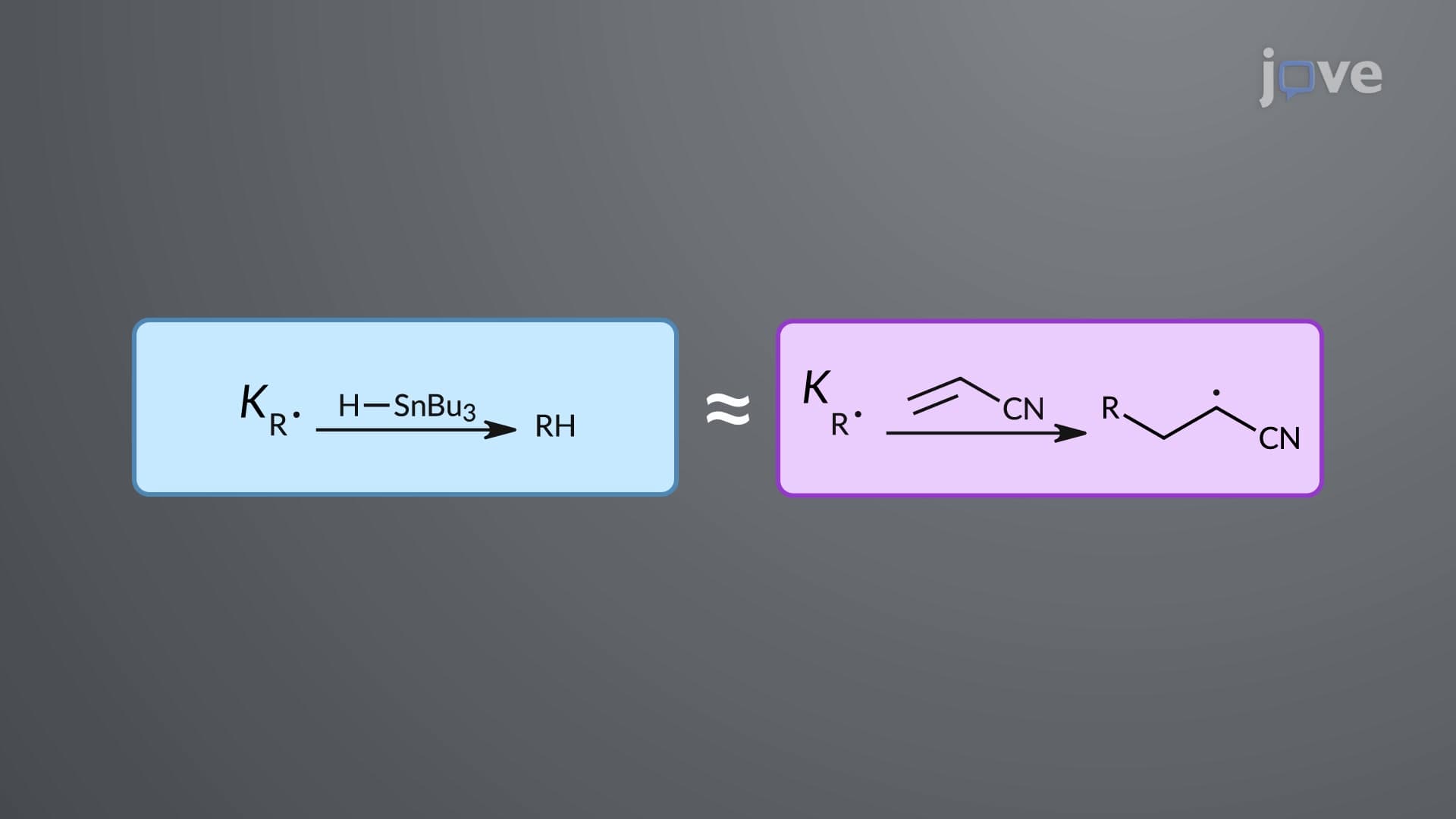
In radical chemistry, reactive intermediates often face multiple reaction pathways with similar activation energies. Consider a typical radical addition reaction used in pharmaceutical synthesis: an alkyl radical can either abstract hydrogen from tributyltin hydride (producing an unreactive alkane) or add to an alkene double bond (forming a new carbon-carbon bond). Since these competing reactions have comparable rate constants, the outcome depends primarily on which reactant the radical encounters first-a probability directly related to concentration.
The mathematical relationship follows basic kinetic principles. If two reactions have similar rate constants (k₁ ≈ k₂), the reaction rates become: Rate₁ = k₁[radical][tin hydride] and Rate₂ = k₂[radical][alkene]. To favor the addition pathway, chemists maintain alkene concentrations at least 10 times higher than tin hydride concentrations, ensuring the radical predominantly encounters alkene molecules.
This principle proves crucial in pharmaceutical manufacturing across the United States. Companies like Pfizer and Merck rely on radical reactions to construct complex drug molecules, where unwanted side products can cost millions in purification and waste disposal. For instance, when synthesizing prostaglandin analogs for treating glaucoma, precise concentration control ensures the radical adds to the correct position on the molecule rather than abstracting hydrogen prematurely.
Students preparing for the MCAT or AP Chemistry exams frequently encounter concentration effects in reaction mechanism problems. Understanding this concept helps predict major products and explain experimental observations where changing reactant ratios dramatically alters product distributions.
Successful radical reactions require careful planning of reagent addition and reaction conditions. Industrial chemists often use techniques like slow addition of tin hydride to maintain low concentrations throughout the reaction, preventing competing hydrogen abstraction pathways. This strategy, combined with optimal temperature control, maximizes yields of desired products while minimizing expensive purification steps.
Related Micro-courses