Loading video…


 27 Concepts
 85.2K views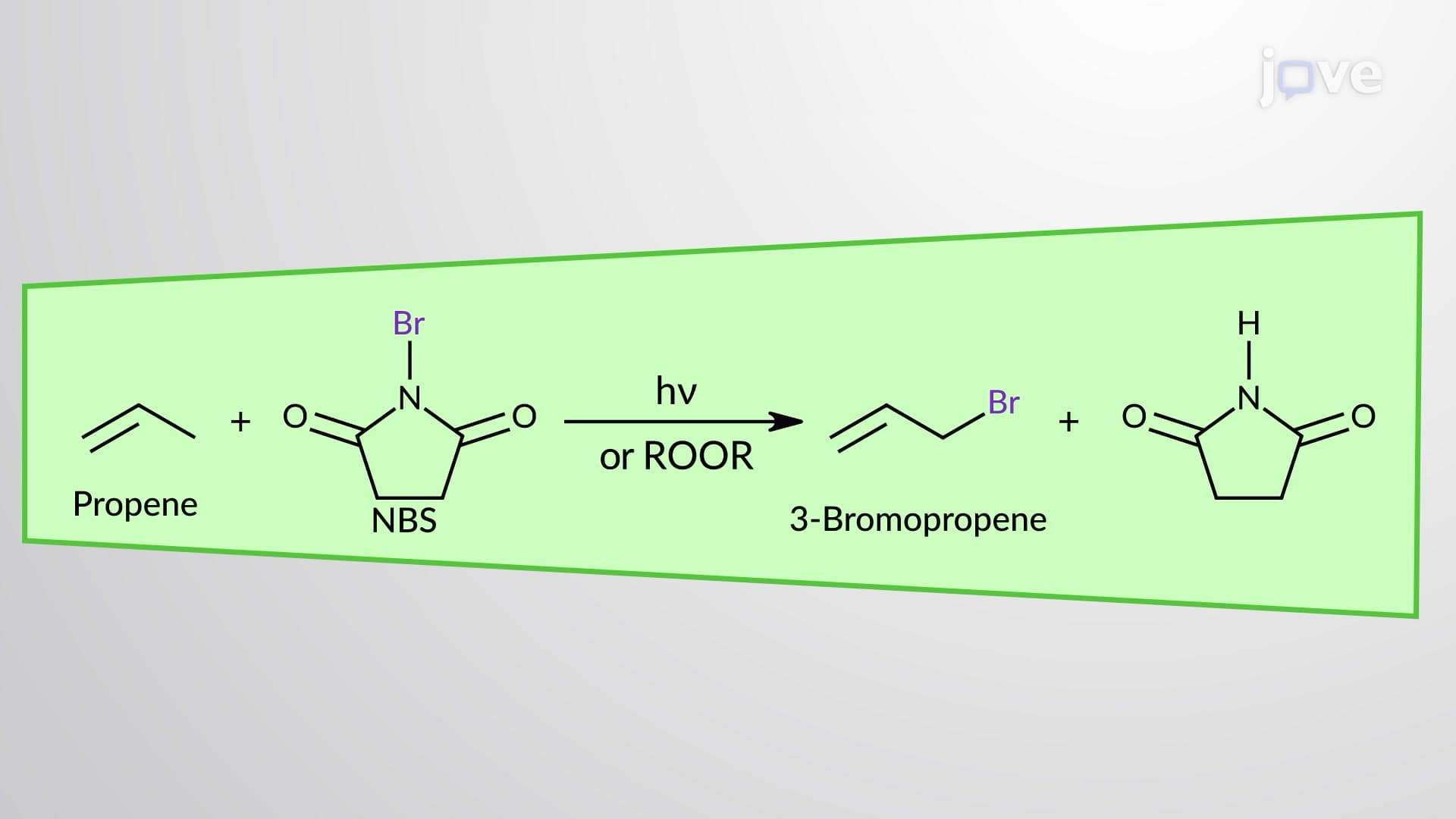

Video Summary: What Is Radical Substitution Allylic Bromination
Ever wondered how pharmaceutical companies create precise molecular modifications at room temperature? Radical substitution allylic bromination enables chemists to selectively replace hydrogen atoms adjacent to double bonds using N-bromosuccinimide (NBS), avoiding the harsh conditions traditionally required. For instance, Pfizer uses similar selective bromination techniques in synthesizing intermediates for cardiovascular medications. This fundamental what is radical substitution allylic bromination process involves initiation, propagation, and termination steps that maintain controlled bromine concentrations for optimal selectivity. Watch the full video on JoVE Coach to master this concept with expert-led visuals and step-by-step explanations.
Radical substitution allylic bromination represents a cornerstone reaction in organic chemistry that enables selective functionalization of alkenes. Unlike traditional halogenation requiring elevated temperatures and high halogen concentrations, this process utilizes N-bromosuccinimide (NBS) to achieve bromination at room temperature with remarkable selectivity for allylic positions.
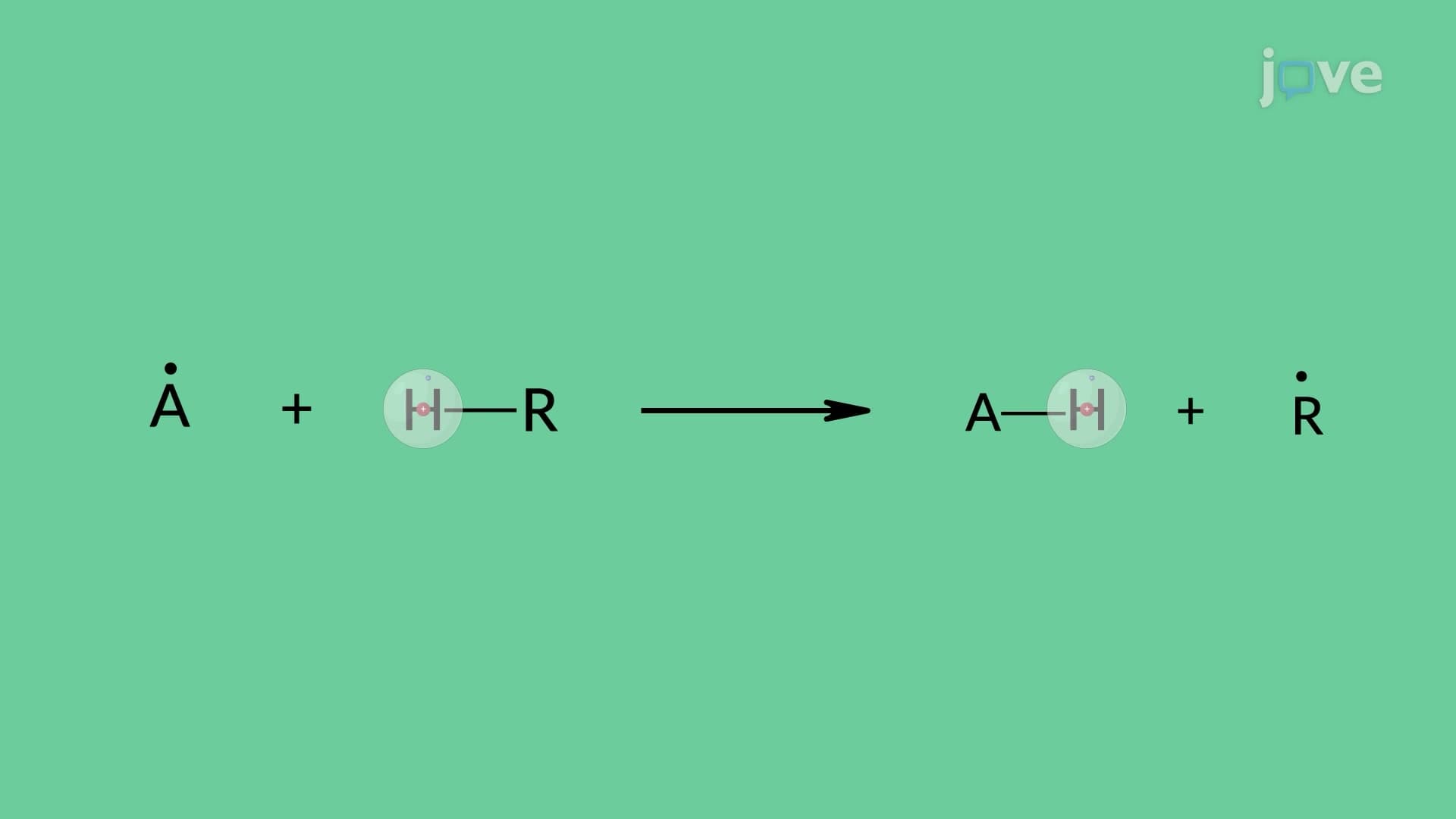
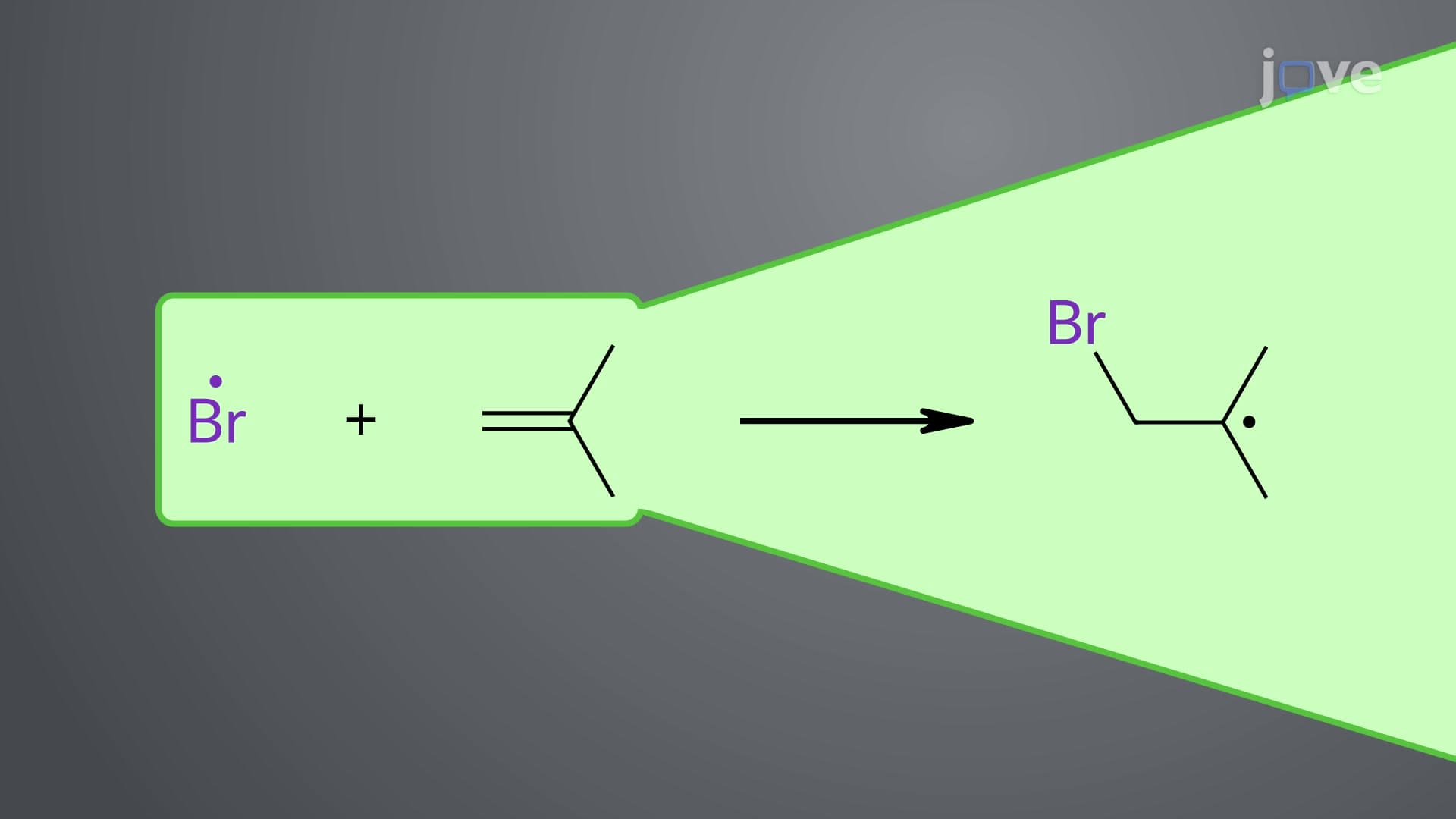
The reaction proceeds through a classic radical chain mechanism initiated by homolytic cleavage of the N-Br bond in NBS upon exposure to light or peroxides. The resulting bromine radical selectively abstracts hydrogen from the allylic position-the carbon adjacent to the C=C double bond. This selectivity arises from the exceptional stability of allylic radicals, which benefit from resonance delocalization across the adjacent π-system.
During propagation, the allylic radical intermediate can react at either terminus, potentially leading to mixtures of products. However, the mild conditions and controlled bromine concentration minimize side reactions and rearrangements common in high-temperature halogenations. Students preparing for AP Chemistry or college organic chemistry courses should recognize this as a prime example of kinetic versus thermodynamic control in chemical reactions.
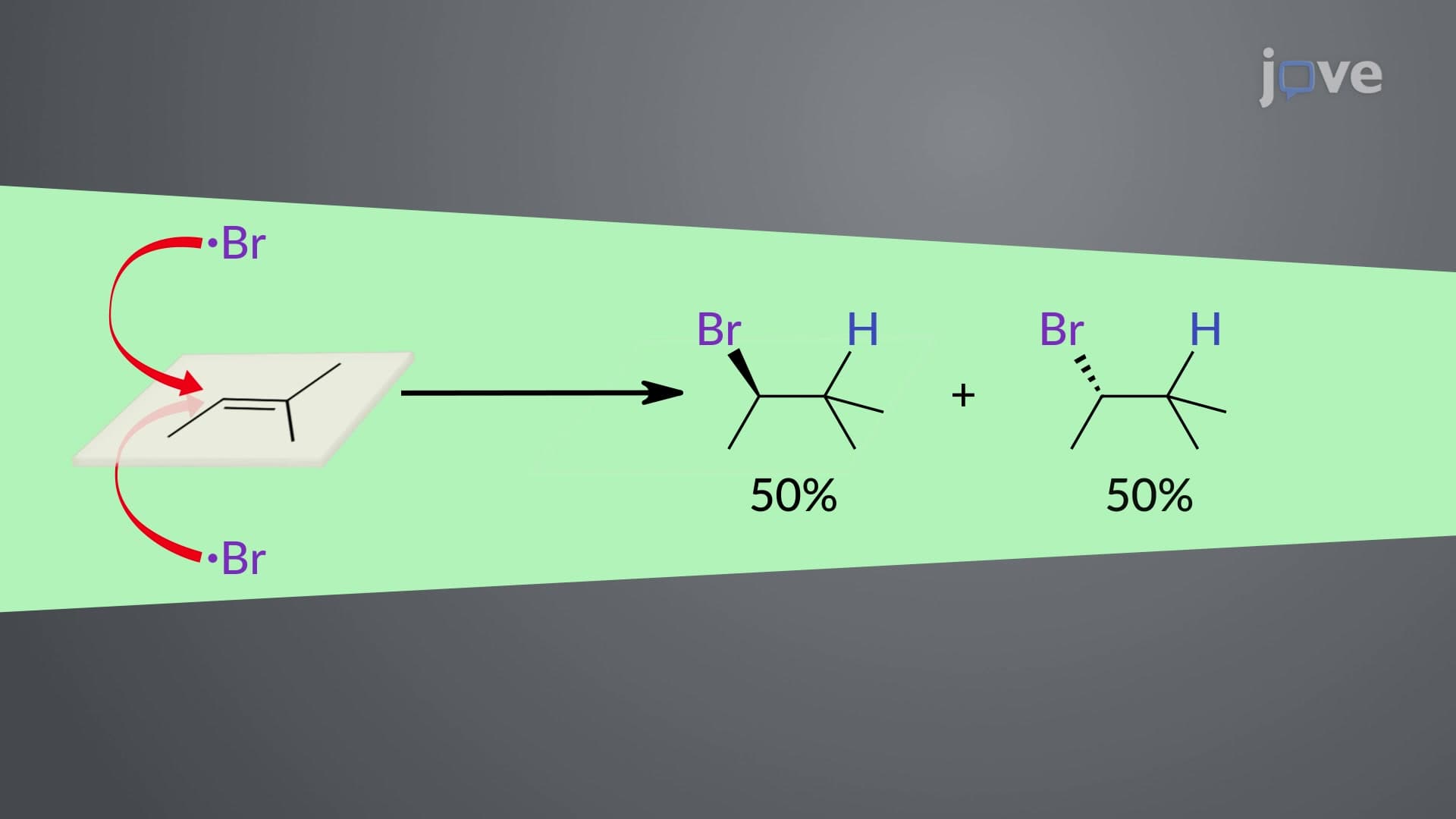
This transformation appears frequently on standardized exams including the MCAT, where students must predict major products and draw complete mechanisms. For instance, when 2-methyl-2-butene undergoes radical substitution allylic bromination, the primary product forms at the less substituted allylic position due to steric factors and radical stability considerations.
In industrial applications, pharmaceutical companies like Johnson & Johnson employ similar radical bromination techniques in synthesizing complex drug intermediates. The mild reaction conditions preserve sensitive functional groups that might decompose under traditional halogenation protocols, making this method invaluable for late-stage functionalization in drug discovery.
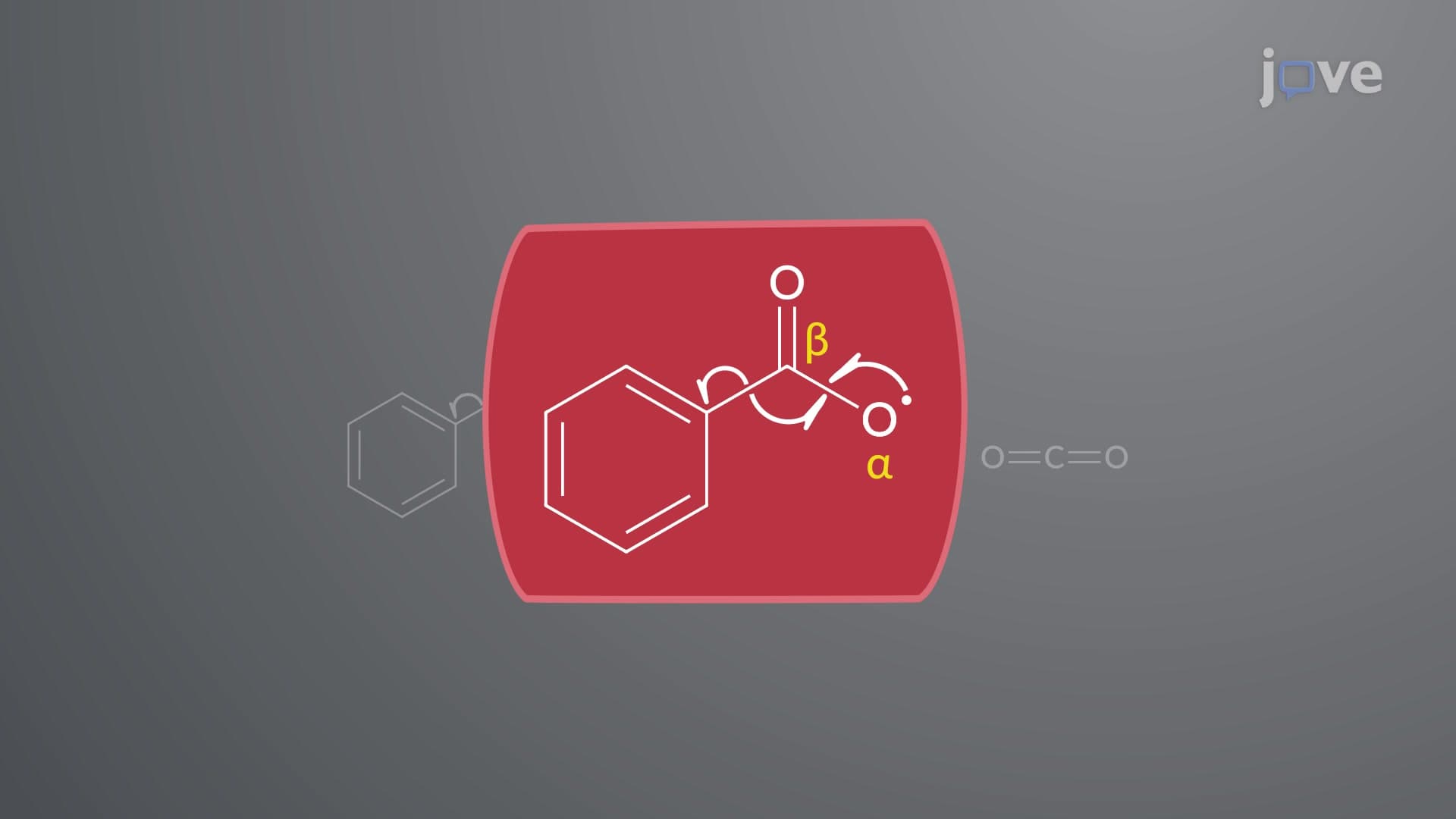
Students should focus on drawing complete mechanisms showing electron movement with fishhook arrows, identifying all intermediates, and predicting regioselectivity based on radical stability. Practice problems involving unsymmetrical alkenes help reinforce the concept that radical stability follows the order: tertiary > secondary > primary, while also considering resonance stabilization effects unique to allylic systems.
Related Micro-courses