Loading subject page…


3,980 views

Video Summary: Chronopharmacokinetics Circadian Rhythms and Influence Explained
Did you know that taking blood pressure medication in the morning versus evening can mean the difference between effective treatment and treatment failure? Chronopharmacokinetics circadian rhythms influence determines how our body's 24-hour biological clock affects drug absorption, distribution, and effectiveness. Consider hypertensive patients in US hospitals: "dippers" whose blood pressure naturally drops at night need morning doses, while "non-dippers" require evening medication to prevent early-morning strokes. Understanding Chronopharmacokinetics Circadian Rhythms And Influence Explained is crucial for optimizing therapeutic outcomes and minimizing drug toxicity. Watch the full video on JoVE Coach to master this concept with expert-led visuals and step-by-step explanations.
Chronopharmacokinetics Circadian Rhythms And Influence Explained represents the intersection of biological timing and drug therapy, where our body's natural 24-hour clock significantly impacts how medications work. This field emerged from observations that identical drug doses produced different therapeutic and toxic effects depending on administration time. US clinical research has demonstrated that circadian rhythms regulate nearly every physiological process, from hormone secretion to cellular metabolism, creating predictable windows of drug sensitivity and resistance.
The human circadian system operates through a master clock located in the suprachiasmatic nucleus of the hypothalamus, which coordinates peripheral clocks throughout the body. These biological timekeepers regulate core body temperature (lowest around 4 AM, highest around 6 PM), heart rate variability, gastric acid secretion, and liver enzyme activity. For students preparing for the MCAT or AP Biology exams, understanding these rhythms explains why drug absorption rates vary throughout the day-gastric emptying is slower at night, potentially delaying oral medication absorption, while hepatic metabolism peaks during active hours.
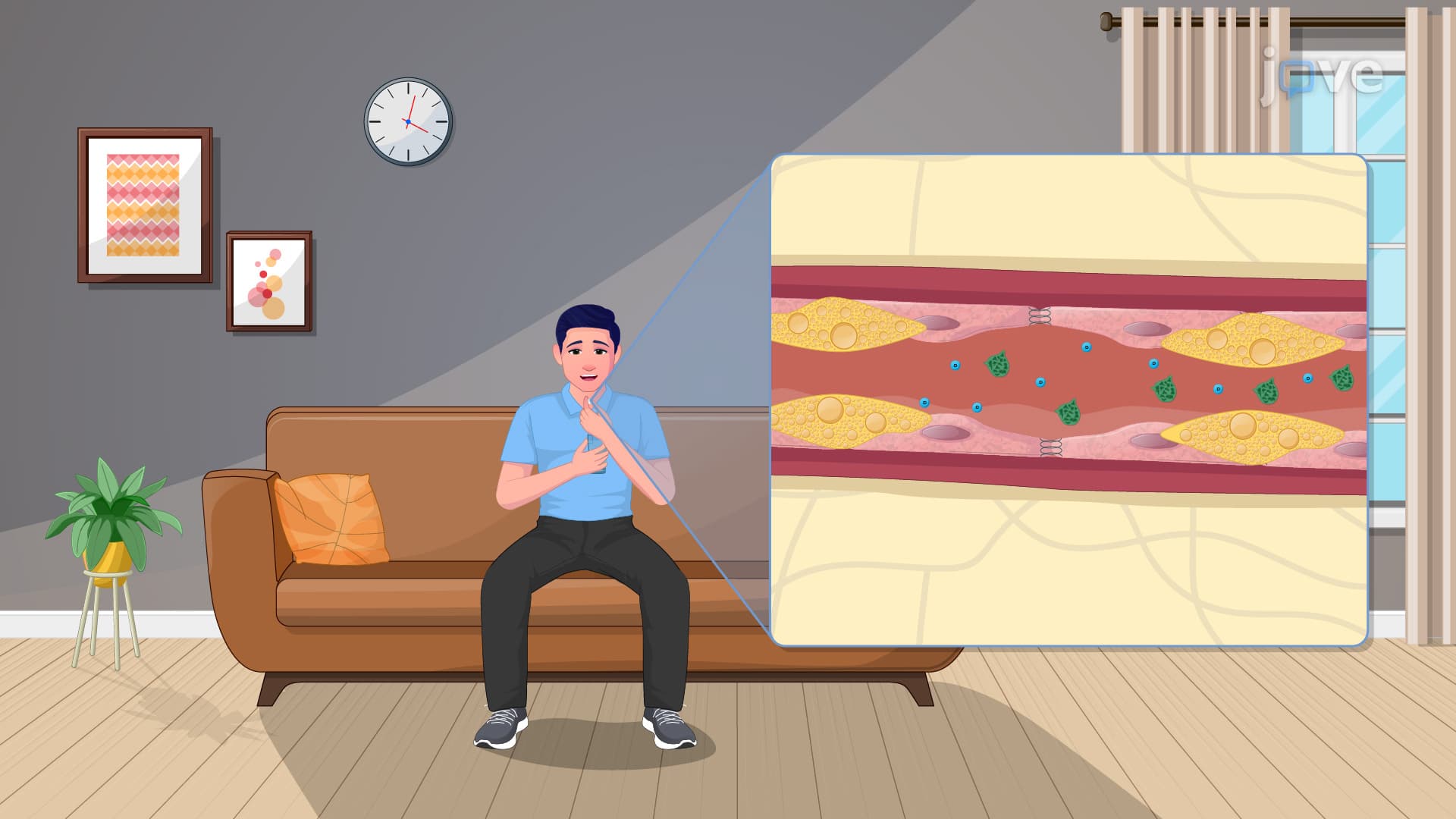
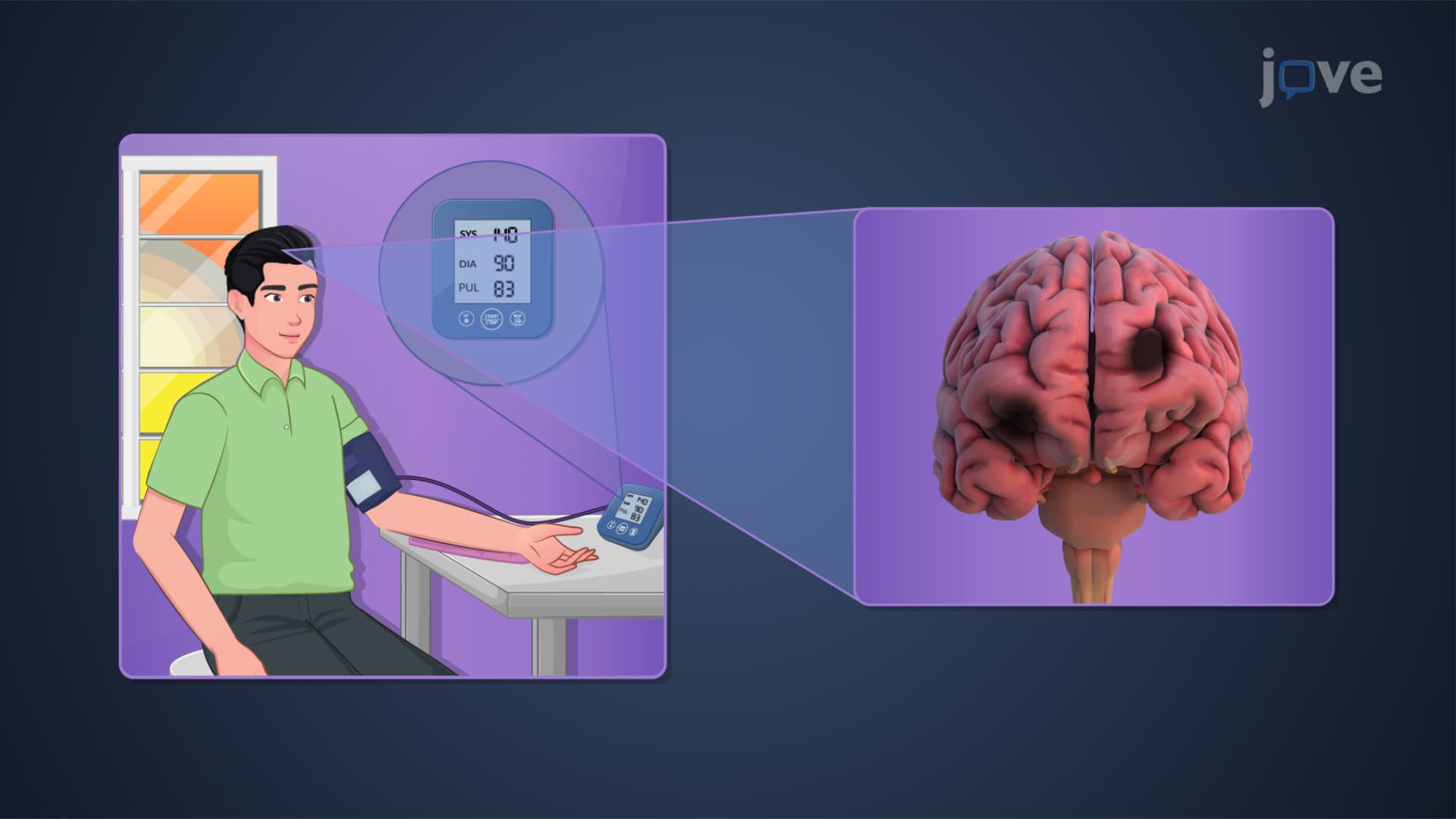
Blood pressure exemplifies chronopharmacokinetic principles in US clinical practice. Healthy individuals and many hypertensive patients exhibit a "dipper" pattern-blood pressure rises in early morning (around 6-9 AM) and decreases by 10-20% during sleep. However, approximately 25-30% of hypertensive patients are "non-dippers," maintaining elevated nighttime blood pressure. This distinction is clinically crucial because early-morning blood pressure surges correlate with increased stroke and myocardial infarction risk.
US cardiologists now prescribe ACE inhibitors and calcium channel blockers based on these patterns. Dipper patients receive morning doses to counteract the dawn blood pressure surge, while non-dippers receive evening doses to restore normal nocturnal dipping. Studies from major US medical centers, including Johns Hopkins and Mayo Clinic, demonstrate that chronotherapy reduces cardiovascular events by 30-40% compared to conventional dosing.
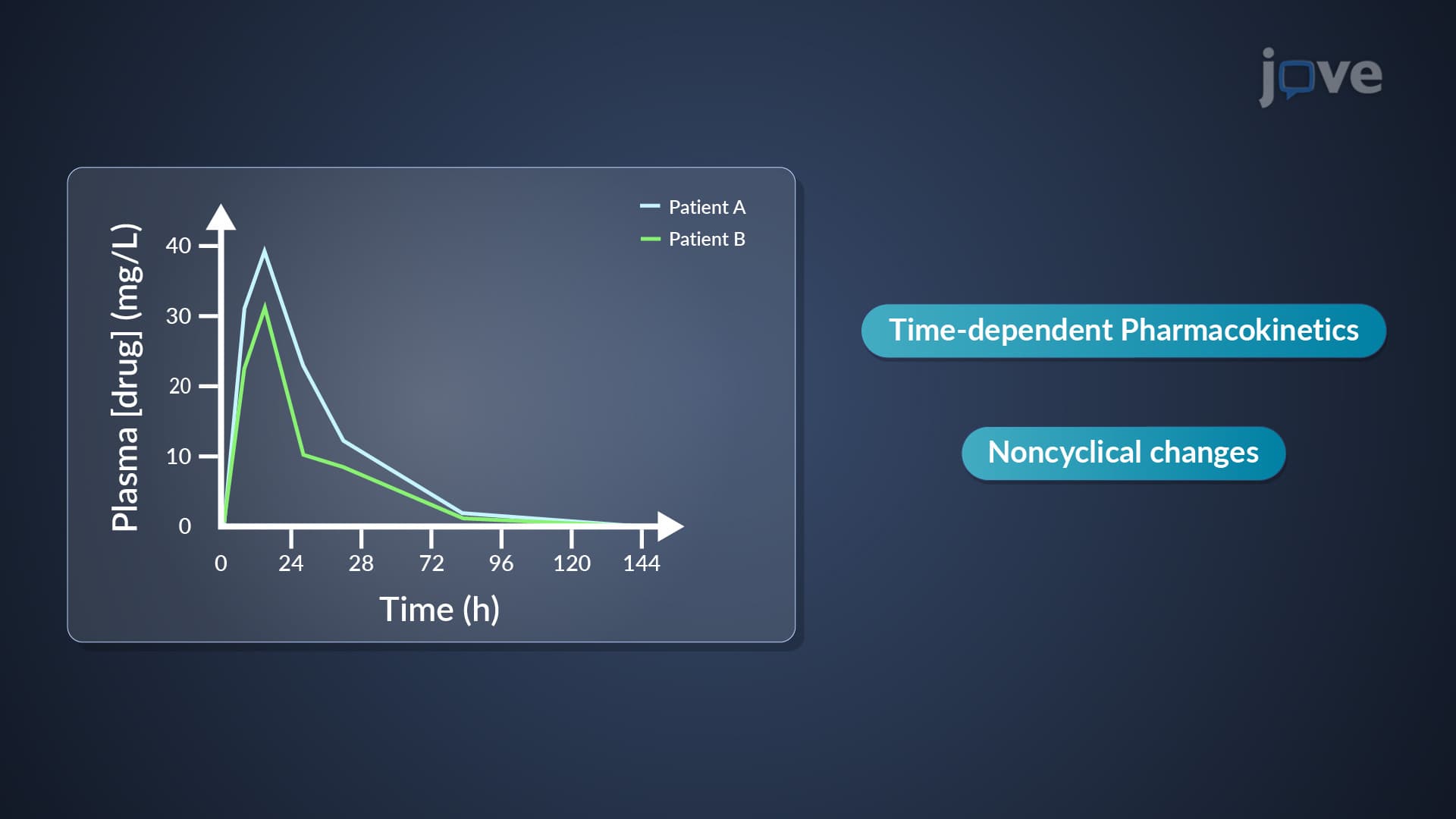
Time-dependent toxicity represents another critical aspect of chronopharmacokinetics. The same drug dose can be therapeutic at one time and toxic at another due to circadian variations in drug clearance, receptor sensitivity, and cellular repair mechanisms. For college pharmacology courses and USMLE preparation, students must recognize that chemotherapy drugs like cisplatin show reduced nephrotoxicity when administered in the afternoon, while certain antibiotics demonstrate enhanced efficacy during specific circadian phases. This knowledge directly applies to clinical rotations where proper timing can optimize patient outcomes while minimizing adverse effects.
Related Micro-courses