Loading video…


 12 Concepts
 4K views

Video Summary: Michaelis Menten Kinetics Determination of Km and Vmax
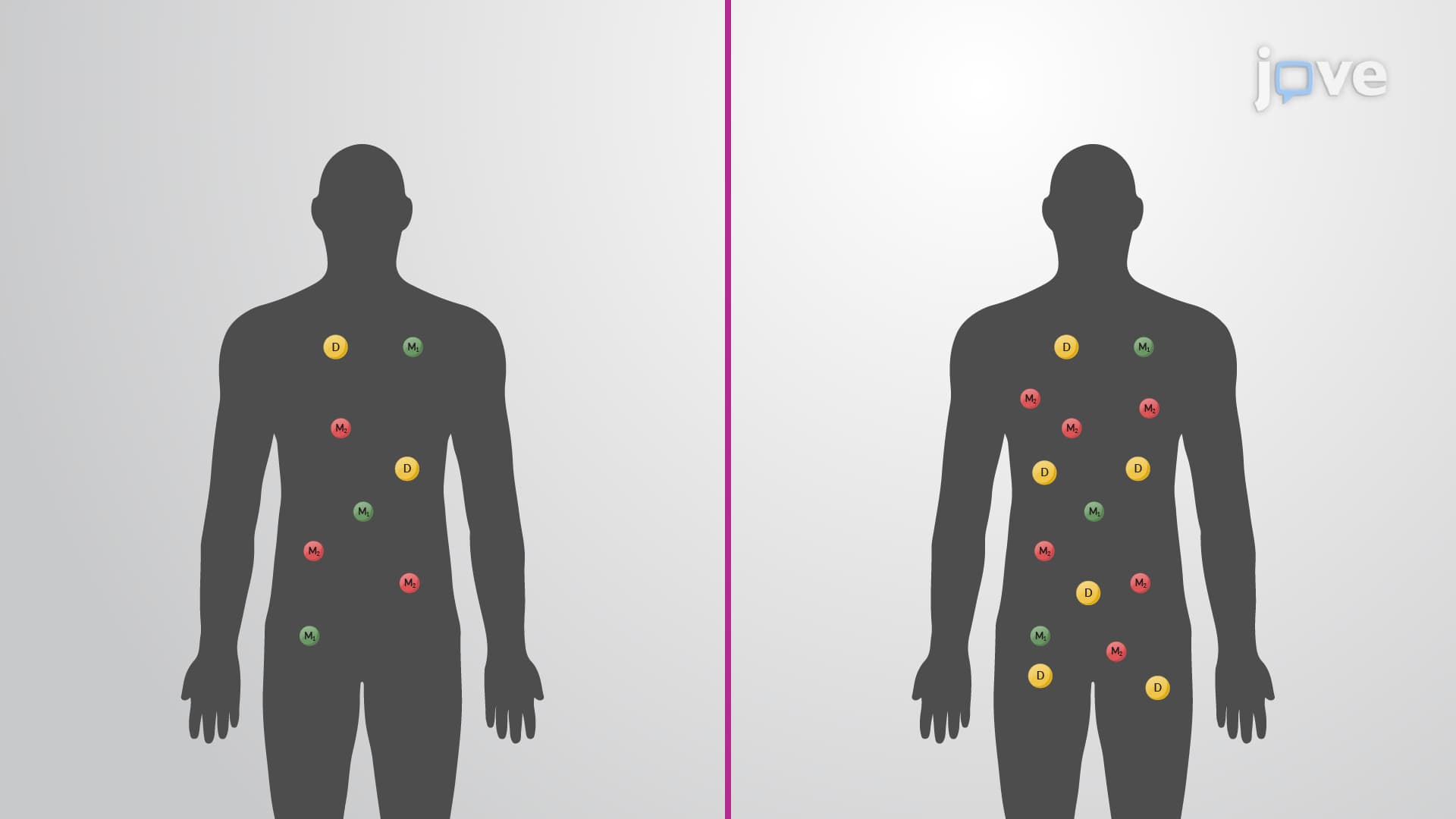
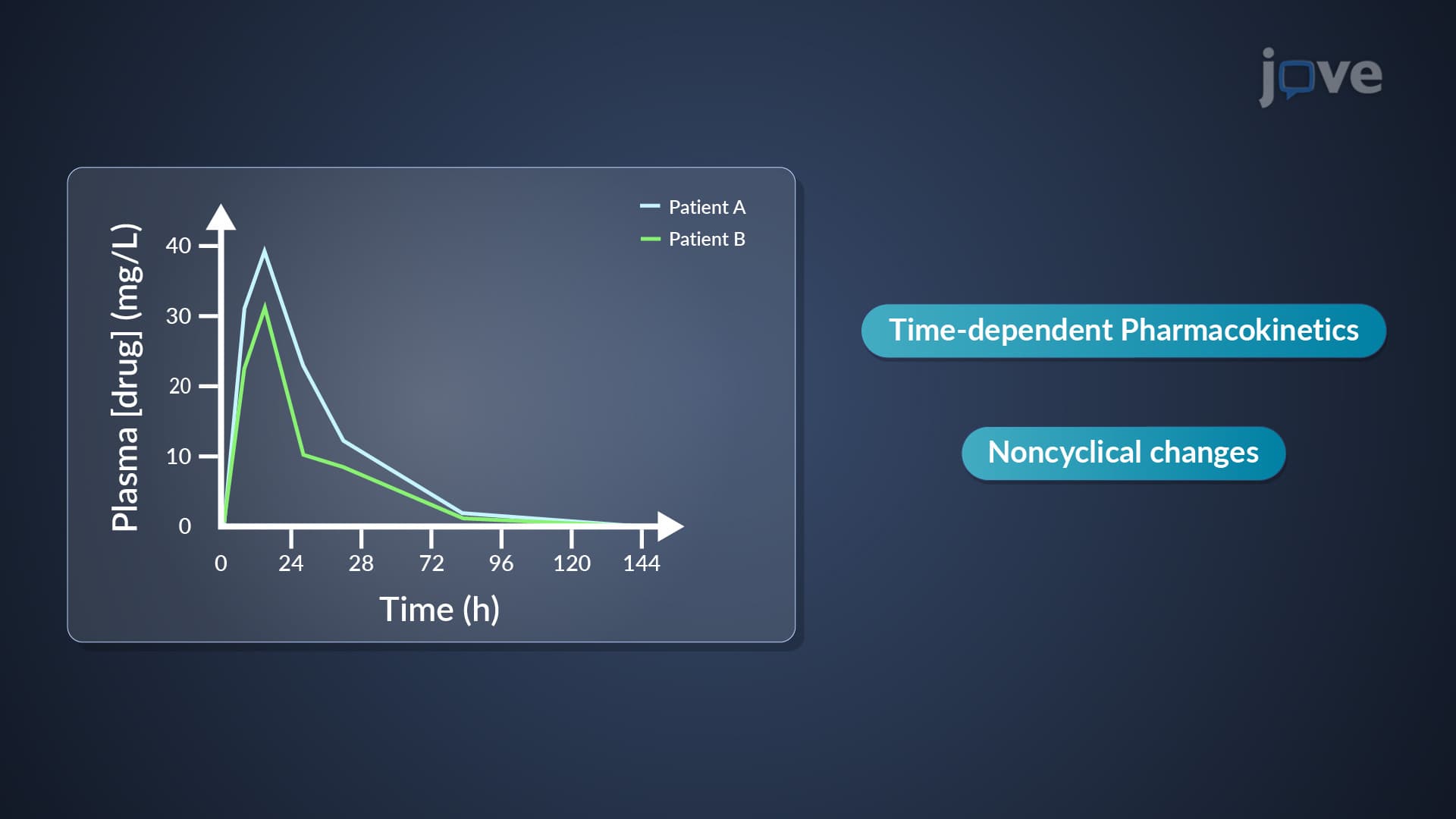
Why does the same dose of phenytoin affect patients so differently? The answer lies in Michaelis-Menten kinetics: determination of Km and Vmax, two critical parameters that govern how our bodies process capacity-limited drugs. Phenytoin, a common anti-seizure medication used in US hospitals, follows these kinetics rather than simple first-order elimination. Understanding how to determine Km (Michaelis constant) and Vmax (maximum velocity) through graphical methods like direct linear plots and Lineweaver-Burk plots is essential for predicting drug behavior and optimizing dosing regimens. Watch the full video on JoVE Coach to master this concept with expert-led visuals and step-by-step explanations.
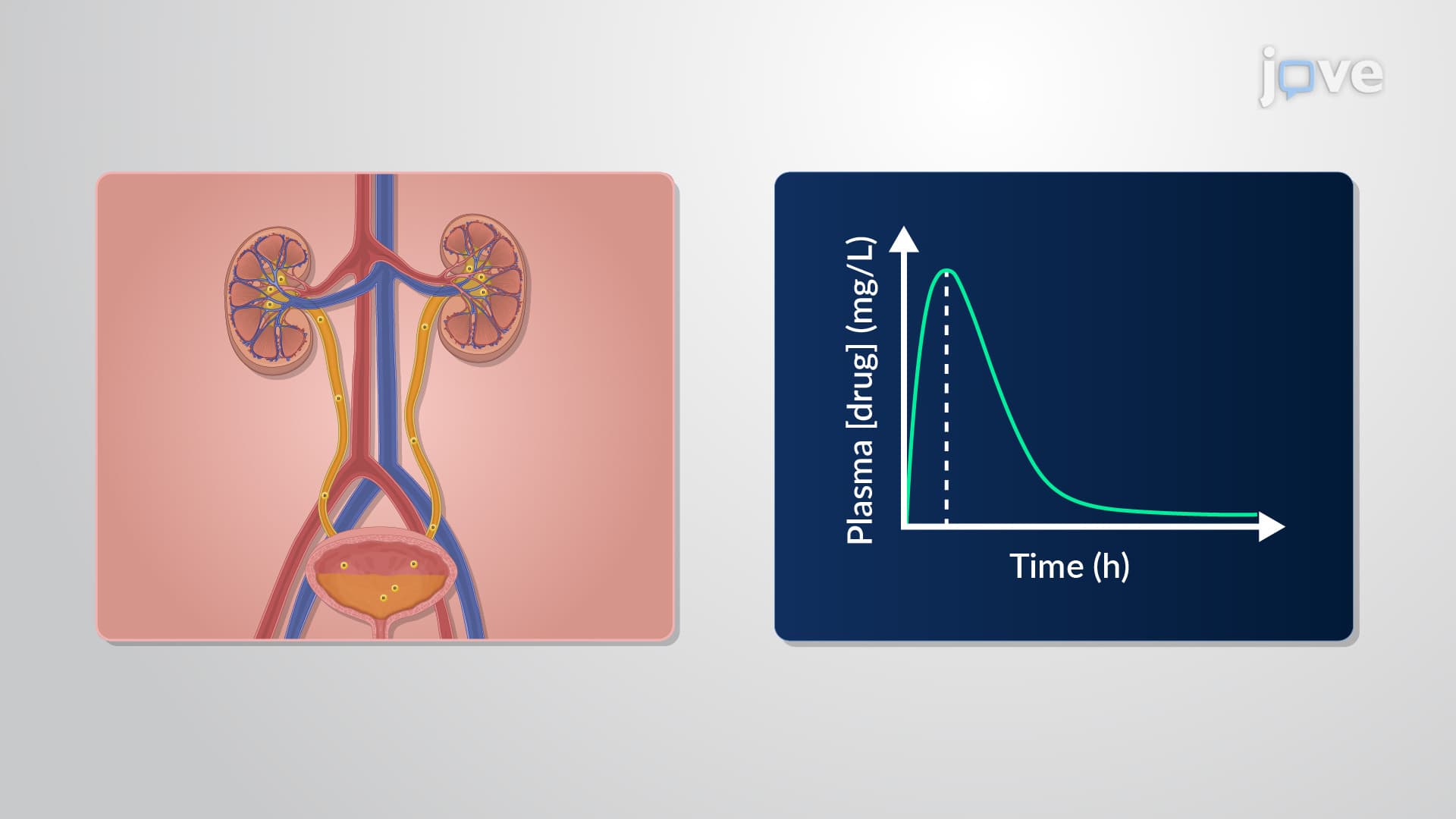
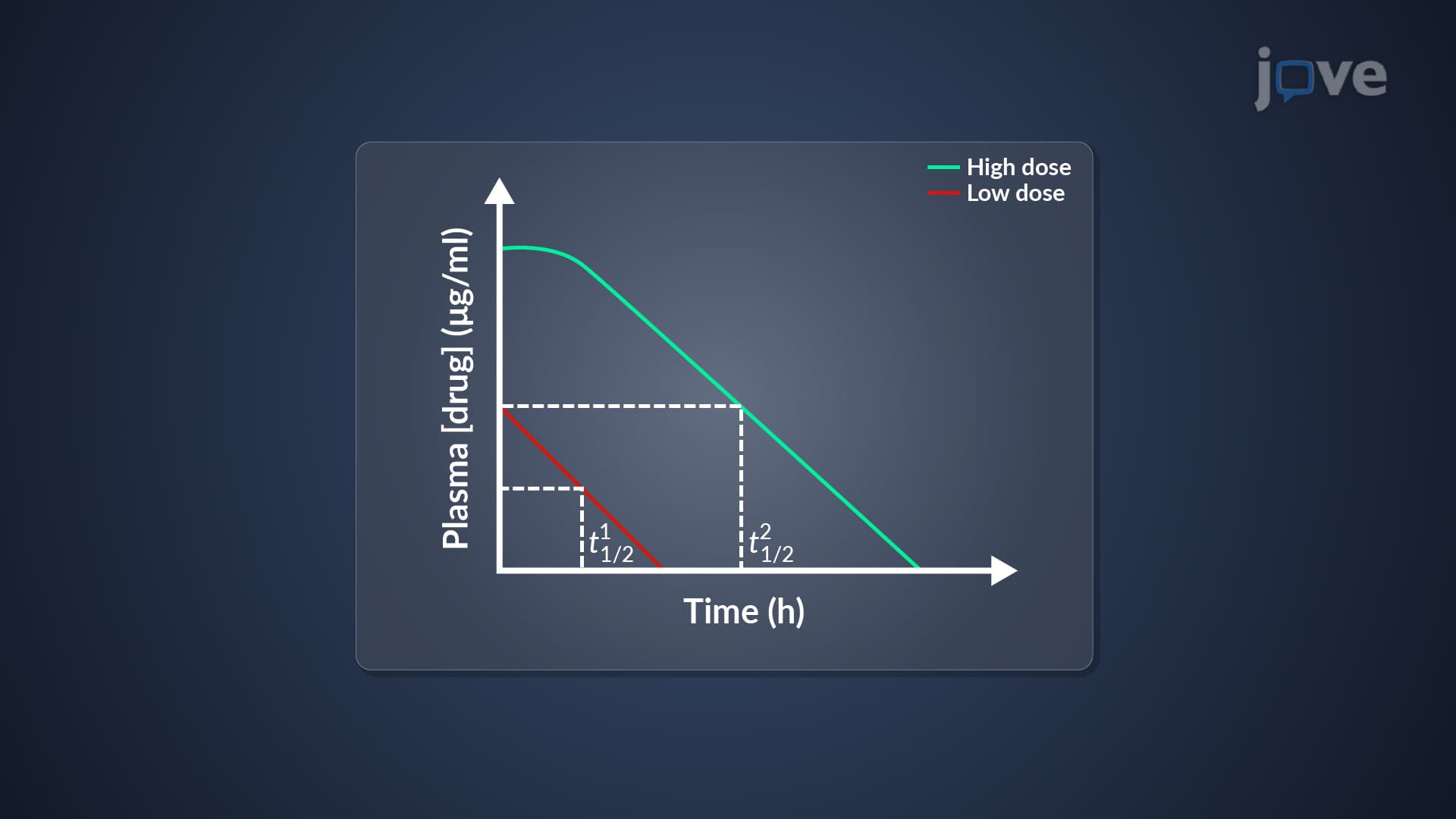
Michaelis-Menten kinetics describes the relationship between substrate concentration and reaction velocity when enzymes become saturated. In pharmacokinetics, this applies to drugs that undergo capacity-limited elimination, where the body's ability to process the drug becomes overwhelmed at therapeutic doses. Unlike first-order kinetics where elimination rate is proportional to drug concentration, Michaelis-Menten kinetics follows a hyperbolic relationship that plateaus as enzymes reach saturation.
The Michaelis constant (Km) represents the substrate concentration at which the reaction velocity equals half of Vmax. In drug terms, Km indicates the plasma concentration where elimination occurs at half-maximum rate. A lower Km means the drug reaches half-saturation at lower concentrations, making patients more sensitive to dose changes. Vmax represents the maximum elimination rate when all enzymes are saturated. These parameters are crucial for drugs like phenytoin, where small dose increases can cause disproportionately large increases in plasma levels.
The direct linear plot method involves administering two different steady-state dosing regimens and plotting the resulting plasma concentrations. Drawing lines from each data point through the origin creates intersection points where the x-intercept equals -Km and y-intercept equals Vmax. This approach is particularly useful in clinical settings because it uses actual patient data from therapeutic drug monitoring.
The Lineweaver-Burk plot transforms the Michaelis-Menten equation into linear form by plotting 1/velocity versus 1/substrate concentration. The slope equals Km/Vmax while the y-intercept equals 1/Vmax. Although mathematically elegant, this method can amplify experimental errors, especially at low concentrations. A third approach plots dosing rate against the dosing rate to steady-state concentration ratio, yielding Km as the slope and Vmax as the y-intercept.
Understanding these concepts is essential for MCAT preparation, particularly the Chemical and Physical Foundations section. AP Biology students encounter Michaelis-Menten kinetics when studying enzyme function, while college biochemistry courses explore these principles in detail. In clinical practice, pharmacists and physicians use these parameters to individualize dosing for narrow therapeutic index drugs. The FDA requires Michaelis-Menten analysis for drugs showing nonlinear kinetics during clinical trials. Nursing students preparing for NCLEX examinations must understand how these concepts apply to medication administration and patient monitoring.
Related Micro-courses