Loading subject page…


3,980 views


Video Summary: Nonlinear Pharmacokinetics Causes of Nonlinearity Explained
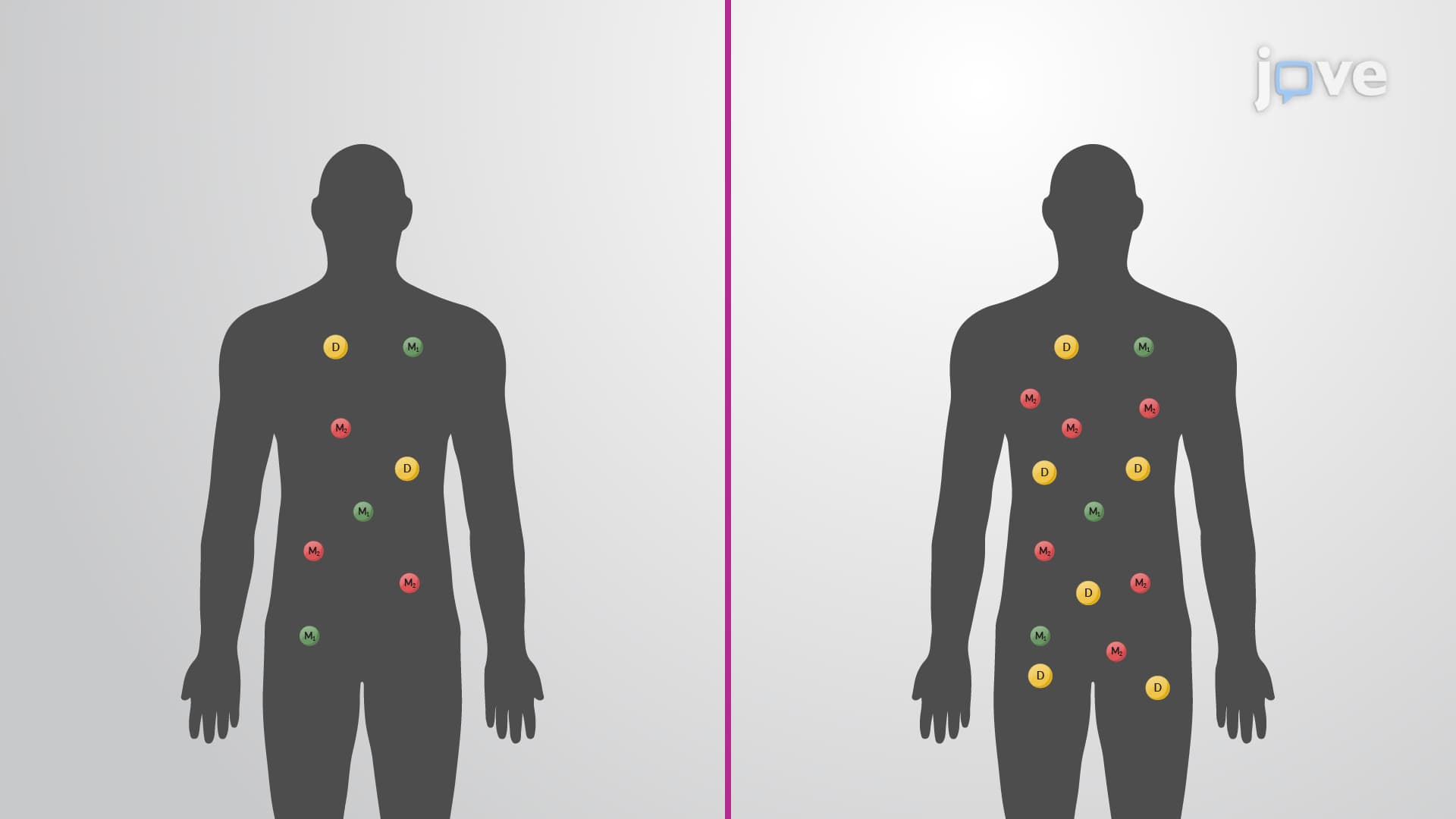
Ever wonder why doubling a medication dose doesn't always double its effect in your body? Nonlinear pharmacokinetics causes nonlinearity when normal drug processing pathways become overwhelmed or saturated. For instance, propranolol (a heart medication) shows dramatically increased absorption at higher doses because the liver's ability to break it down becomes saturated. Understanding Nonlinear Pharmacokinetics Causes of Nonlinearity Explained helps predict unexpected drug behaviors that could impact patient safety. Watch the full video on JoVE Coach to master this concept with expert-led visuals and step-by-step explanations.
When most students first learn about drug behavior, they expect a simple relationship: double the dose, double the effect. However, nonlinear pharmacokinetics causes nonlinearity through several fascinating biological mechanisms that create unpredictable drug responses. This concept appears frequently on the MCAT, NCLEX, and advanced pharmacology exams because it's crucial for safe medication management.
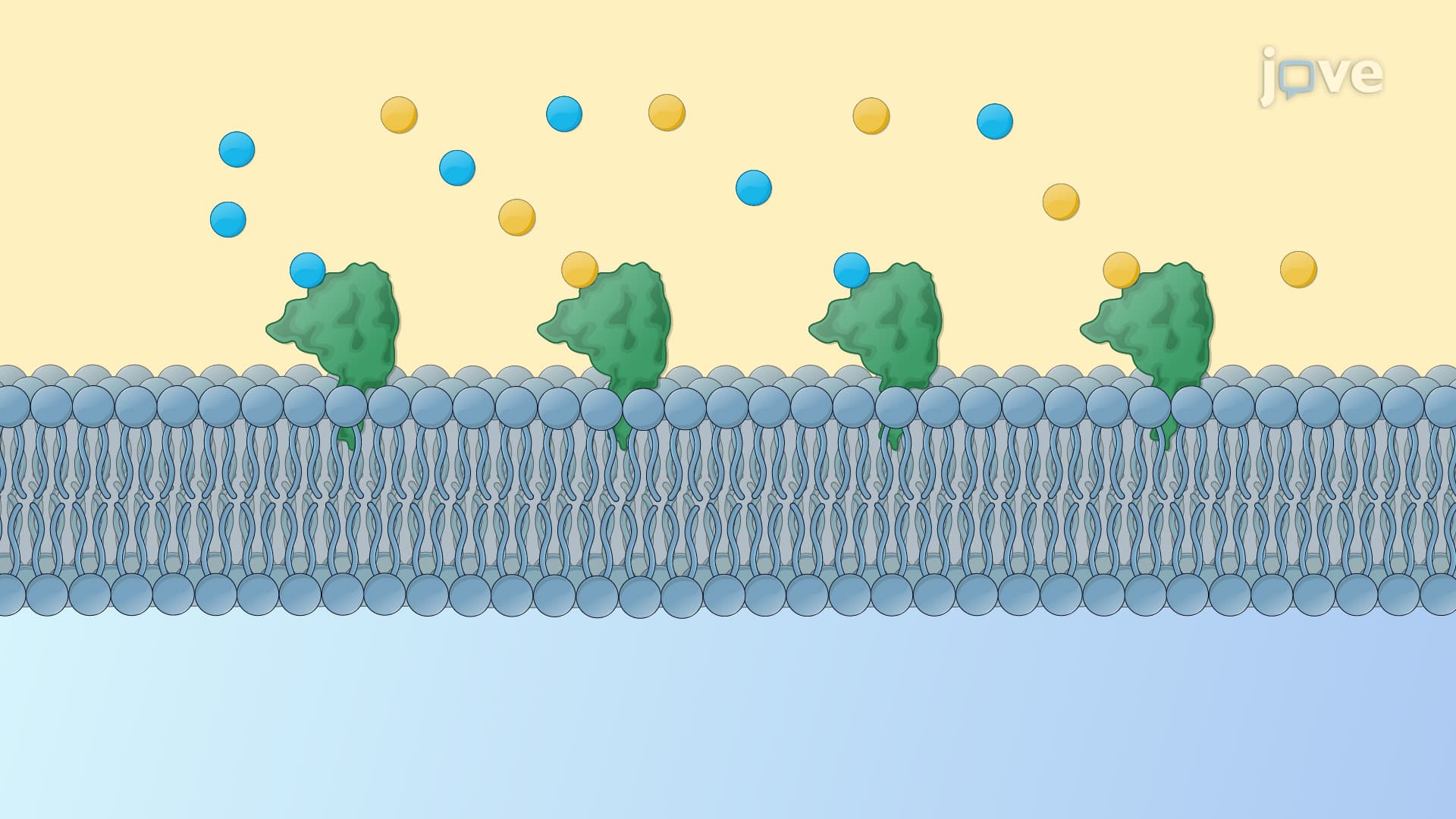
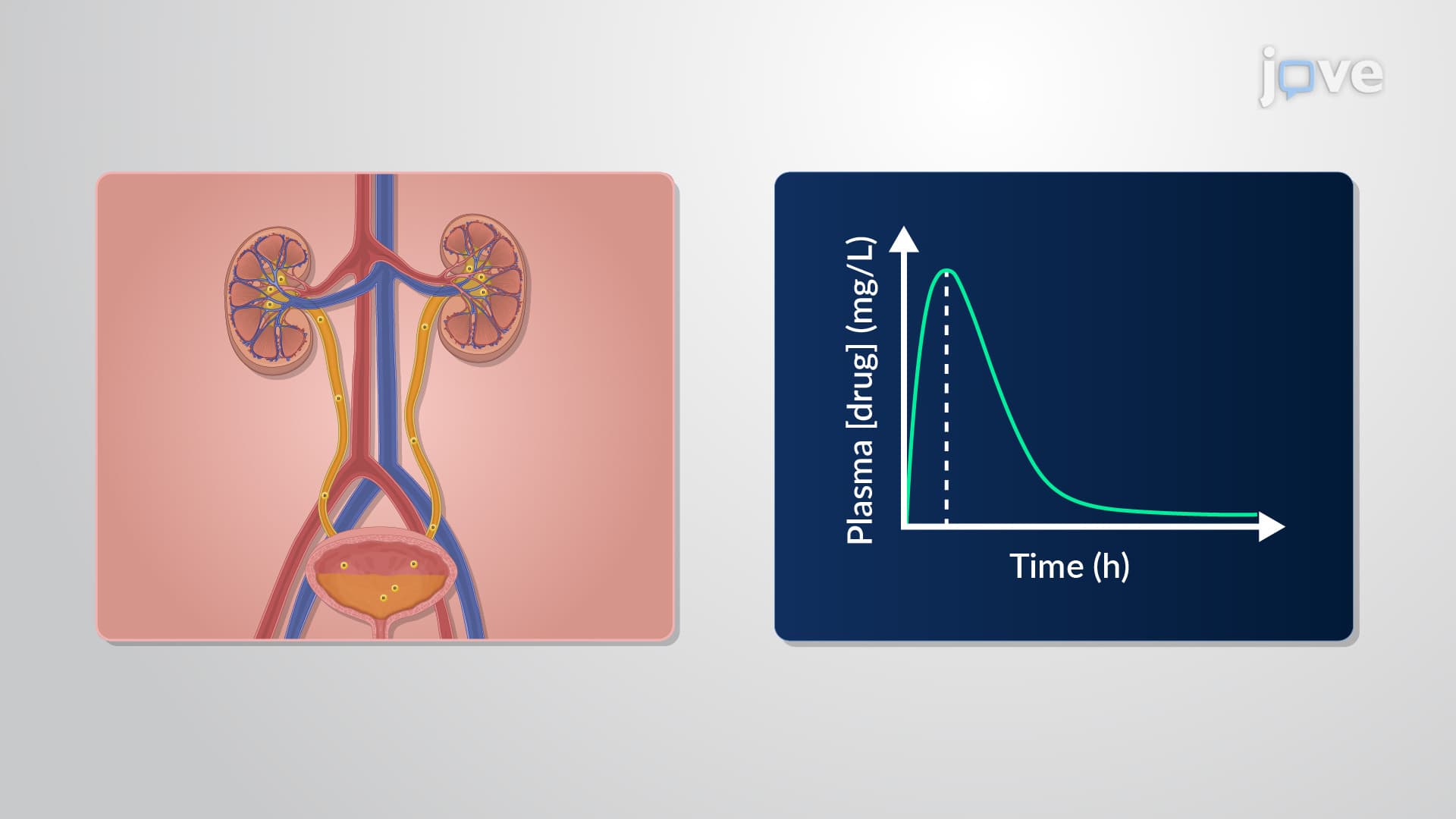
Drug absorption becomes nonlinear when the body's uptake systems reach their limits. Carrier-mediated transport proteins in the intestine can only handle so much drug at once-like turnstiles at a subway station during rush hour. Once saturated, additional drug simply can't get through efficiently. Propranolol provides a classic example: at low doses, the liver metabolizes most of it before reaching systemic circulation (first-pass metabolism). At higher doses, this system becomes overwhelmed, allowing much more drug to reach the bloodstream than predicted.
Rate-limited solubility also creates absorption nonlinearity. Some medications dissolve so slowly that increasing the dose doesn't proportionally increase absorption-the excess just sits in the stomach undissolved. This phenomenon is particularly important for poorly water-soluble drugs and appears in pharmaceutical science coursework across US universities.
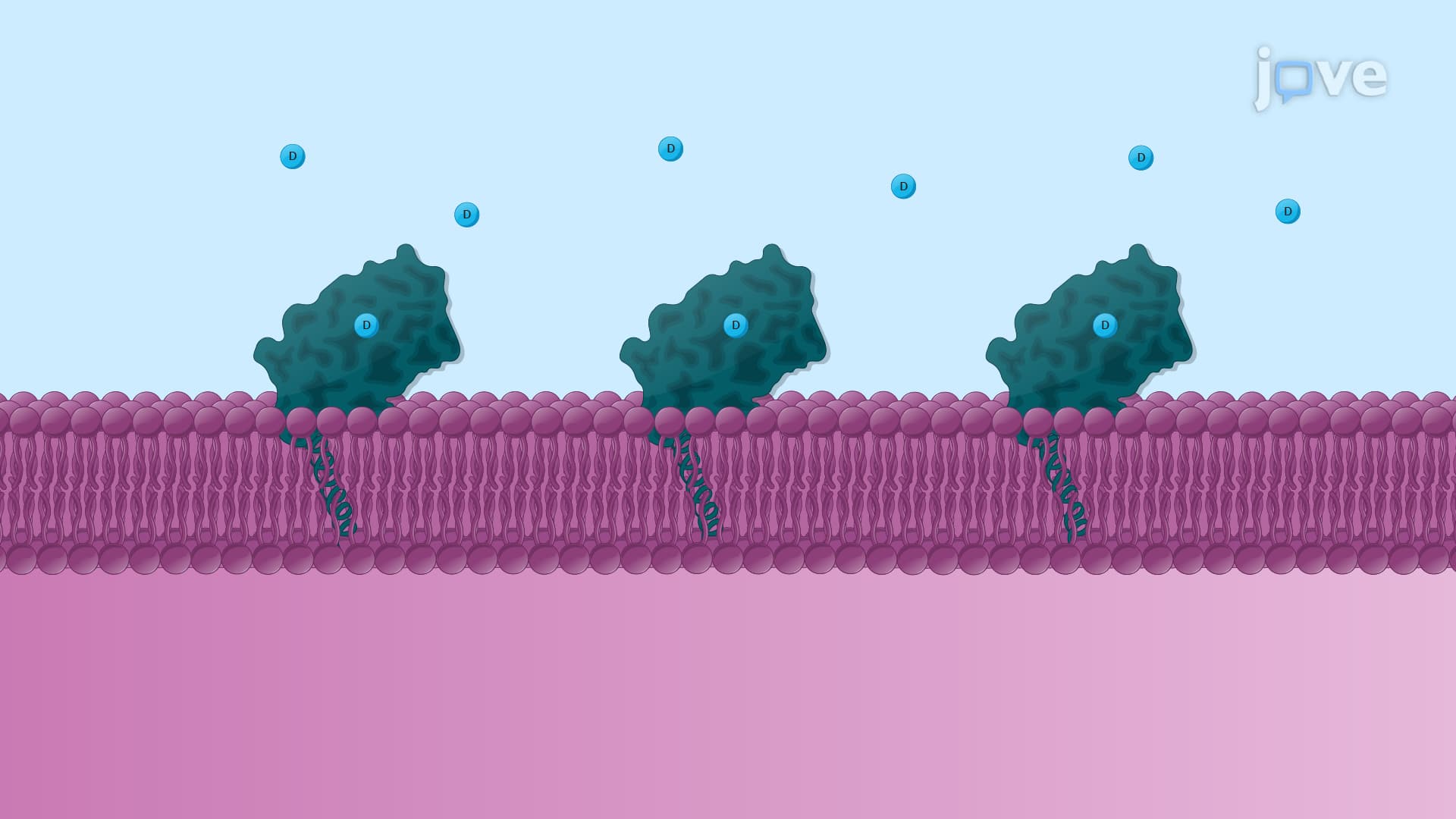
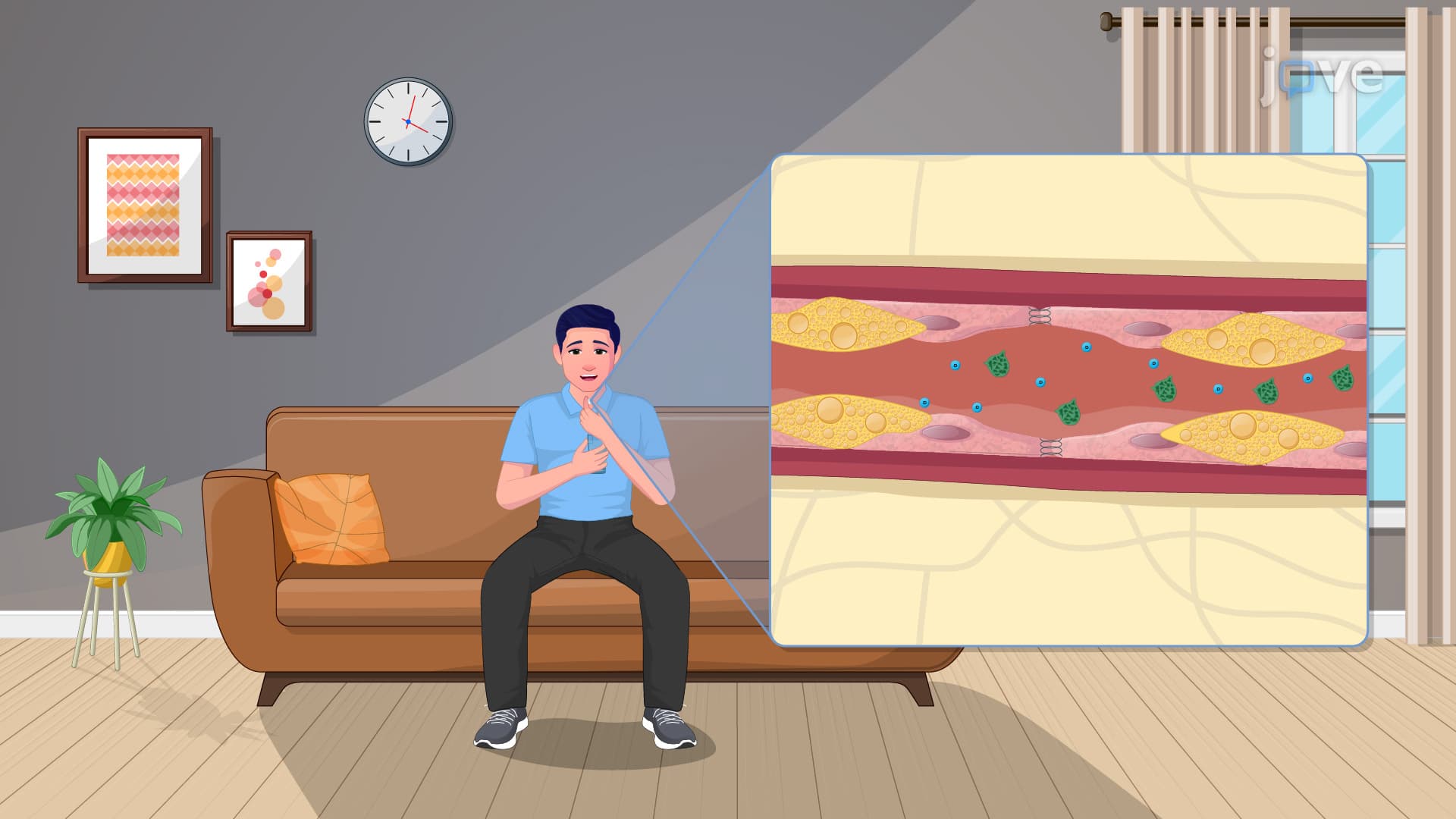
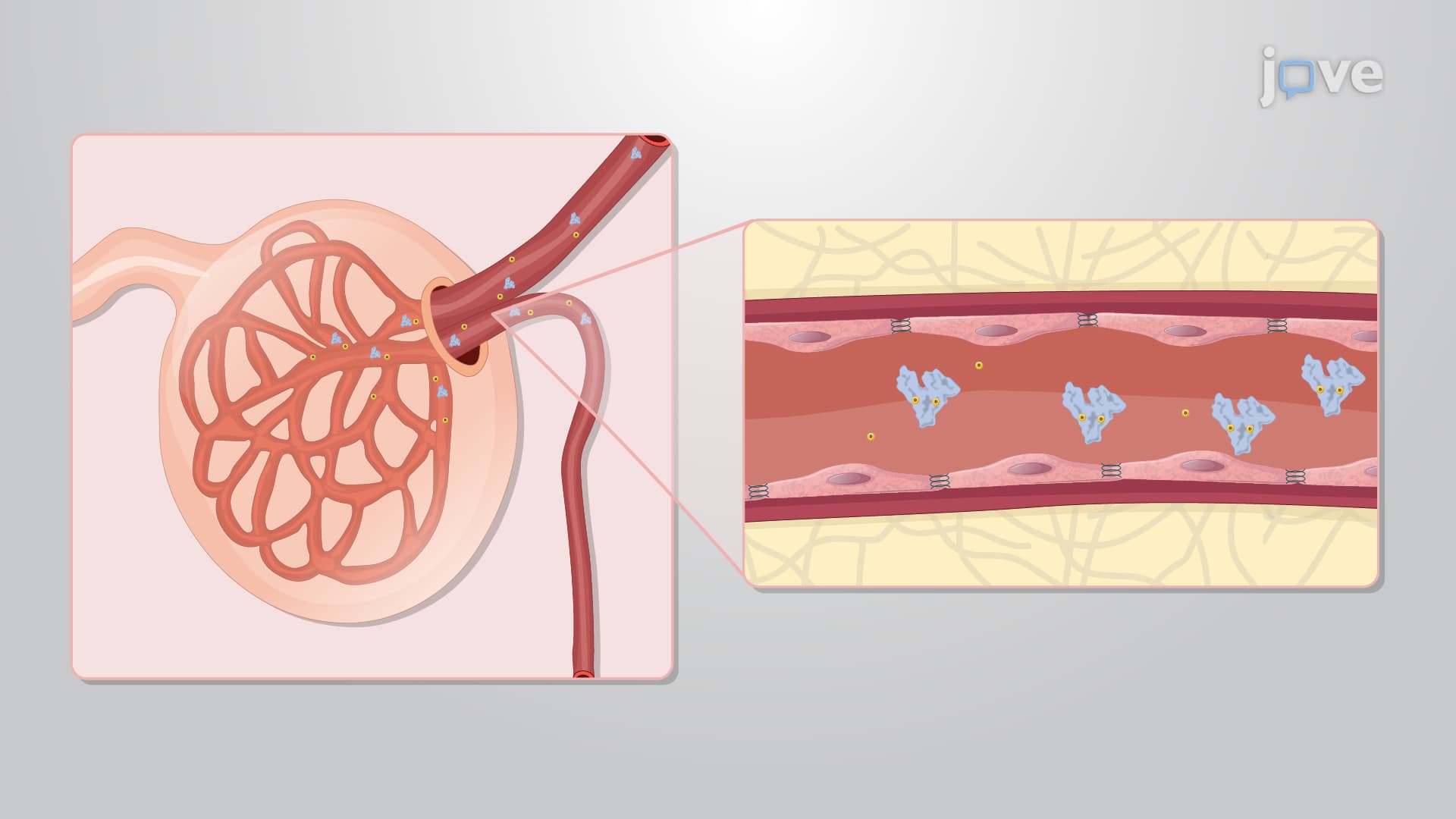
Nonlinear pharmacokinetics causes unpredictable distribution when binding sites become saturated. Plasma proteins like albumin act as drug taxis, carrying medications throughout the body. Phenylbutazone demonstrates this perfectly: at therapeutic doses, most drug molecules bind to albumin. As doses increase, binding sites fill up, leaving more "free" (unbound) drug circulating. Since only unbound drug produces effects, patients may experience dramatically increased responses even with modest dose increases.
Tissue binding follows similar patterns. When tissue binding sites saturate, drugs redistribute differently than expected, potentially causing toxicity in previously safe organs.
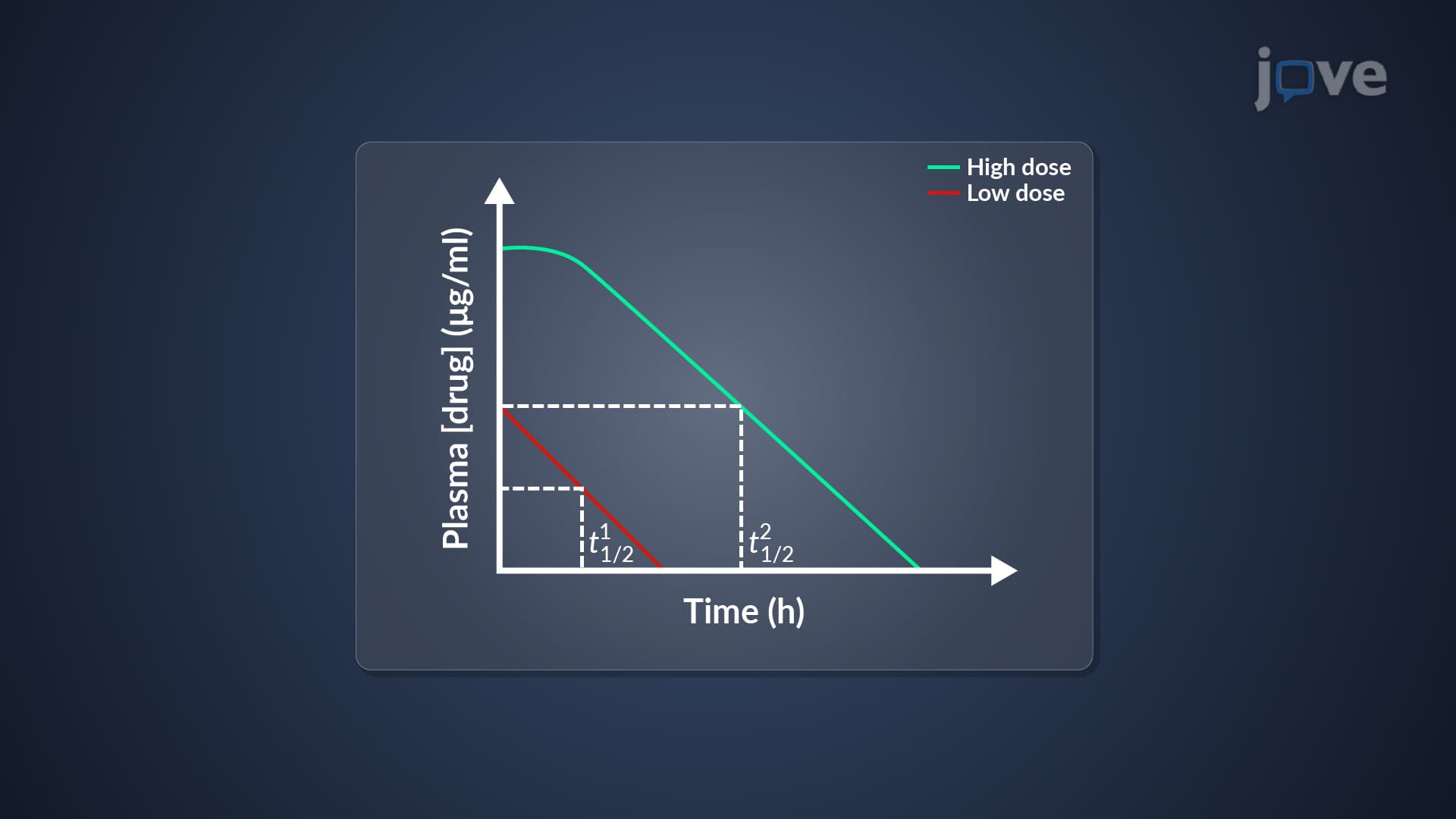
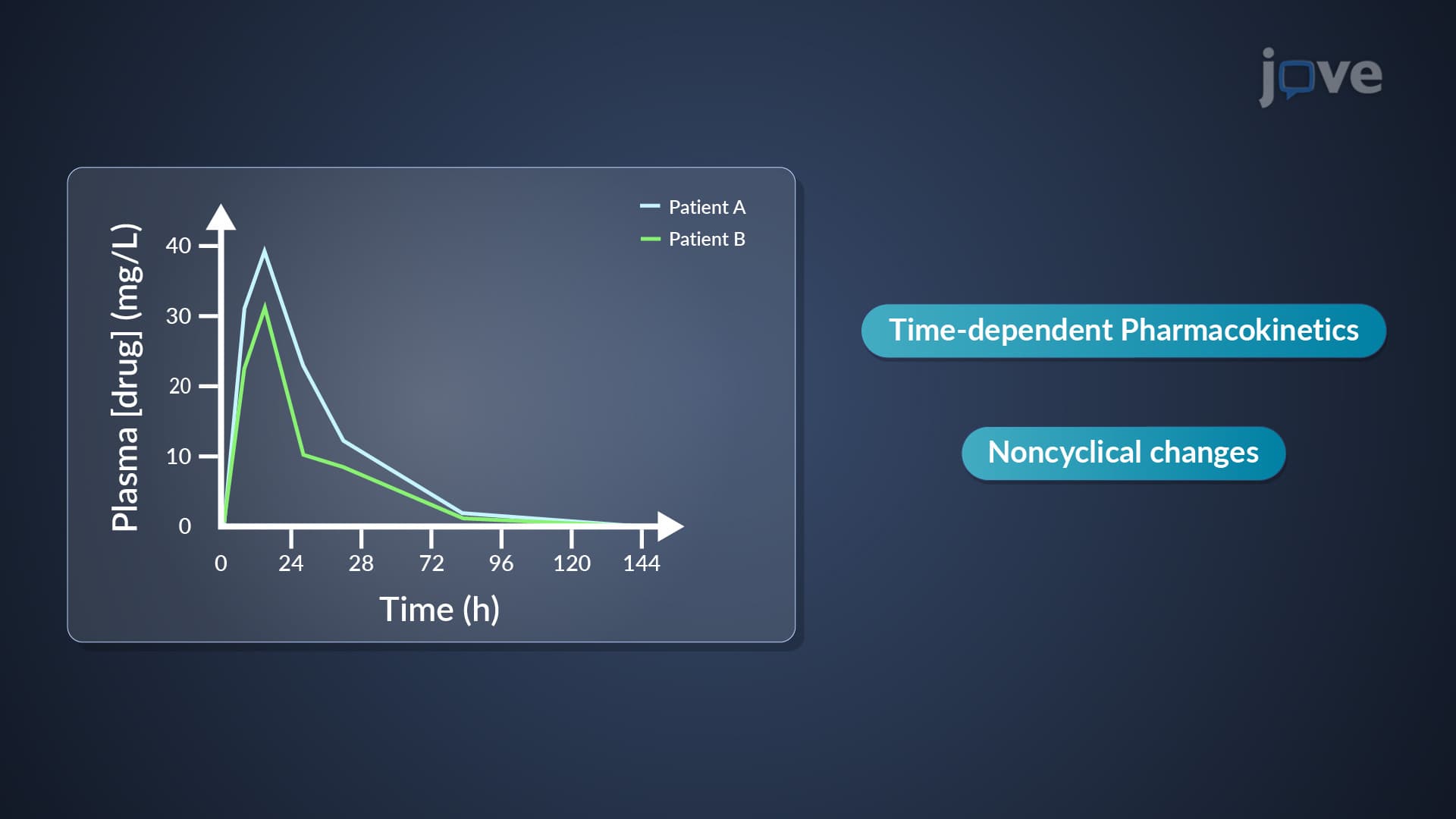
Enzyme saturation represents the most clinically significant cause of nonlinear kinetics. The liver contains limited amounts of drug-metabolizing enzymes (like CYP450 systems). Carbamazepine illustrates another type of metabolic nonlinearity through enzyme induction-it actually increases production of the enzymes that break it down. Patients often need dose adjustments after several weeks because the same dose produces lower blood levels over time.
This concept proves essential for USMLE Step 1 preparation and appears in clinical scenarios where students must predict drug interactions and dosing complications. Understanding these mechanisms helps future healthcare providers anticipate when standard dosing protocols might fail.
Related Micro-courses