Loading subject page…


3,980 views

Video Summary: Nonlinear Pharmacokinetics Dependence of Elimination Explained
Why does taking twice the dose of certain medications not simply double the drug's effect or duration? Nonlinear pharmacokinetics dependence of elimination challenges the predictable patterns we expect from most drugs. Unlike linear kinetics where doubling the dose doubles the plasma concentration, some medications like metoprolol show dramatically different behaviors-especially in patients with genetic variations in drug metabolism. This concept explains why some patients experience unexpectedly high drug levels despite receiving standard doses. Watch the full video on JoVE Coach to master this concept with expert-led visuals and step-by-step explanations.
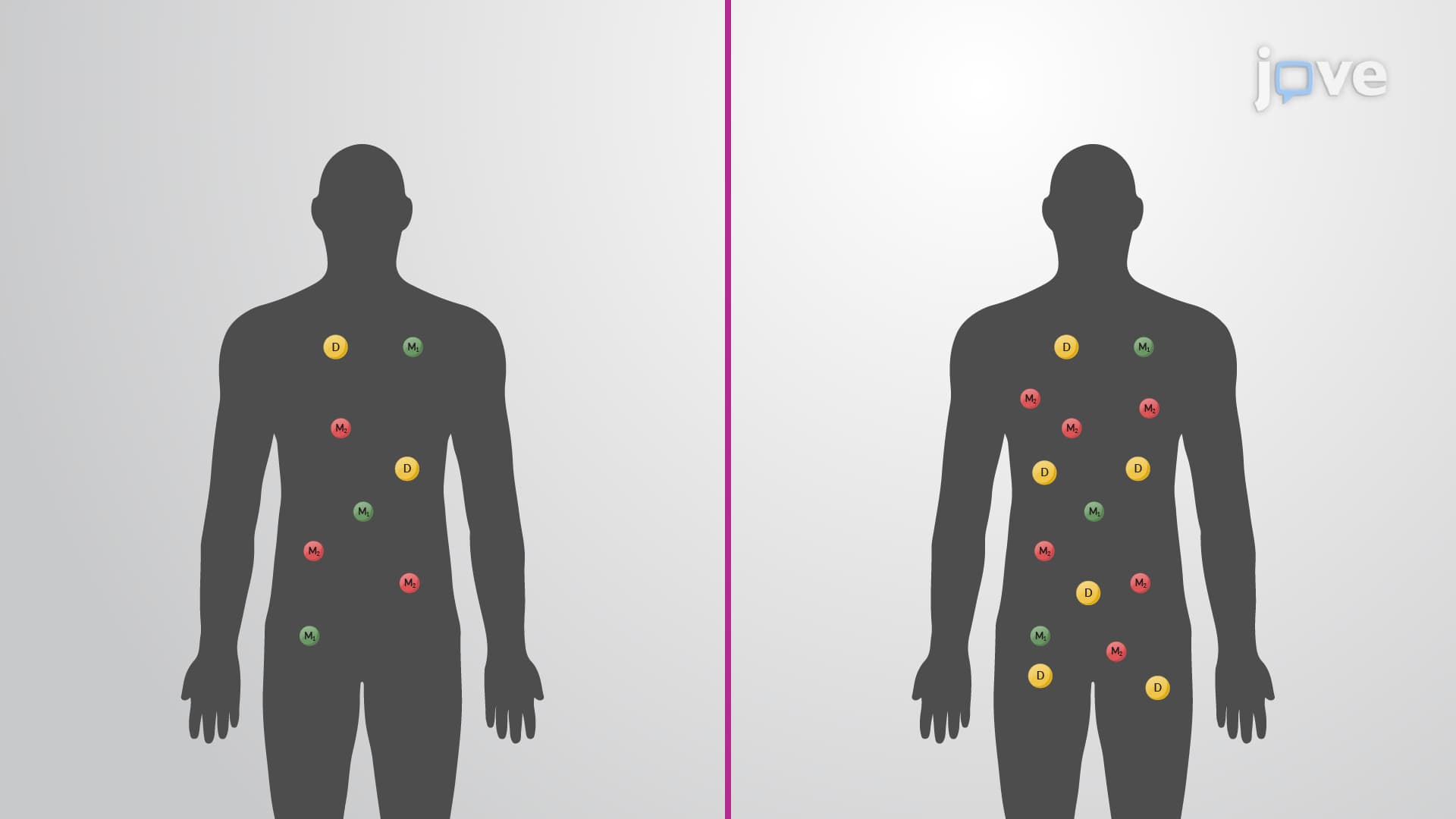
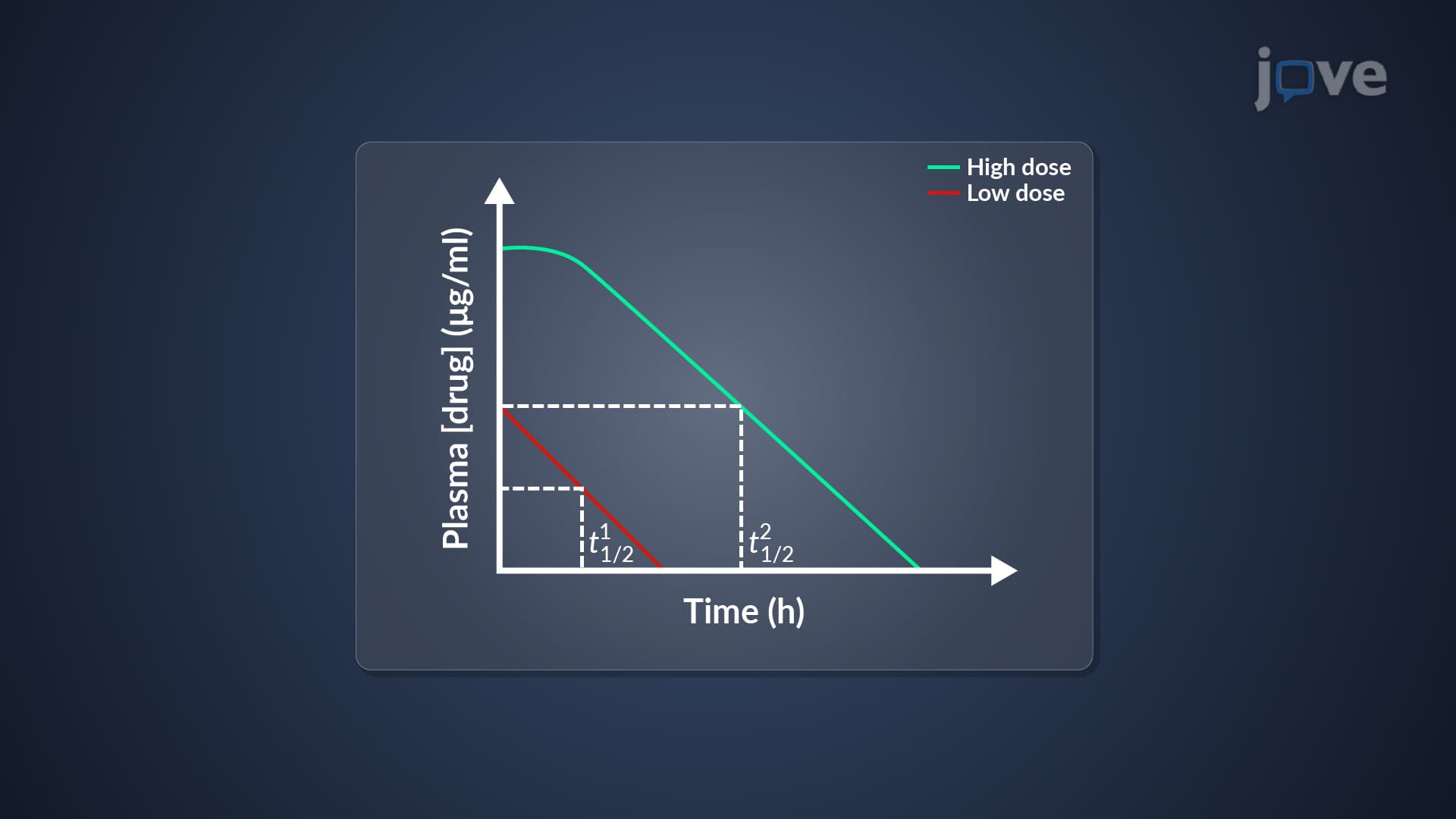
Nonlinear pharmacokinetics dependence of elimination represents a fundamental departure from the predictable, dose-proportional behavior seen with most medications. In linear kinetics, doubling a dose results in doubled plasma concentrations and predictable elimination patterns. However, nonlinear systems follow Michaelis-Menten kinetics, where the elimination process becomes saturated as drug concentrations increase.
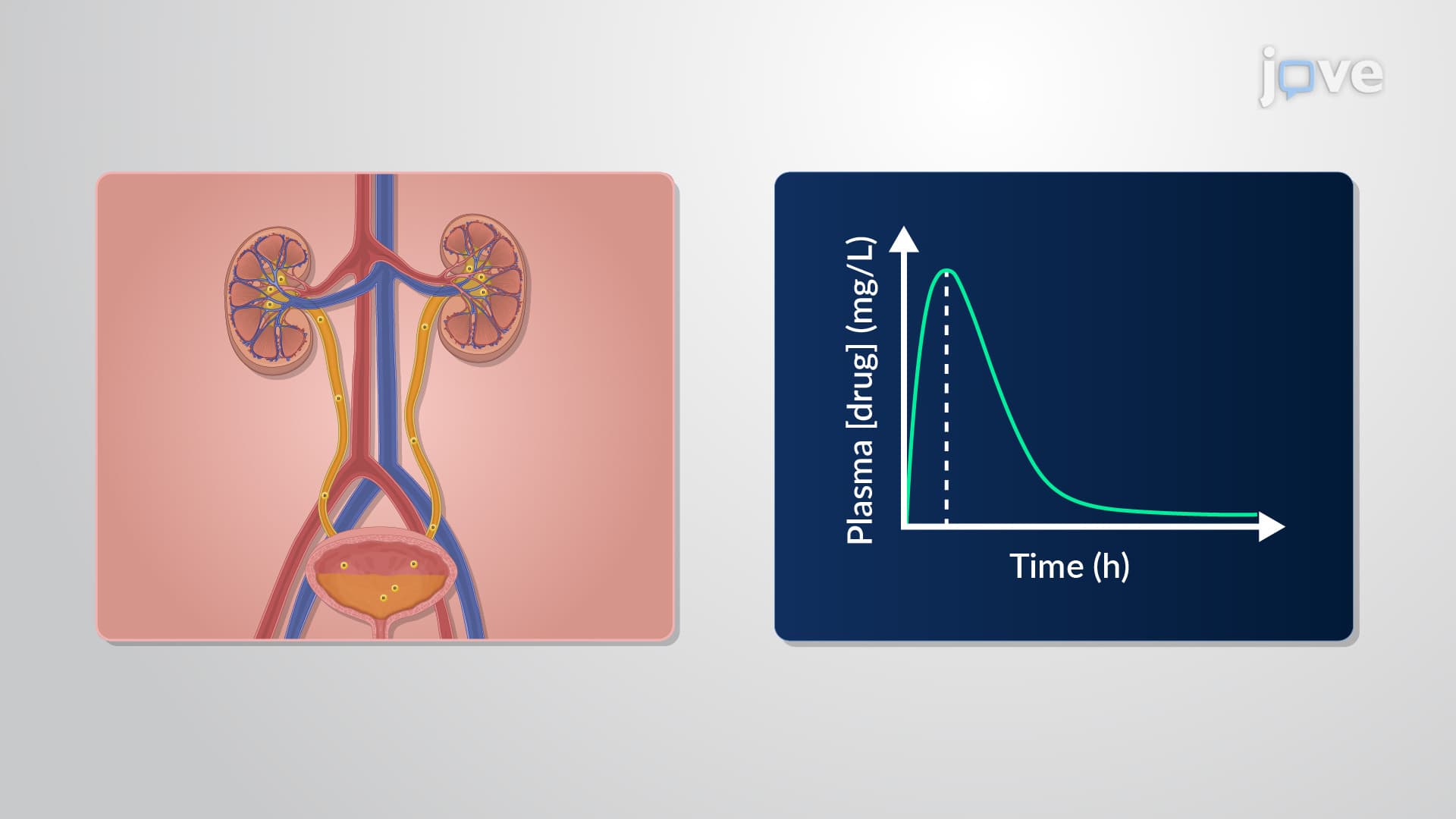
This concept is crucial for pre-med students preparing for the MCAT and pharmacy students studying for board examinations. The saturable nature of elimination means that as doses increase, the body's ability to clear the drug becomes overwhelmed, leading to disproportionately higher plasma concentrations and extended half-lives.
The behavior of nonlinear pharmacokinetics depends on two critical parameters: Km (Michaelis constant) and Vmax (maximum elimination rate). Km represents the plasma concentration at which elimination occurs at half the maximum rate, while Vmax indicates the maximum rate of elimination when all enzymes are saturated.
When plasma concentrations approach or exceed Km values, elimination becomes capacity-limited. This scenario commonly occurs with high-clearance drugs that undergo extensive hepatic metabolism. For college pharmacology courses, understanding this relationship helps predict when dose adjustments become non-proportional and why therapeutic drug monitoring becomes essential.
Metoprolol, a beta-adrenergic antagonist widely prescribed in US clinical practice, perfectly illustrates nonlinear pharmacokinetics dependence of elimination. In patients with normal CYP2D6 enzyme function, metoprolol typically exhibits linear kinetics at therapeutic doses. However, approximately 7-10% of Caucasian Americans are poor CYP2D6 metabolizers, experiencing dramatically different pharmacokinetics.
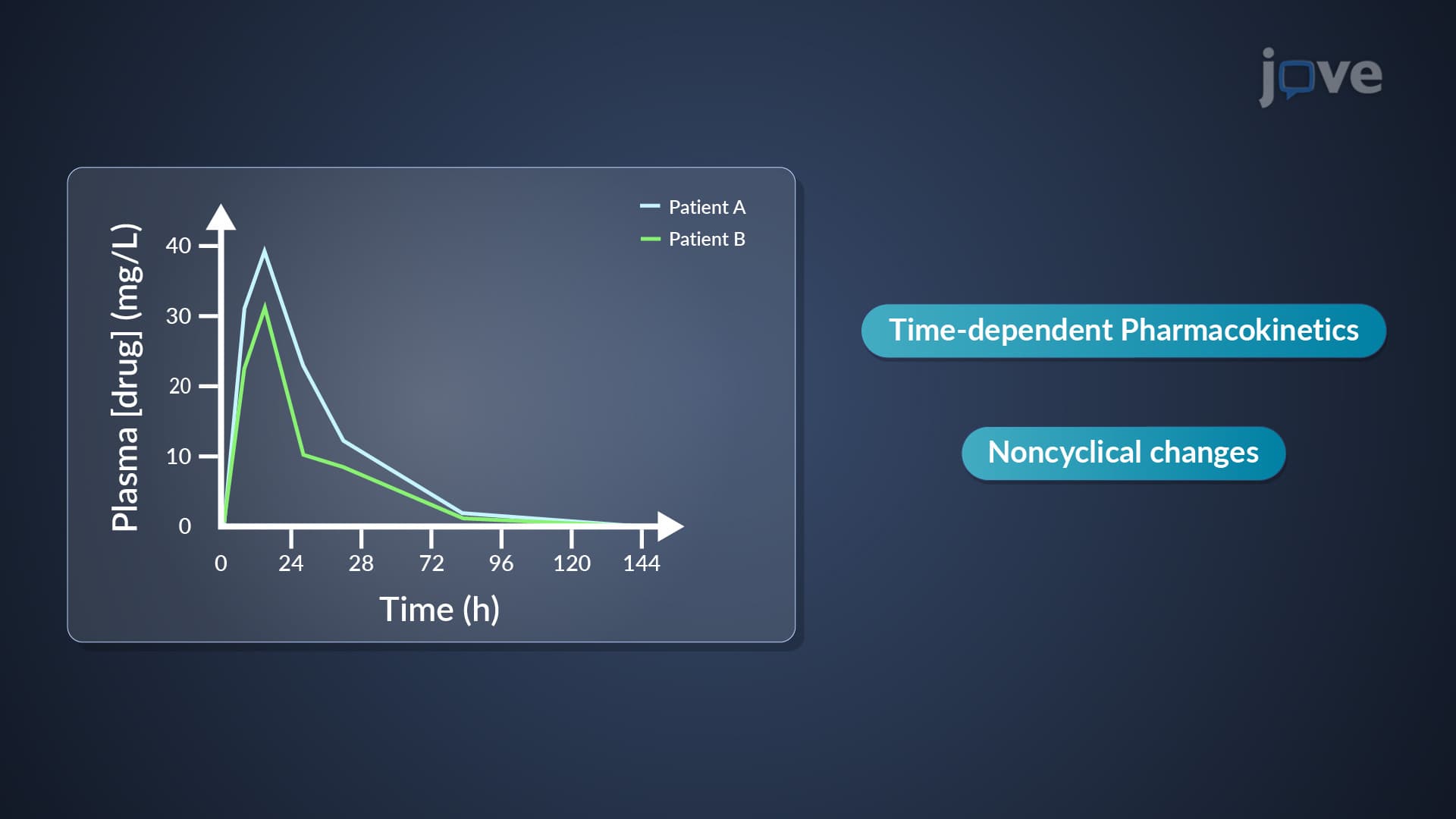
In slow metabolizers, identical metoprolol doses produce plasma concentrations 5-10 times higher than expected, with correspondingly increased AUC values and prolonged elimination half-lives. This genetic variation explains why some patients experience excessive beta-blockade symptoms like bradycardia and hypotension despite receiving standard doses.
Understanding nonlinear elimination becomes particularly important when studying for advanced pharmacy or medical examinations like the USMLE Step 1. Clinical recognition of nonlinear kinetics includes observing that half-life increases with plasma concentration while metabolic and renal function remain stable. This pattern signals that elimination processes have become saturated, requiring careful dose titration and potentially therapeutic drug monitoring to avoid toxicity while maintaining efficacy.
Related Micro-courses