Loading video…


 12 Concepts
 4K views

Video Summary: Nonlinear Pharmacokinetics Role of Transporters Explained
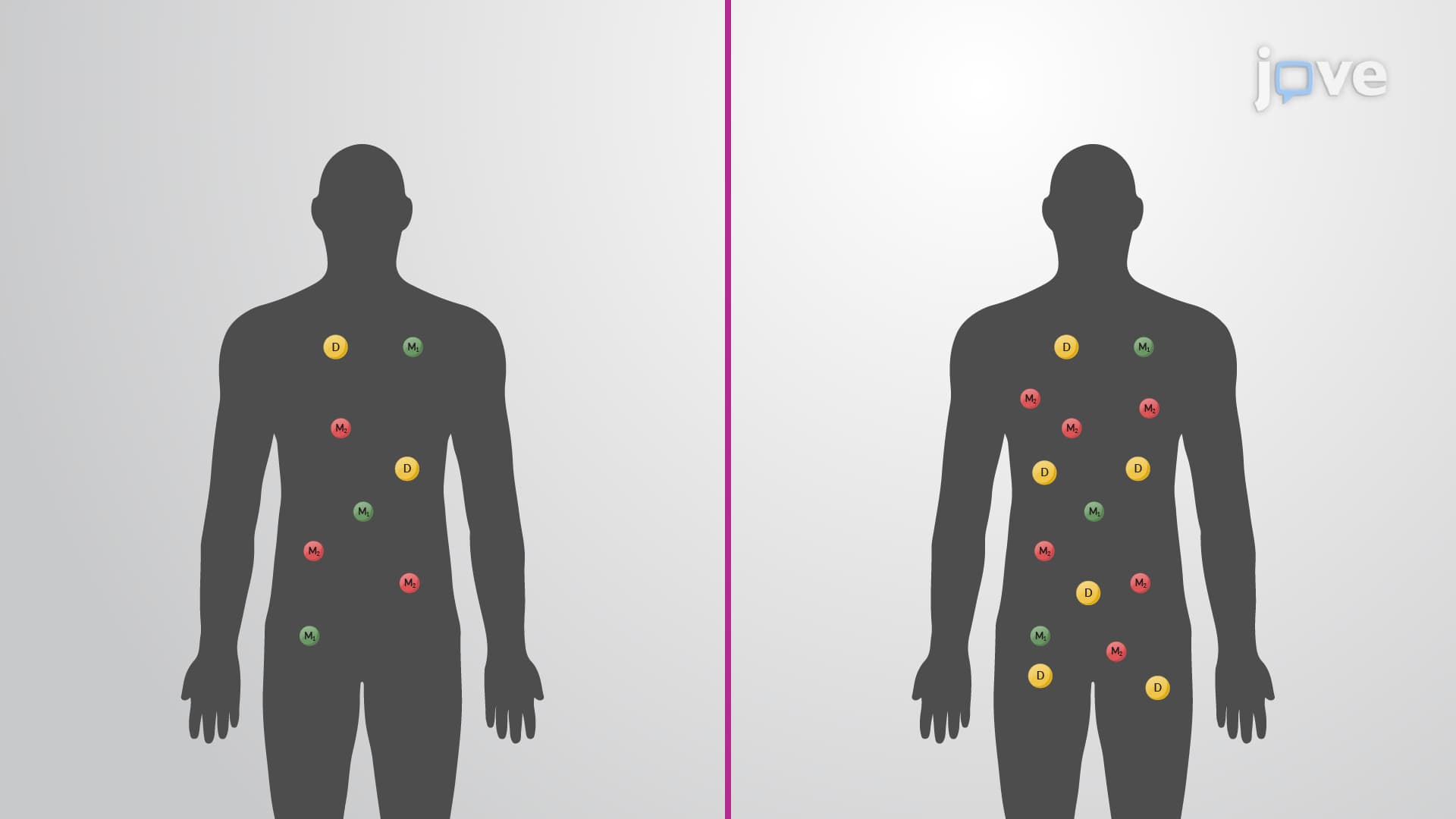
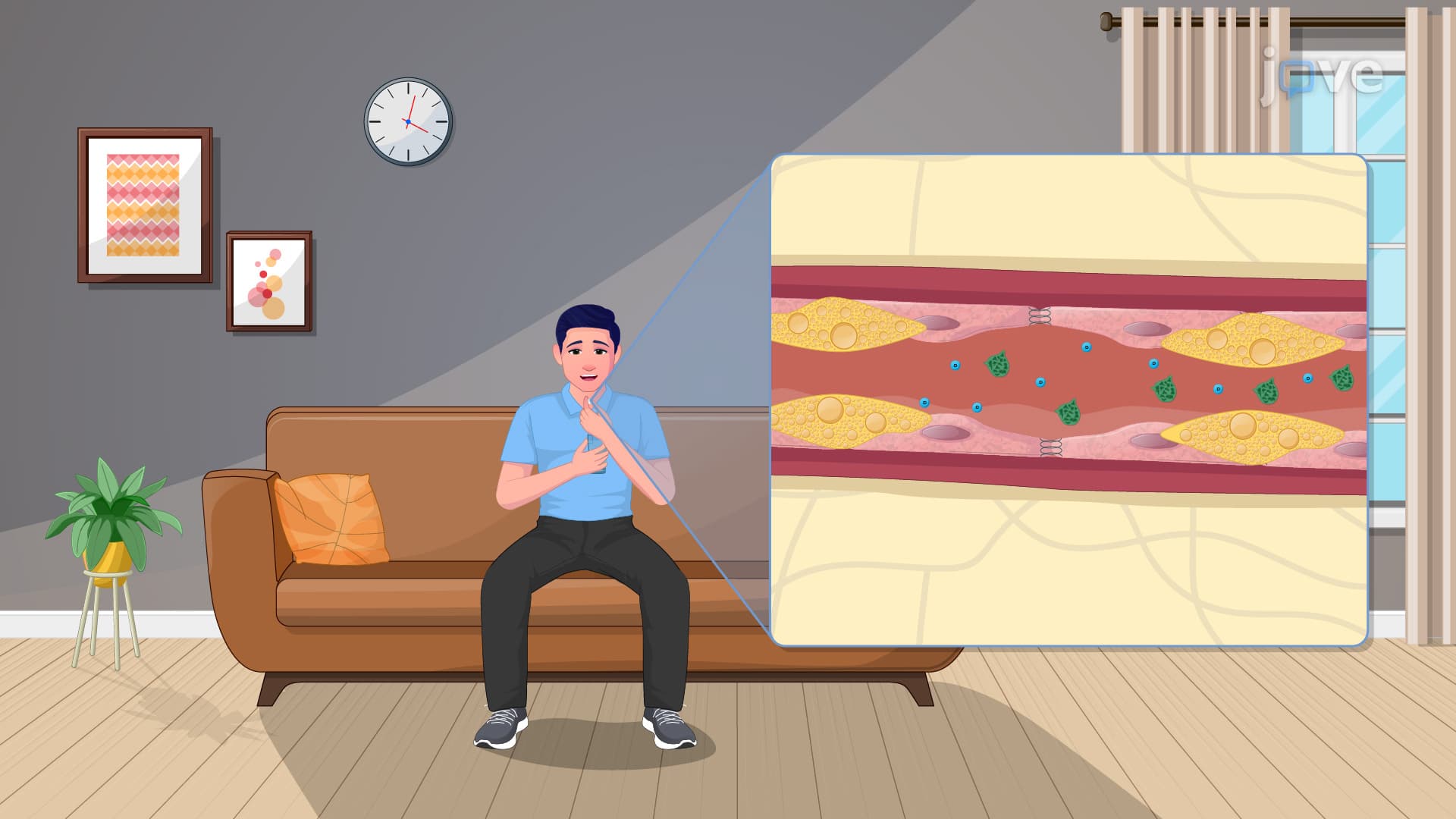
Ever wonder why some medications work differently in different people, even at the same dose? The nonlinear pharmacokinetics role of transporters reveals how cellular proteins can dramatically alter drug behavior in your body. Unlike linear kinetics where doubling the dose doubles the effect, transporter proteins create unpredictable patterns-like how the breast cancer drug doxorubicin shows variable effectiveness due to P-glycoprotein transporter activity. Watch the full video on JoVE Coach to master this concept with expert-led visuals and step-by-step explanations.
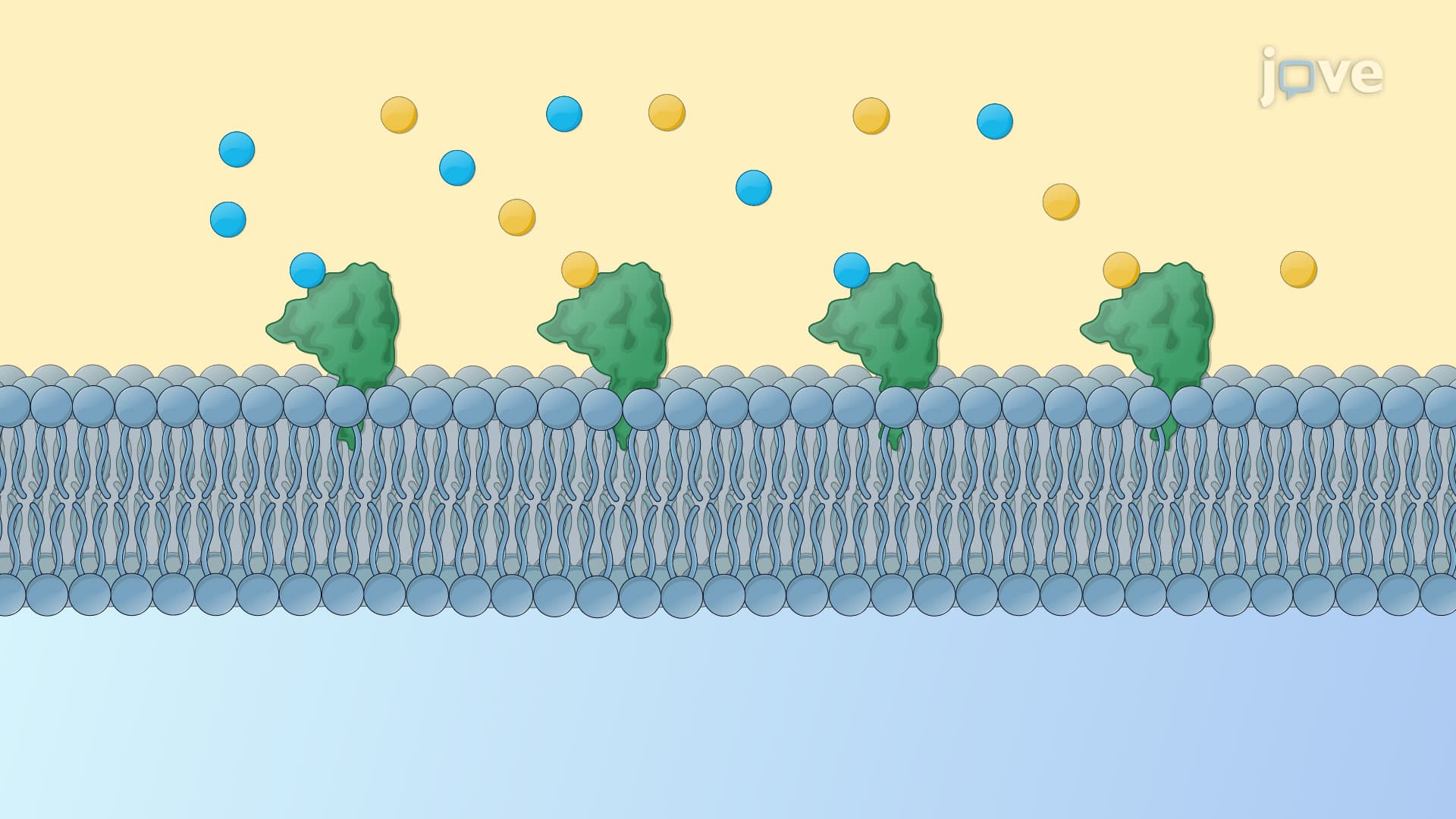
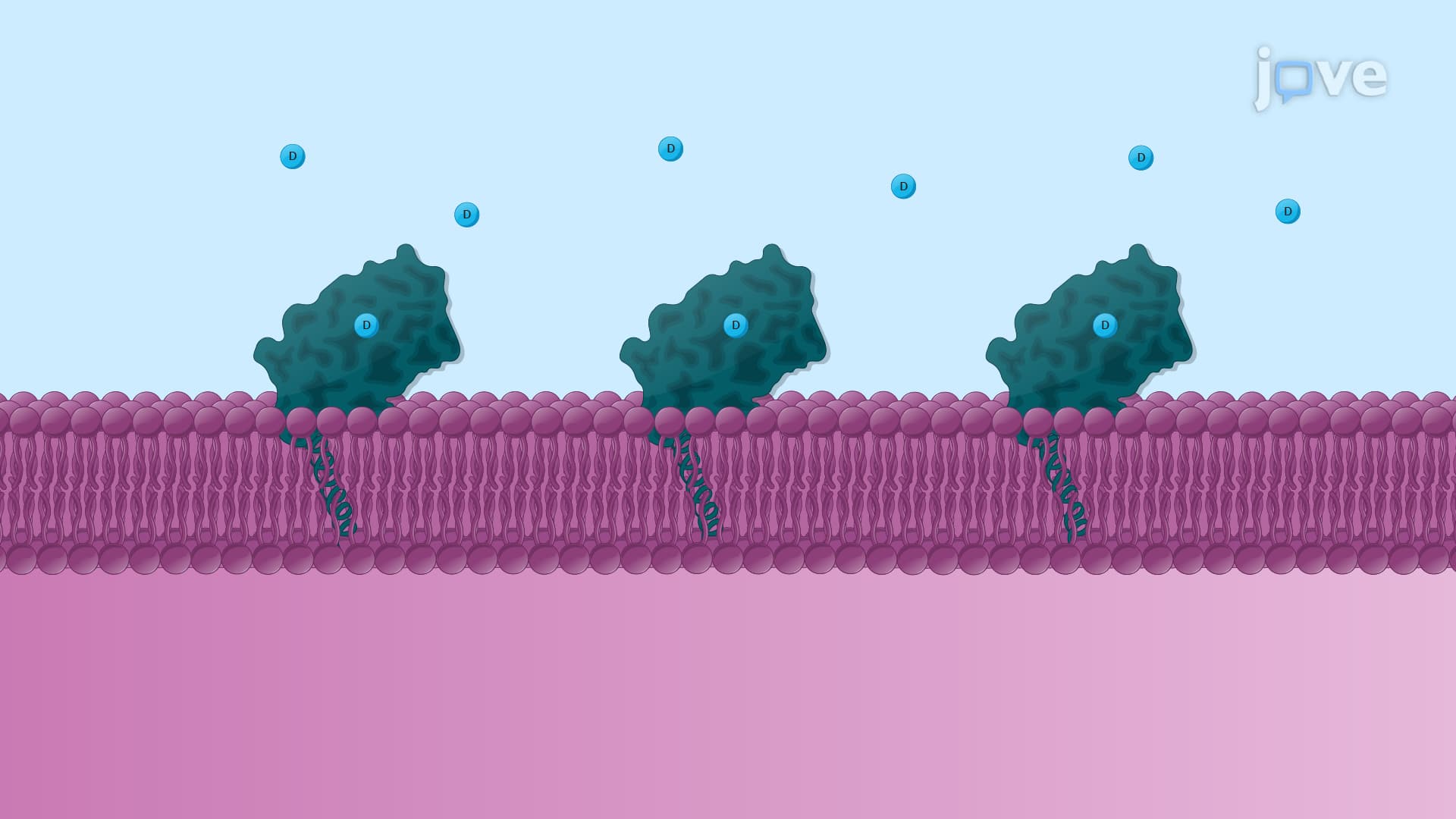
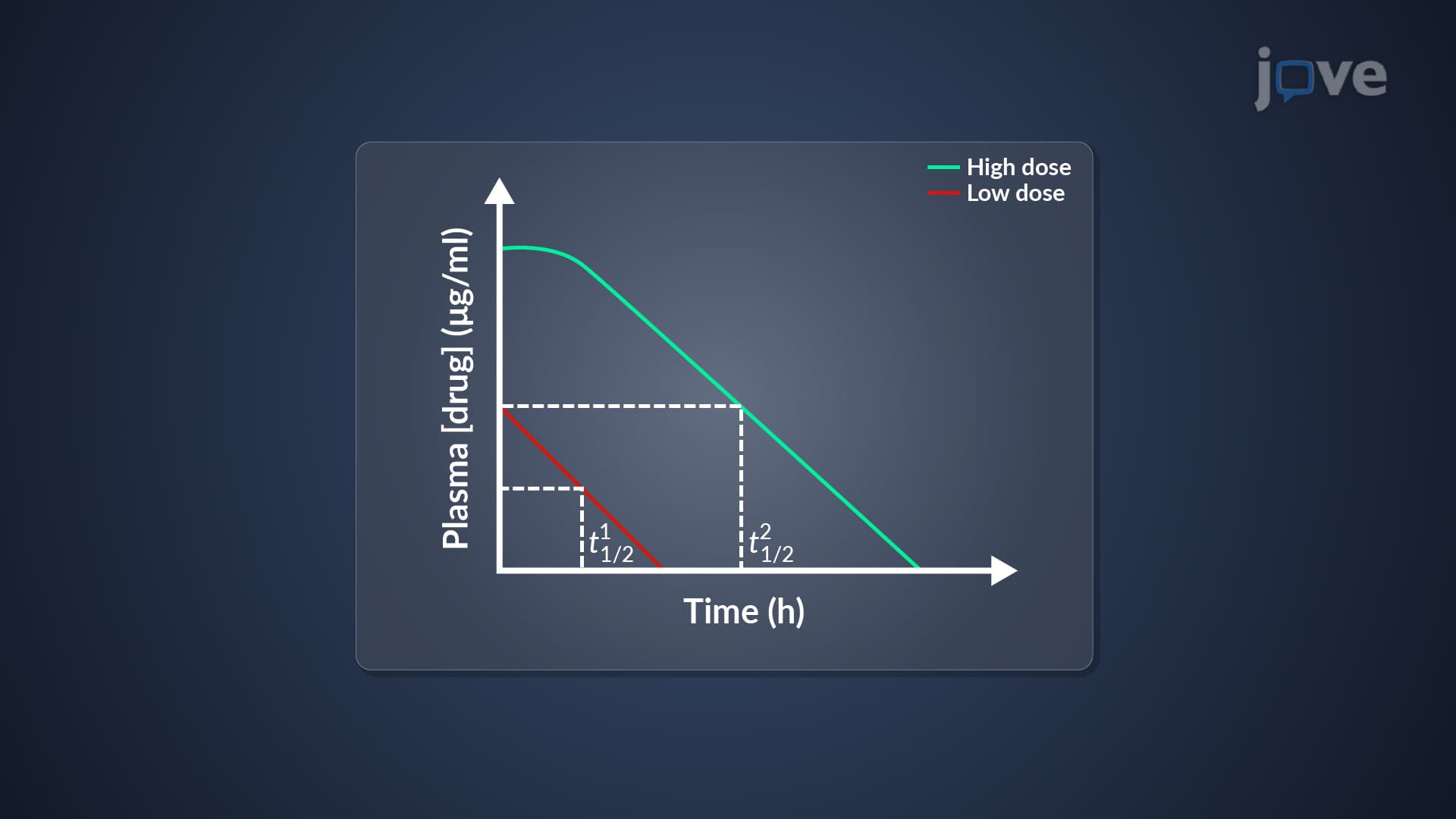
Nonlinear pharmacokinetics occurs when drug concentration changes don't produce proportional responses-a phenomenon heavily influenced by cellular transporter proteins. Unlike passive diffusion, these active transport systems can become saturated, creating unpredictable drug behavior that challenges traditional dosing approaches.
Three major transporter superfamilies drive nonlinear kinetics. ABC (ATP-Binding Cassette) transporters like P-glycoprotein actively pump drugs out of cells, creating efflux that reduces local concentrations. Organic Anion Transporters (OATs) facilitate uptake of negatively charged compounds, while Organic Cation Transporters (OCTs) handle positively charged drugs. When these systems reach capacity, further dose increases produce diminishing returns-classic nonlinear behavior.
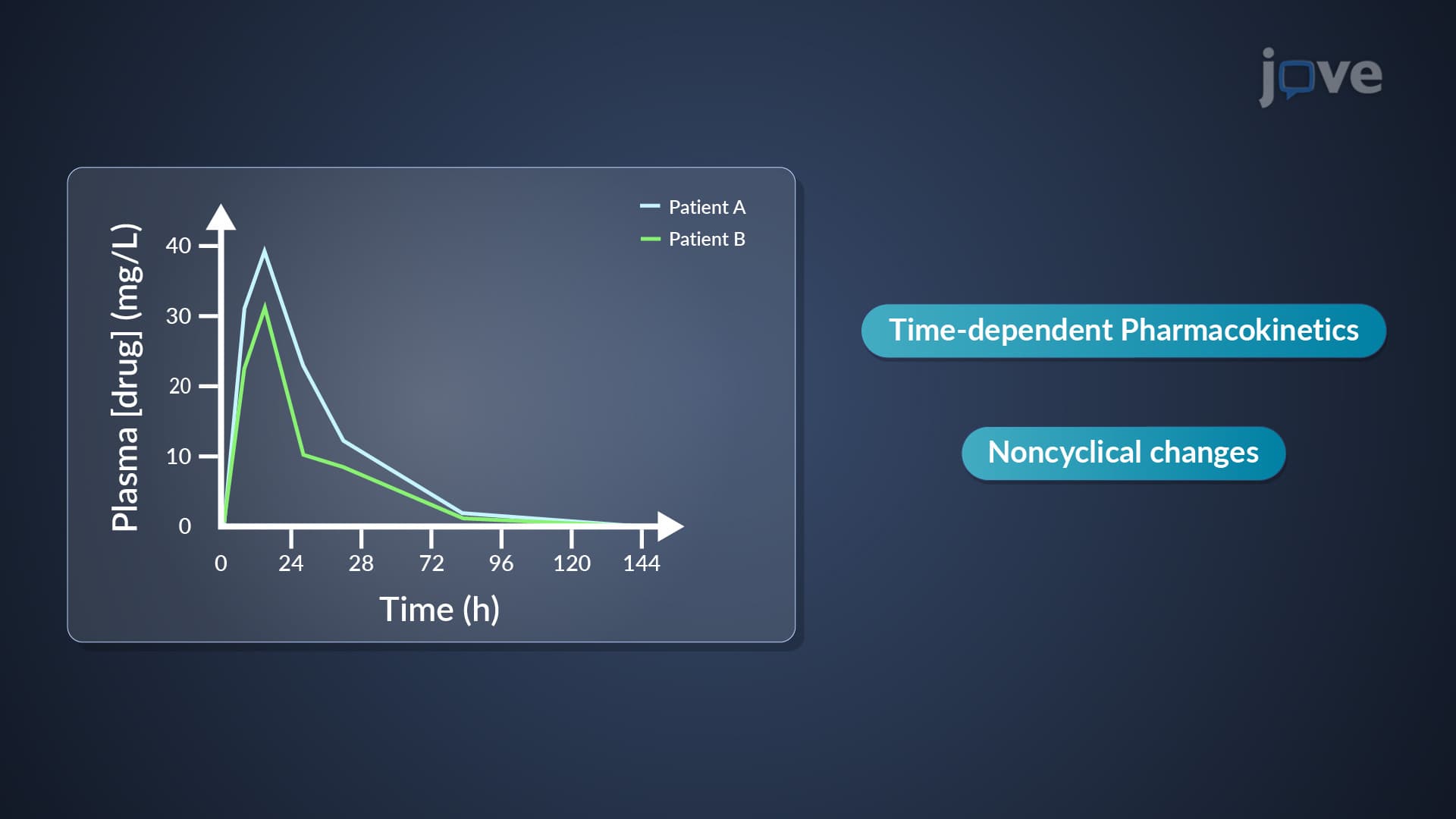
Consider metformin, the diabetes medication. OCT1 transporters in the liver show genetic variations among different populations. Students with European ancestry typically have higher OCT1 activity compared to those with East Asian heritage, leading to different metformin responses at identical doses. This real-world example illustrates how transporter genetics create personalized pharmacokinetic profiles.
Intestinal transporters control oral drug bioavailability through first-pass effects. P-glycoprotein in gut epithelial cells can limit absorption of drugs like digoxin, creating absorption ceilings regardless of dose increases. Hepatic transporters work alongside metabolic enzymes-when uptake transporters become saturated, drugs bypass liver metabolism, dramatically altering systemic exposure.
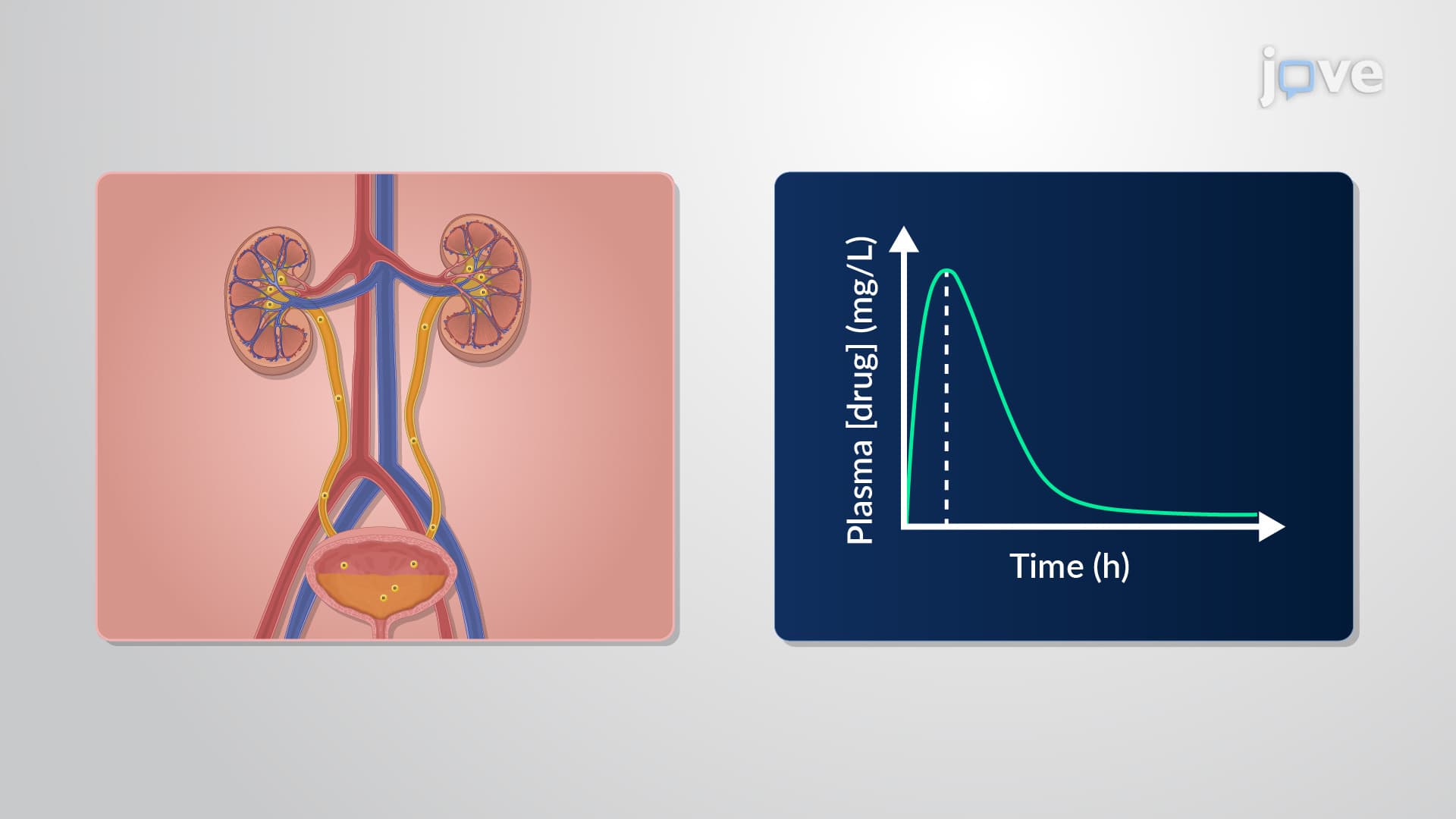
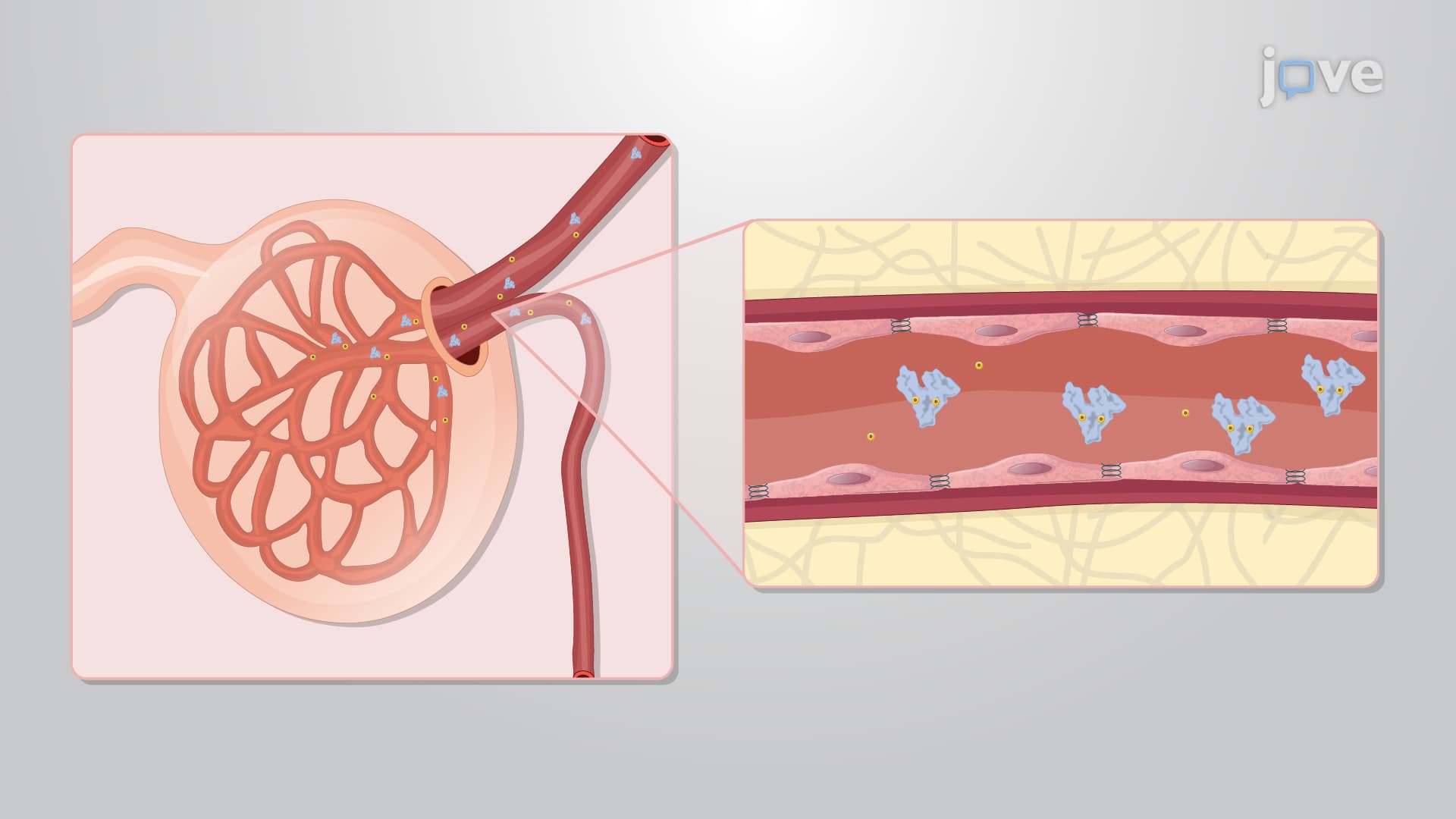
Renal transporters in kidney proximal tubules actively eliminate drugs like para-aminohippuric acid. At low doses, elimination appears linear, but high concentrations saturate transporters, causing nonlinear accumulation. This principle appears frequently on MCAT pharmacology sections and college pharmacokinetics exams.
Transporter-mediated nonlinearity explains why some cancer drugs show plateau effects. Doxorubicin resistance in breast cancer often involves BCRP transporter overexpression, pumping chemotherapy out of tumor cells. Understanding these mechanisms helps explain treatment failures and guides combination therapy strategies.
For students preparing for AP Biology, MCAT, or nursing school exams like NCLEX, focus on recognizing saturable versus non-saturable processes. Practice identifying when dose-response curves deviate from straight lines, and understand how genetic variations in transporter expression create inter-individual pharmacokinetic differences that impact clinical outcomes.
Related Micro-courses