Loading subject page…


3,980 views
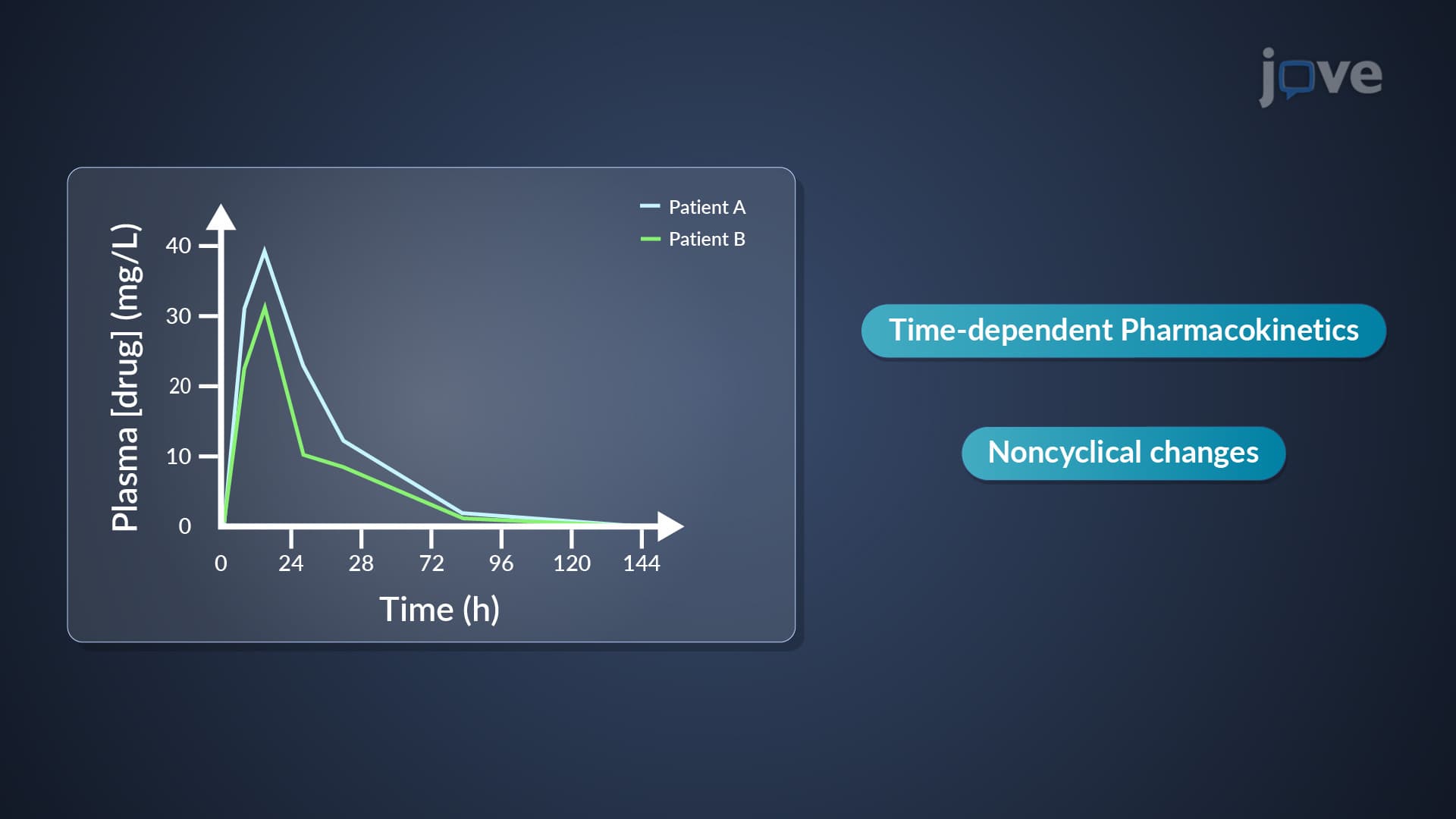

Video Summary: What Is Chronopharmacokinetics Time Dependent Pharmacokinetics
Ever wonder why your morning coffee affects you differently than your evening cup? Chronopharmacokinetics time dependent pharmacokinetics reveals how our bodies process drugs and substances differently throughout the day and over time. This fascinating field explains why chemotherapy drugs like fluorouracil show reduced toxicity when administered during specific morning hours at cancer treatment centers across the United States. Understanding what is chronopharmacokinetics time dependent pharmacokinetics helps explain how drug effectiveness changes based on timing and repeated exposure. Watch the full video on JoVE Coach to master this concept with expert-led visuals and step-by-step explanations.
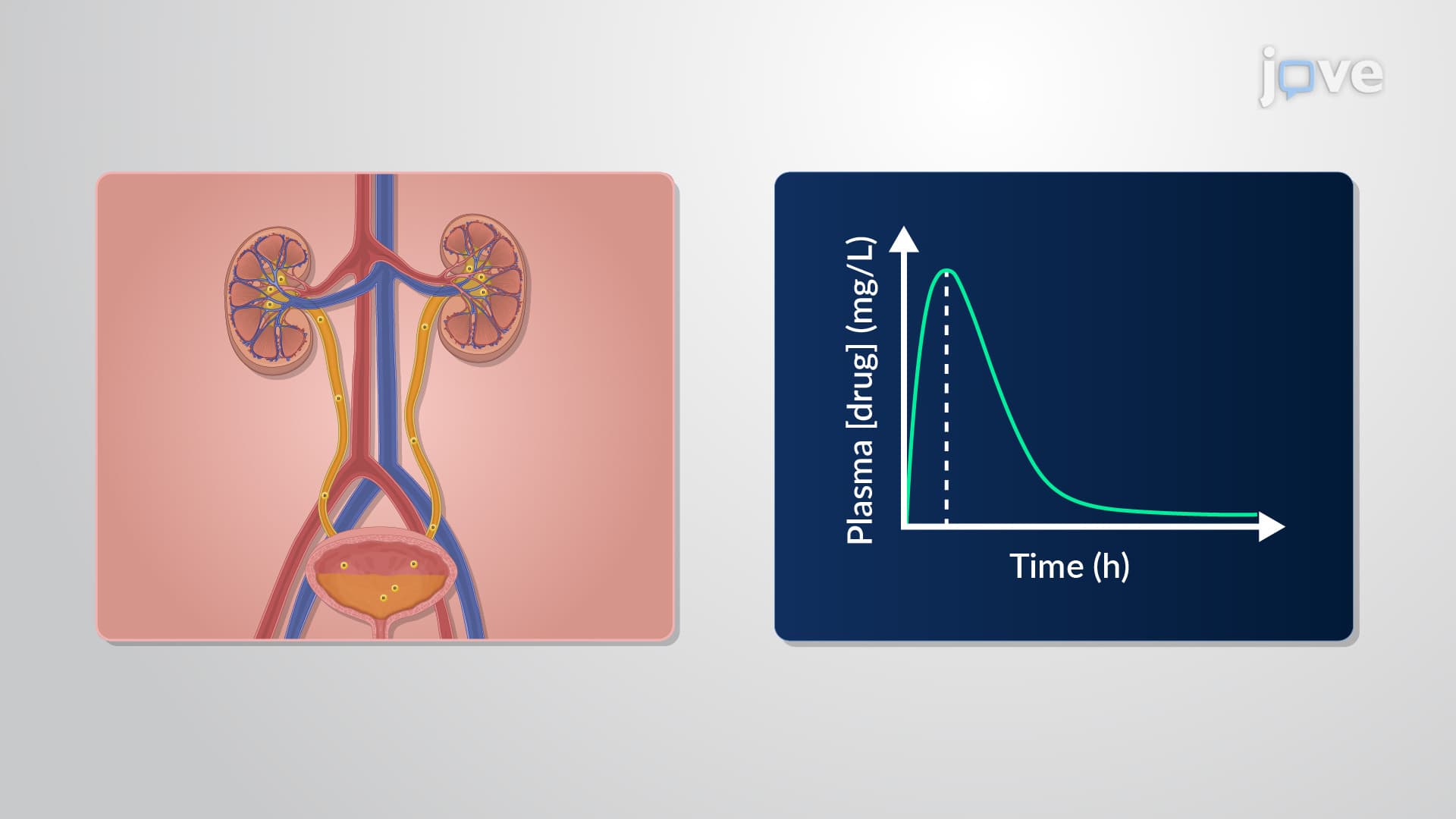
Chronopharmacokinetics time dependent pharmacokinetics represents a sophisticated area of pharmacology that examines how drug absorption, distribution, metabolism, and elimination change over time. Unlike traditional pharmacokinetic models that assume constant drug processing rates, this field recognizes that our bodies are dynamic systems with temporal variations in drug handling capabilities.
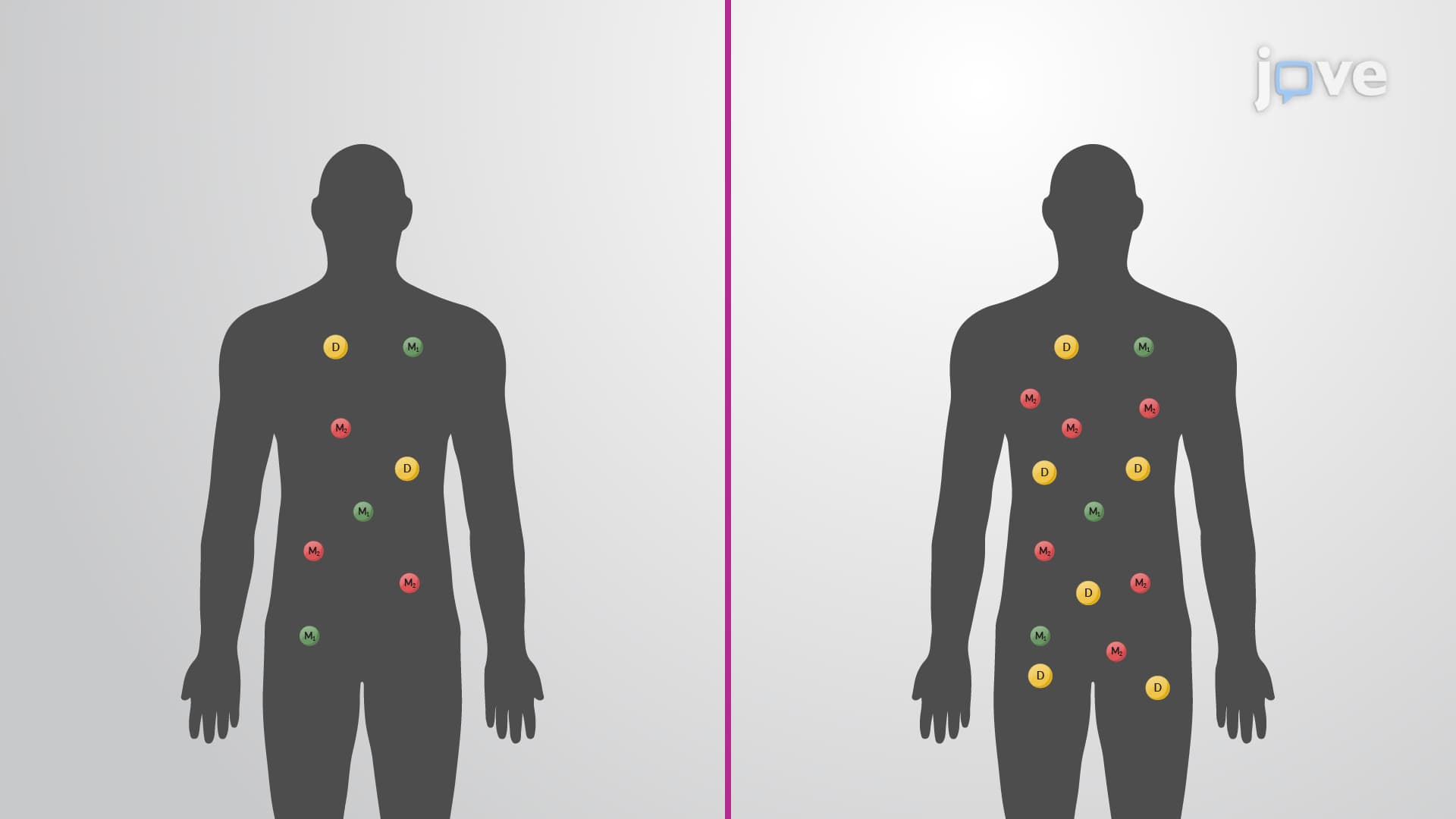
The field distinguishes between two primary patterns of temporal variation. Cyclical changes follow predictable, recurring patterns-typically aligned with circadian rhythms that repeat every 24 hours. For example, liver enzyme activity fluctuates throughout the day, with certain cytochrome P450 enzymes showing peak activity during specific hours. This explains why statins like atorvastatin (Lipitor) are typically prescribed for evening administration when cholesterol synthesis naturally peaks.
Noncyclical changes, conversely, represent long-term alterations in drug processing that don't follow regular patterns. These changes often result from repeated drug exposure and can lead to significant clinical consequences over weeks or months of treatment.
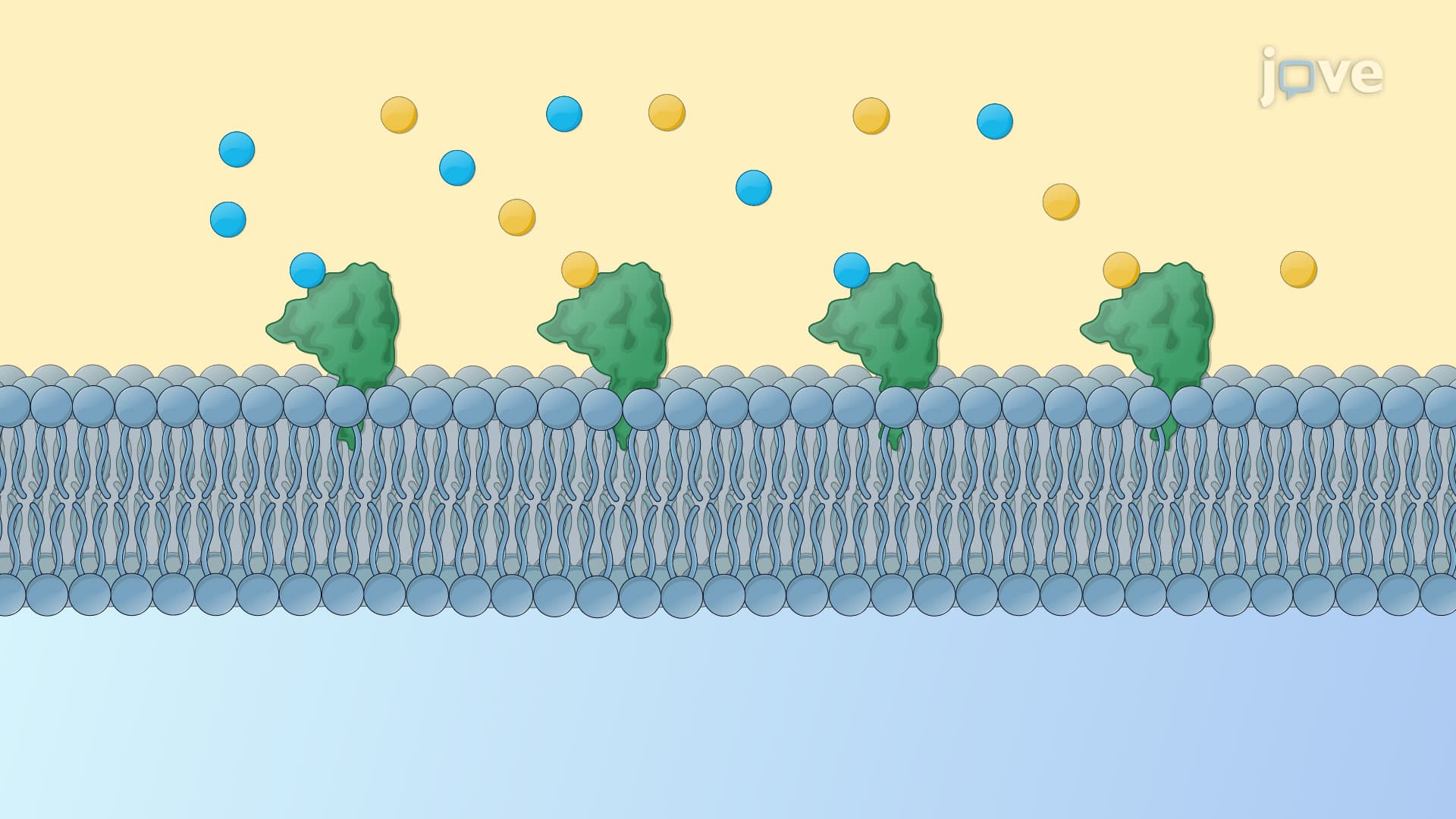
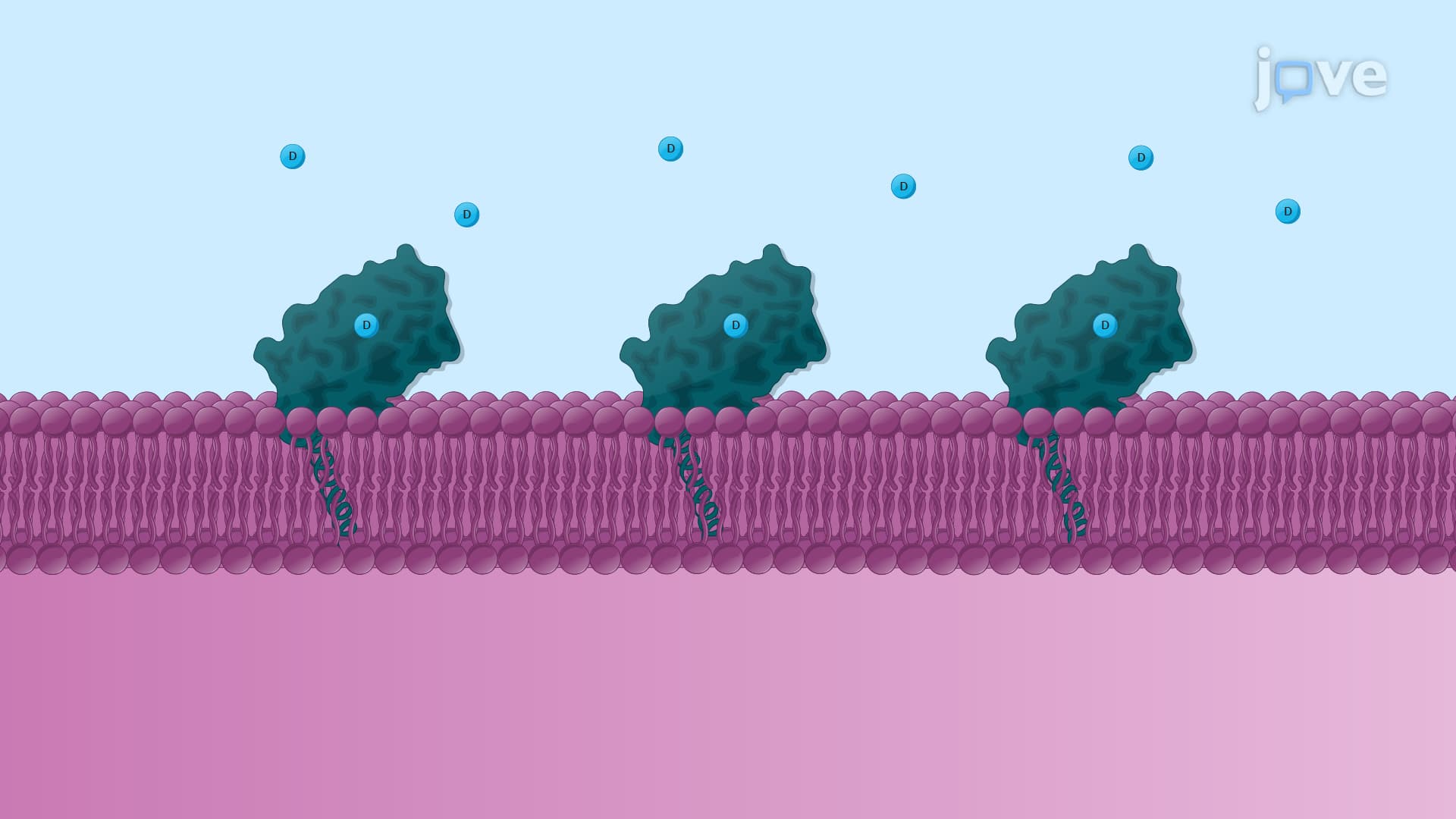
Autoinduction occurs when repeated drug administration stimulates the production of enzymes responsible for the drug's own metabolism. A classic example involves carbamazepine (Tegretol), an antiepileptic drug commonly prescribed at major US medical centers. During the first few weeks of treatment, carbamazepine induces its own metabolizing enzymes, requiring dose adjustments to maintain therapeutic levels-a concept frequently tested on the MCAT and in pharmacy school curricula.
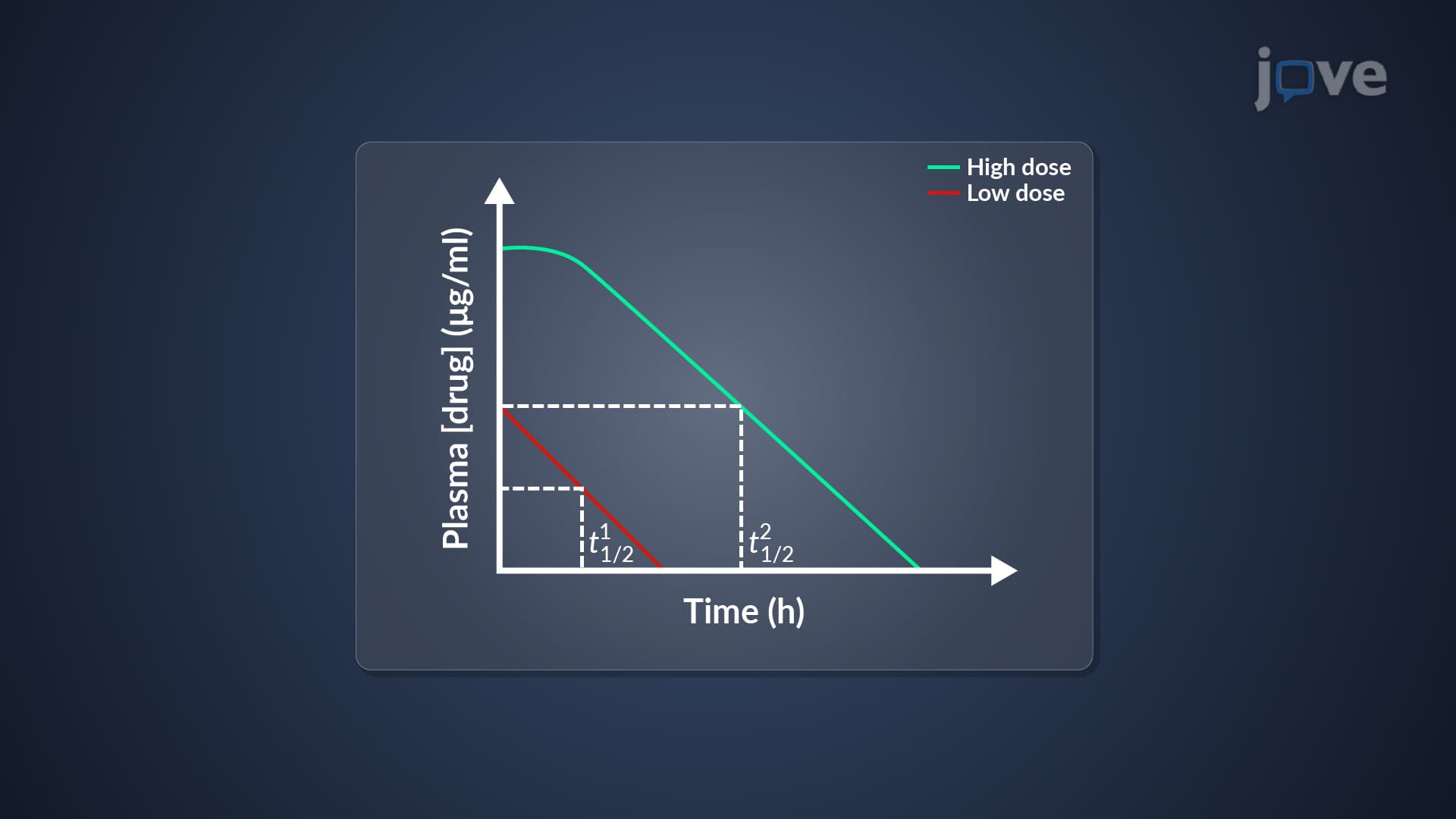
Autoinhibition presents the opposite scenario, where drug metabolites accumulate and inhibit the parent drug's metabolism. This can lead to unexpected increases in drug concentration despite consistent dosing, potentially causing toxicity if not properly monitored.
Understanding these concepts proves crucial for students preparing for healthcare careers. The MCAT regularly includes questions about nonlinear pharmacokinetics, while nursing students encounter these principles on the NCLEX when learning about medication timing and monitoring. Medical students studying for the USMLE must understand how chronopharmacokinetics influences drug dosing regimens and therapeutic drug monitoring protocols used in US hospitals.
Cancer treatment provides compelling real-world applications, with major cancer centers like MD Anderson and Memorial Sloan Kettering incorporating chronotherapy protocols that time chemotherapy administration to minimize toxicity while maximizing effectiveness.
Related Micro-courses