Loading subject page…


3,980 views

Video Summary: What Is Nonlinear Pharmacokinetics
Ever wonder why doubling an aspirin dose doesn't always double its effect in your body? Nonlinear pharmacokinetics describes how certain medications break the "double dose, double effect" rule when drug elimination systems become overwhelmed. Unlike linear drugs that follow predictable patterns, nonlinear drugs like phenytoin (used for epilepsy) show unpredictable behavior at higher doses, making dosing calculations critical in US hospitals. Watch the full video on JoVE Coach to master this concept with expert-led visuals and step-by-step explanations.
Nonlinear pharmacokinetics represents a critical departure from the predictable world of linear drug behavior. While most medications follow first-order kinetics-where doubling the dose doubles the plasma concentration-certain drugs exhibit dose-dependent behavior that confounds simple calculations. This phenomenon occurs when the body's elimination mechanisms become overwhelmed, creating a bottleneck effect similar to traffic congestion on a highway.
The clinical significance extends far beyond academic interest. In US hospitals, drugs like phenytoin, ethanol, and salicylates require careful monitoring precisely because their nonlinear behavior can lead to unexpected toxicity or therapeutic failure. For students preparing for the MCAT or pharmacy school entrance exams, understanding these principles is essential for clinical reasoning questions.
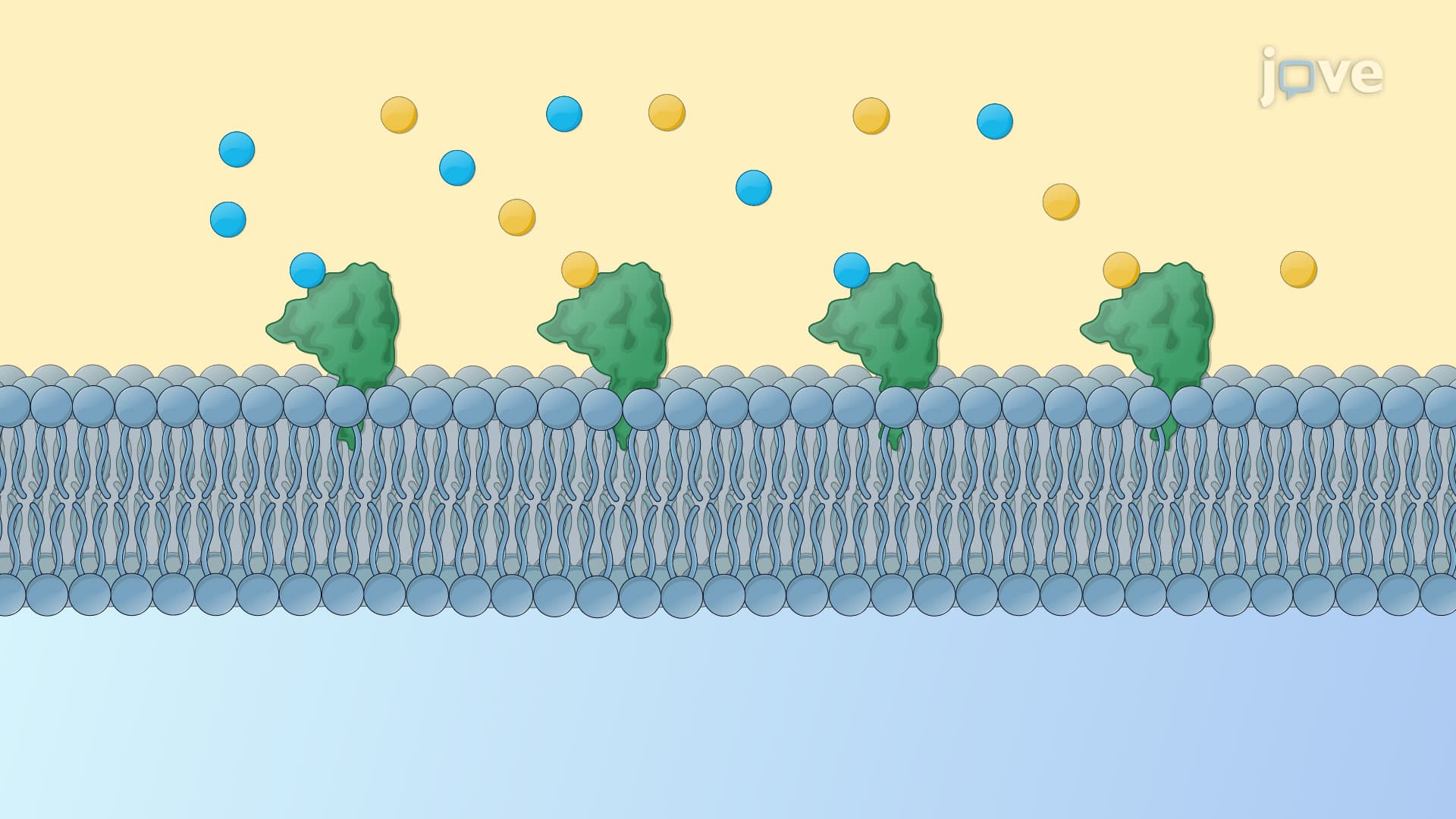
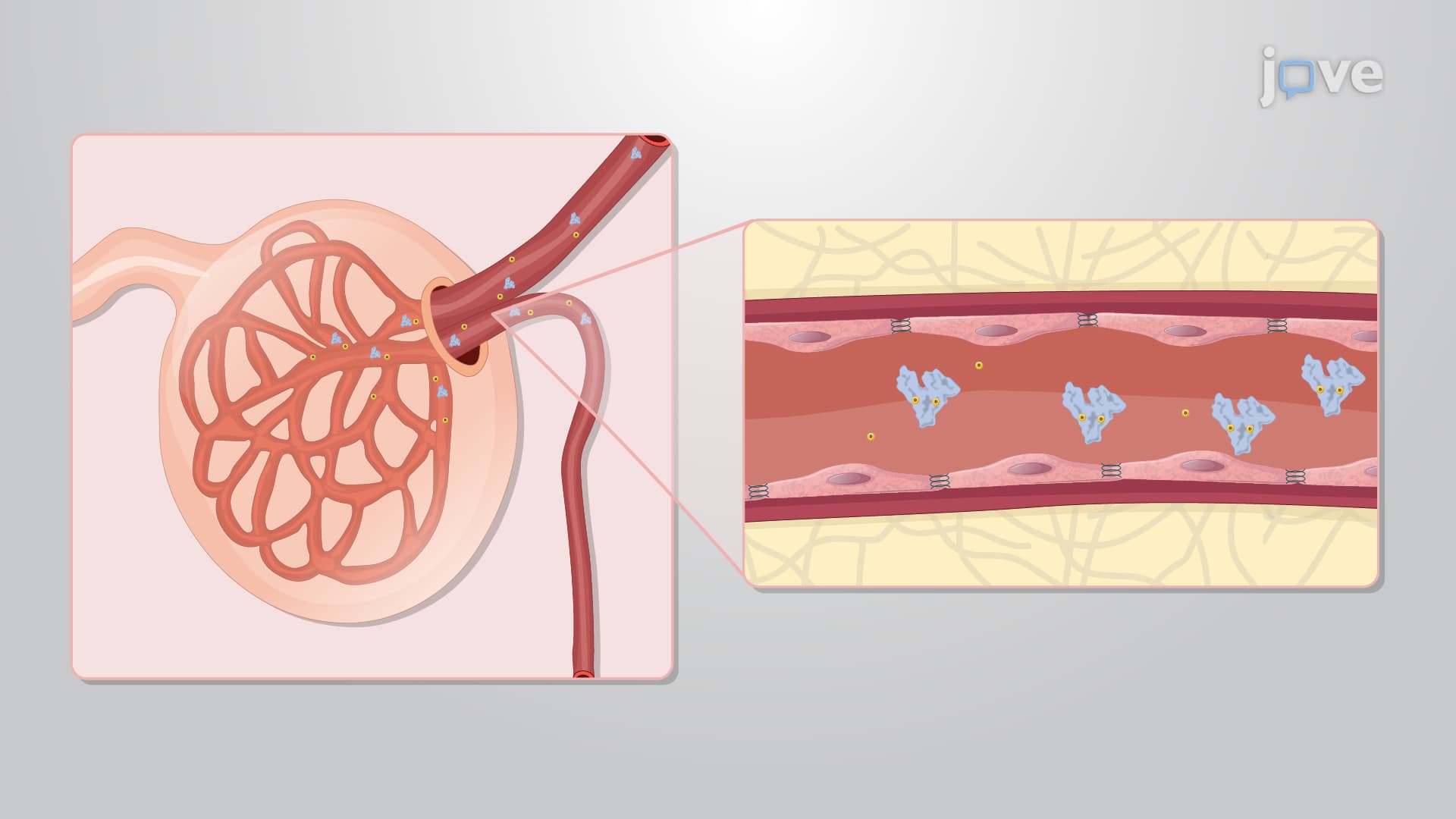
Saturation kinetics drives most nonlinear pharmacokinetic behavior. Imagine drug elimination pathways as conveyor belts with limited capacity. At low doses, these systems handle drugs efficiently. However, as doses increase, the "conveyor belts"-whether they're metabolic enzymes, transport proteins, or binding sites-reach maximum capacity and become saturated.
Protein binding saturation exemplifies this concept. Many drugs bind to plasma albumin for transport. At therapeutic doses, plenty of binding sites remain available. But at higher concentrations, these sites fill up, leaving more free (active) drug circulating in the plasma. This creates a disproportionate increase in drug effect relative to the dose increase.
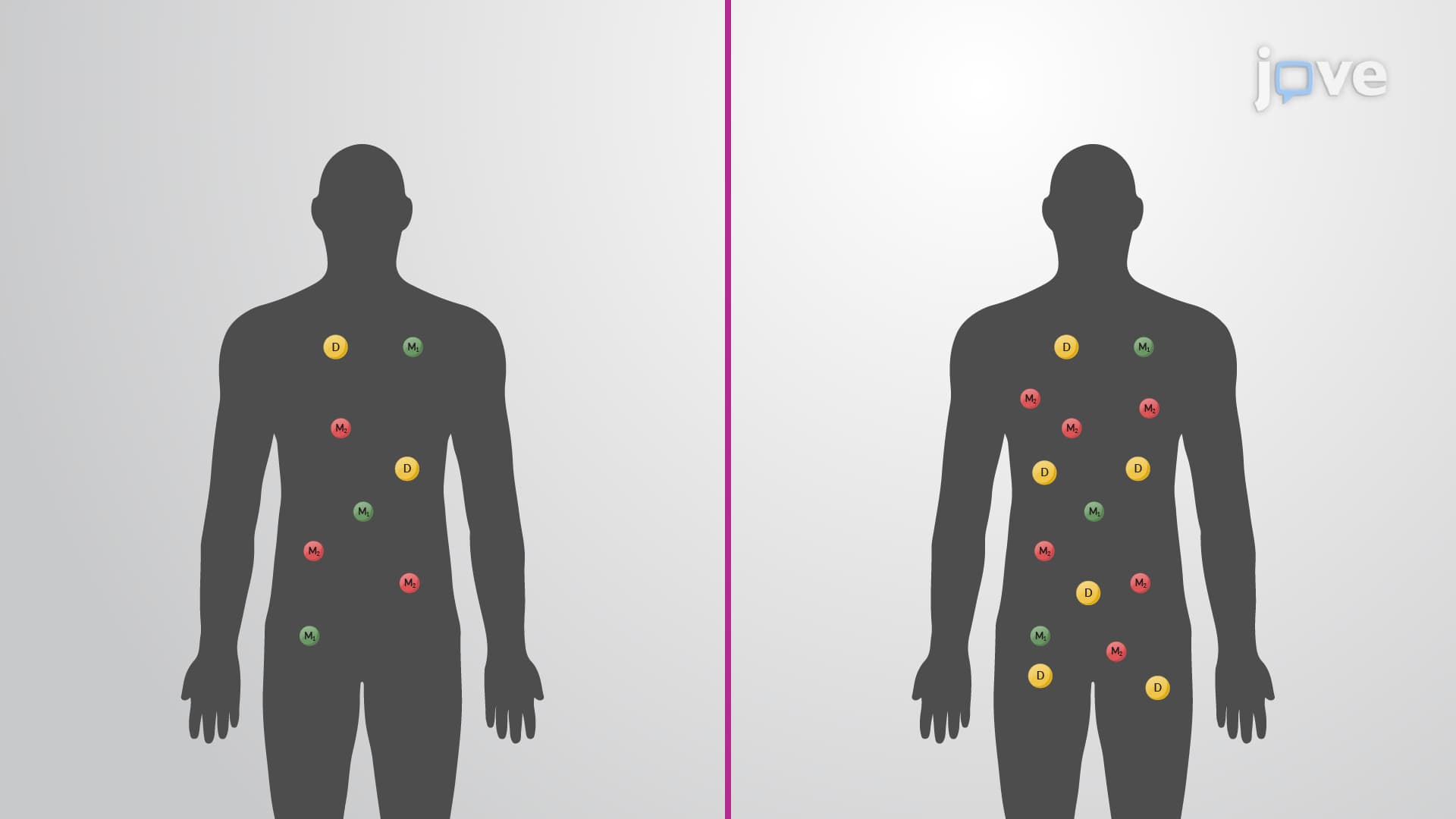
Competition effects add another layer of complexity. When patients take multiple medications that share the same elimination pathway, they compete for the same "conveyor belt" capacity. This competition can convert a normally linear drug into one exhibiting nonlinear behavior, explaining why drug interactions become more pronounced at higher doses.
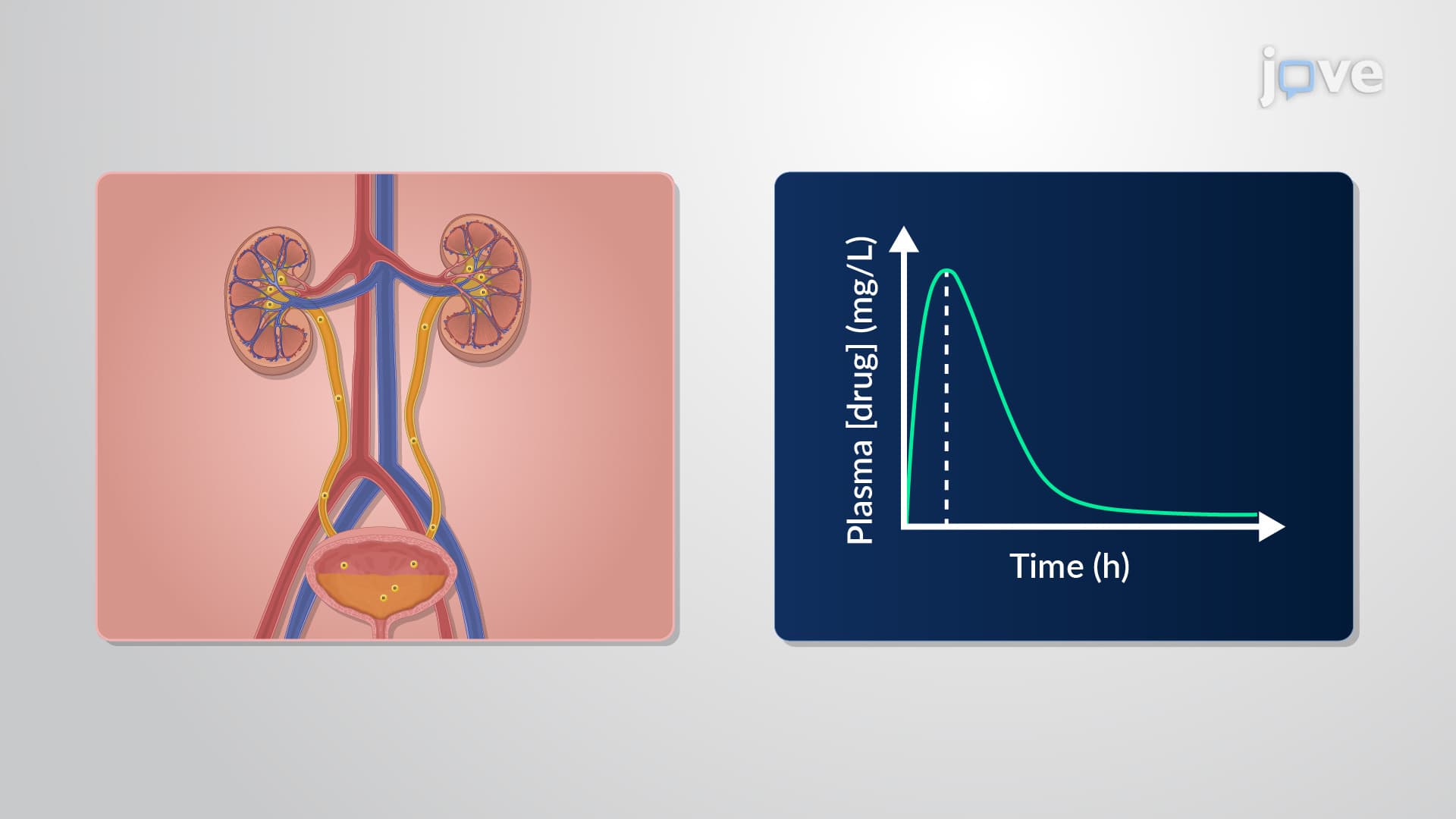
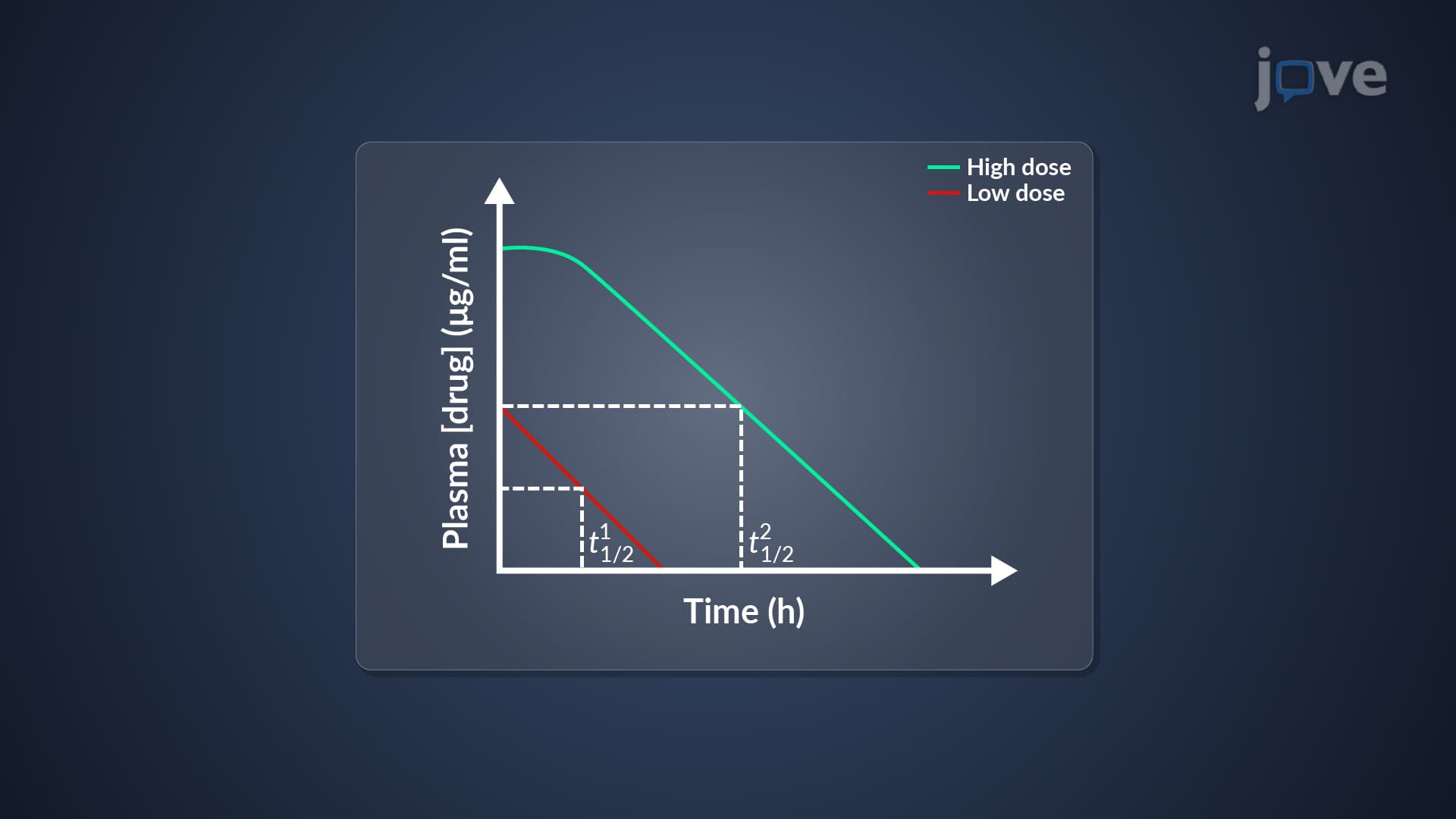
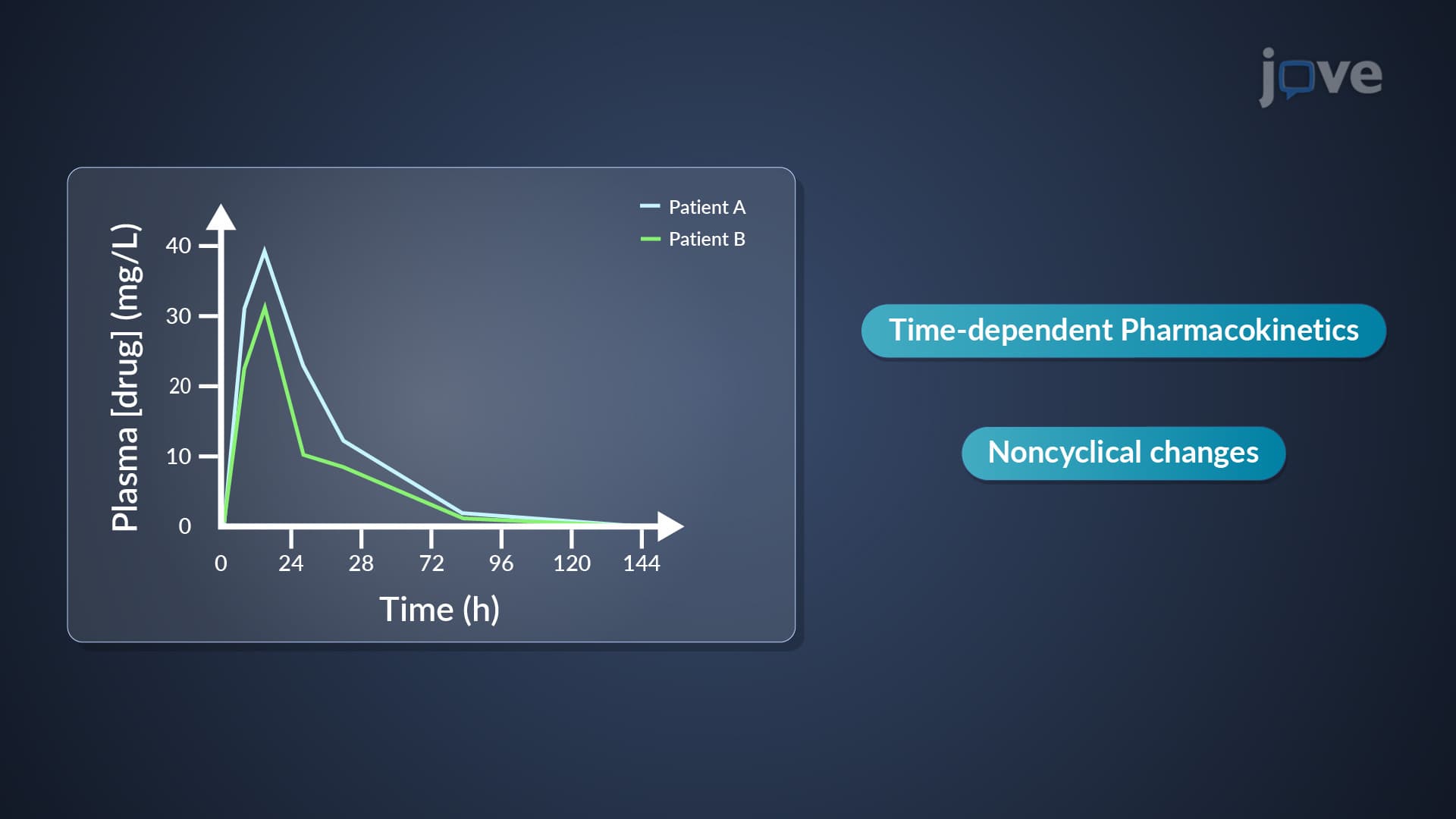
Healthcare professionals identify nonlinear pharmacokinetics through systematic plasma level monitoring. By plotting concentration-time curves at different doses, clinicians can detect nonlinear behavior. Linear drugs produce parallel curves when graphed on a semi-logarithmic scale, while nonlinear drugs show curves with different slopes and shapes.
Steady-state plasma concentrations provide another diagnostic tool. In linear systems, doubling the dose doubles the steady-state concentration. Nonlinear drugs break this rule, showing disproportionate increases that can surprise inexperienced clinicians. This principle frequently appears in USMLE questions and pharmacy board examinations.
US clinical practice demands heightened vigilance with nonlinear drugs. Phenytoin, commonly prescribed for seizures, demonstrates classic nonlinear behavior within its therapeutic range. Small dose increases can cause dramatic jumps in plasma levels, potentially triggering toxicity. Conversely, dose reductions can lead to subtherapeutic levels and breakthrough seizures.
For students tackling AP Biology or college-level pharmacology courses, these concepts bridge theoretical knowledge with real-world applications, making them high-yield topics for examinations and future clinical practice.
Related Micro-courses