Loading subject page…


96,703 views

Video Summary: Combined Effects of Drugs Antagonism Explained
Why do emergency rooms stock protamine alongside heparin, or why doesn't taking an antihistamine after drinking coffee cancel out caffeine's effects? The combined effects drugs antagonism represents one of medicine's most critical safety mechanisms, where specific drugs can block, reduce, or counteract other medications. From the naloxone (Narcan) used to reverse opioid overdoses in US emergency departments to the complex receptor interactions taught in pharmacology courses, Combined Effects of Drugs Antagonism Explained reveals how molecular competition saves lives daily. Watch the full video on JoVE Coach to master this concept with expert-led visuals and step-by-step explanations.
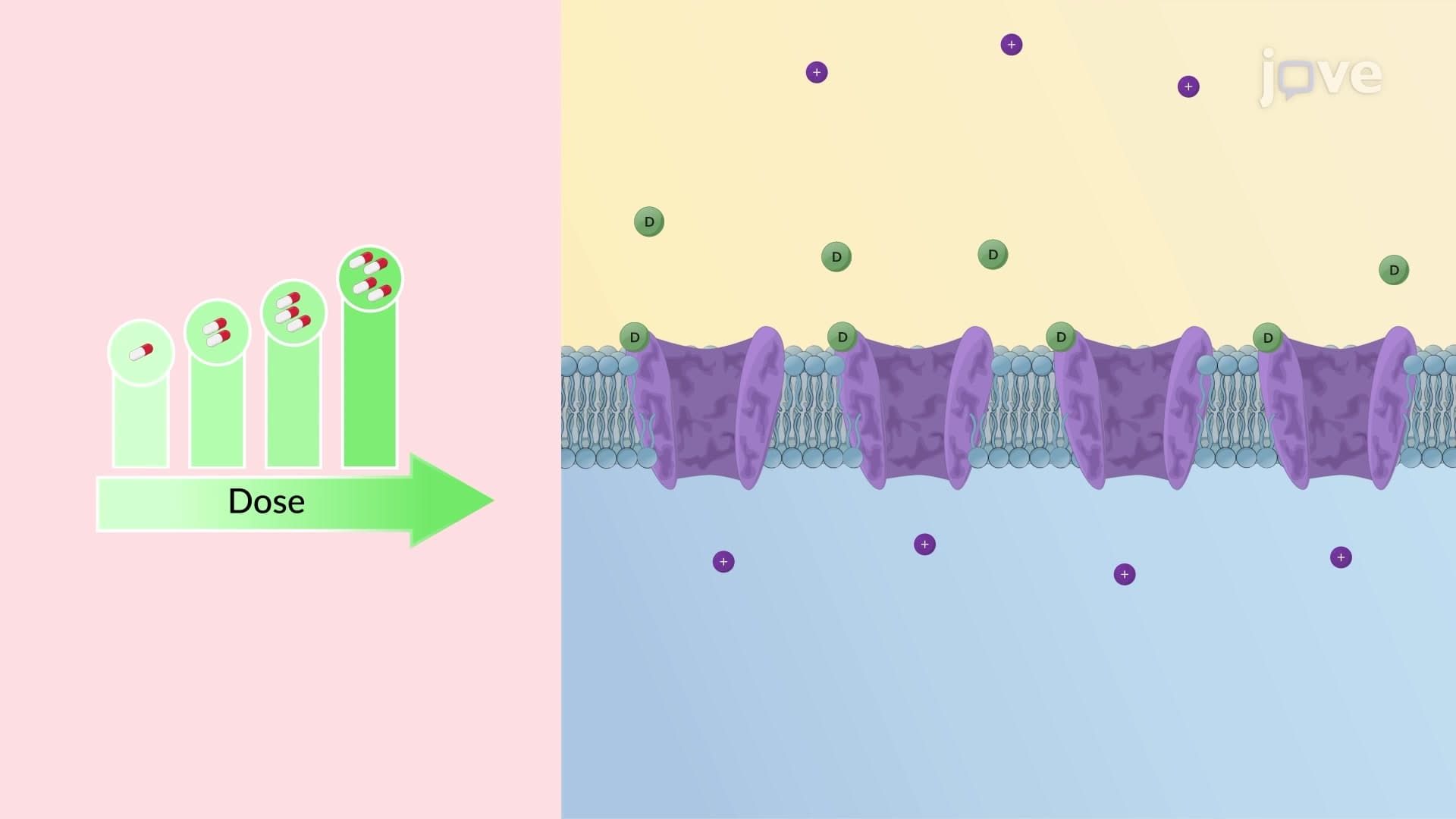
Drug antagonism forms the foundation of both therapeutic medicine and toxicology, representing scenarios where one substance diminishes or blocks another's biological effects. Unlike synergistic drug interactions that amplify effects, antagonistic relationships create opposing forces at the molecular level. This concept appears extensively in AP Biology, college pharmacology courses, and medical school curricula, particularly when studying receptor theory and clinical drug interactions.
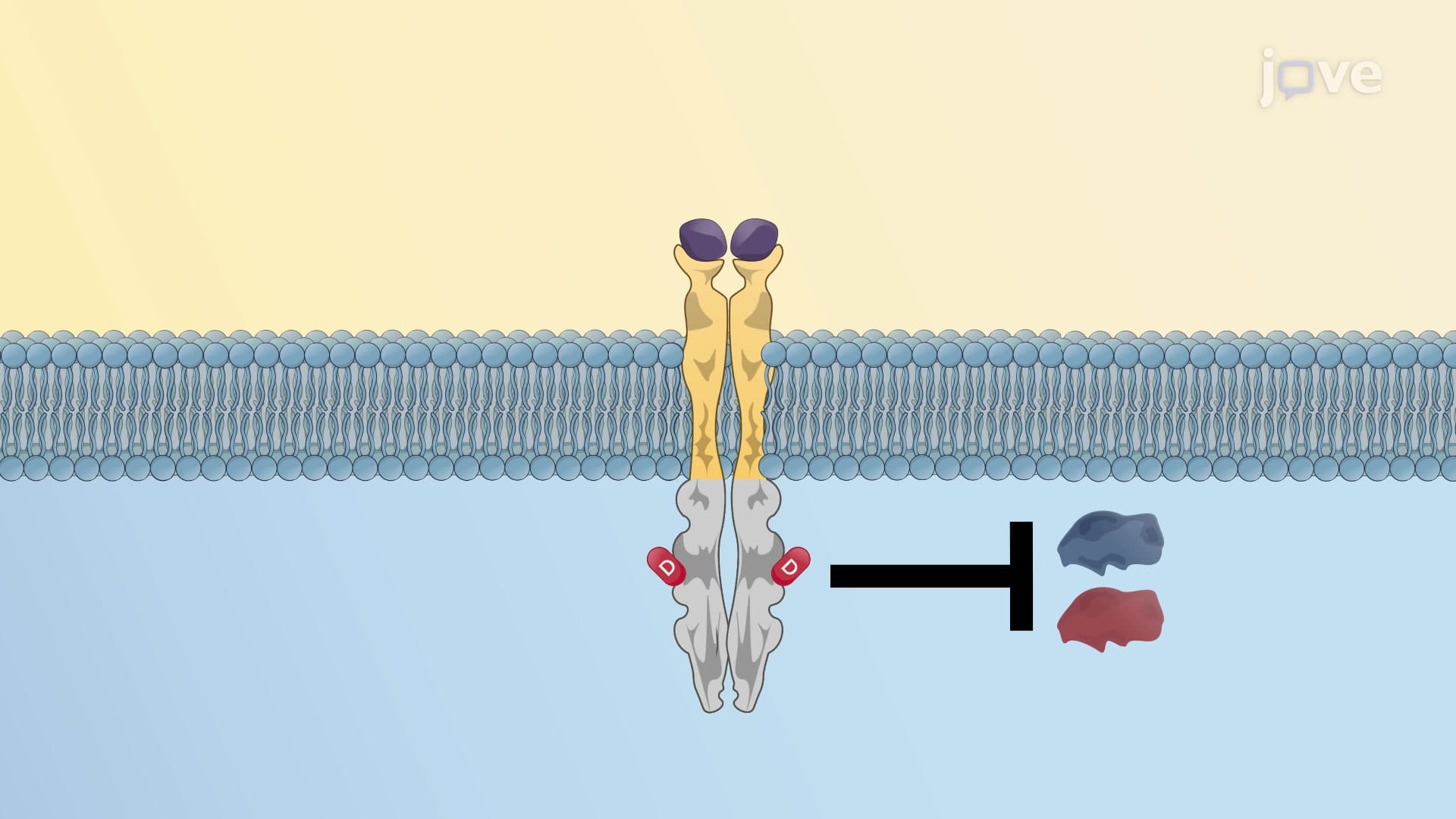
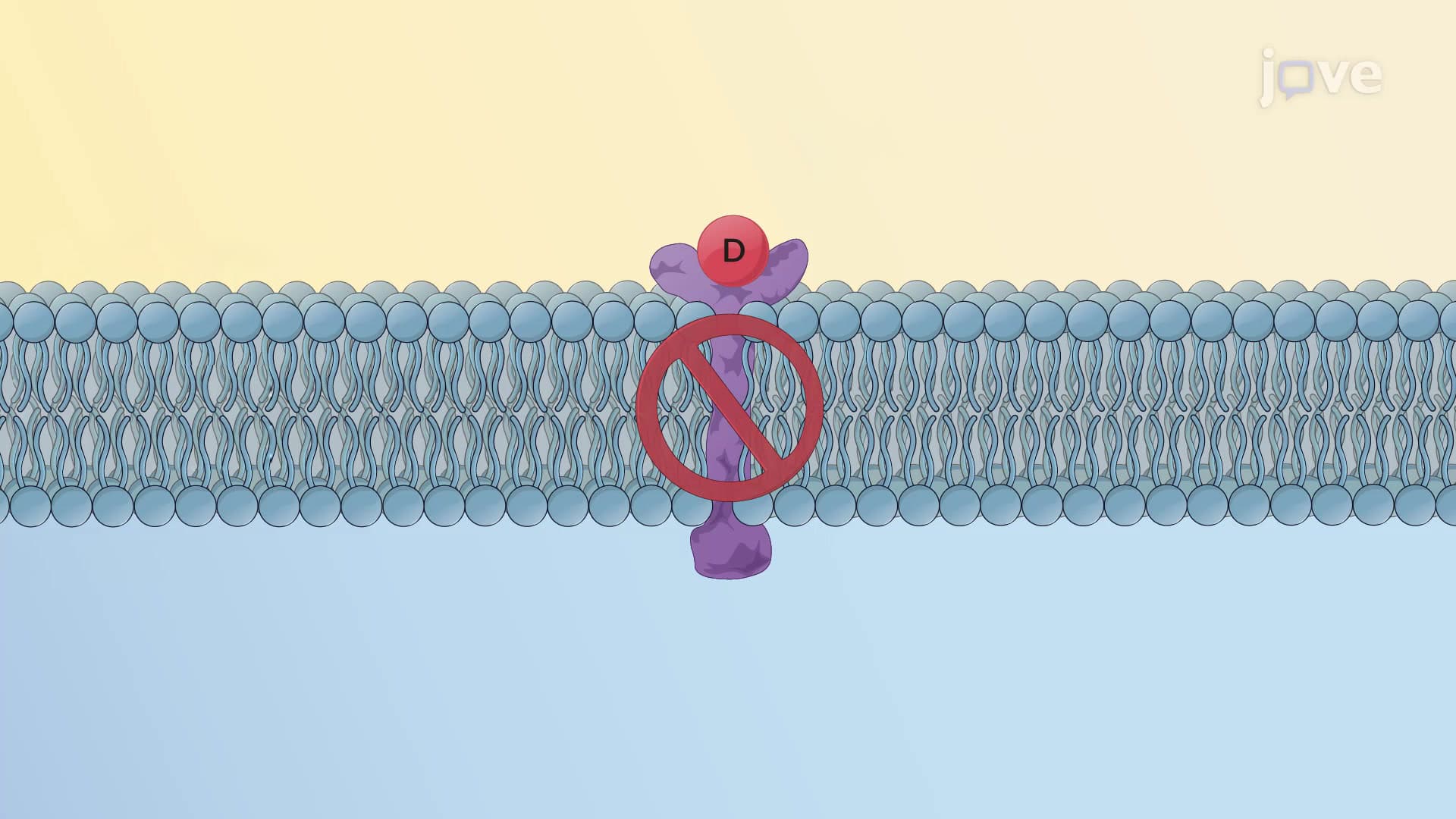
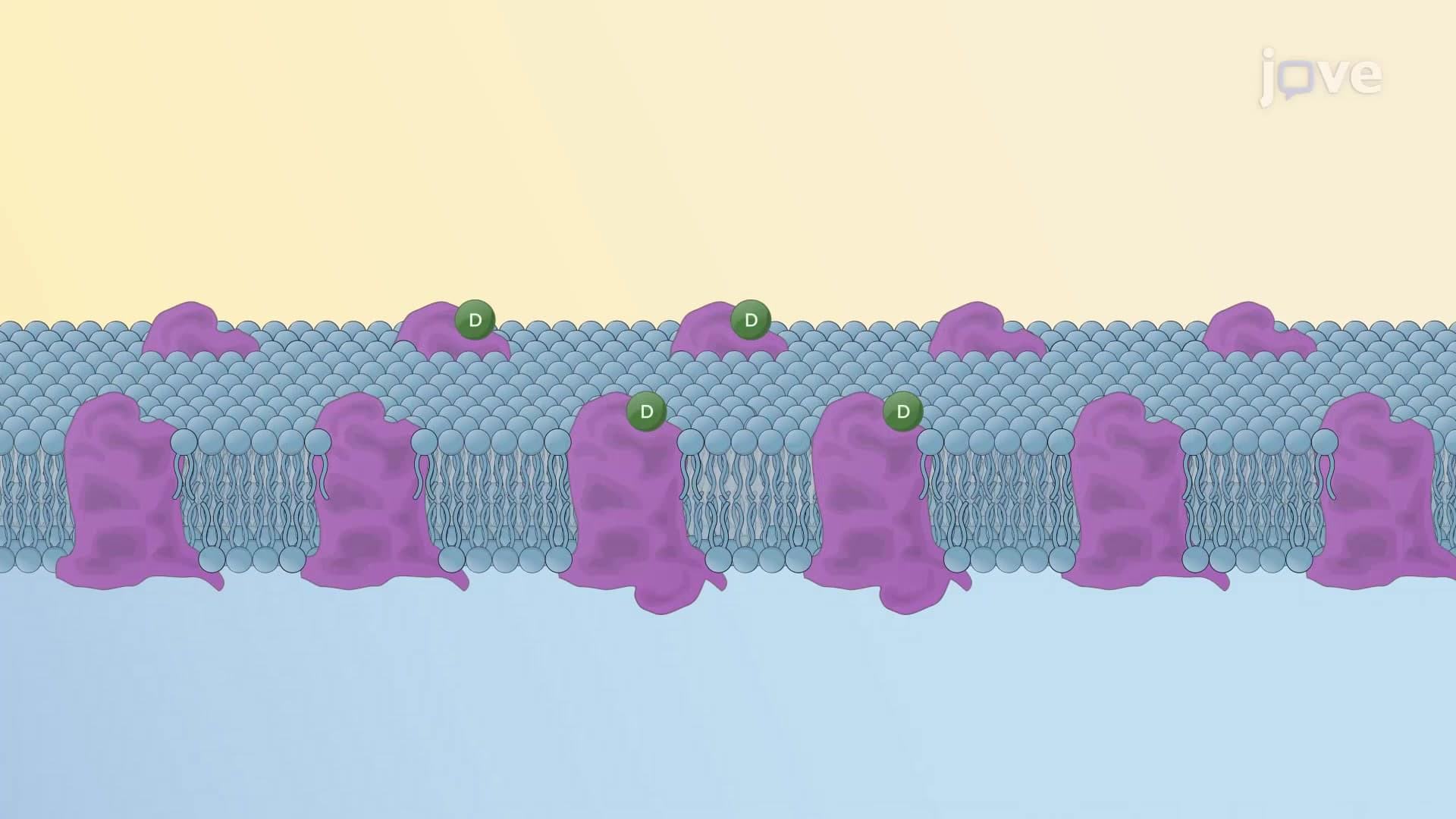
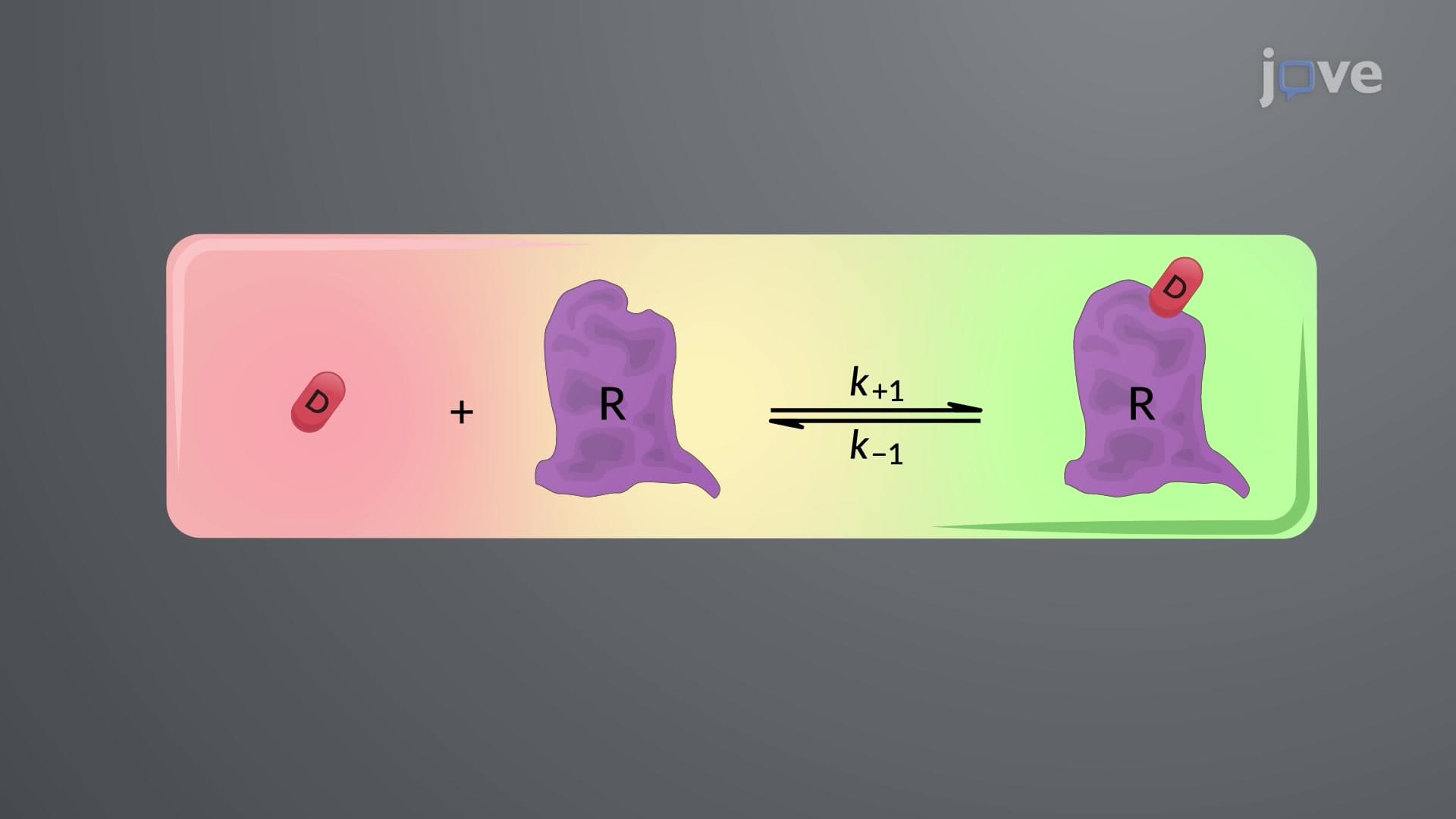
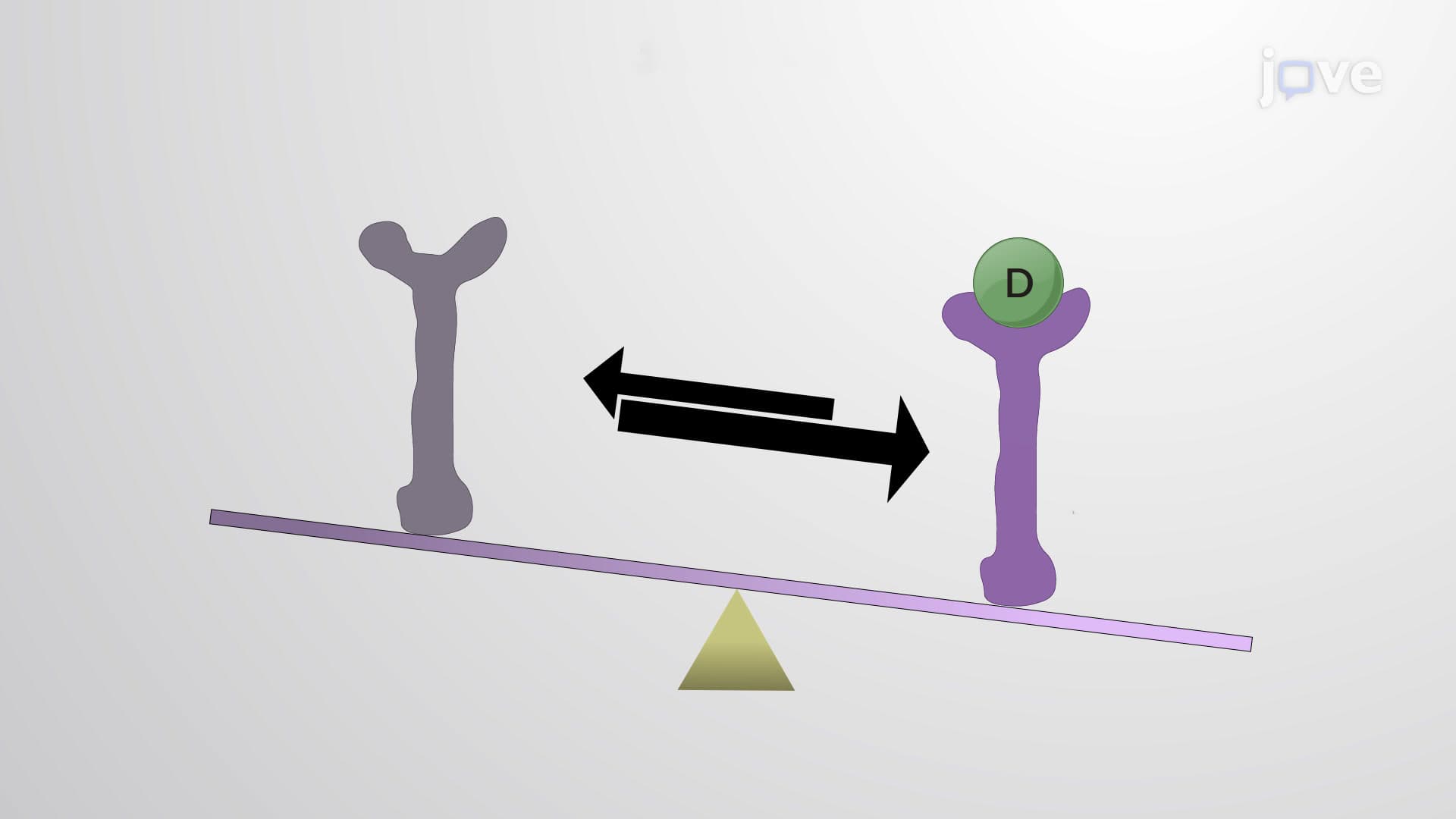
Competitive antagonism occurs when two drugs compete for the same receptor binding site, similar to two keys trying to fit the same lock. The antagonist physically occupies the receptor's active site, preventing the intended drug (agonist) from binding and producing its effect. This mechanism underlies naloxone's life-saving ability to reverse opioid overdoses by competing with heroin or fentanyl for opioid receptors in US emergency departments.
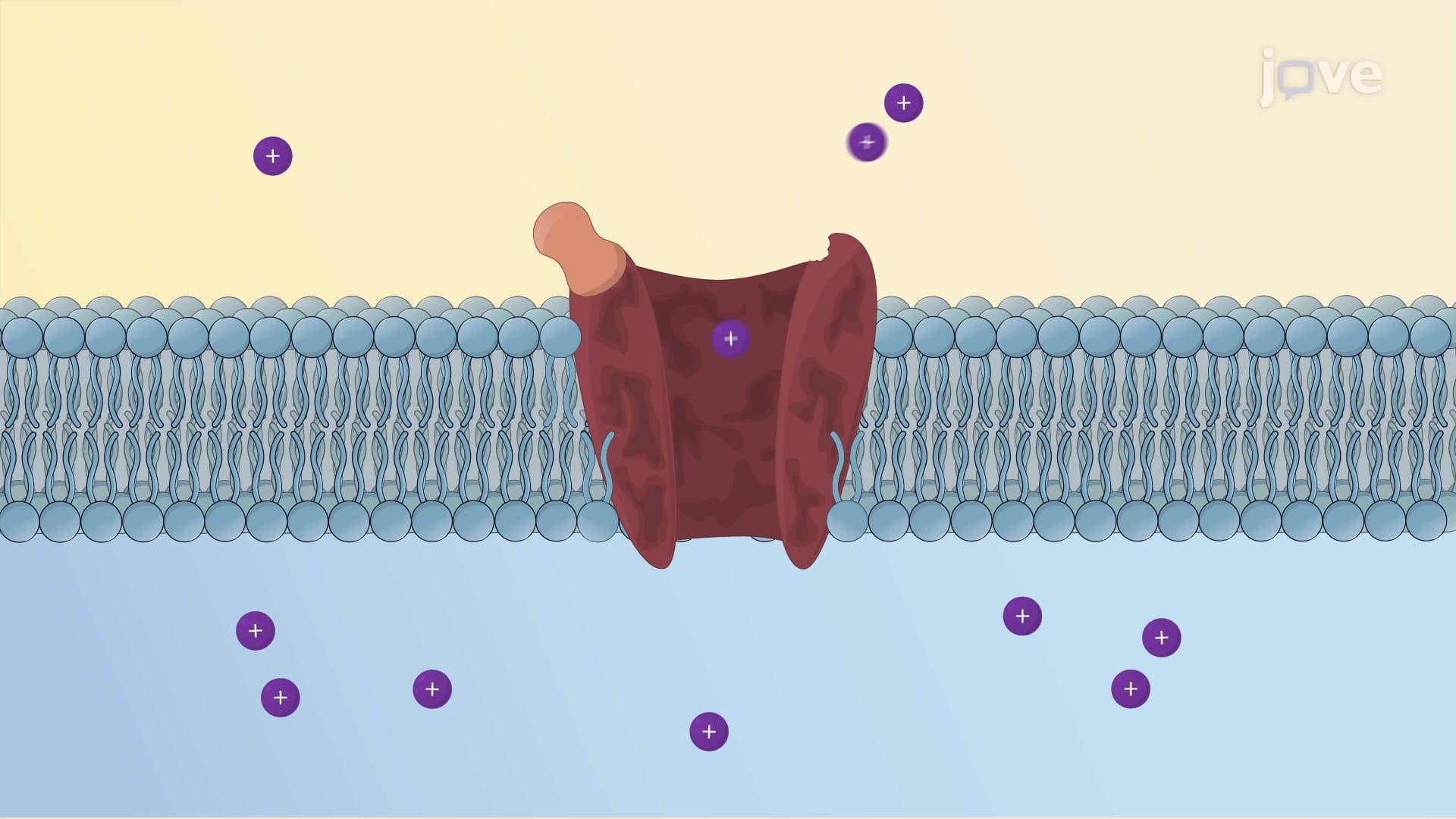
Allosteric antagonism involves a more sophisticated mechanism where the antagonist binds to a different site on the receptor, causing a conformational change that renders the primary binding site ineffective. This occurs commonly with ion channels, where the antagonist doesn't directly block the channel but alters its shape to prevent normal function. Students preparing for the MCAT often encounter questions comparing these mechanisms, as understanding the distinction helps predict reversibility and dosing requirements.
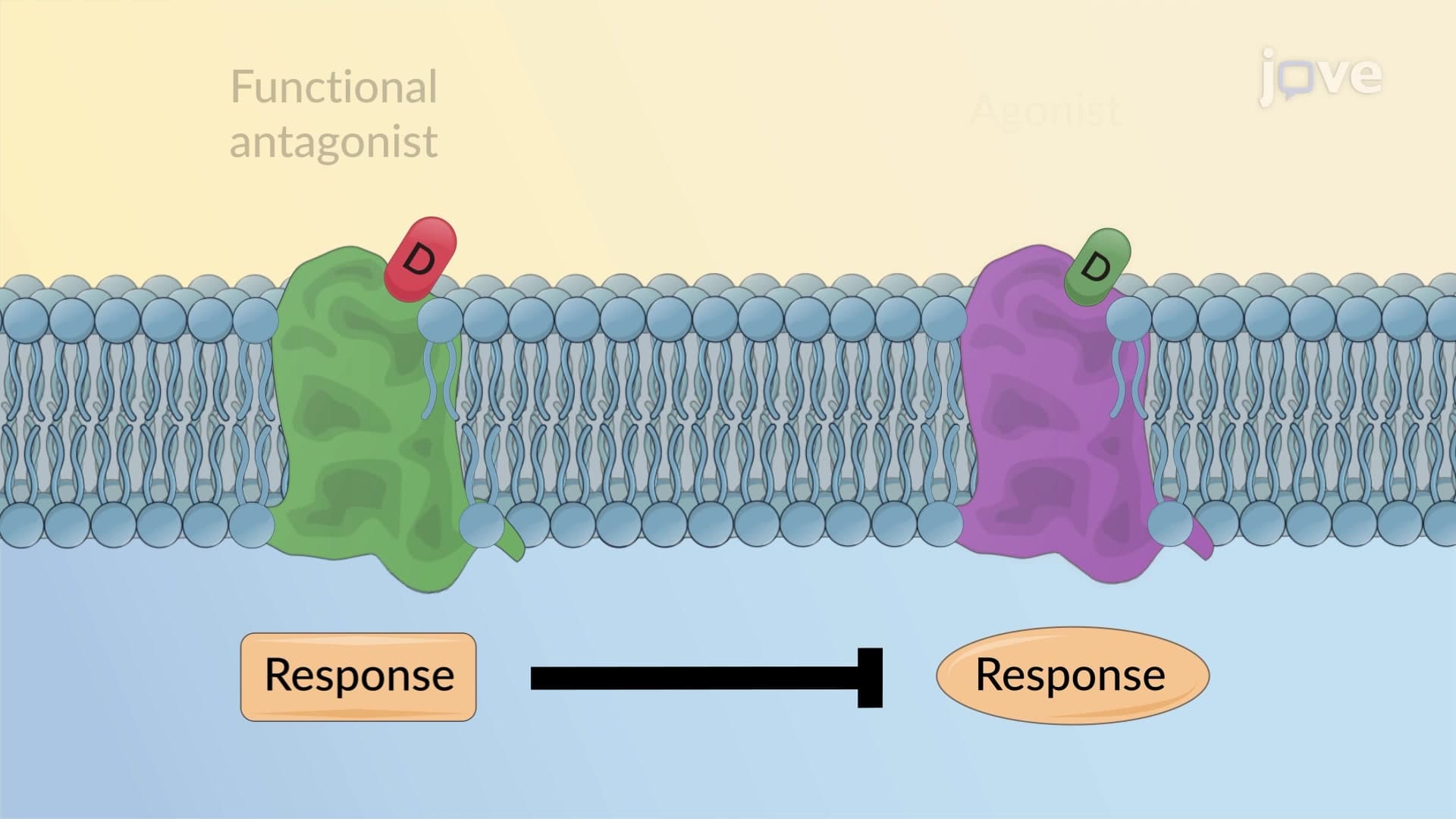
Functional antagonism demonstrates how drugs targeting different receptors can produce opposing physiological effects. The classic example involves bronchial smooth muscle: histamine binding to H1 receptors causes bronchoconstriction (airway narrowing), while epinephrine binding to β2-adrenergic receptors causes bronchodilation (airway opening). This principle explains why epinephrine auto-injectors (EpiPens) effectively treat severe allergic reactions despite not directly blocking histamine receptors.
Chemical antagonism represents a unique form where drugs combine to form inactive compounds. The protamine-heparin interaction exemplifies this mechanism perfectly for US healthcare settings. When patients receiving heparin anticoagulation therapy experience excessive bleeding, clinicians administer positively charged protamine, which binds negatively charged heparin to form an inactive salt aggregate, immediately reversing anticoagulation effects.
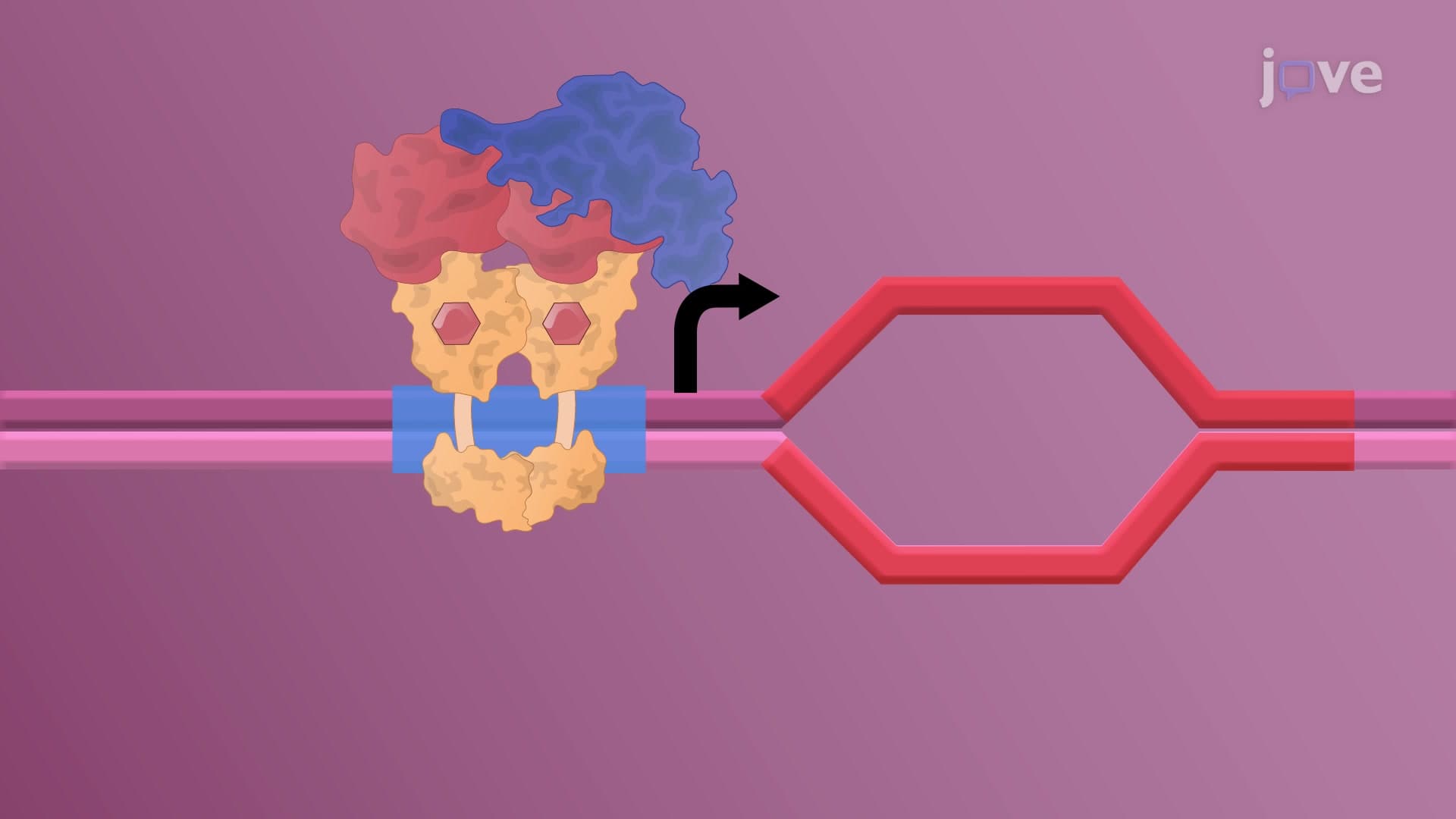
Pharmacokinetic antagonism affects drug concentrations rather than receptor interactions, altering absorption, distribution, metabolism, or elimination processes. Activated charcoal administration for certain poisonings exemplifies this mechanism-it doesn't compete with toxins for receptors but instead adsorbs them in the gastrointestinal tract, preventing absorption. Similarly, some antibiotics can induce liver enzymes that metabolize other medications more rapidly, reducing their therapeutic effectiveness. Understanding these interactions proves crucial for pharmacy students and appears frequently in NAPLEX examinations.
Related Micro-courses