Loading subject page…


96,703 views


Video Summary: Combined Effects of Drugs Synergism Explained
Why do doctors prescribe multiple medications together when treating serious infections? The combined effects drugs synergism creates therapeutic outcomes far more powerful than individual drugs alone. For instance, the antibiotic combination trimethoprim-sulfamethoxazole (commonly known as Bactrim) used in US hospitals demonstrates how Combined Effects of Drugs Synergism Explained works by targeting different bacterial pathways simultaneously, creating a devastating one-two punch against urinary tract infections. Watch the full video on JoVE Coach to master this concept with expert-led visuals and step-by-step explanations.
Drug synergism represents one of pharmacology's most powerful therapeutic strategies, where combining medications produces effects dramatically exceeding what individual drugs could achieve alone. Unlike simple additive effects (1 + 1 = 2), synergistic interactions create multiplicative outcomes (1 + 1 = 4 or more), revolutionizing treatment approaches across medicine.
The magic of synergism lies in targeting different molecular pathways simultaneously. Consider the trimethoprim-sulfamethoxazole combination, standard treatment in US emergency departments for urinary tract infections. Sulfamethoxazole blocks dihydropteroate synthase, preventing bacteria from converting para-aminobenzoic acid into dihydrofolic acid. Meanwhile, trimethoprim inhibits dihydrofolate reductase, blocking tetrahydrofolate formation. This sequential assault on folate metabolism creates a biochemical bottleneck, starving bacteria of essential DNA building blocks.
US hospitals routinely employ synergistic combinations across specialties. The penicillin-aminoglycoside pairing exemplifies mechanical synergism: penicillin disrupts peptidoglycan synthesis, creating porous bacterial cell walls that facilitate aminoglycoside penetration. Once inside, aminoglycosides bind 30S ribosomal subunits, halting protein synthesis. This coordinated attack proves particularly effective against enterococcal endocarditis, a life-threatening heart valve infection.
Cancer chemotherapy showcases synergism's life-saving potential. The CHOP regimen (cyclophosphamide, hydroxydaunorubicin, oncovin, prednisone) combines drugs targeting different cellular processes, maximizing tumor kill while minimizing resistance development.
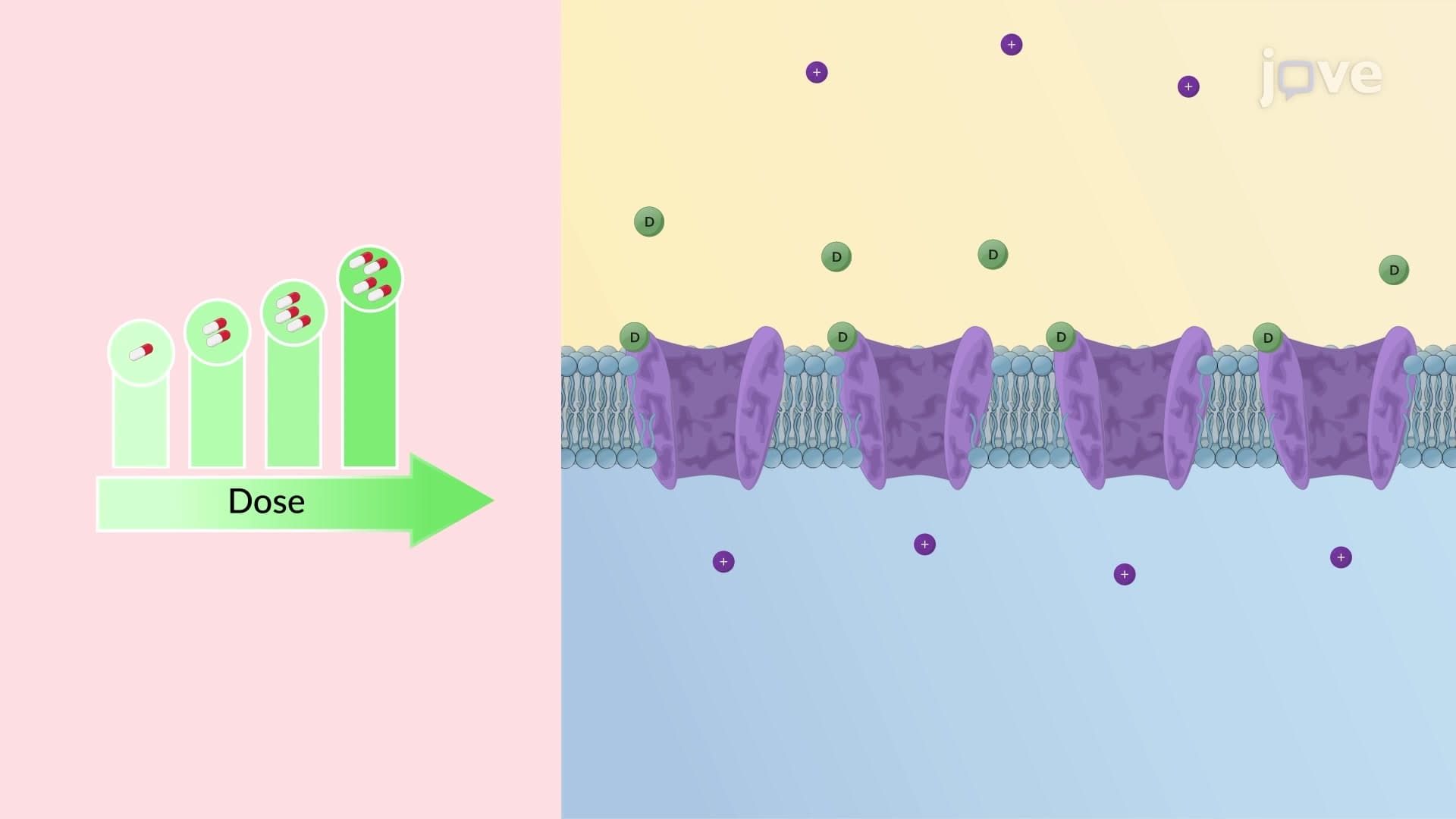
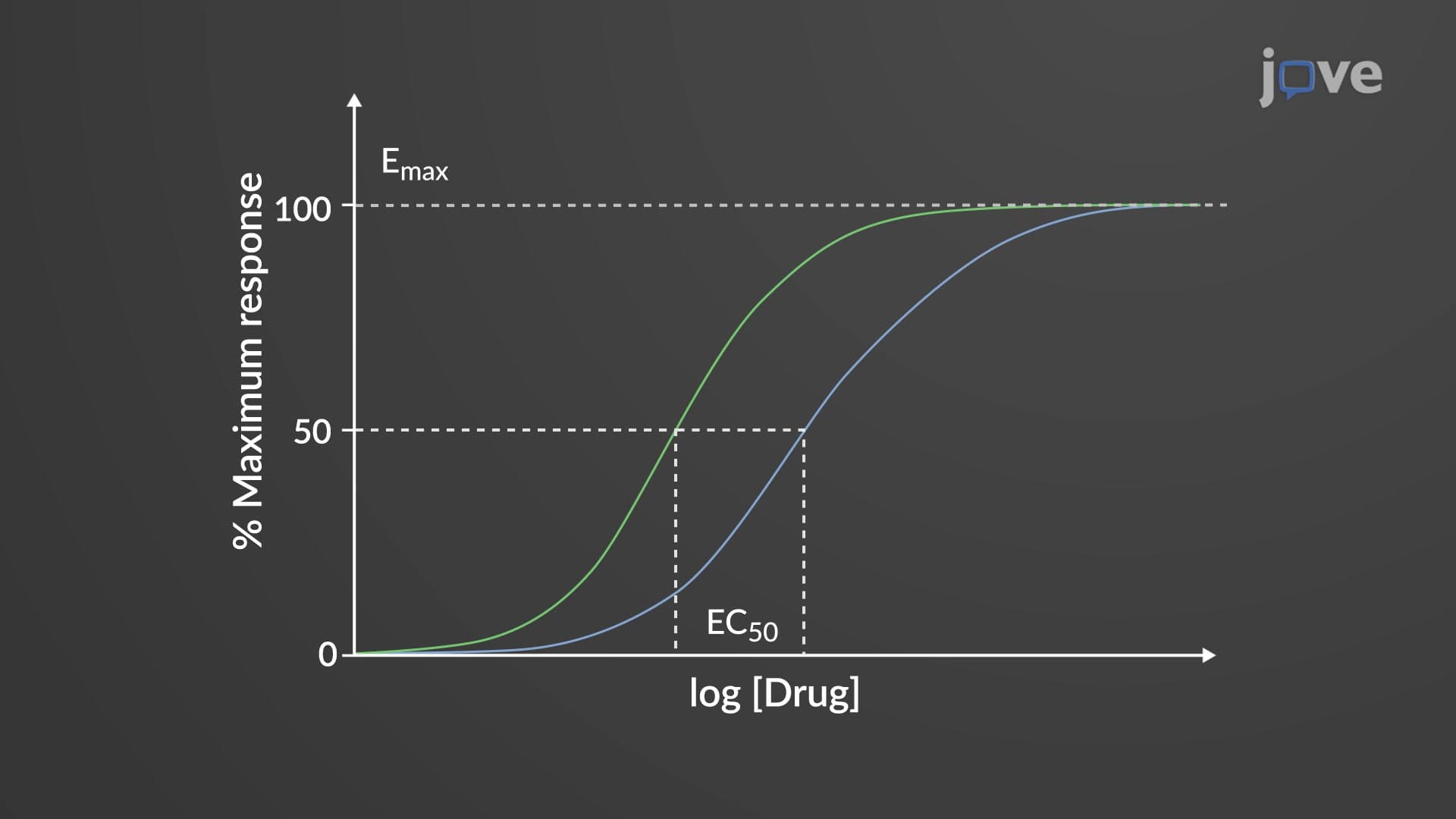
For AP Biology students, understanding synergism connects cellular metabolism concepts with practical medicine. MCAT candidates should focus on mechanism diagrams showing sequential pathway inhibition. College pharmacology courses emphasize calculating synergistic indices and predicting interaction outcomes. Practice identifying synergistic versus additive effects through dose-response curve analysis-a common exam format testing conceptual understanding rather than memorization.
Related Micro-courses