Loading subject page…


96,702 views

Video Summary: Ligand Gated Ion Channel Receptor Explained
Did you know that when you take an anti-anxiety medication like Xanax, it works by targeting the same ligand gated ion channel receptors that control your brain's natural calming signals? Ligand gated ion channel receptor explained reveals how these molecular gatekeepers open and close to control nerve signals throughout your body. From treating insomnia to managing seizures, understanding how drugs interact with these channels is crucial for anyone studying neuroscience or pharmacology. Watch the full video on JoVE Coach to master this concept with expert-led visuals and step-by-step explanations.
Ligand gated ion channel receptors represent one of the most important classes of membrane proteins in cellular biology and pharmacology. These sophisticated molecular machines serve as the primary communication system between neurons and other excitable cells throughout the human body. Unlike other types of receptors, ligand-gated channels directly convert chemical signals into electrical responses, making them essential for rapid synaptic transmission.
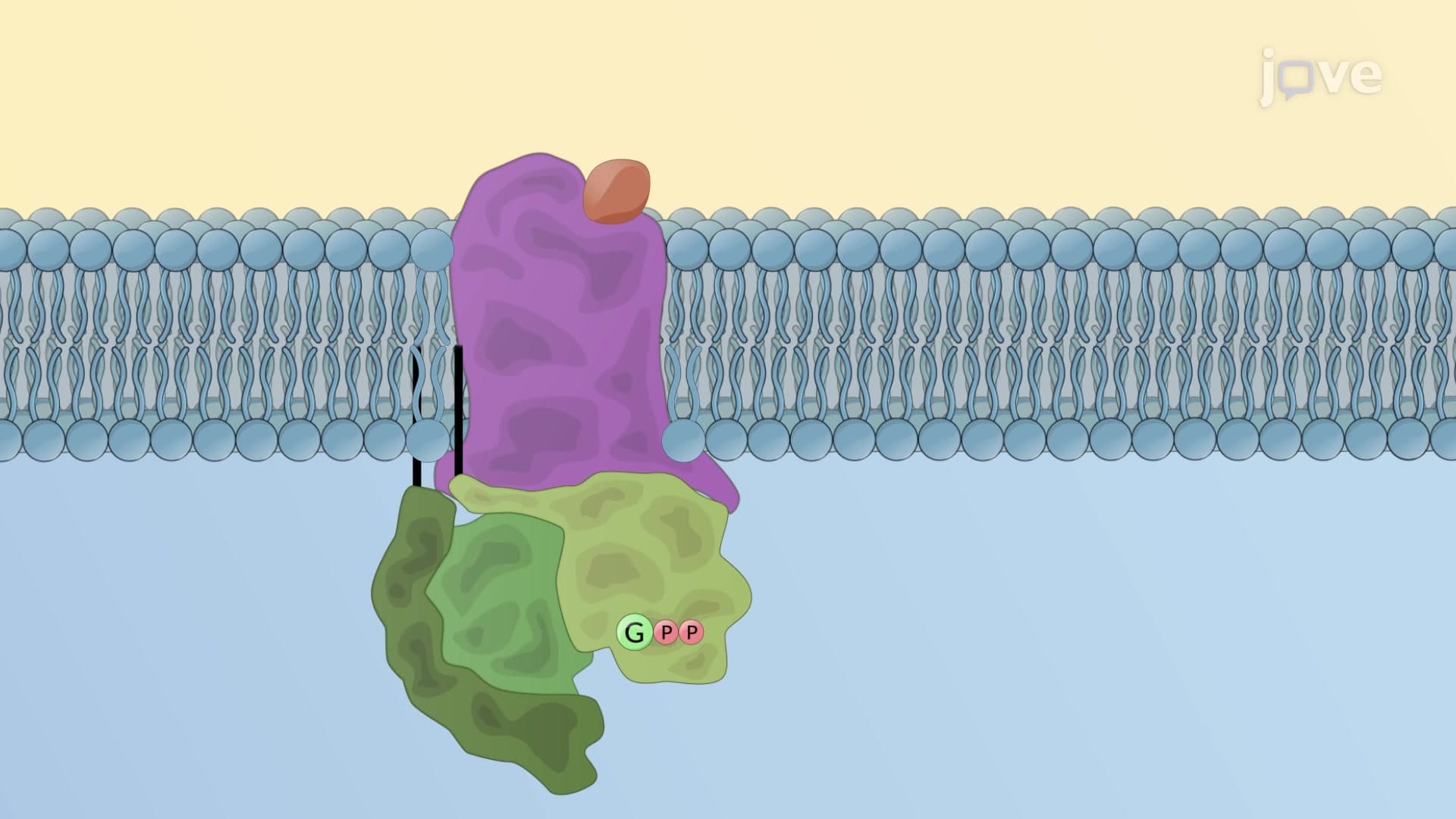
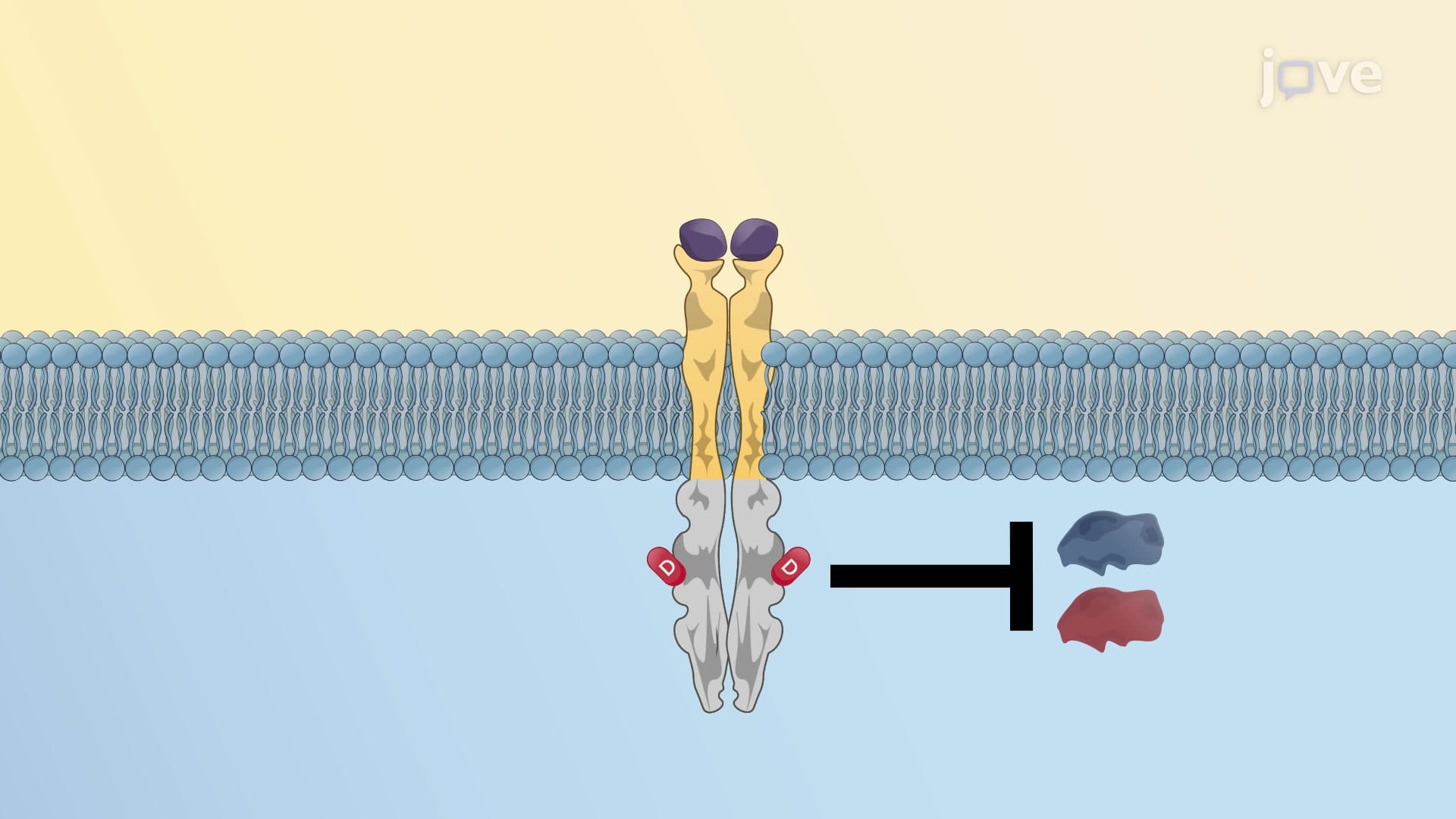
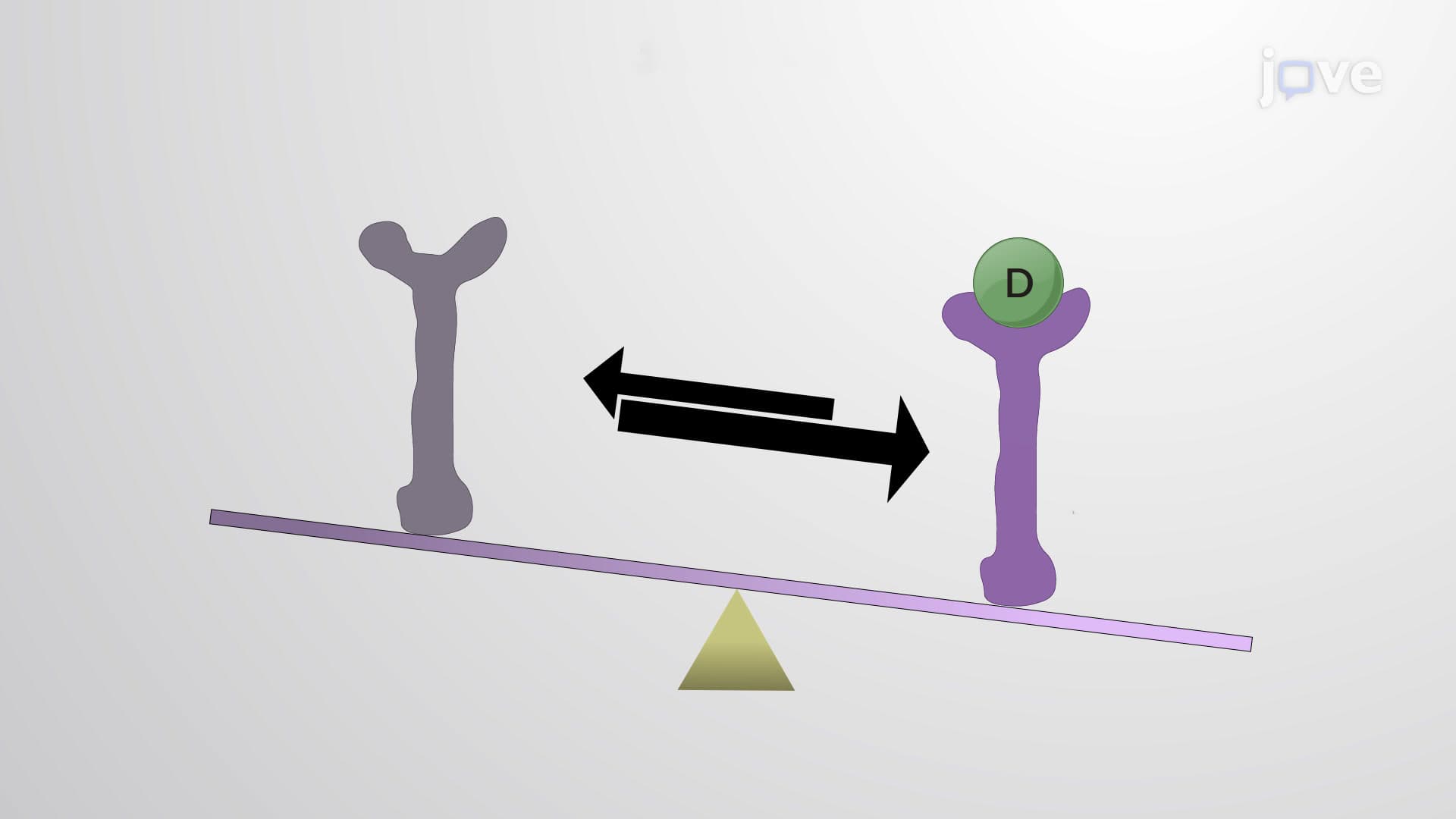
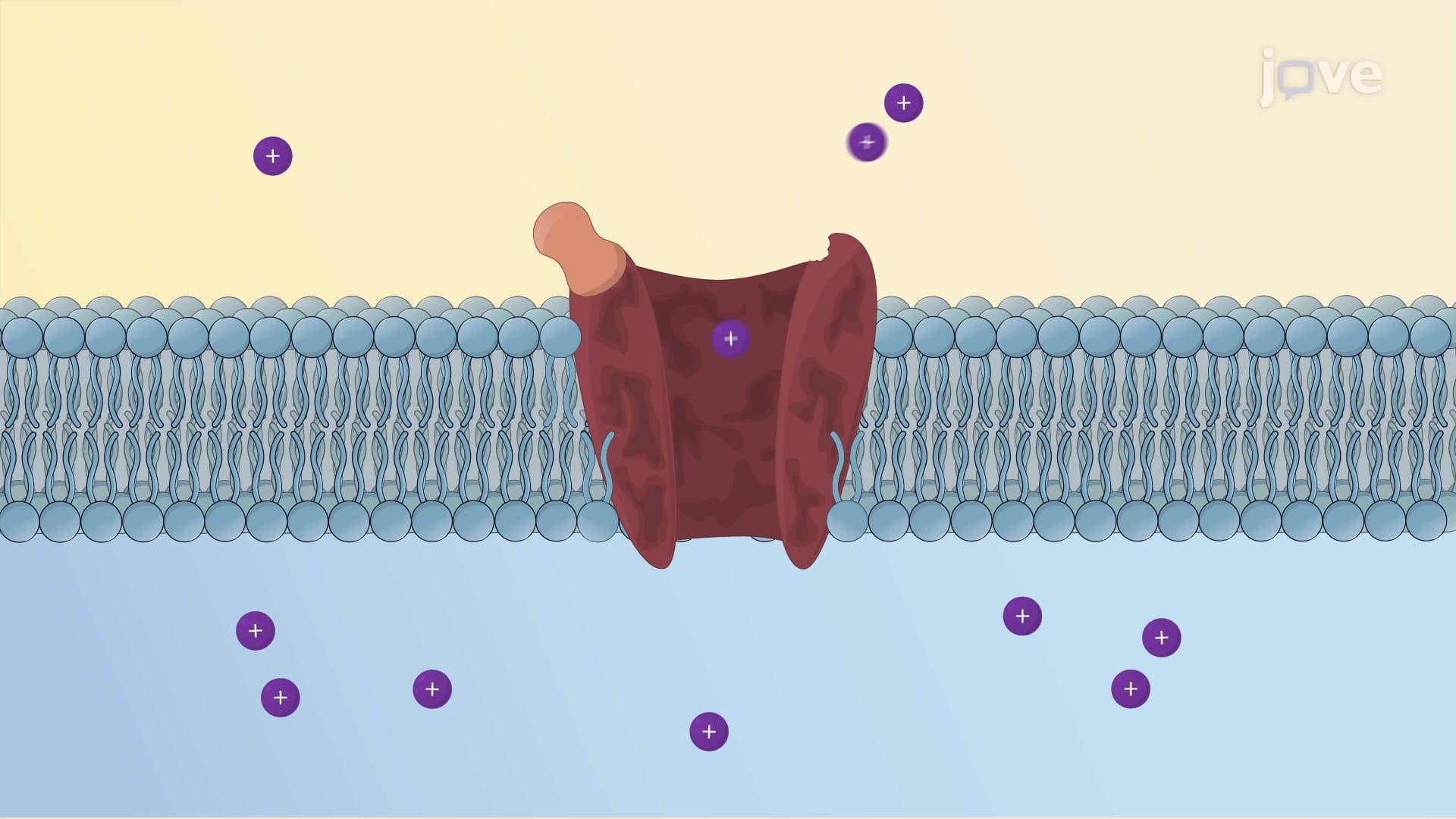
The fundamental structure of these channels consists of multiple protein subunits arranged around a central pore. Each channel contains at least two critical regions: the extracellular ligand-binding domain and the transmembrane ion-conducting pathway. When no ligand is present, the channel remains in a closed conformation, preventing unwanted ion flow that could disrupt cellular function.
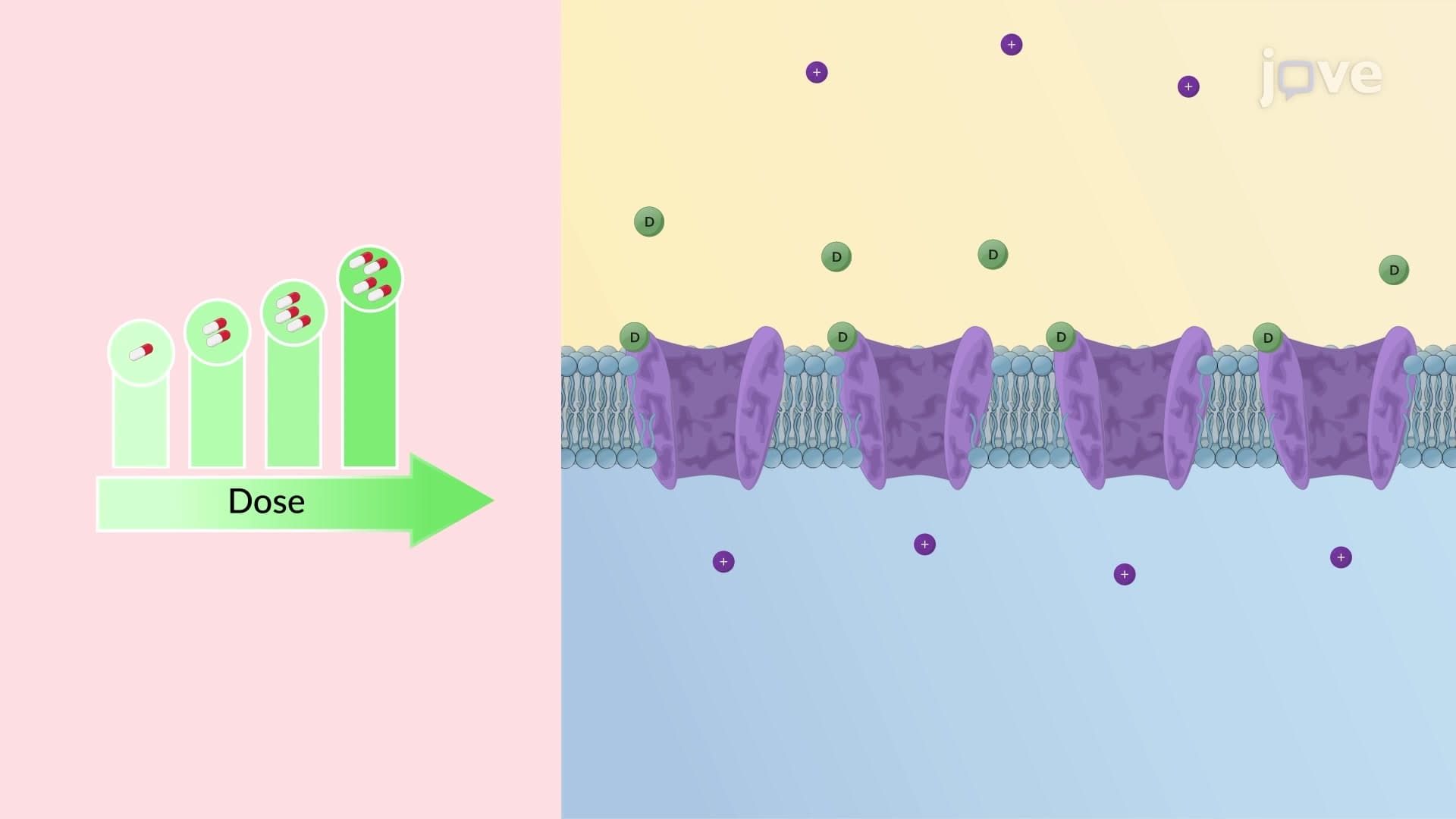
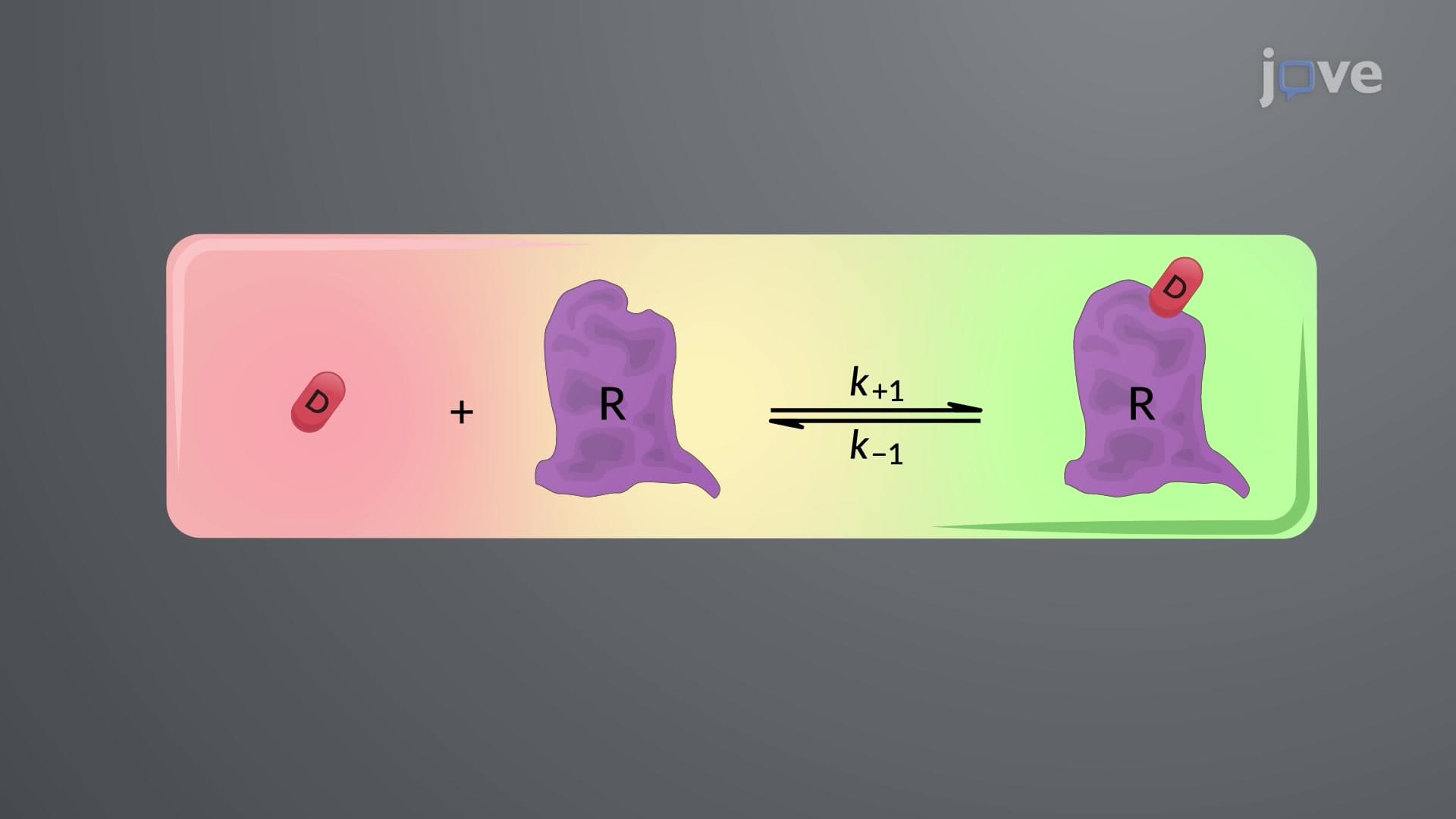
The binding of specific molecules-whether neurotransmitters like acetylcholine or GABA, or pharmaceutical drugs-triggers precise conformational changes. This structural shift opens the central pore, allowing selective ions (sodium, potassium, chloride, or calcium) to flow down their concentration gradients. The resulting change in membrane potential can either excite or inhibit the target cell, depending on which ions pass through.
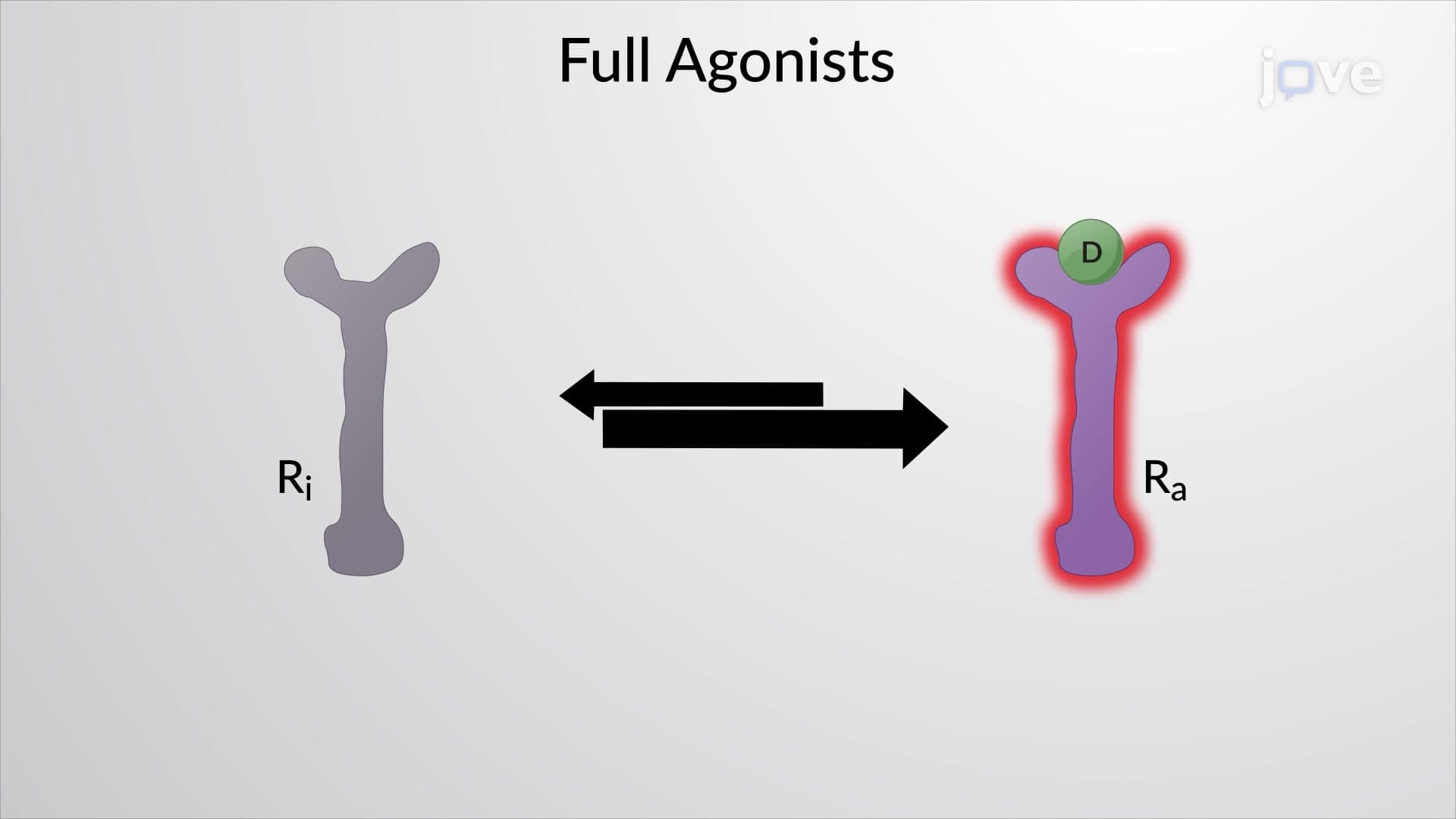
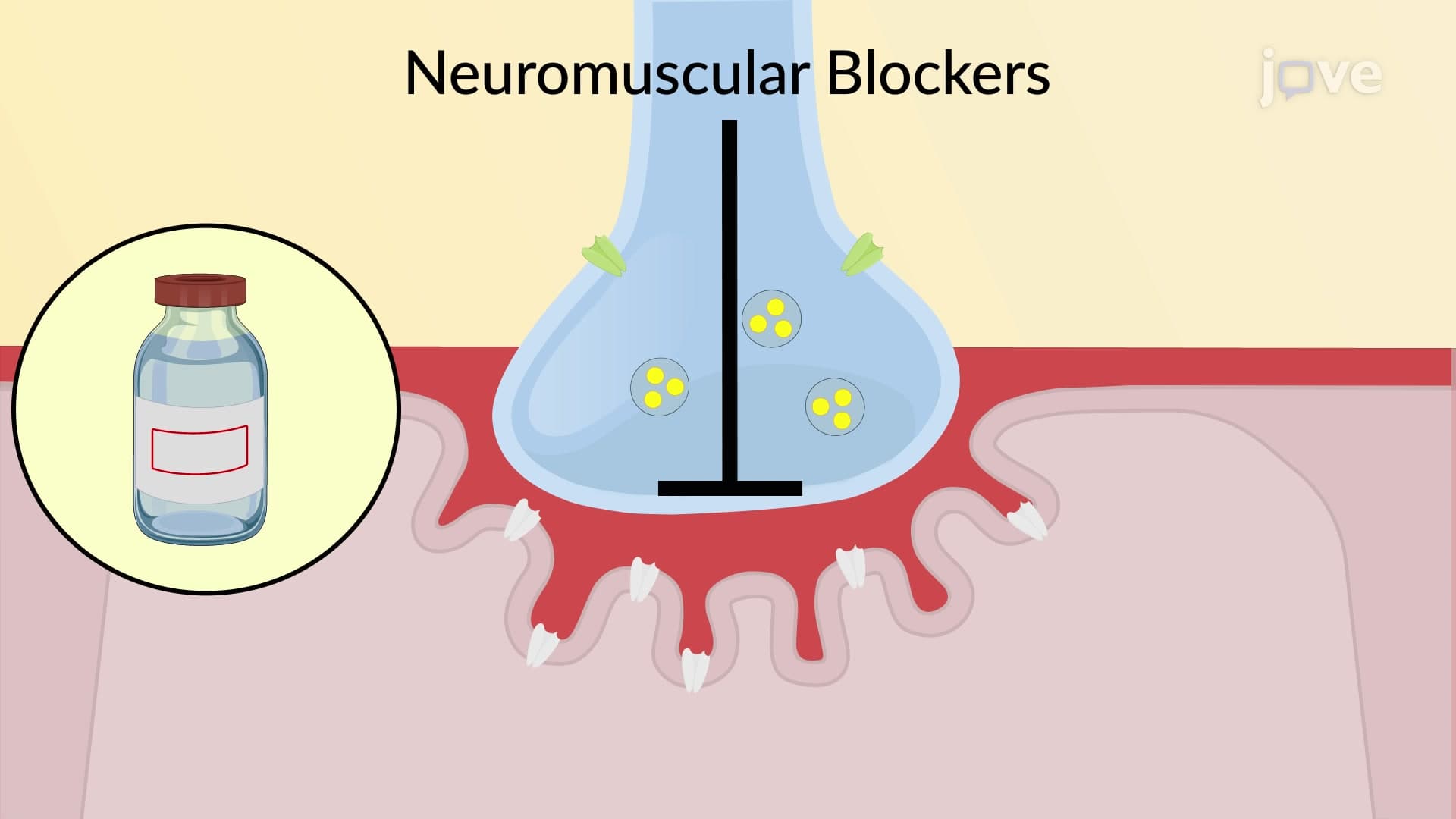
Understanding these mechanisms proves crucial for students preparing for the MCAT, AP Biology exams, or college-level neuroscience courses. Pharmaceutical companies have developed numerous medications that specifically target different types of ligand-gated channels. Varenicline (Chantix), approved by the FDA for smoking cessation, works by partially activating nicotinic acetylcholine receptors while simultaneously blocking nicotine's access to these same binding sites.
Benzodiazepines like lorazepam (Ativan) and diazepam (Valium) represent another major class of channel-targeting drugs. These medications don't directly activate GABA receptors but instead bind to allosteric sites that enhance the channel's response to the brain's natural inhibitory neurotransmitter, GABA. This mechanism explains why benzodiazepines produce anxiolytic effects without completely shutting down neural activity.
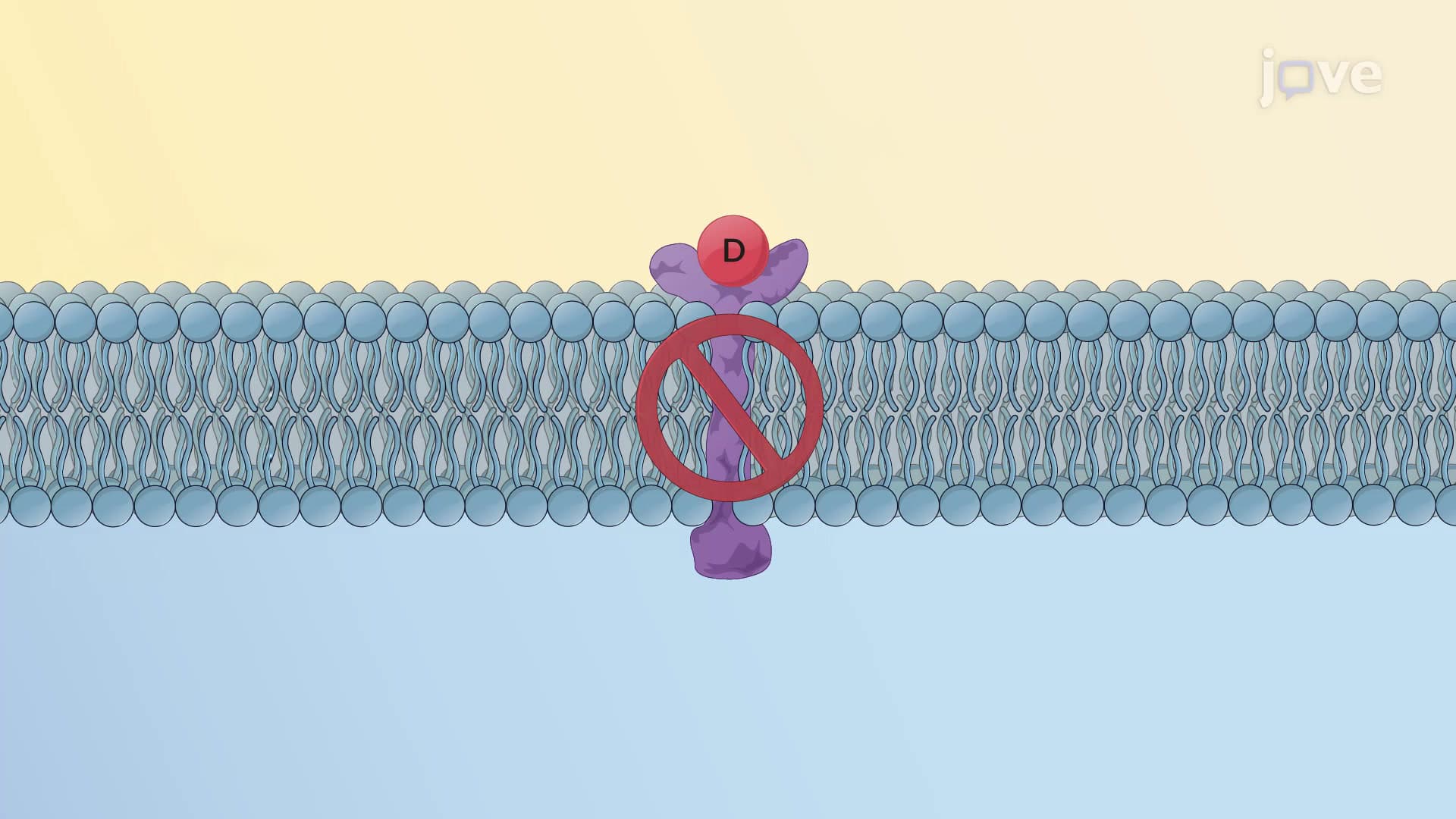
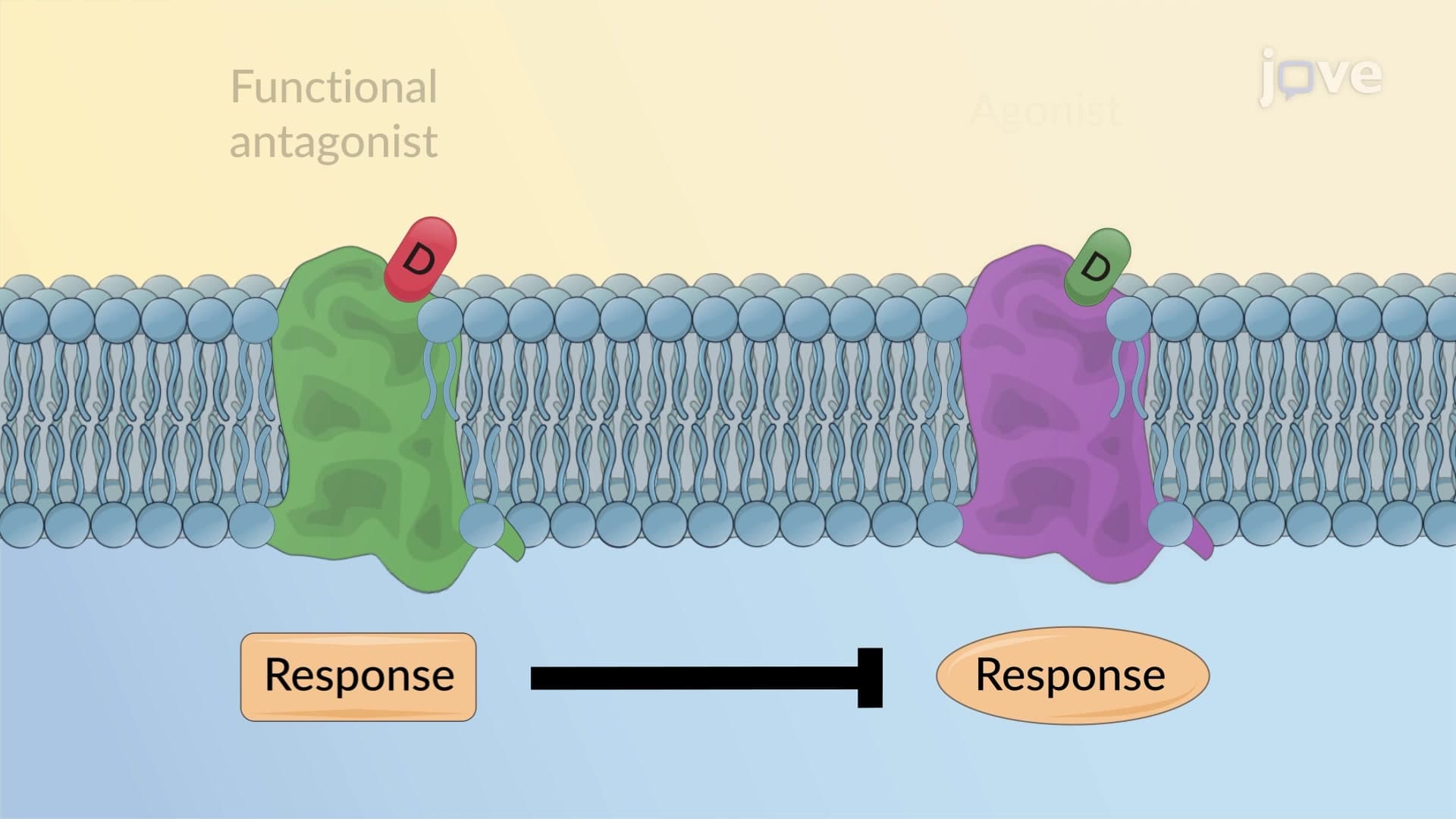
For students tackling standardized exams, focus on understanding the relationship between structure and function. Practice drawing the channel in both closed and open conformations, and be prepared to explain how different drug classes (agonists, antagonists, and allosteric modulators) affect channel behavior. These concepts frequently appear on the MCAT's Chemical and Physical Foundations section and AP Biology's molecular biology units.
Related Micro-courses