Loading subject page…


96,702 views

Video Summary: Quantitative Aspects of Drug Receptor Interaction Explained
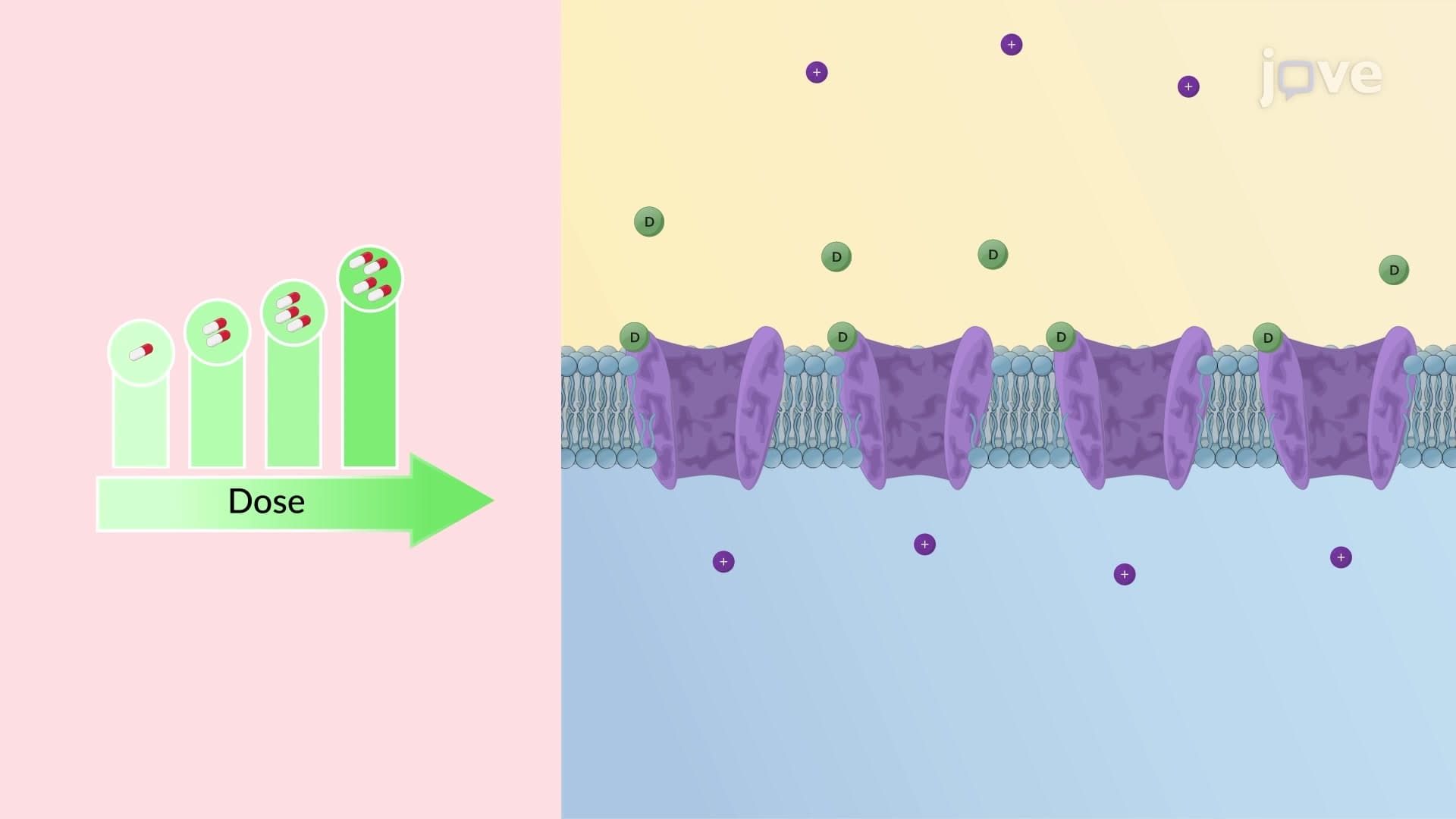
Ever wondered how exactly two aspirin tablets provide better pain relief than one? The quantitative aspects drug receptor interactions follow precise mathematical relationships that determine therapeutic effectiveness. When you take ibuprofen for a headache, the drug molecules bind to COX enzyme receptors in your brain with measurable affinity constants, creating predictable dose-response curves that pharmaceutical companies use to determine optimal dosing. Understanding Quantitative Aspects of Drug Receptor Interaction Explained reveals the mathematical foundation behind every medication in your medicine cabinet. Watch the full video on JoVE Coach to master this concept with expert-led visuals and step-by-step explanations.
The quantitative aspects drug receptor theory forms the mathematical backbone of modern pharmacology, explaining why precise dosing matters in clinical medicine. Unlike qualitative descriptions that simply state "more drug equals more effect," quantitative analysis provides exact mathematical relationships that predict therapeutic outcomes.
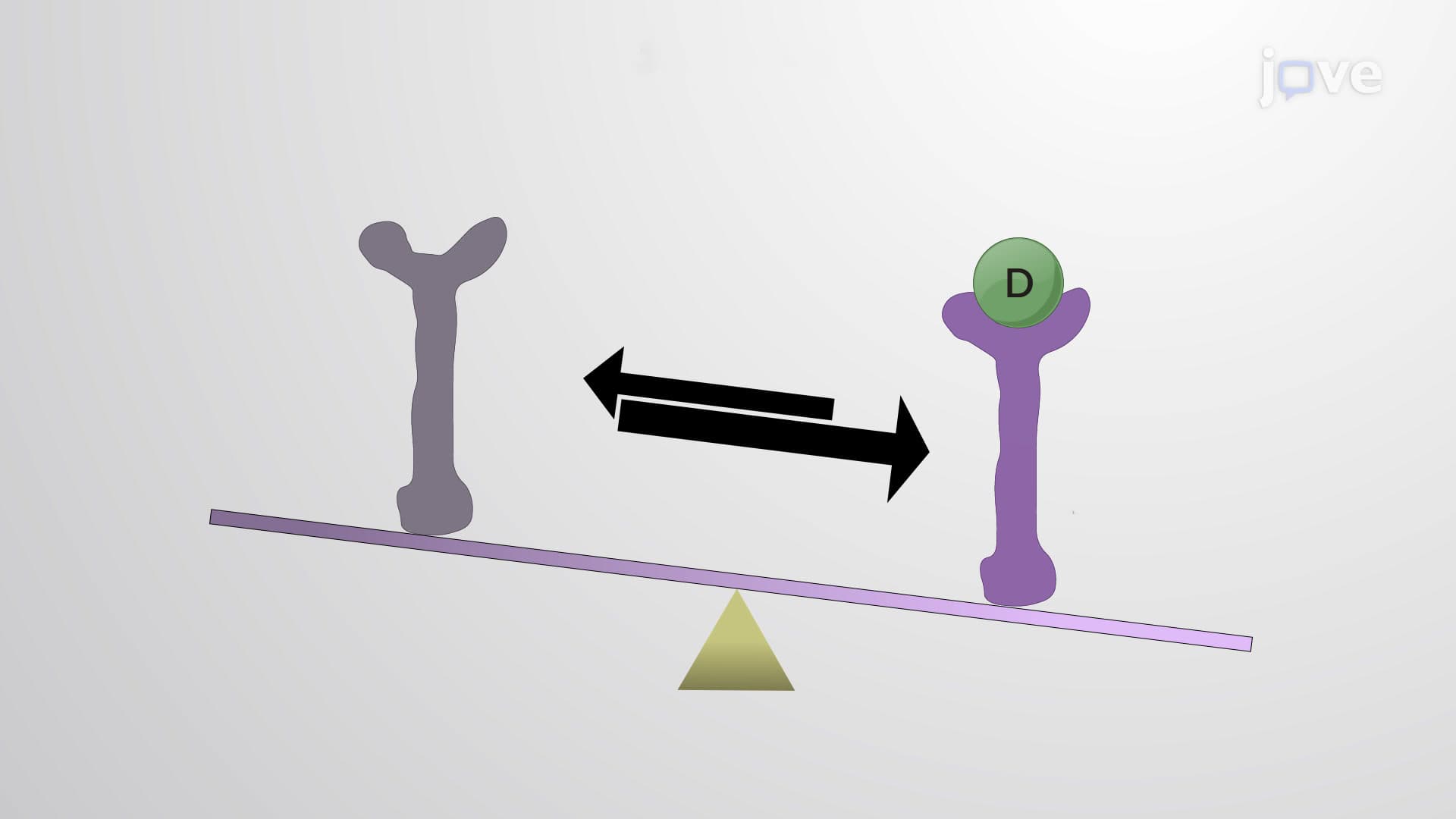
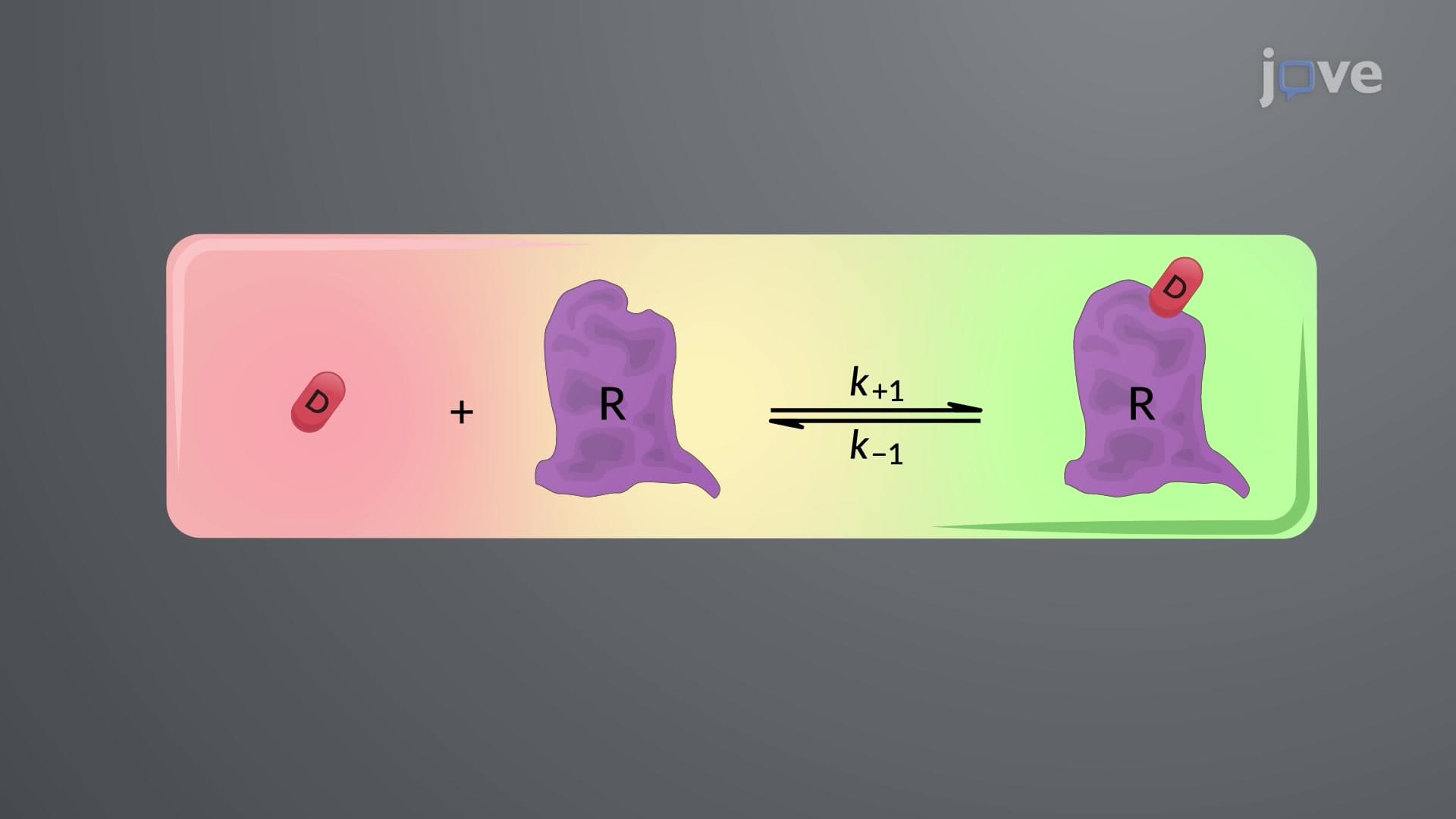
Drug-receptor interactions follow reversible binding kinetics characterized by two critical constants. The association constant (Ka) measures how readily a drug binds to its receptor, while the dissociation constant (Kd) indicates how easily the drug-receptor complex separates. These values are mathematically related as inverse relationships: Kd = 1/Ka.
Consider morphine binding to opioid receptors in pain management. High-affinity opioids like fentanyl exhibit extremely high Ka values (low Kd), meaning they bind tightly and require smaller doses. This quantitative relationship explains why fentanyl doses are measured in micrograms while morphine requires milligrams for similar analgesic effects.
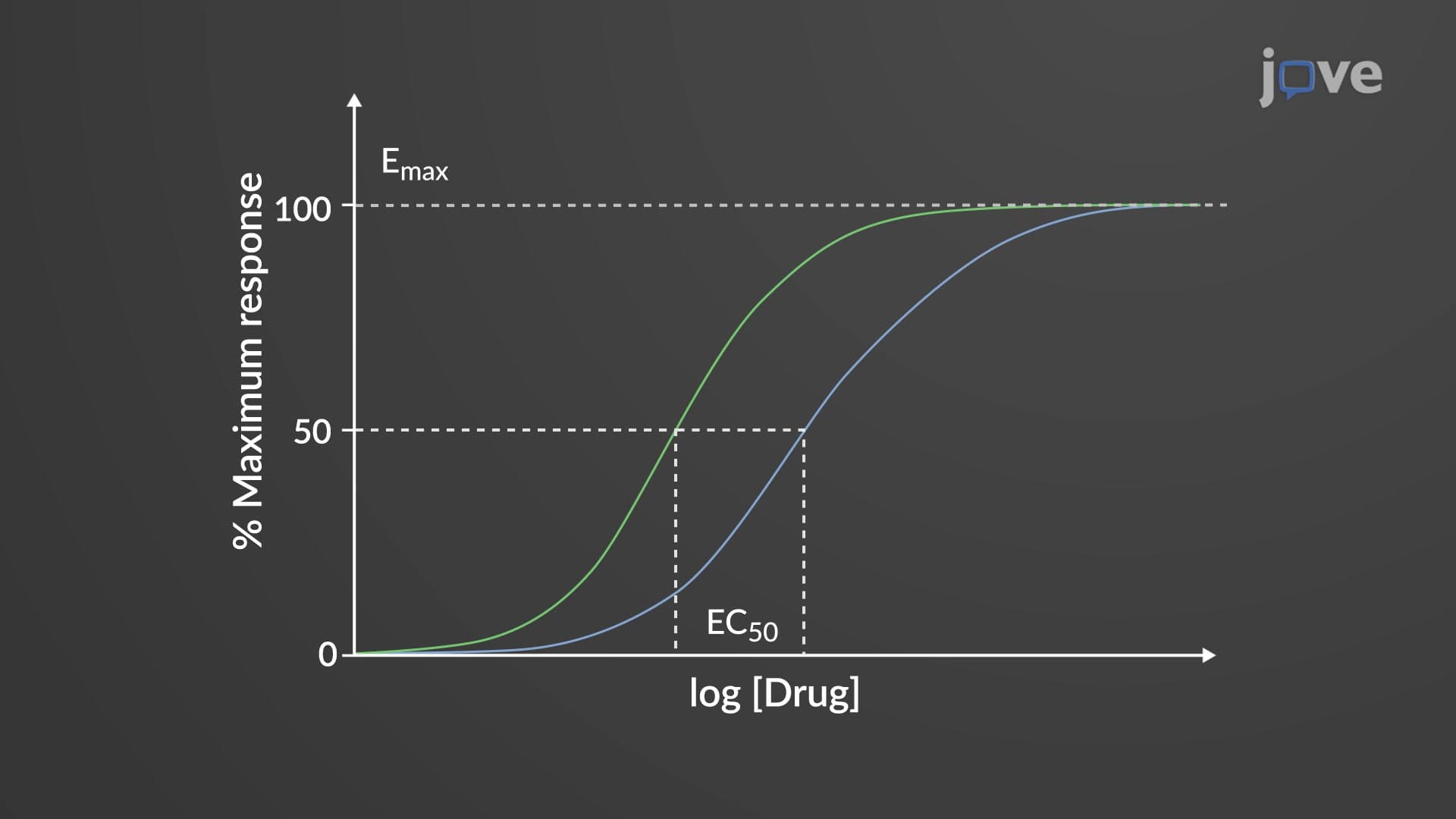
Fractional occupancy represents the proportion of receptors bound by drug molecules at any given concentration. This concept becomes crucial for understanding therapeutic windows and avoiding toxicity. The mathematical relationship shows that when drug concentration equals Kd, exactly 50% of receptors are occupied-a critical reference point in pharmacokinetics.
For AP Biology and college pharmacology students, mastering these calculations proves essential for MCAT preparation. The sigmoid curve produced when plotting fractional occupancy against log drug concentration appears frequently in standardized exams, particularly in questions analyzing dose-response relationships.
These quantitative principles directly influence medication dosing in US healthcare settings. Emergency medicine physicians use these concepts when calculating epinephrine doses during cardiac arrest, where receptor occupancy percentages determine survival outcomes. Similarly, anesthesiologists apply fractional occupancy calculations when titrating propofol for optimal sedation levels.
College-level pharmacology courses extensively test these mathematical relationships. Students encounter problems requiring calculation of receptor occupancy percentages, comparison of drug affinities using Kd values, and interpretation of binding curves. Understanding these quantitative aspects proves particularly valuable for pre-med students preparing for MCAT biochemistry sections.
Related Micro-courses