Loading subject page…


96,702 views

Video Summary: Transducer Mechanism Enzyme Linked Receptors Explained
Did you know that the cancer drug imatinib (Gleevec) works by jamming the molecular "switches" on cell surfaces? The transducer mechanism enzyme linked receptors are specialized proteins that convert external signals into internal cellular responses, controlling everything from growth to immune defense. These receptors, found in every cell membrane, act like sophisticated molecular machines that can be targeted by life-saving medications developed by companies like Novartis and Pfizer. Watch the full video on JoVE Coach to master this concept with expert-led visuals and step-by-step explanations.
Enzyme-linked receptors represent one of the most pharmaceutically relevant classes of cellular signaling proteins. Unlike simple binding proteins, these receptors function as molecular transducers-converting chemical signals from outside the cell into enzymatic activity inside the cell. This transducer mechanism enzyme linked system allows cells to respond appropriately to growth factors, hormones, and immune signals.
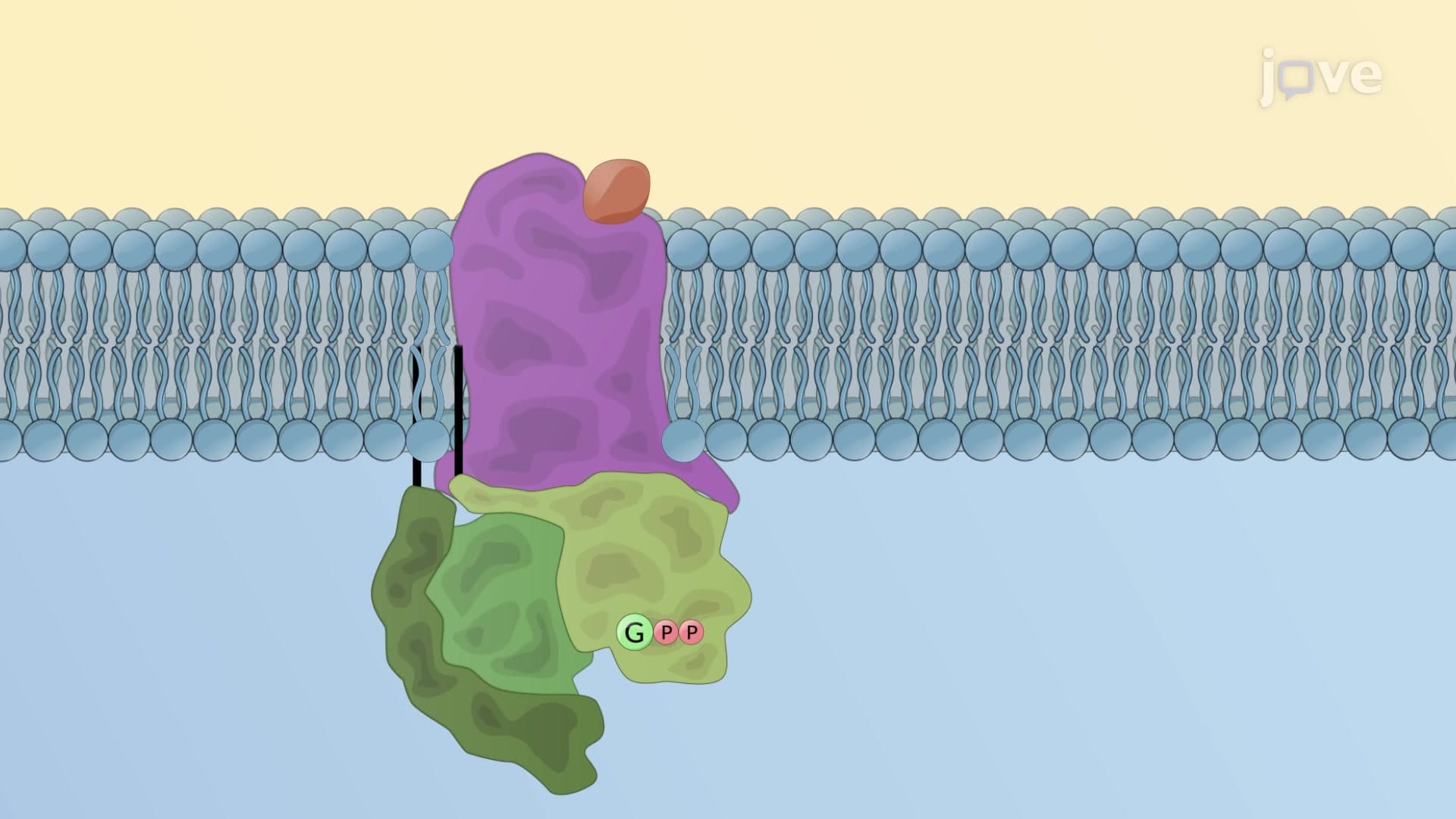
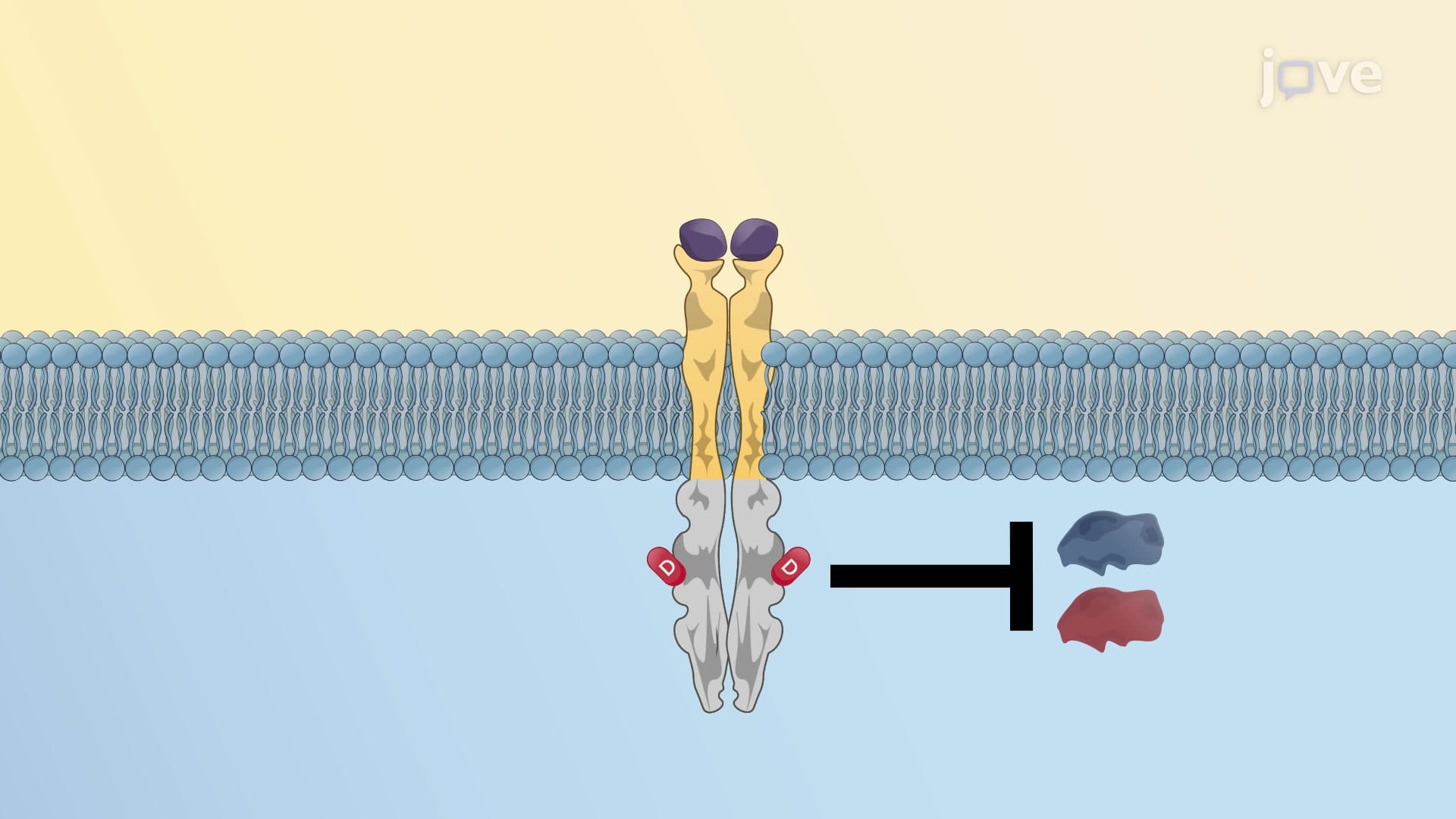
The transducer mechanism enzyme definition centers on three key structural elements working in concert. The extracellular domain recognizes specific ligands like growth factors (EGF, PDGF) or cytokines (interleukins, interferons). The single-pass transmembrane helix anchors the receptor and transmits conformational changes. The cytosolic domain either possesses intrinsic enzymatic activity or associates with enzymes to catalyze specific reactions.
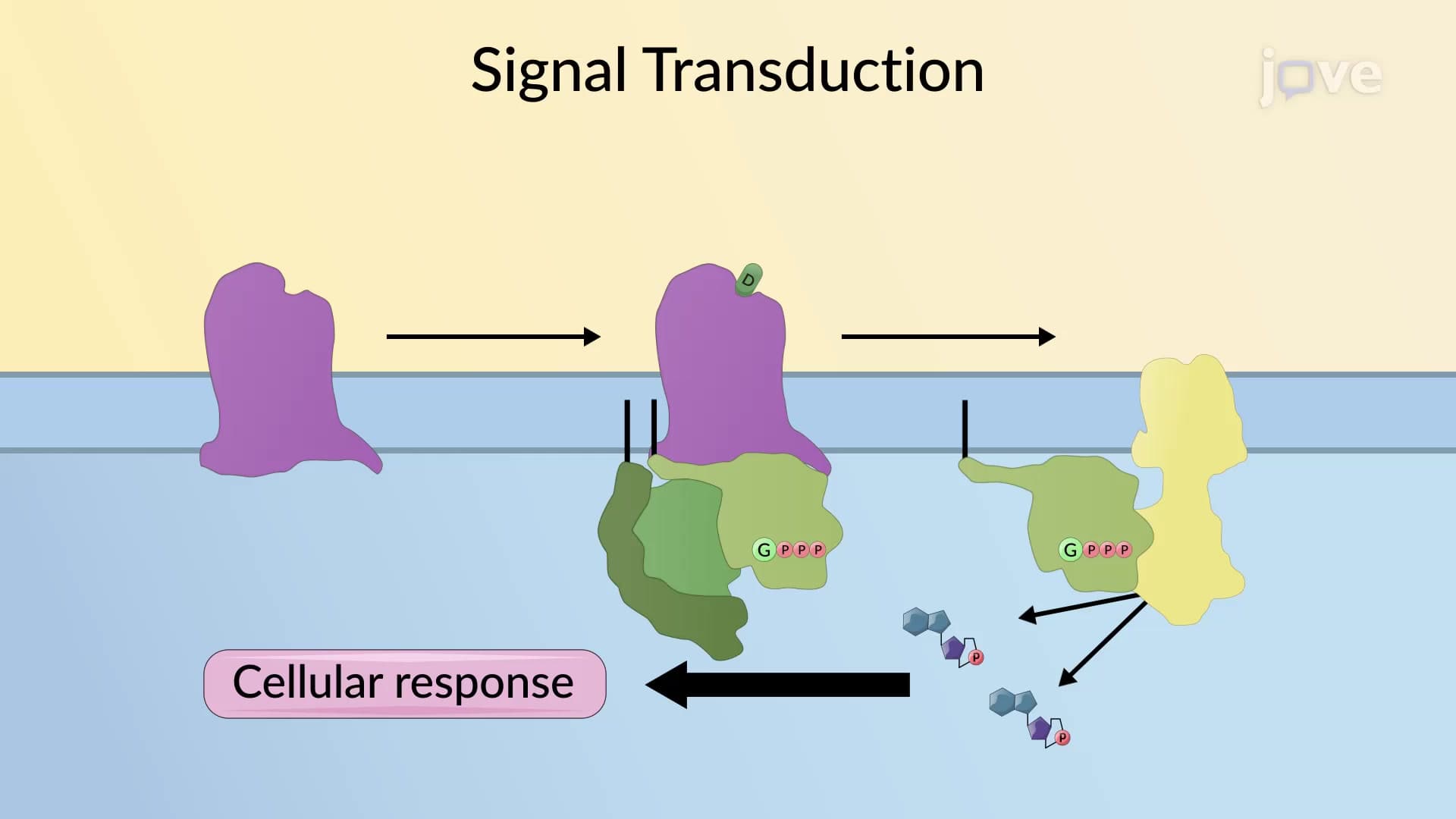
This architecture enables the fundamental transducer mechanism: ligand binding induces conformational changes that activate the enzymatic component. The most common enzymatic activities include tyrosine kinases (phosphorylating tyrosine residues), serine/threonine kinases, phosphatases (removing phosphate groups), and guanylyl cyclases (producing cyclic GMP second messengers).
Receptor tyrosine kinases (RTKs) exemplify the transducer mechanism enzyme linked receptors mechanism explained concept. When growth factors like insulin or epidermal growth factor bind, receptors undergo dimerization-two receptor molecules pair together. This pairing positions their cytosolic kinase domains optimally for trans-autophosphorylation, where each receptor phosphorylates tyrosine residues on its partner.
These phosphorylated tyrosines serve as docking sites for downstream signaling proteins containing SH2 or PTB domains. This creates signaling cascades controlling cell proliferation, differentiation, and survival-processes frequently dysregulated in cancer.
Understanding what is transducer mechanism enzyme linked receptors proves essential for multiple academic paths. Pre-med students encounter these concepts on the MCAT biochemistry section, while AP Biology students analyze signal transduction in cellular communication units. College biochemistry courses examine these mechanisms in molecular detail, particularly their roles in disease.
Therapeutically, these receptors represent major drug targets. Imatinib blocks the BCR-ABL kinase in chronic myeloid leukemia, while trastuzumab targets HER2 receptors in breast cancer. Understanding these transducer mechanisms enables rational drug design and personalized medicine approaches increasingly used in American cancer centers and research institutions.
Related Micro-courses