Loading subject page…


96,703 views

Video Summary: What are Principles of Drug Action
Ever wondered why your heart rate monitor spikes during cardio but slows with certain medications? The principles of drug action explain how chemical substances like isoprenaline can mimic adrenaline to accelerate heart rate in cardiac emergencies, while drugs like atropine can normalize irregular rhythms. Understanding what are principles of drug action reveals the molecular mechanisms behind every medication from aspirin to chemotherapy drugs used in US hospitals. Watch the full video on JoVE Coach to master this concept with expert-led visuals and step-by-step explanations.
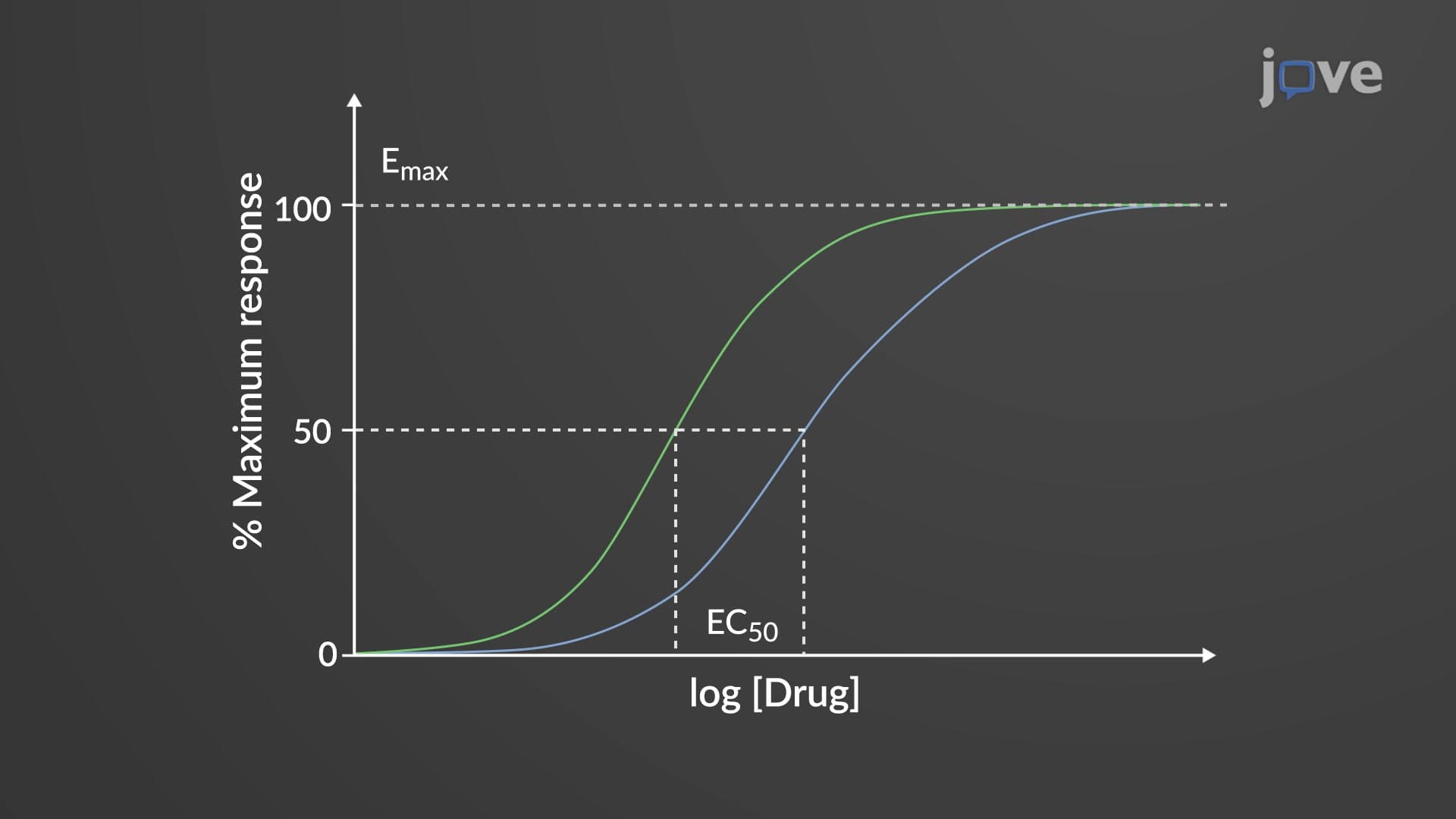
The principles of drug action form the foundation of modern pharmacology and medicine. At its core, pharmacodynamics describes the relationship between drug concentration and biological effect, explaining how medications produce their therapeutic benefits. This concept is essential for students preparing for the MCAT, AP Biology, or undergraduate pharmacology courses, as it bridges chemistry and biology in clinically relevant ways.
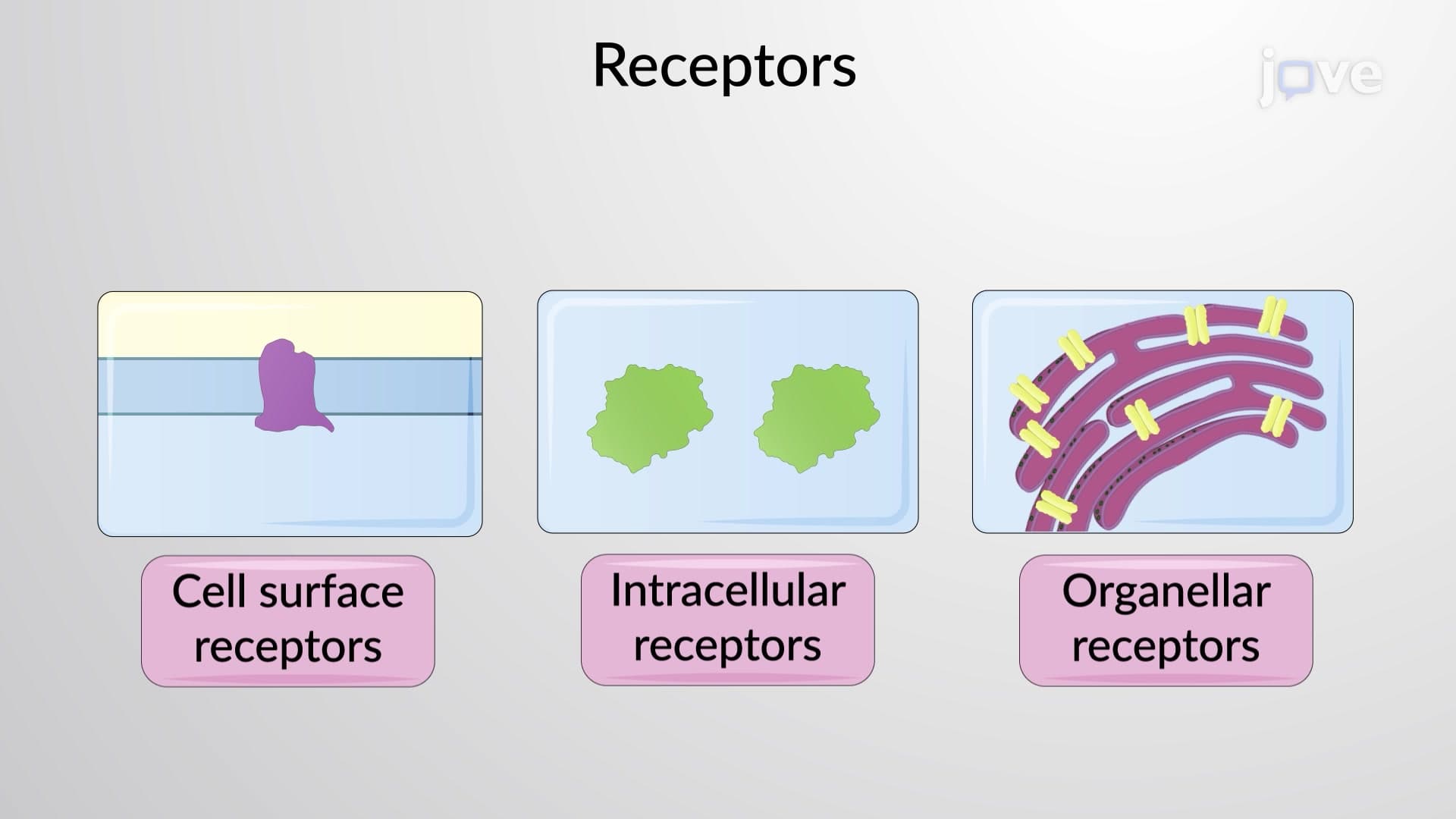
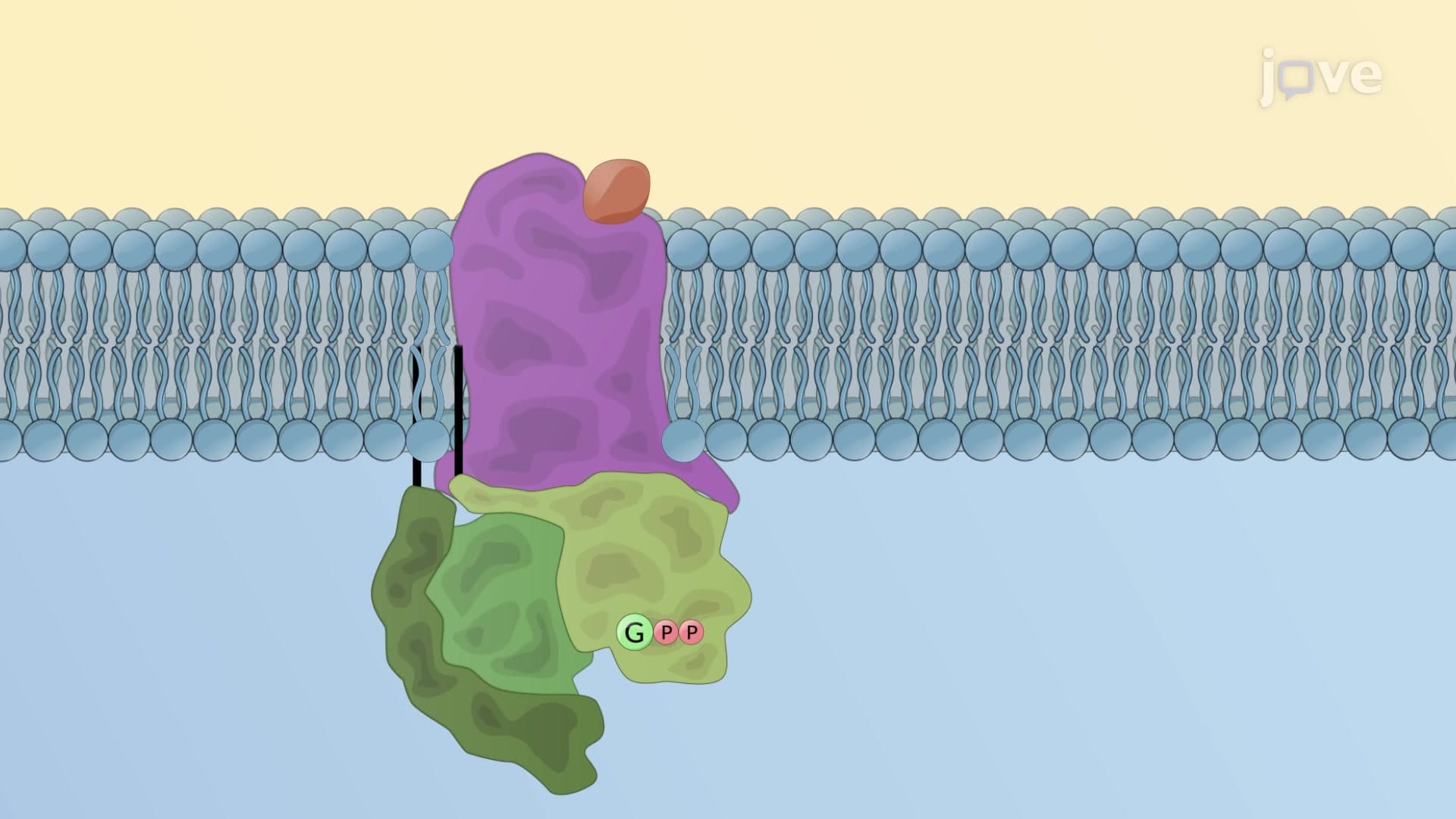
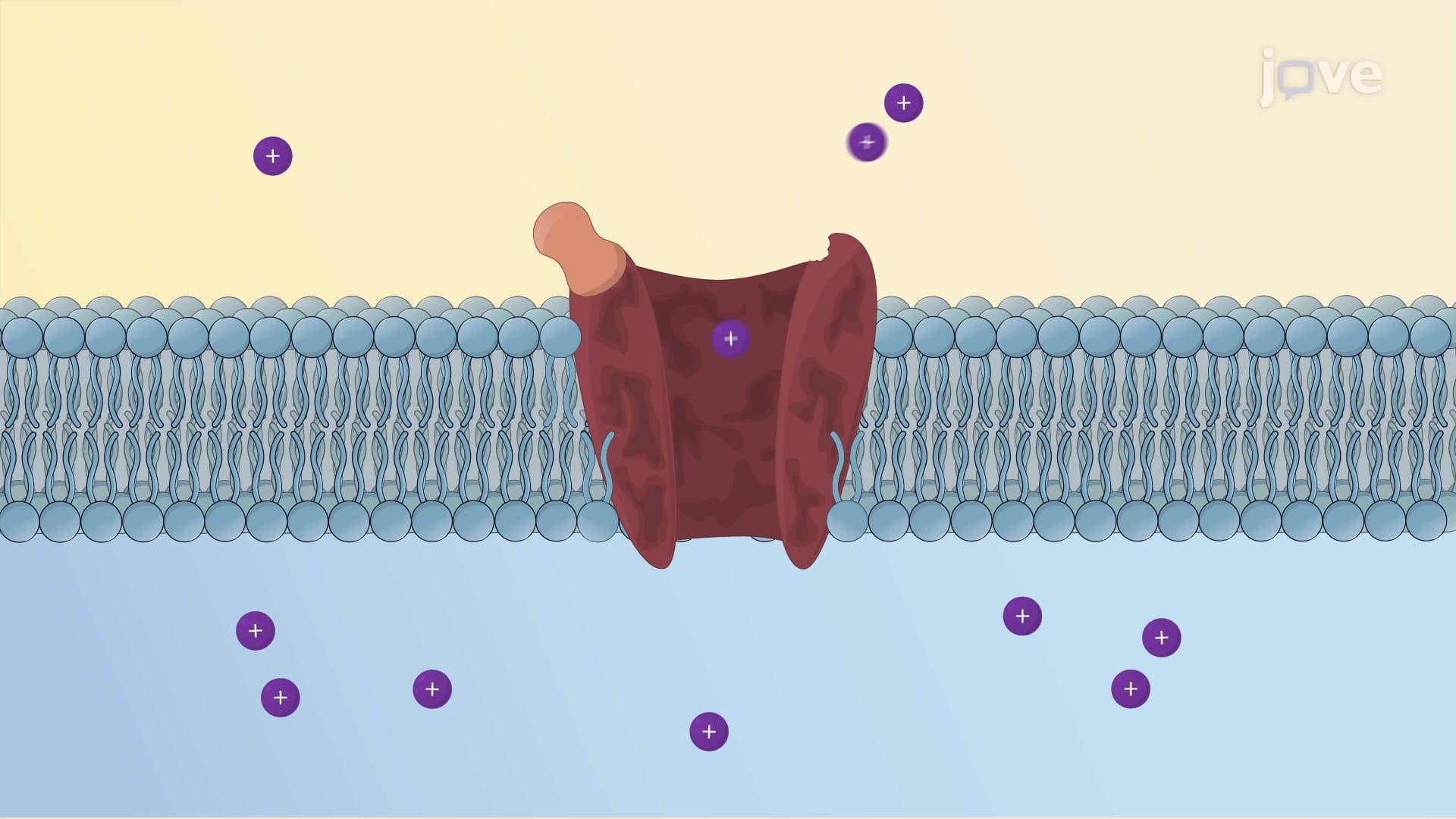
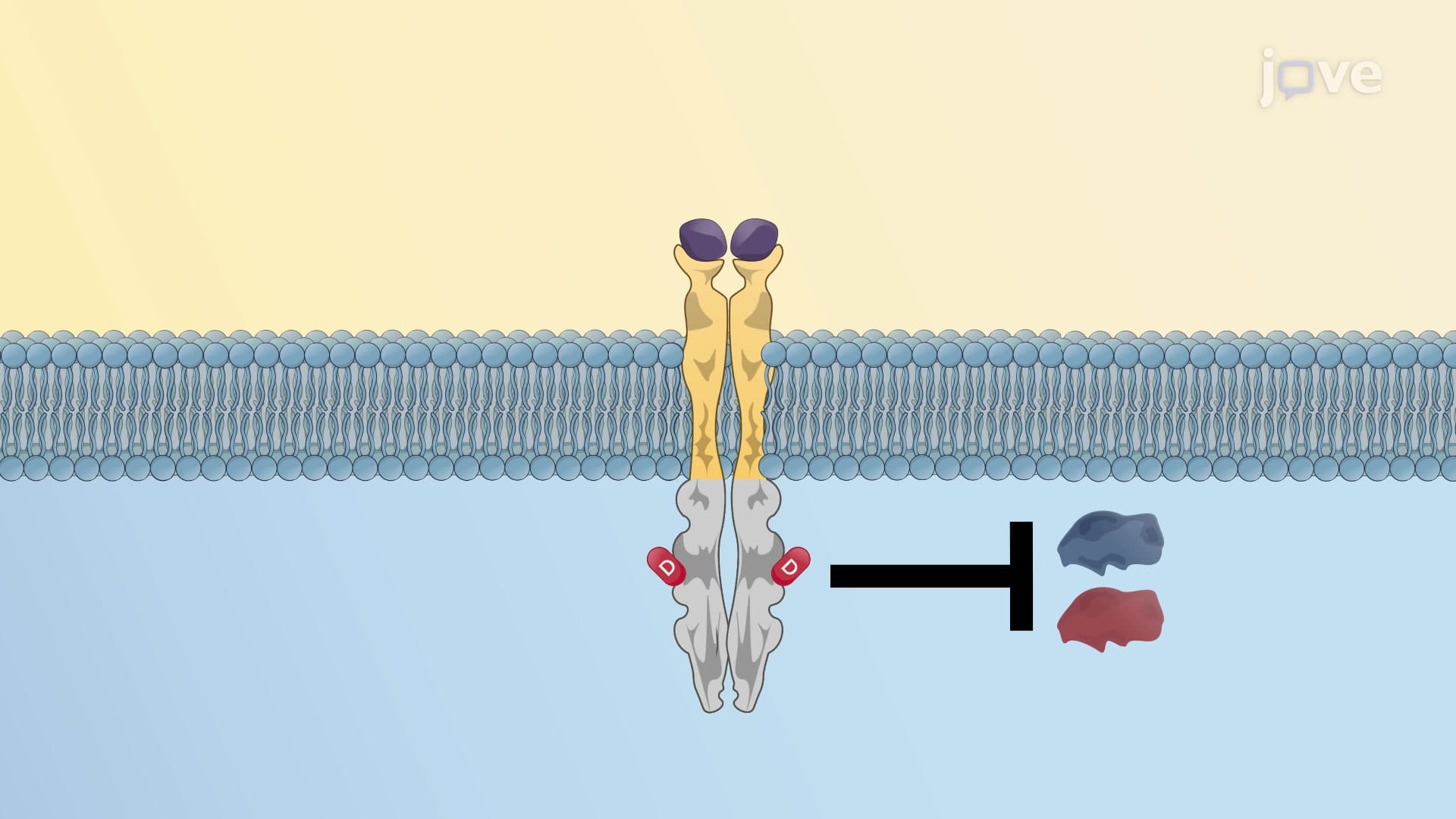
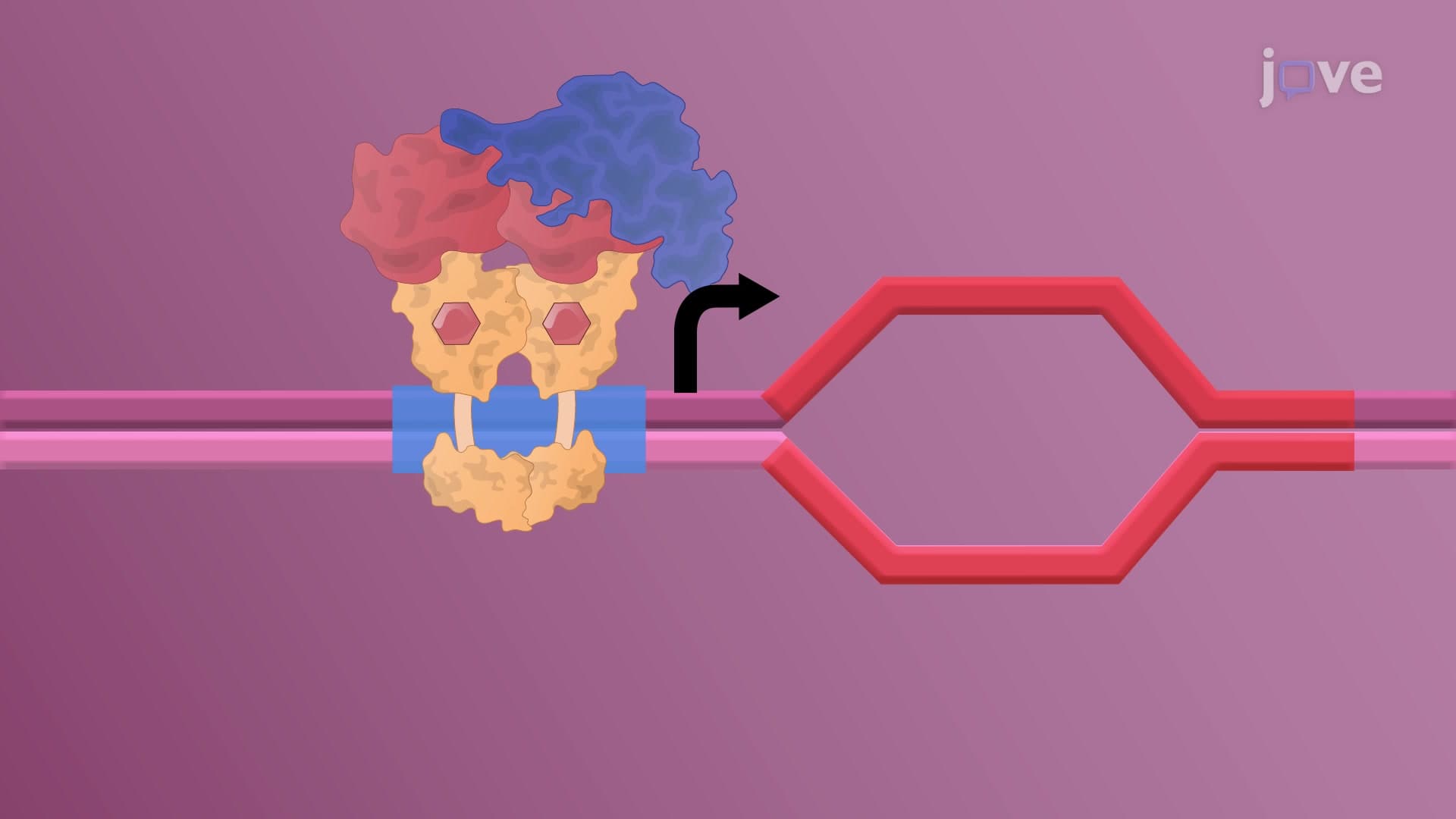
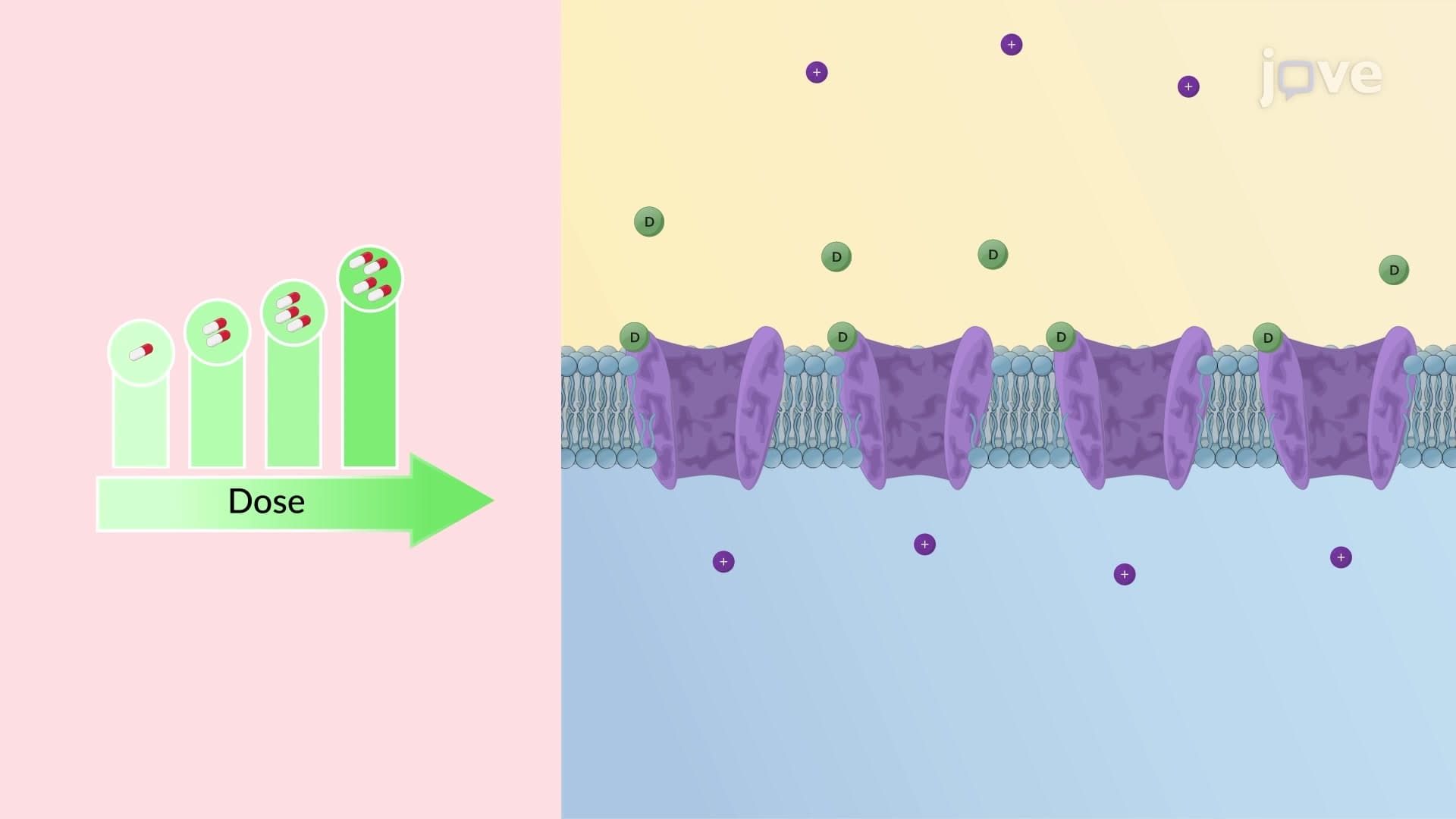
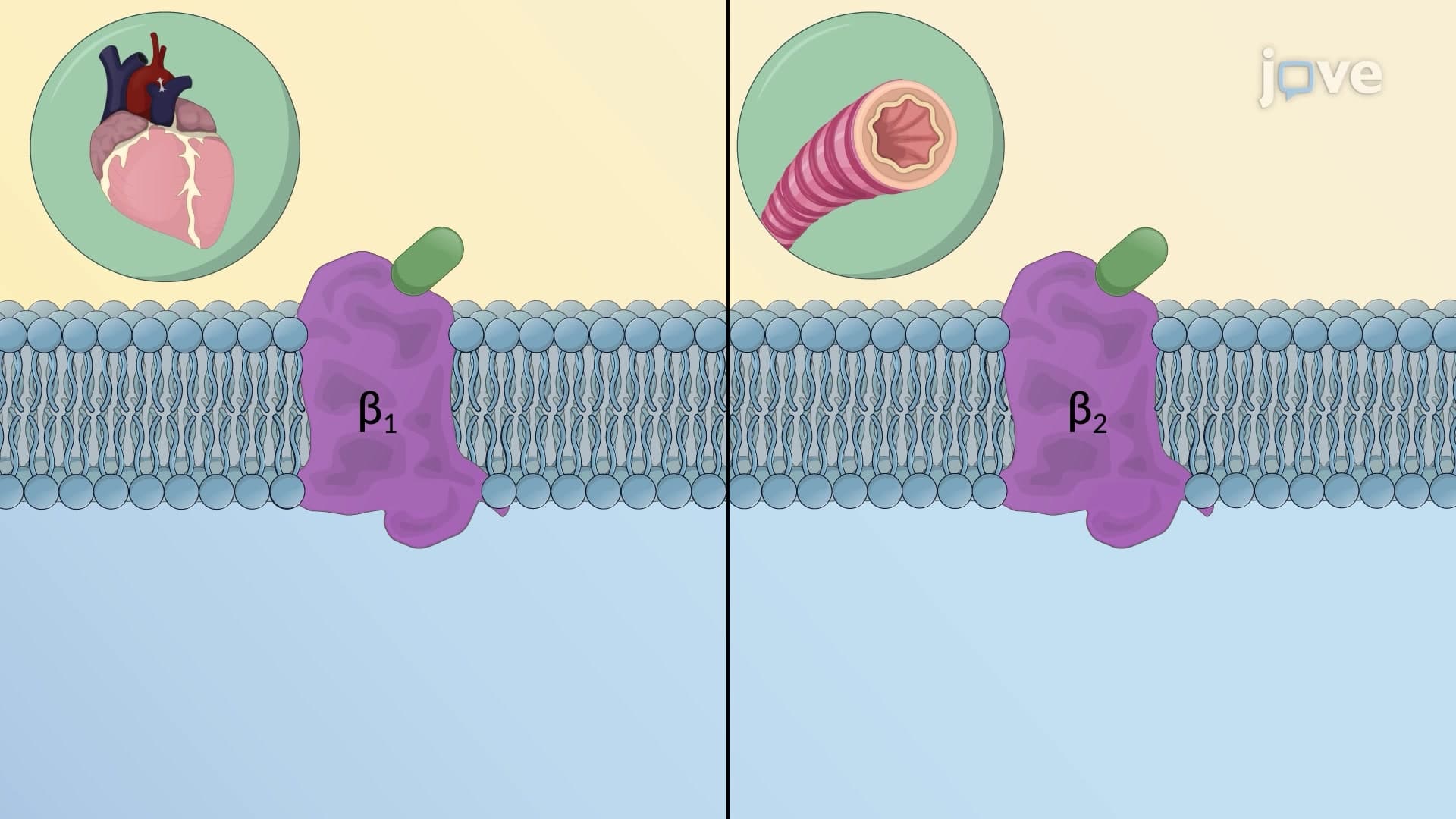
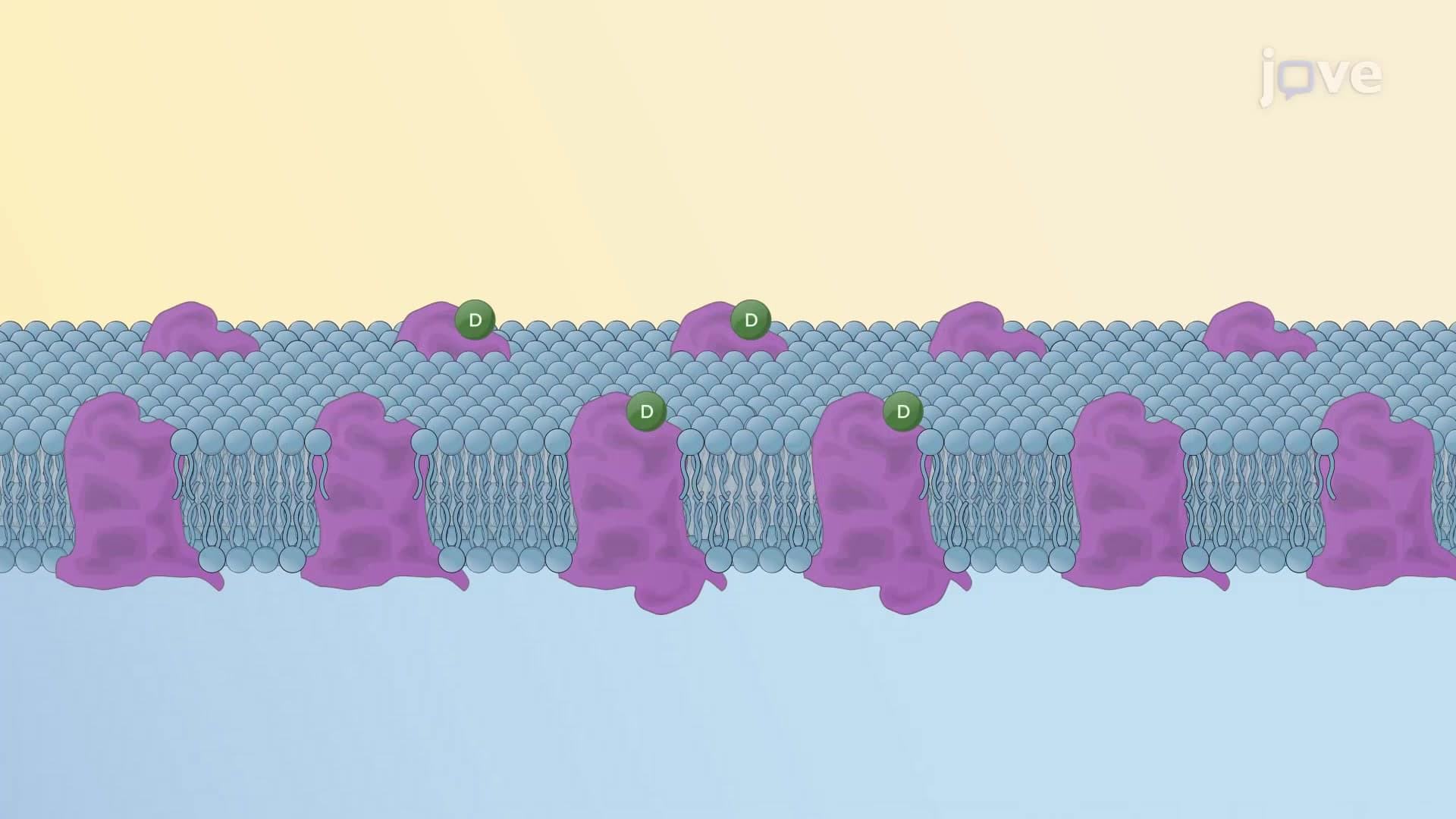
Drugs achieve their effects by binding to specific molecular targets within cells. The four primary targets include G-protein coupled receptors (like those targeted by blood pressure medications), ion channels (affected by local anesthetics), transporters (targeted by antidepressants like SSRIs), and enzymes (inhibited by cholesterol-lowering statins). This specificity explains why aspirin selectively inhibits COX enzymes to reduce inflammation without affecting every cellular process.
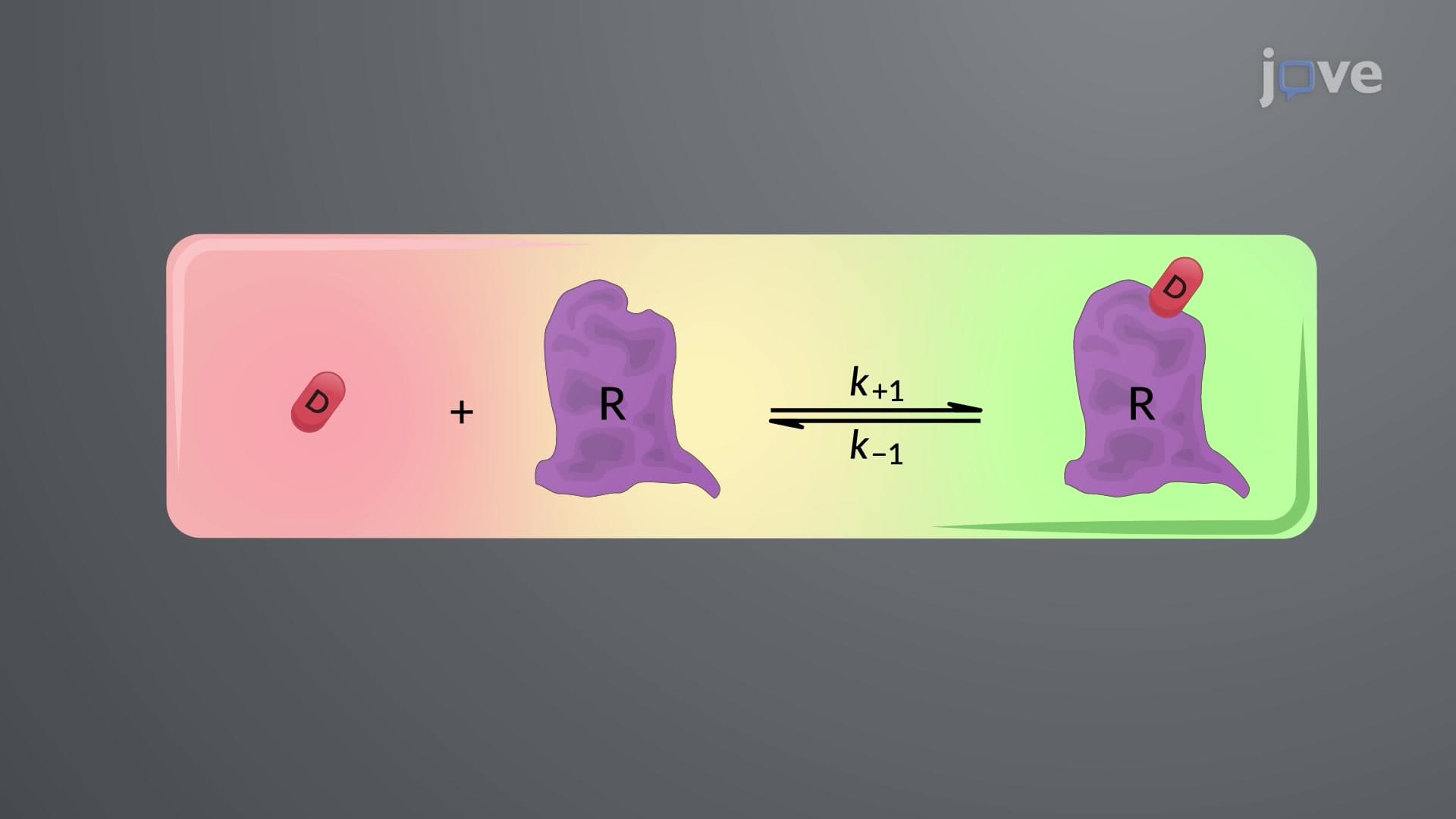
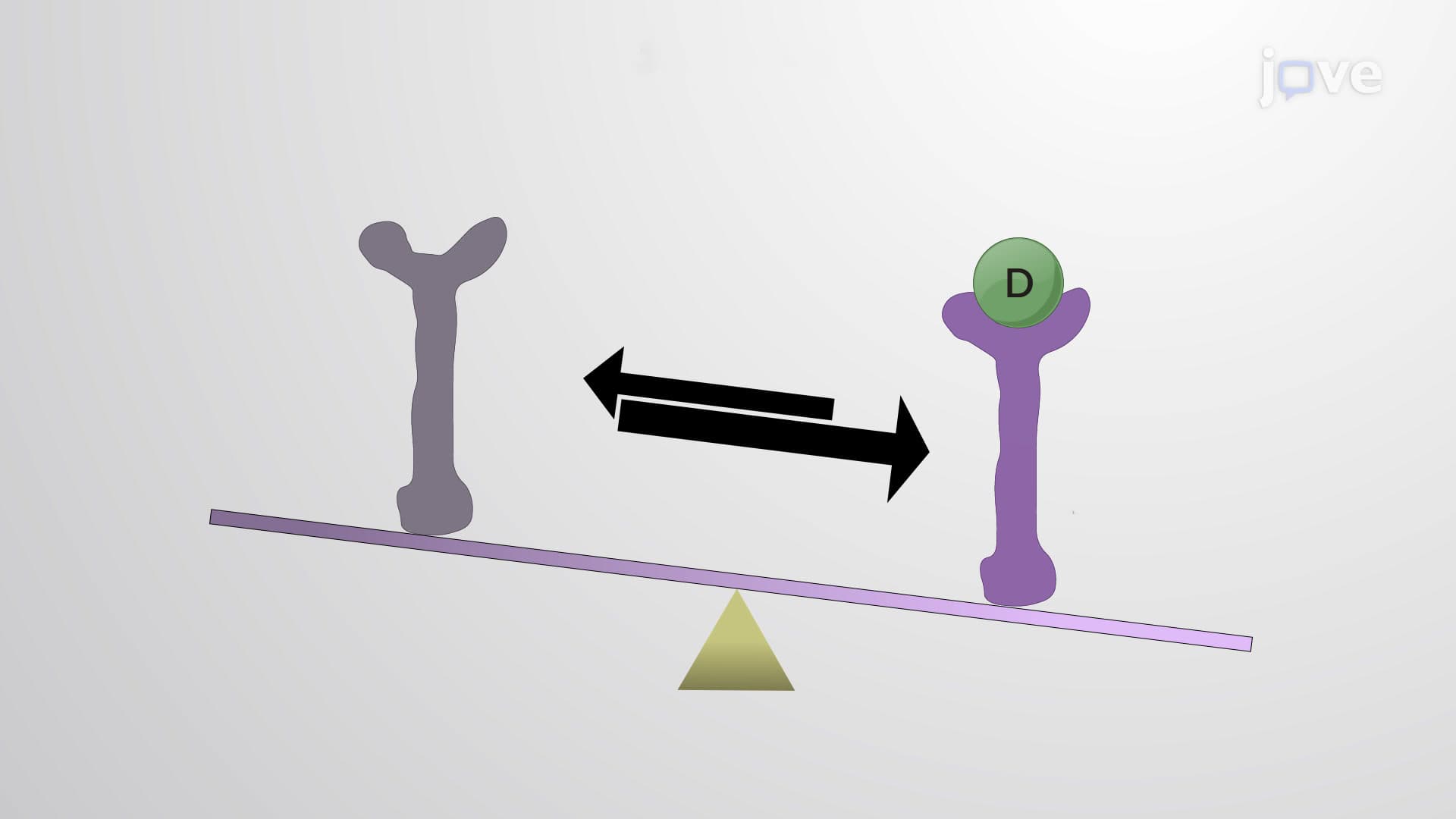
The lock-and-key model helps students visualize drug-target interactions. Just as a house key fits only its specific lock, drugs must have complementary shapes and chemical properties to their targets. This concept appears frequently on college exams and explains why drug development takes years-scientists must design molecules that fit precisely into biological targets.
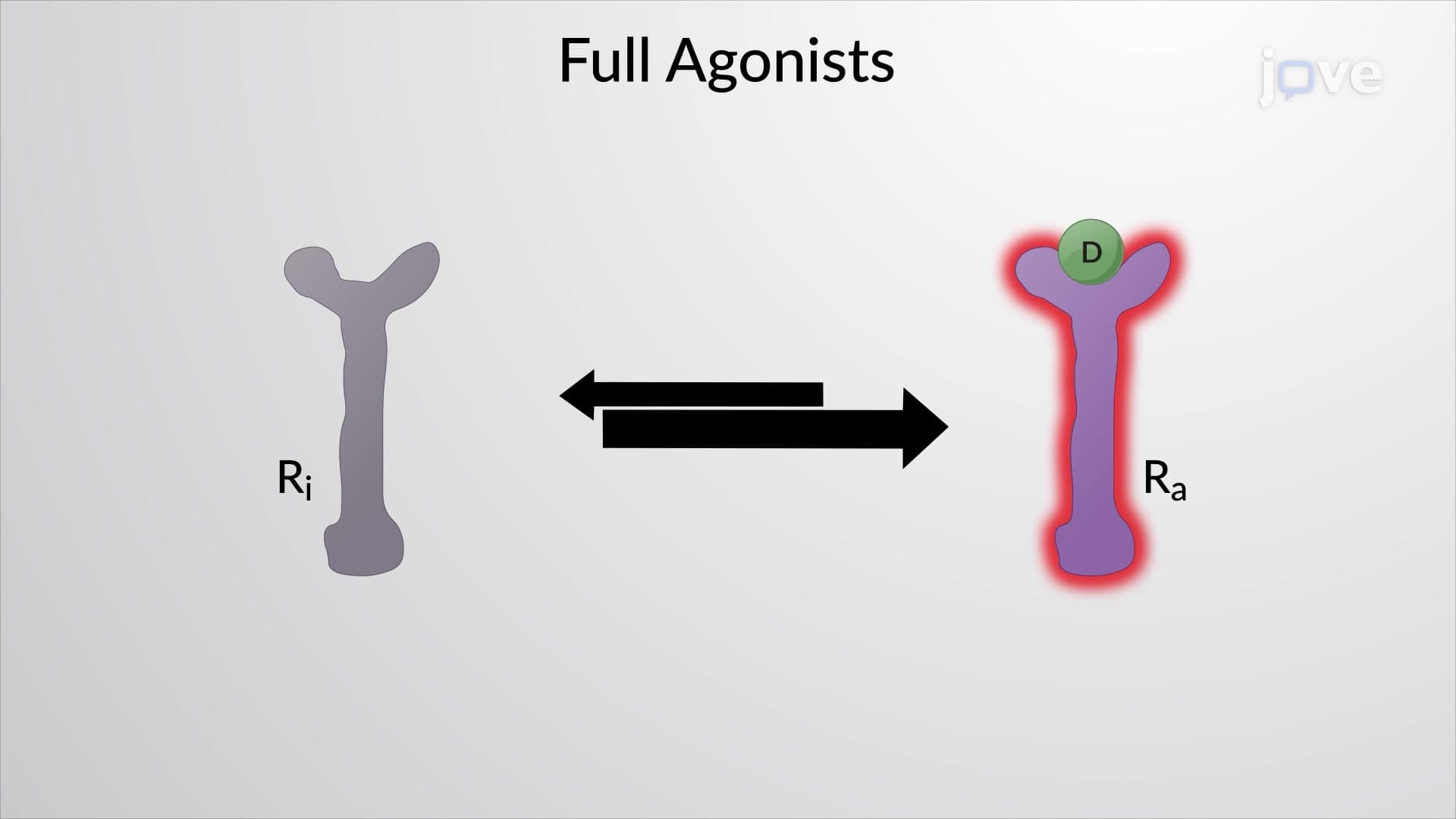
Agonist drugs activate biological responses by mimicking natural substances. Beta-agonists like albuterol used in asthma inhalers replicate the effects of natural adrenaline on lung receptors, causing bronchodilation. Students often see this concept tested through scenarios involving epinephrine auto-injectors (EpiPens) used for severe allergic reactions.
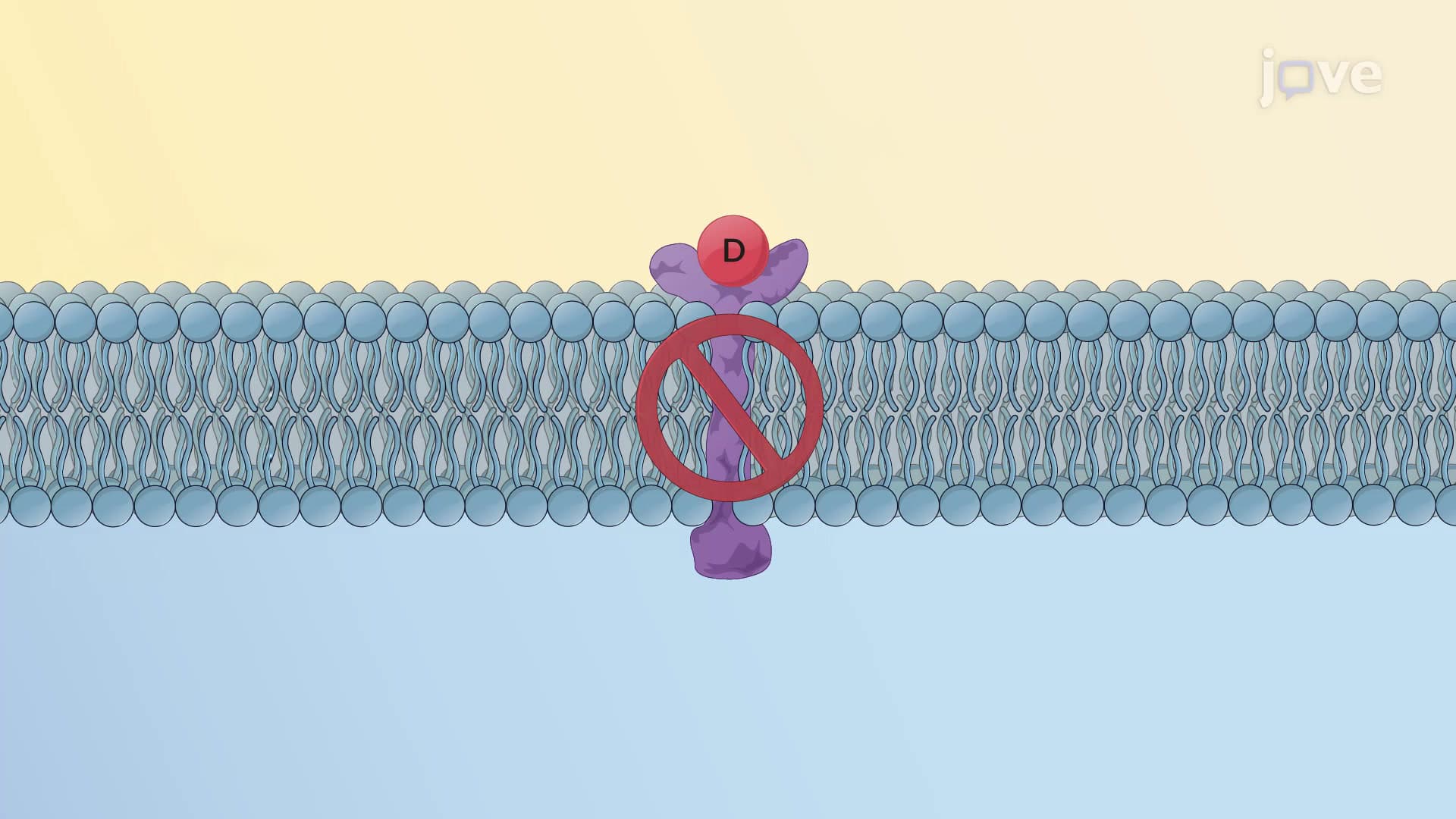
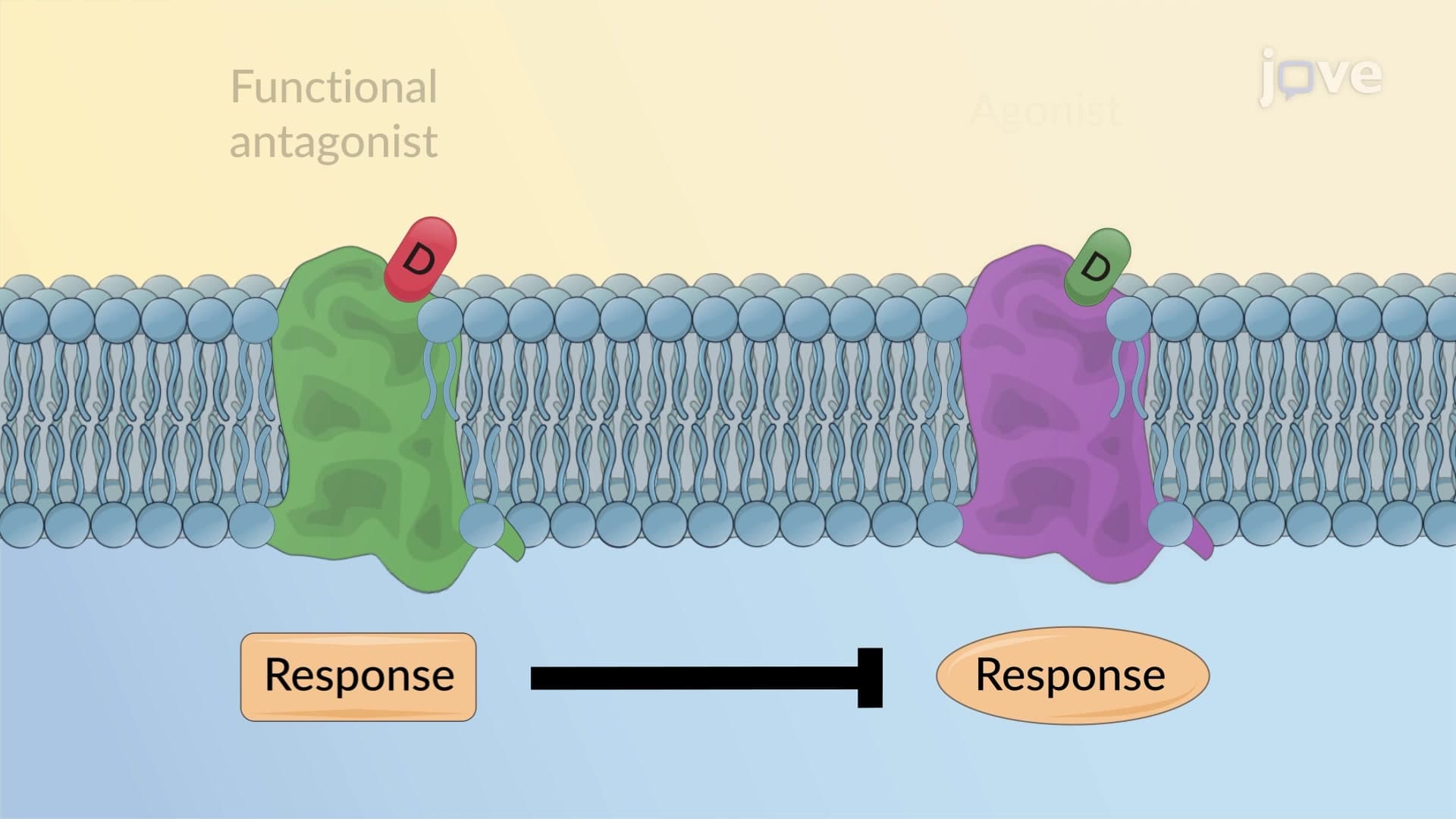
Antagonist drugs work oppositely, blocking natural substances from binding to their targets. Beta-blockers prescribed for high blood pressure prevent adrenaline from increasing heart rate and blood pressure. This competitive inhibition concept frequently appears in MCAT passages and AP Biology free-response questions, often using blood pressure medications as examples.
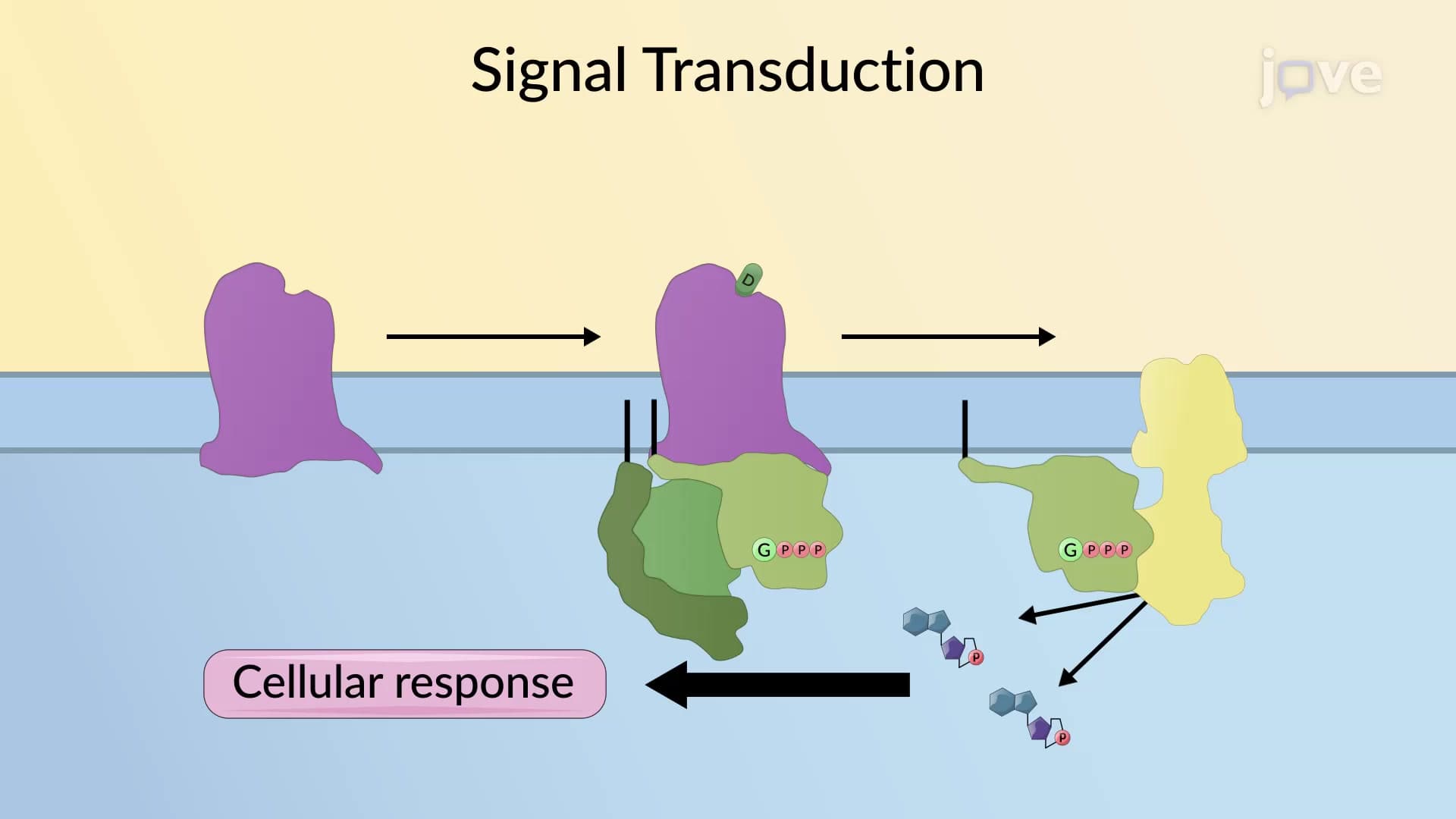
The drug-target interaction initiates complex signaling cascades involving second messengers like cyclic AMP and calcium ions. These pathways amplify the initial signal, explaining how small amounts of medication can produce significant physiological changes. Understanding these cascades helps students grasp why some drugs have delayed effects while others work immediately, a concept tested in pharmacology courses and nursing school entrance exams like the HESI A2.
Related Micro-courses