Loading subject page…


96,702 views

Video Summary: What are Spare Receptors
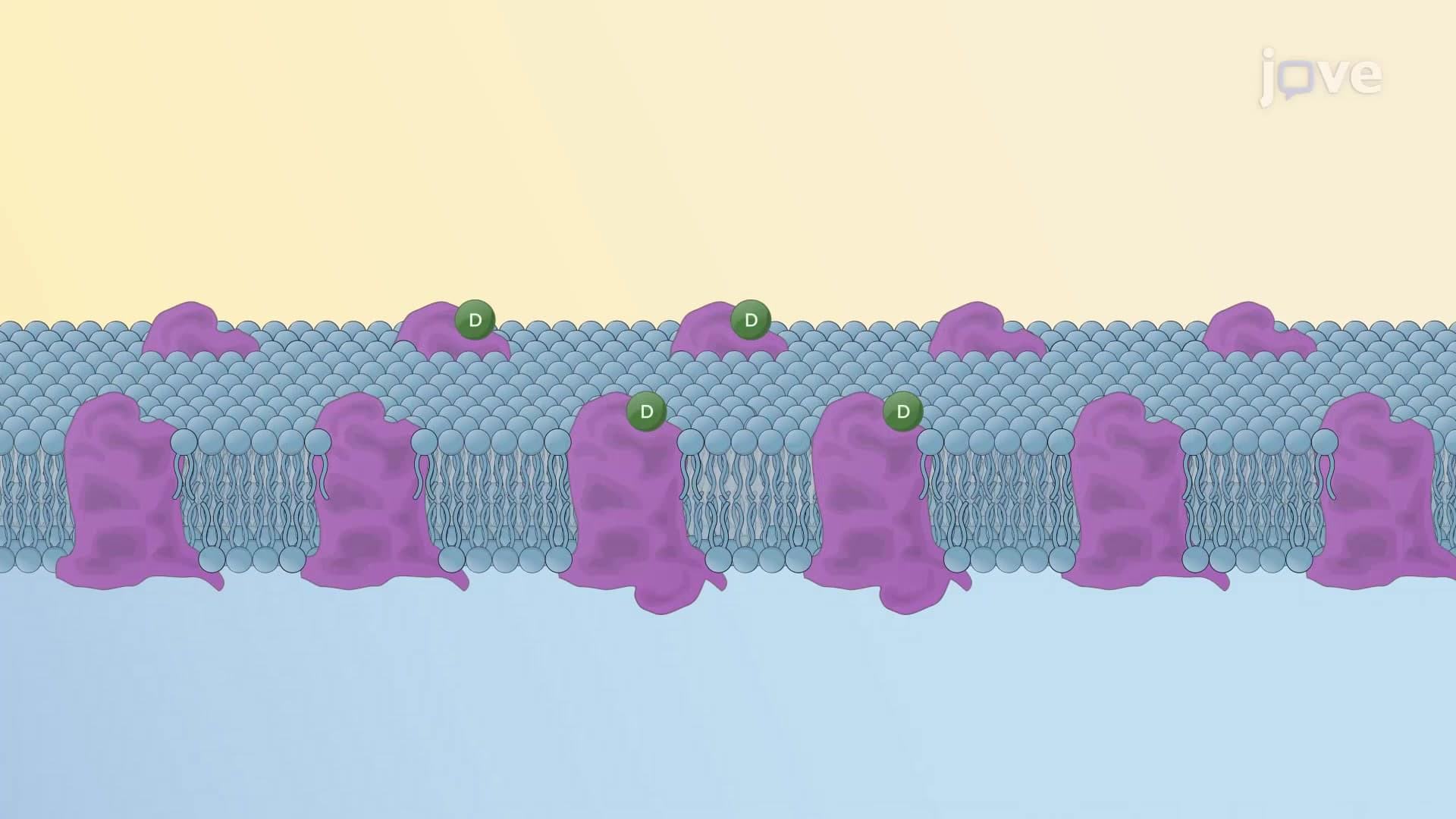
Did you know that your body only needs 1% of its insulin receptors to maintain normal blood sugar levels? Spare receptors are the unoccupied cellular receptors that remain available even when a biological response reaches its maximum. These receptors exist because cells often achieve full responses using only a fraction of available receptors, leaving the rest as "spares." For instance, muscle cells maintain glucose uptake with minimal insulin receptor activation, keeping the majority unused but ready. Watch the full video on JoVE Coach to master this concept with expert-led visuals and step-by-step explanations.
Spare receptors represent one of the most elegant solutions in cellular biology-maintaining a reserve pool of unoccupied receptors that aren't needed to produce maximum biological responses. This concept challenges the intuitive assumption that all receptors must be occupied for optimal cellular function. Instead, cells strategically maintain excess receptors, creating a biological safety margin that enhances sensitivity and ensures reliable responses even under suboptimal conditions.
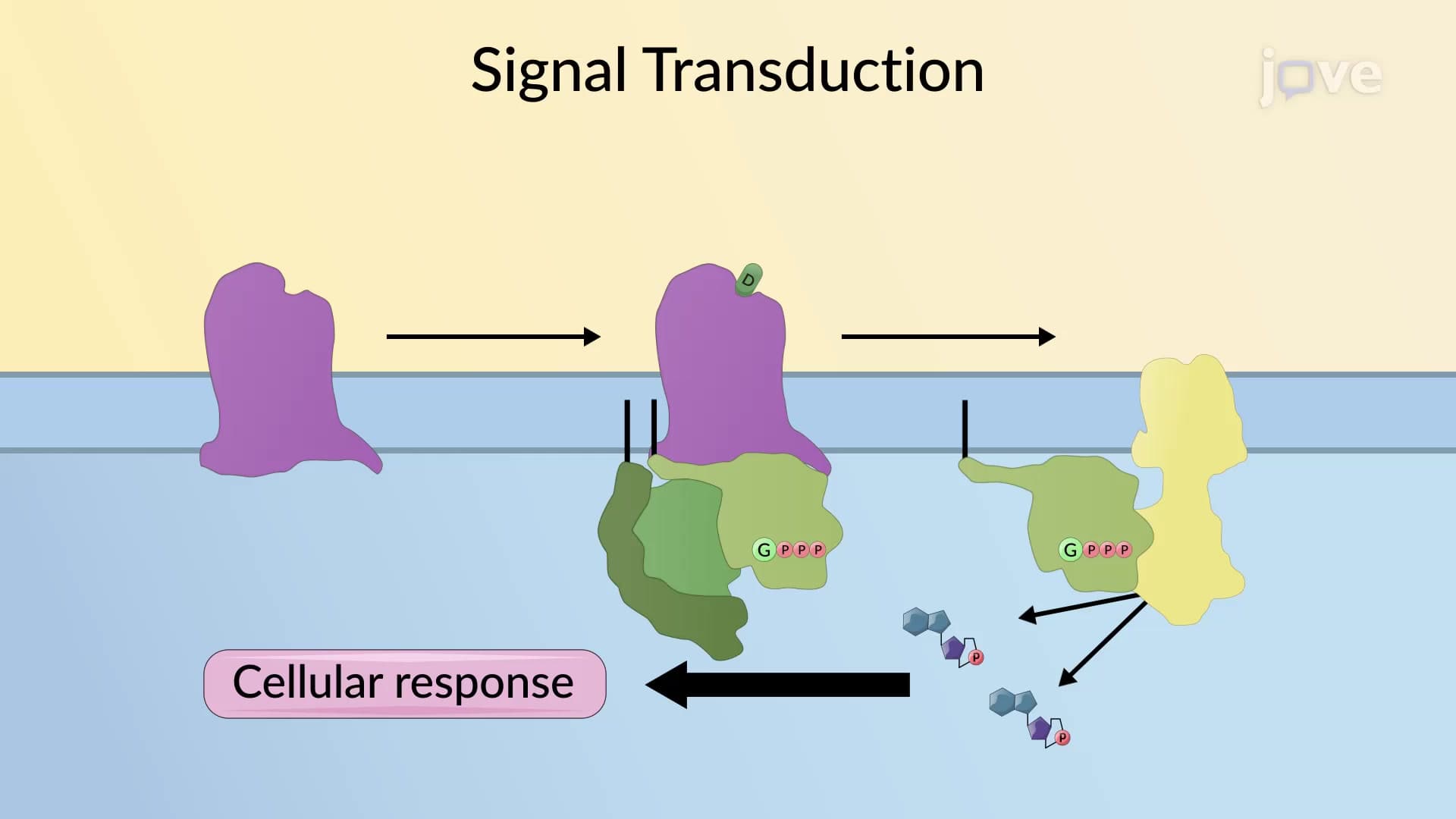
Two primary mechanisms explain how spare receptors develop in cellular systems. The first mechanism involves signal amplification cascades, where a single agonist-receptor complex triggers multiple intermediary proteins. These activated proteins then stimulate numerous effector molecules, creating a multiplier effect. Because this amplification generates more activated effectors than available receptors, many receptors remain unoccupied while still achieving maximum response. Think of this like a teacher addressing a class-one voice can reach all students simultaneously without needing multiple teachers.
The second mechanism centers on sustained protein activation. Even after the original agonist-receptor complex dissociates, the activated intermediary proteins continue functioning independently. This creates a scenario where brief receptor activation produces prolonged cellular effects, requiring only a small fraction of available receptors to maintain maximum response levels.
The insulin system provides the most compelling example of spare receptors in human physiology. Approximately 99% of insulin receptors in muscle and fat cells are considered spare, meaning normal blood glucose regulation occurs with just 1% receptor occupancy. This explains why people with early-stage diabetes can maintain relatively normal blood sugar levels despite reduced insulin production-their spare receptors compensate for decreased hormone availability.
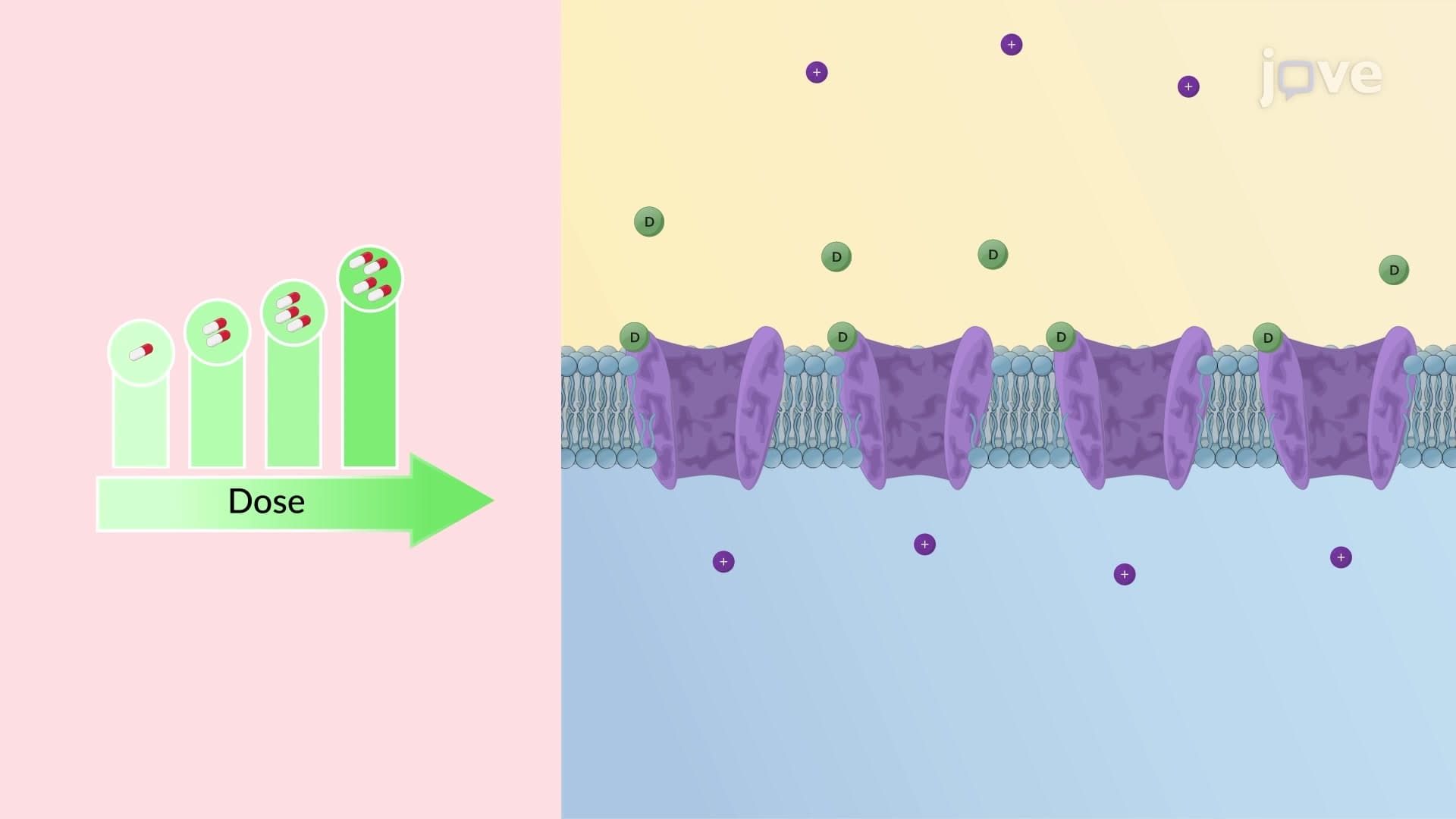
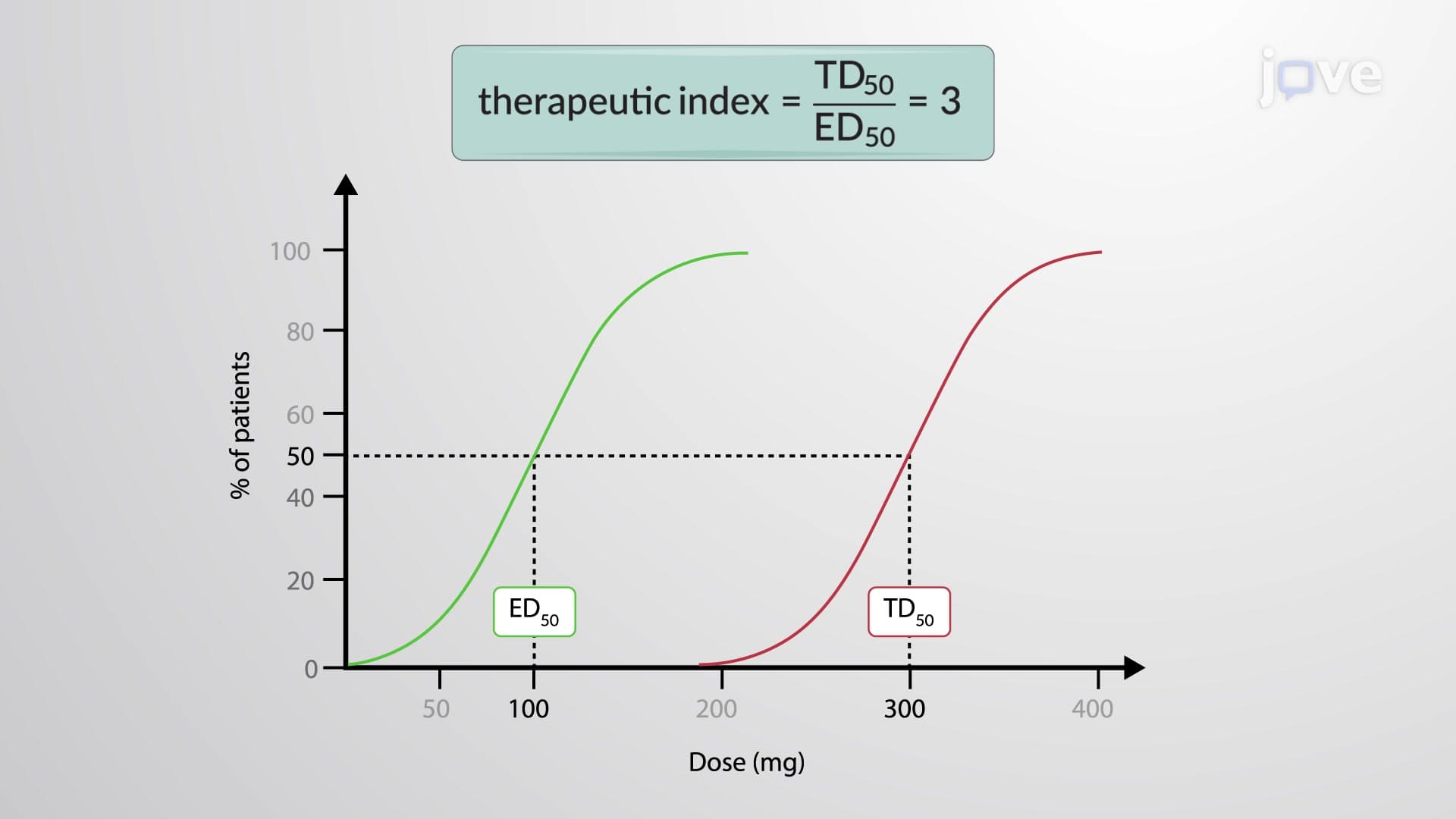
Healthcare professionals regularly encounter spare receptor concepts when studying drug dosing strategies. Medications often achieve therapeutic effects at concentrations that occupy only a small percentage of available receptors. This principle underlies why many drugs have wide therapeutic windows and why dose adjustments can be made gradually without losing efficacy.
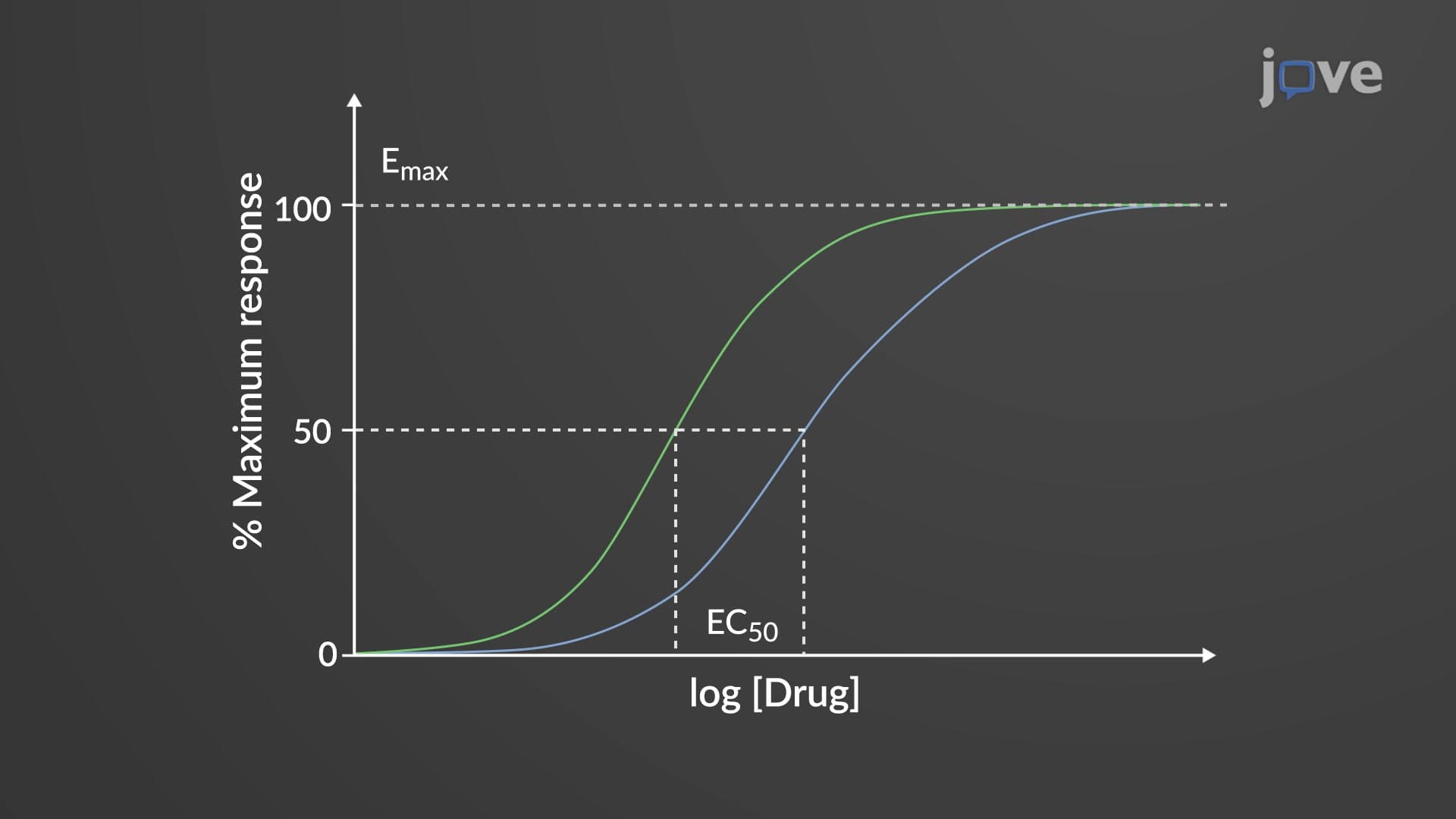
For students preparing for standardized exams like the MCAT or AP Biology, spare receptor questions frequently appear in pharmacology and endocrinology contexts. Understanding this concept helps explain dose-response curves, receptor binding kinetics, and cellular adaptation mechanisms that appear regularly on these assessments.
Related Micro-courses