Loading subject page…


96,703 views

Video Summary: What are Transducer Mechanism Nuclear Receptors
Did you know that nearly 15% of FDA-approved drugs work by targeting a specific cellular messaging system? Transducer mechanism nuclear receptors are specialized proteins that act as molecular switches, converting hormone and vitamin signals into gene expression changes. These receptors power medications like tamoxifen for breast cancer treatment at institutions like MD Anderson Cancer Center. Watch the full video on JoVE Coach to master this concept with expert-led visuals and step-by-step explanations.
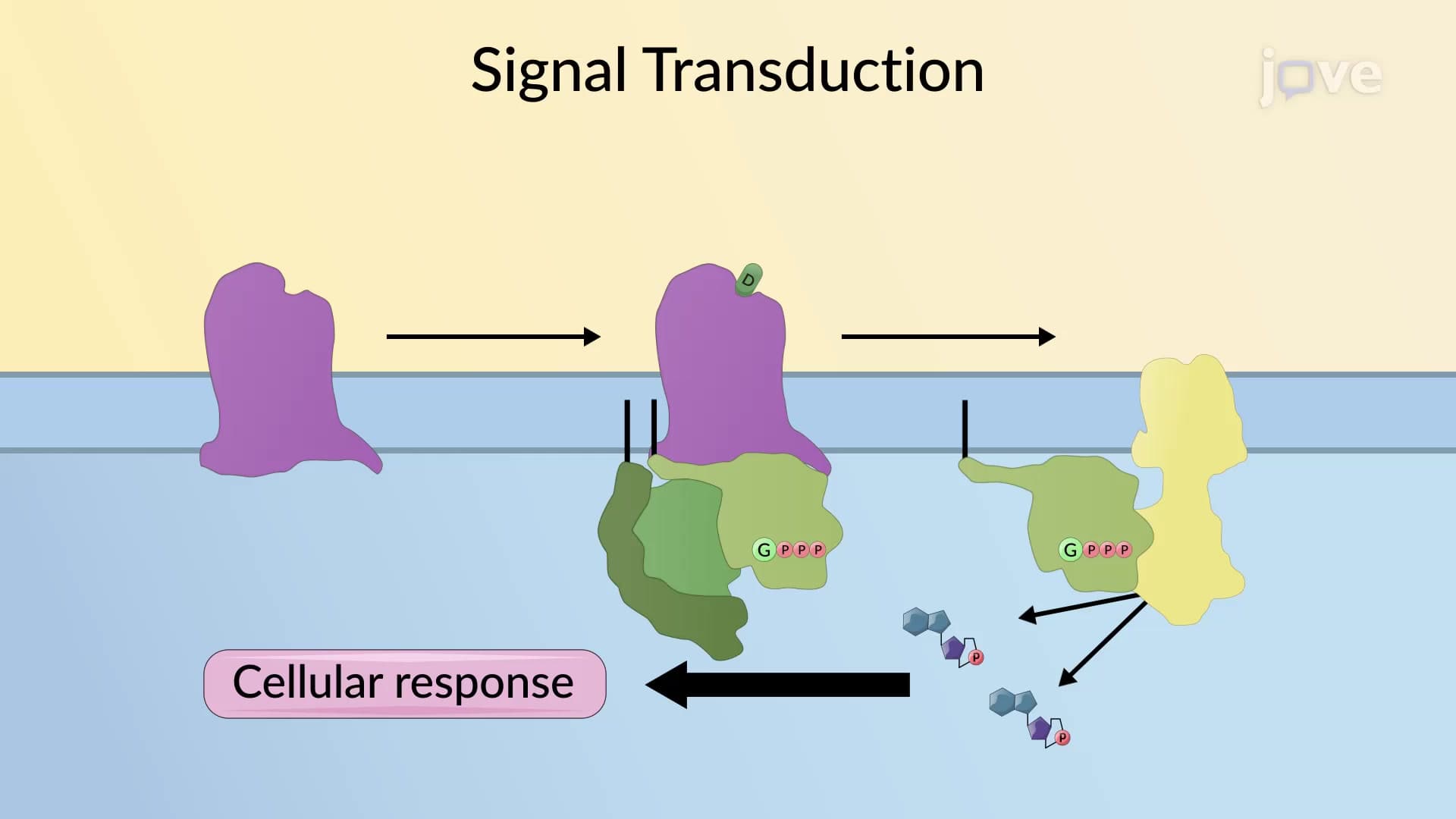
Transducer mechanism nuclear receptors represent one of biology's most elegant signaling systems. These protein molecules function as cellular interpreters, converting external chemical signals into specific changes in gene expression. Unlike simple on-off switches, nuclear receptors act as sophisticated molecular transducers that can amplify, modify, and fine-tune cellular responses to hormones, vitamins, and lipids.
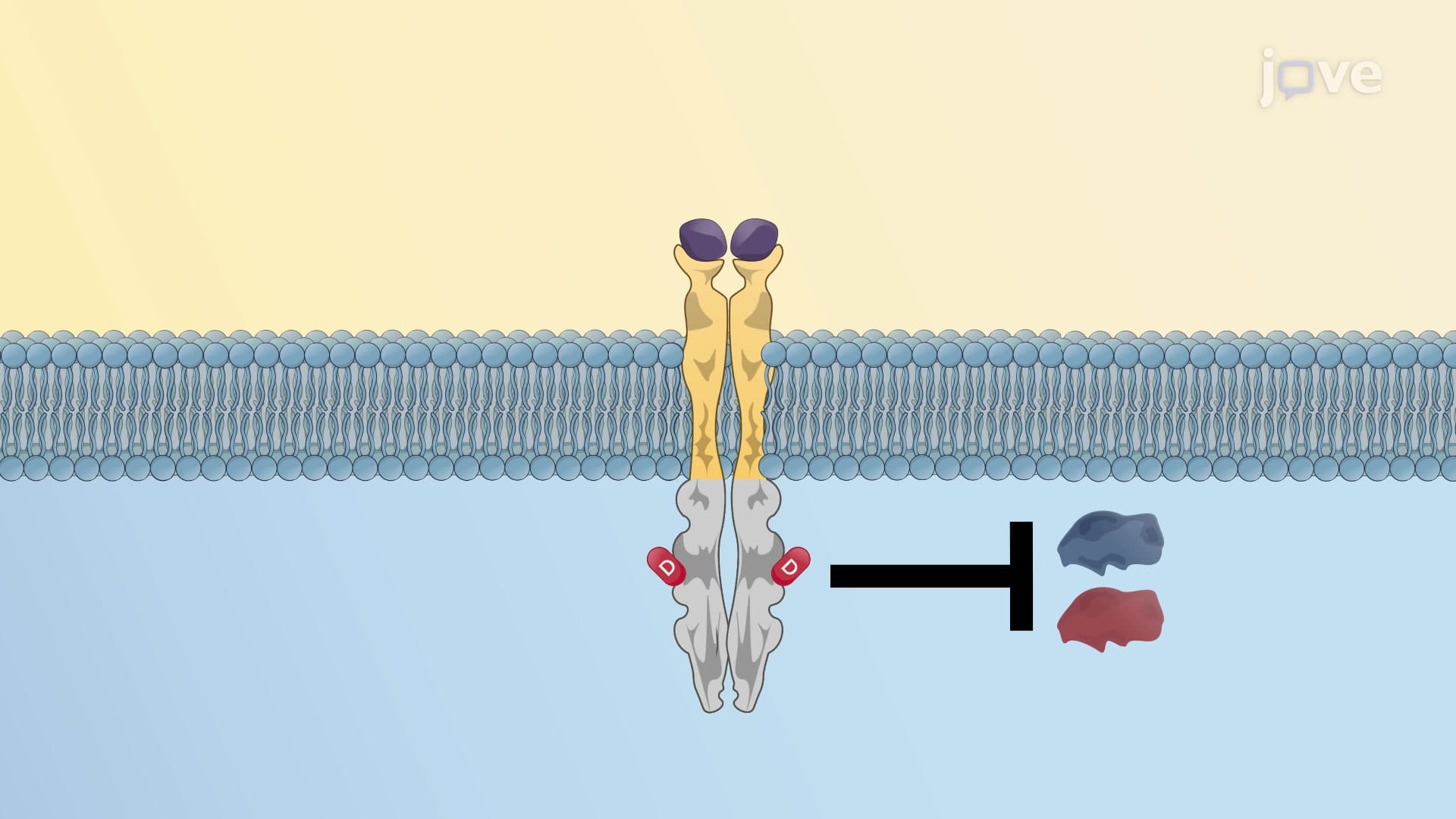
Class I nuclear receptors demonstrate a dynamic activation mechanism. Initially residing in the cell's cytoplasm, these receptors remain inactive until specific steroid hormones bind to them. Upon hormone binding, dramatic conformational changes trigger homodimerization-the pairing of two identical receptor molecules. This newly formed complex gains nuclear entry capability and DNA-binding activity.
The estrogen receptor exemplifies this mechanism beautifully. In breast tissue cells, unbound estrogen receptors float freely in the cytoplasm. When estrogen arrives, receptor binding triggers the formation of estrogen receptor dimers that migrate to the nucleus. There, they bind to estrogen response elements in DNA, recruiting co-activator proteins that initiate transcription of genes controlling cell division and growth.
This understanding proves crucial for pre-med students preparing for the MCAT, where nuclear receptor mechanisms frequently appear in biochemistry passages. AP Biology students also encounter these concepts when studying cell signaling and gene regulation.
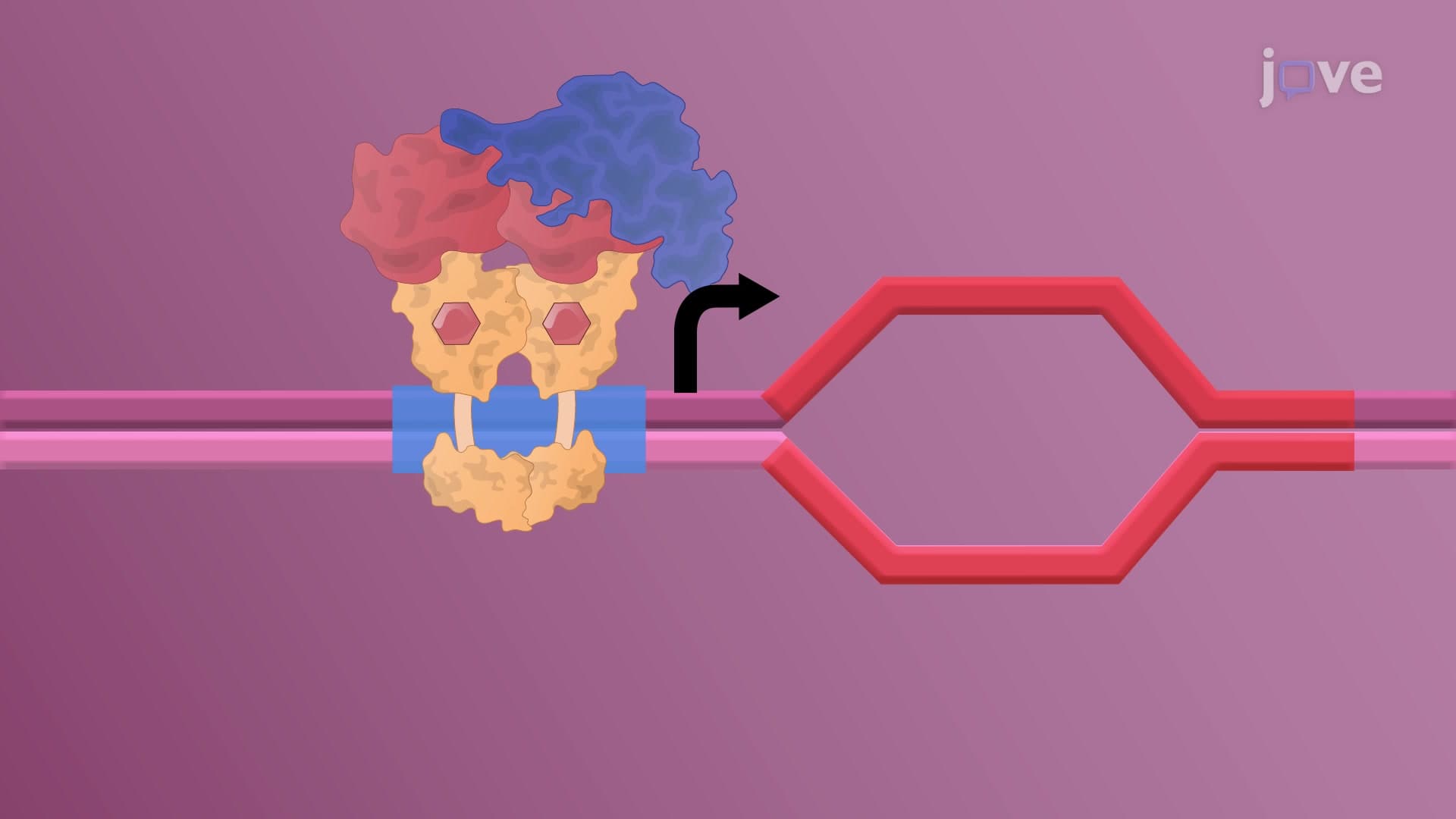
Class II nuclear receptors operate through a fundamentally different strategy. These receptors permanently reside in the nucleus, already bound to DNA as heterodimers paired with retinoid X receptors. In their default state, they associate with co-repressor proteins that maintain chromatin in a condensed, transcriptionally inactive state.
Ligand binding triggers a molecular switch: co-repressors detach and co-activators bind instead. The peroxisome proliferator-activated receptor (PPAR) illustrates this mechanism. PPAR normally keeps fatty acid metabolism genes silenced. When fenofibrate binds PPAR, the receptor releases co-repressors and recruits co-activators, activating genes that enhance fatty acid oxidation and reduce triglyceride levels-explaining fenofibrate's effectiveness in treating dyslipidemia.
Understanding transducer mechanism nuclear receptors proves essential for comprehending modern medicine. Tamoxifen's mechanism in treating ER-positive breast cancer demonstrates selective estrogen receptor modulation-acting as an antagonist in breast tissue while functioning as an agonist in bone tissue. This selectivity explains both its therapeutic efficacy and its side effect profile, concepts frequently tested on pharmacy school entrance exams like the PCAT.
Related Micro-courses