Loading subject page…


96,702 views

Video Summary: What Is Desensitization and Tachyphylaxis
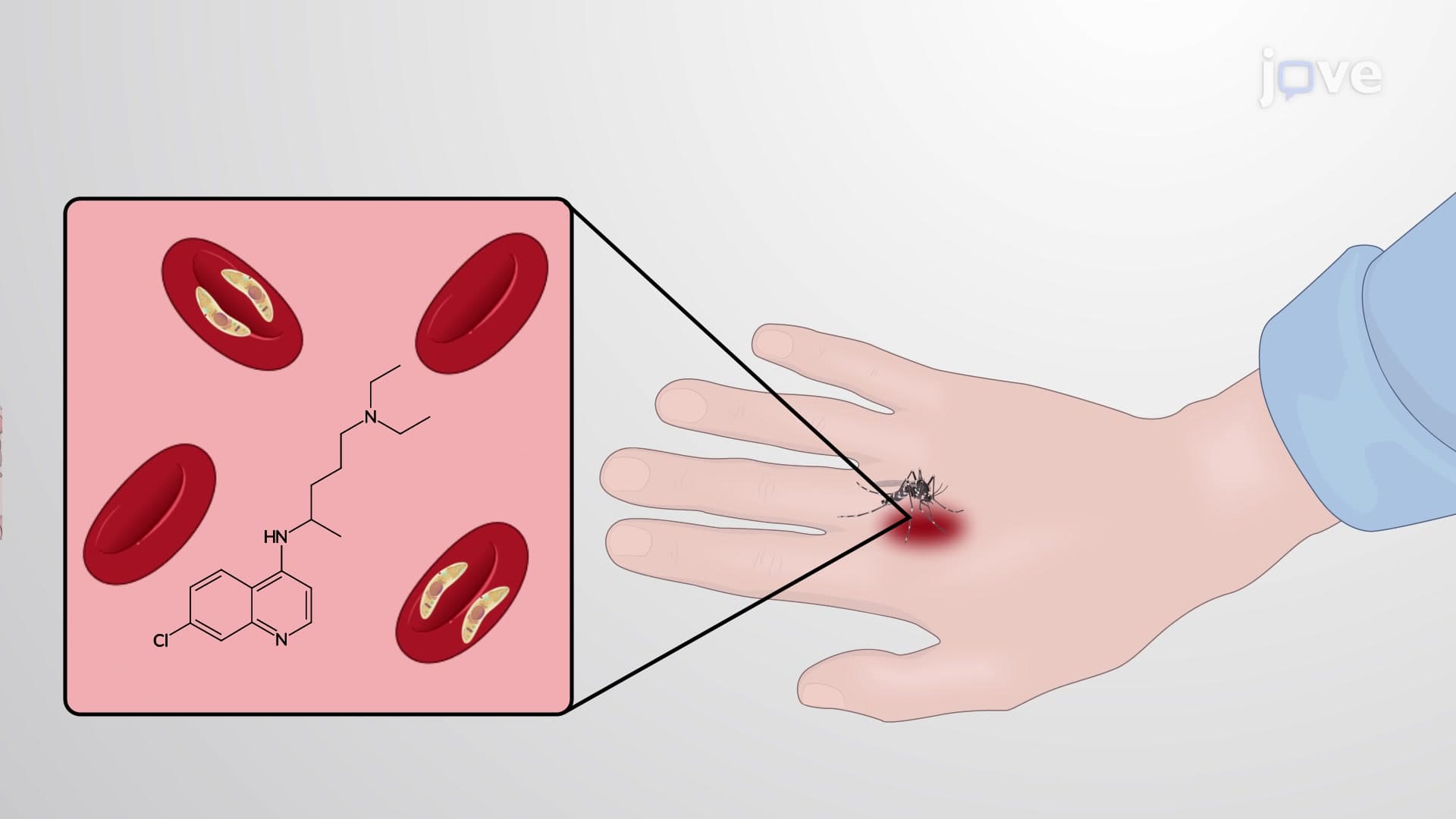
Ever wonder why your morning coffee stops working after weeks of drinking three cups daily? This phenomenon mirrors desensitization tachyphylaxis in pharmacology, where repeated drug exposure causes sudden drops in effectiveness. Consider how patients using nasal decongestant sprays like Afrin experience rebound congestion after just days of use-a classic example of What is Desensitization And Tachyphylaxis in action. This critical concept explains why healthcare providers must carefully manage medication dosing schedules. Watch the full video on JoVE Coach to master this concept with expert-led visuals and step-by-step explanations.
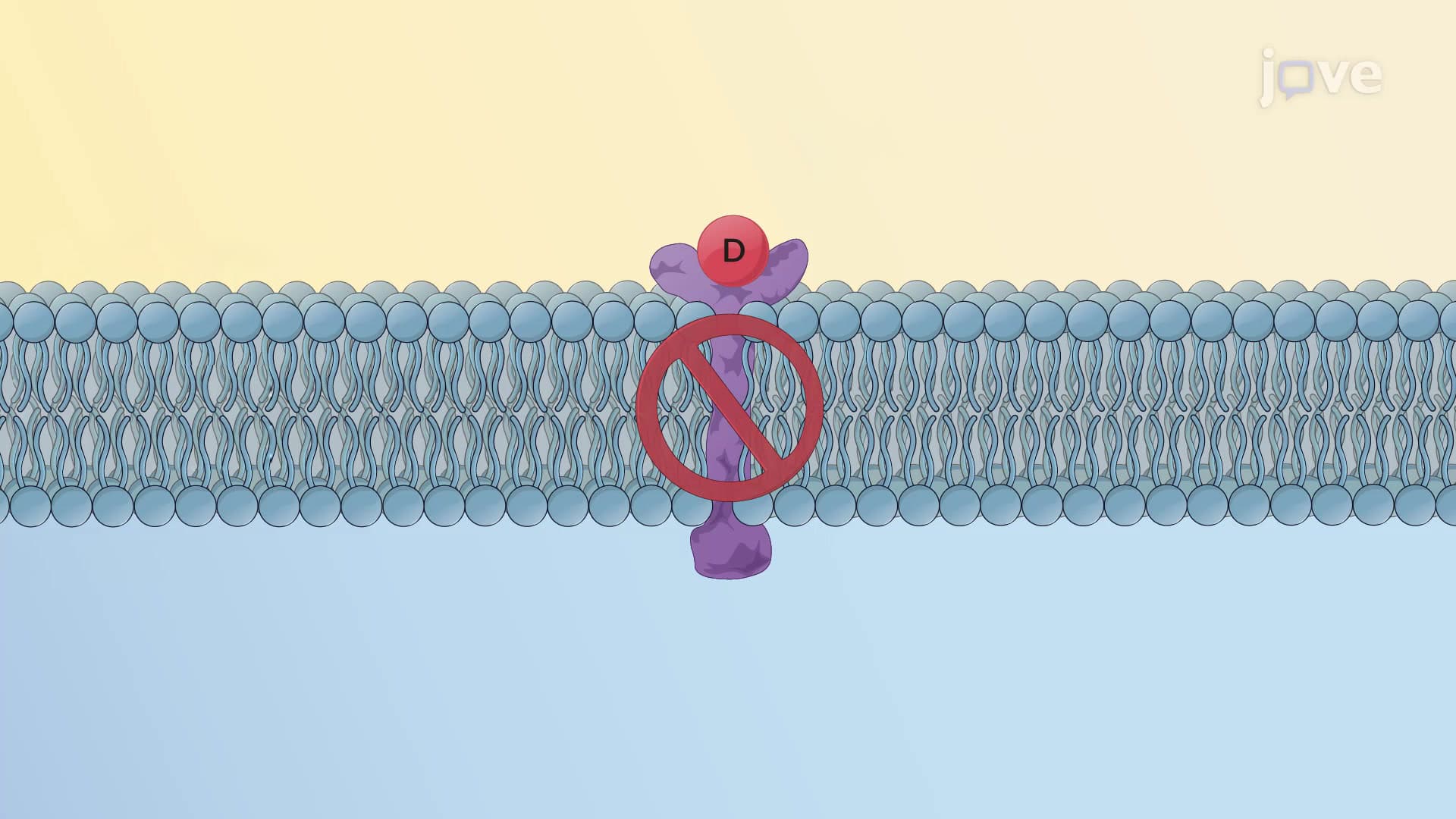
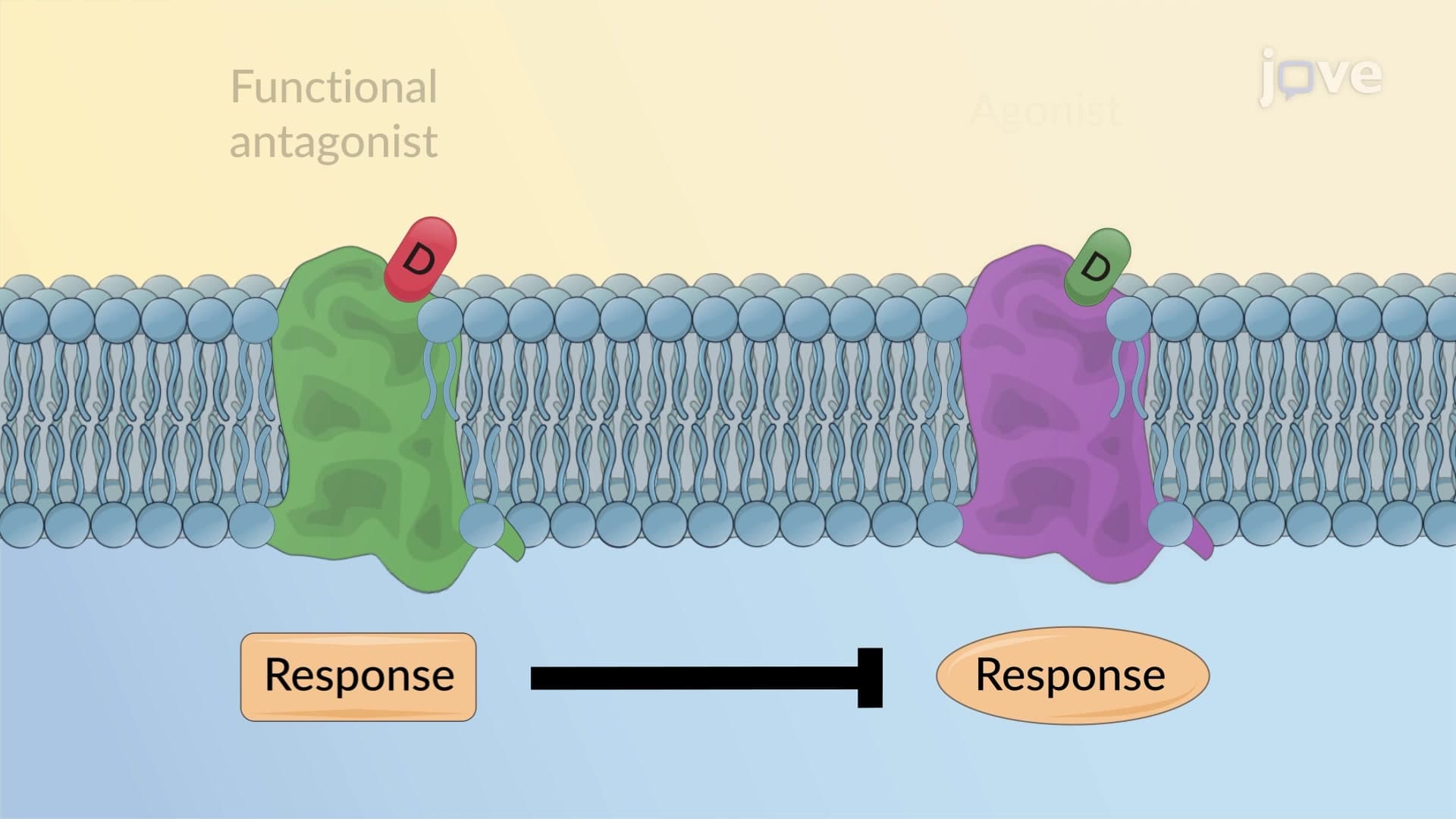
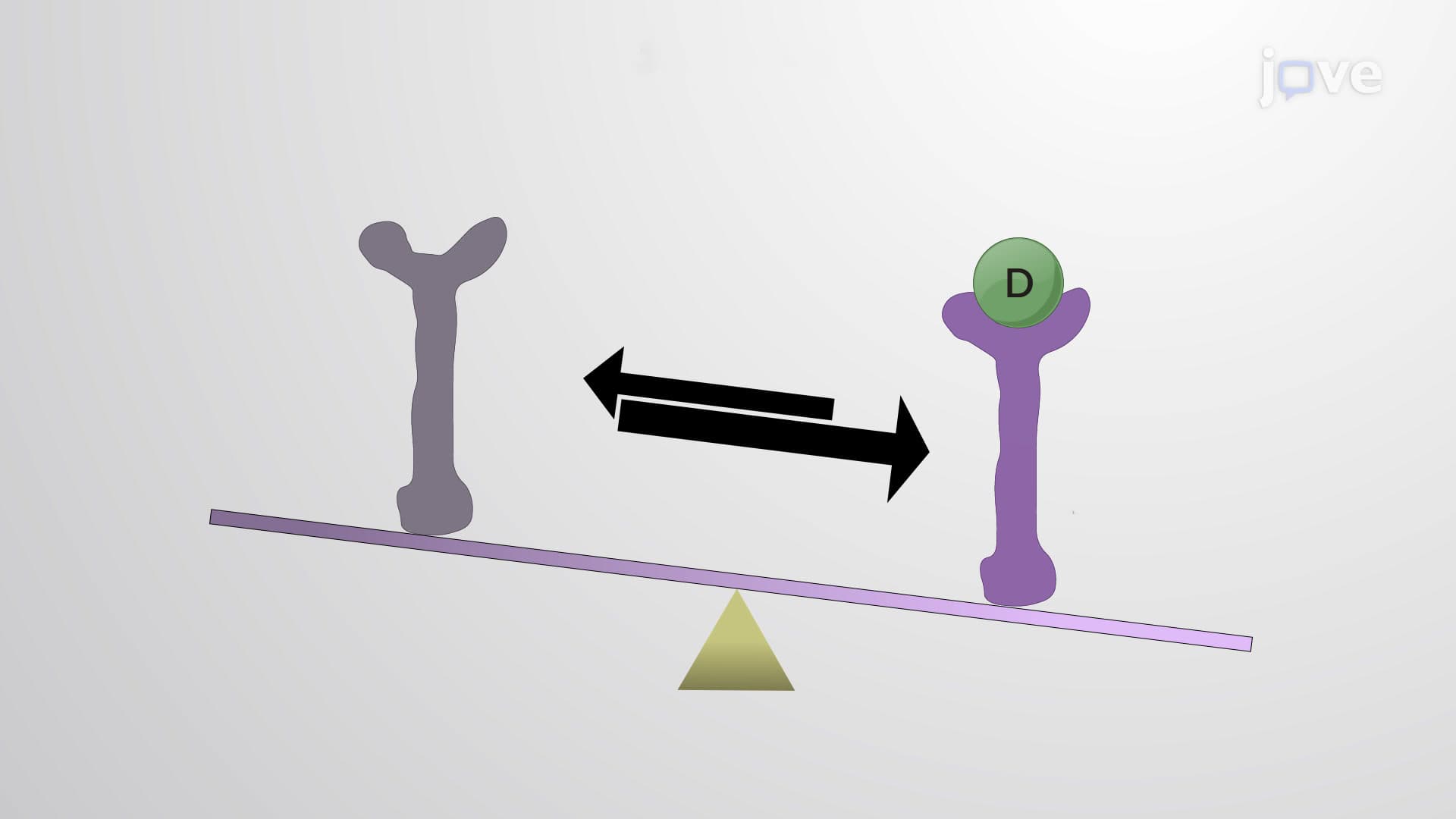
Desensitization tachyphylaxis represents a fundamental challenge in pharmacotherapy where drugs progressively lose their therapeutic effect despite maintained dosing. While often used interchangeably, these terms describe related but distinct phenomena: desensitization refers to the cellular mechanisms reducing receptor responsiveness, while tachyphylaxis describes the clinical observation of rapid tolerance development.
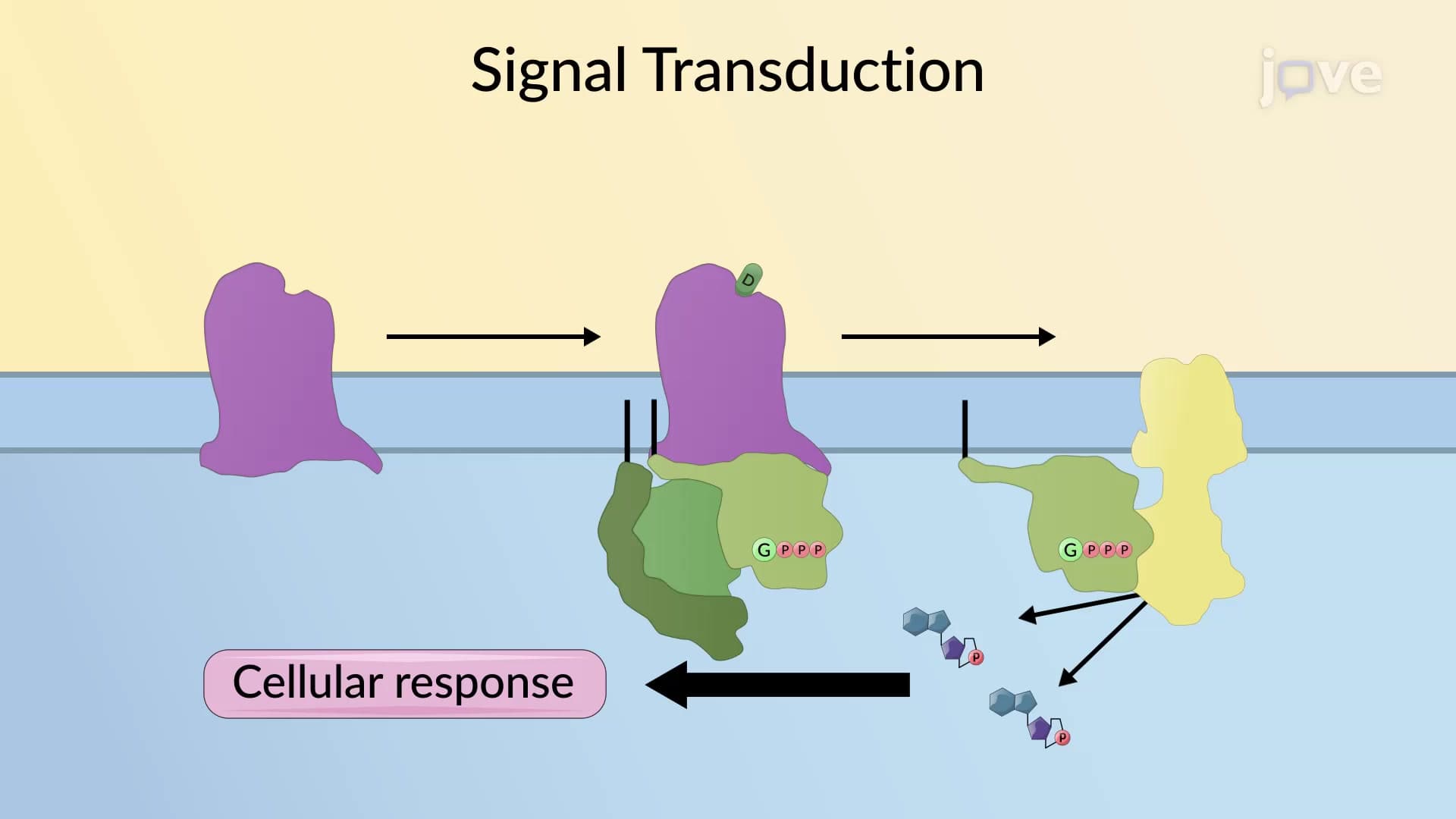
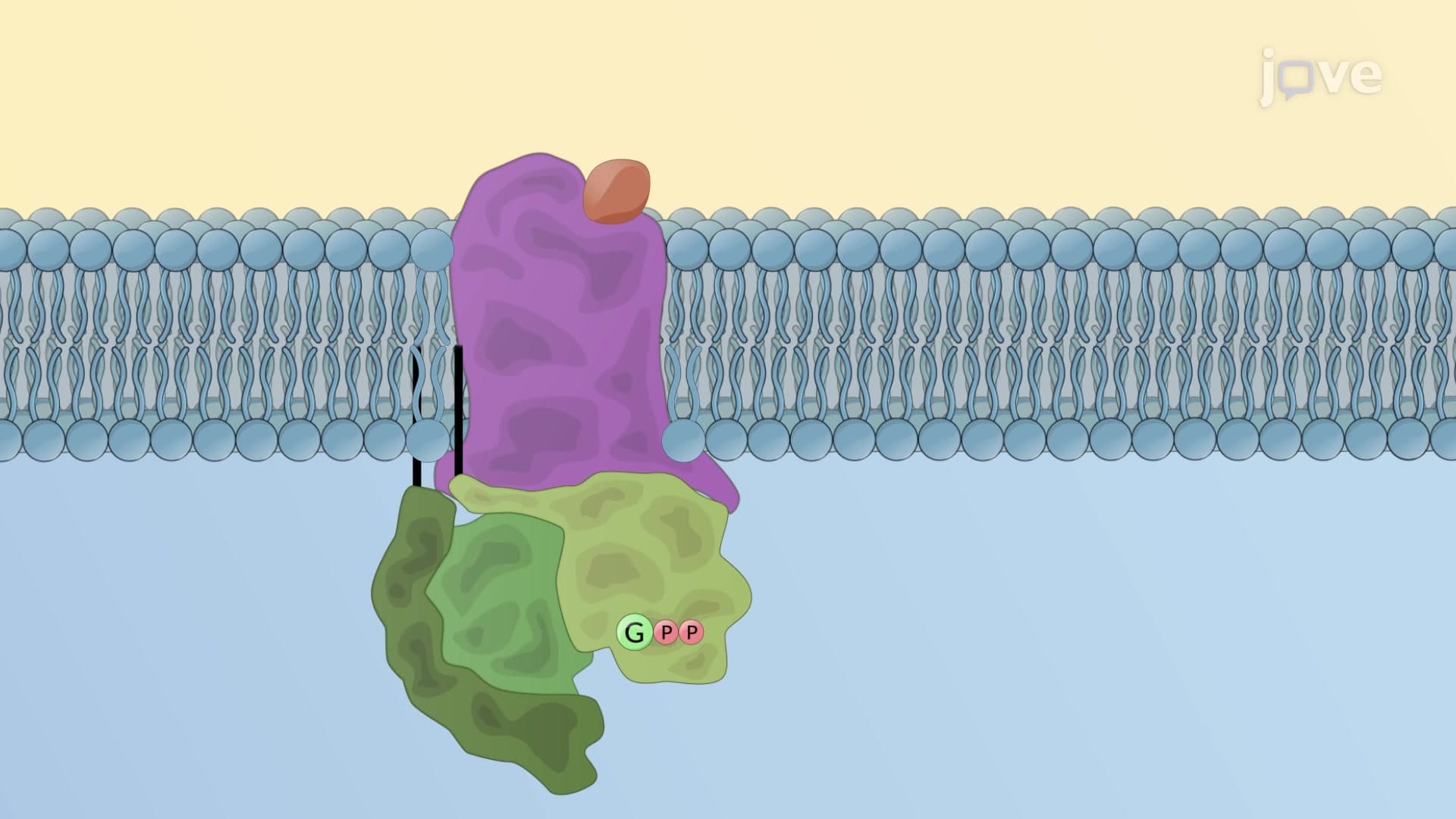
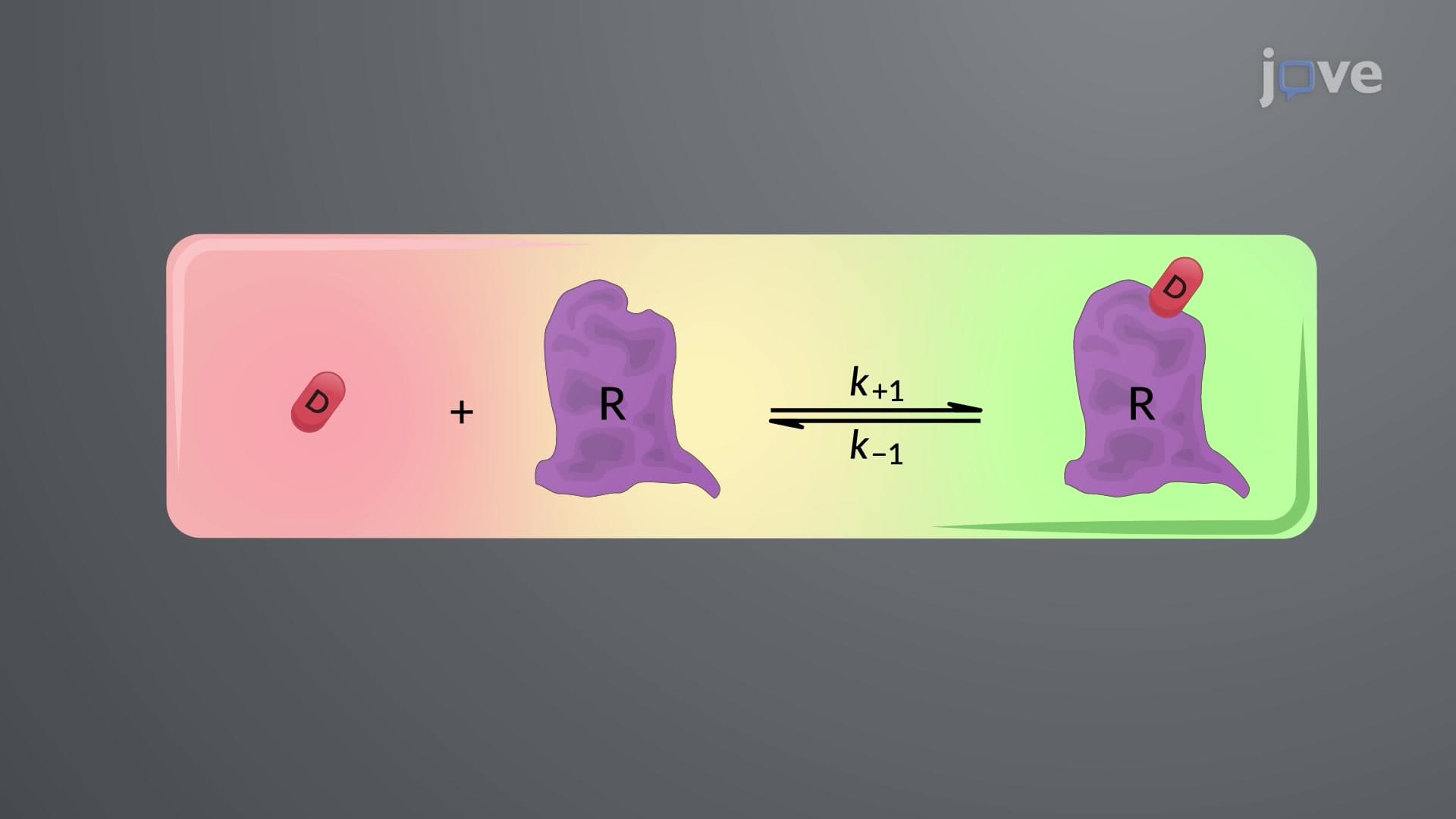
The most well-characterized mechanism involves G-protein coupled receptors (GPCRs), which comprise nearly 40% of all pharmaceutical drug targets. When β-adrenoceptors face continuous stimulation-such as during epinephrine infusions in ICU patients-GPCR kinases rapidly phosphorylate the activated receptor. This phosphorylation creates binding sites for β-arrestin proteins, which act like molecular "off switches" by preventing additional G-proteins from coupling to the receptor.
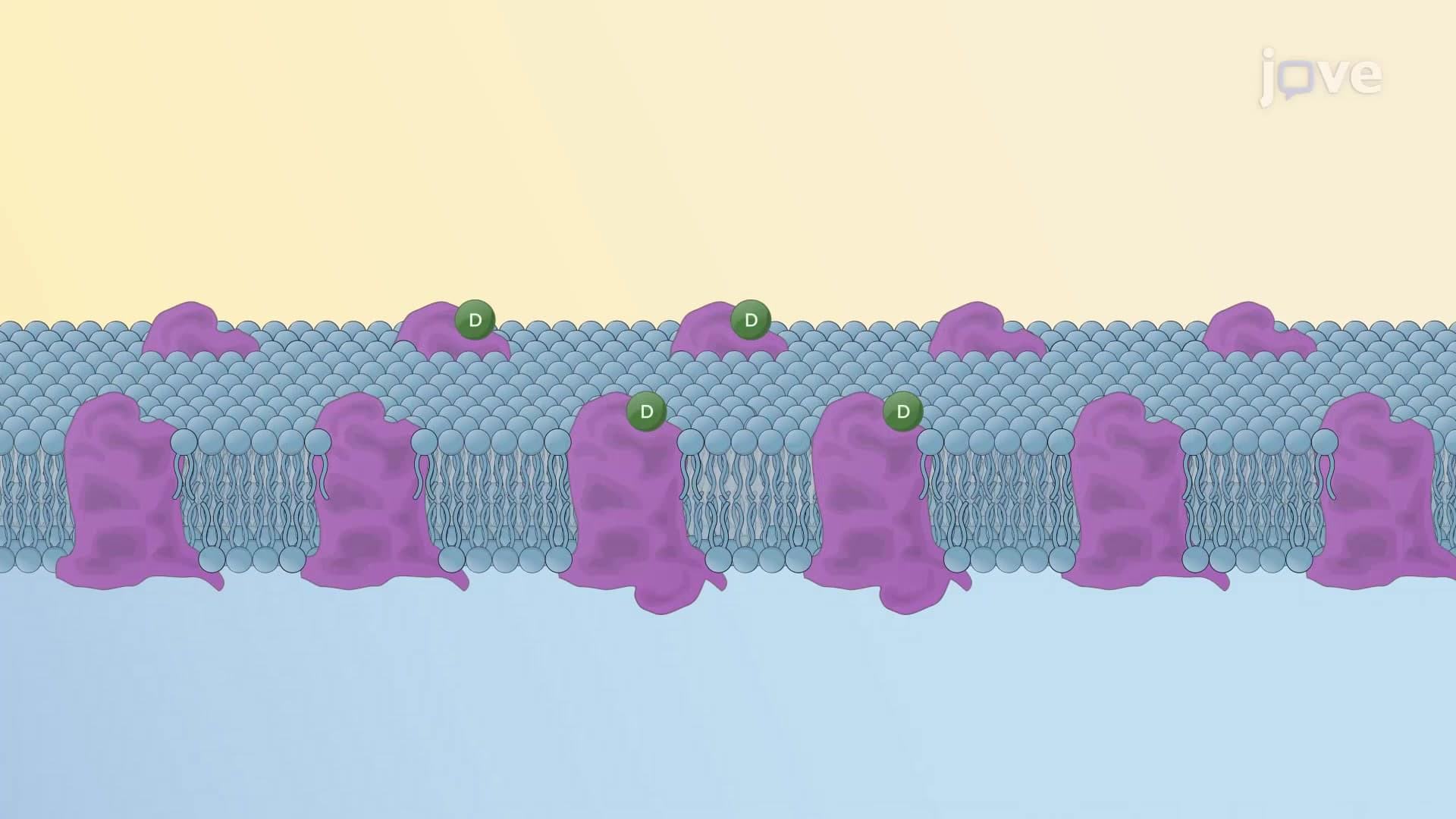
The β-arrestin binding triggers a cascade of events leading to receptor removal from the cell surface. Clathrin proteins assemble around the receptor-arrestin complex, forming vesicles that internalize the entire complex into endosomes. If these endosomes fuse with lysosomes, digestive enzymes permanently destroy the receptors, requiring hours to days for replacement through protein synthesis.
Tachyphylaxis manifests dramatically in clinical settings. Patients using oxymetazoline nasal sprays (like Afrin) for more than three days often experience rhinitis medicamentosa-rebound nasal congestion worse than the original condition. Similarly, amphetamine-based ADHD medications can lose effectiveness when the drug depletes dopamine stores faster than neurons can replenish them.
Understanding these mechanisms proves crucial for standardized exams like the MCAT, where students must explain why certain cardiovascular drugs require "drug holidays" or dose escalations. AP Biology students encounter these concepts when studying neurotransmission and cell signaling pathways.
Healthcare providers use several strategies to combat desensitization. Intermittent dosing schedules allow receptor resensitization between treatments. Combination therapies target multiple pathways simultaneously, reducing reliance on single receptors. For students preparing for nursing exams like NCLEX or HESI A2, recognizing signs of drug tolerance and appropriate intervention strategies represents essential clinical knowledge.
Related Micro-courses