Loading subject page…


96,702 views

Video Summary: What Is Drug Receptor Interaction Agonist
Ever wonder how morphine relieves pain while caffeine keeps you alert? The secret lies in drug receptor interaction agonist mechanisms that determine how medications produce their therapeutic effects. An agonist is a drug that binds to and activates cellular receptors, mimicking the body's natural signaling molecules. From insulin treating diabetes to albuterol opening airways during asthma attacks, understanding what is drug receptor interaction agonist function is crucial for anyone studying pharmacology or medicine. Watch the full video on JoVE Coach to master this concept with expert-led visuals and step-by-step explanations.
A drug receptor interaction agonist represents one of the most important concepts in pharmacology, explaining how medications produce their therapeutic effects at the cellular level. Unlike the transcript's basic definition, this concept extends far beyond simple binding-it encompasses the intricate dance between drug molecules and cellular machinery that ultimately determines whether a patient experiences relief, side effects, or treatment failure.
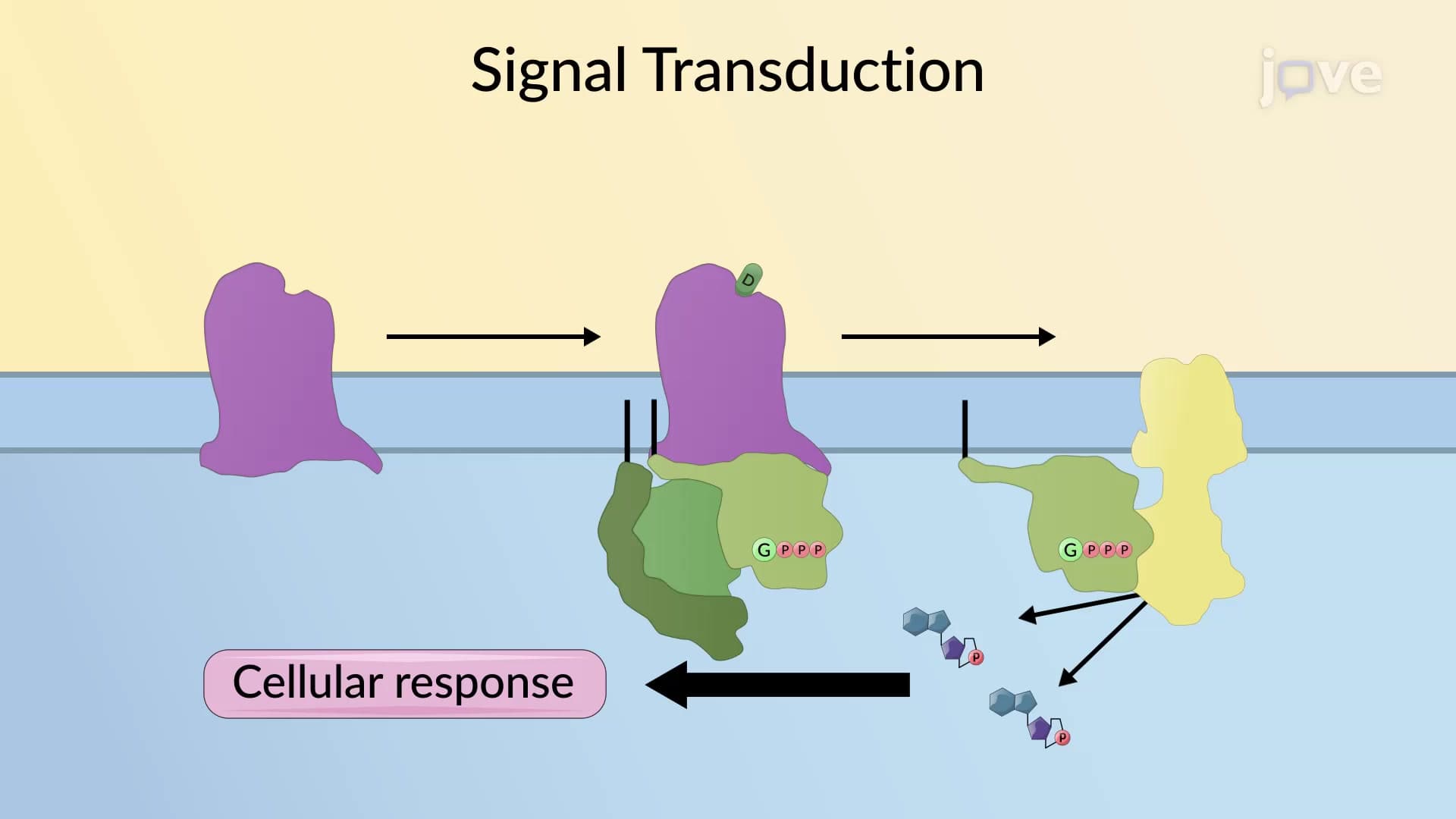
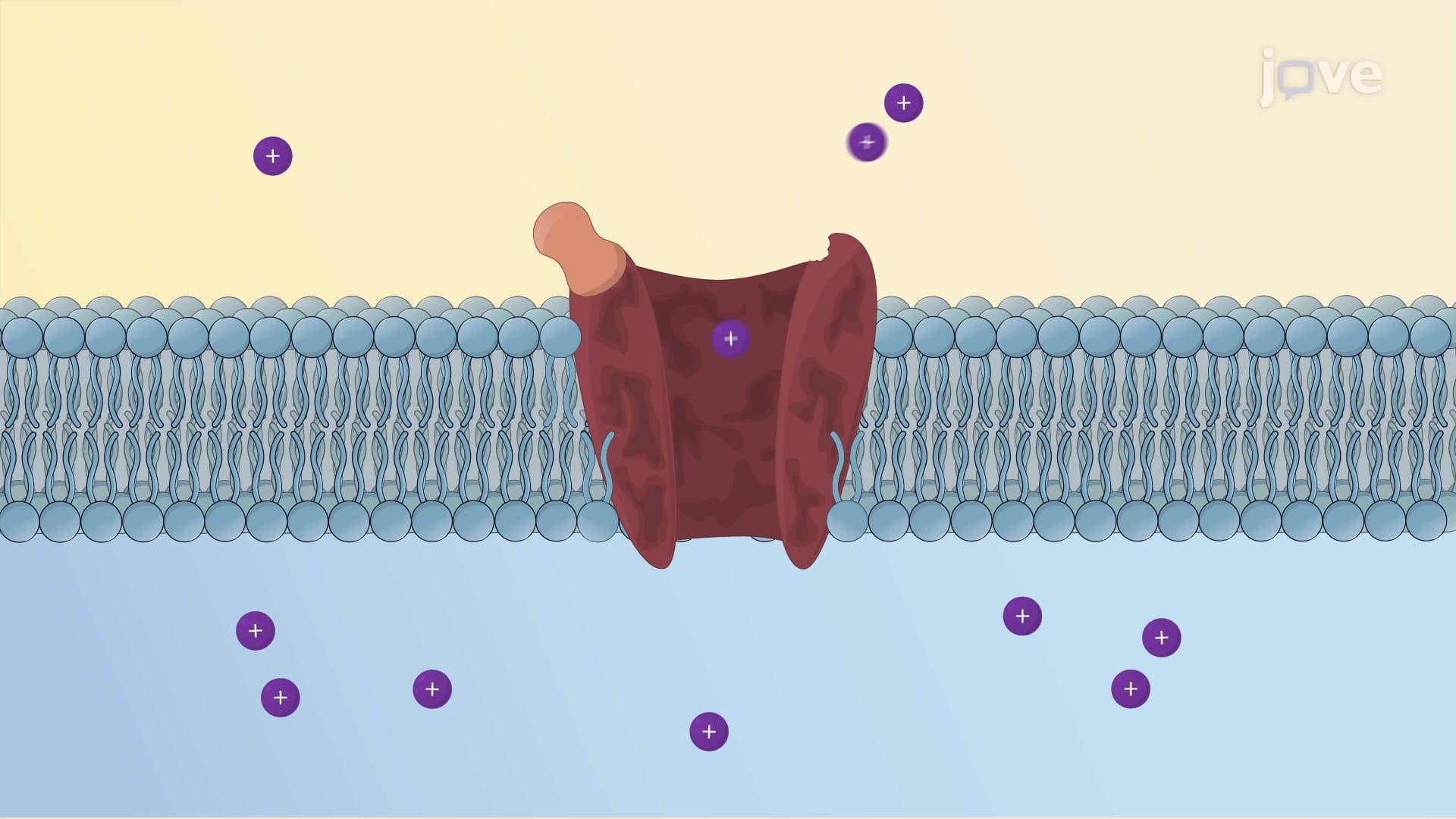
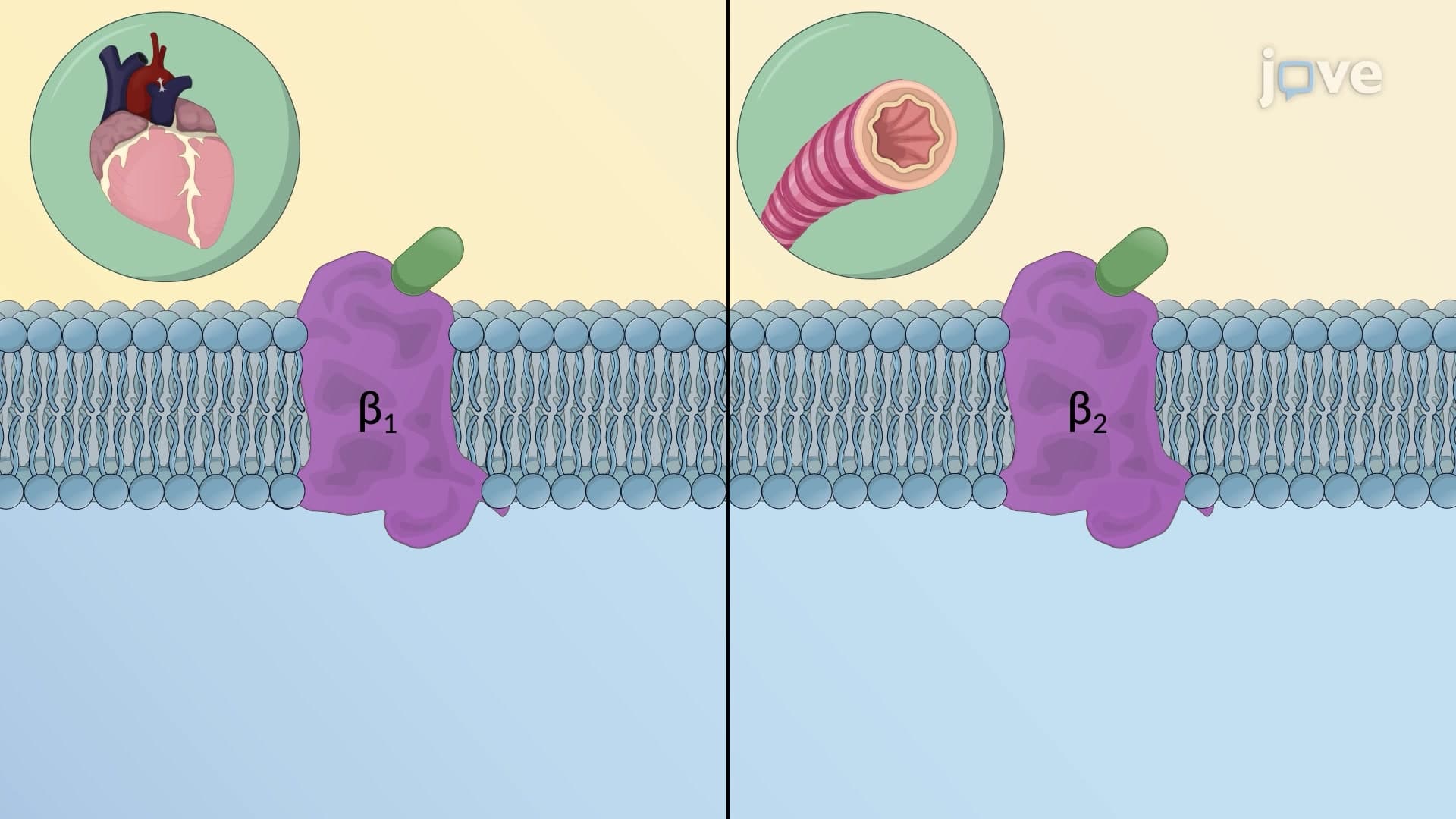
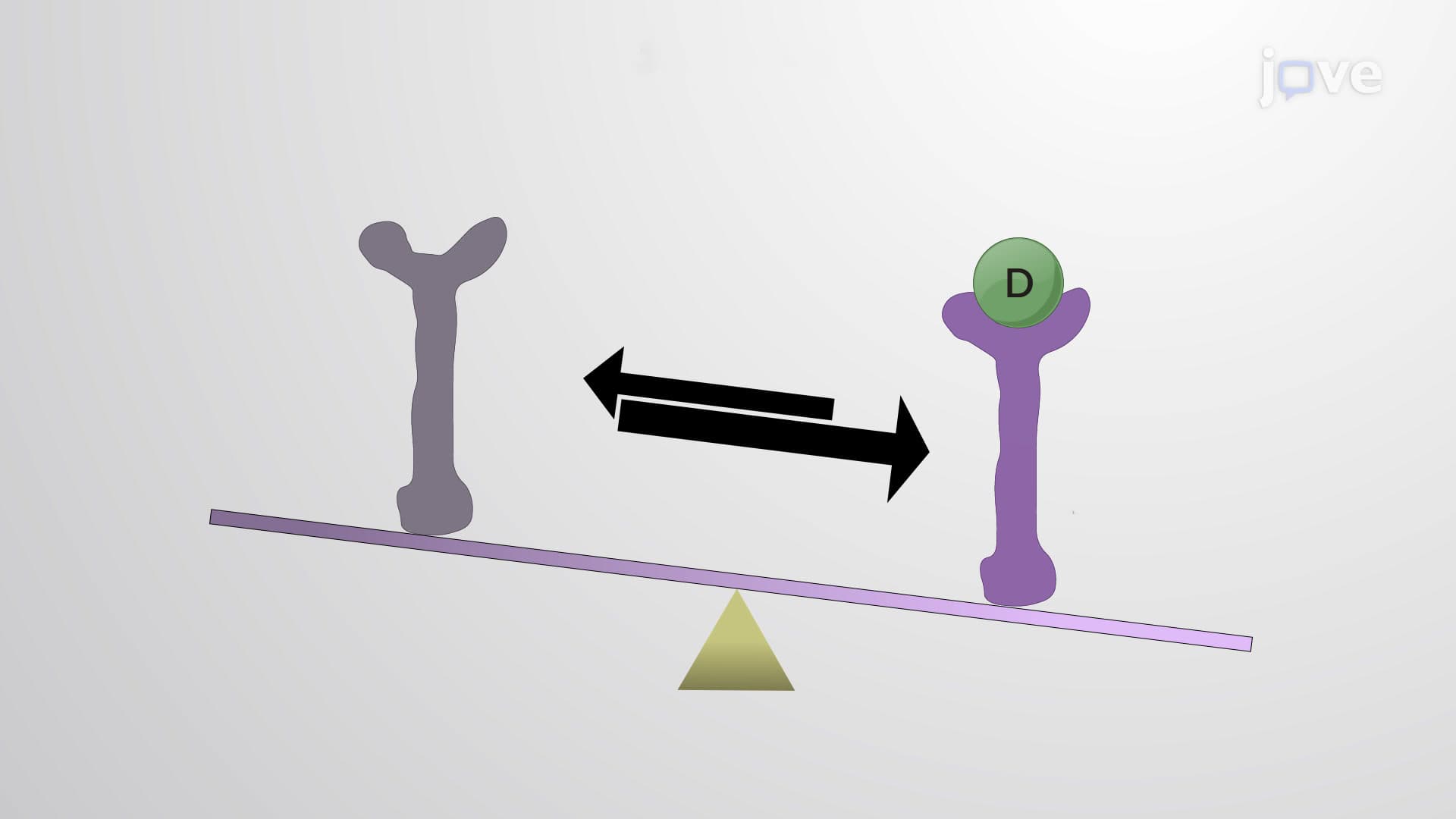
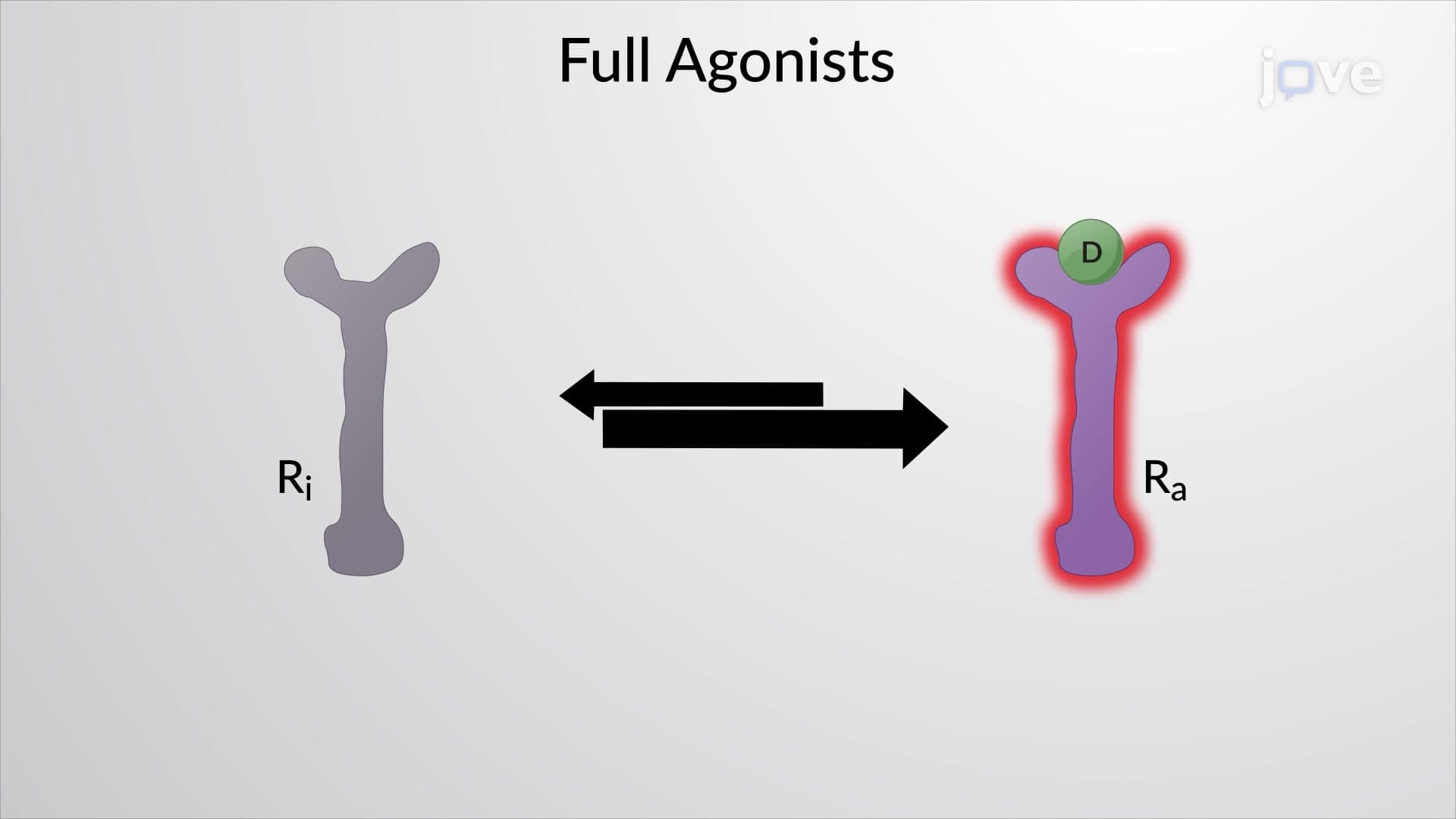
The foundation of drug receptor interaction agonist theory rests on the two-state receptor model, where receptors exist in dynamic equilibrium between inactive (Ri) and active (Ra) conformations. This isn't merely academic theory-it explains real clinical phenomena. For instance, beta-2 adrenergic receptors in bronchial smooth muscle naturally fluctuate between these states, with some showing constitutive activity that maintains baseline airway tone even without stimulation.
This model directly impacts how we understand conditions like asthma. When students encounter MCAT questions about bronchodilator mechanisms, they must grasp that albuterol (a full agonist) doesn't simply "turn on" receptors-it shifts the equilibrium dramatically toward the Ra state, causing rapid smooth muscle relaxation and airway opening.
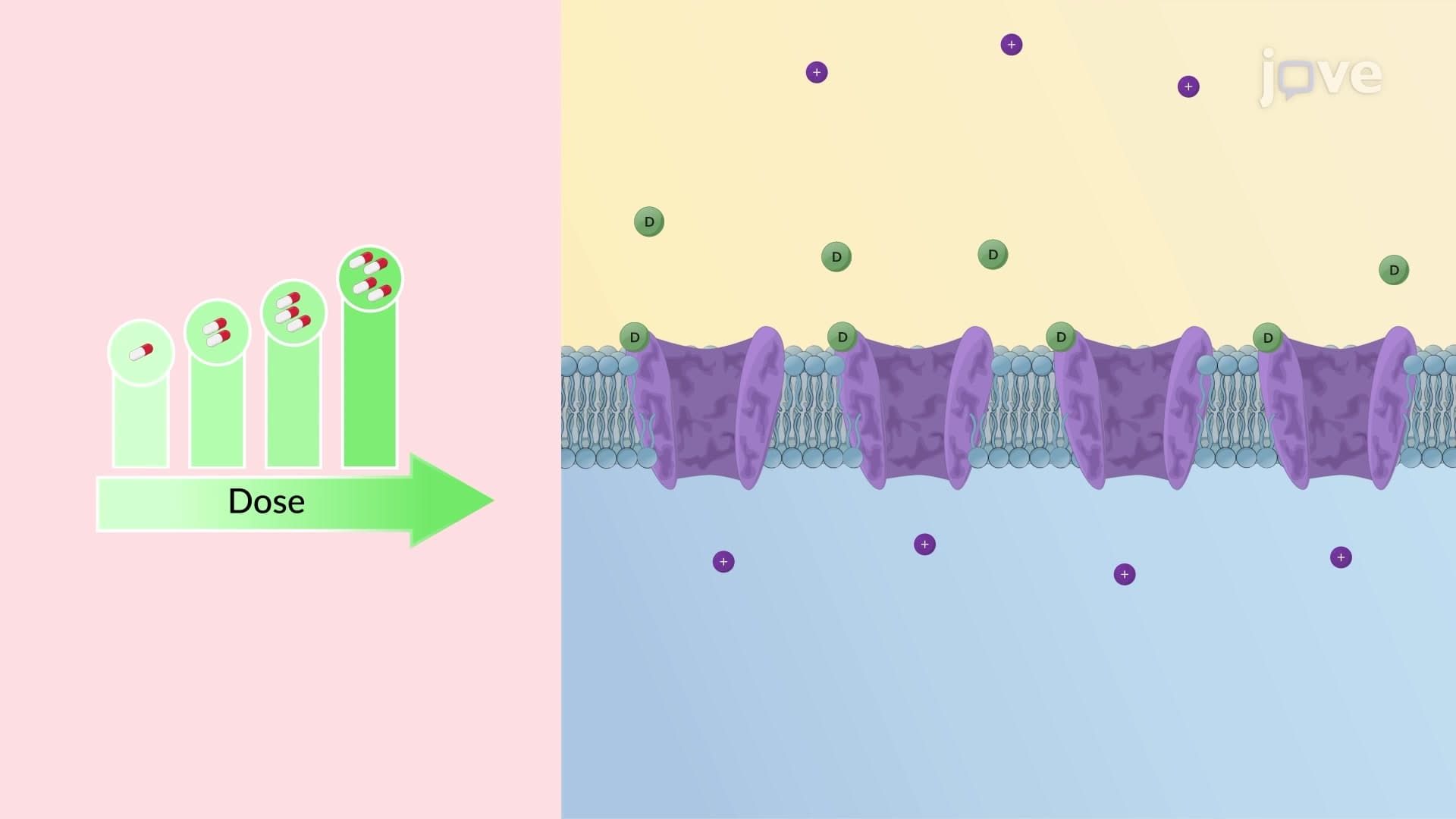
Drug receptor interaction agonist classification becomes crucial when analyzing real medications used in US healthcare. Full agonists like morphine demonstrate high Ra affinity, producing maximum analgesic effects by occupying relatively few opioid receptors-explaining why small doses can provide significant pain relief but also why overdose risk increases rapidly.
Partial agonists present fascinating clinical paradoxes that often appear on AP Biology and college pharmacology exams. Buprenorphine, used in opioid addiction treatment, exemplifies this category. Despite occupying all available opioid receptors, it produces only submaximal effects due to intermediate Ra/Ri affinity. This unique property makes it safer than full agonists while still providing therapeutic benefit-a concept that frequently challenges students preparing for the USMLE Step 1.
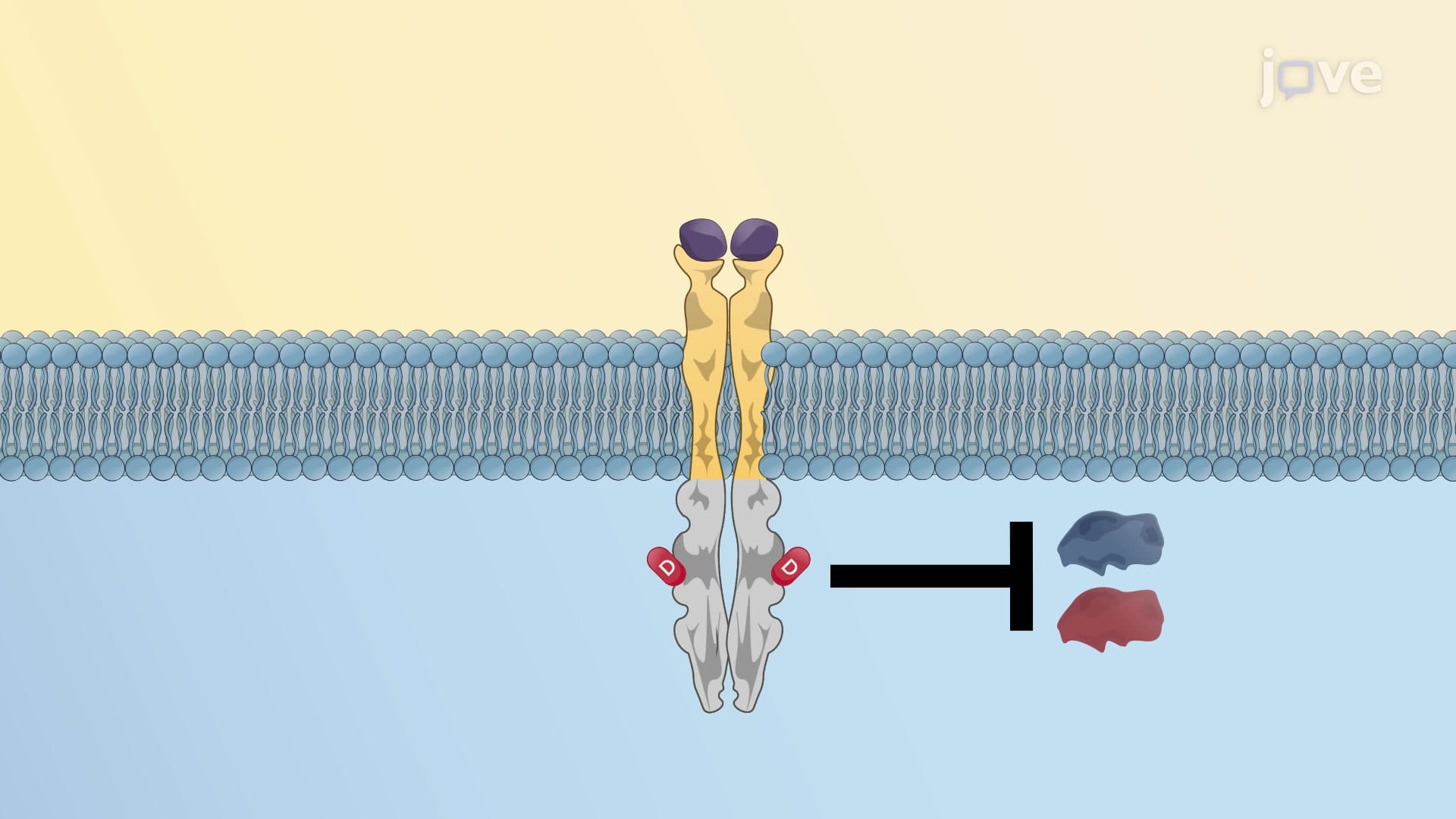
Inverse agonists, the most counterintuitive category, stabilize Ri conformations and reduce even baseline receptor activity. Beta-blockers like propranolol demonstrate inverse agonist properties at cardiac beta-1 receptors, explaining why they can slow heart rate below normal resting levels-a mechanism essential for understanding cardiovascular pharmacotherapy in NCLEX-RN questions.
Understanding drug receptor interaction agonist mechanisms proves essential across multiple US academic contexts. Pre-med students encounter these concepts in MCAT Chemical and Physical Foundations sections, while nursing students apply them in NCLEX pharmacology questions. The principles directly explain why combination therapies work, such as using partial agonists with full agonists to fine-tune therapeutic responses while minimizing adverse effects.
Related Micro-courses