Loading subject page…


96,702 views

Video Summary: What Is Signal Transduction
Ever wonder how your body instantly responds when you smell fresh coffee or feel pain from touching something hot? Signal transduction is the cellular communication system that makes these rapid responses possible, turning external signals into specific cellular actions. Consider how insulin helps your cells absorb glucose after eating a meal at McDonald's, this life-sustaining process relies entirely on precise signal transduction pathways. Understanding what is signal transduction reveals the molecular foundation of every biological response in your body. Watch the full video on JoVE Coach to master this concept with expert-led visuals and step-by-step explanations.
Signal transduction represents one of biology's most elegant solutions to a fundamental challenge: how do cells detect, process, and respond to information from their environment? This sophisticated molecular communication system transforms external stimuli into specific cellular responses, enabling everything from your heartbeat to your ability to learn new information.
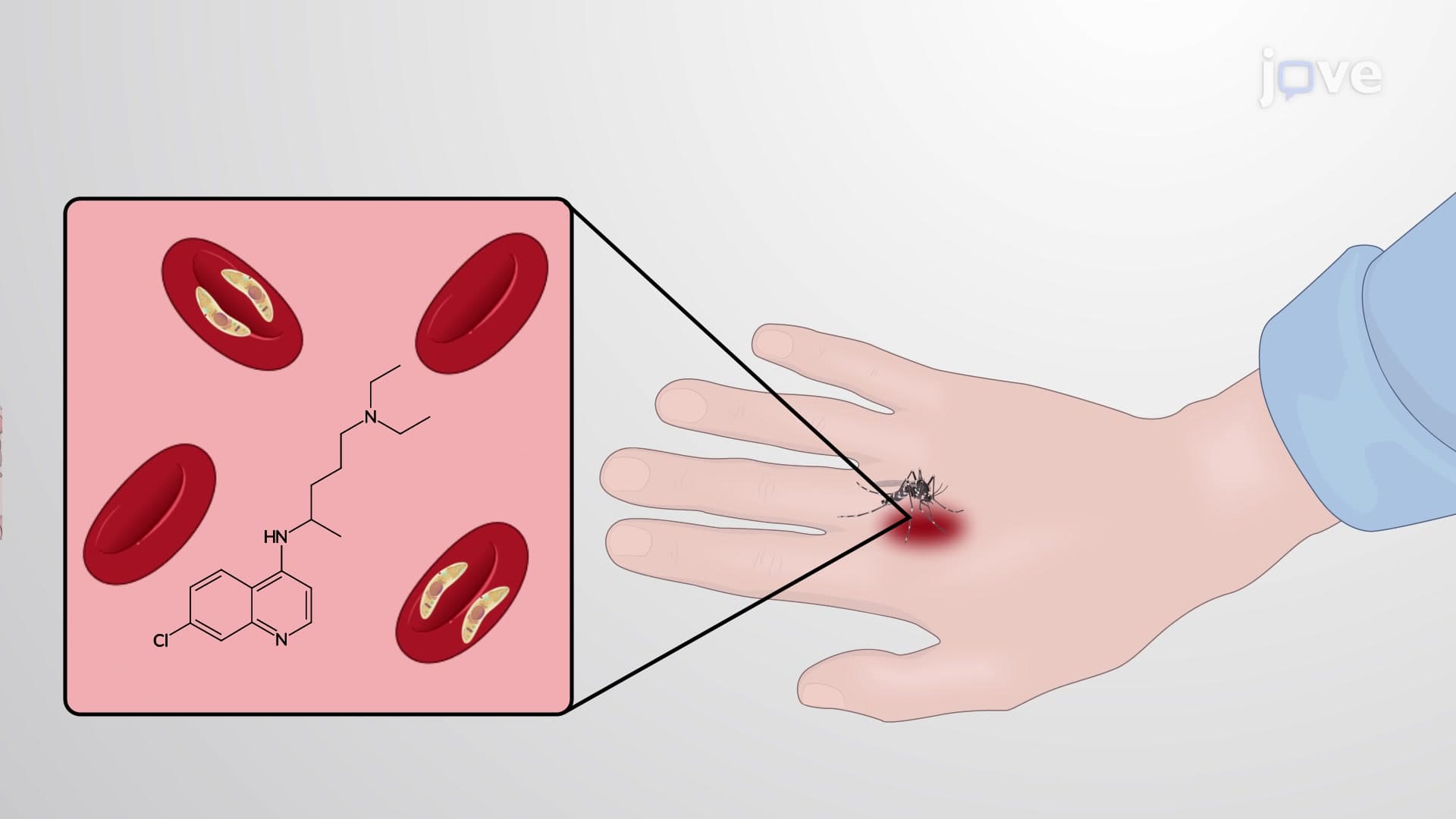
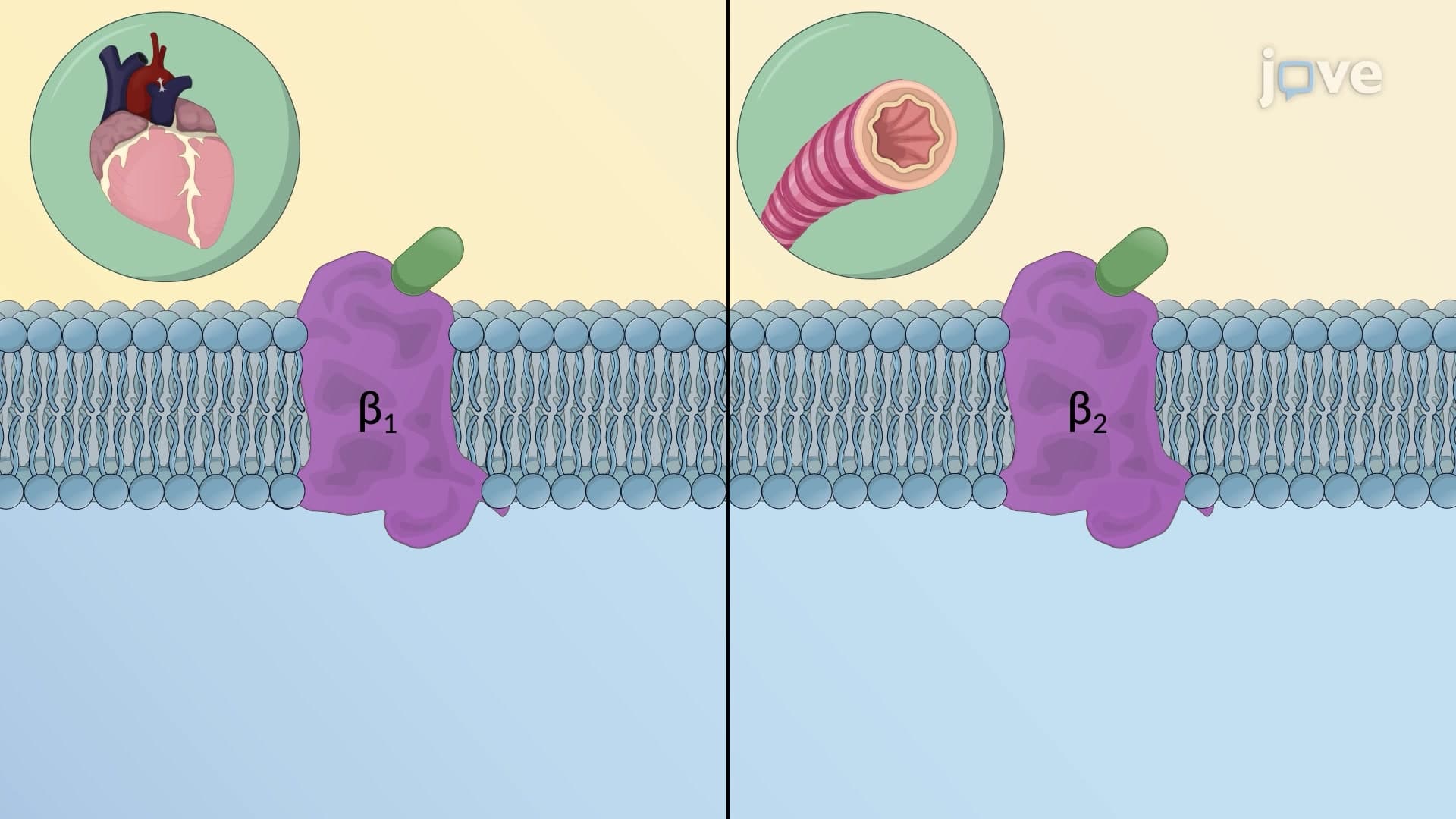
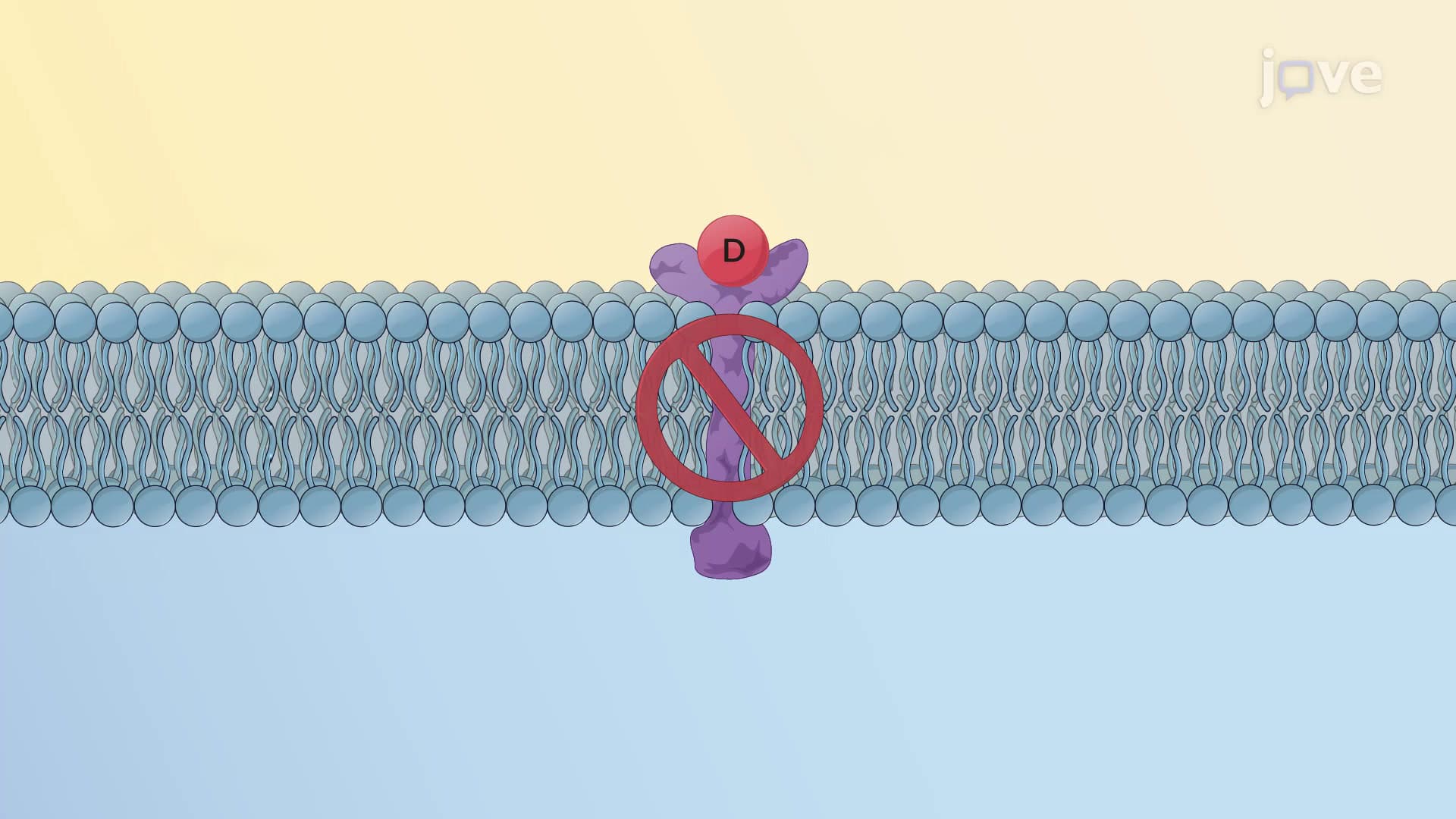
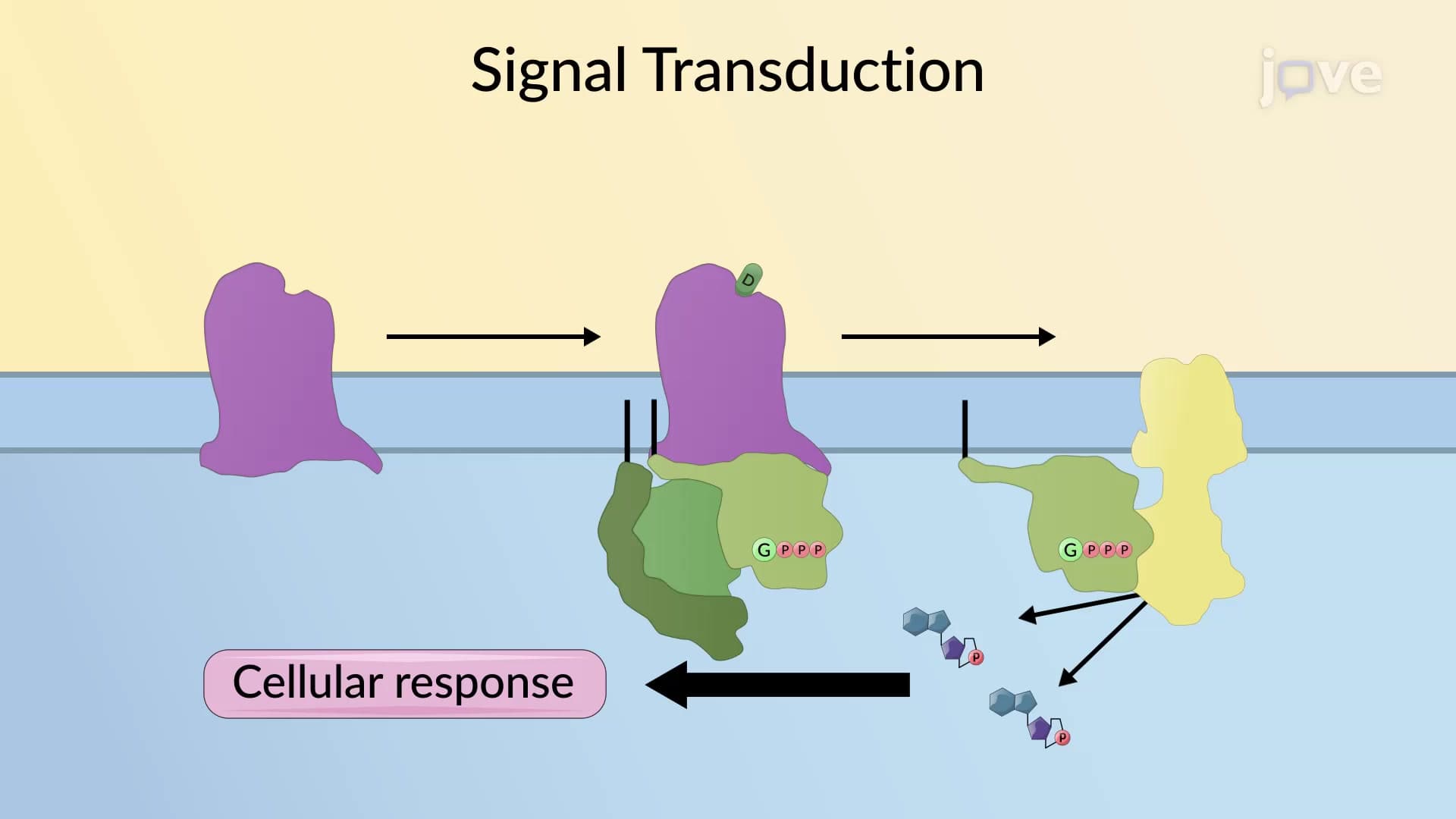
The signal transduction definition explained begins with three essential components: a signal molecule (ligand), a receptor protein, and a cellular response mechanism. When pharmaceutical companies like Pfizer develop new medications, they specifically target these signal transduction pathways. For instance, beta-blockers used to treat high blood pressure work by blocking specific receptors that normally respond to stress hormones.
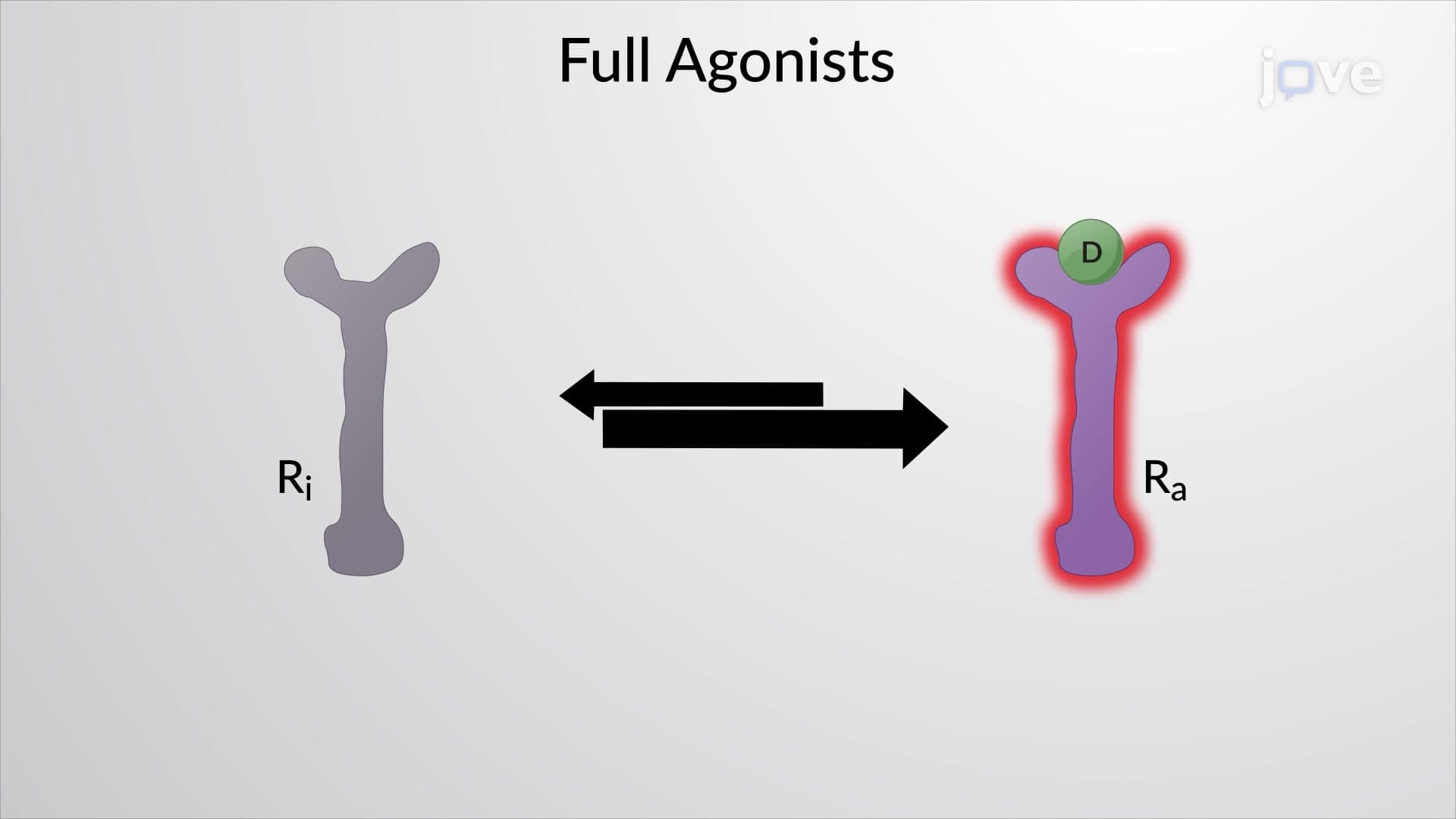
This process occurs in distinct phases. First, signal recognition occurs when an extracellular messenger binds to its specific receptor, causing a conformational change that activates the receptor. Next, signal transduction amplifies and transmits the initial signal through various molecular intermediates. Finally, cellular response manifests as changes in enzyme activity, gene expression, or cellular behavior.
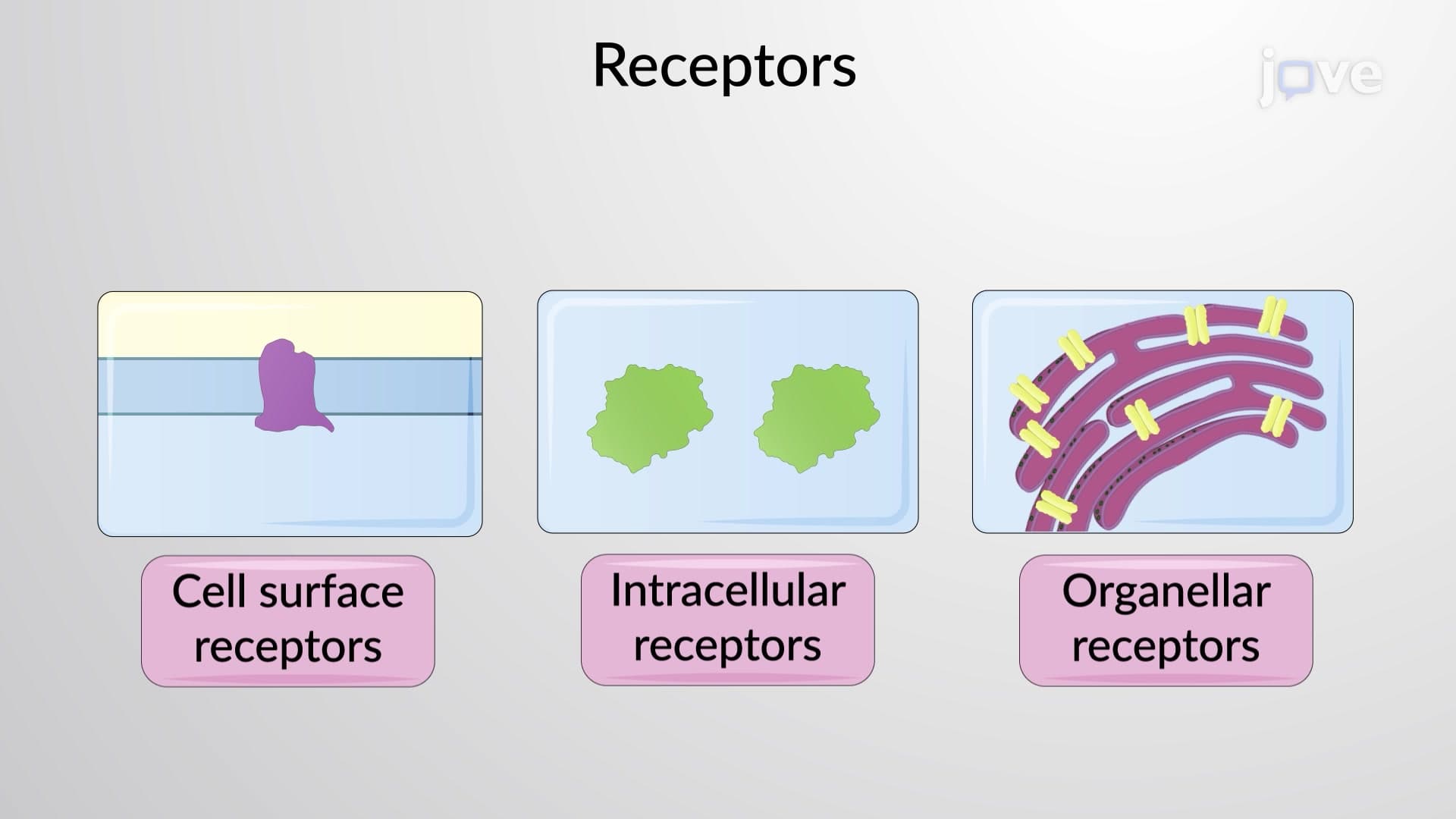
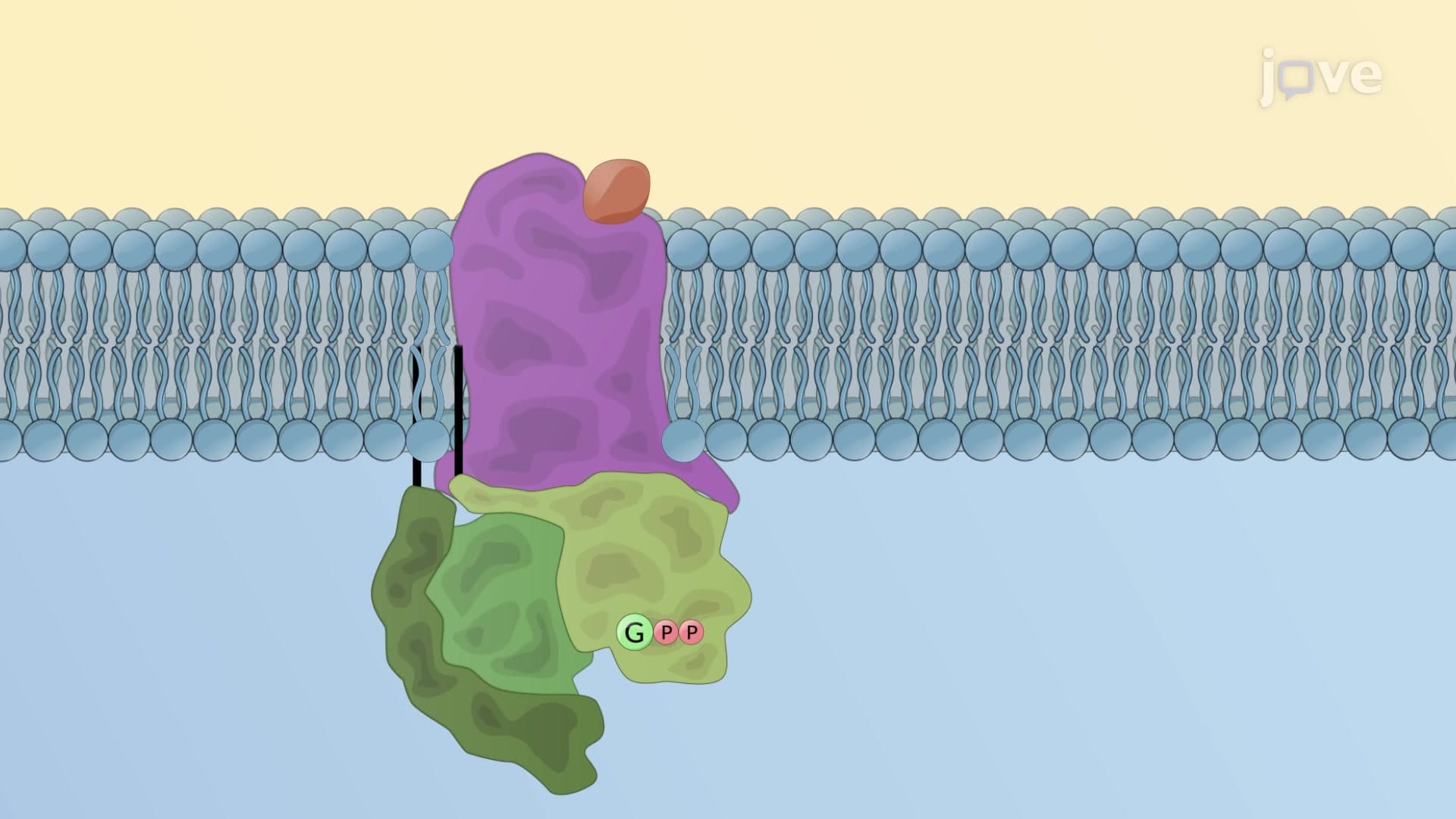
G protein-coupled receptors (GPCRs) represent the largest family of cell surface receptors and serve as targets for approximately 40% of all prescription medications. These receptors work with G proteins to activate various effector enzymes, producing second messengers like cyclic AMP. The cardiovascular drug epinephrine operates through GPCR signal transduction to increase heart rate during emergencies.
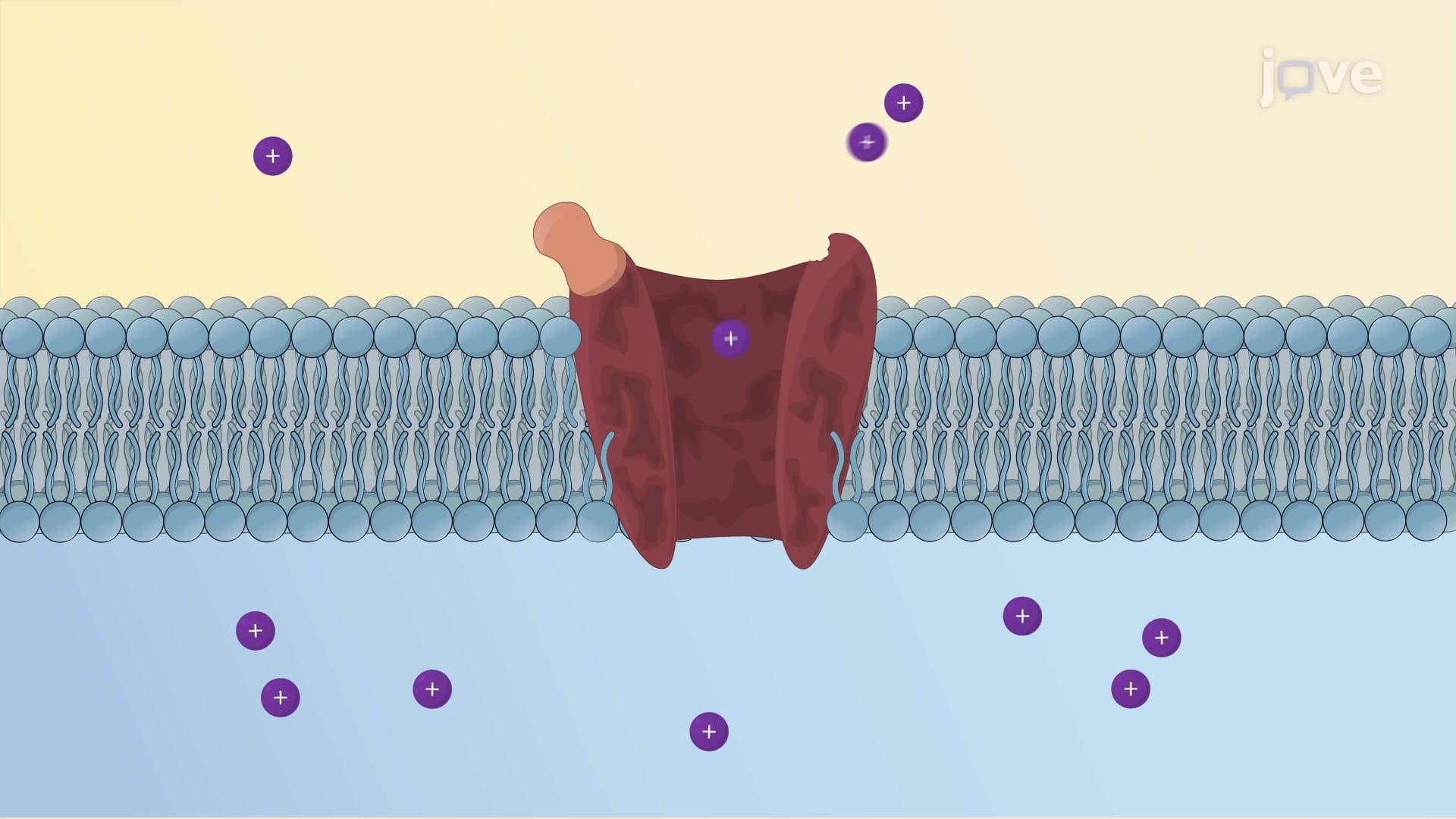
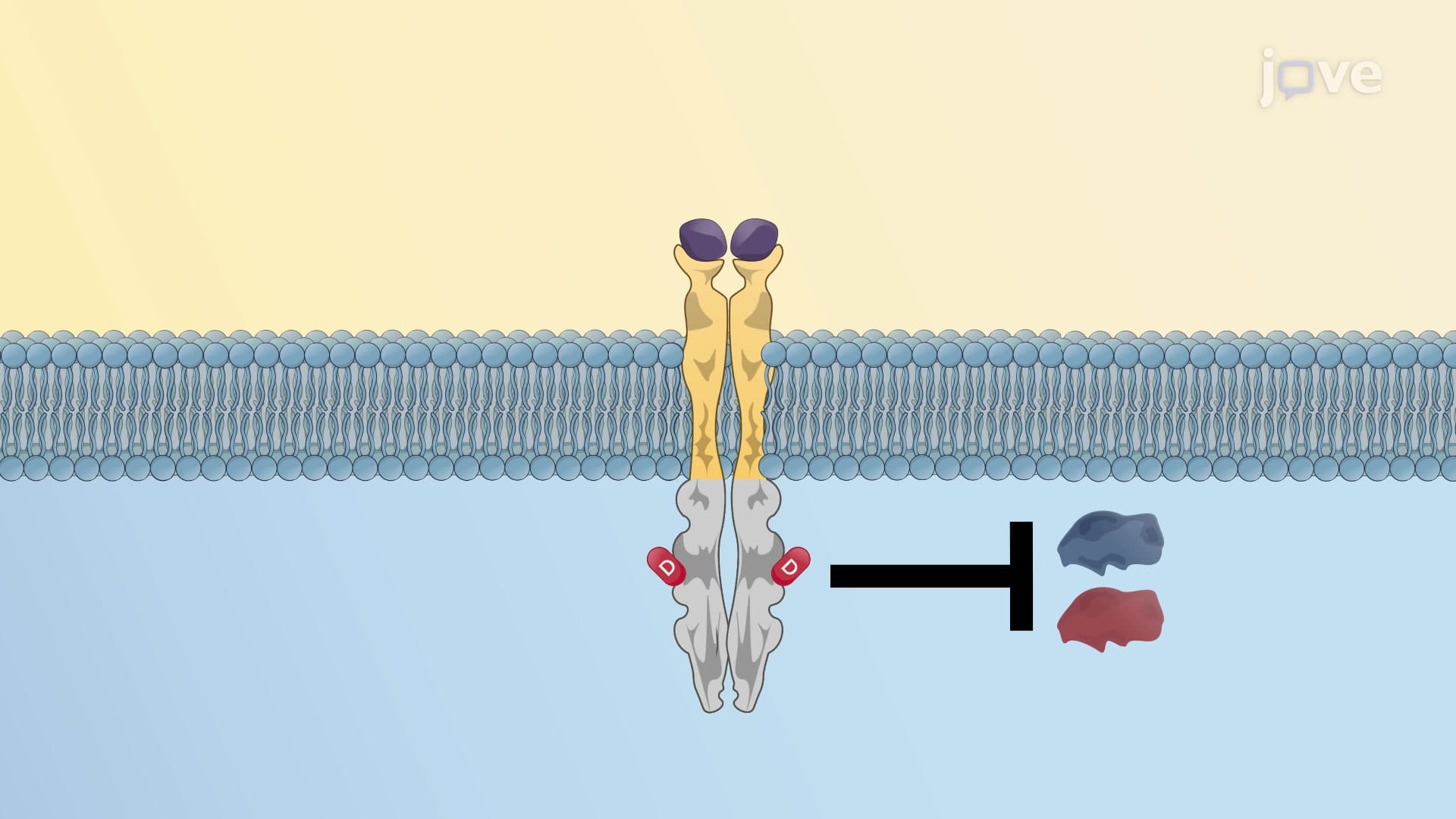
Enzyme-linked receptors, particularly receptor tyrosine kinases, play crucial roles in growth and development. These receptors possess intrinsic enzymatic activity that triggers phosphorylation cascades. Cancer research at institutions like MD Anderson Cancer Center extensively studies these pathways because many oncogenes encode altered versions of these receptors.
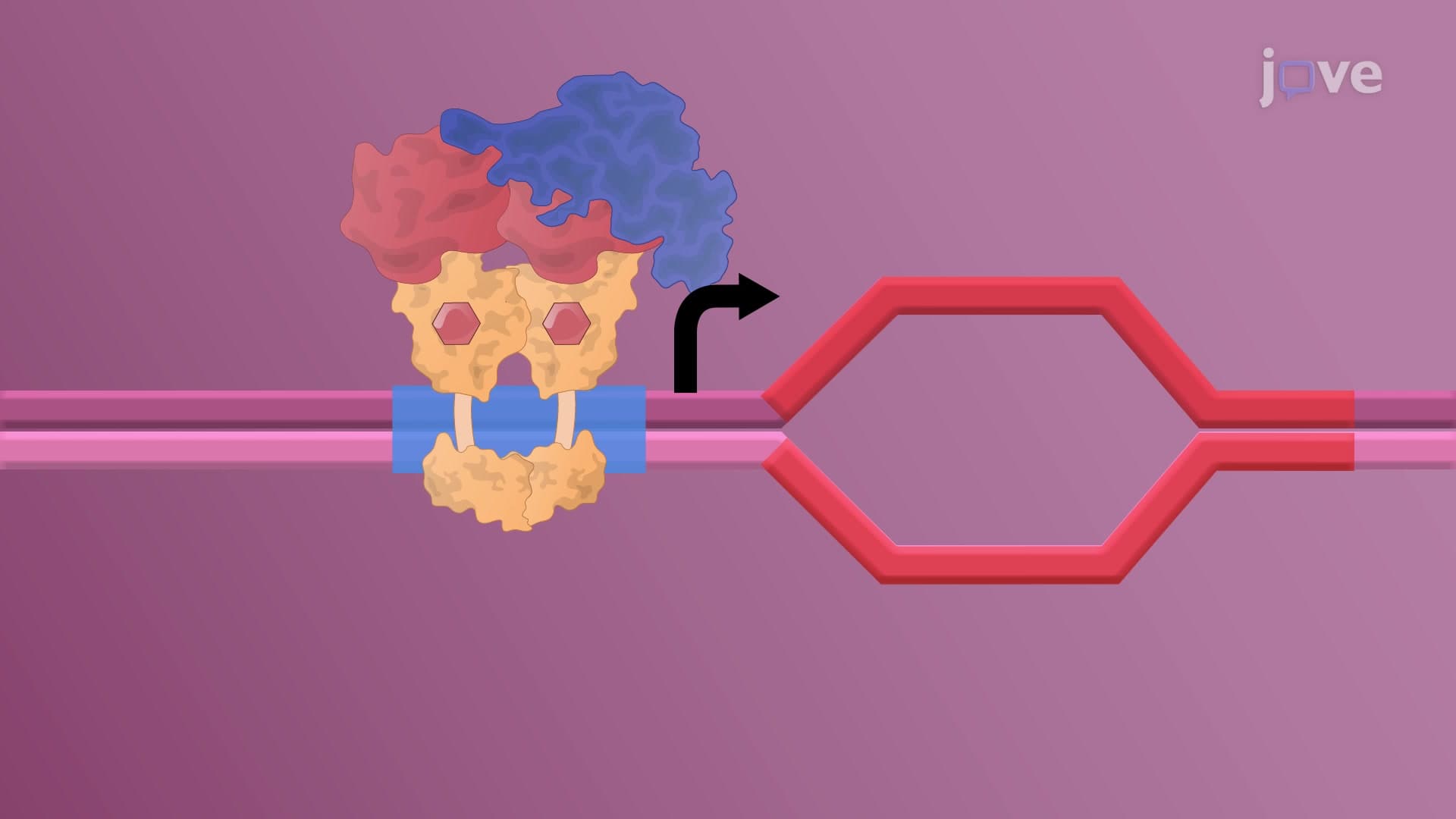
Nuclear receptors bind lipophilic molecules like steroid hormones that can cross cell membranes. These receptors function as transcription factors, directly regulating gene expression. Birth control pills utilize synthetic hormones that activate these nuclear receptor signal transduction pathways.
Understanding signal transduction proves essential for success in advanced coursework and standardized exams. The MCAT extensively tests signal transduction concepts, particularly in biological sciences sections. AP Biology students encounter these pathways when studying cell communication and homeostasis. Pre-med students at universities like Harvard and Stanford must master these concepts for medical school preparation.
Healthcare professionals rely on signal transduction knowledge daily. Nurses administering insulin understand how this hormone activates receptor tyrosine kinases to promote glucose uptake. Pharmacists counseling patients about blood pressure medications explain how ACE inhibitors interrupt specific signal transduction pathways in the cardiovascular system.
Related Micro-courses