Loading subject page…


96,702 views

Video Summary: What Is Targets for Drug Action
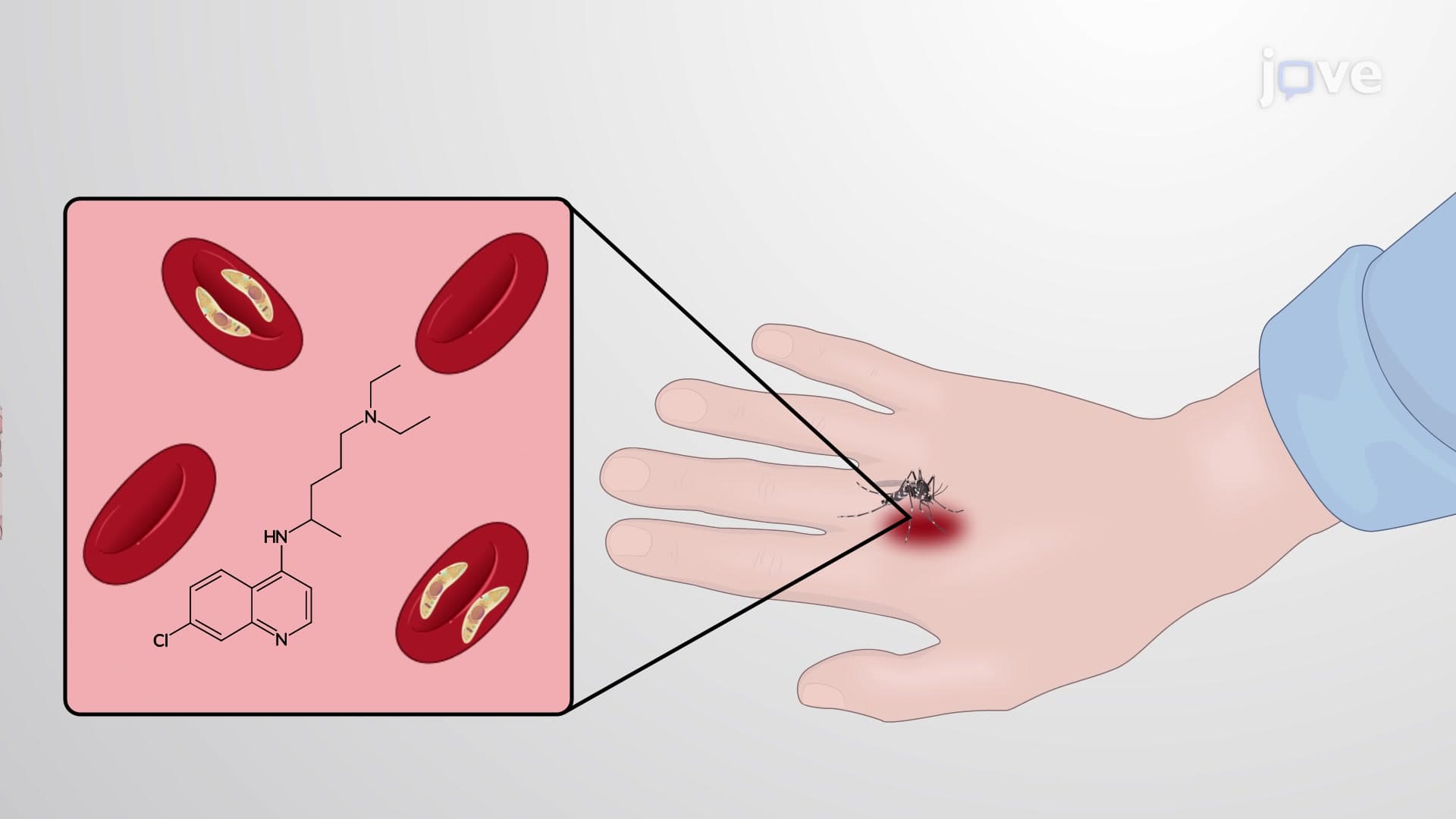
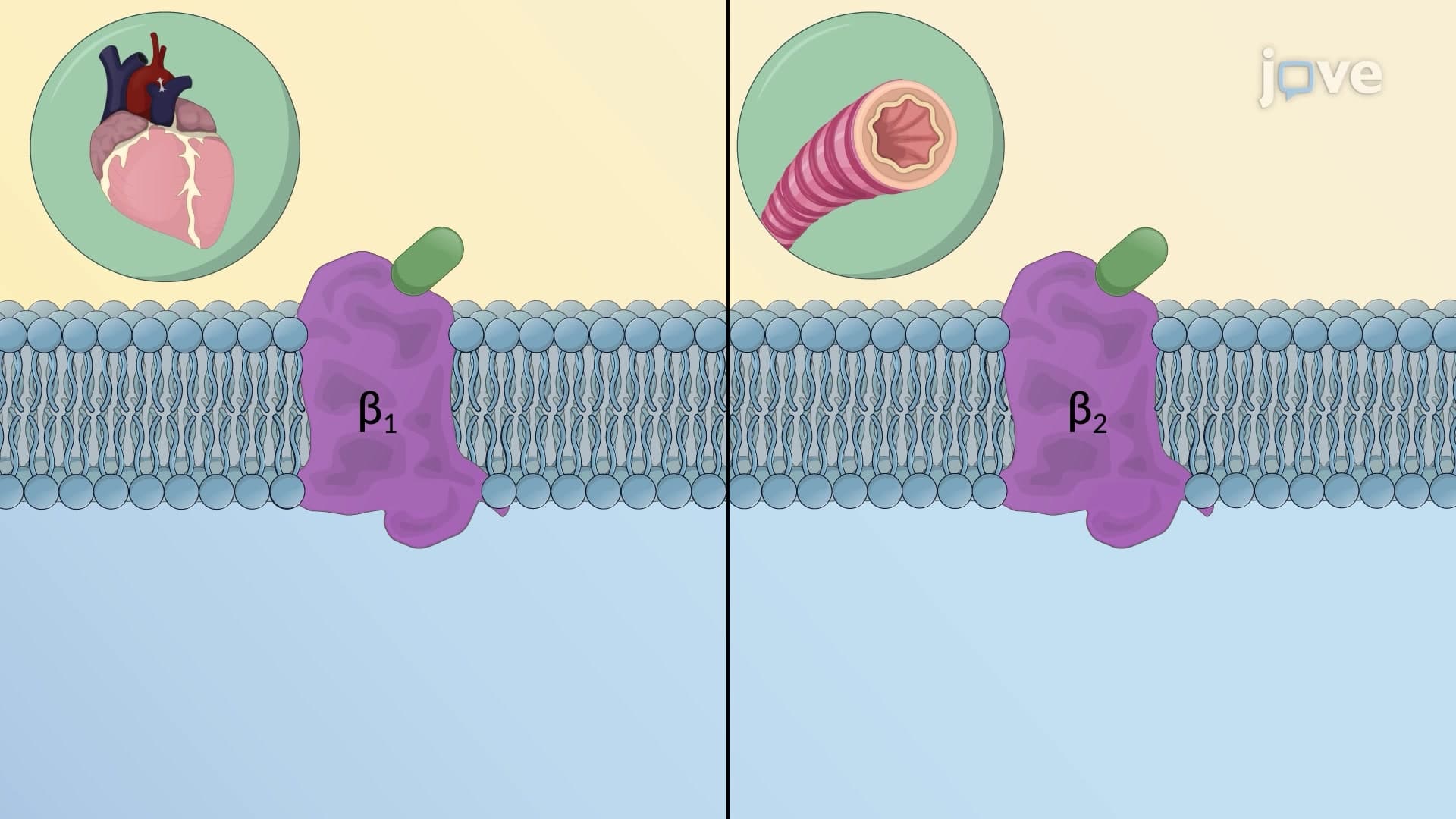
Ever wondered why aspirin relieves pain while caffeine keeps you alert? The secret lies in understanding targets for drug action, the specific cellular structures that medications must interact with to produce their effects. These molecular targets include receptors, ion channels, transporters, and enzymes that control everything from heart rate to brain function. For example, beta-blockers used to treat high blood pressure specifically target beta-adrenergic receptors in cardiac muscle. Watch the full video on JoVE Coach to master this concept with expert-led visuals and step-by-step explanations.
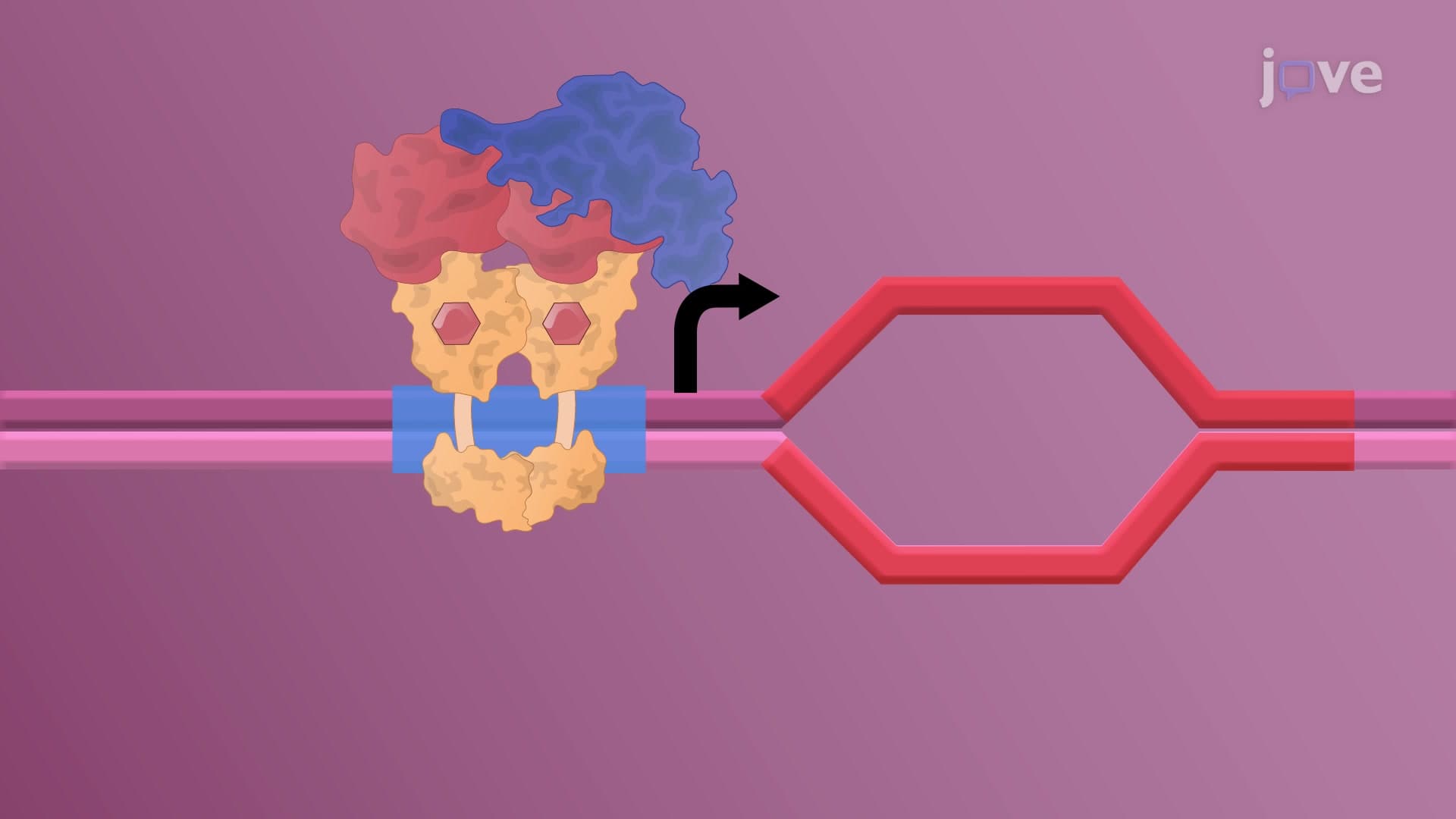
Targets for drug action represent the fundamental principle underlying all pharmacotherapy, the idea that medications must interact with specific molecular structures to produce their therapeutic effects. These targets are not random; they are carefully selected cellular components that play crucial roles in normal physiological processes. When drugs interact with these targets, they can either enhance, inhibit, or modify the target's normal function, leading to the desired therapeutic outcome.
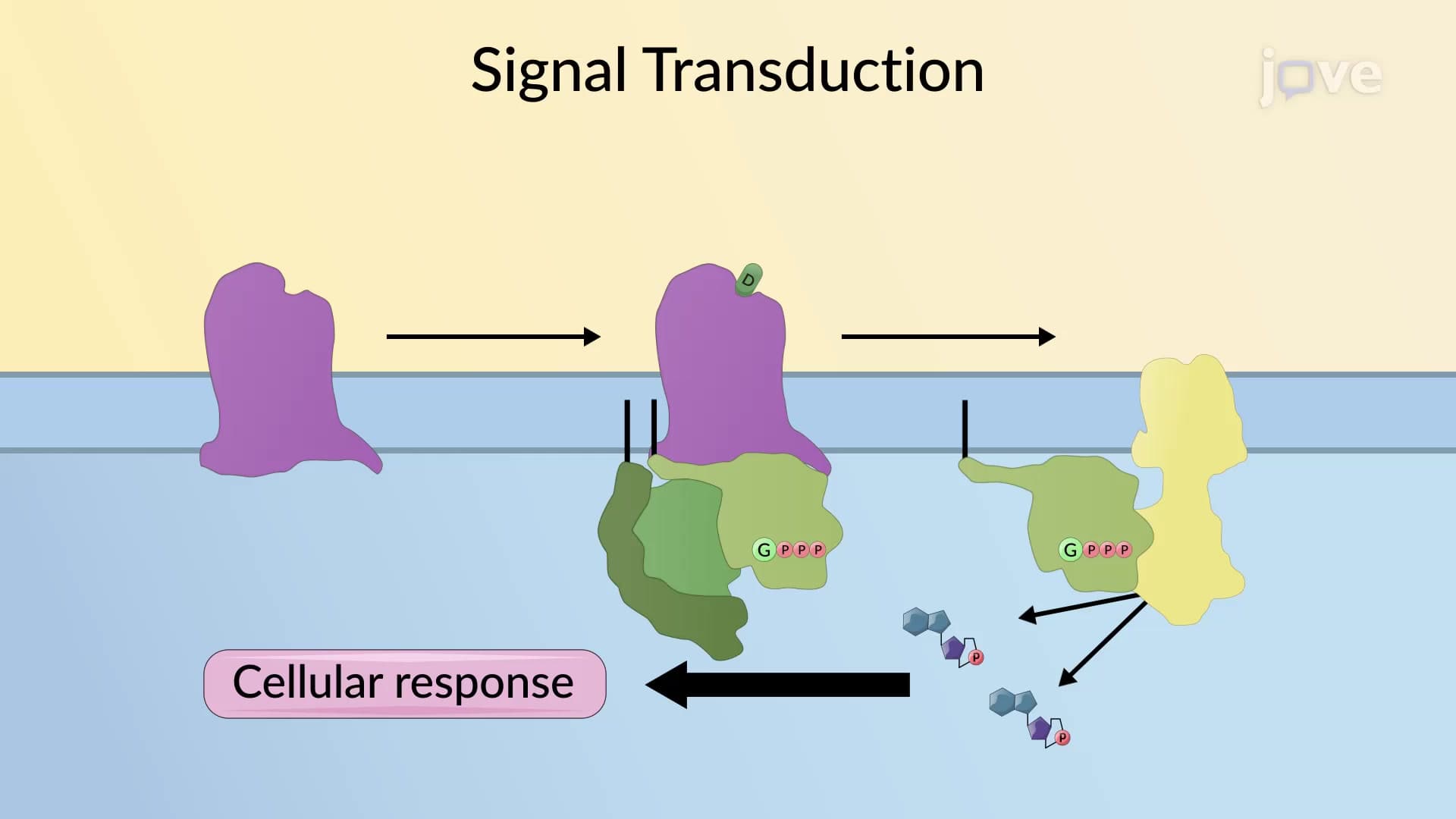
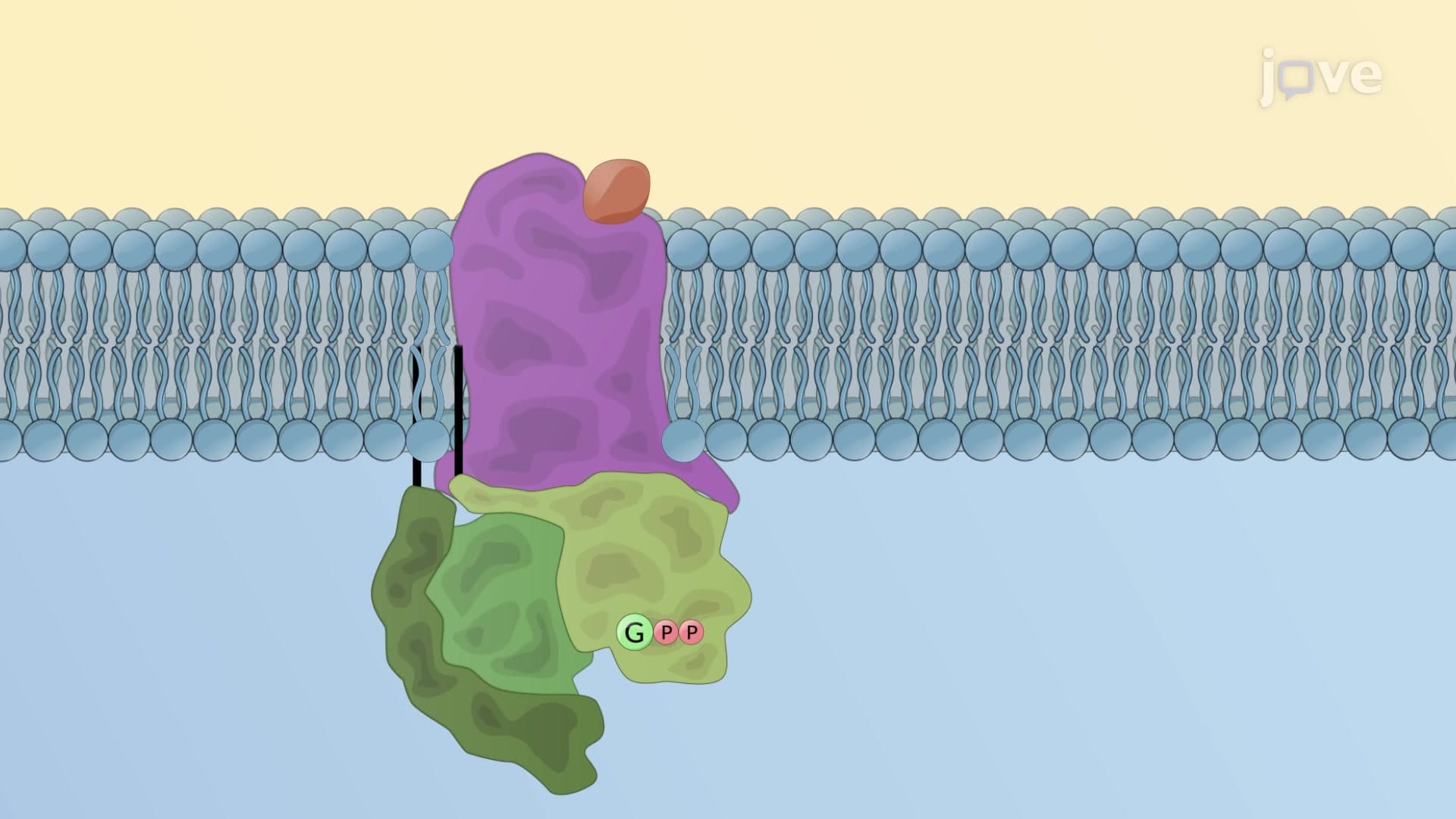
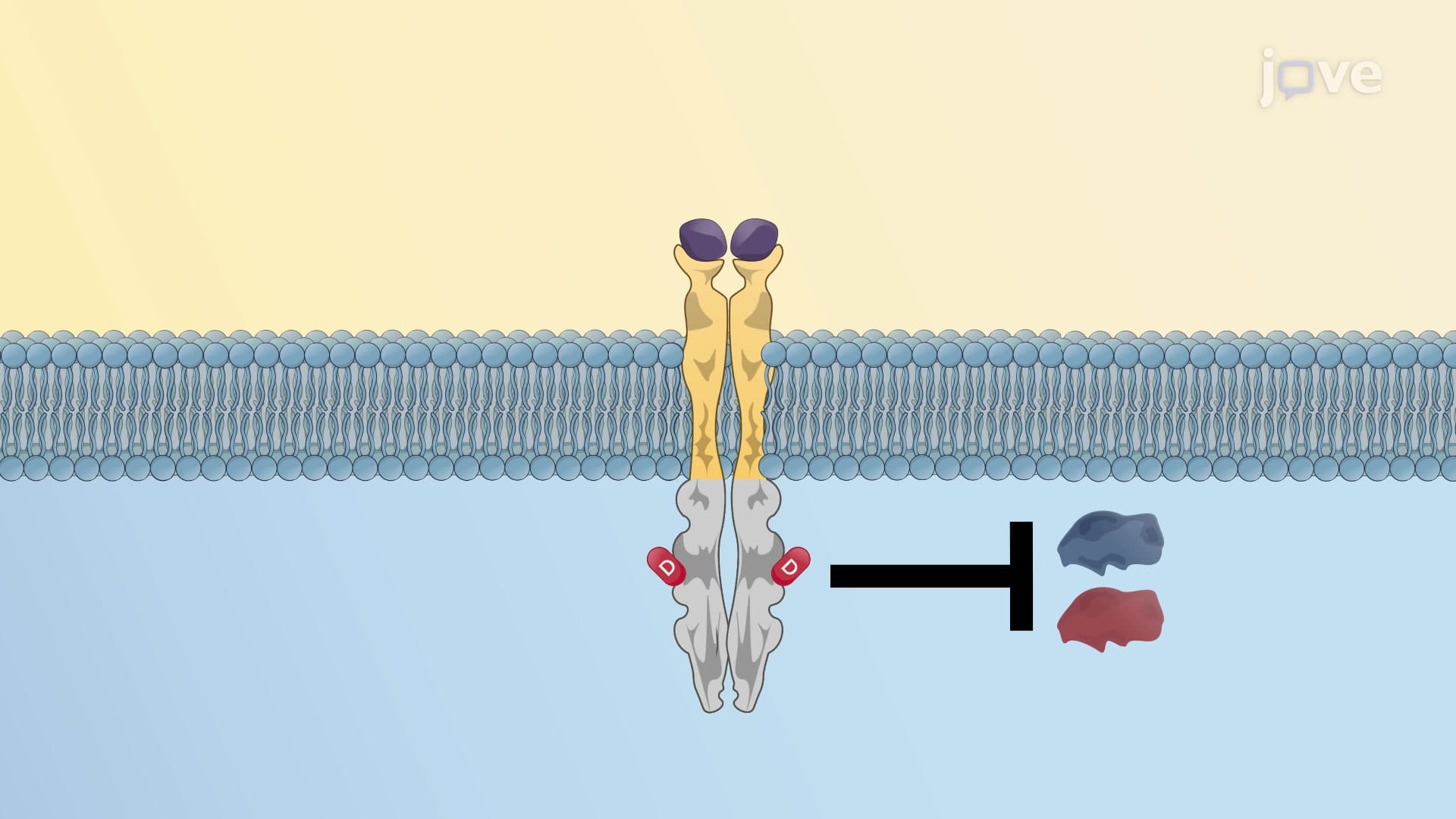
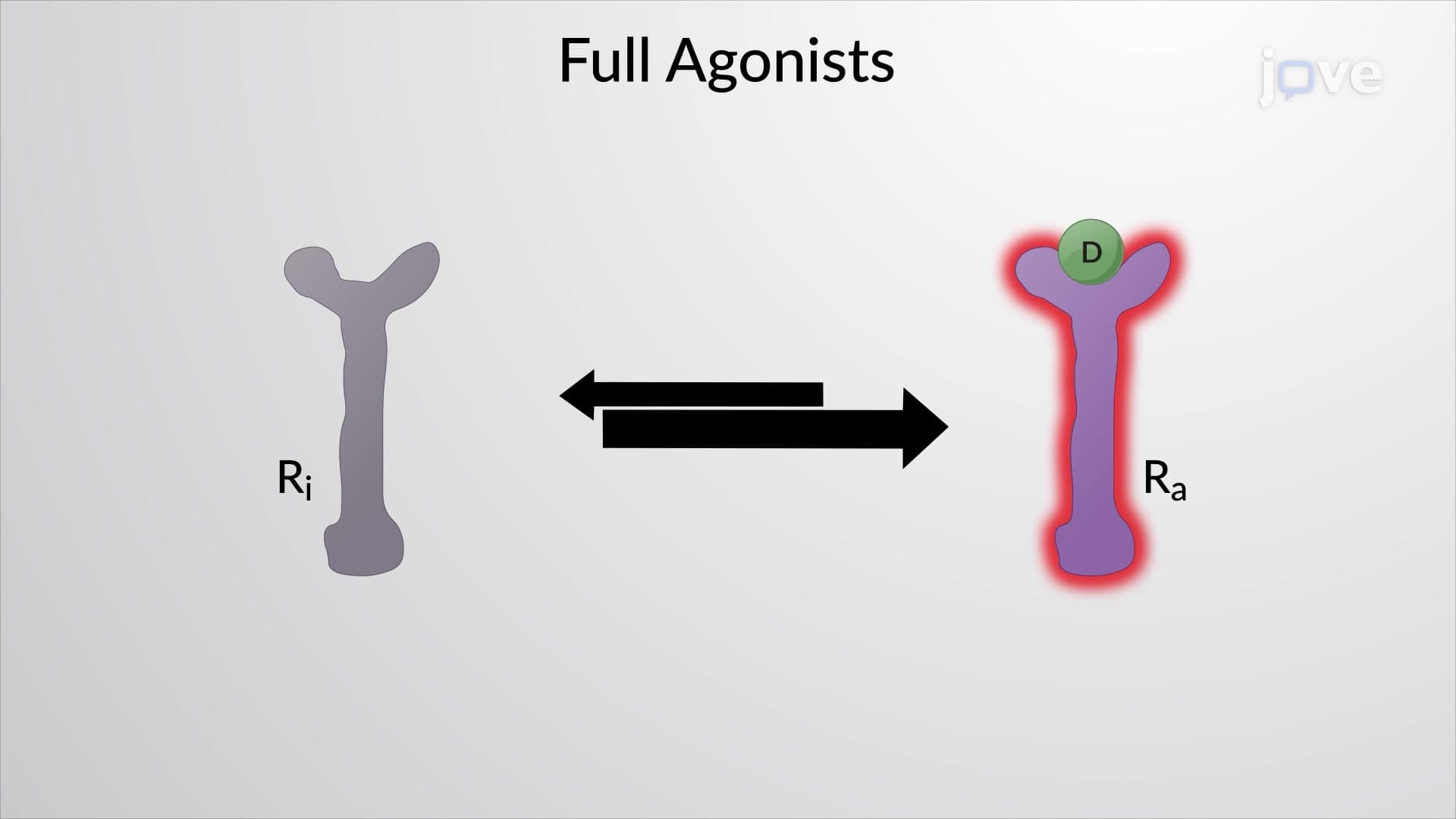
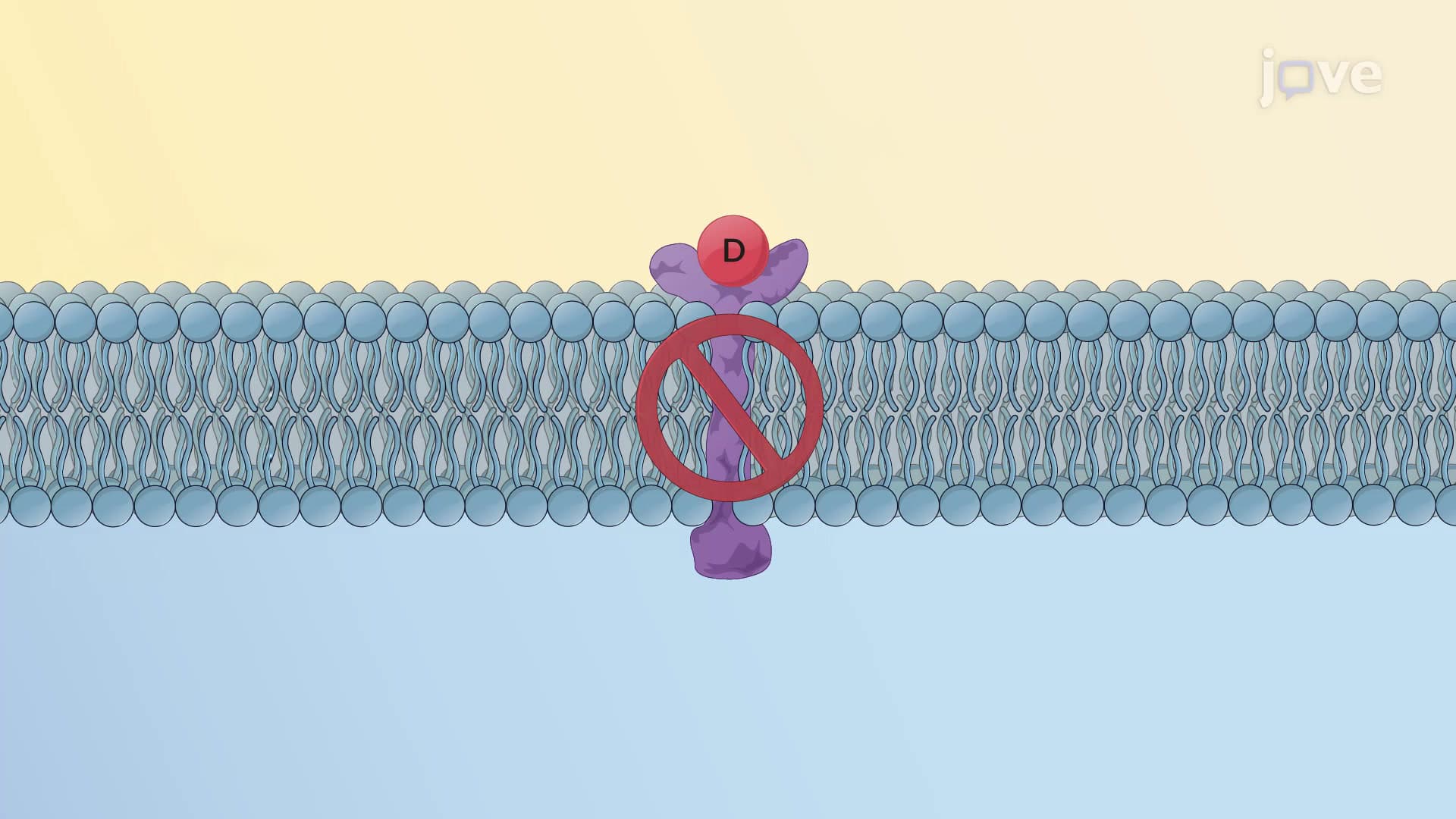
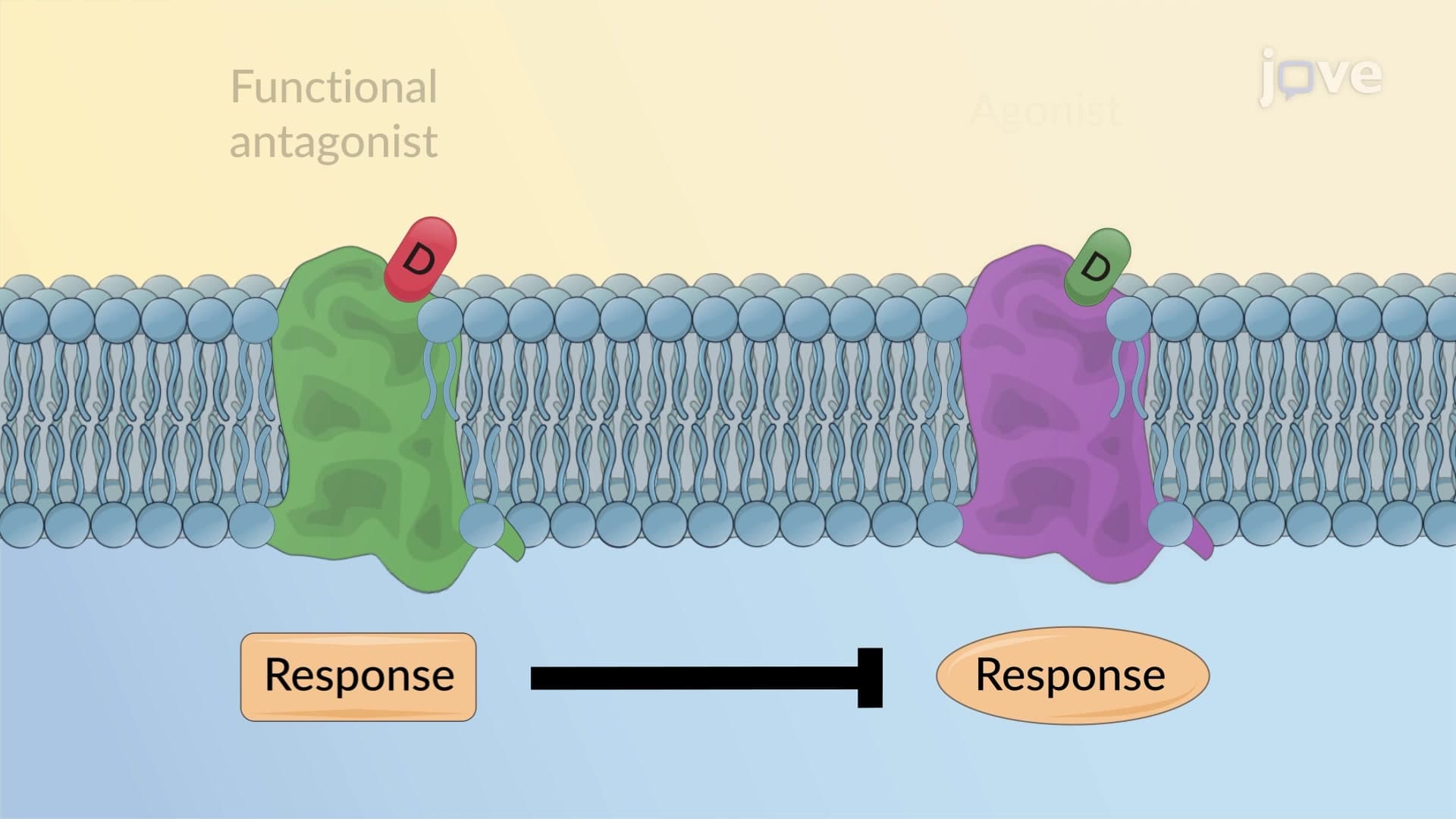
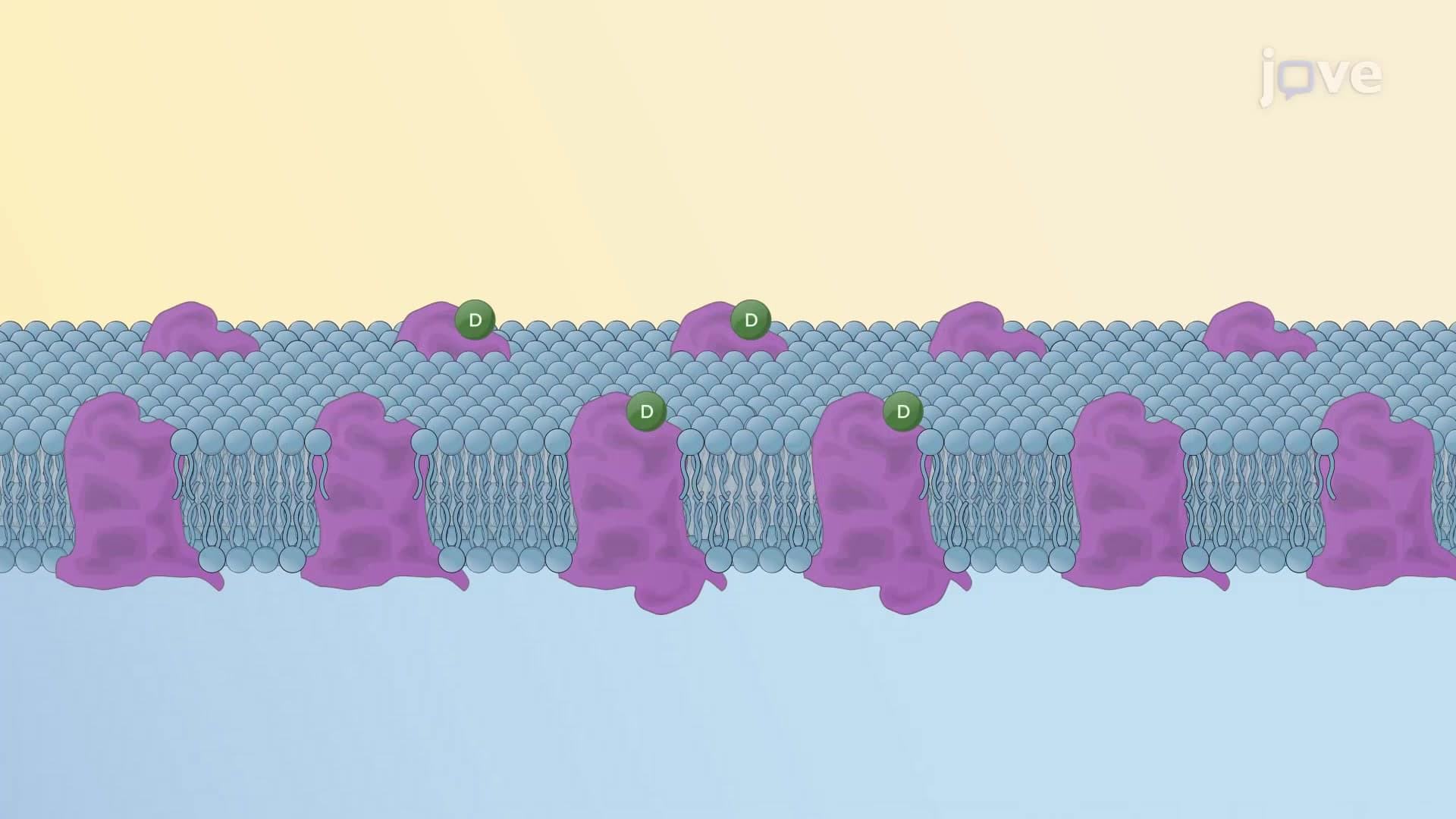
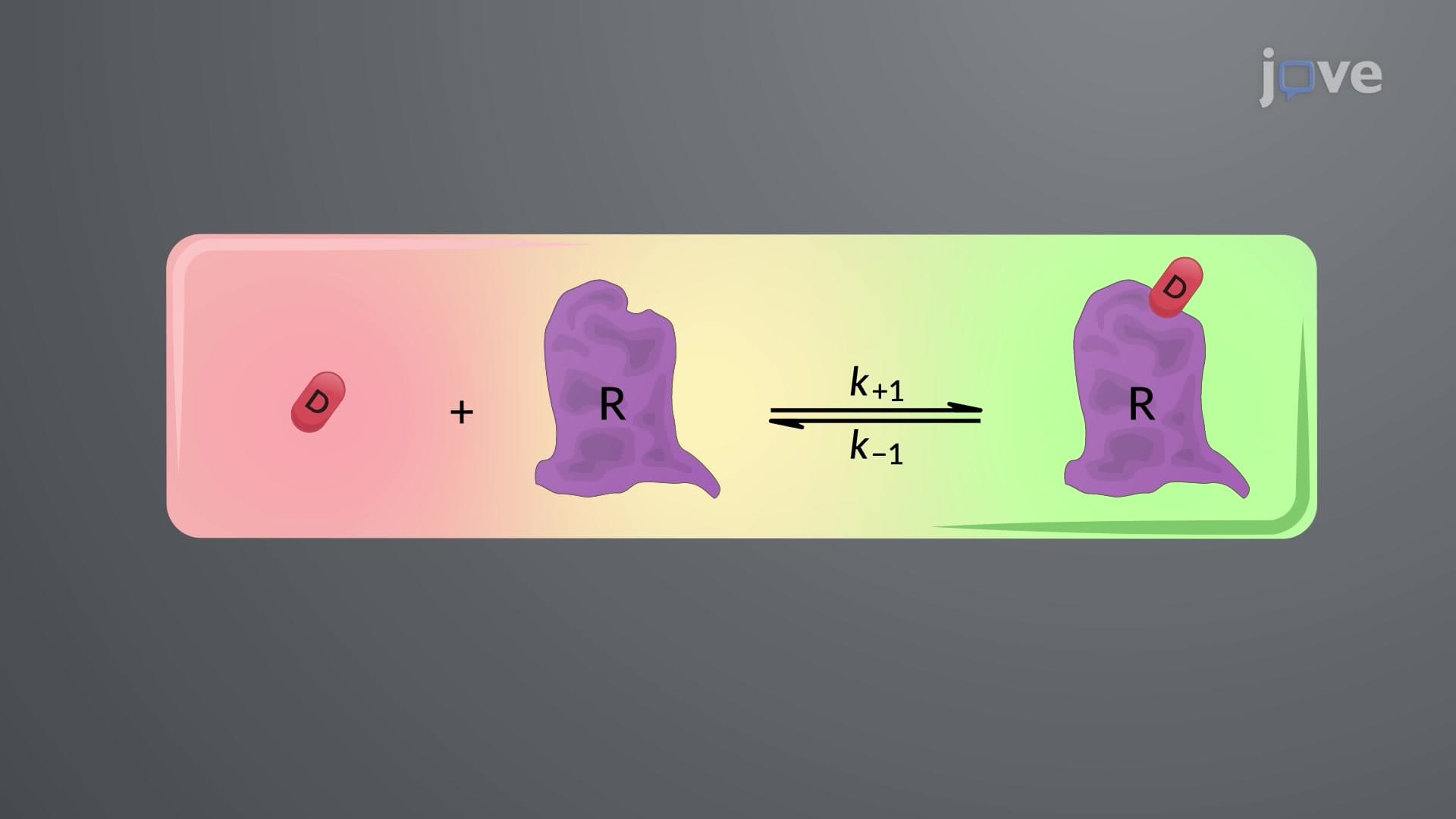
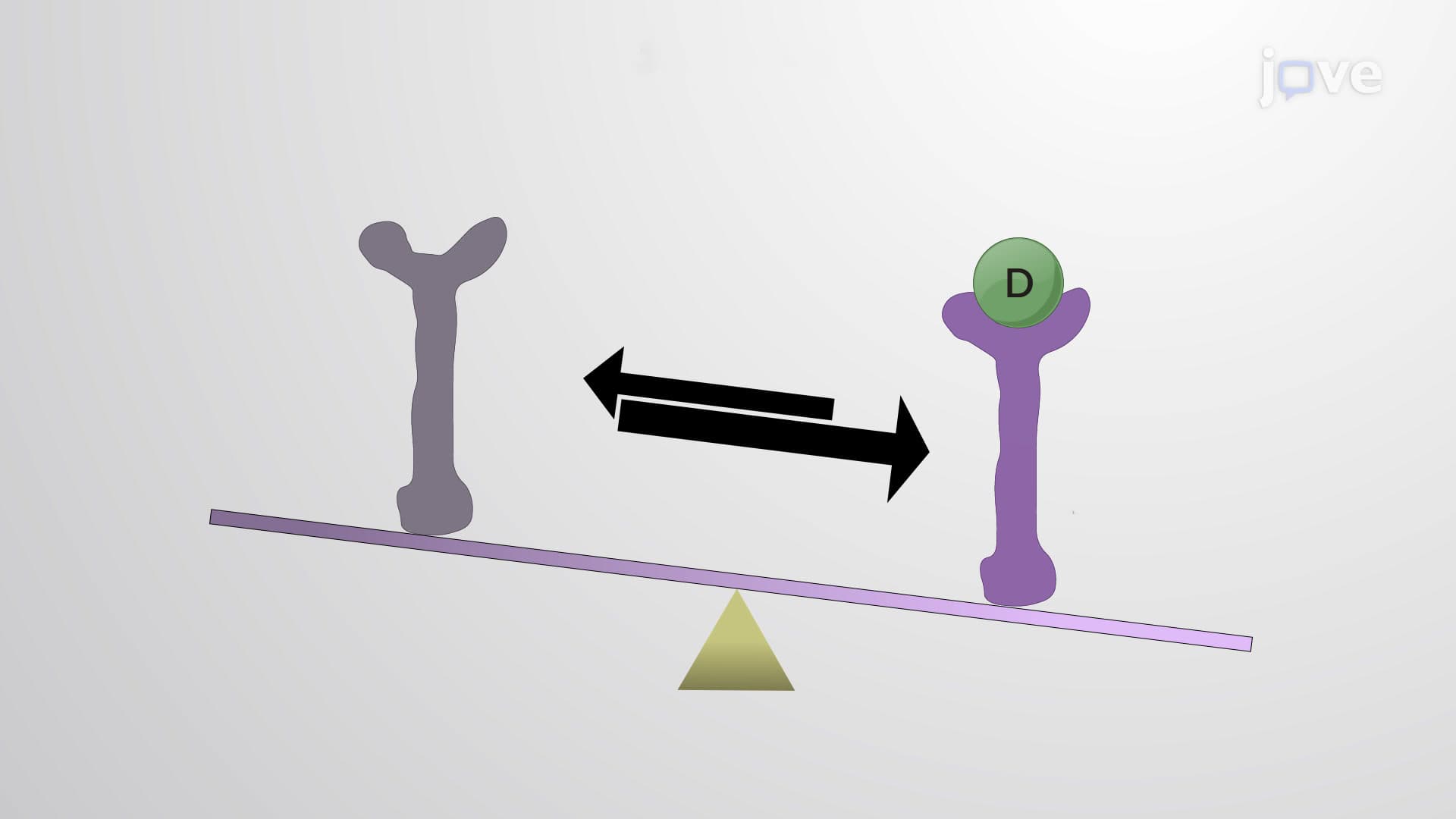
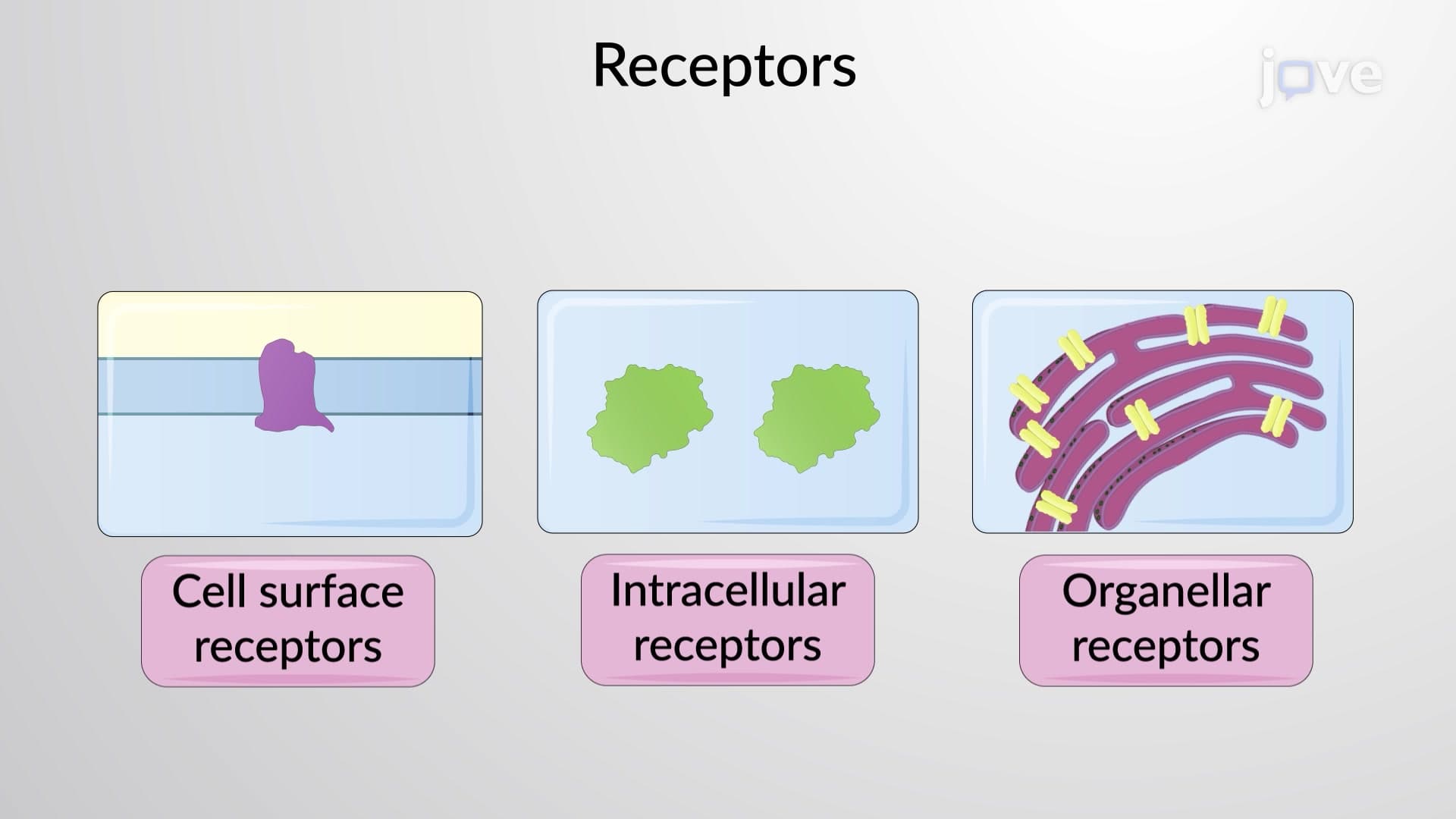
Receptors serve as the most common targets for drug action, accounting for approximately 50% of all therapeutic medications. These protein structures can be located on cell surfaces, within the cytoplasm, or associated with internal cellular organelles. Agonist drugs, such as morphine binding to opioid receptors, mimic the body's natural signaling molecules and activate the same pathways as endogenous compounds. Conversely, antagonist drugs like naloxone block these same receptors, preventing activation and serving as antidotes to opioid overdoses.
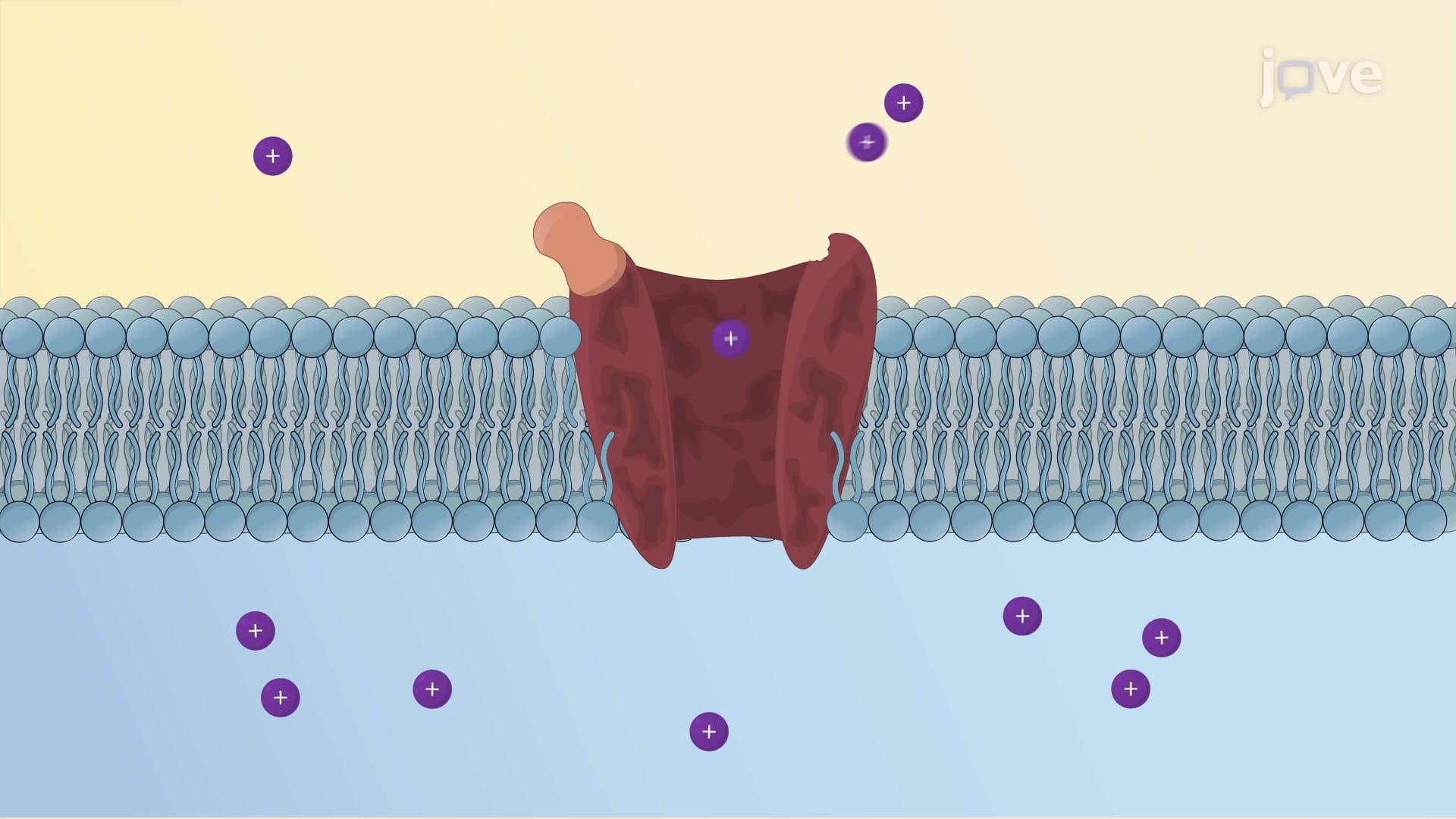
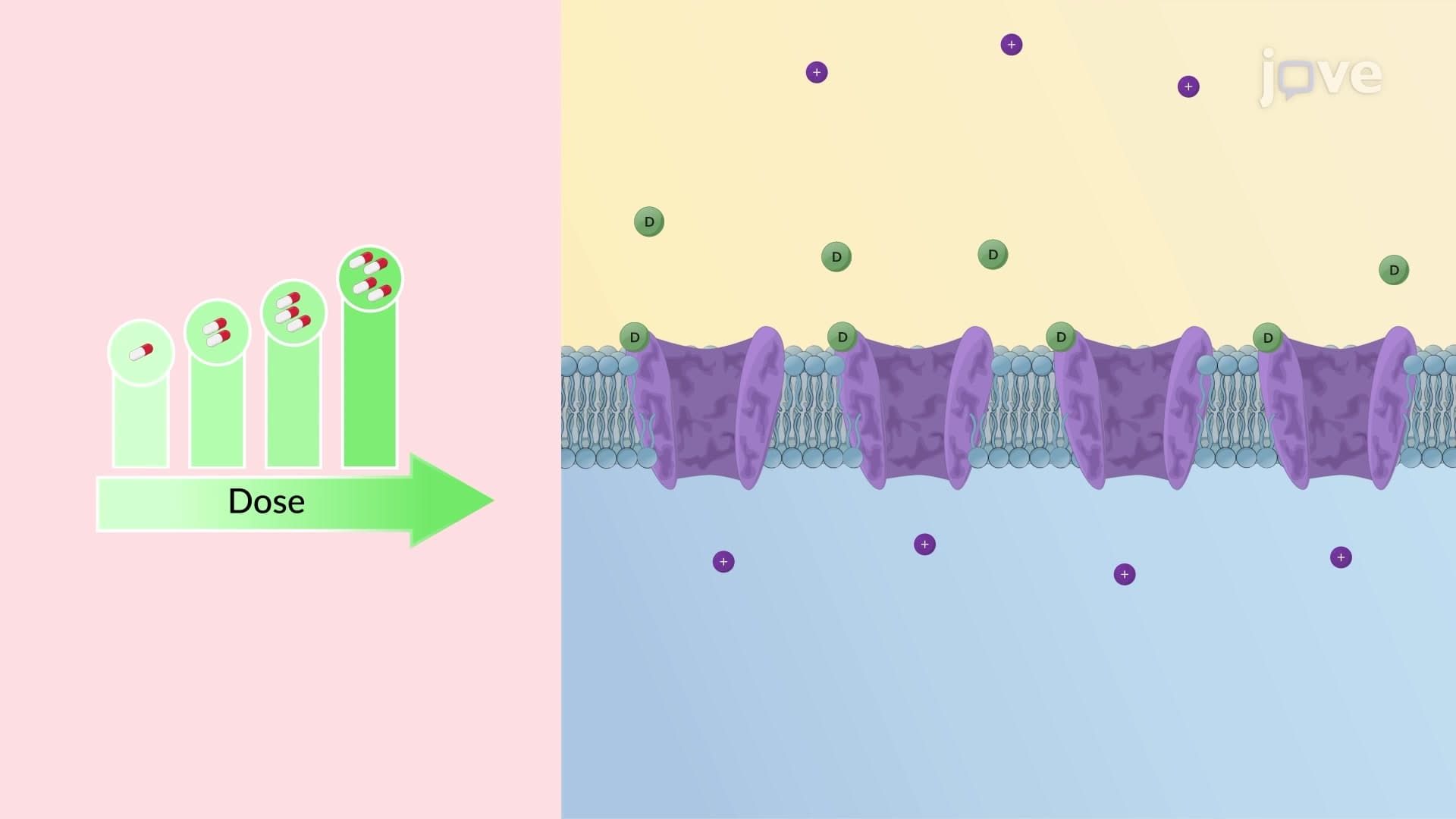
Ion channels represent another critical category of drug targets, particularly important in treating neurological and cardiac conditions. Local anesthetics like lidocaine work by blocking sodium channels in nerve cell membranes, preventing the propagation of pain signals. Similarly, calcium channel blockers used in treating hypertension prevent calcium ions from entering smooth muscle cells in blood vessel walls, causing vasodilation and reduced blood pressure.
Transporters and enzymes complete the quartet of primary drug targets. Selective serotonin reuptake inhibitors (SSRIs) like fluoxetine target serotonin transporters, blocking the reuptake of this neurotransmitter and increasing its availability in synaptic spaces. Enzyme targets include medications like aspirin, which irreversibly inhibits cyclooxygenase enzymes, reducing inflammation and pain by preventing prostaglandin synthesis.
Understanding drug targets is essential for success in advanced placement biology, pre-medical coursework, and professional examinations like the MCAT and USMLE. Students should focus on memorizing the four main target categories and be able to provide specific examples of drugs for each category. This knowledge directly applies to pharmacology sections of nursing exams like NCLEX and medical school curricula, where understanding mechanism of action is crucial for safe medication administration and patient care.
Related Micro-courses