Loading…
Loading video…

70,900 views
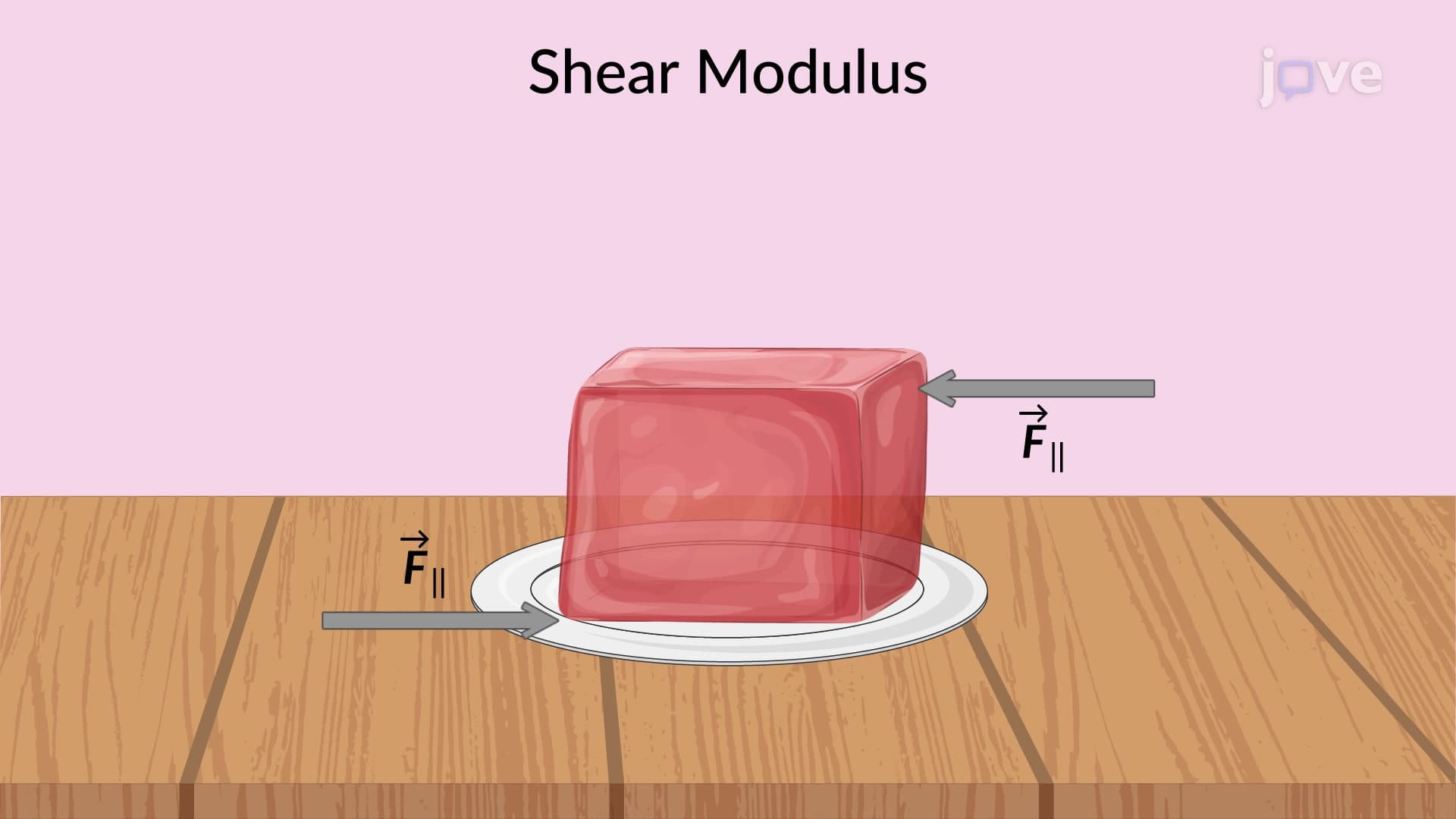
Ever wonder why gelatin desserts wobble when you touch them? Problem solving on stress and strain reveals the physics behind this everyday phenomenon. When engineers design earthquake-resistant buildings in California, they apply these same principles to understand how materials deform under force. The Problem Solving On Stress And Strain Explained approach breaks down complex material behavior into measurable quantities like shear stress, strain, and modulus. Watch the full video on JoVE Coach to master this concept with expert-led visuals and step-by-step explanations.
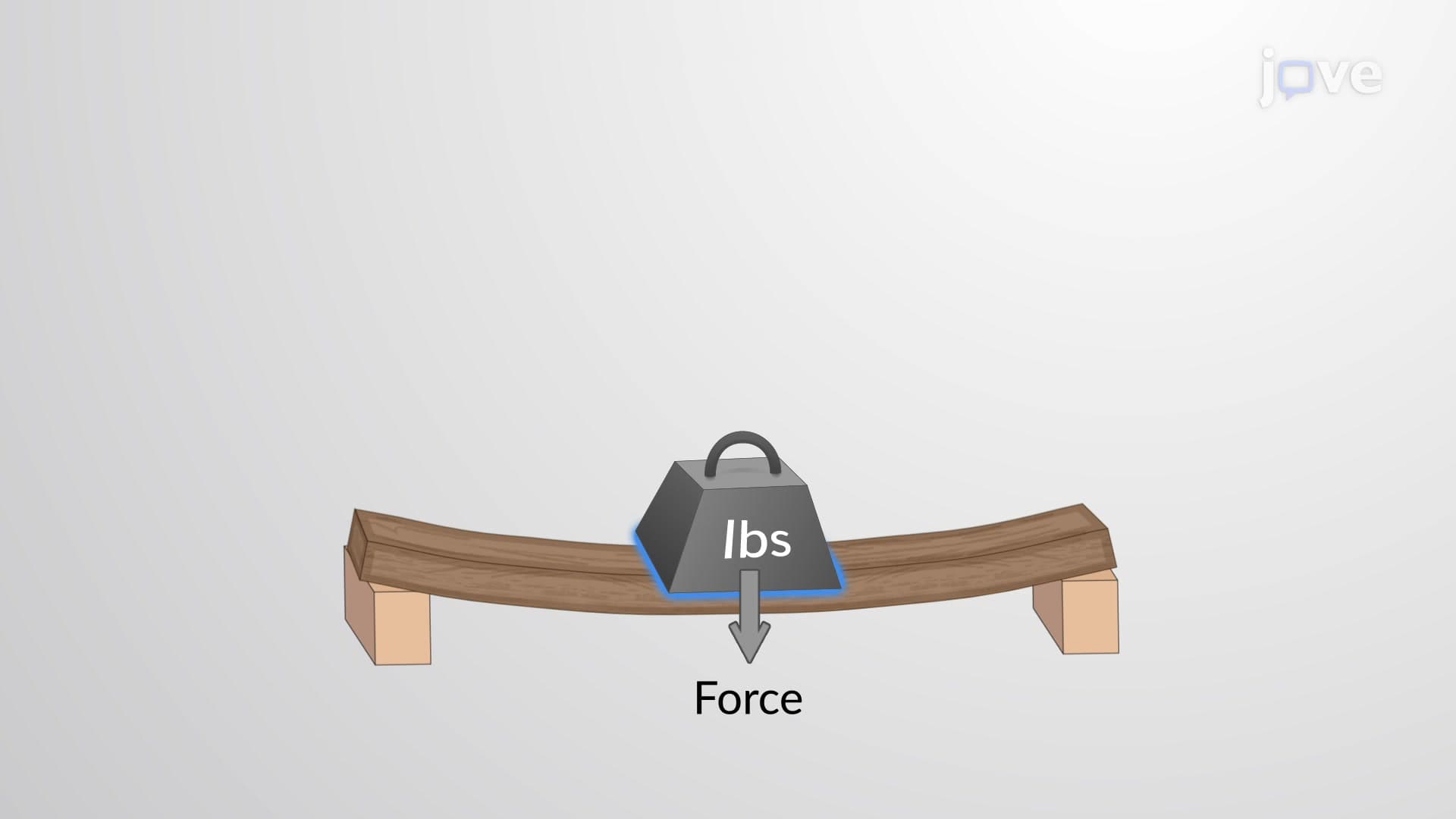
Stress and strain analysis forms the backbone of materials engineering and physics. When solving problem solving on stress and strain scenarios, we examine how materials respond to applied forces. Stress represents the internal resistance a material develops when subjected to external forces, while strain measures the resulting deformation. This fundamental relationship helps engineers design everything from smartphone screens to bridge cables.
Shear stress occurs when forces act parallel to a material's surface, causing layers to slide past each other. The formula is straightforward: shear stress = applied force ÷ cross-sectional area. In our gelatin example, a 0.50 N force applied to the top surface creates shear stress throughout the material. This concept appears frequently on AP Physics exams and college mechanics courses, where students must identify force directions and calculate stress magnitudes. Real-world applications include analyzing how wind forces affect skyscraper facades in Chicago or how tectonic forces create fault lines in California.
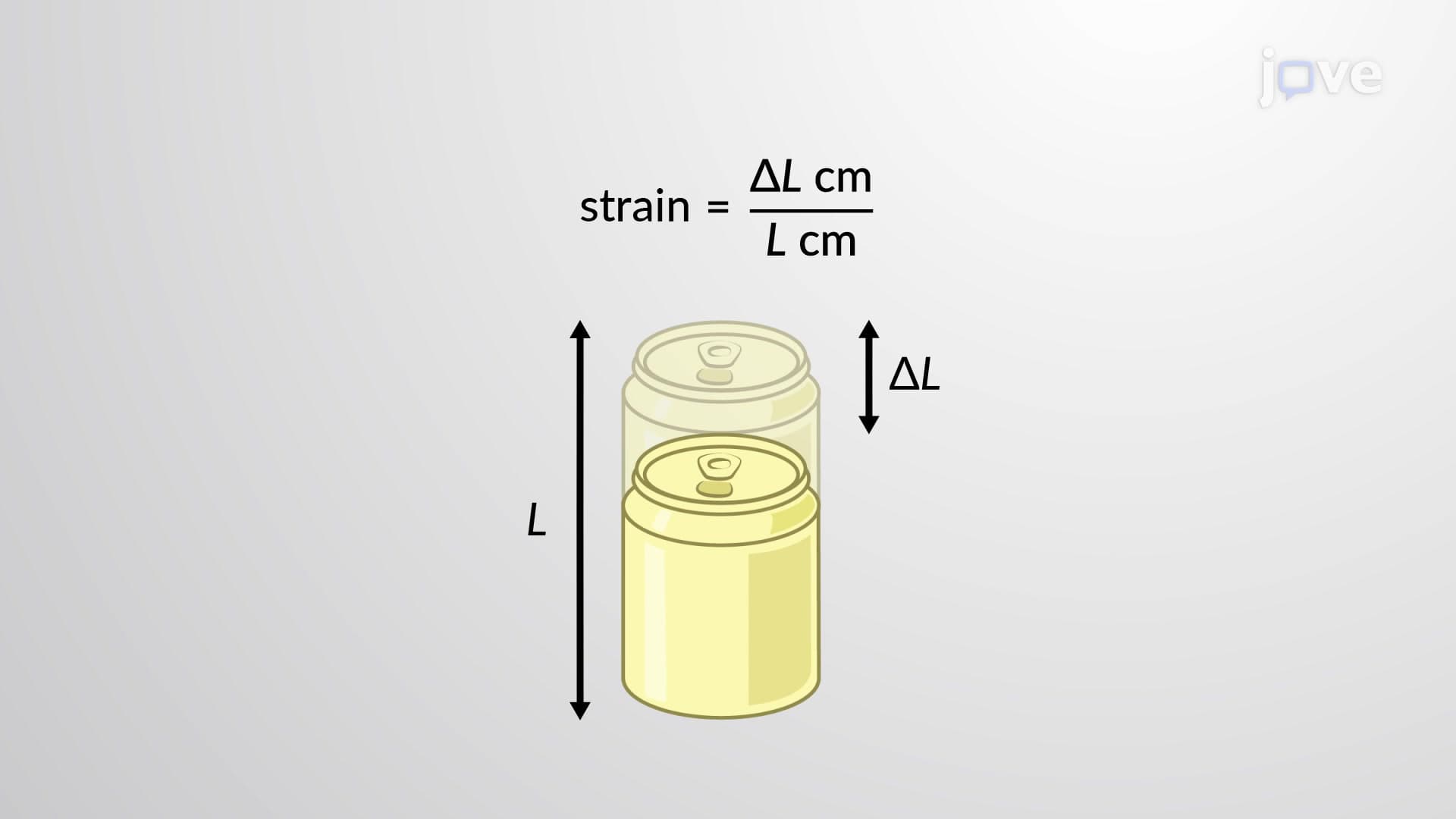
Shear strain quantifies how much a material deforms relative to its original shape. Unlike normal strain (stretching or compression), shear strain involves angular distortion. When the gelatin's top surface displaces 0.5 cm while the bottom remains fixed, we calculate strain as the displacement divided by the material's height. This dimensionless quantity helps predict material failure and appears in MCAT physics sections. NASA engineers use similar calculations when designing spacecraft heat shields that must withstand extreme thermal stress during atmospheric reentry.
The shear modulus represents a material's resistance to shear deformation. By dividing shear stress by shear strain, we obtain a fundamental material property that remains constant for elastic deformation. High shear modulus materials like steel resist deformation, while low modulus materials like rubber deform easily. This problem solving on stress and strain concept helps students understand why different materials behave distinctly under identical loading conditions. Civil engineers rely on shear modulus values when selecting materials for earthquake-resistant construction in seismically active regions like the San Francisco Bay Area.
Frequently Asked Questions
Problem solving on stress and strain is a systematic approach to analyzing how materials deform under applied forces. It's crucial because it helps predict material failure, optimize engineering designs, and understand everyday phenomena from building stability to product durability. This knowledge forms the foundation for advanced engineering courses and professional practice.
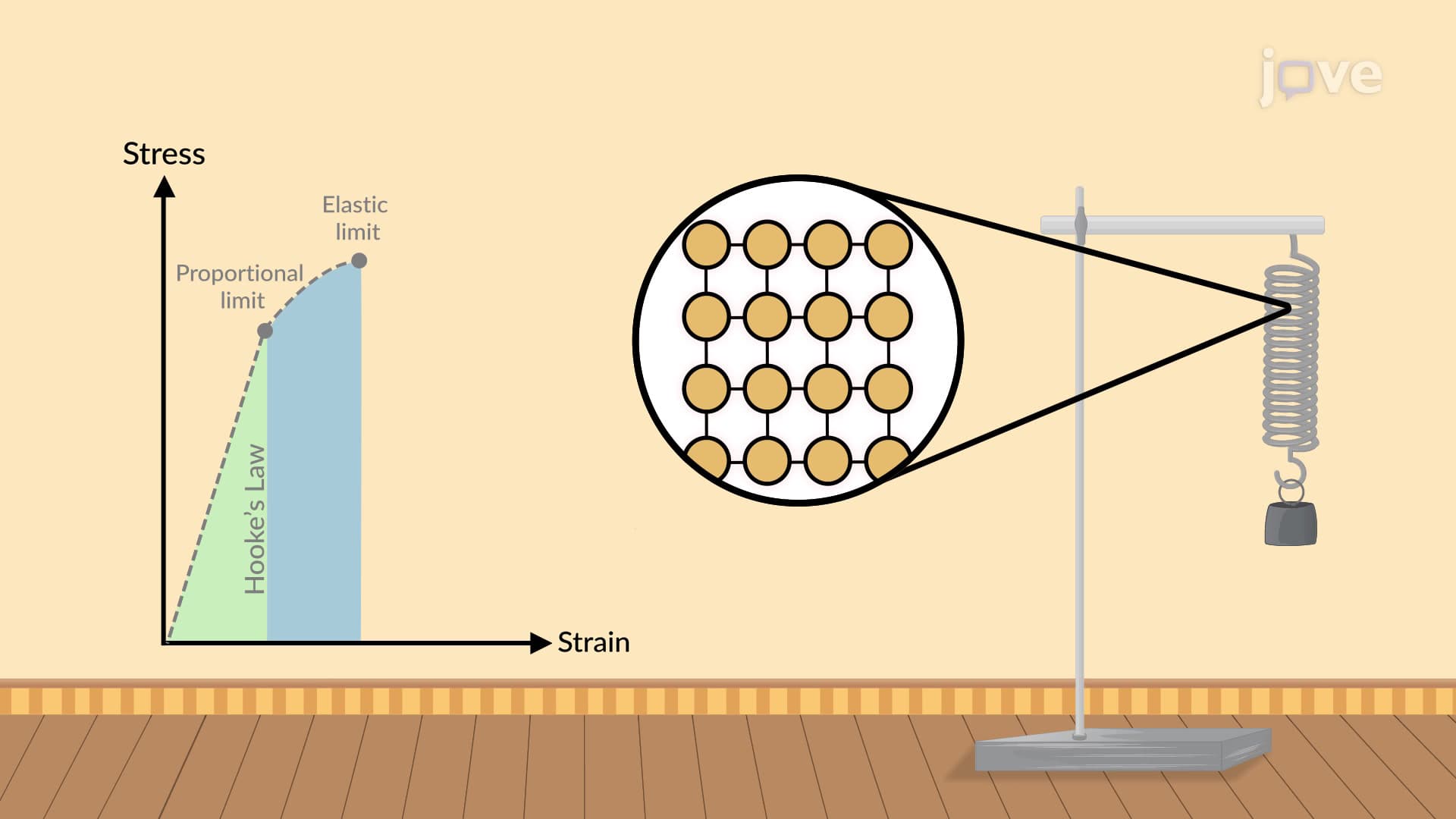
AP Physics C: Mechanics frequently includes stress-strain problems involving elastic deformation, Young's modulus calculations, and material property analysis. Students must apply formulas, interpret graphs, and solve multi-step problems involving force analysis and geometric relationships. Practice with dimensional analysis and unit conversions is essential for success.
The MCAT Physics section includes problems involving elastic properties of materials, stress-strain relationships in biological tissues, and mechanical properties of bones and cartilage. Questions often combine physics principles with biological applications, requiring understanding of how living tissues respond to mechanical loads and deformation.
Structural engineers use stress-strain analysis to design earthquake-resistant buildings in California, aerospace engineers apply these principles to aircraft wing design, and biomedical engineers analyze joint replacement implants. The Golden Gate Bridge's cable design, Tesla's vehicle chassis engineering, and NASA's rocket components all rely on sophisticated stress-strain calculations to ensure safety and performance.
Basic algebra and geometry are sufficient for introductory stress-strain problems. You'll work with ratios, proportions, and simple formulas involving force, area, and displacement. Most high school students can master these concepts with practice, though calculus becomes important in advanced engineering applications.
Start by identifying the type of stress (normal, shear, or combined), draw clear force diagrams, list known and unknown quantities, and choose appropriate formulas. Practice dimensional analysis to catch calculation errors, and always check if your final answer makes physical sense. Work through practice problems systematically to build confidence.
Progress to advanced topics like fatigue analysis, fracture mechanics, composite material behavior, and finite element analysis. These subjects appear in mechanical engineering curricula at schools like MIT and Stanford, and they're essential for careers in automotive, aerospace, and structural engineering industries.
Related Micro-courses
Related Subjects
 Math Fundamentals 11 micro-courses›
 Statistics 17 micro-courses›