Loading…
Loading video…

70,900 views
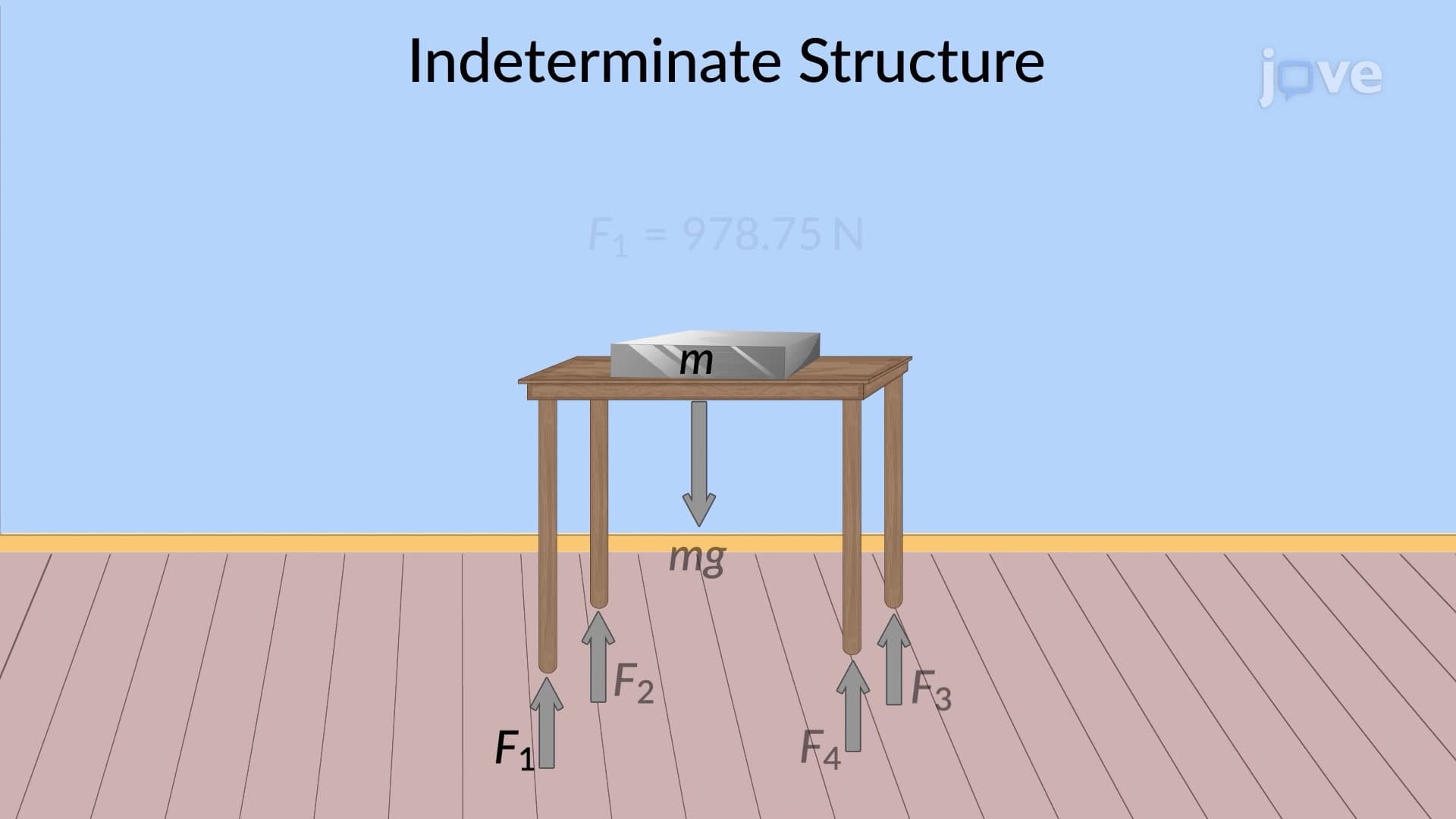
Ever wonder why some bridges require complex engineering calculations that seem impossible to solve with basic physics? An indeterminate structure defies simple static equilibrium equations, requiring advanced analysis techniques to determine internal forces and reactions. Consider a wobbly restaurant table in Chicago that becomes perfectly stable when weight is applied—the redistribution of forces among its legs creates an indeterminate system where traditional force balance equations aren't sufficient. This fundamental concept appears throughout structural engineering, from skyscrapers in Manhattan to suspension bridges like San Francisco's Golden Gate Bridge. Watch the full video on JoVE Coach to master this concept with expert-led visuals and step-by-step explanations.
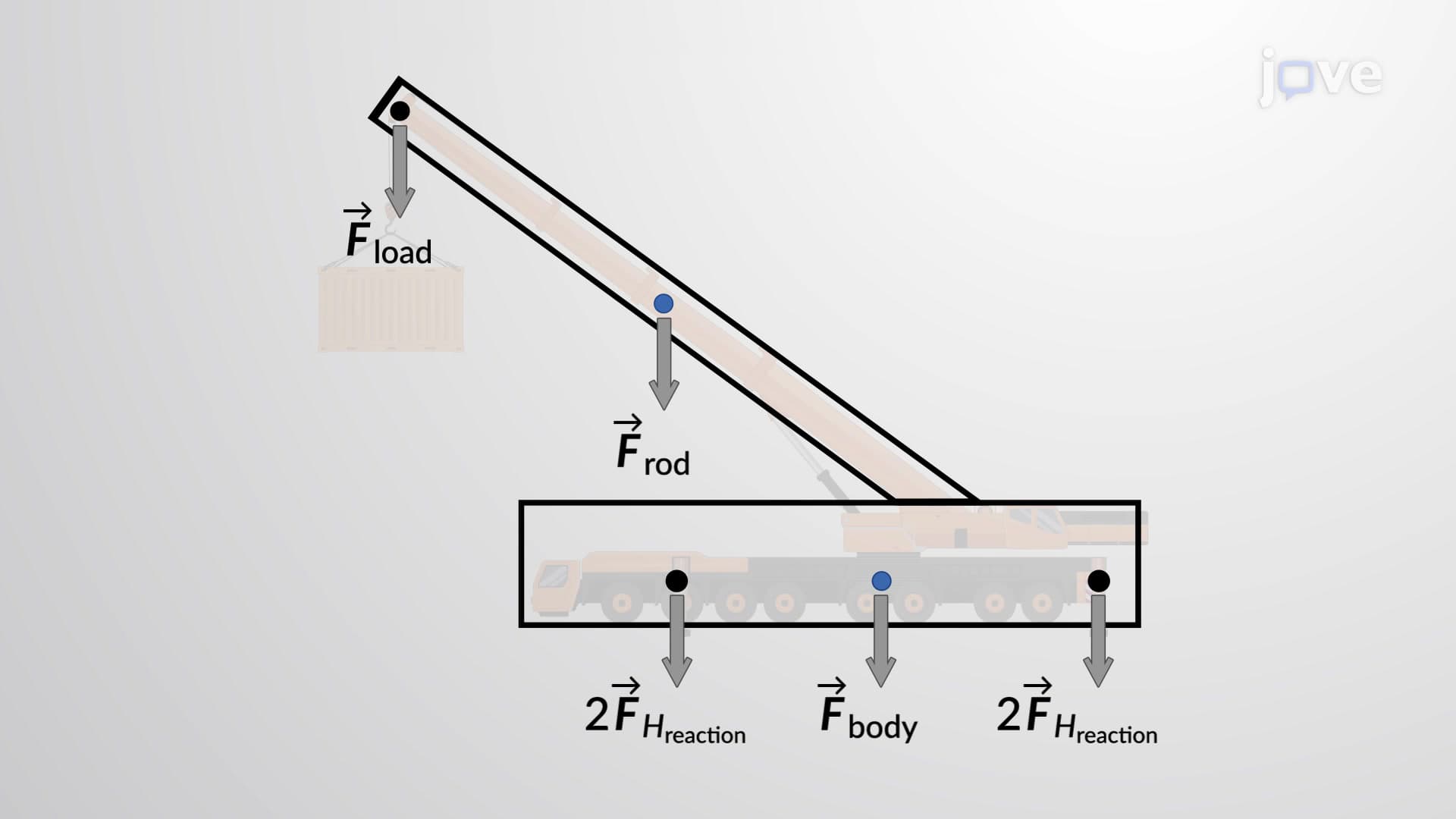
An indeterminate structure represents a fundamental concept in structural engineering where the number of unknown forces exceeds the number of available equilibrium equations. Unlike determinate structures that can be solved using only static equilibrium (ΣFx = 0, ΣFy = 0, ΣM = 0), indeterminate structures require additional relationships involving material properties and deformation compatibility.
The indeterminate structure definition becomes clearer when we consider that these systems have more constraints or supports than necessary for basic stability. This redundancy creates multiple load paths, making the structure more robust but analytically more complex. For students preparing for AP Physics or college engineering courses, understanding this distinction is crucial for advanced structural analysis.
When examining what is indeterminate structure in detail, we must understand that solving these systems requires combining equilibrium equations with compatibility equations. These compatibility equations relate deformations using material properties like Young's modulus, ensuring that connected parts of the structure deform consistently.
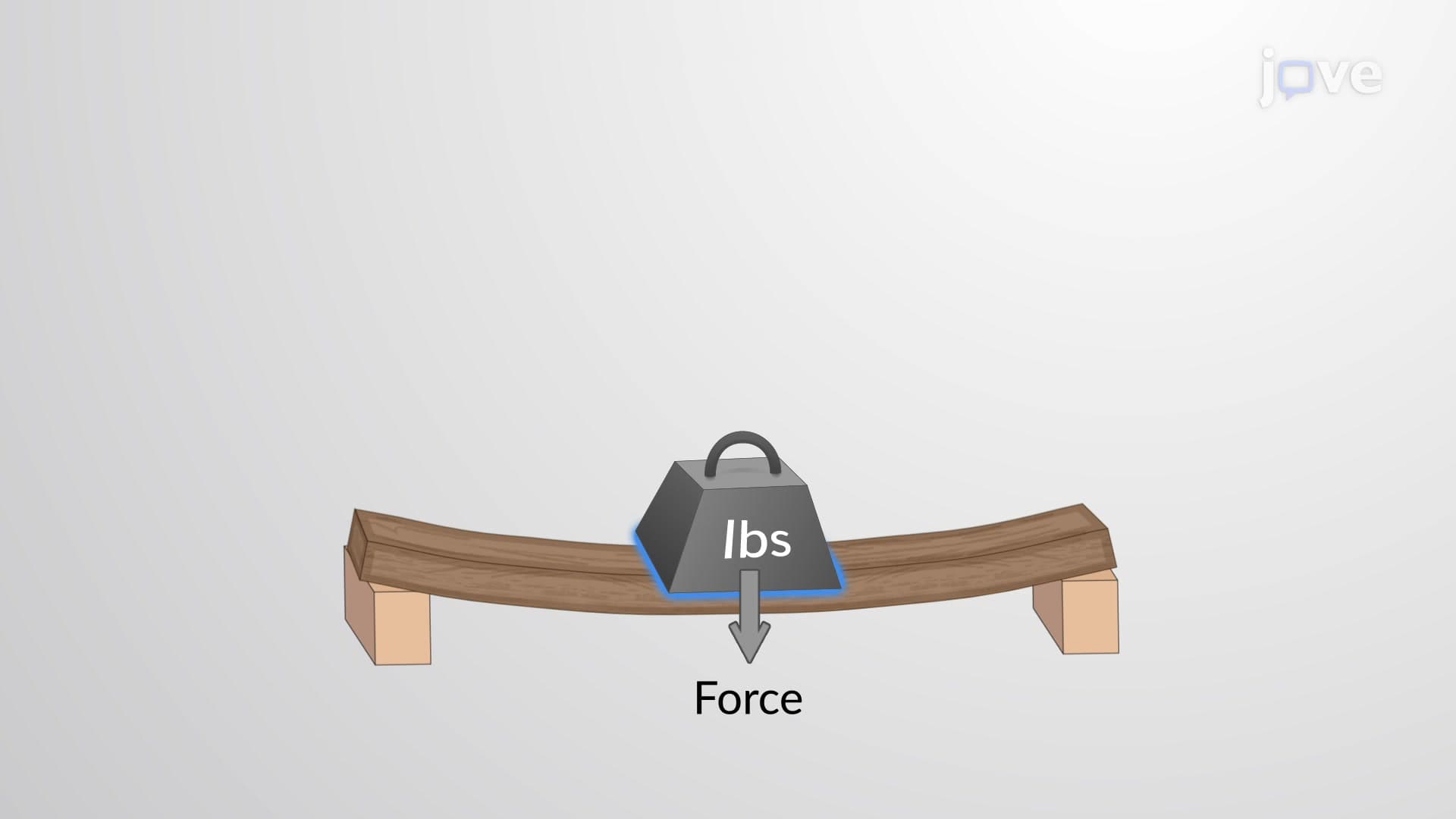
The classic wobbly table example illustrates this perfectly. When three legs are 2 meters long and one is 0.5 mm longer, applying a 300 kg load creates an indeterminate system. The longer leg initially carries more load, but as forces redistribute through compression, all legs eventually share the weight. Using Young's modulus (E = 1.3 × 10^10 N/m²), engineers can calculate the exact force distribution.
Indeterminate structure concepts appear throughout American infrastructure. The Brooklyn Bridge in New York demonstrates indeterminate behavior through its multiple cable and truss systems. When one load path experiences stress, forces redistribute through alternative paths, preventing catastrophic failure.
Modern skyscrapers in cities like Chicago rely heavily on indeterminate structural design. The Willis Tower (formerly Sears Tower) uses bundled tube construction where multiple structural elements work together, creating redundant load paths that ensure stability even if individual components are compromised.
For students taking the MCAT or preparing for engineering programs, indeterminate structure basics form the foundation for advanced topics like finite element analysis and structural optimization. The SAT Subject Test in Physics may include conceptual questions about structural stability, while AP Physics C students encounter these principles when studying elasticity and deformation.
Understanding indeterminate structure overview concepts prepares students for college-level structural engineering courses, where more sophisticated analysis methods like the method of consistent deformations and moment distribution become essential tools for solving complex structural problems.
Frequently Asked Questions
An indeterminate structure cannot be solved using only static equilibrium equations because it has more unknown forces than available equations. Unlike determinate structures where equilibrium alone suffices, indeterminate structures require additional compatibility equations involving material properties and deformation relationships to find all internal forces and reactions.
Yes, indeterminate structure concepts commonly appear on AP Physics C exams, particularly in elasticity and structural mechanics problems. College engineering courses extensively cover these topics, and the MCAT includes related questions about structural stability and force distribution in biological and engineered systems.
These problems typically require combining multiple physics concepts including equilibrium, material properties, and deformation analysis. Most college physics and engineering programs introduce indeterminate structures after students master basic statics, making them manageable with proper preparation and practice.
Common US examples include the Golden Gate Bridge's suspension system, high-rise buildings in Manhattan with redundant structural elements, and multi-span highway bridges across the Mississippi River. These structures use multiple load paths and supports, creating indeterminate systems that provide enhanced safety through redundancy.
Absolutely! The basic concepts involve applying equilibrium equations and simple relationships like Hooke's law. While advanced analysis requires calculus, high school students can grasp fundamental principles and solve introductory problems using algebra and basic physics principles learned in AP Physics courses.
Advanced topics include the method of consistent deformations, moment distribution methods, and matrix structural analysis. These concepts prepare students for professional engineering programs and courses in finite element analysis, which are essential for modern structural design software used throughout the US construction industry.
Focus on understanding the relationship between equilibrium equations, compatibility requirements, and material properties. Practice identifying when structures become indeterminate and work through examples combining Young's modulus calculations with force balance equations. Create summary sheets connecting these concepts to real-world engineering applications.
Related Micro-courses
Related Subjects
 Math Fundamentals 11 micro-courses›
 Statistics 17 micro-courses›