Loading subject page…

- Physics
- Equilibrium and Elasticity
- Finding the Center of Gravity
Micro-course: Equilibrium and Elasticity
70,900 views
Learn key concepts and earn your certificate.


Finding the Center of Gravity

00:00
01:03
Video Summary: Finding the Center of Gravity Explained
Ever wonder why a tightrope walker holds a long pole for balance? Finding the center of gravity is the physics principle that explains this balancing act and countless other phenomena around us. From NASA engineers calculating spacecraft stability to architects designing earthquake-resistant buildings like San Francisco's Transamerica Pyramid, this fundamental concept shapes our world. The process involves suspending objects from multiple points and using plumb lines to locate where gravitational forces converge. Watch the full video on JoVE Coach to master this concept with expert-led visuals and step-by-step explanations.
- Understand how finding the center of gravity differs from finding the center of mass in varying gravitational fields
- Identify the experimental method using suspension points and plumb lines to locate an object's center of gravity
- Apply the three-point suspension technique to determine the center of gravity for irregular-shaped objects
- Compare how center of gravity shifts toward stronger gravitational fields while center of mass remains constant
- Analyze the intersection point where multiple plumb line traces meet to pinpoint the exact center of gravity
- Recognize real-world applications in engineering, aerospace, and construction industries
- Evaluate why multiple suspension points (minimum three) are necessary for accurate center of gravity determination
- Explore how gravitational field variations affect the relationship between center of gravity and center of mass
Understanding Finding the Center of Gravity Fundamentals
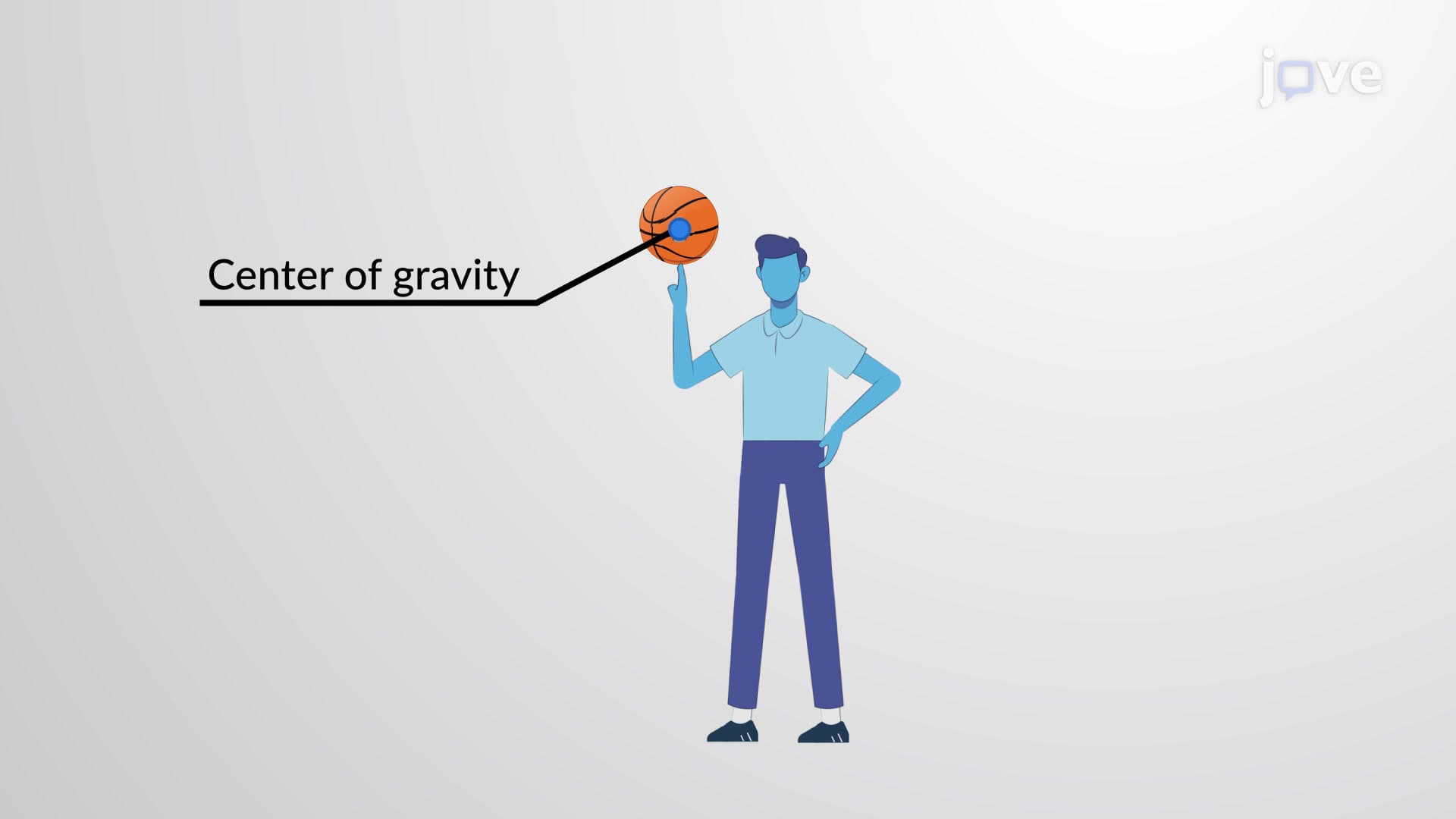
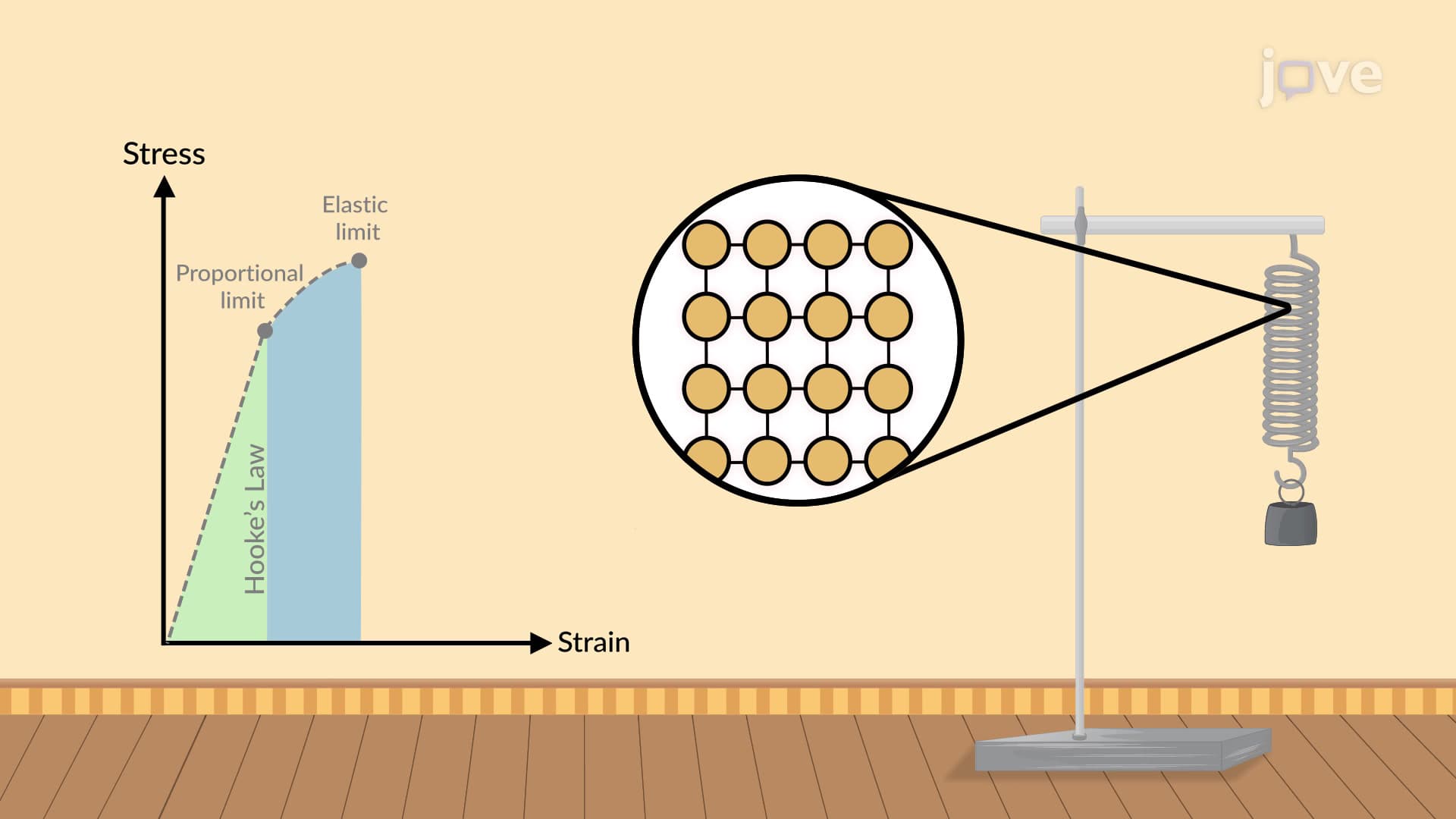
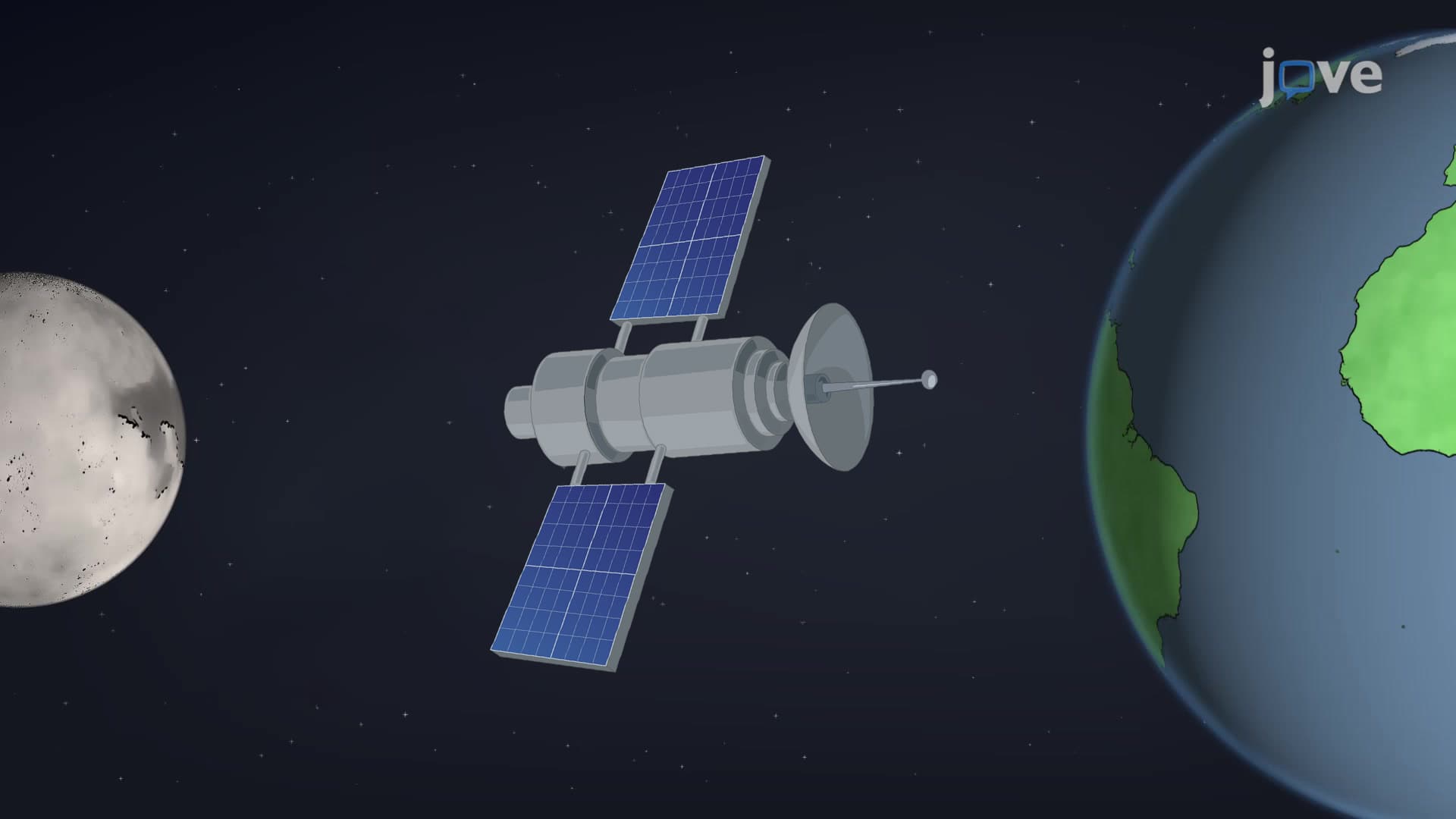
Finding the center of gravity represents one of physics' most practical concepts, bridging theoretical mechanics with real-world engineering applications. Unlike the center of mass, which depends solely on mass distribution, the center of gravity considers how gravitational forces act on an object. In uniform gravitational fields-like those we experience on Earth's surface-these two points coincide. However, in varying fields, such as those encountered by satellites orbiting Earth, the center of gravity shifts toward the stronger gravitational influence while the center of mass remains fixed.
This distinction becomes crucial for aerospace engineers at NASA's Johnson Space Center in Houston, who must calculate precise center of gravity locations for spacecraft and space stations. The International Space Station, for instance, requires constant adjustments as modules are added or cargo is redistributed, directly affecting its center of gravity and orbital stability.
The Experimental Three-Point Method
The suspension method for finding the center of gravity relies on a fundamental principle: a suspended object will always orient itself so its center of gravity lies directly below the suspension point. This creates equilibrium, with gravitational forces balanced around the support.
The three-point technique involves suspending an irregular object from at least three different points, marking where a plumb line falls each time. When you draw lines from each suspension point through these plumb line positions, they intersect at the object's center of gravity. This method works because gravity acts as if concentrated at a single point, creating predictable equilibrium positions.
Real-World Applications in American Industries
Construction companies across the United States employ center of gravity calculations when designing skyscrapers. The Willis Tower in Chicago, for example, required precise center of gravity analysis to ensure stability against wind loads and seismic activity. Similarly, automotive engineers at Ford's Dearborn facility use center of gravity measurements to optimize vehicle stability and prevent rollover accidents.
In sports, understanding center of gravity helps athletes improve performance. Olympic gymnasts training at the USA Gymnastics National Team Training Center in Texas learn to manipulate their center of gravity during complex routines, while NFL players adjust their center of gravity for better balance during tackles and cuts.
Academic and Testing Relevance
This concept frequently appears on standardized exams including the AP Physics 1 exam, SAT Subject Test in Physics, and college-level mechanics courses. Students encounter center of gravity problems in contexts ranging from static equilibrium to rotational motion. The MCAT often includes questions about human body mechanics and center of gravity, particularly relevant for pre-med students studying biomechanics.
Understanding these principles proves essential for engineering students preparing for fundamentals of engineering (FE) exams, where statics and mechanics problems routinely test center of gravity concepts in structural analysis scenarios.
Frequently Asked Questions
Finding the center of gravity identifies the point where Earth's gravitational force appears to act on an object. It involves suspending the object from multiple points and using plumb lines to trace where gravity pulls the object into equilibrium. This technique works because suspended objects naturally orient with their center of gravity directly below the support point.
The AP Physics 1 exam frequently tests center of gravity through equilibrium problems, rotational motion scenarios, and stability analysis. Students encounter questions about balancing objects, determining tipping points, and calculating torque around the center of gravity. Practice with irregular shapes and real-world applications like see-saws and construction scenarios.
For MCAT purposes, center of mass depends only on mass distribution, while center of gravity considers gravitational field strength. In uniform fields (most Earth-based scenarios), they coincide, but in varying fields, center of gravity shifts toward stronger gravitational regions. This distinction appears in questions about human biomechanics and planetary motion.
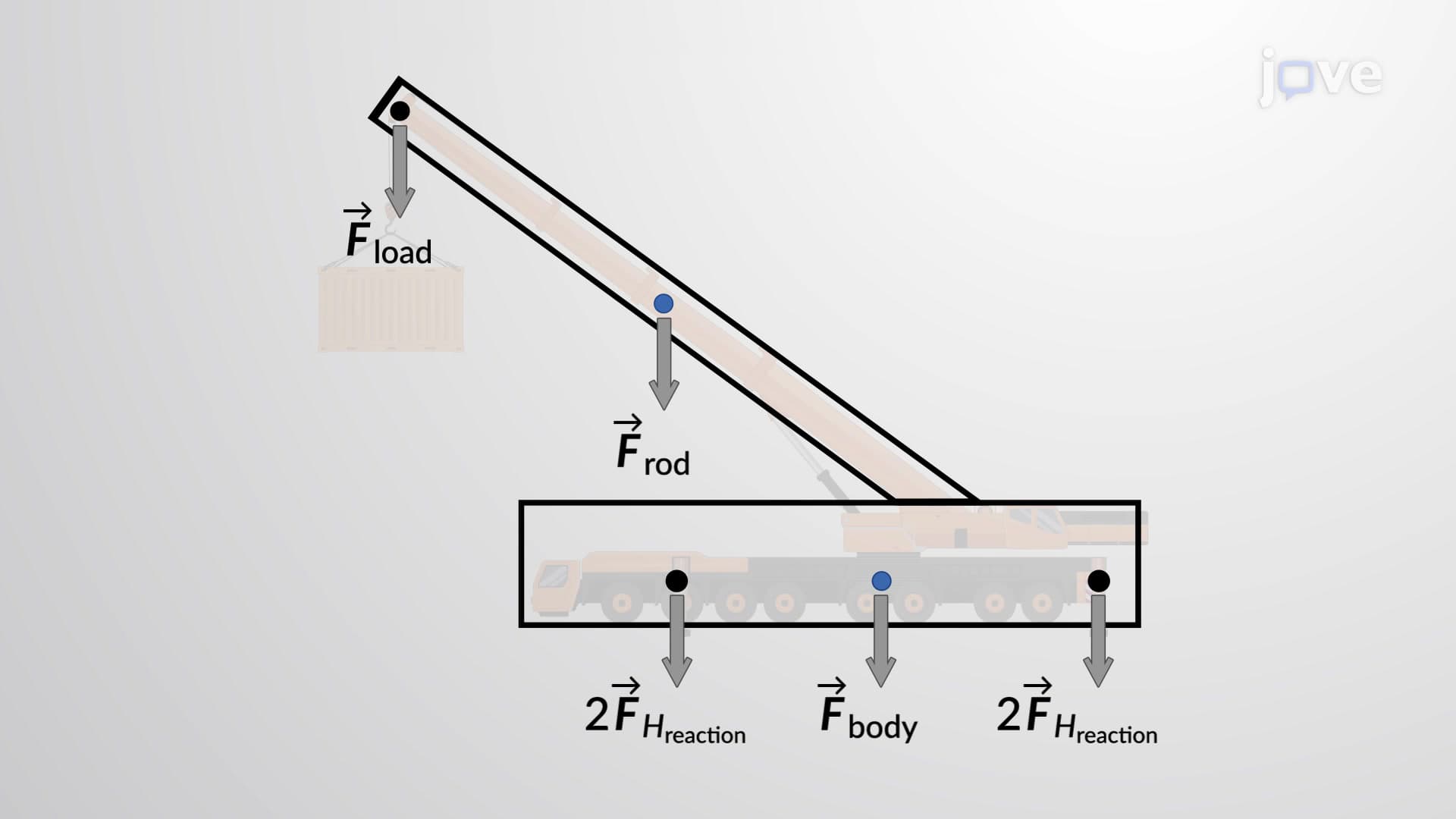
Construction engineers calculate center of gravity to ensure building stability, prevent toppling, and design foundations. The One World Trade Center in New York required extensive center of gravity analysis to withstand wind loads and maintain stability. Engineers also use these calculations for crane operations, ensuring loads don't exceed tipping limits during construction.
Not at all-the experimental method requires only basic geometry and measurement skills. Students use simple tools like plumb lines and string, making this concept accessible to high school physics students. The mathematical calculations involve straightforward coordinate geometry, typically covered in Algebra 2 or Geometry courses.
Practice with hands-on experiments using cardboard cutouts and string to visualize the concept. Work through problems involving different object shapes and suspension points. Focus on understanding equilibrium principles rather than memorizing formulas, and connect the concept to real-world examples like playground equipment and architectural design.
Two points only provide two intersecting lines, which always meet at one point regardless of accuracy. Three or more points create multiple intersections, allowing you to verify results and account for experimental error. Professional applications often use four or more points to ensure precision, especially in aerospace and construction industries where accuracy is critical.
Center of gravity knowledge leads to rotational dynamics, moment of inertia calculations, and advanced statics. Students progress to studying gyroscopic motion, spacecraft attitude control, and biomechanics applications. Engineering students encounter these concepts in structural analysis, robotics, and fluid dynamics courses at universities like MIT and Stanford.
Related Micro-courses


