Loading subject page…

- Physics
- Equilibrium and Elasticity
- Center of Gravity
Micro-course: Equilibrium and Elasticity
70,900 views
Learn key concepts and earn your certificate.
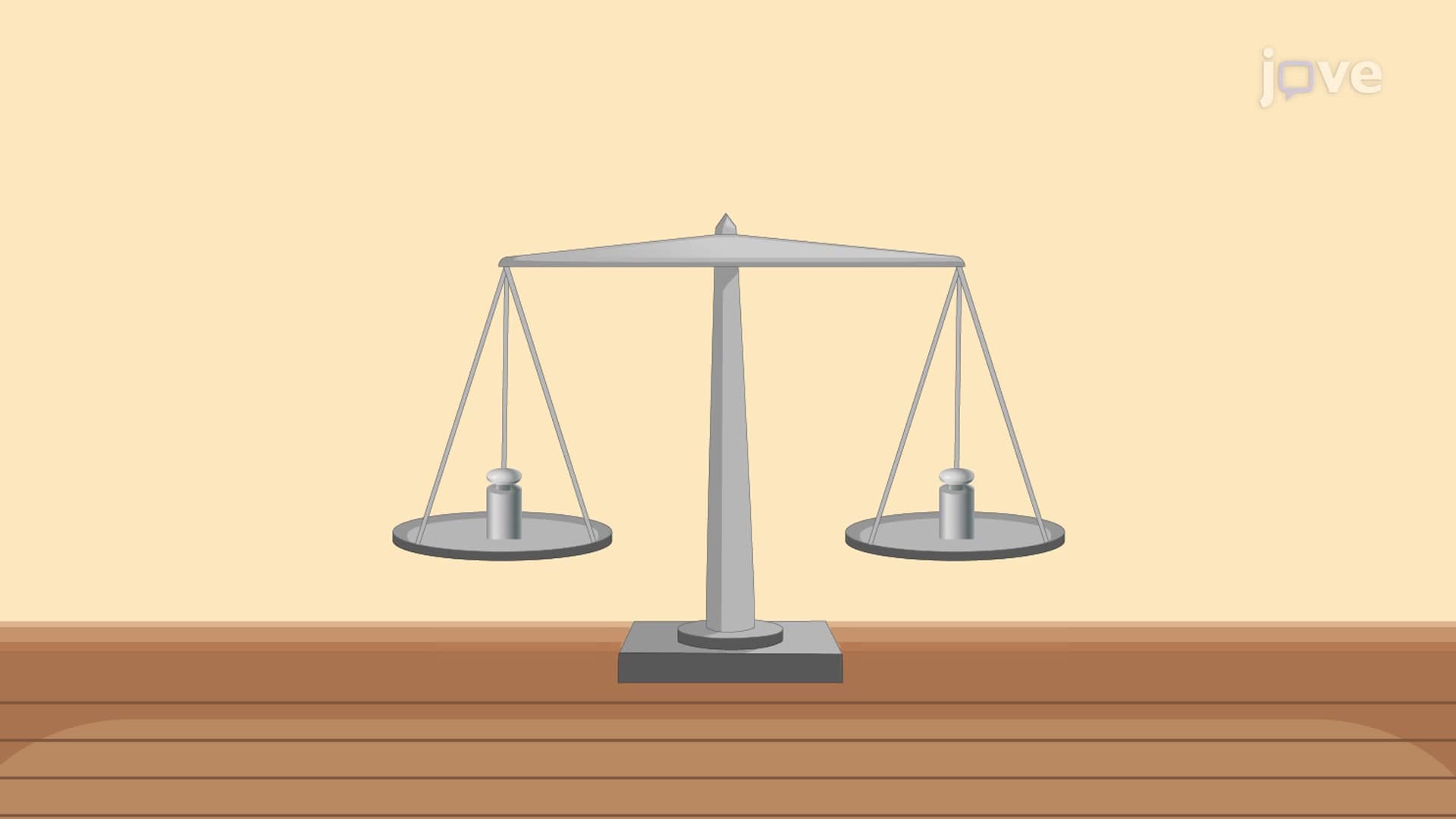

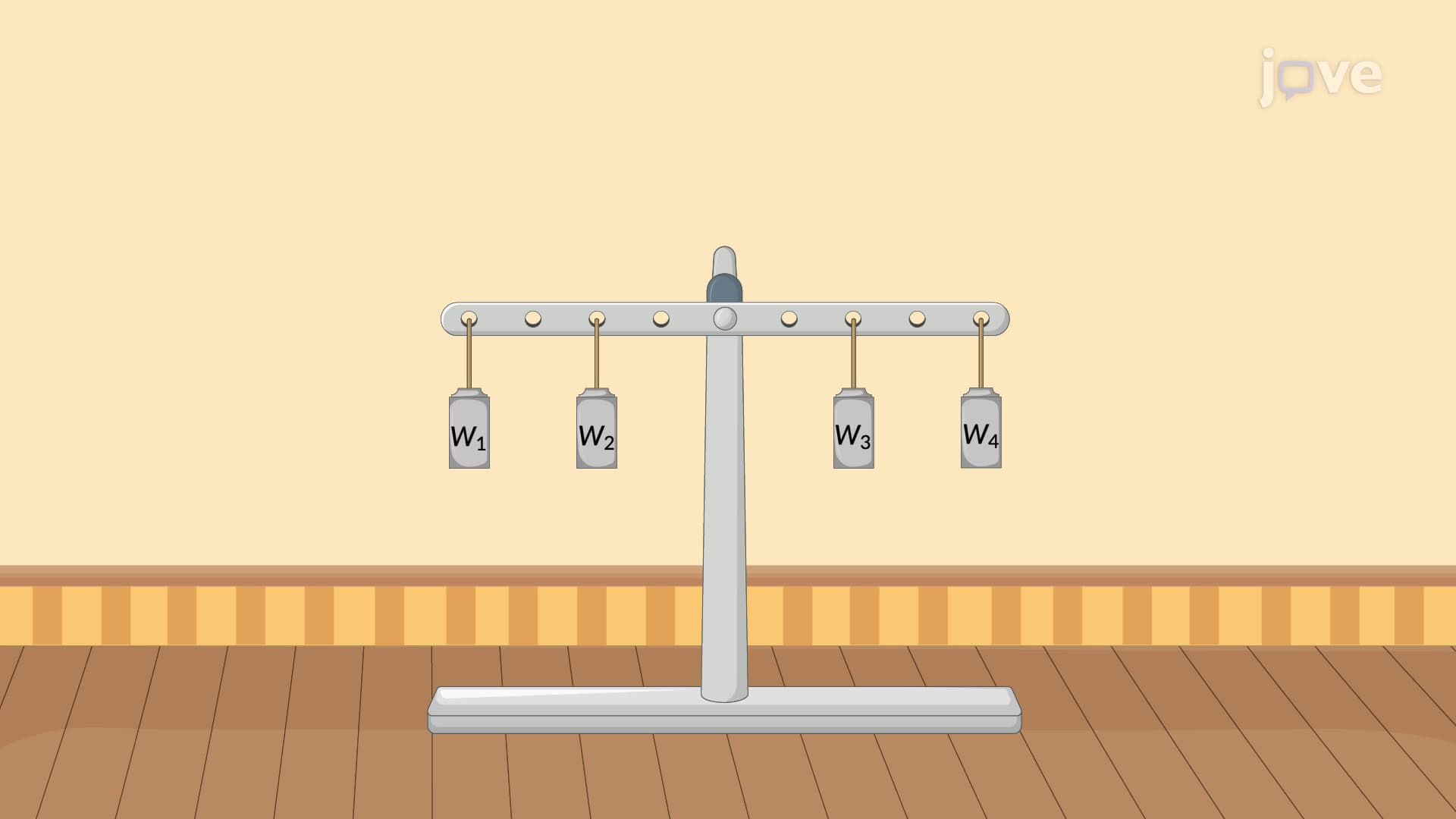
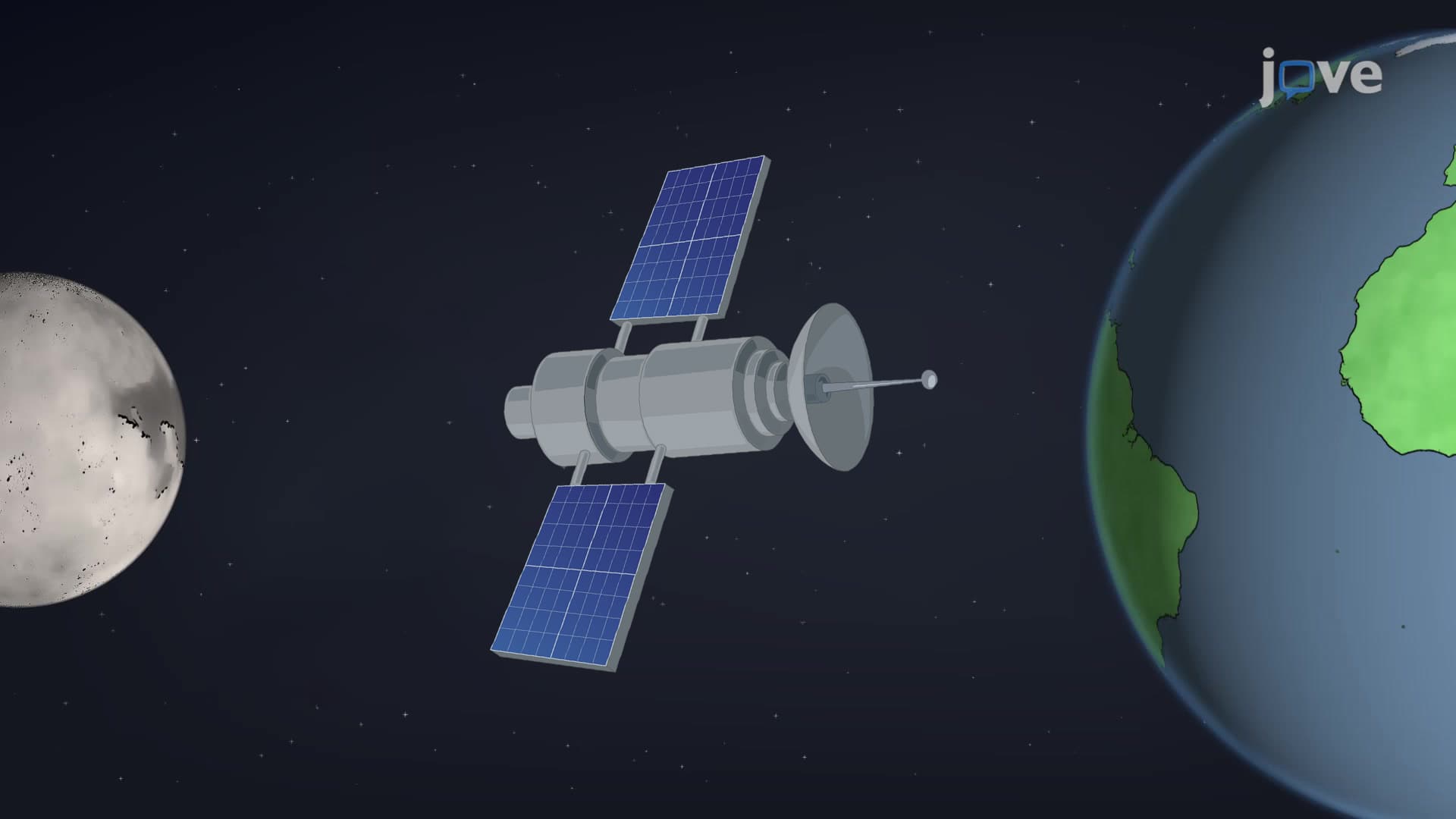
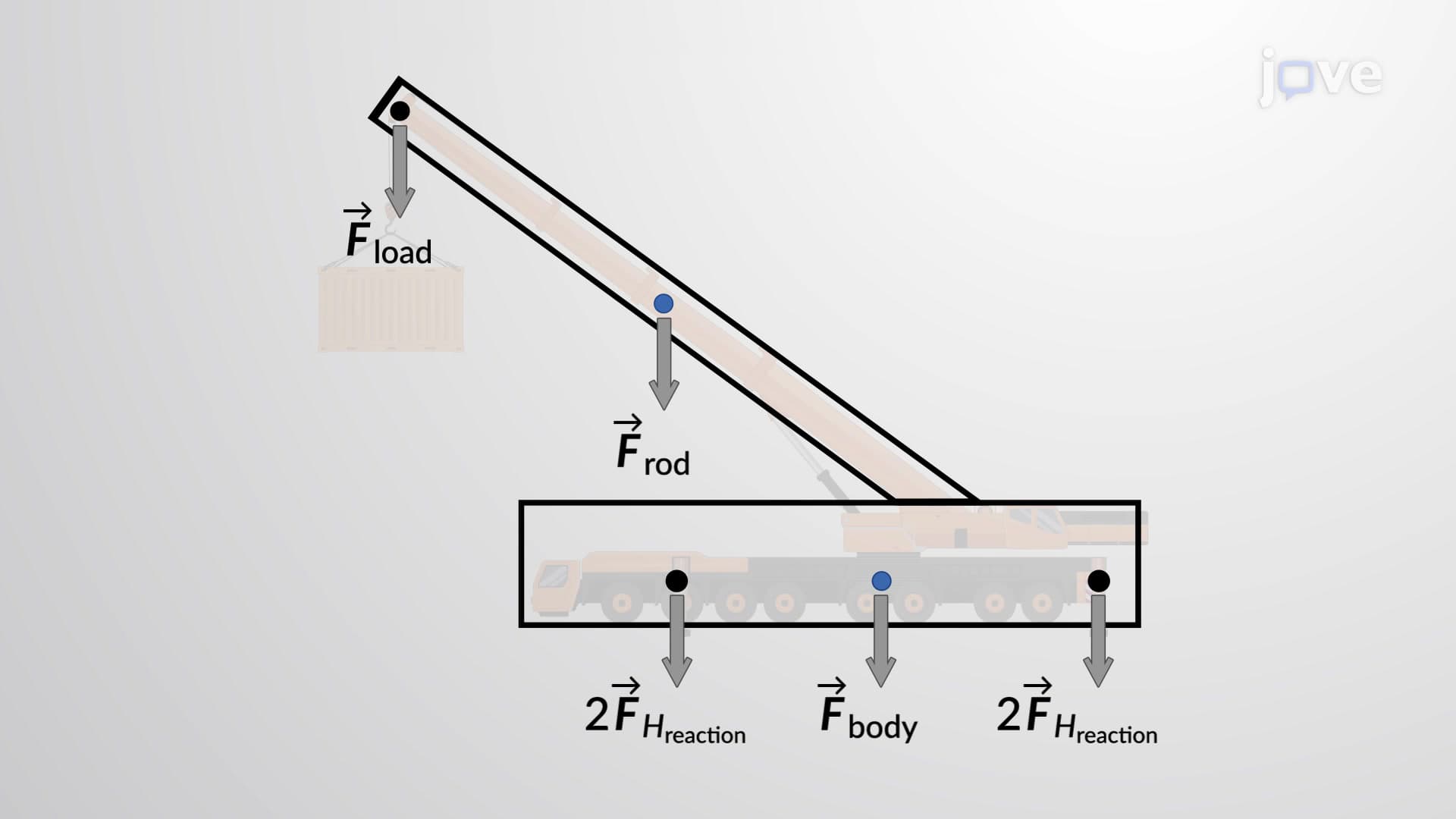
Center of Gravity

00:00
00:58
Video Summary: What Is Center of Gravity
Ever wonder why the Leaning Tower of Pisa doesn't fall over, or how gymnasts maintain perfect balance on a narrow beam? The secret lies in understanding center of gravity, the invisible point where an object's entire weight appears to concentrate. This fundamental physics concept explains everything from why your pencil falls when pushed off your desk to how engineers design stable skyscrapers in cities like New York and San Francisco. Watch the full video on JoVE Coach to master this concept with expert-led visuals and step-by-step explanations.
- Understand what is center of gravity and how it represents the point where gravitational force effectively acts on any object
- Identify the center of gravity location in regular and irregular shapes using practical methods
- Analyze how center of gravity position affects object stability and equilibrium conditions
- Apply center of gravity principles to predict whether objects will tip over or remain balanced
- Evaluate the role of center of gravity in designing stable structures like buildings and bridges
- Recognize how center of gravity shifts during motion and affects athletic performance
- Explore real-world applications from automotive design to aerospace engineering
- Compare center of gravity with center of mass and understand their relationship in different gravitational fields
Understanding Center of Gravity Fundamentals
The center of gravity represents one of physics' most practical and observable concepts. Unlike abstract theories, you can literally feel center of gravity at work every time you carry a backpack, ride a bicycle, or even stand upright. This imaginary point acts as the single location where Earth's gravitational pull appears to concentrate on any object, regardless of the object's actual shape or mass distribution.
For students preparing for AP Physics exams or college-level mechanics courses, mastering center of gravity proves essential. The concept frequently appears in free-response questions involving equilibrium, torque, and rotational motion. Understanding this principle helps solve complex problems involving everything from ladder stability to satellite orientation.
Center of Gravity in Everyday Applications
Consider how center of gravity affects daily life in America. When NASA engineers design the Space Shuttle or SpaceX rockets, they meticulously calculate center of gravity to ensure stable flight trajectories. Similarly, automotive manufacturers like Ford and General Motors position heavy components like engines and batteries to optimize vehicle stability and handling.
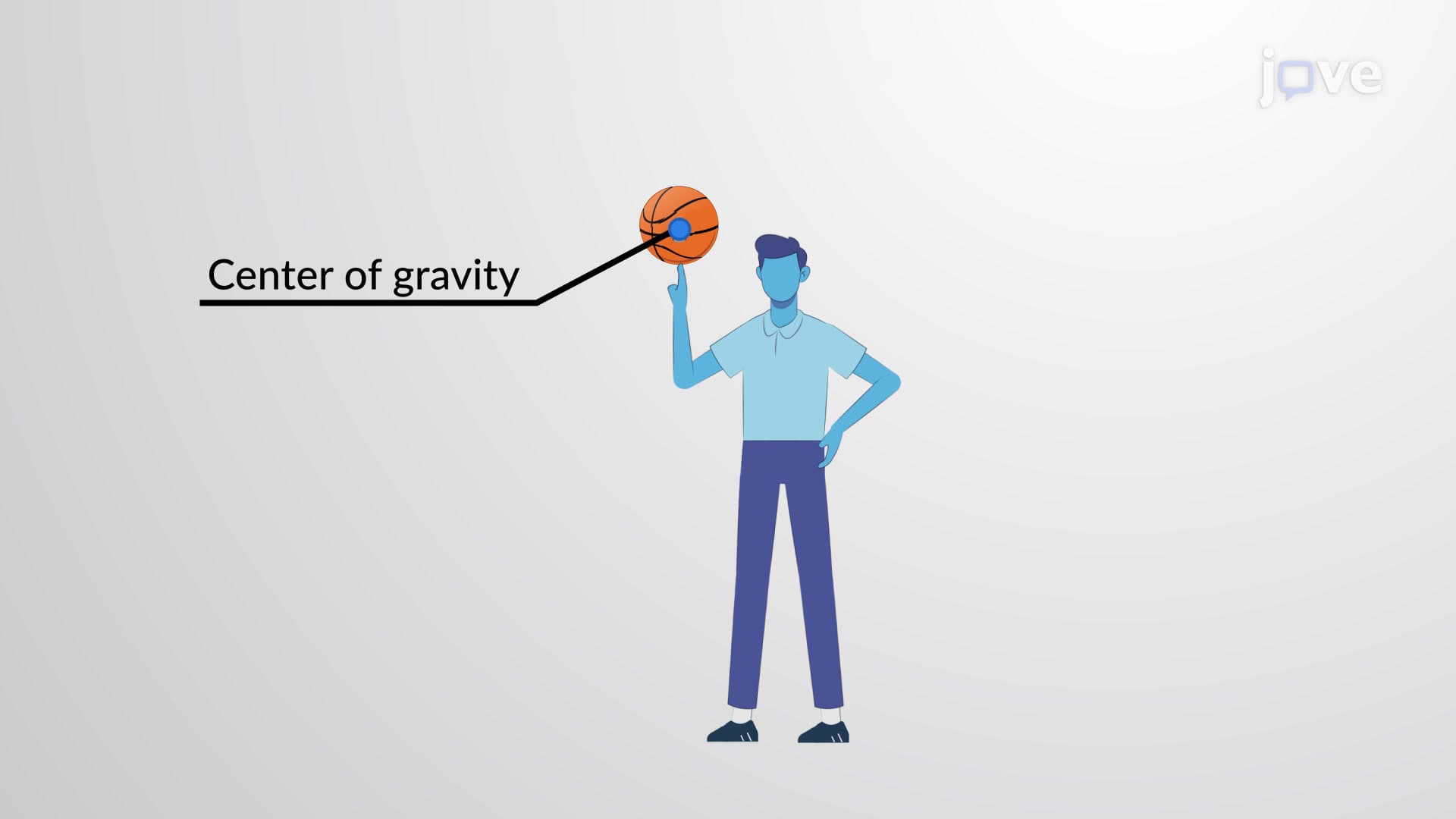
Athletes intuitively manipulate their center of gravity for peak performance. Olympic pole vaulters shift their center of gravity over the bar to clear record heights, while NFL quarterbacks lower their center of gravity to maintain balance under pressure. Basketball players learn to keep their center of gravity low during defensive stances, the same principle demonstrated in the basketball-balancing example.
Mathematical Relationships and Problem-Solving
For uniform objects with regular shapes, calculating center of gravity becomes straightforward using geometric principles. A rectangular book's center of gravity sits at its geometric center, while a baseball's center of gravity lies at its exact middle. However, irregular objects require more sophisticated approaches using calculus or experimental methods.
Students often encounter center of gravity problems involving composite objects, combinations of different shapes or materials. These problems, common on SAT Subject Tests and college physics exams, require breaking complex objects into simpler components, finding each component's center of gravity, and then calculating the overall center of gravity using weighted averages.
Engineering and Design Applications
Professional engineers rely heavily on center of gravity calculations when designing everything from skyscrapers to playground equipment. The Willis Tower in Chicago and One World Trade Center in New York incorporate sophisticated center of gravity considerations to withstand wind loads and seismic forces. Bridge designers like those who built the Golden Gate Bridge must account for how center of gravity changes as traffic loads vary throughout the day.
Understanding center of gravity also proves crucial for safety applications. The National Highway Traffic Safety Administration uses center of gravity measurements to establish vehicle rollover ratings, helping consumers choose safer cars and trucks for American roads.
Frequently Asked Questions
Center of gravity is the single point where all of an object's weight appears to be concentrated, making it the balance point for that object. Think of it as the spot where you could theoretically support an entire object with just one finger, like balancing a ruler at its middle point. This concept helps explain why objects fall, how buildings stay upright, and why athletes adjust their body positions for better balance.
AP Physics frequently tests center of gravity through equilibrium problems, torque calculations, and stability analysis questions. Focus on identifying center of gravity locations in composite objects, understanding the relationship between center of gravity and tipping conditions, and applying equilibrium principles to solve real-world scenarios. Practice problems involving ladders against walls, suspended objects, and balancing irregular shapes are particularly common.
Center of mass focuses on mass distribution regardless of gravitational field, while center of gravity specifically considers gravitational force effects on that mass. In uniform gravitational fields like Earth's surface, these points coincide, but they differ in varying gravitational fields. For MCAT success, understand that center of gravity becomes crucial when analyzing human biomechanics, joint forces, and stability in medical contexts like prosthetic design.
Engineers calculate center of gravity to ensure structural stability in major projects like the Hoover Dam, Golden Gate Bridge, and modern skyscrapers in Manhattan. They position heavy materials strategically to keep the center of gravity within the base of support, preventing toppling during earthquakes or high winds. Construction cranes also rely on center of gravity calculations to safely lift materials without tipping over.
Basic algebra and geometry suffice for most center of gravity applications at the high school and early college level. You'll primarily work with coordinate systems, weighted averages, and simple equilibrium equations. Advanced calculus becomes necessary only for irregular shapes or complex engineering applications, making this concept accessible to students in Algebra II or higher.
Start by drawing clear diagrams showing all forces and distances, then identify whether you're dealing with a single object or composite system. For composite objects, break them into simpler shapes, find each component's center of gravity, and use the weighted average formula. Always check your answer by considering whether the center of gravity location makes physical sense relative to the object's shape.
Athletes manipulate their center of gravity to optimize performance across all sports, gymnasts lower it for stability, high jumpers shift it over the bar for clearance, and football players adjust it for better tackling technique. Understanding this concept helps explain proper form in weightlifting, balance in dance and martial arts, and injury prevention through better body mechanics during physical activities.
Center of gravity forms the foundation for studying rotational dynamics, angular momentum, and rigid body mechanics in advanced physics courses. It connects to moment of inertia calculations, gyroscopic motion, and orbital mechanics topics that appear in upper-level college physics and engineering programs. Mastering center of gravity concepts now prepares you for these more complex applications.
Related Micro-courses


