Loading subject page…

- Physics
- Gauss's Law
- Divergence and Curl of Electric Field
Micro-course: Gauss's Law
75,401 views
Learn key concepts and earn your certificate.

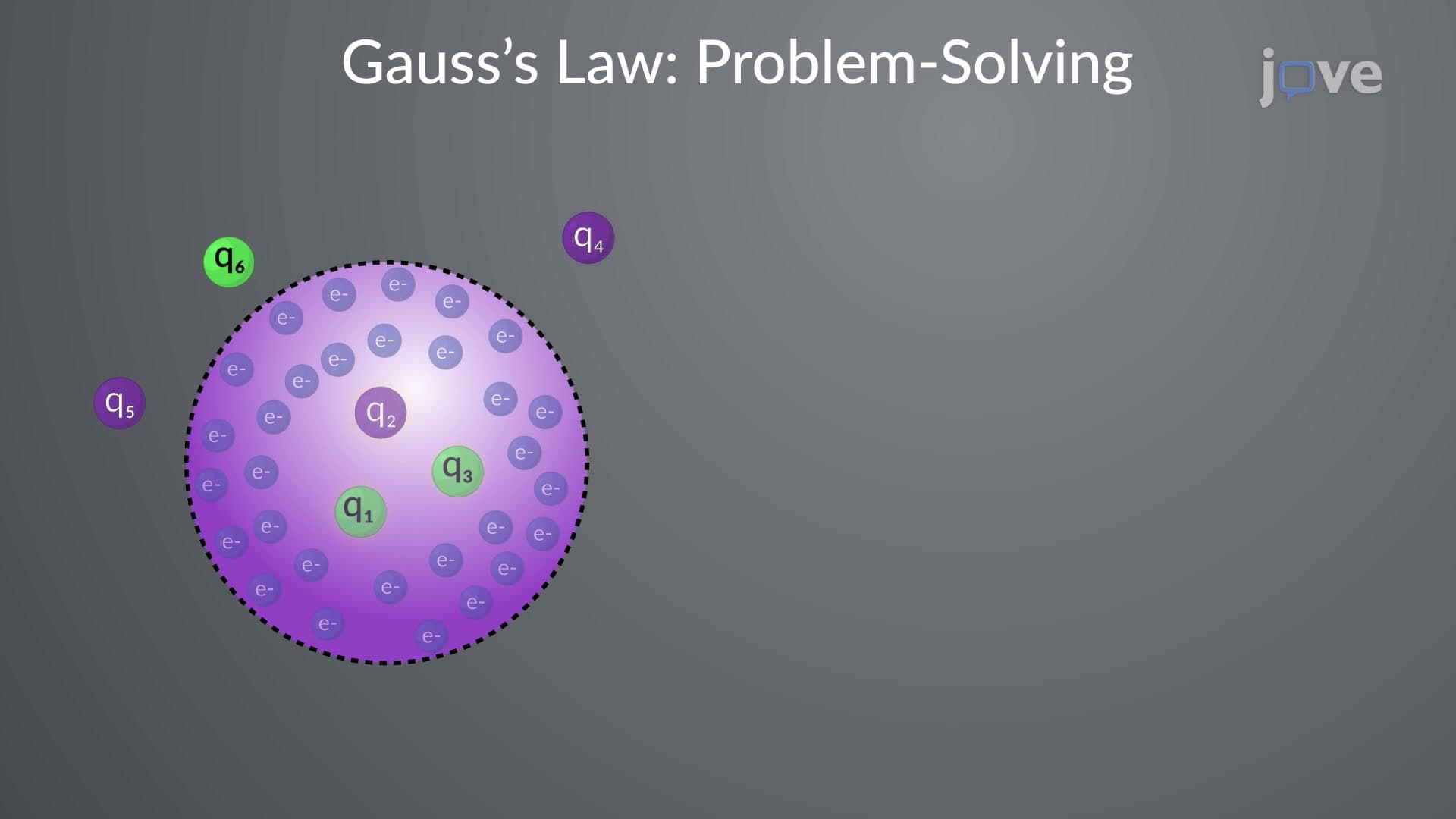
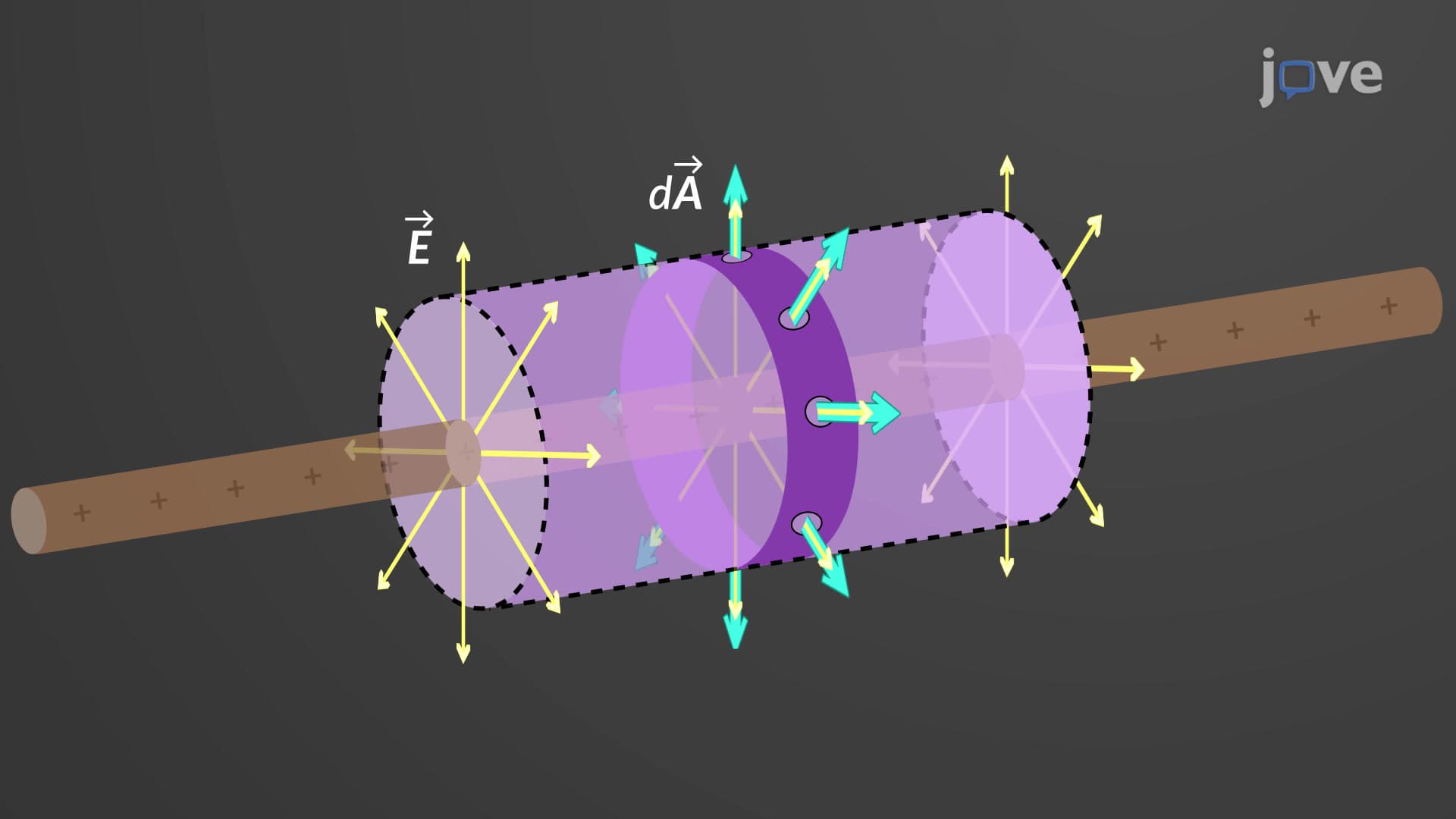
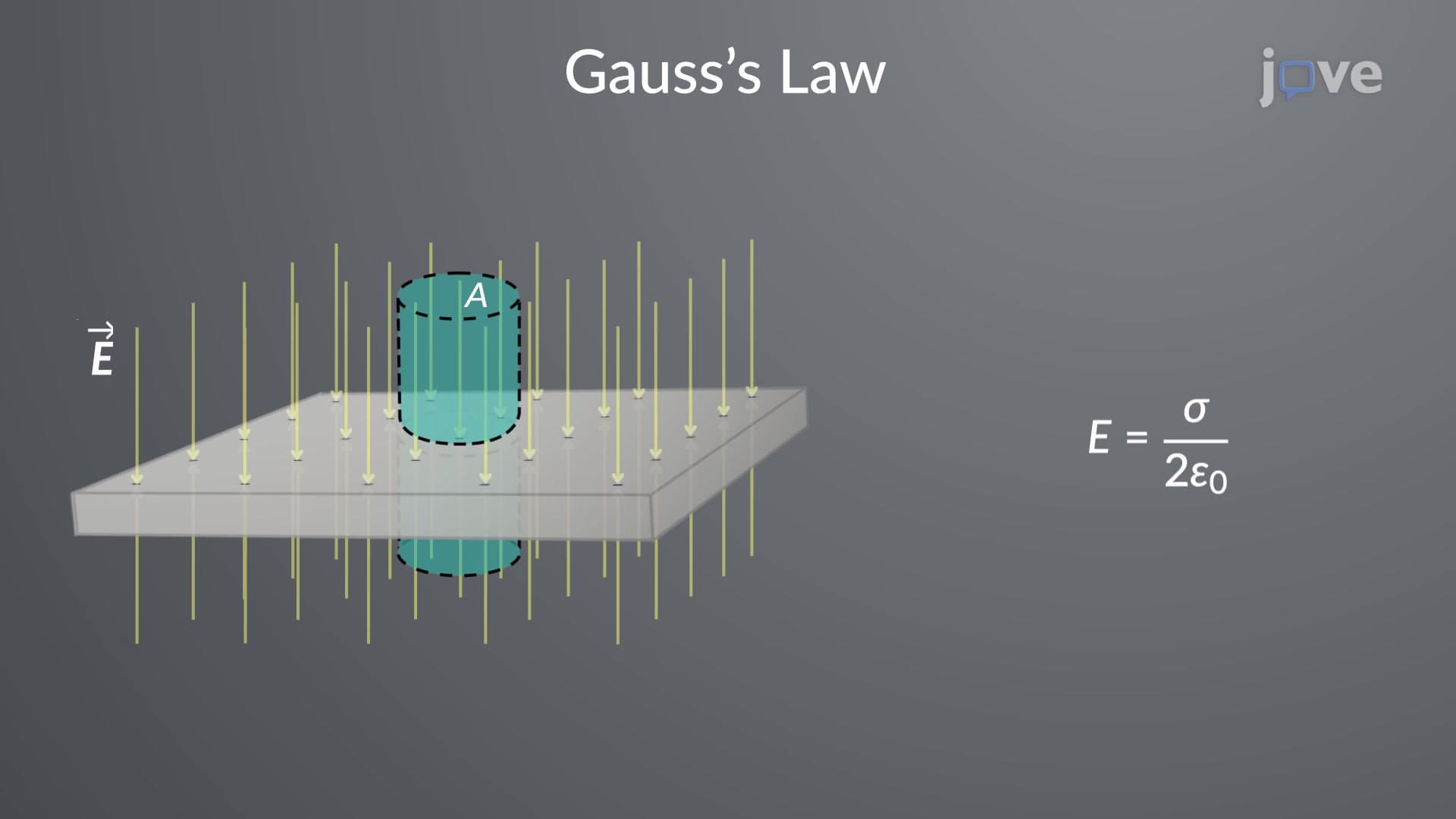


Divergence and Curl of Electric Field

00:00
01:25
Video Summary: Divergence and Curl of Electric Field Explained
Ever wonder why lightning follows jagged paths instead of perfect circles? The divergence and curl of electric field explains this fascinating behavior through fundamental electromagnetic principles. During thunderstorms over states like Kansas, electric fields demonstrate zero curl properties that prevent circular field patterns, while their divergence reveals charge distributions in storm clouds. Understanding divergence and curl of electric field concepts helps explain why electric phenomena behave predictably in nature and technology. Watch the full video on JoVE Coach to master this concept with expert-led visuals and step-by-step explanations.
- Understand the fundamental principles behind divergence and curl of electric field and their mathematical relationships with Gauss's law and Stokes' theorem
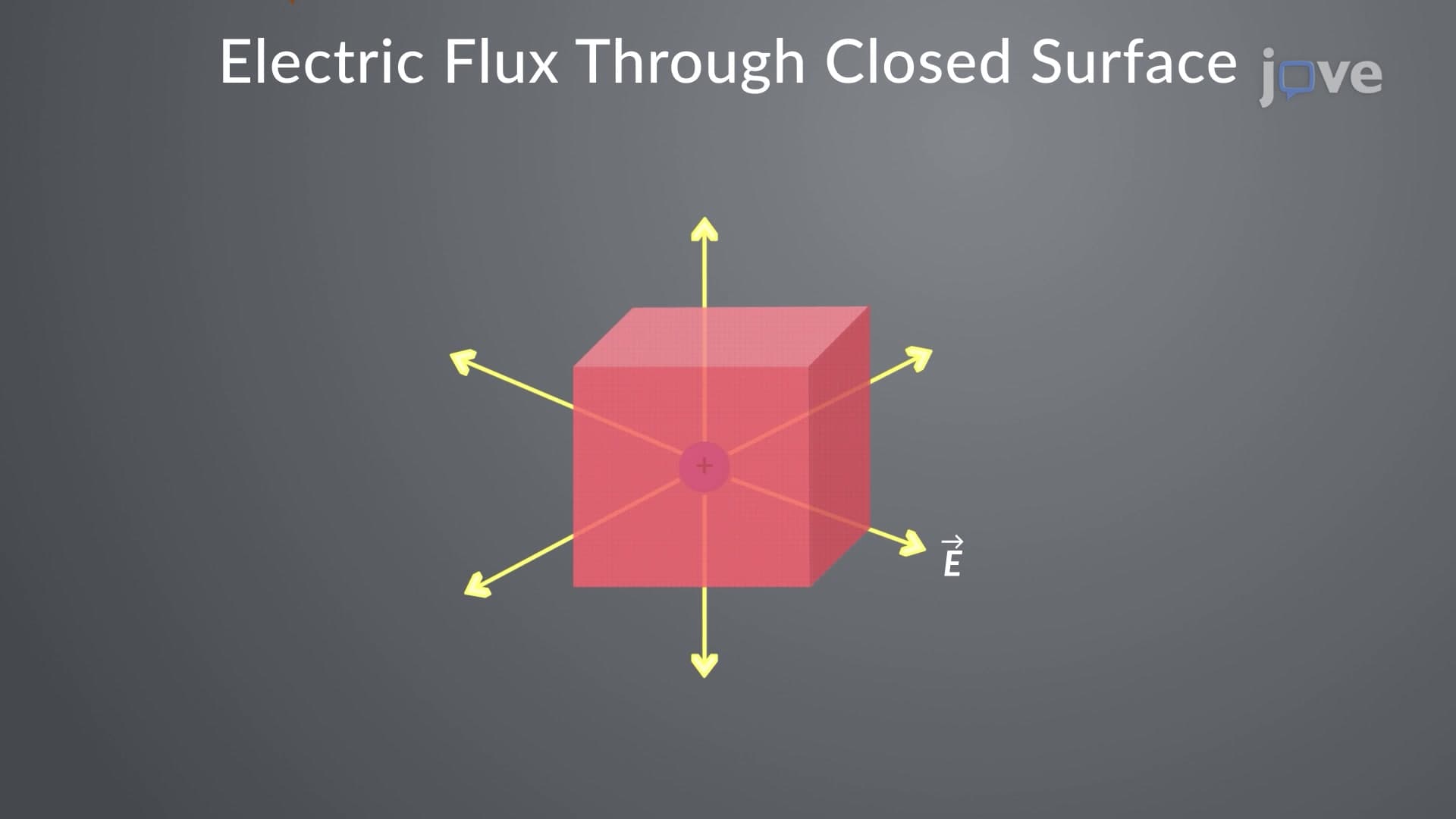
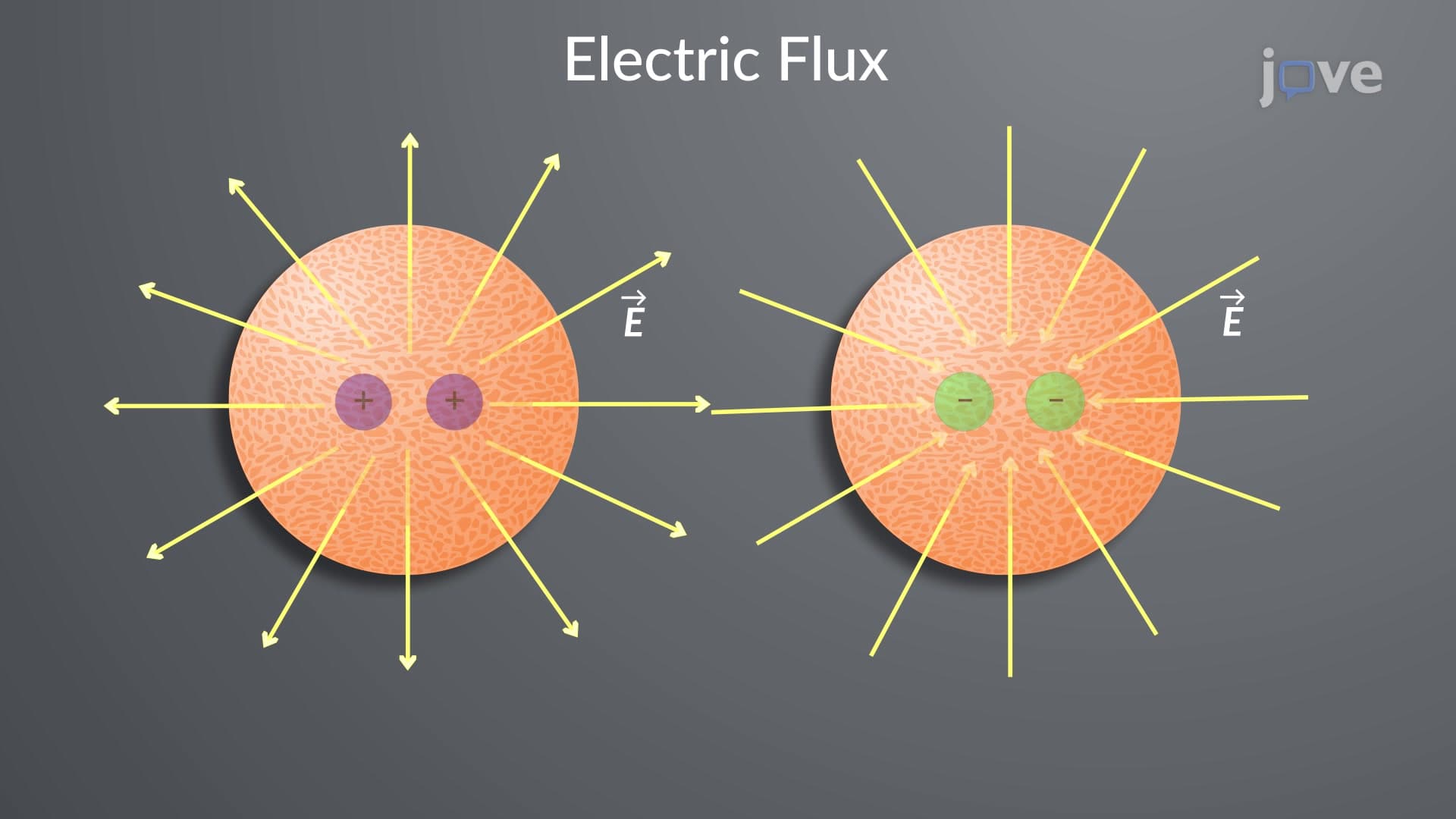
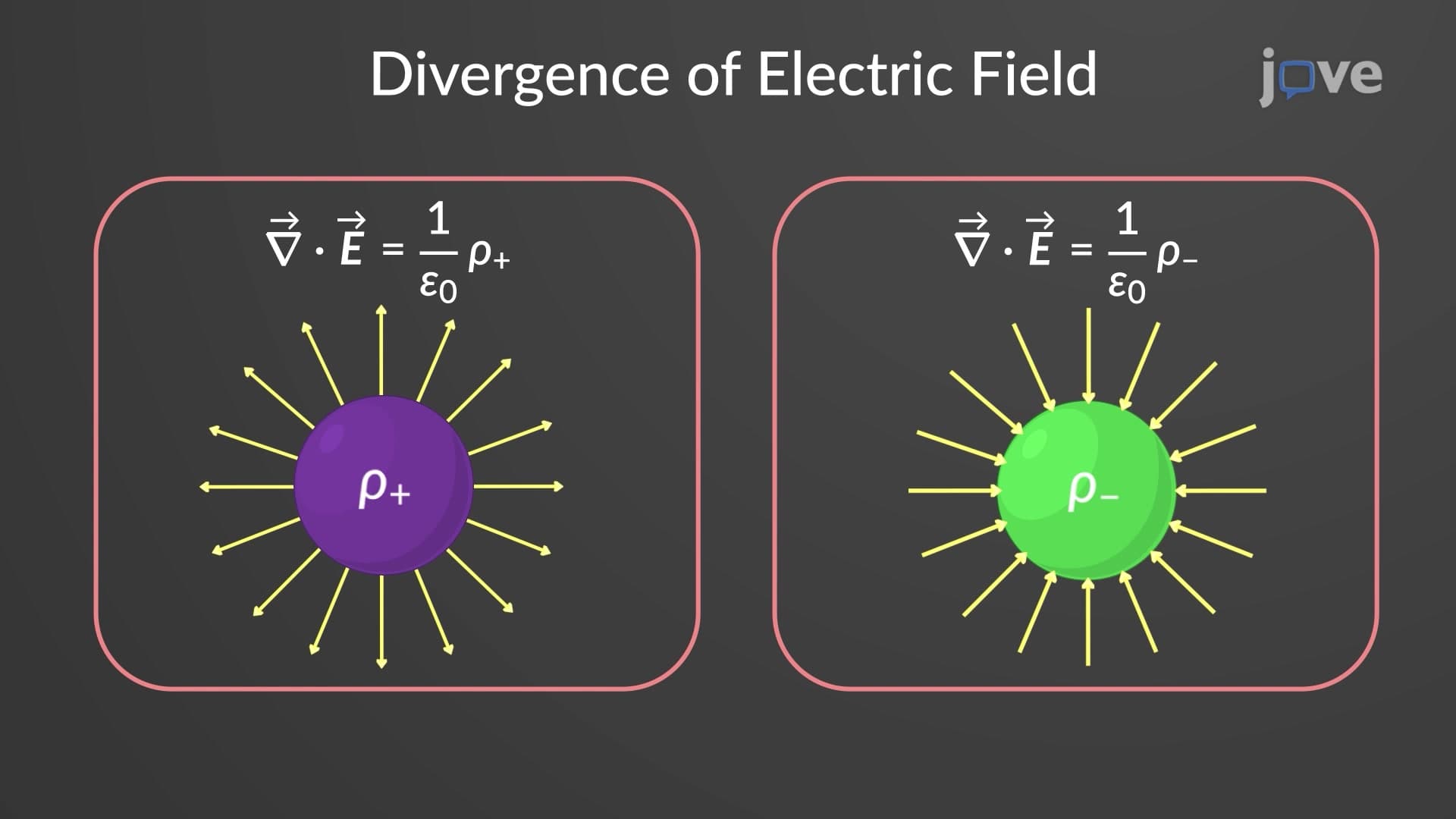
- Identify how divergence indicates the presence of electric charge sources and determines field line behavior around positive and negative charges
- Analyze why electric fields have zero curl for static charge distributions and what this means for conservative field properties
- Compare the physical interpretations of divergence (source/sink behavior) versus curl (rotational behavior) in electromagnetic contexts
- Evaluate the relationship between Gauss's law in integral form and the divergence theorem for electric field calculations
- Apply Stokes' theorem to demonstrate that line integrals around closed paths in electric fields equal zero
- Recognize how field line patterns reveal mathematical properties like divergence and curl through visual interpretation
- Explore the connection between conservative fields and path independence in electric potential calculations
Understanding Divergence And Curl of Electric Field Fundamentals
The divergence and curl of electric field represent two crucial vector calculus operations that reveal fundamental properties of electromagnetic fields. Divergence measures how much a vector field spreads out from or converges into a point, while curl quantifies the rotational tendency of field lines around a point. For electric fields generated by static charges, these mathematical tools reveal profound physical insights about field behavior.
Divergence: Revealing Electric Field Sources
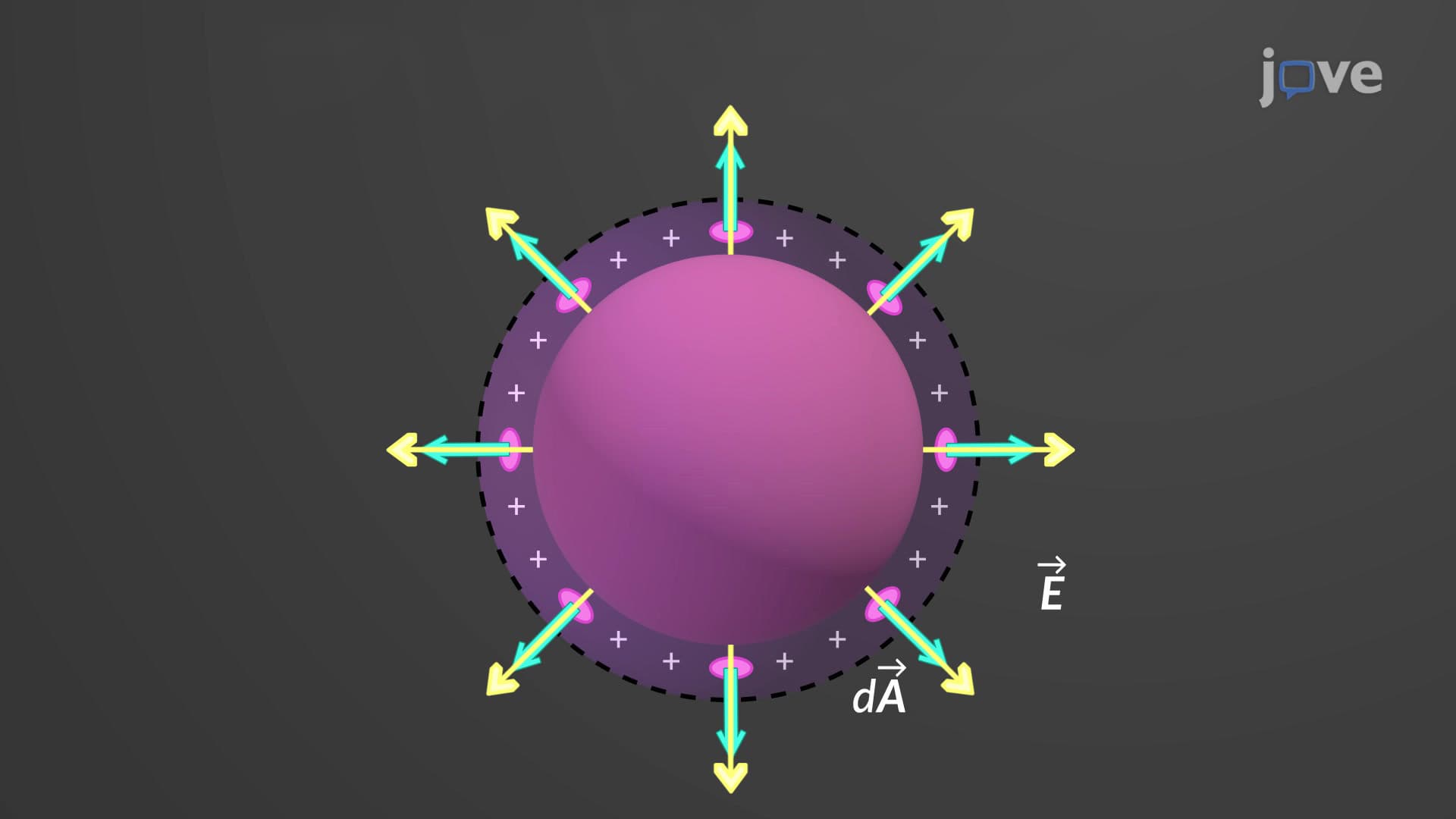
Electric field divergence directly connects to charge density through Gauss's law. When positive charges create electric fields, field lines radiate outward, resulting in positive divergence. Conversely, negative charges produce convergent field lines with negative divergence. This relationship proves essential for solving electrostatics problems on the AP Physics C exam and college-level electromagnetic courses.
Consider a Van de Graaff generator commonly used in US high schools-the metal sphere accumulates positive charge, creating radially outward electric field lines. The divergence at any point near the sphere relates directly to the local charge density, demonstrating how mathematical concepts translate to observable phenomena.
Curl: Why Electric Fields Don't Rotate
Static electric fields possess zero curl, meaning field lines cannot form closed loops or circular patterns. This property stems from the conservative nature of electrostatic forces-work done moving a charge around any closed path equals zero. Students preparing for the MCAT often encounter this concept when studying energy conservation in biological systems involving electric potentials.
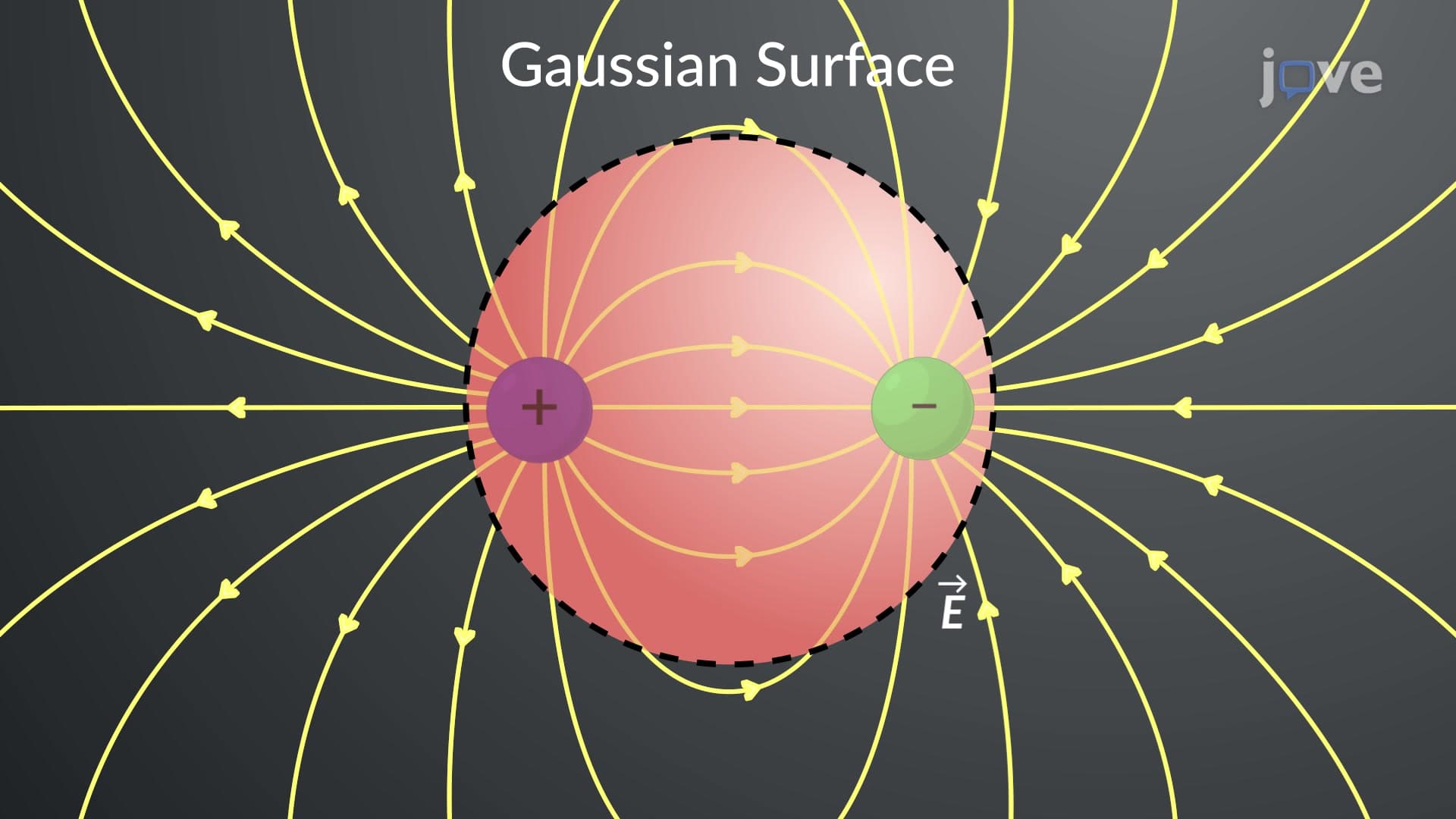
The zero-curl property explains why electric field lines always begin on positive charges and terminate on negative charges, never forming continuous loops. This fundamental principle appears frequently in college physics courses and standardized tests, particularly when analyzing complex charge configurations.
Practical Applications and Mathematical Connections
Understanding these concepts proves crucial for advanced physics coursework and engineering applications. Students studying electrical engineering at universities like MIT or Stanford encounter these principles when analyzing circuit behavior and electromagnetic wave propagation. The mathematical relationships between divergence, curl, and fundamental laws like Gauss's and Stokes' theorems form the foundation for more advanced electromagnetic theory.
These concepts also appear in various forms on standardized exams, from AP Physics C questions involving Gauss's law applications to graduate-level assessments requiring vector calculus manipulations in electromagnetic contexts.
Frequently Asked Questions
Divergence measures how electric field lines spread from sources, while curl measures rotational behavior-electric fields have zero curl. These properties help predict field behavior, solve complex problems, and understand fundamental electromagnetic principles essential for physics and engineering applications.
AP Physics C frequently tests these through Gauss's law applications and conservative field problems. Students encounter questions requiring divergence calculations for charge distributions and must explain why electric fields are conservative (zero curl). Practice with vector calculus applications proves essential for exam success.
Yes, these concepts underpin electrostatics questions involving biological systems and medical devices. MCAT problems often require understanding conservative fields and energy relationships. Strong grasp of these fundamentals supports success in passages about nerve conduction and medical imaging technologies.
Electric field analysis using divergence and curl principles enables design of everything from smartphone touchscreens to MRI machines in US hospitals. Engineers at companies like Tesla use these concepts for battery design, while medical device manufacturers apply them for developing cardiac pacemakers and diagnostic equipment.
Basic vector calculus understanding suffices for introductory applications, though deeper mathematical proficiency helps with advanced problems. Most high school AP courses introduce these concepts conceptually before requiring rigorous mathematical manipulation. College courses progressively build mathematical sophistication while maintaining physical intuition.
Focus on visualizing field line patterns and connecting mathematical expressions to physical behavior. Practice sketching field configurations, work through Gauss's law problems systematically, and use online simulations to build intuition before tackling complex calculations.
Progress to time-varying electromagnetic fields, which introduce non-zero curl through Faraday's law. Study Maxwell's equations, electromagnetic wave propagation, and applications in wireless communication technology. These advanced topics build directly on static field foundations.
Related Micro-courses