Loading video…


 13 Concepts
 75.4K views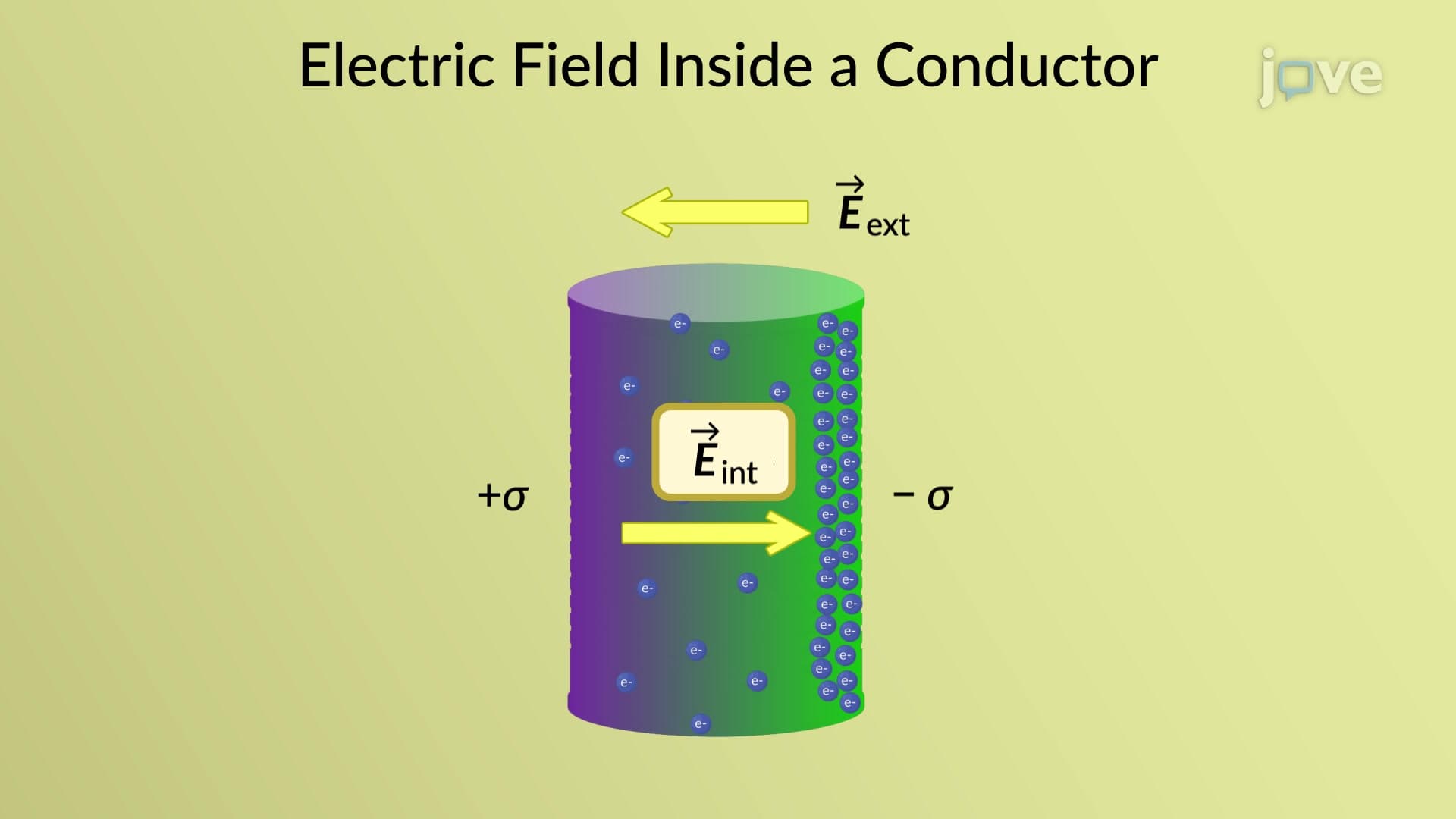

Video Summary: Electric Field Inside a Conductor Explained
Why do smartphones work safely in your pocket despite constant electromagnetic radiation? The electric field inside a conductor is always zero due to electrostatic equilibrium. When free electrons in metals like the aluminum housing of an iPhone redistribute in response to external fields, they create an internal field that perfectly cancels the external one. This fundamental principle protects sensitive electronics and explains why Faraday cages work. Watch the full video on JoVE Coach to master this concept with expert-led visuals and step-by-step explanations.
The electric field inside a conductor represents one of electromagnetism's most counterintuitive yet practical principles. Unlike insulators where electric fields can penetrate and exist within the material, conductors completely exclude electric fields from their interior through a remarkable self-regulating process.
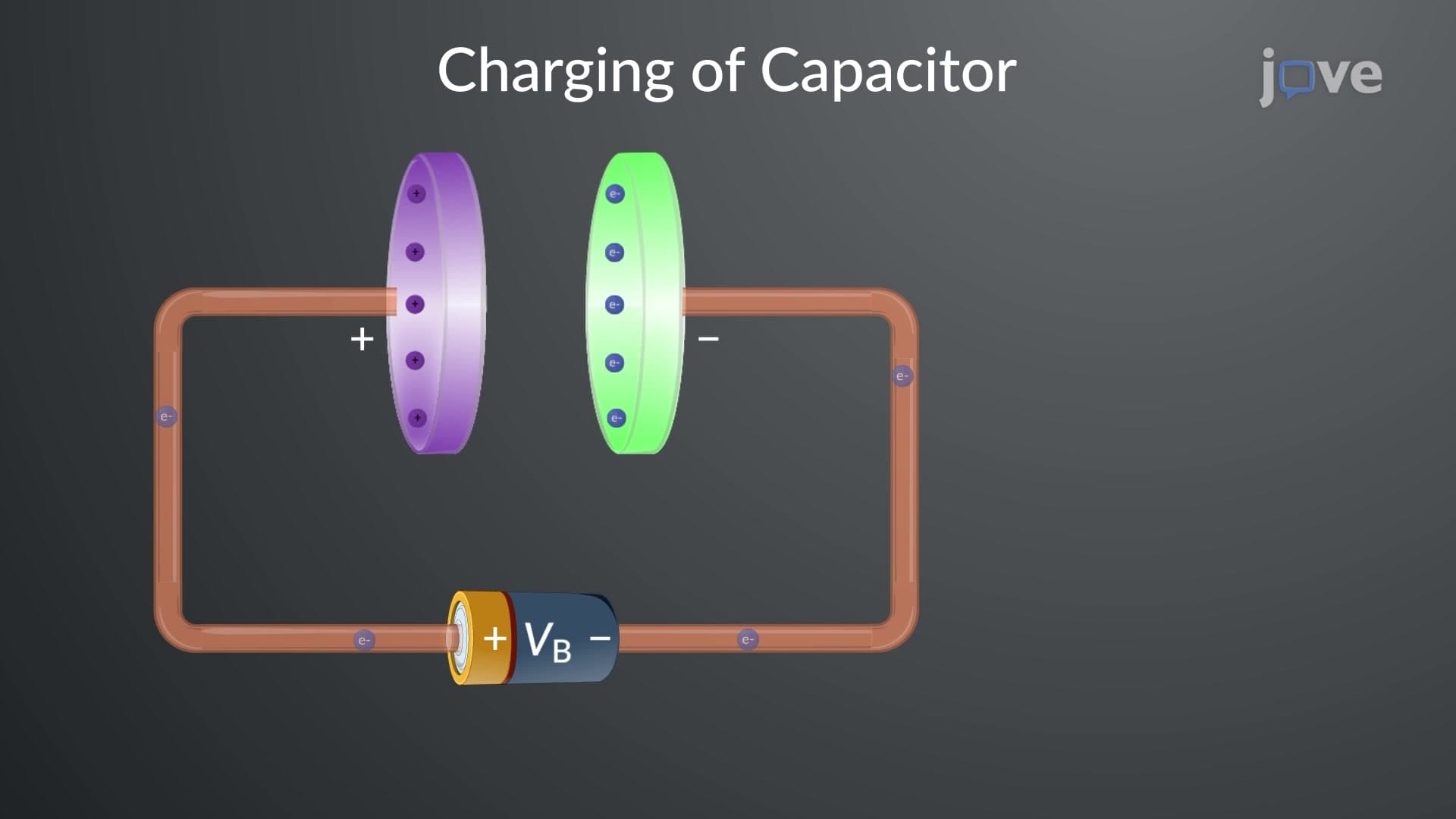
When an external electric field encounters a conductor, free electrons-which exist abundantly in metals like copper, aluminum, and silver-immediately respond. These electrons migrate opposite to the field direction, creating a charge imbalance. One surface accumulates excess negative charge while the opposite surface develops positive charge due to electron depletion. This process happens almost instantaneously, typically within nanoseconds for most metals.
The redistributed surface charges generate their own electric field pointing from positive to negative regions. This internal field grows stronger as more electrons accumulate until it perfectly cancels the external field everywhere inside the conductor. Students preparing for AP Physics or college electromagnetics courses should remember this as a dynamic equilibrium, not a static condition.
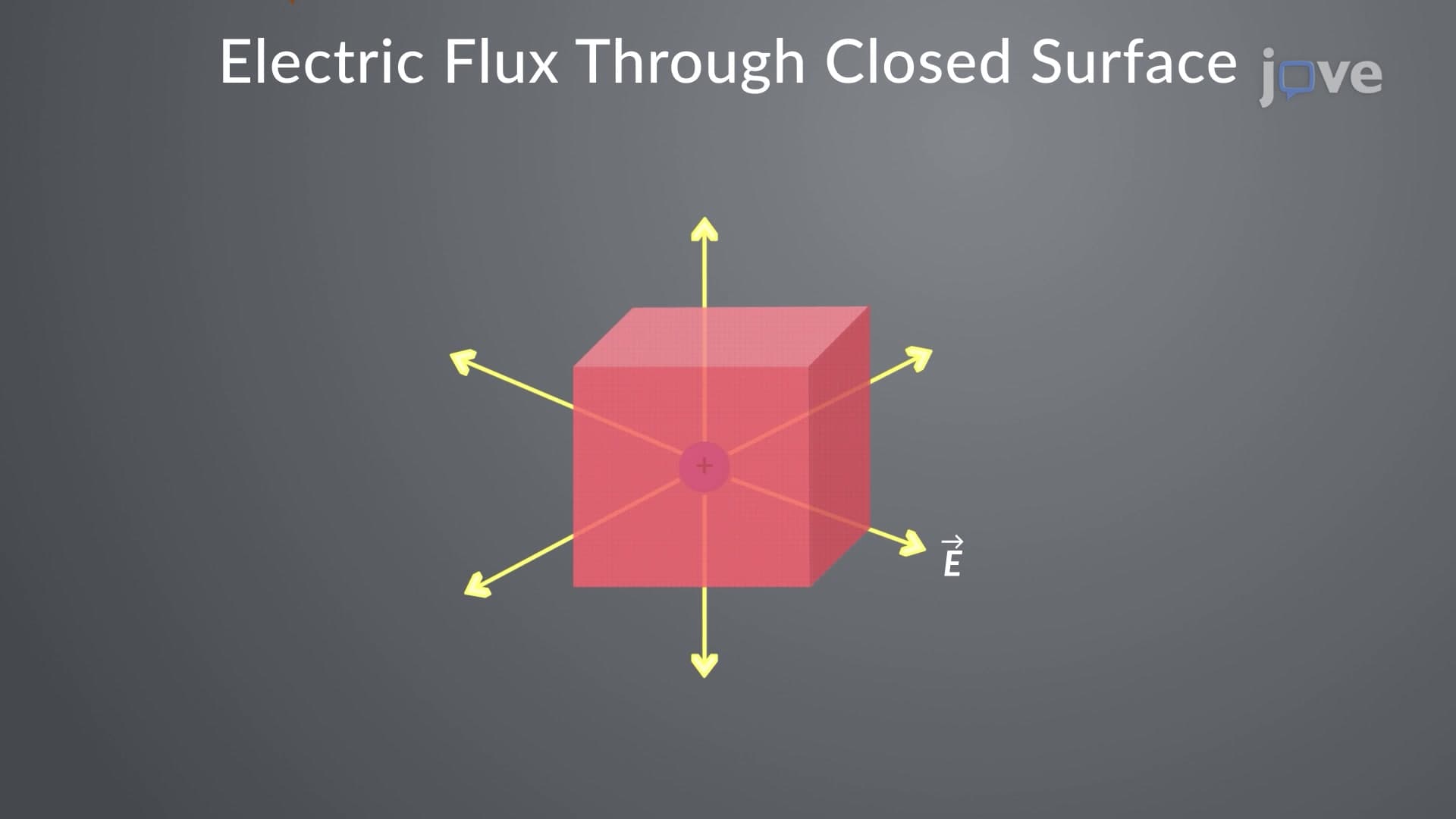
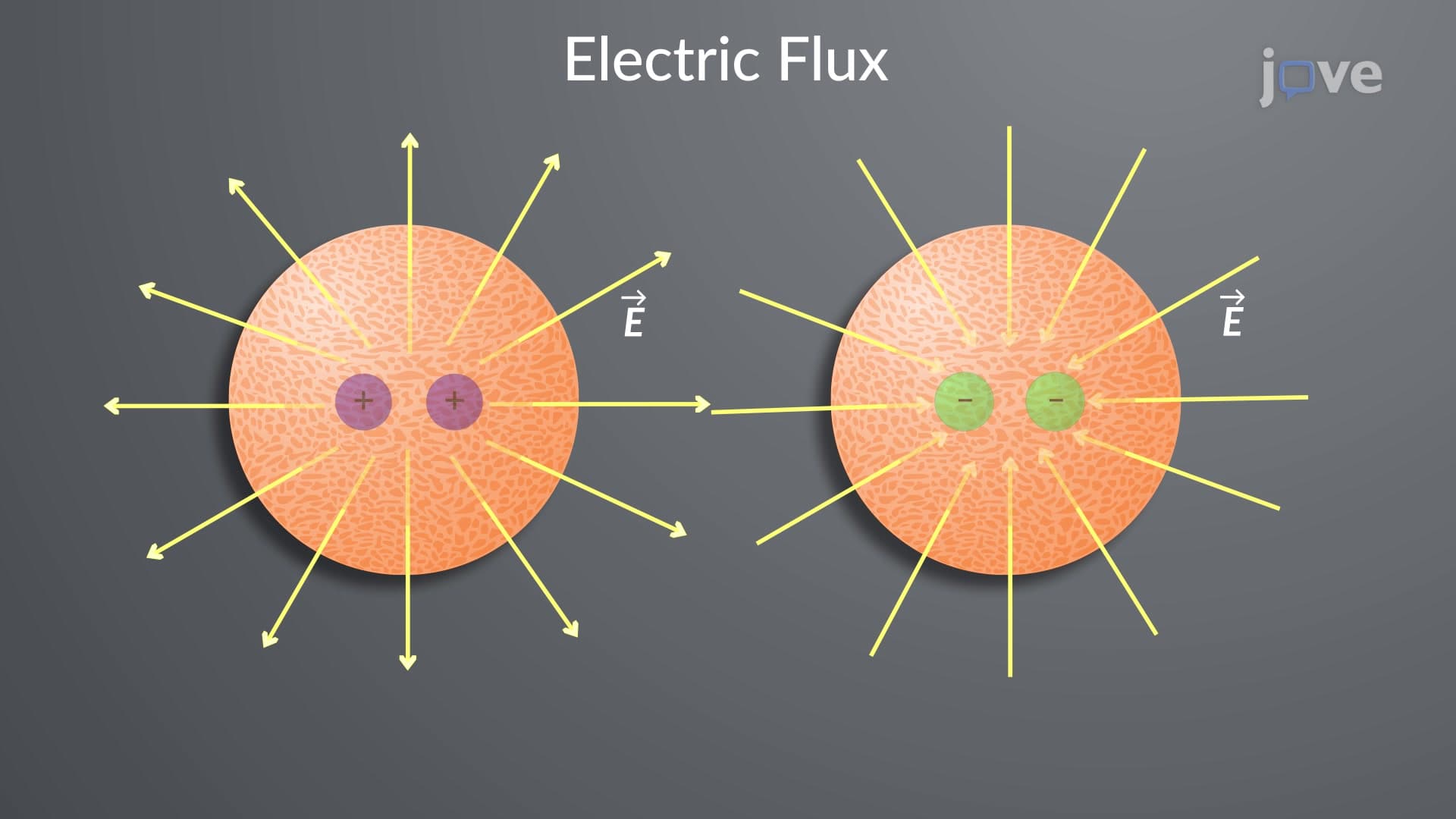
At equilibrium, the net electric field inside equals zero: E(external) + E(internal) = 0. Applying Gauss's law confirms this behavior mathematically. Since the electric field inside is zero, the electric flux through any closed surface within the conductor is zero, proving no net charge exists in the interior-only on surfaces.
This principle appears frequently on MCAT physics sections and AP Physics C: Electricity and Magnetism exams. Students should practice identifying scenarios where conductors reach equilibrium and calculating surface charge densities using boundary conditions.
American industries leverage this principle extensively. Aircraft use aluminum fuselages as Faraday cages, protecting passengers from lightning strikes. The Federal Aviation Administration mandates these protections based on conductor field exclusion. Similarly, hospital MRI rooms use copper mesh in walls to prevent external electromagnetic interference from affecting sensitive imaging equipment.
Computer manufacturers like Intel and AMD design processor housings using conductive materials to prevent electromagnetic interference between components. Even simple applications like microwave ovens rely on metal mesh screens that block microwaves while allowing visible light through-demonstrating frequency-dependent conductor behavior that advanced students explore in electromagnetic wave theory.
Related Micro-courses